Although retirement ages are rising in the United Kingdom and other countries, the average number of years people in England can expect to spend both healthy and work from age 50 (Healthy Working Life Expectancy; HWLE) is less than the number of years to the State Pension age. This study aimed to estimate HWLE with the presence and absence of selected health, socio-demographic, physical activity, and workplace factors relevant to stakeholders focusing on improving work participation. Data from 11,540 adults in the English Longitudinal Study of Ageing were analysed using a continuous time 3-state multi-state model. Age-adjusted hazard rate ratios (aHRR) were estimated for transitions between health and work states associated with individual and combinations of health, socio-demographic, and workplace factors. HWLE from age 50 was 3.3 years fewer on average for people with pain interference (6.54 years with 95% confidence interval [6.07, 7.01]) compared to those without (9.79 [9.50, 10.08]). Osteoarthritis and mental health problems were associated with 2.2 and 2.9 fewer healthy working years respectively (HWLE for people without osteoarthritis: 9.50 years [9.22, 9.79]; HWLE with osteoarthritis: 7.29 years [6.20, 8.39]; HWLE without mental health problems: 9.76 years [9.48, 10.05]; HWLE with mental health problems: 6.87 years [1.58, 12.15]). Obesity and physical inactivity were associated with 0.9 and 2.0 fewer healthy working years respectively (HWLE without obesity: 9.31 years [9.01, 9.62]; HWLE with obesity: 8.44 years [8.02, 8.86]; HWLE without physical inactivity: 9.62 years [9.32, 9.91]; HWLE with physical inactivity: 7.67 years [7.23, 8.12]). Workers without autonomy at work or with inadequate support at work were expected to lose 1.8 and 1.7 years respectively in work with good health from age 50 (HWLE for workers with autonomy: 9.50 years [9.20, 9.79]; HWLE for workers lacking autonomy: 7.67 years [7.22, 8.12]; HWLE for workers with support: 9.52 years [9.22, 9.82]; HWLE for workers with inadequate support: 7.86 years [7.22, 8.12]). This study identified demographic, health, physical activity, and workplace factors associated with lower HWLE and life expectancy at age 50. Identifying the extent of the impact on healthy working life highlights these factors as targets and the potential to mitigate against premature work exit is encouraging to policy-makers seeking to extend working life as well as people with musculoskeletal and mental health conditions and their employers. The HWLE gaps suggest that interventions are needed to promote the health, wellbeing and work outcomes of subpopulations with long-term health conditions.
Dietary intake information is key to understanding nutrition-related outcomes. Intake changes with age and some older people are at increased risk of malnutrition. Application, difficulties, and advantages of the 24-hour multiple pass recall (24hr-MPR) dietary assessment method in three cohorts of advanced age in the United Kingdom (UK) and New Zealand (NZ) is described. The Newcastle 85+ study (UK) recruited a single year birth cohort of people aged 85 years during 2006–7. LiLACS NZ recruited a 10-year birth cohort of Māori (indigenous New Zealanders) aged 80–90 years and a single year birth cohort of non-Māori aged 85 years in 2010. Two 24hr-MPR were conducted on non-consecutive days by trained assessors. Pictorial resources and language were adapted for the New Zealand and Māori contexts. Detailed methods are described. In the Newcastle 85+ study, 805 (93%) participants consented to the 24-MPR, 95% of whom completed two 24hr-MPR; in LiLACS NZ, 218 (82%) consented and 203 (76%) Māori and 353 (90%) non-Māori completed two 24hr-MPR. Mean time to complete each 24hr-MPR was 22 minutes in the Newcastle 85+ study, and 45 minutes for Māori and 39 minutes for non-Māori in LiLACS NZ. Dietary assessment of participants residing in residential care and those requiring proxy respondents were successfully included in both studies. Most participants (83–94%) felt that data captured by the 24hr-MPR reflected their usual dietary intake. Dietary assessment using 24hr-MPR was successful in capturing detailed dietary data including information on portion size and time of eating for over 1300 octogenarians in the UK and New Zealand (Māori and non- Māori). The 24hr-MPR is an acceptable method of dietary assessment in this age group.
Background: There is limited longitudinal evidence on how the years working in good and poor health have changed over time. This study aimed to estimate healthy working life expectancy (HWLE) at age 50 by gender, birth cohort, and level of education for Australia. Method: We analysed data from two nationally representative birth cohorts in the Household Income and Labour Dynamics in Australia (HILDA) survey. Each cohort was followed annually from 2001-2010 (N= 4951; age range 50 – 100) and from 2011 to 2020 (N= 6589; age range 50 – 100). Health was defined by a self-reported limiting long-term health condition. Work was measured by current employment status. HWLEs were estimated with Interpolated Markov Chain multi-state modelling. Findings: Working life expectancy increased over time for all groups, irrespective of gender or educational attainment. However, health expectancies only increased for men and those with higher education. Years working in good health at age 50 were 9·9 years in 2001 and 10·8 years in 2011 for men. The corresponding HWLEs for women were 7·9 years and 9·0 years. For those with lower education, HWLE increased from 7·9 years in 2001 to 8·4 years in 2011, and for those with higher education rose 9·6 years to 10·5 years. Across all groups, there were at least 2·5 years working in poor health and 6·7 years not working in good health. Interpretation: Population level strategies to achieve longer working lives should address life-course inequalities in health and support businesses and organisations to recruit, train, and retain mature-age workers.Funding Information: This work was supported by Australian Research Council (ARC) grant #DP190100459.Declaration of Interests: The authors have no conflict of interest to declare.Ethics Considerations: The HILDA survey received human ethical approval from The University of Melbourne’s Human Ethics Advisory Committee (ID number 1647030).
Background In the general population, an increase in low-density lipoprotein cholesterol (LDL-C) predicts higher cardiovascular disease risk, and lowering LDL-C can prevent cardiovascular disease and reduces mortality risk. Interestingly, in cohort studies that include very old populations, no or inverse associations between LDL-C and mortality have been observed. This study aims to investigate whether the association between LDL-C and mortality in the very old is modified by a composite fitness score. Methods A 2-stage meta-analysis of individual participant data from the 5 observational cohort studies. The composite fitness score was operationalized by performance on a combination of 4 markers: functional ability, cognitive function, grip strength, and morbidity. We pooled hazard ratios (HR) from Cox proportional-hazards models for 5-year mortality risk for a 1 mmol/L increase in LDL-C. Models were stratified by high/low composite fitness score. Results Composite fitness scores were calculated for 2 317 participants (median 85 years, 60% females participants), of which 994 (42.9%) had a high composite fitness score, and 694 (30.0%) had a low-composite fitness score. There was an inverse association between LDL-C and 5-year mortality risk (HR 0.87 [95% CI: 0.80-0.94]; p < .01), most pronounced in participants with a low-composite fitness score (HR 0.85 [95% CI: 0.75-0.96]; p = .01), compared to those with a high composite fitness score (HR = 0.98 [95% CI: 0.83-1.15]; p = .78), the test for subgroups differences was not significant. Conclusions In this very old population, there was an inverse association between LDL-C and all-cause mortality, which was most pronounced in participants with a low-composite fitness scores.
Abstract Objectives to assess the effect of recent stalling of life expectancy and various scenarios for disability progression on projections of social care expenditure between 2018 and 2038, and the likelihood of reaching the Ageing Society Grand Challenge mission of five extra healthy, independent years at birth. Design two linked projections models: the Population Ageing and Care Simulation (PACSim) model and the Care Policy and Evaluation Centre long-term care projections model, updated to include 2018-based population projections. Population PACSim: about 303,589 individuals aged 35 years and over (a 1% random sample of the England population in 2014) created from three nationally representative longitudinal ageing studies. Main outcome measures Total social care expenditure (public and private) for older people, and men and women’s independent life expectancy at age 65 (IndLE65) under five scenarios of changing disability progression and recovery with and without lower life expectancy. Results between 2018 and 2038, total care expenditure was projected to increase by 94.1%–1.25% of GDP; men’s IndLE65 increasing by 14.7% (range 11.3–16.5%), exceeding the 8% equivalent of the increase in five healthy, independent years at birth, although women’s IndLE65 increased by only 4.7% (range 3.2–5.8%). A 10% reduction in disability progression and increase in recovery resulted in the lowest increase in total care expenditure and increases in both men’s and women’s IndLE65 exceeding 8%. Conclusions interventions that slow down disability progression, and improve recovery, could significantly reduce social care expenditure and meet government targets for increases in healthy, independent years.
Objective: To estimate the probability of onset and progression of disease and disability, length of life with or without disease and/or disability, and incidence of mortality, and to identify factors associated with transitioning to disease and/or disability over time. Study design: A prospective cohort study. Data were provided by 12,432 participants (born 1921-26) of the Australian Longitudinal Study of Women's Health linked with National Death Index data from 1996 (age: 70-75) to 2016 (age: 90-95). Main outcome measures: A five-state Markov model was fitted to estimate the transition probability, length of life with or without disease and/or disability, and the association between baseline characteristics and disease/ disability/mortality risk. Results: Over two-thirds of women had died by age 90-95, and only 3.8% of these had died with no chronic disease and disability. Those reporting chronic disease were more likely to have experienced disability (Transition Rate Ratio: 2.72, 95%CI= 2.52-2.93) than those who died without disability. At age 70-75, the expected life without chronic disease and disability was 7.68 (95%CI: 7.52-7.80) years, life with chronic disease but no disability was 4.39 (95%CI=4.23-4.49) years, and life with disability was 3.76 (95%CI=3.66-3.92) years. The factors difficulties managing on available income (HR=1.18, 95%CI=1.02-1.38), did not complete secondary school (HR=1.19, 95%CI=1.03-1.37), and overweight/obese (HR=1.36, 95%CI=1.20-1.55) were associated with an increased risk of disability. Conclusions: Our findings provide important insights on the onset and progression of disease and disability in older women, underscoring the importance of addressing mid-/early old-life risk factors, managing chronic conditions, and delaying disability onset and progression through targeted intervention programs.
ObjectivesTo quantify the burnout and spiritual health of general practitioners (GPs) in the United Kingdom (UK) who worked during the Covid-19 Pandemic.DesignOnline survey, April/May 2021, distributed via emails to general practices, Clinical Commissioning Groups (CCGs), Health boards, Clinical Research Networks, professional groups, social media GP groups and networks.SettingUnited Kingdom.Participants1318 GPs who had worked in the National Health Service (NHS) during the COVID-19 pandemic (March 2020 -May 2021).Main outcome measuresBurnout scores, measured by the Maslach Burnout Inventory (MBI) for Medical Personnel; spiritual health, measured using the Functional Assessment of Chronic Illness Therapy-Spiritual Well-Being, Non-Illness (FACIT-SP-NI).Results19% of surveyed GPs were at the highest risk for burnout, using accepted MBI 'cut off' levels. There was no evidence of a difference in burnout by gender, ethnicity, or length of service. GP burnout was associated with GP spiritual health, regardless of identification with a religion. GPs with low spiritual health were five times more likely to be in the highest risk group for burnout.ConclusionsBurnout is at crisis levels amongst GPs in the UK NHS. A comprehensive response is required, identifying protective and precipitating factors for burnout. The potentially protective impact of spiritual health merits further investigation.
Background Previous research has examined the improvements in healthy years if different health conditions are eliminated, but often with cross-sectional data, or for a limited number of conditions. We used longitudinal data to estimate disability-free life expectancy (DFLE) trends for older people with a broad number of health conditions, identify the conditions that would result in the greatest improvement in DFLE, and describe the contribution of the underlying transitions. Methods and findings The Cognitive Function and Ageing Studies (CFAS I and II) are both large population-based studies of those aged 65 years or over in England with identical sampling strategies (CFAS I response 81.7%, N = 7,635; CFAS II response 54.7%, N = 7,762). CFAS I baseline interviews were conducted in 1991 to 1993 and CFAS II baseline interviews in 2008 to 2011, both with 2 years of follow-up. Disability was measured using the modified Townsend activities of daily living scale. Long-term conditions (LTCs—arthritis, cognitive impairment, coronary heart disease (CHD), diabetes, hearing difficulties, peripheral vascular disease (PVD), respiratory difficulties, stroke, and vision impairment) were self-reported. Multistate models estimated life expectancy (LE) and DFLE, stratified by sex and study and adjusted for age. DFLE was estimated from the transitions between disability-free and disability states at the baseline and 2-year follow-up interviews, and LE was estimated from mortality transitions up to 4.5 years after baseline. In CFAS I, 60.8% were women and average age was 75.6 years; in CFAS II, 56.1% were women and average age was 76.4 years. Cognitive impairment was the only LTC whose prevalence decreased over time (odds ratio: 0.6, 95% confidence interval (CI): 0.5 to 0.6, p < 0.001), and where the percentage of remaining years at age 65 years spent disability-free decreased for men (difference CFAS II–CFAS I: −3.6%, 95% CI: −8.2 to 1.0, p = 0.12) and women (difference CFAS II–CFAS I: −3.9%, 95% CI: −7.6 to 0.0, p = 0.04) with the LTC. For men and women with any other LTC, DFLE improved or remained similar. For women with CHD, years with disability decreased (−0.8 years, 95% CI: −3.1 to 1.6, p = 0.50) and DFLE increased (2.7 years, 95% CI: 0.7 to 4.7, p = 0.008), stemming from a reduction in the risk of incident disability (relative risk ratio: 0.6, 95% CI: 0.4 to 0.8, p = 0.004). The main limitations of the study were the self-report of health conditions and the response rate. However, inverse probability weights for baseline nonresponse and longitudinal attrition were used to ensure population representativeness. Conclusions In this study, we observed improvements to DFLE between 1991 and 2011 despite the presence of most health conditions we considered. Attention needs to be paid to support and care for people with cognitive impairment who had different outcomes to those with physical health conditions.
UK state pension age is rising in response to life expectancy gains but population health and job opportunities may not be sufficient to achieve extended working lives1-3. This study aimed to estimate future trends in healthy working life expectancy (HWLE) from age 50 to 75 for men and women in England. Using the 'intercensal' health expectancy approach, annual period HWLE from 1996 to 2014 was estimated using cross-sectional Health Survey for England data and mortality statistics4-7. HWLE projections until the year 2035 were estimated from Lee-Carter forecasts of transition rates8. Projections of life expectancy from age 50 showed gains averaging 10.7 weeks (0.21 years) and 6.4 weeks (0.12 years) per calendar year between 2015 and 2035 for men and women respectively. HWLE has been extending in England but gains are projected to slow to an average of 1 week per year for men (0.02 years) and 2.8 weeks (0.05 years) per year for women between 2015 and 2035. Modest projected HWLE gains and the widening gap between HWLE and life expectancy from age 50 suggest that working lives are not extending in line with policy goals. Further research should identify factors that increase healthy working life.
Although leading causes of death are regularly reported, there is disagreement on which long-term conditions (LTCs) reduce disability-free life expectancy (DFLE) the most. We aimed to estimate increases in DFLE associated with elimination of a range of LTCs. This is a comprehensive systematic review and meta-analysis of studies assessing the effects of LTCs on health expectancy (HE). MEDLINE, Embase, HMIC, Science Citation Index, and Social Science Citation Index were systematically searched for studies published in English from July 2007 to July 2020 with updated searches from inception to April 8, 2021. LTCs considered included: arthritis, diabetes, cardiovascular disease including stroke and peripheral vascular disease, respiratory disease, visual and hearing impairment, dementia, cognitive impairment, depression, cancer, and comorbidity. Studies were included if they estimated HE outcomes (disability-free, active or healthy life expectancy) at age 50 or older for individuals with and without the LTC. Study selection and quality assessment were undertaken by teams of independent reviewers. Meta-analysis was feasible if three or more studies assessed the impact of the same LTC on the same HE at the same age using comparable methods, with narrative syntheses for the remaining studies. Studies reporting Years of Life Lost (YLL), Years of Life with Disability (YLD) and Disability Adjusted Life Years (DALYs = YLL+YLD) were included but reported separately as incomparable with other HE outcomes (PROSPERO registration: CRD42020196049). Searches returned 6072 unique records, yielding 404 eligible for full text retrieval from which 30 DFLE-related and 7 DALY-related were eligible for inclusion. Thirteen studies reported a single condition, and 17 studies reported on more than one condition (two to nine LTCs). Only seven studies examined the impact of comorbidities. Random effects meta-analyses were feasible for a subgroup of studies examining diabetes (four studies) or respiratory diseases (three studies) on DFLE. From pooled results, individuals at age 65 without diabetes gain on average 2.28 years disability-free compared to those with diabetes (95% CI: 0.57–3.99, p<0.01, I 2 = 96.7%), whilst individuals without respiratory diseases gain on average 1.47 years compared to those with respiratory diseases (95% CI: 0.77–2.17, p<0.01, I 2 = 79.8%). Eliminating diabetes, stroke, hypertension or arthritis would result in compression of disability. Of the seven longitudinal studies assessing the impact of multiple LTCs, three found that stroke had the greatest effect on DFLE for both genders. This study is the first to systematically quantify the impact of LTCs on both HE and LE at a global level, to assess potential compression of disability. Diabetes, stroke, hypertension and arthritis had a greater effect on DFLE than LE and so elimination would result in compression of disability. Guidelines for reporting HE outcomes would assist data synthesis in the future, which would in turn aid public health policy.
Retirement ages are rising in many countries to offset the challenges of population ageing, but osteoarthritis is an age-associated disease that is becoming more prevalent and may limit capacity to work until older ages. We aimed to assess the impact of osteoarthritis on healthy working life expectancy (HWLE) by comparing HWLE for people with and without osteoarthritis from ages 50 and 65 nationally and in a local area in England. Mortality-linked data for adults aged ≥ 50 years were used from six waves (2002–13) of the English Longitudinal Study of Ageing and from three time points of the North Staffordshire Osteoarthritis Project. HWLE was defined as the average number of years expected to be spent healthy (no limiting long-standing illness) and in paid work (employment or self-employment), and was estimated for people with and without osteoarthritis and by sex and occupation type using interpolated Markov chain multi-state modelling. HWLE from age 50 years was a third lower for people with osteoarthritis compared to people without osteoarthritis both nationally (5.68 95% CI [5.29, 6.07] years compared to 10.00 [9.74, 10.26]) and in North Staffordshire (4.31 [3.68, 4.94] years compared to 6.90 [6.57, 7.24]). HWLE from age 65 years for self-employed people with osteoarthritis exceeded HWLE for people without osteoarthritis in manual or non-manual occupations. Osteoarthritis was associated with a significantly shorter HWLE. People with osteoarthritis are likely to have significantly impaired working ability and capacity to work until older ages, especially in regions with poorer health and work outcomes.
Background There is a need to know how changes in health expectancy differ for population subgroups globally. The aim of this study was to estimate 10-year trends in health expectancies by individual markers of socioeconomic position from three points over the lifecourse, evaluating how compression and expansion of morbidity have varied within a national population. Methods We analysed data from two cohorts of the Household Income and Labour Dynamics in Australia survey. The cohorts were followed annually from 2001 to 2007 (n=4720; baseline age range 50-100 years) and 2011 to 2017 (n=6632; baseline age range 50-99 years). Health expectancies were estimated at age 65 years for four outcomes reflecting activity limitations, disability, perceived health, and mental health. Cohort differences were compared by gender, age left school, occupational prestige, and housing tenure. Findings Women with low socioeconomic position were the only group with no improvements in life expectancy across the two cohorts. Among men with low education and all women gains in life expectancy comprised entirely of years lived with global activity limitations. Compression of years lived with severe-disability, poor self-rated health, and poor mental health was most consistently observed for men and women with high education and home ownership. Occupational prestige did not greatly differentiate cohort differences in health expectancies. Interpretation Over the past two decades in Australia, social disparities in health expectancies have at least been maintained, and have increased for some outcomes. Equitable gains in health expectancies should be a major public health goal, and will help support sustainable health and social care systems. Copyright (C) 2022 The Author(s). Published by Elsevier Ltd.
Objectives: Low education and unhealthy lifestyle factors such as obesity, smoking, and no exercise are modifiable risk factors for disability and premature mortality. We aimed to estimate the individual and joint impact of these factors on disability-free life expectancy (DFLE) and total life expectancy (TLE). Methods: Data ( n = 22,304) were from two birth cohorts (1921–26 and 1946–51) of the Australian Longitudinal Study on Women’s Health and linked National Death Index between 1996 and 2016. Discrete-time multi-state Markov models were used to assess the impact on DFLE and TLE. Results: Compared to the most favourable combination of education and lifestyle factors, the least favourable combination (low education, obesity, current/past smoker, and no exercise) was associated with a loss of 5.0 years TLE, 95% confidence interval (95%CI): 3.2–6.8 and 6.4 years DFLE (95%CI: 4.8–7.8) at age 70 in the 1921–26 cohort. Corresponding losses in the 1946–51 cohort almost doubled (TLE: 11.0 years and DFLE: 13.0 years). Conclusion: Individual or co-ocurrance of lifestyle risk factors were associated with a significant loss of DFLE, with a greater loss in low-educated women and those in the 1946–51 cohort.
Background In the UK, the General Medical Council (GMC) and Royal College of General Practitioners (RCGP) require doctors to consider spiritual health in their consultations. There are documented barriers to discussion of spiritual health, and suggested tools to help overcome them. Aim To investigate how comfortable general practitioners (GPs) feel about discussing spiritual health in the consultation, and whether a structured tool (the HOPE tool) would be helpful. Design and setting A mixed-methods online survey completed by GPs in England. Method A mixed methods online survey of practicing GPs in England asked about current comfort with the topic of spiritual health and use of spiritual history-taking tools. The acceptability of the HOPE tool was investigated using patient vignettes drawn from clinical practice. Results 177 GPs responded. 88 (49.71%) reported that they were comfortable asking patients about spiritual health. GPs felt most comfortable raising the topic after a patient cue (mean difference between pre and post cue 26%). The HOPE tool was viewed as acceptable to use with patients by 65% of participants, although its limitations were acknowledged. Qualitative data showed concerns about regulator (the GMC) and peer disapproval were major barriers to discussions, especially in the case of discordance between patient and doctor background. Conclusion Only half of GPs are comfortable discussing spiritual health. Dedicated training, using a structured approach, with regulatory approval, may help overcome barriers to GPs discussing spiritual health. Further research into the benefits, and risks, of discussion of spiritual health in the GP consultation is recommended.
Objectives: While randomized controlled trials have proven the benefits of blood pressure (BP) lowering in participating octogenarians, population-based observational studies suggest an association between low systolic blood pressure (SBP) and faster overall decline. This study investigates the effects of BP-lowering treatment, a history of cardiovascular diseases (CVD), and cognitive and physical fitness on the associations between SBP and health outcomes in the very old. Methods: Five cohorts from the Towards Understanding Longitudinal International older People Studies (TULIPS) consortium were included in a two-step individual participant data meta-analysis (IPDMA). We pooled hazard ratios (HR) from Cox proportional-hazards models for 5-year mortality and estimates of linear mixed models for change in cognitive and functional decline. Models were stratified by BP-lowering treatment, history of CVD, Mini-Mental State Examination scores, grip strength (GS) and body mass index (BMI). Results: Of all 2480 participants (59.9% females, median 85 years), median baseline SBP was 149 mmHg, 64.3% used BP-lowering drugs and 47.3% had a history of CVD. Overall, higher SBP was associated with lower all-cause mortality (pooled HR 0.91 [95% confidence interval 0.88-0.95] per 10 mmHg). Associations remained irrespective of BP-lowering treatment, history of CVD and BMI, but were absent in octogenarians with above-median MMSE and GS. In pooled cohorts, SBP was not associated with cognitive and functional decline. Conclusion: While in the very old with low cognitive or physical fitness a higher SBP was associated with a lower all-cause mortality, this association was not evident in fit octogenarians. SBP was not consistently associated with cognitive and functional decline.
Background Mobility disability is predictive of further functional decline and can itself compromise older people’s capacity (and preference) to live independently. The world’s population is also ageing, and multimorbidity is the norm in those aged ≥85. What is unclear in this age group, is the influence of multimorbidity on (a) transitions in mobility disability and (b) mobility disability-free life expectancy (mobDFLE). Methods and findings Using multistate modelling in an inception cohort of 714 85-year-olds followed over a 10-year period (aged 85 in 2006 to 95 in 2016), we investigated the association between increasing numbers of long-term conditions and (1) mobility disability incidence, (2) recovery from mobility disability and (3) death, and then explored how this shaped the remaining life expectancy free from mobility disability at age 85. Models were adjusted for age, sex, disease group count, BMI and education. We defined mobility disability based on participants’ self-reported ability to get around the house, go up and down stairs/steps, and walk at least 400 yards; participants were defined as having mobility disability if, for one or more these activities, they had any difficulty with them or could not perform them. Data were drawn from the Newcastle 85+ Study: a longitudinal population-based cohort study that recruited community-dwelling and institutionalised individuals from Newcastle upon Tyne and North Tyneside general practices. We observed that each additional disease was associated with a 16% increased risk of incident mobility disability (hazard ratio (HR) 1.16, 95% confidence interval (CI): 1.07 to 1.25, p < 0.001), a 26% decrease in the chance of recovery from this state (HR 0.74, 95% CI: 0.63 to 0.86, p < 0.001), and a 12% increased risk of death with mobility disability (HR: 1.12, 95% CI: 1.07- to .17, p < 0.001). This translated to reductions in mobDFLE with increasing numbers of long-term conditions. However, residual and unmeasured confounding cannot be excluded from these analyses, and there may have been unobserved transitions to/from mobility disability between interviews and prior to death. Conclusions We suggest 2 implications from this work. (1) Our findings support calls for a greater focus on the prevention of multimorbidity as populations age. (2) As more time spent with mobility disability could potentially lead to greater care needs, maintaining independence with increasing age should also be a key focus for health/social care and reablement services.
AbstractHigher dietary protein, alone or in combination with physical activity (PA), may slow the loss of age-related muscle strength in older adults. We investigated the longitudinal relationship between protein intake and grip strength, and the interaction between protein intake and PA, using four longitudinal ageing cohorts. Individual participant data from 5584 older adults (52 % women; median: 75 years, IQR: 71·6, 79·0) followed for up to 8·5 years (mean: 4·9 years, SD: 2·3) from the Health ABC, NuAge, LASA and Newcastle 85+ cohorts were pooled. Baseline protein intake was assessed with food frequency questionnaires and 24-h recalls and categorized into < 0·8, 0·8–<1·0, 1·0–<1·2 and ≥ 1·2 g/kg adjusted body weight (aBW)/d. The prospective association between protein intake, its interaction with PA, and grip strength (sex- and cohort-specific) was determined using joint models (hierarchical linear mixed effects and a link function for Cox proportional hazards models). Grip strength declined on average by 0·018 SD (95 % CI: –0·026, –0·006) every year. No associations were found between protein intake, measured at baseline, and grip strength, measured prospectively, or rate of decline of grip strength in models adjusted for sociodemographic, anthropometric, lifestyle and health variables (e.g., protein intake ≥ 1·2 v· < 0·8 g/kg aBW/d: β = –0·003, 95 % CI: –0·014, 0·005 SD per year). There also was no evidence of an interaction between protein intake and PA. We failed to find evidence in this study to support the hypothesis that higher protein intake, alone or in combination with higher PA, slowed the rate of grip strength decline in older adults.
Background: As society ages, promoting the health of the extra years of life is of paramount importance for health, social care and pension provision. Increases in life expectancy in the UK and elsewhere have slowed in recent years, but the reasons for this are unclear. No formal comparison of trends in healthy life years between the UK and the other countries of the EU28 in recent times has been published. These countries are geographically proximate, and share many social, cultural and demographic properties, making them interesting and useful comparators, especially as the UK prepared to leave the European Union in 2020. Methods: We calculated sex-specific healthy life years (HLY), unhealthy life years (ULY), mild and severe ULY at birth and age 65 using life tables and age-specific prevalence of activity limitation amongst the EU28 between 2008 and 2016 from EuroHex. Trends in life expectancy, HLY, ULY and proportion of life spent healthy (HLY%) were compared. We then decomposed HLY temporal changes into relative effects of changes in healthy life and mortality, by age group. Findings: Life expectancy at birth, and age 65, in the UK were increasing rapidly in 2008 but slowed around 2011. Germany, Portugal and France showed evidence of a similar slowing. HLY at birth in the UK decreased, whereas it increased in most EU28 countries. The UK experienced a period of absolute expansion of unhealthy life in both sexes. The reduction in HLY at birth in the UK was mainly attributable to increases in unhealthy life in younger age groups. Interpretation: The UK's performance relative to the other countries of the EU28 was poor after 2011, combining static life expectancy and reductions in healthy life years. These trends suggest that the UK government's Ageing Society Grand Challenge (to increase the healthy life expectancy by five years by 2035) will be difficult to attain. Funding: National Institute for Health Research (NIHR) Policy Research Programme conducted through the NIHR Older People and Frailty Policy Research Unit, PR-PRU-1217-21502. The views expressed are those of the authors and not necessarily those of the NIHR or the Department of Health and Social Care.
Research on religiosity and health has generally focussed on the United States, and outcomes of health or mortality but not both. Using the European Values Survey 2008, we examined cross-sectional associations between four dimensions of religiosity/spirituality: attendance, private prayer, importance of religion, belief in God; and healthy life expectancy (HLE) based on self-reported health across 47 European countries (n = 65,303 individuals). Greater levels of private prayer, importance of religion and belief in God, at a country level, were associated with lower HLE at age 20, after adjustment for confounders, but only in women. The findings may explain HLE inequalities between European countries.
 Kingston Andrew合作论文数71
 Karen Davies合作论文数63
 Dame Louise Robinson合作论文数Population Health Sciences Institute, Faculty of Medical Sciences, Newcastle University;Institute for Ageing and Health, Newcastle University55Thomas BL Kirkwood合作论文数52Jean-Marie Robine合作论文数42
 Carol Brayne合作论文数Cambridge Institute of Public Health, University of Cambridge;Australian National University;Queensland Institute of Medical Research;Department of Psychiatry, University of Cambridge41
 Ruth Matthews合作论文数Department of Health Sciences, University of Leicester37Joanna Collerton合作论文数36
 John Mathers合作论文数Faculty of Medical Sciences, Newcastle University;Human Nutrition & Exercise Research Centre, Population Health Sciences Institute, Newcastle University35Antoneta Granic合作论文数Mol. Med. and Suncoast Alzheimer's & Gerontology Ctr., Univ. of South Florida35Carmen Martin-Ruiz合作论文数32
 Nuno Mendonca合作论文数27Tom R Hill合作论文数27
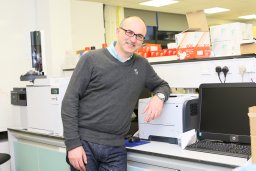 Mario Siervo合作论文数School of Medicine, University “Federico II” Naples26
 van Oyen Herman合作论文数Dept Publ Hlth & Surveillance, Sci Inst Publ Hlth22
 Thomas von Zglinicki合作论文数Biosciences Institute, Faculty of Medical Sciences, Newcastle University;Ageing Research Laboratories, Campus for Ageing and Vitality, Newcastle University21
 Blossom Stephan合作论文数Inst Hlth & Soc, Newcastle Univ21Bond John合作论文数20
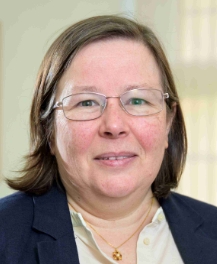 Fiona Matthews合作论文数University of Hull20Antony Arthur合作论文数19
 Adelina Comas Herrera合作论文数Department of Health Policy, London School of Economics and Political Science19
 Emmanuelle Cambois合作论文数INED, French Institute for Demographic Studies18
 Wilma J Nusselder合作论文数UD Department of Public Health, Erasmus MC18
 Ashley Adamson合作论文数Population Health Sciences Institute, Faculty of Medical Sciences, Newcastle University18
 Fiona Elaine Matthews合作论文数16
 Stuart G Parker合作论文数Populat Hlth Sci Inst, Newcastle Univ14
 Nicola Spiers合作论文数Department of Health Sciences, University of Leicester14
 Rachel Duncan合作论文数14Clarke M合作论文数13
 Yadegarfar Mohammad E合作论文数Institute for Ageing and Health, Newcastle University13
 Raphael Wittenberg合作论文数Department of Primary Care Health Sciences, University of Oxford/Department of Health Policy, London School of Economics and Political Science13Tom Kirkwood合作论文数12
 Kaarin Jane Anstey合作论文数University of New South Wales;Neuroscience Research Australia;Australian National Univeristy12C. M. Castleden合作论文数12
 Chris Seal合作论文数Public Health Sciences Institute, Newcastle University12
 Yasuhiko Saito合作论文数Centre for Ageing Research & Education, Duke-NUS Medical School11
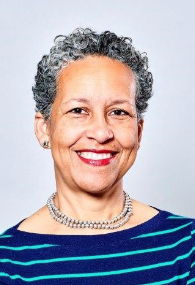 Avan Sayer合作论文数Faculty of Medical Sciences, Newcastle University;Newcastle Biomedical Research Centre, National Institute for Health and Care Research, Newcastle University11Martin Eccles合作论文数Faculty of Medical Sciences, Newcastle University11
 Thomas Kirkwood合作论文数Faculty of Medical Sciences, Newcastle University;Institute for Ageing, Newcastle University11Fouweather Tony合作论文数Newcastle University, Newcastle University Institute for Ageing10
 Ngaire Kerse合作论文数Centre for Co-Created Ageing Research, University of Auckland;Faculty of Medical and Health Sciences, University of Auckland10
 Pia Wohland合作论文数School of Geography, University of Leeds10
 Jacobijn Gussekloo合作论文数Dept Publ Hlth & Primary Care, Leiden Univ9
 James Lindesay合作论文数Department of Health Sciences, University of Leicester9
 John F Potter合作论文数Department of Medicine, Norwich Medical School, University of East Anglia9
 Clare Gillies合作论文数Department of Health Sciences, University of Leicester9
 Stephanie Harrison合作论文数8
 Dorina Cadar合作论文数8




