HMORN 2008 -Oral Presentations clinicians.Methods: The American Health Information Community (AHIC) is a federal advisory body organized to make recommendations to the Secretary of the US Department of Health and Human Services on how to accelerate the adoption of HIT.In July 2007, AHIC advanced recommendations to improve electronic health information exchange via the implementation of standards for FH information.The first step to developing interoperable HIT systems for the collection, interpretation, and exchange of FH information is the development of a widely accepted core minimum dataset for FH.To this end, the Personalized Healthcare Workgroup of the AHIC assembled the FH Multi-Stakeholder Workgroup to develop a minimum core dataset.The workgroup is comprised of over 40 members representing approximately 18 different public and private organizations with expertise in the area of FH, HIT, and healthcare delivery.Results: The FH core dataset for primary care was developed using an interactive, iterative process that used the proposed standards for FH information contained in the Continuity of Care Record (CCR) as a foundational document.Some key features of the core dataset are, FH information should be collected in a structured manner that permits the generation of a pedigree, age of disease onset should be collected, and selfidentified race and ethnicity data should be included as FH information.The document outlining the requirements will be made available for public comment in early 2008.Conclusions: The document should serve as a solid foundation for public and private efforts to create HIT systems and demonstration projects examining the utility of interoperable FH information in clinical and research settings.
Author(s): Mangione, CM; Brown, A; Sarkisian, C; Brusuelas, RJ; Norris, K; Steers, N; Davison, M; Ettner, S; Ganz, D; Funnell, MM; Anderson, RM
OBJECTIVE:To describe health- and vision-targeted quality of life following treatment with iodine 125 brachytherapy vs enucleation for choroidal melanoma in a subgroup of patients who were treated and observed prospectively as part of a large randomized clinical trial.MAIN OUTCOME MEASURES:Difficulty with driving, near vision activities, and activities using stereopsis or binocularity; anxiety; and depression.PARTICIPANTS:Two hundred nine patients who enrolled in the Collaborative Ocular Melanoma Study trial for medium-sized tumors between March 1995 and July 1998 and gave informed consent prior to randomization to participation in an ancillary study of quality of life.METHODS:Patients were interviewed by telephone by a trained interviewer from the Collaborative Ocular Melanoma Study Coordinating Center at baseline (prior to randomization), at 6 months, and on annual anniversaries of enrollment. The questionnaire battery included the Medical Outcomes Study Short Form 36, the Activities of Daily Vision Scale, the National Eye Institute Visual Function Questionnaire, and the Hospital Anxiety and Depression Scale. Additional questions concerning satisfaction with posttreatment appearance and concerns about cancer recurrence also were included in posttreatment interviews.RESULTS:There was a significant increase in both treatment groups in levels of reported difficulty for most vision-oriented activities, and in bodily and ocular pain, 6 months following treatment. Differences in visual function between treatment groups reported during follow-up were relatively small, but significant differences favoring brachytherapy-treated patients were observed for driving during the first year of follow-up and for peripheral vision during the first 2 years of follow-up. Anxiety levels in both groups decreased significantly following treatment, but patients treated with brachytherapy with symptoms of anxiety were less likely to report later resolution of symptoms than patients with symptoms of anxiety who were treated with enucleation. This study was unable to assess impact of treatment on satisfaction with appearance and concern about cancer recurrence during the first year after treatment, but no treatment-related differences were found on these measures at 2 years and later follow-up times.CONCLUSIONS:Patients treated with brachytherapy reported significantly better visual function than patients treated with enucleation with respect to driving and peripheral vision for up to 2 years following treatment. Differences between treatments in visual function diminished by 3 to 5 years posttreatment, paralleling decline in visual acuity in brachytherapy-treated eyes. Patients treated with brachytherapy were more likely to have symptoms of anxiety during follow-up than patients treated with enucleation.APPLICATION TO CLINICAL PRACTICE:Given that no significant differences in survival between enucleation and brachytherapy have been found, the differences demonstrated here for driving and anxiety will allow the individual patient and physician to make informed choices regarding treatment based on personal preferences.
Author(s): Mangione, CM; Seifu, M; Steers, WN; Brown, AF; Brusuelas, R; Norris, K; Davidson, MB; Anderson, RM; Seeman, T; Sarkisian, CA
 EF COOK合作论文数15
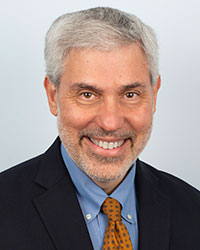 Edward R. Marcantonio合作论文数Beth Israel Deaconess Medical Center;Department of Medicine, Harvard Medical School15
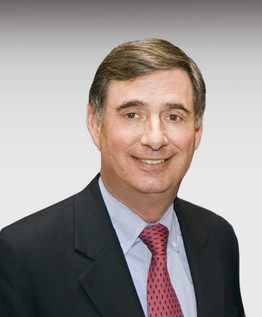 Lee Goldman合作论文数Mailman School of Public Health, Columbia University13TH LEE合作论文数12LE LUDWIG合作论文数9N Steers合作论文数9
 E. John Orav合作论文数Department of Biostatistics, Harvard T.H. Chan School of Public Health;Brigham and Women's Hospital8B MURACA合作论文数7CM HASLAUER合作论文数7
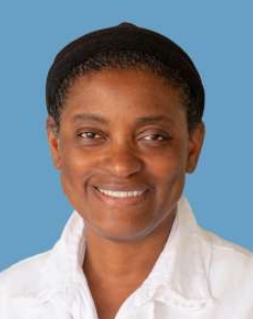 Arleen F. Brown合作论文数Division of General Internal Medicine and Health Services Research, University of California, Los Angeles;Olive View-UCLA Medical Center7Catherine A. Sarkisian合作论文数7Pr Gutierrez合作论文数6
 Douglas S. Bell合作论文数David Geffen School of Medicine, UCLA6C. Sarkisian合作论文数5Jm Seddon合作论文数5Mg Lawrence合作论文数5
 William H. Herman合作论文数Department of Epidemiology, School of Public Health, University of Michigan;Division of Metabolism, Endocrinology, and Diabetes, Department of Internal Medicine, University of Michigan Medical School5
 Ron D. Hays合作论文数Department of Health Policy and Management, Fielding School of Public Health, University of California, Los Angeles;Division of General Internal Medicine and Health Services Research, Department of Medicine, Fielding School of Public Health, University of California, Los Angeles;RAND5David G Marrero合作论文数5MF SHAPIRO合作论文数4RS PHILLIPS合作论文数4O. Duru合作论文数4
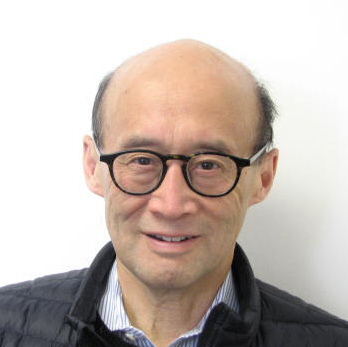 Thomas Henry Lee合作论文数Department of Health Policy and Management, Harvard T.H. Chan School of Public Health, Harvard University4L GOLDMAN合作论文数4
 Monika M Safford合作论文数Joan and Sanford I. Weill Department of Medicine, Weill Cornell Medicine, Cornell University4
 Schmittdiel Julie A合作论文数Div Res, Kaiser Permanente No Calif4Miskala Päivi H合作论文数4Tseng Chien-Wen合作论文数Univ Hawaii4J. David Curb合作论文数4
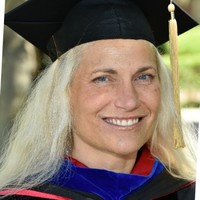 Susan Ettner合作论文数Department of Health Policy and Management, Fielding School of Public Health, University of California, Los Angeles;Department of Medicine, Division of General Internal Medicine & Health Services Research, University of California, Los Angeles;David Geffen School of Medicine, University of California, Los Angeles4W. Neil Steers合作论文数4
 Joe V. Selby合作论文数Patient-Centered Outcomes Research Institute4
 Theodore J. Thompson合作论文数Division of Diabetes;Centers for Disease Control and Prevention;Division of Diabetes|Centers for Disease Control and Prevention4E. Quiter合作论文数3Cs Moy合作论文数3Lm Dong合作论文数3AF Brown合作论文数3Mj Marsh合作论文数3R. M. Anderson合作论文数3
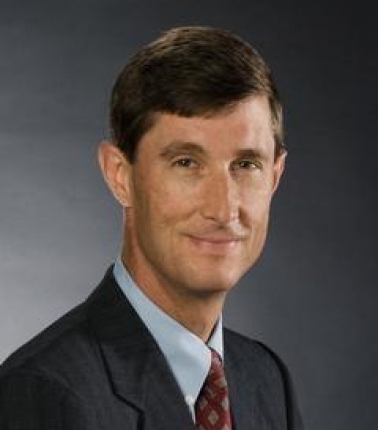 Eric B. Bass合作论文数School of Medicine, Johns Hopkins University;Evidence-based Practice Center, Johns Hopkins University3Barbara Hawkins合作论文数Epidemiology, Bloomberg School of Public Health, Johns Hopkins University3
 Kabayam Venkat Narayan合作论文数Hubert Department of Global Health, Rollins School of Public Health, Emory University;Department of Medicine, School of Medicine, Emory University;Georgia Center for Diabetes Translation Research3
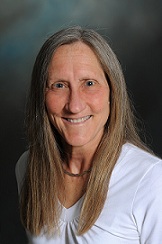 Kristine Ensrud合作论文数Division of Epidemiology & Community Health, School of Public Health, University of Minnesota;Center for Care Delivery and Outcomes Research, Minneapolis VA Health Care System, U.S. Department of Veterans Affairs3Paul P. Lee合作论文数Eye Center, Duke University3Sandra H. Berry合作论文数3Keith C. Norris合作论文数3
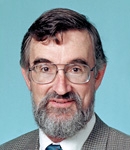 Emmett Keeler合作论文数The RAND Corporation, Santa Monica, CA 90406, USA3Robert B. Gerzoff合作论文数3




