Strong magnetic fields applied to metals confine electrons into Landau orbits, except at the boundaries at which frequent surface collisions disrupt their cyclotron motion. In two-dimensional systems, these boundary states form dissipationless chiral edge channels in the quantum Hall regime. By contrast, the quantum limit of three-dimensional (3D) metals is traditionally thought to differ fundamentally and instead contains gapless Landau bands, lacking quantized Hall conductance or dissipationless transport. Here we demonstrate enhanced surface conduction in the quantum limit of the 3D semimetal bismuth, characterized by the counterintuitive increase in conductivity as material is removed by micropatterning. The conductance of the 3D chiral boundary states—3D analogues of quantum Hall states in two dimensions—naturally accounts for this behaviour and for the highly non-local transport observed in micrometre-sized crystalline bismuth structures. These findings introduce an approach for engineering and exploiting chiral conduction on the surfaces of 3D materials, offering a design space for geometries beyond the simple one-dimensional boundary modes of two-dimensional systems. The properties of electronic transport through edge states of three-dimensional quantum Hall-like states are not yet resolved. Now, increasing the surface area of the edges is shown to produce increased conductance, suggesting that chiral surface states are present.
The physical origin of the suppression of superconductivity with hole doping in overdoped cuprates remains unclear. We measure the electronic specific heat of microgram-scale Tl_2Ba_2CuO_6 crystals and find sharp superconducting anomalies persisting far into the overdoped regime, with Δγ(T_ c)/γ_n≈0.6 for T_ c=14-25K. A weak-coupling BCS-like framework incorporating the known Fermi surface and cation disorder quantitatively reproduces the observed anomaly and its weak doping dependence. We conclude that the observed T_ c(p) cannot be driven predominantly by increasing disorder and is instead consistent with a smoothly decreasing pairing strength.
Absolute transport measurements in correlated quantum materials are often limited by disorder, inhomogeneity, geometric uncertainty, and small crystal size. Focused ion beam (FIB) technology offers a route to overcome many of these limitations by enabling transport devices with precisely defined geometry to be fabricated from lamellae extracted from carefully selected regions of a crystal, but its application to cuprate superconductors has been hindered by ion-beam-induced damage. Here we study the clean overdoped cuprate Tl2201 and show that conventional FIB processing causes thermally driven oxygen loss, while cryogenic FIB microstructuring largely suppresses this degradation and preserves the crystal structure from the bulk to the atomic scale. Microstructured devices quantitatively reproduce established in-plane resistivity and Hall carrier density measurements without rescaling. Applying this approach to c-axis transport, we obtain absolute ρ_c(T) values approximately three times larger than previously reported, bringing the transport anisotropy into quantitative agreement with the known Fermi surface geometry within an isotropic relaxation-time approximation. These results resolve a long-standing discrepancy between transport and quantum oscillation measurements in overdoped Tl2201 and establish cryogenic FIB microstructuring as a route to reliable quantitative transport measurements in quantum materials where disorder, inhomogeneity, geometry, or small crystal size have previously limited experimental accuracy.
Determining the Fermi surface (FS) volume in underdoped cuprates is crucial for understanding the nature of the strongly correlated pseudogap phase. Conventional quantum oscillation techniques, typically used for this purpose, are inapplicable in this high-temperature regime due to thermal and disorder-induced smearing of Landau levels. We propose Sondheimer oscillations (SO), semiclassical oscillations of in-plane magnetoresistivity in thin films, as a robust alternative probe of FS reconstruction. SO arise from the commensuration between the cyclotron radius and film thickness, do not rely on Landau quantization, and remain observable at moderate fields and elevated temperatures where quantum oscillations are suppressed. Their frequencies depend solely on the FS parameters (e.g., curvature), and not on specific details of scattering mechanisms. SO are also sensitive to the coherence of inter-layer tunneling, allow contributions from individual FS pockets to be distinguished in the frequency domain, and naturally include the Yamaji angle effect (if present in the system) as a prominent feature in the frequency spectrum. We compute SO spectra as a function of the magnetic field orientation for three representative scenarios: (i) an unreconstructed large FS, (ii) a spin density wave reconstructed FS with volume p/4, and (iii) a fractionalized Fermi liquid (FL^*) with pocket volume p/8 (here p is the hole doping). We show that the SO spectrum offers a wealth of universal features that could be used to differentiate between these scenarios. In particular, we highlight a FS geometry-dependent phase shift between oscillations in longitudinal and transverse conductivities, characterize how the FS curvature can be extracted from SO if the film orientation is perpendicular to the crystallographic c-axis, and analyze the evolution of the SO spectrum with doping.
Studies of electronic transport in width-restricted channels of PdCoO2 have recently revealed a novel ‘directional ballistic’ regime, in which ballistic propagation of electrons on an anisotropic Fermi surface breaks the symmetries of bulk transport. Here we introduce a magnetic field to this regime, studying channels of PdCoO2 and PtCoO2 along two crystallographically distinct directions and over a wide range of widths. We observe magnetoresistance distinct from that in the bulk, with features strongly dependent on channel orientation and becoming more pronounced the narrower the channel. Comparison to semiclassical theory establishes that magnetoresistance arises from field-induced modification of boundary scattering, and helps connect features in the data with specific electronic trajectories. However, the role of bulk scattering in our measurements is yet to be fully understood. Our results demonstrate that finite-size magnetotransport is sensitive to the anisotropy of Fermi surface properties, motivating future work to fully understand and exploit this sensitivity.
When electrons in metals act collectively, they enable emergent phenomena and electronic functionalities that transcend the behaviour of individual particles1. Coherent collective charge motion has so far been observed primarily in superconductors, in which it arises with the formation of Cooper pairs2,3. Here we report experimental evidence for coherent charge transport in the normal state of the kagome metal CsV3Sb5, indicative of a distinct collective electronic state. The signature is a set of magnetoresistance oscillations in mesoscopic crystalline pillars under in-plane magnetic fields, with a periodicity determined by the number of magnetic flux quanta h/e threading between adjacent kagome layers-effectively forming an interlayer Aharonov-Bohm interferometer. The cooperative nature of this phenomenon is evidenced by a non-analytic angular dependence characterized by abrupt transitions between discrete oscillation frequencies and its persistence over length scales that exceed the single-particle mean free path. Notably, the oscillation amplitude matches other anomalous electronic responses reported in CsV3Sb5, pointing to an underlying mechanism that establishes intrinsic coherence. These findings shed new light on the debated nature of correlated order in kagome metals and establish CsV3Sb5 as a platform for realizing long-range coherent charge transport in the absence of superconductivity-opening new directions for coherence in correlated electron systems beyond conventional models.
Chirality, a pervasive form of symmetry, is intimately connected to the physical properties of solids, as well as the chemical and biological activity of molecular systems. However, inducing chirality in a nonchiral material is challenging because this requires that all mirrors and all roto-inversions be simultaneously broken. Here, we show that chirality of either handedness can be induced in the nonchiral piezoelectric material boron phosphate (BPO 4 ) by irradiation with terahertz pulses. Resonant excitation of either one of two orthogonal, degenerate vibrational modes determines the sign of the induced chiral order parameter. The optical activity of the photo-induced phases is comparable to the static value of prototypical chiral α-quartz. Our findings offer new prospects for the control of out-of-equilibrium quantum phenomena in complex materials.
Studies of electronic transport in width-restricted channels of PdCoO$_2$ have recently revealed a novel `directional ballistic' regime, in which ballistic propagation of electrons on an anisotropic Fermi surface breaks the symmetries of bulk transport. Here we introduce a magnetic field to this regime, in channels of PdCoO$_2$ and PtCoO$_2$ along two crystallographically distinct directions and over a wide range of widths. We observe magnetoresistance distinct from that in the bulk, with features strongly dependent on channel orientation and becoming more pronounced the narrower the channel. Comparison to semi-classical theory establishes that magnetoresistance arises from field-induced modification of boundary scattering, and helps connect features in the data with specific electronic trajectories. However, the role of bulk scattering in our measurements is yet to be fully understood. Our results demonstrate that finite-size magnetotransport is sensitive to the anisotropy of Fermi surface properties, motivating future work to fully understand and exploit this sensitivity.
The wave-like nature of electrons lies at the core of quantum mechanics, distinguishing them from classical particles. Landmark experiments have revealed phase coherence of mobile electrons within solids, such as Aharonov-Bohm interference in mesoscopic rings. However, this coherence is typically limited by numerous environmental interactions. Controlling and ideally mitigating such decoherence remains a central challenge in condensed matter physics. Here, we report magnetoresistance oscillations in mesoscopic pillars of the Kagome metal CsV_3Sb_5 for fields applied parallel to the Kagome planes. Their periodicity is independent of materials parameters, simply given by the number of flux quanta h/e threading between adjacent Kagome layers akin to an atomic-scale Aharonov-Bohm interferometer. Intriguingly they occur under conditions not favorable for typical interference in solids, at temperatures above 20 K and in micrometer-scale devices well exceeding the single-particle mean free path. Further, the oscillations exhibit non-analytic field-angle dependence and scale consistently with a broad range of key electronic responses in CsV_3Sb_5, pointing to a cooperative mechanism that establishes intrinsic coherence. Our findings provide new insights into the debated origin of correlated order in CsV_3Sb_5 and establish Kagome metals as a promising platform for interaction-stabilized long-range electron coherence - crucial for both fundamental studies and technological advancements in quantum interference in metallic systems.
Studies of electronic transport in width-restricted channels of PdCoO_2 have recently revealed a novel `directional ballistic' regime, in which ballistic propagation of electrons on an anisotropic Fermi surface breaks the symmetries of bulk transport. Here we introduce a magnetic field to this regime, in channels of PdCoO_2 and PtCoO_2 along two crystallographically distinct directions and over a wide range of widths. We observe magnetoresistance distinct from that in the bulk, with features strongly dependent on channel orientation and becoming more pronounced the narrower the channel. Comparison to semi-classical theory establishes that magnetoresistance arises from field-induced modification of boundary scattering, and helps connect features in the data with specific electronic trajectories. However, the role of bulk scattering in our measurements is yet to be fully understood. Our results demonstrate that finite-size magnetotransport is sensitive to the anisotropy of Fermi surface properties, motivating future work to fully understand and exploit this sensitivity.
The elastic moduli provide unique insights into the thermodynamics of quantum materials, particularly into the symmetries broken at their phase transition. Here, we present a workflow to carve crystalline resonators via focused ion beam milling from small and oddly shaped crystals unsuitable for traditional measurements of elasticity. The accuracy of this technique is first established in silicon. Next, we showcase the capacity to probe changes in the electronic state with a resolution on the measured resonance frequency as small as 0.01% on YNiO3, a rare-earth perovskite nickelate, in which bulk single crystals have typical length scales of ≈40μm. Here, we observe a sharp 0.2% discontinuity in Young’s modulus of an YNiO3 cantilever at a magnetic phase transition. Finally, an additional potential of using free-standing cantilevers as a tool for examining the time-dependence of chemical changes is illustrated by laser-heating YNiO3.
The so-called “extreme magnetoresistance” (XMR) found in few conductors poses interesting conceptual challenges which address needs in technology. In contrast to the more common XMR in semi-metals, PtSn 4 stands out as a rare example of a high carrier density multi-band metal exhibiting XMR, sparking an active debate about its microscopic origin. Here we report a sharp sensitivity of its XMR upon the field angle, with an almost complete collapse only for one specific current and field direction (B// b , I// a ). Corroborated by band-structure calculations, we identify a singular open orbit on one of its Fermi surface sheets as the origin of this collapse. This remarkably switchable XMR resolves the puzzle in PtSn 4 as a semi-classical effect of an ultra-pure, compensated carrier metal. It further showcases the importance of Ockham’s razor in uncommon magnetotransport phenomena and demonstrates the remarkable physical properties conventional metals can exhibit given they are superbly clean.
Our understanding of quantum materials is commonly based on precise determinations of their electronic spectrum by spectroscopic means, most notably angle-resolved photoemission spectroscopy (ARPES) and scanning tunneling microscopy. Both require atomically clean and flat crystal surfaces, which are traditionally prepared by in situ mechanical cleaving in ultrahigh vacuum chambers. We present a new approach that addresses three main issues of the current state-of-the-art methods: (1) Cleaving is a highly stochastic and, thus, inefficient process; (2) fracture processes are governed by the bonds in a bulk crystal, and many materials and surfaces simply do not cleave; and (3) the location of the cleave is random, preventing data collection at specified regions of interest. Our new workflow is based on focused ion beam machining of micro-strain lenses, in which shape (rather than crystalline) anisotropy dictates the plane of cleavage, which can be placed at a specific target layer. As proof-of-principle, we show ARPES results from micro-cleaves of Sr2RuO4 along the ac plane and from two surface orientations of SrTiO3, a notoriously difficult to cleave cubic perovskite.
Spontaneously broken symmetries are at the heart of many phenomena of quantum matter and physics more generally. However, determining the exact symmetries that are broken can be challenging due to imperfections such as strain, in particular when multiple electronic orders are competing. This is exemplified by charge order in some kagome systems, where evidence of nematicity and flux order from orbital currents remains inconclusive due to contradictory measurements. Here we clarify this controversy by fabricating highly symmetric samples of a member of this family, CsV3Sb5, and measuring their transport properties. We find that a measurable anisotropy is absent at any temperature in the unperturbed material. However, a pronounced in-plane transport anisotropy appears when either weak magnetic fields or strains are present. A symmetry analysis indicates that a perpendicular magnetic field can indeed lead to in-plane anisotropy by inducing a flux order coexisting with more conventional bond order. Our results provide a unifying picture for the controversial charge order in kagome metals and highlight the need for materials control at the microscopic scale in the identification of broken symmetries.
Chirality is a pervasive form of symmetry that is intimately connected to the physical properties of solids, as well as the chemical and biological activity of molecular systems. However, its control with light is challenging, because inducing chirality in a non-chiral material requires that all mirrors and all roto-inversions be simultaneously broken. Electromagnetic fields exert only oscillatory forces that vanish on average, mostly leading to entropy increase that does not break symmetries, per se. Here, we show that chirality of either handedness can be generated in the non-chiral piezoelectric material BPO_4, in which two compensated sub-structures of opposite handedness coexist within the same unit cell. By resonantly driving either one of two orthogonal, doubly degenerate vibrational modes at Terahertz frequency, we rectify the lattice distortion and exert a displacive force onto the crystal. The staggered chirality is in this way uncompensated in either direction, inducing chiral structure with either handedness. The rotary power of the photo-induced phases is comparable to the static value of prototypical chiral alpha-quartz, limited by the strength of the pump laser pulse.
The kagome metals AV 3 Sb 5 (A=K,Rb,Cs) present an ideal sandbox to study the interrelation between multiple coexisting correlated phases such as charge order and superconductivity. So far, no consensus on the microscopic nature of these states has been reached as the proposals struggle to explain all their exotic physical properties. Among these, field-switchable electric magneto-chiral anisotropy (eMChA) in CsV 3 Sb 5 provides intriguing evidence for a rewindable electronic chirality, yet the other family members have not been likewise investigated. Here, we present a comparative study of magneto-chiral transport between CsV 3 Sb 5 and KV 3 Sb 5 . Despite their similar electronic structure, KV 3 Sb 5 displays negligible eMChA, if any, and with no field switchability. This is in stark contrast to the non-saturating eMChA in CsV 3 Sb 5 even in high fields up to 35 T. In light of their similar band structures, the stark difference in eMChA suggests its origin in the correlated states. Clearly, the V kagome nets alone are not sufficient to describe the physics and the interactions with their environment are crucial in determining the nature of their low-temperature state.
We report measurements of the in-plane thermoelectric power (TEP) for an overdoped (OD) crystal of the single layer cuprate superconductor Tl2Ba2CuO6+x (Tl2201) at several hole concentrations (p), from 300 or 400 K to below the superconducting transition temperature (T-c). For p = 0.192 and 0.220, small upturns in the TEP below 150 K are attributed to the presence of charge density waves (CDW) detected by resonant inelastic x-ray scattering studies. This suggests that measurement of the TEP could provide a simple and effective guide to the presence of a CDW. Over a certain temperature range, often strongly restricted by the CDW, the TEP is consistent with the Nordheim-Gorter rule and the T-1 and T-2 terms in the in-plane resistivity of similar crystals observed below 160 K. Two scenarios in which the T-1 scattering term is uniform or non-uniform around the Fermi surface are discussed. As found previously by others, for uniform scattering the T-1 terms give scattering rates (tau(-1)) at lower p that are somewhat larger than the Planckian value k(B)T/(h) over bar and fall to zero for heavily OD crystals. Near 160 K, tau(-1) from the T-2 terms corresponds to the Planckian value.
The kagome metals AV_3Sb_5 (A=K,Rb,Cs) present an ideal sandbox to study the interrelation between multiple coexisting correlated phases such as charge order and superconductivity. So far, no consensus on the microscopic nature of these states has been reached as the proposals struggle to explain all their exotic physical properties. Among these, field-switchable electric magneto-chiral anisotropy (eMChA) in CsV_3Sb_5 provides intriguing evidence for a rewindable electronic chirality, yet the other family members have not been likewise investigated. Here, we present a comparative study of magneto-chiral transport between CsV_3Sb_5 and KV_3Sb_5. Despite their similar electronic structure, KV_3Sb_5 displays negligible eMChA, if any, and with no field switchability. This is in stark contrast to the non-saturating eMChA in CsV_3Sb_5 even in high fields up to 35 T. In light of their similar band structures, the stark difference in eMChA suggests its origin in the correlated states. Clearly, the V kagome nets alone are not sufficient to describe the physics and the interactions with their environment are crucial in determining the nature of their low-temperature state.
In the recent paper [1], a new method based on measuring a temperature correction to a quantum-oscillation frequency was proposed to study an energy-band dispersion of charge carriers in small Fermi surface (FS) pockets of crystals. To illustrate their approach, Guo et al. [1] applied it to a number of materials and, in particular, to the multiband metal LaRhIn$_5$ which, apart from high-frequency oscillations associated with a large FS, also exhibits the oscillations with the low frequency $F\approx 7$ T. Although the method of Ref. [1] really detects charge carriers with a linear dispersion, it does not distinguish between the carriers near a Dirac point and near a nodal line, since all such quasiparticles disperse linearly. Here we ask what is the nature of the carriers associated with the frequency $F$ in LaRhIn$_5$ and call attention to the puzzling origin of this frequency.
The delafossite metal PtCoO2 is among the highest-purity materials known, with low-temperature mean free path up to 5 mu m in the best as-grown single crystals. It exhibits a strongly faceted, nearly hexagonal Fermi surface. This property has profound consequences for nonlocal transport within this material, such as in the classic ballistic-regime measurement of bend resistance in mesoscopic squares. Here, we report the results of experiments in which high-energy electron irradiation was used to introduce pointlike disorder into such squares, reducing the mean free path and therefore the strength of the ballistic-regime transport phenomena. We demonstrate that high-energy electron irradiation is a well-controlled technique to cross from nonlocal to local transport behavior and therefore determine the nature and extent of unconventional transport regimes. Using this technique, we confirm the origins of the directional ballistic effects observed in delafossite metals and demonstrate how the strongly faceted Fermi surface both leads to unconventional transport behavior and enhances the length scale over which such effects are important.
 Philip J. W. Moll合作论文数Max Planck Institute for the Structure and Dynamics of Matter51
 Antony Carrington合作论文数School of Physics, University of Bristol28
 Chunyu Guo (郭春雨)合作论文数College Of Optoelectronic Engineering,Shenzhen University24
 Maja D. Bachmann合作论文数Max Planck Inst Chem Phys Solids, D-01187 Dresden, Germany23
 Claudia Felser合作论文数Max Planck Institute for Chemical Physics of Solids22
 Takasada Shibauchi (芝内孝禎)合作论文数Department of Advanced Materials Science, Graduate School of Frontier Sciences, The University of Tokyo;Department of Applied Physics, School of Engineering, The University of Tokyo15
 Liam Malone合作论文数Lab Natl Champs Magnet Intenses, CNRS13
 Yuji Matsuda (松田祐司)合作论文数Department of Physics, Kyoto University13
 David Vignolles合作论文数13
 Eric D. Bauer合作论文数Los Alamos National Laboratory12
 Yan Sun (孙岩)合作论文数Shenyang National Laboratory for Materials Science, Institute of Metal Research, Chinese Academy of Sciences;School of Materials Science and Engineering, University of Science and Technology of China12
 Filip Ronning合作论文数Institute for Materials Science, Los Alamos National Laboratory12
 Andrew Mackenzie合作论文数Max Planck Institute for Chemical Physics of Solids11
 Shigeru Kasahara (笠原成)合作论文数The Research Institute for Interdisciplinary Science, Okayama University11
 Jonas Diaz合作论文数Ecole Polytech Fed Lausanne EPFL, Lab Quantum Mat QMAT, Inst Mat IMX, Lausanne, Switzerland10
 Yuta Mizukami (水上雄太)合作论文数Department of Physics, Graduate School of Science, Tohoku University10
 Kent R. Shirer合作论文数UC Davis, University of California10
 Toni Helm合作论文数Dresden High Magnetic Field Laboratory, Helmholtz Zentrum Dresden Rossendorf;Max Planck Institute for Chemical Physics of Solids10Cyril Proust合作论文数10
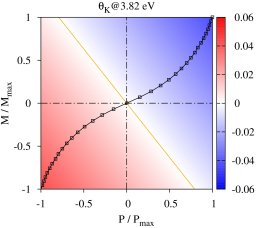 Fengren Fan合作论文数Fudan Univ, State Key Lab Surface Phys, Lab Computat Phys Sci MOE, Shanghai 200433, Peoples R China9
 Ion Errea合作论文数Zientzia eta Teknologia Fakultatea, Euskal Herriko Unibertsitatea9
 Seunghyun Khim合作论文数Physics of Quantum Materials Department, Max Planck Institute for Chemical Physics of Solids9
 Titus Neupert合作论文数Digital Society Initiative, University of Zurich;Department of Physics, University of Zürich9
 Chandra Shekhar合作论文数Max Planck Institute for Chemical Physics of Solids8
 Maia G. Vergniory合作论文数Université de Sherbrooke;Max Planck for Chemical Physics of Solids8
 Mark H Fischer合作论文数Dept Phys, Cornell Univ8
 Amalia Coldea合作论文数Department of Physics, University of Oxford;Somerville College, University of Oxford8
 Xiangwei Huang (黄祥卫)合作论文数Shandong University, Shandong University8Markus Koenig合作论文数7Martin Gutierrez-Amigo合作论文数Department of Physics, University of the Basque Country7Markus König合作论文数Max Planck Inst Chem Phys Solids, D-01187 Dresden, Germany7Shengnan Zhang合作论文数National Centre for Computational Design and Discovery of Novel Materials MARVEL, Ecole Polytechnique Fédérale de Lausanne (EPFL),7
 Oleg Yazyev合作论文数École Polytechnique Fédérale de Lausanne7
 Quan-Sheng Wu合作论文数7Isabel Guillamon合作论文数Laboratorio de Bajas Temperaturas, Universidad Autónoma de Madrid7
 Amelia Estry合作论文数Institute of Materials (IMX),, École Polytechnique Fédérale de Lausanne (EPFL),6
 James Analytis合作论文数Department of Physics, University of California, Berkeley6Badoux S合作论文数Laboratoire National des Champs Magnétiques Intenses (CNRS, UPS),6Mark V. Kartsovnik合作论文数6
 Marcin Konczykowski合作论文数Laboratoire des Solides Irradiés, Ecole Polytechnique, Institut Polytechnique De Paris6
 Aris Alexandradinata合作论文数Physics Department, University of California Santa Cruz;Physical & Biological Sciences Division, University of California Santa Cruz6
 Matthew D. Watson合作论文数Diamond Light Source, Harwell Campus, Didcot OX11 0DE, Oxon, England5M. R. van Delft合作论文数5
 Kampert Erik合作论文数5
 Philip Walmsley合作论文数H. H. Wills Physics Laboratory, University of Bristol5Seiro Silvia合作论文数5
 Igor Mazin合作论文数Physics & Astronomy Department, College of Science, George Mason University;Quantum Science and Engineering Center, College of Science, George Mason University5
 Nigel E. Hussey合作论文数Radboud University Nijmegen5
 Ross McDonald合作论文数The National High Magnetic Field Laboratory, Los Alamos National Laboratory5




