Expertise plays a significant role in shaping self-regulated learning (SRL) by influencing how individuals set goals, monitor progress, employ strategies, and reflect on their learning process. However, comprehensive data on this link is sparse in medical contexts. This paper investigates the transitions of SRL phases during clinical-reasoning tasks with a multimedia system, CresME, designed to elicit clinical-reasoning processes using illness scripts. We investigate whether experts utilize more frequent and diverse SRL phase transitions and have better diagnostic performance than novices. Thirty-four participants from a North American Medical School were trained to think-aloud and solved five clinical cases related to the common cough with CResME. Verbalizations were transcribed and coded for SRL phases based on Zimmerman and Moylan’s socio-cognitive model of SRL. Sequential pattern mining revealed that experts exhibited less frequent but more diverse SRL phase transitions than novices, yet these relations did not always result in better diagnostic performance. Instead, the relations between expertise, SRL, and diagnostic performance were dependent on the case. These insights hold implications for assessing SRL phases during clinical reasoning activities to guide just-in-time and personalized support with multimedia systems in medical education.
(1) The purpose of this project was to create and collect validity evidence for a lifestyle medicine objective structured clinical examination (OSCE) station to assess medical students’ performance related to lifestyle medicine competencies. (2) We developed a lifestyle medicine case/station with an associated observation checklist and rubric. We piloted the checklist and rubric in one lifestyle medicine OSCE station, securing triplicate scores of each student’s performance. For analysis, generalizability (G) theory was utilized for observation checklist data and interclass correlation coefficients (ICC) for patient encounter notes (PENs). (3) One hundred and fifteen third-year medical students completed the lifestyle medicine OSCE station in the Internal and Family Medicine Clerkship. The generalizability coefficient and Phi-coefficient based on the number of encounters (P = 115), facet 1 (nfacet1 = 10 assessment tool checklist items), and facet 2 (nfacet2 = two performance ratings in the live examination) were 0.71 and 0.69, respectively. The average interclass correlation coefficient (ICC) measure for PEN was 0.79 (CI = 0.69–0.85). (4) For this OSCE station, the G-coefficient provides positive indicators for the validity of the observation checklist items. Similarly, the ICC result provides validity evidence for the usefulness of the PEN rubric for capturing lifestyle medicine knowledge reflected in students’ PEN notes.
Abstract Background Medical students in the United States undergo three significant transitions as they progress from pre-clinical to clinical rotations, to acting interns, and ultimately to first-year resident. However, there is limited understanding of whether the factors and strategies that impact these transitions remain consistent or are unique to each individual transition. Methods Qualitative data was collected from three Nominal Group Technique (NGT) sessions held separately for third-year students (M3), fourth-year students (M4), and first-year residents (PGY-1). The participants were asked to share their perceptions on their most recent medical school transition. These responses were independently coded into thematic categories. Results The NGT session with M3 students (n = 9) identified 67 transition factors and 64 coping strategies. The M4 (n = 8) session identified 33 transition factors and 72 strategies to manage their transition. The PGY-1 (n = 5) session identified 28 factors and 25 strategies. The coping strategies for each session were categorized into seven themes and the transition factors were assigned to ten thematic categories. Conclusion Just as each transition is unique, so too are the number and variety of factors and strategies to manage each transition. Despite these differences, the themes of “Professional socialization” and “Prioritization, efficiency, and delegation” emerged as impactful in all three transitions.
PURPOSE:Clinical reasoning is vitally important for practitioners across the health professions. However, the assessment of clinical reasoning remains a significant challenge. Combined with other assessment methods, non-workplace-based assessment can increase opportunities to address multiple components of clinical reasoning, evaluate growth, and foster learning, but tools with validity evidence to assess clinical reasoning outside the workplace are scare. This study examined validity evidence for a novel clinical reasoning mapping exercise (CResME). METHOD:Data include CResME performance scores from 120 third-year medical students at the University of Central Florida for 3 topics in May 2022. Each CResME was scored by 2 physician raters based on a scoring rubric that included a combined diagnosis and sequence score. Descriptive statistics were used to examine trends in scores. The authors gathered validity evidence for response process, internal structure, and relations to other variables. RESULTS:The overall mean (SD) score across cases was 66 (29). Internal consistency reliability of cases (Cronbach α) ranged from 0.75 to 0.91. The Phi and G coefficients were 0.45 and 0.56, respectively. Students accounted for 10% of the total variance, indicating the ability to differentiate high and low clinical reasoning skills; the interaction between learner and case accounted for 8.1% of the variance, demonstrating case specificity. There was a moderate correlation between the overall CResME scores and the mean overall score of patient encounter notes from an objective structured clinical examination performed at the end of the third year (0.46; P = .001). Significant associations were also found between the CResME scores and subject exam scores. CONCLUSIONS:The CResME can be used to facilitate the assessment of clinical reasoning, supporting the developmental progress of learners throughout the curriculum. Future research is needed to gather validity evidence for CResMEs with different learners across different settings and formats.
Discontinuation of the United States Medical Licensing Examination (USMLE) Step 2 Clinical Skills (CS) exam and Comprehensive Osteopathic Medical Licensing Examination (COMLEX) Level 2 Performance Evaluation (2-PE) raised questions about the ability of medical schools to ensure the clinical skills competence of graduating students. In February 2021, representatives from all Florida, United States, allopathic and osteopathic schools initiated a collaboration to address this critically important issue in the evolving landscape of medical education. A 5-point Likert scale survey of all members (n=18/20 individuals representing 10/10 institutions) reveals that initial interest in joining the collaboration was high among both individuals (mean 4.78, SD 0.43) and institutions (mean 4.69, SD 0.48). Most individuals (mean 4.78, SD 0.55) and institutions (mean 4.53, SD 0.72) are highly satisfied with their decision to join. Members most commonly cited a "desire to establish a shared assessment in place of Step 2 CS/2-PE" as their most important reason for joining. Experienced benefits of membership were ranked as the following: 1) Networking, 2) Shared resources for curriculum implementation, 3) Scholarship, and 4) Work towards a shared assessment in place of Step 2 CS/2-PE. Challenges of membership were ranked as the following: 1) Logistics such as scheduling and technology, 2) Agreement on common goals, 3) Total time commitment, and 4) Large group size. Members cited the "administration of a joint assessment pilot" as the highest priority for the coming year. Florida has successfully launched a regional consortium for the assessment of clinical skills competency with high levels of member satisfaction which may serve as a model for future regional consortia.
We captured 36 medical professionals’ process data across five medical cases using CResME, a multimedia system designed to activate illness scripts. Findings showed medical expertise was unrelated to diagnostic performance when illness scripts were disrupted, and that process data was predictive of diagnostic performance for some medical cases. Implications of our study illustrate ways to design AIEd systems capable of scaffolding diagnostic reasoning to reduce medical errors.
This article was migrated. The article was marked as recommended. Background: Telehealth, including Telemedicine, is the use of electronic communications technology to provide healthcare at a distance. There is a growing need to train future physicians to be adept and knowledgeable of telehealth. The Association of American Medical Colleges (AAMC) recently defined six core competency domains for Telehealth for medical residents and attending physicians. Methods: A multidisciplinary team of medical educators, Telemedicine practitioners, instructional technology experts and a senior medical student designed a Telemedicine curriculum centered on five primary educational activities. Training moved progressively from novice Telemedicine experiences to Telemedicine encounters with standardized patients and post-encounter debriefs to promote active learning, engagement, and self-regulation. The Telemedicine curriculum was prioritized and delivered to the entire class of 2022 (114 third-year medical students). Results: Student satisfaction surveys and post formative quiz items were used to assess the impact of the Telemedicine Curriculum. Over 95% of surveyed students agreed or strongly agreed the course was organized and helpful in developing clinical skills in preparation for clerkship. Students particularly valued the opportunity to engage in patient encounters while learning Telemedicine-specific patient safety and communication skills. Conclusion: With careful attention to instructional design, active learning formats that are historically successful in face-to-face settings can be equally successful in virtual settings. Standardized patients and peers can be trained to provide appropriate feedback in the right virtual setting.
A 54-year-old female, with a history of prosthetic mitral valve replacement due to mitral valve prolapse one year prior, was admitted after suffering a cardiopulmonary arrest. Her initial rhythm demonstrated Torsade de Pointes with the initial electrocardiogram (ECG) showing a prolonged QT interval. Laboratory test results were normal including potassium and magnesium serum levels, and imaging did not show significant abnormalities. A review of patients' medicines showed that the patient started taking escitalopram one month prior to the presentation for major depressive disorder. Selective serotonin reuptake inhibitors (SSRI) are widely prescribed and continue to be a mainstay of treatment for multiple psychiatric conditions. It is important to keep the potential cardiovascular side effects of SSRIs in mind when prescribing. Consideration of underlying cardiac conditions is vital to decrease the likelihood of poor outcomes.
Introduction National organizations have identified a need for the creation of novel approaches to teach clinical reasoning throughout medical education. The aim of this project was to develop, implement and evaluate a novel clinical reasoning mapping exercise (CResME). Methods Participants included a convenience sample of first and second year medical students at two US medical schools: University of Central Florida (UCF) and Uniformed Services University of Health Sciences (USUHS). The authors describe the creation and implementation of the CResME. The CResME uses clinical information for multiple disease entities as nodes in different domains (history, physical exam, imaging, laboratory results, etc.), requiring learners to connect these nodes of information in an accurate and meaningful way to develop diagnostic and/or management plans in the process. Results The majority of medical students at both institutions felt that the CResME promoted their understanding of the differential diagnosis and was a valuable tool to compare and contrast elements of a differential diagnosis. Students at both institutions recommended using the CResME for future sessions. Discussion The CResME is a promising tool to foster students’ clinical reasoning early in medical school. Research is needed on the implementation of the CResME as an instructional and assessment strategy for clinical reasoning throughout medical school training.
Professionalism instruction and assessment is a core component of medical education, and essential for professional identity formation (PIF). Thus, understanding the socialization of medical students to the values of the profession (i.e., medical professionalism), and how these may evolve, warrants continued understanding. The purpose of this study was to examine and compare pre-clerkship (first and second year) medical students’ perceptions of professionalism. First and second year medical students participate in this study. This was a two-phase mixed-methods cohort study conducted across two academic years (2014–2015 and 2015–2016). In Phase I, first and second year medical students participated in a nominal group technique (NGT) session. NGT data was analyzed qualitatively to generate a card-sorting exercise of professionalism attributes for Phase II. In Phase II, data from the sorting task was analyzed using Principle Component Analysis (PCA). The PCA for first year students derived a 7-factor solution. Factors (i.e., professionalism domains) identified were: Self-management and patient-centeredness, ethics and professional reputation, dependability, self-awareness and self-improvement, image, proficiency and lifelong learning and integrity. The PCA for second year students derived a 5-factor solution; factors identified were: “Good Doctor” attributes, responsibility, ethics, innovation and self-improvement and unbiased. Identification and organization of attributes into an overarching professionalism mental model provide a window into the active reconstruction of students’ professional identity during the nascent stages of medical education. M1 professionalism domains were more consistent with the conventional professional image of the physician (e.g. Ethics and Professional reputation, Dependability, Integrity), whereas, M2 domains reflected a more global view (e.g., “Good Doctor” attributes, Responsibility, Ethics). This study provides a lens into the dynamic nature of students’ PIF and encourages educators to evaluate PIF pedagogy at their own institutions.
Medical EducationVolume 52, Issue 5 p. 562-562 Really Good Stuff: Lessons learned through innovation in medical education Simulated rounds: a multi-level learner OSCE Gerard Chaaya, Corresponding Author Gerard Chaaya gerardchaaya@hotmail.com orcid.org/0000-0001-7798-9409 Correspondence: Gerard Chaaya, Department of Internal Medicine, University of Central Florida College of Medicine, 6850 Lake Nona Boulevard, Orlando, Florida 32827-7408, USA. Tel: 00 1 407 266 1000; E-mail: gerardchaaya@hotmail.comSearch for more papers by this authorKelli King-Morris, Kelli King-MorrisSearch for more papers by this authorAnalia Castiglioni, Analia CastiglioniSearch for more papers by this author Gerard Chaaya, Corresponding Author Gerard Chaaya gerardchaaya@hotmail.com orcid.org/0000-0001-7798-9409 Correspondence: Gerard Chaaya, Department of Internal Medicine, University of Central Florida College of Medicine, 6850 Lake Nona Boulevard, Orlando, Florida 32827-7408, USA. Tel: 00 1 407 266 1000; E-mail: gerardchaaya@hotmail.comSearch for more papers by this authorKelli King-Morris, Kelli King-MorrisSearch for more papers by this authorAnalia Castiglioni, Analia CastiglioniSearch for more papers by this author First published: 02 March 2018 https://doi.org/10.1111/medu.13554Read the full textAboutPDF ToolsRequest permissionExport citationAdd to favoritesTrack citation ShareShare Give accessShare full text accessShare full-text accessPlease review our Terms and Conditions of Use and check box below to share full-text version of article.I have read and accept the Wiley Online Library Terms and Conditions of UseShareable LinkUse the link below to share a full-text version of this article with your friends and colleagues. Learn more.Copy URL Share a linkShare onFacebookTwitterLinkedInRedditWechat No abstract is available for this article. Volume52, Issue5May 2018Pages 562-562 RelatedInformation
With a grant from the National Board of Medical Examiners' Stemmler Fund, the University of Illinois at Chicago (UIC) and University of Central Florida (UCF) have introduced an intelligent formative assessment system ( www.Osmosis.org ) into the preclinical phase of their MD curricula. This web‐browser based and mobile application presents students with individualized regimens of study questions that aim to leverage the testing effect, spaced repetition and the mixed‐practice effect to aid long term retention. In the first semester of use, 90 of 120 UCF students tried to use the system answering an average of 136 items per individual though subsequent use of the system has continually decreased. We performed two initial focus groups with first year medical students to learn about the strengths and weaknesses of the IFAS and what factors have affected students' decisions about what study aids to adopt. Groups of 4–5 students gave informed consent and the discussions were audio taped for transcription and thematic analysis. A preliminary coding of the audio files suggests that student decisions about what study aids to use in medical school are strongly affected by advice from upperclassmen in the early part of the first year. Near‐peer advice appears to have high face validity and is readily accepted. The data also suggested that concerns for lack of time and demand for efficiency weigh most heavily on student decisions about what tools to use. The data suggest that high quality orientation is needed when introducing new technology, with widespread consultation in the learning community, including faculty and upperclassmen. New applications must be highly intuitive and easy to use for successful adoption. Support or Funding Information National Board of Medical Examiners' Stemmler Fund
 Carlos A. Estrada合作论文数Veterans Administration Center for Research on AIDS and HIV-1 Infection, South Texas Veterans Health Care System22
 Robert M. Centor合作论文数19
 Caridad Hernandez合作论文数16Lisa L. Willett合作论文数16
 Brita Roy合作论文数General Internal Medicine, Internal Medicine, Yale School of Medicine, Yale University8Richard M. Shewchuk合作论文数7GR Heudebert合作论文数6
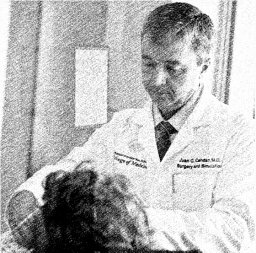 Juan Cendan合作论文数Department of Medical Education, University of Central Florida College of Medicine6
 Dario M Torre合作论文数School of Medicine, the Johns Hopkins University6Massie F Stanford合作论文数Sch Med, Univ Alabama Birmingham5Snyder Erin D合作论文数5Christine A Kauffman合作论文数4Gerard Chaaya合作论文数4
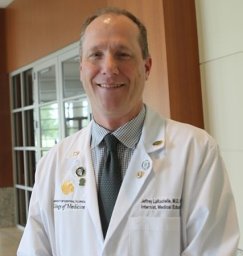 LaRochelle Jeff合作论文数4
 Stefan G. Kertesz合作论文数School of Medicine and the Deep South Center on Effectiveness at, University of Alabama at Birmingham;15;School of Medicine and the Deep South Center on Effectiveness, University of Alabama at Birmingham4A Salanitro合作论文数3G. Heudebert合作论文数3
 Ethan Hartman合作论文数3
 Gustavo Heudebert合作论文数3E. Snyder合作论文数3
 Matthew P Abrams合作论文数Penn Medicine Center for Digital Health, University of Pennsylvania3
 Amanda H Salanitro合作论文数3Huff Nidhi G合作论文数3
 Denise Kay合作论文数Department of Educational Studies, University of Central Florida3
 Jason L Morris合作论文数3A. H. Salanitro合作论文数2Ross Russell合作论文数2L. Willett合作论文数2JP Arnoletti合作论文数2
 Haiyan Qu合作论文数2M P Solomon合作论文数2Vl Rothman合作论文数2Gp Tuszynski合作论文数2A. Wood合作论文数2R. Kraemer合作论文数2Danielle Reimer合作论文数2Kraemer Ryan R合作论文数2Bellew Christine合作论文数2
 Roger Azevedo合作论文数Department of Computer Science, School of Modeling Simulation and Training, University of Central Florida2
 Mark S. Granick合作论文数Department of Plastic Surgery, University of Pittsburgh2Joseph E. Schumacher合作论文数2F Stanford Massie合作论文数2Daniel Albo合作论文数2
 Abdo Asmar合作论文数Department of Medicine, Stroger Hospital of Cook County and Rush Medical College2
 A L Gorman合作论文数Department of Neurology, Memorial Sloan-Kettering Cancer Center2Young Kim合作论文数1J. Hartig合作论文数1R. Shewchuk合作论文数1




