Male F344 rats were fed N[4-(5-nitro-2-furyl)-2-thiazolyl]formamide (FANFT) for up to 4 wk, then given the basal diet with or without 5% sodium saccharin for up to 100 wk. In a previous study, we demonstrated point mutations in codons 12 and 61 of Ha-ras gene among eleven transitional cell carcinomas (TCC), one undifferentiated carcinoma, and two sarcomas of the urinary bladder (Mol Carcinogen 3:210-215, 1990). In this study, Ha-ras, Ki-ras, and N-ras sequences were examined by polymerase chain reaction (PCR) and direct DNA sequencing. The results confirm the point mutation in codon 61 (CAA to CGA in 5 TCCs and to CTA in one TCC) of the Ha-ras gene. Mutation at codon 12 was not confirmed. No mutation was found in the Ki-ras gene. Sequences of the N-ras gene exons 1 and 2 were determined, and no mutations was detected. These results suggest the involvement of activated Ha-ras gene, but not Ki-N or N-ras gene, in rat urinary bladder carcinogenesis induced by FANFT. Subsequent sodium saccharin administration did not affect the changes in Ha-ras gene.
We examined the effect of a maximum tolerated, split-dose chemotherapy protocol of cyclophosphamide, cisplatin, and 1,3-bis (2-chloroethyl)-1-nitrosourea (BCNU) on neutrophil and lymphocyte subpopulations in the peripheral blood leukocytes (PBLs), thymus, bone marrow, and spleen. It was found that this protocol of polychemotherapy, modeled after the induction protocol used with autologous bone marrow transplantation (AuBMT) for breast cancer, suppressed both B- and T-cell populations and T-cell function at times when the absolute neutrophil count had returned to normal or supernormal numbers. We observed an organ- and phenotype-specific T- and B-cell recovery to normal levels following chemotherapy. However, despite normalization of cellularity and phenotype frequency, splenic lymphocytes remained unable to respond to normally concanavalin A (ConA). This polychemotherapy protocol in mice with an extensive experimental metastasis mammary tumor burden, was a dose lethal to 20% of the test group, which could be overcome with treatment by BMT and rHu interleukin (IL)-7. Furthermore, therapy with the T-cell augmenting agent rHu IL-7 had additive therapeutic activity and significantly prolonged survival beyond that of chemotherapy and BMT although it did not cure any mice with a heavy tumor burden. In summary, these studies demonstrate an organ-specific and selective polymorphonuclear neutrophil and T- and B-cell reconstitution following multidrug, split-dose chemotherapy on tissue and PBL populations, and a chronic depression in T-cell function, which when modified can result in significant therapeutic activity.
 Jc Pelling合作论文数1T Masui合作论文数1Jd Jackson合作论文数1Ga Perry合作论文数1L Kelsey合作论文数1T Okamura合作论文数1
 James E. Talmadge合作论文数Department of Pathology and Microbiology, College of Medicine, University of Nebraska Medical Center1
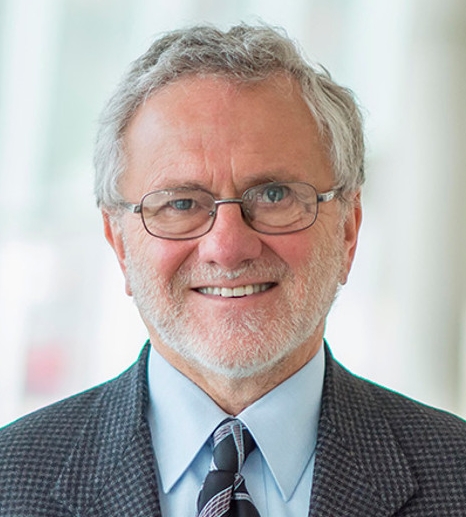 Samuel M. Cohen合作论文数Department of Pathology, Microbiology and Immunology, College of Medicine, University of Nebraska Medical Center1Connie Faltynek合作论文数1
 Emily M Garland合作论文数1
 Angela Mann合作论文数1




