BACKGROUND:To support clinical and research applications of facial imaging, a multimodal framework integrating static and dynamic facial images termed the Standardized Assessment for Facial Surgery (SAFS) was developed. PURPOSE:The study purpose was to evaluate SAFS for facial feature identification and mobility in support of treatment planning for lip revision surgery. STUDY DESIGN, SETTING, SAMPLE:This prospective cross-sectional study included subjects with repaired cleft lip/palate (CL/P), with and without lip revision recommendations, recruited from 6 craniofacial centers, and surgeons experienced in cleft care. Surgeons evaluated SAFS for subjects from institutions other than their own. INDEPENDENT VARIABLE:The independent variable was SAFS with 4 categorical levels: 2-dimensional (2D) static, 3-dimensional (3D) static, 2D dynamic facial images, and 3D dynamic objective visualizations. MAIN OUTCOME VARIABLE:The main outcome was surgeons' perspective of facial features related to appearance and mobility across successive imaging modalities coded as change or not from the previous modality. Secondary outcomes were themes from surgeons' interviews. COVARIATES:Covariates for the subjects were age, sex, and unilateral versus bilateral CL/P. ANALYSES:One-sided superiority binomial tests assessed whether each modality identified additional features relative to the preceding modality and changed surgical recommendations. Interviews were analyzed using grounded theory. RESULTS:The sample included 24 subjects (mean age, 12.3 years [SD, 4.5]); 10 (41%) were female, 16 (67%) had unilateral CL/P, and 12 (50%) identified as White, 7 (29%) as Asian, and 5 (21%) as multiracial. Eight surgeons participated. Among patients not initially recommended for surgery, surgeons changed recommendations for 6 of 7; the transition from 2D to 3D static imaging changed recommendations for 4 additional patients. Changes favored more extensive surgery for a significant overall change of 43%. Transitioning from 2D to 3D static imaging increased feature detection by more than 10% for all animations (P < .05), and from 2D dynamic video to 3D dynamic visualization yielded detection rates significantly greater than 50%. CONCLUSIONS AND RELEVANCE:Compared with clinical examination, 2D and 3D static images led surgeons to alter treatment plans and perceive greater deformity severity. Relative to 2D static imaging, 3D static and 3D dynamic visualizations improved feature detection. Thematic analysis supported SAFS as a useful diagnostic aid.
Objective Following surgery, the primary challenge is to effectively manage acute pain while minimizing opioid usage. An established protocol in managing postoperative pain in third molar surgery has not been well described. Study Design This prospective observational study included patients with at least 2 mandibular third molars removed in the University of North Carolina Oral Maxillofacial Surgery Clinic. Patients were treated with a multimodal analgesic regimen emphasizing medications with anti-inflammatory, long-acting, and short-acting properties, along with 2 separate prescriptions of 4 doses of Hydrocodone/acetaminophen (APAP). Daily post-surgery pain scores, medication use, and opioid prescription filled history were analyzed. Results Data were analyzed from 96 patients. The combination of anti-inflammatory medications administered intra- and postoperatively, long-acting local anesthesia, and a limited number of prescribed opioids resulted in recovery to “little-to-no” pain for the average pain scores by day 4 and worst pain scores by day 6. Additionally, 52 patients (54%) did not fill an opioid prescription. Twenty-seven patients (28%) filled 1 prescription and 17 patients (18%) filled 2 prescriptions. On average, a 1.3 opioid dose was used post-operatively, ranging from 0 to 8 doses. Conclusions By combining medications with anti-inflammatory properties, long-acting local anesthesia, and a unique prescribing practice, we were able to achieve satisfactory pain control and limit leftover opiate use. (Oral Surg Oral Med Oral Pathol Oral Radiol YEAR;VOL:page range)
Objective:To qualitatively assess surgeons' decision making for lip surgery in patients with cleft lip/palate (CL/P). Design:Prospective, non-randomized, clinical trial. Setting:Clinical data institutional laboratory setting. Patients Participants:The study included both patient and surgeon participants recruited from four craniofacial centers. The patient participants were babies with a CL/P requiring primary lip repair surgery (n=16) and adolescents with repaired CL/P who may require secondary lip revision surgery (n=32). The surgeon participants (n=8) were experienced in cleft care. Facial imaging data that included 2D images, 3D images, videos, and objective 3D visual modelling of facial movements were collected from each patient, and compiled as a collage termed the 'Standardized Assessment for Facial Surgery (SAFS)' for systematic viewing by the surgeons. Interventions:The SAFS served as the intervention. Each surgeon viewed the SAFS for six distinct patients (two babies and four adolescents) and provided a list of surgical problems and goals. Then an in-depth-interview (IDI) was conducted with each surgeon to explore their decision-making processes. IDIs were conducted either 'in person' or virtually, recorded, and then transcribed for qualitative statistical analyses using the Grounded Theory Method. Results:Rich narratives/themes emerged that included timing of the surgery; risks/limitations and benefits of surgery; patient/family goals; planning for muscle repair and scarring; multiplicity of surgeries and their impact; and availability of resources. In general, there was surgeon agreement for the diagnoses/treatments. Conclusions:The themes provided important information to populate a checklist of considerations to serve as a guide for clinicians.
OBJECTIVES:Dental hygiene students adapt to new environments while learning technical skills and providing clinical care during their education. Understanding how stress affects students in their professional healthcare program warrants exploration. This study assessed stress among dental hygiene students in two educational settings in the Southeastern United States.METHODS:First and second-year dental hygiene students (N = 136) from a community college setting (n = 67) and a university setting (n = 69) were invited to complete an anonymous online survey on mental health in fall 2019. Validated surveys on depression, anxiety, social support, and burnout were included. Data analysis included chi-squared and Mantel-Haenszel statistics, depending on the scale of measurement, with the level of significance set at 0.05 for all analyses.RESULTS:Participants included 54 dental hygiene students from a community college (Response rate = 80.6%) and 69 dental hygiene students from a university (RR = 100%). There was a statistically significant difference in the proportion of students reporting moderately severe or severe anxiety (p = 0.007), with 56% (n = 30) of the community college respondents and 36% (n = 24) of the university reporting these anxiety levels. Students attending a community college were also more likely to express feelings of worry (n = 34) compared to students in a university setting (p = 0.005). There was no statistically significant difference in depression (p = 0.07) or suicidal thoughts (p = 0.41).CONCLUSION:Dental hygiene students enrolled in these two programs reported high levels of self-reported stress, mental and emotional concerns that may increase suicidal tendencies.
Clinicians treating postprocedure acute pain after third molar removal face a twofold challenge: attenuating pain levels while simultaneously limiting leftover opioid doses. Strategies for achieving the dual goals range from “letting patients decide,” which can lead to leftover doses and misuse, or “letting clinicians decide,” only prescribing opioids for those predicted to experience severe discomfort, which risks under-managing acute pain. A hybrid strategy relies on joint decision-making between the patient and clinician. The hypothesis for this IRB-approved prospective study was that a hybrid-strategy would be successful in moderating acute pain and reducing leftover opioid doses.
Introduction:Articulation problems are seen in 80-90% of dentofacial deformity (DFD) subjects compared with 5% of the general population, impacting communication and quality of life, but the causal link is unclear. We hypothesize there are both qualitative (perceptual) and quantitative (spectral) differences in properties of stop (/t/ or /k/), fricative (/s/ or /∫/), and affricate (/t∫/) consonant sounds and that severity of anterior open bite (AOB) jaw disharmonies correlates with degree of speech abnormality. Methods:To test our hypotheses, surgical orthodontic records and audio recordings were collected from DFD patients (n=39 AOB, 62 controls). A speech pathologist evaluated subjects and recordings were analyzed using spectral moment analysis (SMA) to measure sound frequency distortions. Results:Perceptually, there is a higher prevalence of auditory and visual speech distortions in AOB DFD patients when compared to controls. Quantitatively, a significant (p<0.01) increase in the centroid frequency (M1) was seen in the /k/, /t/, /t∫/, and /s/ sounds of AOB subjects compared to the controls. Using linear regression, correlations between AOB skeletal severity and spectral distortion were found for /k/ and /t/ sounds. Conclusions:A higher prevalence of qualitative distortion and significant quantitative spectral distortions in consonant sounds were seen in AOB patients compared to controls. Additionally, severity of skeletal AOB is correlated with degree of distortion for consonant sounds. These findings provide insight into how the surgical and/or orthodontic treatment of AOB may impact speech.
Summary Introduction Patients with dentofacial disharmonies (DFDs) seek orthodontic care and orthognathic surgery to address issues with mastication, esthetics, and speech. Speech distortions are seen 18 times more frequently in Class III DFD patients than the general population, with unclear causality. We hypothesize there are significant differences in spectral properties of stop (/t/ or /k/), fricative (/s/ or /ʃ/), and affricate (/tʃ/) consonants and that severity of Class III disharmony correlates with the degree of speech abnormality. Methods To understand how jaw disharmonies influence speech, orthodontic records and audio recordings were collected from Class III surgical candidates and reference subjects (n = 102 Class III, 62 controls). A speech pathologist evaluated subjects and recordings were quantitatively analysed by Spectral Moment Analysis for frequency distortions. Results A majority of Class III subjects exhibit speech distortions. A significant increase in the centroid frequency (M1) and spectral spread (M2) was seen in several consonants of Class III subjects compared to controls. Using regression analysis, correlations between Class III skeletal severity (assessed by cephalometric measures) and spectral distortion were found for /t/ and /k/ phones. Conclusions Class III DFD patients have a higher prevalence of articulation errors and significant spectral distortions in consonants relative to controls. This is the first demonstration that severity of malocclusion is quantitatively correlated with the degree of speech distortion for consonants, suggesting causation. These findings offer insight into the complex relationship between craniofacial structures and speech distortions.
To assess the frequency and timing of dental treatment completion among pregnant and post-partum women served through the University of North Carolina at Chapel Hill (UNC-CH) Prenatal Oral Health Program (pOHP) dental clinic in the context of North Carolina (NC) dental Medicaid policies. We completed a retrospective chart review of pregnant women referred to the program between May 2015 and May 2019. Data were collected from the time of referral until up to 2 years after their estimated due date (EDD). We assessed pre- and post-delivery dental appointment timing and dental treatment completion. The initial study population included 264 pregnant women. Overall, 213 patients (81%) attended at least one appointment, and 32 patients (12%) completed recommended treatments prior to their EDD. Fifty patients (19%) returned after delivery to resume dental care, with only 25 patients (10%) completing their recommended treatment plan. Women re-entered dental care at a median of 67 days (range 5–613 days) after their EDD and completed treatment at a median of 378 days (range 52–730 days) following delivery. Despite dental clinic referral, most pregnant women do not complete recommended dental treatment before giving birth, and women who resumed dental care after birth demonstrated a lag-time between delivery and care completion. These findings highlight the need for extending post-pregnancy dental care coverage, which is limited under current dental Medicaid policies, posing a major public health issue for new mothers to continue oral health care.
PURPOSE:Carnoy's solution (CS), the gold standard for adjunctive chemical cautery in treatment of odontogenic keratocysts (OKCs), has been banned for 7 years, leading to substitution with the non-chloroform containing modified Carnoy's solution (MC) without data to support its effectiveness. We performed this study to compare the earlier data with CS to the more current outcomes with MC. METHODS:A retrospective cohort study was conducted on patients diagnosed with OKC and treated by a single surgeon (GHB) with enucleation and curettage (EC), peripheral ostectomy, and application of CS or MC. The primary predictor variables were use of CS or MC. The primary outcome variables were recurrence (yes vs. no) and time to recurrence. Secondary variables included demographics, anatomic location, and whether teeth adjacent to the lesion were extracted. Statistical analyses included chi-squared test/Fisher's exact test, Wilcoxon rank sum test, and Kaplan-Meier curves. RESULTS:77 patients, 36 patients in the CS group and 41 in the MC group, met inclusion criteria, including at least 1 year of follow-up time. Characteristics of the groups were similar: median age 41.5 and 46, 61% and 71% male gender, 81% and 90% posterior, and 64% and 50% mandibular lesions, respectively. Overall recurrence was similar, 14.29%, with 5 (13.9%) recurrences in the CS group and 6 (14.6%) in the MC group (P = 0.92). Median time to recurrence was 24 months for both groups. Preserving adjacent teeth was associated with a significant increase in recurrence (P = 0.0036). CONCLUSION:Based on this comparison of retrospective outcome data, we found no significant difference in recurrence rate or distribution of time to recurrence between OKCs treated with CS or MC. Aggressiveness of surgical technique is likely a predictive factor in recurrence rate. Future studies should focus on prospective studies and continuing follow-up of the MC group.
Purpose: Carnoy's solution (CS), the gold standard for adjunctive chemical cautery in treatment of odontogenic keratocysts (OKCs), has been banned for 7 years, leading to substitution with the non-chloroform containing modified Carnoy's solution (MC) without data to support its effectiveness. We performed this study to compare the earlier data with CS to the more current outcomes with MC. Methods: A retrospective cohort study was conducted on patients diagnosed with OKC and treated by a single surgeon (GHB) with enucleation and curettage (EC), peripheral ostectomy, and applicationofCSorMC.TheprimarypredictorvariableswereuseofCSorMC.Theprimaryoutcomevariableswererecurrence(yesvs.no) and time to recurrence. Secondary variables included demographics, anatomic location, and whether teeth adjacent to the lesion were extracted. Statistical analyses included chi-squared test/Fisher's exact test, Wilcoxon rank sum test, and Kaplan-Meier curves. Results: 77 patients, 36 patients in the CS group and 41 in the MC group, met inclusion criteria, including at least 1 year of follow-up time. Characteristics of the groups were similar: median age 41.5 and 46, 61% and 71% male gender, 81% and 90% posterior, and 64% and 50% mandibular lesions, respectively. Overall recurrence was similar, 14.29%, with 5 (13.9%) recurrences in the CS group and 6 (14.6%) in the MC group (P = 0.92). Median time to recurrence was 24 months for both groups. Preserving adjacent teeth was associated with a significant increase in recurrence (P = 0.0036). Conclusion: Based on this comparison of retrospective outcome data, we found no significant difference in recurrence rate or distribution of time to recurrence between OKCs treated with CS or MC.
The odontogenic keratocyst (OKC) composes 5-15% of odontogenic cysts and is known for its locally aggressive behavior and high recurrence rate. It has an unacceptably high recurrence rate of 13-58% when treated surgically with enucleation and curettage (EC) and peripheral ostectomy alone. More aggressive forms of treatment, such as resection, have a lower recurrence rate at the expense of increased morbidity associated with the resultant mandibular bone defect. Carnoy’s solution (CS) was found to improve outcomes and is composed of 60% ethanol, 30% chloroform, 10% glacial acetic acid, and 1 gram of ferric chloride. The FDA banned CS in 2013 for containing chloroform, which was “reasonably anticipated to be a human carcinogen” based on animal studies. This led to substitution with the non-chloroform containing Modified Carnoy’s solution (MC), causing a divide among oral and maxillofacial surgeons (OMSs). A 2016 survey found that 25% of OMSs use CS or MC in conjunction with EC. Of these surgeons, 56% of continue to use CS despite the FDA warning.1 The only study that has investigated the relative effectiveness of the 2 solutions suggested that MC (35% recurrence) is not as effective as CS (10% recurrence) but only involved a single center and combined the results of 3 different surgeons.2 A retrospective chart review study from 2004 to 2019 was conducted on patients treated at UNC with a diagnosis of OKC and who had follow-up of at least 12 months after surgery. Overall, 149 patients were identified who had a diagnosis of OKC treated with billing codes 21046 or 21048 (EC of cyst of maxilla or mandible). All patients were treated by a single surgeon (GHB). Twenty patients were excluded for diagnosis of Gorlin syndrome, 48 for inadequate length of follow-up, and 2 for no use of chemical curettage, resulting in 79 patients who met inclusion criteria. The primary predictor variable was use of CS or MC, which was determined by date of procedure and operative notes. The primary outcome variable was recurrence (yes vs no), determined by pathological analysis of biopsied specimens when radiographic or clinical recurrence was suspected. These data were analyzed using an unpaired test of proportions. For those with a recurrence, the time from treatment to OKC recurrence was collected. Secondary variables included demographics, anatomic location, whether teeth adjacent to the lesion were preserved or extracted, and whether the patient had treatment of a past OKC prior to presentation. We found that 45/79 (57%) patients had OKCs of the mandible, 33/79 (41.8%) of the maxilla, and 1/79 (1.2%) in both. Overall recurrence rate was 11/79 (13.9%). Overall, 40/79 (50.7%) were treated with adjunctive MC, and 39/79 (49.3%) were treated with adjunctive CS. Recurrence rate was 5/40 (12.5%) in the MC group and 6/39 (15.4%) in the CS group. Based on these data, there was no statistically significant difference in recurrence between the 2 groups as evidenced by a P-value of .7115, suggesting that MC is an effective adjunctive to EC for the treatment of OKCs. Based off the high percentage of patients who did not return for 1-year follow-up (28.9%), a future study could seek to enumerate commonalities among patients who were lost to follow-up to determine how this can improve.
Lower lip and chin neurosensory disturbance are common following sagittal ramus osteotomy (SRO). Tongue numbness and loss of taste are reported less; however, the subject is studied less or even discussed.
This IRB-approved prospective pilot study was designed to reduce opioid doses in circulation by allowing patients to decide how many opioid prescriptions (Rx) to fill to moderate their pain levels after using bupivacaine liposomal suspension for third molar surgery.
Purpose: Inadequate prenatal oral health education in dental hygiene (DH) curricula can negatively impact patient care by graduating clinicians lacking competence in the provision of care for this population. The purpose of this study was to assess the knowledge, opinions, and willingness of DH students to provide oral care services to pregnant patients before and after participating in a prenatal oral health educational program (pOHP).Methods: Senior DH students were invited to complete a baseline and post-program survey to evaluate their experiences in the pOHP at the University of North Carolina, Chapel Hill. All senior DH students attended a one-hour lecture on prenatal oral health guidelines and practices prior to their clinical rotation in the pOHP. Each survey consisted of items on knowledge, confidence, and attitudes related to screening, counseling, and willingness to provide oral care services to pregnant patients.Results: Over a period of three years, 93 DH students (n=93) completed both the baseline and post-program surveys for a 96.8% response rate. Participants reported gains in knowledge and confidence for screening and counseling pregnant patients. Post-program survey respondents agreed that dental providers should deliver oral health counselling to pregnant women (99%, n=93) and perform an oral health examination during prenatal care (99%, n=92). Nearly all of the respondents, (98%; n=90) reported they are likely to take care of pregnant women upon graduation and deliver preventive oral health messaging to this population (98%, n=91).Conclusion: Dental hygiene student participants in a prenatal oral health program (pHOP) demonstrated positive trends in increasing knowledge and confidence in screening and counseling pregnant patients in the dental setting. Inclusion of a clinical experience played an influential role in changes in knowledge regarding the safety of care during pregnancy, indicating a need for both didactic and clinical immersion opportunities to enhance cognitive and affective transformations.
Study Objectives: This study assessed the long-term general and condition-specific quality of life (QOL) and perceived occlusal and functional changes of individuals with obstructive sleep apnea (OSA) who had oral appliance therapy (OAT) delivery 2 years ago or longer. Methods: Three validated (Calgary Sleep Apnea Quality of Life Index for OSA symptoms, Medical Outcomes Study 36-Item Short Form for general QOL, Problems with Occlusion and Function for functional and occlusal changes) and one custom questionnaire were mailed to 139 identified patients from the UNC Adams School of Dentistry Dental Sleep Clinic who met the inclusion criteria of a polysomnography diagnosis of OSA, age 18-60 years at time of OAT delivery and previous delivery of OAT 2 years ago or longer for management of OSA. Results: Twenty-six percent of the 139 eligible patients (n=36) returned questionnaires. Of these, 31 patients, 58% male, returned completed questionnaires. Fifty-eight percent continued to use OAT for an average of 4.9 years (standard deviation=1.78). There were no statistically significant average differences between individuals who did or did not wear oral appliances in regard to Problems With Occlusion and Function or Medical Outcomes Study 36-Item Short Form subscores (p >0.15). For the Calgary Sleep Apnea Quality of Life Index, those who wore an oral appliance reported a better perception of general health than those who discontinued OAT (p=0.02) Those who did not wear an oral appliance reported significantly greater problems with side effects from current treatment for OSA than did those who continued to use OAT (p= 0.01). Conclusions: Those who continued to use OAT reported QOL benefits associated with this type of therapy for managing OSA. Longterm OAT adherence is a function of patients’ perceptions of both the conferred benefits of treatment and the unfavorable treatmentinduced side effects.
It is recognized that eating disorders are serious psychosocial illnesses that affect many adolescents and adults. A pre and post survey study was developed to assess demographics, oral health knowledge and self-image of patients with eating disorders participating in a hospital-based eating disorder clinic using an original oral health education program. The program’s aim is to change the self-image and oral health practices of patients with anorexia-binge eating/purging (AN-BP) and bulimia nervosa (BN) disorders. A pre-survey was completed by each study participant prior to attending the three educational sessions over a six-week period. A post survey questionnaire was completed after participation in all the educational presentations. Forty-six patients attended all three educational sessions and completed the pre and post-questionnaires. Most patients knew in advance that AN-BP and BN behavior can cause erosion of the teeth but only 30% knew the most likely location for the erosion to occur. But, following completion of the educational interventions, 73% answered the location correctly. Patients who reported going to the dentist regularly were significantly more likely to respond that their teeth/mouth had a positive effect on how they looked to themselves and to others, their general health, and their general happiness. Positive responses to the effect of the teeth/mouth on kissing and romantic relationships were also significantly higher for those who go to the dentist regularly compared to those who do not. There is a need to further understand AN-BP and BP patients’ oral health knowledge and self-image perceptions as it relates to their smile (teeth, mouth) to assist in developing a standardized oral health program for eating disorder centers to implement into their daily curricula. A dental team member in an interdisciplinary eating disorder treatment team is important. Including an oral health education program improves patients’ oral hygiene and oral health knowledge, as well as provides a supportive environment to empower the patients to take control of their overall oral health. This study was retrospectively registered on April 18, 2019 in ClinicalTrials.gov, Identifier: NCT03921632 .
 Raymond P. White合作论文数Division of Craniofacial and Surgical Care, Adams School of Dentistry, The University of North Carolina at Chapel Hill55
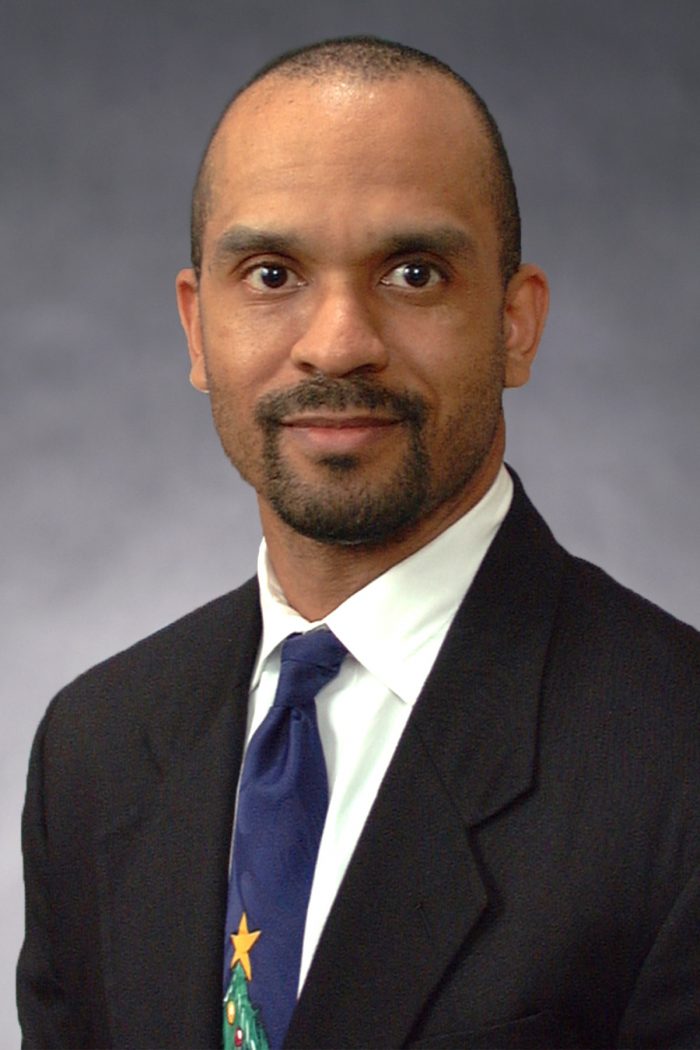 George Blakey合作论文数Division of Craniofacial and Surgical Care, Adams School of Dentistry, The University of North Carolina at Chapel Hill32William R. Proffit合作论文数25
 Timothy A Turvey合作论文数Adams School of Dentistry, The University of North Carolina at Chapel Hill25
 Steven Offenbacher合作论文数Department of Periodontology, Adams School of Dentistry, The University of North Carolina at Chapel Hill24Richard H. Haug合作论文数18
 Lorne D Koroluk合作论文数Division of Craniofacial and Surgical Care, Adams School of Dentistry, The University of North Carolina at Chapel Hill14Daniel A. Shugars合作论文数10
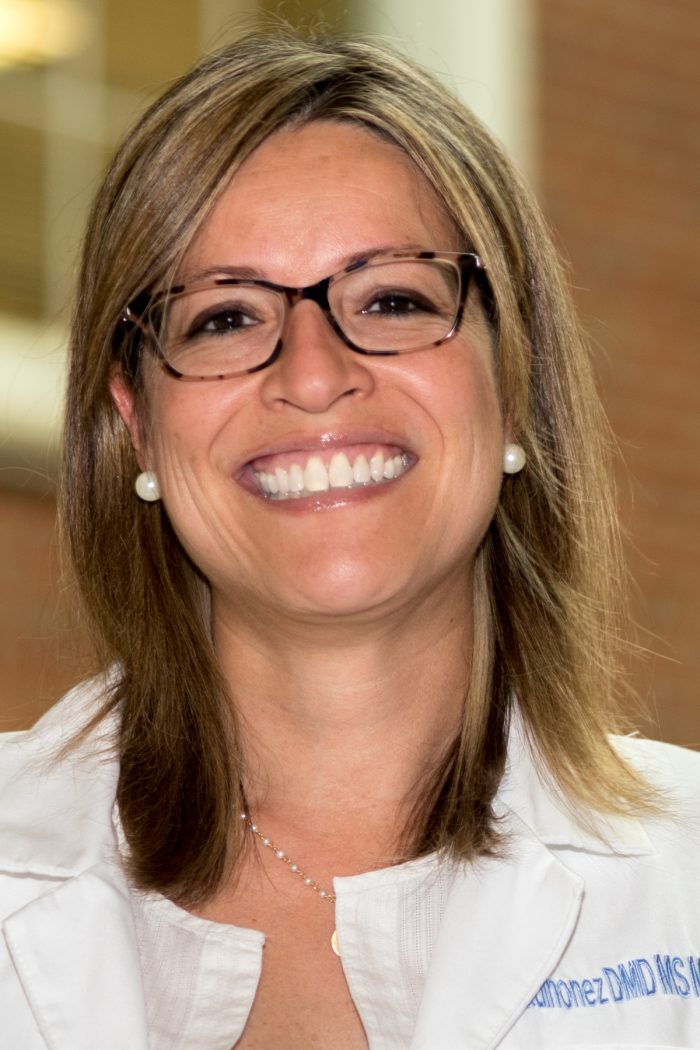 Rocio Beatriz Quinonez合作论文数Division of Pediatric and Public Health, Adams School of Dentistry, The University of North Carolina at Chapel Hill10
 Lucia H Soares Cevidanes合作论文数Department of Orthodontics and Pediatric Dentistry, School of Dentistry, University of Michigan8Hillary L. Broder合作论文数8
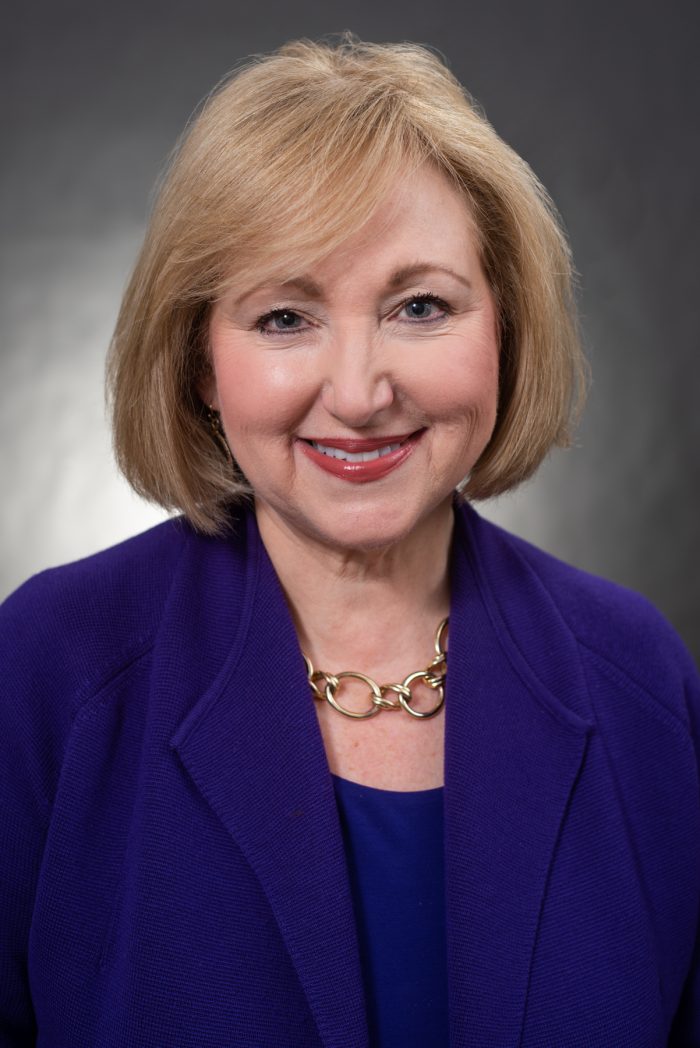 Rebecca S Wilder合作论文数Adams School of Dentistry, The University of North Carolina at Chapel Hill8
 Robert Marciani合作论文数8Da Shugars合作论文数7Brookes Carolyn Dicus合作论文数7
 Glenn J Reside合作论文数Division of Craniofacial and Surgical Care, Adams School of Dentistry, The University of North Carolina at Chapel Hill7GH Blakey合作论文数6Michael W. Roberts合作论文数Division of Pediatric and Public Health, Adams School of Dentistry, The University of North Carolina at Chapel Hill6Golden Brent A合作论文数6
 Caitlin Magraw合作论文数6Greg K. Essick合作论文数6Jfc Tulloch合作论文数5Bailey L'Tanya J合作论文数5
 David Yates合作论文数Cleft Lip/Palate and Craniofacial Surgery, Louisiana State University5
 Savannah Gelesko合作论文数5Gregory Essick合作论文数5
 John Timothy Wright合作论文数Adams School of Dentistry, The University of North Carolina at Chapel Hill5
 Julian J. Faraway合作论文数Department of Statistics;University of Michigan;Department of Statistics, University of Michigan5DA Tyndall合作论文数4Carroll Ann Trotman合作论文数4Matthew Pham合作论文数4Pooja T Saha合作论文数Biostat Core, Univ N Carolina4
 Josiah D Rich合作论文数The Warren Alpert Medical School, Brown University4
 Lacey Sischo合作论文数4Garaas Rachel合作论文数4Brockhoff Hans合作论文数4
 Enrique NMN Platin合作论文数4
 Kathryn P Bell合作论文数4
 Jay Anderson合作论文数Instruments Division, Space Telescope Science Institute4Donald A. Tyndall合作论文数4Jan Faulk合作论文数School of Dentistry, University of North Carolina4Myron Tucker合作论文数4Stephen R. Matteson合作论文数4M. Thomas Jacks合作论文数4David W Paquette合作论文数4John R. Zuniga合作论文数4
 Peter Z Tawil合作论文数Governors Endodontics Teaching Institute;Governors Endodontics;PZT Realty LLC4J. F. Camilla Tulloch合作论文数4ME Bennett合作论文数3




