Este informe trasciende el alcance de la economia convencional para incorporar al analisis del desarrollo tres factores estructurales que no han recibido la debida atencion en America Latina: la demografia, la geografia y las instituciones. Por su naturaleza historica y lenta evolucion, estas variables facilmente quedan relegadas en los analisis y discusiones de las politicas publicas. Sin embargo, poseen la clave para entender los retos que les esperan a las sociedades latinoamericanas en el nuevo siglo. Utilizando una amplia gama de estadisticas, indicadores cualitativos y encuestas de opinion, Desarrollo mas alla de la economia compara el estado del desarrollo de America Latina con el de otras regiones del mundo, teniendo en cuenta no solo el progreso economico, sino tambien el desarrollo de las capacidades de los individuos y el respeto de las normas de convivencia social.
This report moves beyond the conventional scope of economics to examine three entrenched structural factors -demography, geography and institutions- that are closely connected to economic and social development. Historical in nature and slow to evolve, these variables are not always in the forefront of economic analysis. They do, however, hold the key to better understanding Latin American societies and the challenges awaiting them in the new century. Development Beyond Economics compares Latin America's development with that of other regions of the world not only in terms of economic progress, but also human development and the capacity of people to work together as a society. This means examining variables ranging from income distribution to social indicators, democratic benchmarks and crime.
The objective of this book is to provide policy recommendations to reduce the economic vulnerability of the poor to adverse shocks and help them cope with income downturns. The authors suggest that, social equity arguments aside, insuring the poor is desirable in terms of economic efficiency. Both theory and evidence suggests that risk-averse individuals who are unable to insure will select low-risk and low-return survival strategies. In terms of human capital and employment decisions, these strategies may provide them with minimum levels of income. This book is the result of a series of initiatives in 1998 and 1999 by the Poverty and Inequality Advisory Unit of the Inter-American Development Bank.
Proteccion social para la equidad y el crecimiento ofrece recomendaciones de politica para disminuir la vulnerabilidad economica de los pobres a los shocks y ayudarlos a enfrentar la caida de sus ingresos. La proteccion social se refiere a las intervenciones publicas --medidas relacionadas con el mercado laboral, redes de proteccion social, sistemas de pensiones y fondos de calamidades, entre otras-- que puedan suavizar el impacto de estos sucesos repentinos. Tales intervenciones se dirigen a los grupos de bajos ingresos cuyas condiciones de empleo son precarias o que tienen un acceso limitado a la seguridad social y otros sistemas de seguros. Estos grupos por lo general se encuentran cerca de los niveles de subsistencia y carecen de poder politico o economico para presionar por aquellas politicas que puedan responder a sus necesidades durante los tiempos de crisis.
This report moves beyond the conventional scope of economics to examine three entrenched structural factors -demography, geography and institutions- that are closely connected to economic and social development. Historical in nature and slow to evolve, these variables are not always in the forefront of economic analysis. They do, however, hold the key to better understanding Latin American societies and the challenges awaiting them in the new century. Development Beyond Economics compares Latin America's development with that of other regions of the world not only in terms of economic progress, but also human development and the capacity of people to work together as a society. This means examining variables ranging from income distribution to social indicators, democratic benchmarks and crime.
 gustavo marquez合作论文数9
 Andrew Morrison合作论文数9
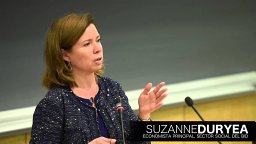 Suzanne Duryea合作论文数Research Department, Inter-American Development Bank9
 Jere R. Behrman合作论文数Department of Economics, School of Arts & Sciences, University of Pennsylvania5
 Lora Eduardo合作论文数Research Department, Inter-American Development Bank5
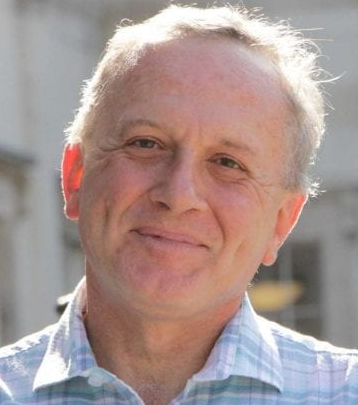 Orazio Attanasio合作论文数Department of Economics, Yale University5
 Cortés Patricia合作论文数School of Management, Boston University5
 Alejandro Gaviria合作论文数Universidad de Los Andes;Barnard College;Columbia University;Universidad de Los Andes, Columbia University5
 William D. Savedoff合作论文数Inter-American Development Bank;Yale University;Inter-American Development Bank, Yale University5
 Carmen Pages合作论文数Departamento de Ciencias de la Computación;Universidad de Alcalá5
 Miguel Szekely合作论文数5
 John Gallup合作论文数World Bank5
 Claudia Piras合作论文数5
 Mauricio Olivera合作论文数5carola alvarez合作论文数4j mark payne合作论文数4ruthanne deutsch合作论文数4carlos oliva合作论文数4shanka chakraborty合作论文数4alexander kazan合作论文数4ellen connors合作论文数4
 Gianluca Violante合作论文数Department of Economics, Princeton University4Ferdinando Regalia合作论文数NATIONAL BUREAU OF ECONOMIC RESEARCH4
 Nora Lustig合作论文数Tulane University4
 Arianna Legovini合作论文数4
 Cesar P. Bouillon合作论文数4
 Ruben G. Echeverria合作论文数Reader in Agricultural Economics, University of Reading4Ernesto Stein合作论文数inter american development bank2




