Although thyroid nodules are less common in the pediatric population, the risk of malignancy is higher than in adult patients. The aim of this study was to evaluate the ultrasonographic predictive factors of malignancy in thyroid nodules and to validate American College of Radiologists (ACR) TI-RADS performance in transition age patients. One hundred forty-two patients aged between 14 and 21 years referred to the participating centers for FNA biopsy of a thyroid nodule between 2007 and 2022 were included and ultrasound reports and sonographic images were retrospectively analyzed. Nodule features were defined according to the ACR-TIRADS lexicon. Two reference standards were applied: FNA cytology and surgical histology. The diagnostic performance of single sonographic features was estimated. Significant predictors were then included in a multivariate regression model. Nodules included in ACR-TIRADS categories TR4 or TR5 had 10-fold increased risk of indeterminate or suspicious/malignant cytology [p < 0.001]. In univariate analysis, solid composition [p = 0.016] and presence of hyperechoic foci [p = 0.040] significantly increased the likelihood of malignant histology. In multivariate regression analysis, irregular margins [p = 0.011] and hyperechoic foci [p = 0.019] were independent predictors of indeterminate or suspicious/malignant cytology. Nodules included in ACR-TIRADS categories TR4 or TR5 had 10-fold increased risk of indeterminate or suspicious/malignant cytology in transition age. ACR-TIRADS was not able to rule-out malignancy compared to FNAB alone, suggesting the need to reconsider recommendations in the transition age group.
The diagnosis of parathyroid diseases by imaging still has some intrinsic technical limitations due to the differential diagnosis of different structures of the neck that mimic the parathyroid glands. In this view, ultrasound (US) is an established, low-cost, and non-invasive imaging technique that still represents the first-line approach for evaluating patients with parathyroid disease. The objective of this article is to provide a comprehensive review of the applications of USs in clinical practice, discussing the histopathological and US characteristics of the parathyroid glands in normal and pathological conditions, the advantages of preoperative imaging, and novel updates on the most useful and currently available multiparameter US techniques.
Diabetic bladder and sexual dysfunction include lower urinary tract symptoms (LUTS), ranging from an overactive to a poorly contractile bladder, erectile dysfunction (ED) in men with orgasmic and ejaculatory dysfunction and in women changes in sexual activity and function. Diabetes involves a two- and threefold increase in risk of LUTS and ED, respectively, with a prevalence of each condition over 50%. In women urinary incontinence is present in up to 39%, with an odds ratio of up to 3.5. In addition to somatic and autonomic neuropathy, abnormalities of detrusor muscle, urothelium, and urethra play a role in bladder dysfunction. Neurogenic, vasculogenic, hormonal, metabolic, drug-induced, and psychological factors can contribute to ED and sexual dysfunction in diabetes. ED has a close relation with cardiovascular risk factors and disease and is considered an early risk biomarker for cardiovascular events. Bladder and sexual dysfunction impact on quality of life and prognosis and often coexist in the same patients. Assessment of LUTS requires history, questionnaires, a bladder diary, urinalysis, uroflowmetry with post-void residual measurement, and urodynamics only for differential diagnosis or in cases resistant to treatment. A stepwise treatment of LUTS includes antimuscarinics or β-3 agonists as the first-line treatment for detrusor overactivity, followed by tibial nerve stimulation as the second-line, with onabotulinumtoxinA and sacral neuromodulation, and by surgery as the last option. Treatments for underactive bladder include intermittent catheterization, followed by neuromodulation. The diagnostic pathway in patients with ED includes history and physical examination, laboratory testing for metabolic and cardiovascular risk stratification, and diagnosis of hypogonadotropic hypogonadism. Treatment of ED includes PDE5-inhibitors as first-line agents, testosterone replacement in the presence of hypogonadism, and psychological counseling for psychosexual dysfunction. Intraurethral alprostadil suppositories or intracavernosal injections are second-line treatment, as well as external vacuum devices and penile implant prosthesis are the last option. Premature ejaculation has multifactorial pathogenesis, while retrograde ejaculation is mainly related to diabetic neuropathy. A combined pharmacological and psychological approach is required for premature ejaculation and α-agonists and/or tricyclic antidepressants for retrograde ejaculation. Ejaculation dysfunction might impair fertility. Female sexual dysfunction appears mainly driven by social and psychological factors with a possible role of autonomic neuropathy. Treatment requires a multidisciplinary approach and mostly relies on lifestyle intervention and hormone therapy in postmenopausal women. Barriers to an effective management of diabetic genitourinary dysfunction are the still limited knowledge and clinical research for bladder dysfunction and a widespread underdiagnosis for both bladder and sexual dysfunction. A multidisciplinary approach may favor both diagnosis and effective treatment. New antihyperglycemic drugs might exert a beneficial effect on sexual function through weight control.
Searchable abstracts of presentations at key conferences in endocrinology ISSN 1470-3947 (print) | ISSN 1479-6848 (online)
PURPOSE:Multiple endocrine neoplasia type 4 (MEN4) is a rare multiglandular endocrine neoplasia syndrome, associated with a wide tumor spectrum but hallmarked by primary hyperparathyroidism, which represents the most common clinical feature, followed by pituitary (functional and non-functional) adenomas, and neuroendocrine tumors. MEN4 clinically overlaps MEN type 1 (MEN1) but differs from it for milder clinical features and an older patient's age at onset. The underlying mutated gene, CDKN1B, encodes the cell cycle regulator p27, implicated in cellular proliferation, motility and apoptosis. Given the paucity of MEN4 cases described in the literature, possible genotype-phenotype correlations have not been thoroughly assessed, and specific clinical recommendations are lacking. The present review provides an extensive overview of molecular genetics and clinical features of MEN4, with the aim of contributing to delineate peculiar strategies for clinical management, screening and follow-up of the last and least known MEN syndrome.METHODS:A literature search was performed through online databases like MEDLINE and Scopus.CONCLUSIONS:MEN4 is much less common that MEN1, tend to present later in life with a more indolent course, although involving the same primary organs as MEN1. As a consequence, MEN4 patients might need specific diagnostic and therapeutic approaches and a different strategy for screening and follow-up. Further studies are needed to assess the real oncological risk of MEN4 carriers, and to establish a standardized screening protocol. Furthermore, a deeper understanding of molecular genetics of MEN4 is needed in order to explore p27 as a novel therapeutic target.
Purpose Scientific knowledge on health-related quality of life (HRQoL) in patients with neuroendocrine neoplasm (NEN) is still limited and longitudinal assessment of HRQoL over the time in NEN patients are scarce. The current study aimed to assess the role of clinical severity and heterogeneity of NEN, as well as resilience, in the HRQoL of NEN patients over the course of a year. Methods 39 consecutive NEN patients (25 men and 14 women) aged from 29 to 73 years participated in a longitudinal Italian multicentric study. The main outcome measure concerned the severity and heterogeneity of NEN, HRQoL, and resilience. Results Over the course of a year, higher levels of the global health (GH) were associated to the absence of distant metastases, while the presence of metastases with higher levels of fatigue, diarrhea, and financial difficulties. Higher levels of resilience are still associated with better GH and lower levels of fatigue, diarrhea, and financial difficulties, but no longer with constipation. Furthermore, patients with gastroenteropancreatic NEN still have higher scores on constipation, but not on GH, fatigue, diarrhea, and financial difficulties. Patients with hereditary NEN continue to have greater GH than those with a sporadic NEN and lower fatigue, diarrhea, and financial difficulties. Conclusion These findings showed that the effects of severity and clinical heterogeneity of the NEN on HRQoL may change over time. This evidence should lead clinicians to monitor the HRQoL of NEN patients throughout the course of the disease and psychologists to implement evidence-based resilience interventions.
Feola, Tiziana MD; Centello, Roberta MD; Sesti, Franz MD; Puliani, Giulia MD; Verrico, Monica MD; Di Vito, Valentina MD; Di Gioia, Cira MD, PhD; Bagni, Oreste MD; Pisegna, Simona MD; Lenzi, Andrea MD, PhD; Isidori, Andrea M. MD, PhD; Giannetta, Elisa MD, PhD; Faggiano, Antongiulio MD, PhD Author Information
Risk factors for sporadic GEP-NENs are still not well defined. To identify the main clinical risk factors represents the aim of this study performed by three Italian referral centers for NENs. We performed a retrospective case–control study including 148 consecutive sporadic GEP-NENs and 210 age- and sex-matched controls. We collected data on clinical features, cancer family history and other potential risk factors. Mean age was 58.3 ± 15.8 years; 50% males, primary site was pancreas (50.7%), followed by ileum (22.3%). The 62.8% and 29.1% of cases were G1 and G2, respectively; the 40% had locally advanced or metastatic disease at diagnosis. Independent risk factors for GEP-NENs were: family history of non-neuroendocrine GEP cancer (OR 2.16, 95% CI 1.31–3.55, p = 0.003), type 2 diabetes mellitus (T2DM) (OR 2.5, 95% CI 1.39–4.51, p = 0.002) and obesity (OR 1.88, 95% CI 1.18–2.99, p = 0.007). In the T2DM subjects, metformin use was a protective factor (OR 0.28, 95% CI 0.08–0.93, p = 0.049). T2DM was also associated with a more advanced (OR 2.39, 95% CI 1.05–5.46, p = 0.035) and progressive disease (OR 2.47, 95% CI 1.08–5.34, p = 0.03). Stratifying cases by primary site, independent risk factors for pancreatic NENs were T2DM (OR 2.57, 95% CI 1.28–5.15, p = 0.008) and obesity (OR 1.98, 95% CI 1.11–3.52, p = 0.020), while for intestinal NENs family history of non-neuroendocrine GEP cancer (OR 2.46, 95% CI 1.38–4.38, p = 0.003) and obesity (OR 1.90, 95% CI 1.08–3.33, p = 0.026). This study reinforces a role for family history of non-neuroendocrine GEP cancer, T2DM and obesity as independent risk factors for GEP-NENs and suggests a role of metformin as a protective factor in T2DM subjects. If confirmed, these findings could have a significant impact on prevention strategies for GEP-NENs.
Searchable abstracts of presentations at key conferences in endocrinology ISSN 1470-3947 (print) | ISSN 1479-6848 (online)
The NETest is a standardized and reproducible liquid biopsy for neuroendocrine tumors (NETs). It evaluates the expression of 51 NET genes by real-time polymerase chain reaction, providing an accurate molecular profile of the neoplasm. Diagnostic utility of NETest has been widely demonstrated, while its role in predicting prognosis and treatment response is less studied. This systematic review aims to collect and discuss the available evidence on the prognostic and predictive role of NETest, trying to answer 3 questions, frequently raised in clinical practice. Is NETest able to differentiate stable from progressive disease? Increased NETest levels (at least >40%) correlate with disease progression. Is NETest able to predict tumor progression and tumor response to treatment? Some studies demonstrated that the baseline NETest score >33–40% could predict tumor progression. Moreover, NETest performed after treatment (as peptide receptor radionuclide therapy) could predict treatment response also before radiological findings, since the decrease or stability of NETest score predicts tumor response to treatment. Is NETest able to evaluate tumor recurrence risk after surgery? NETest can predict surgical treatment outcome detecting minimal residual disease after radical surgery, which is characterized by a lower but positive NETest score (20–40%), while a higher score (>33–40%) is associated with nonradical surgery. In conclusion, in addition to its demonstrated diagnostic role, this systematic review highlights the efficacy of NETest to assess disease status at the moment of the NETest execution and to predict tumor recurrence after surgery. The efficacy for other applications should be proven by additional studies.
BACKGROUND:Highly proliferative (G3) neuroendocrine neoplasms are divided into well differentiated tumors (NETs) and poorly differentiated carcinomas (NECs), based on the morphological appearance. This systematic review aims to evaluate the clinicopathological features and the treatment response of the NEC subgroup with a Ki67 labeling index (LI) < 55%.METHODS:A literature search was performed using MEDLINE, Cochrane Library, and Scopus between December 2019 and April 2020, last update in October 2020. We included studies reporting data on the clinicopathological characteristics, survival, and/or therapy efficacy of patients with NECs, in which the Ki67 LI was specified.RESULTS:8 papers were included, on a total of 268 NEC affected patients. NECs with a Ki67 LI < 55% have been reported in patients of both sexes, mainly of sixth decade, pancreatic origin, and large-cell morphology. The prevalent treatment choice was chemotherapy, followed by surgery and, in only one study, peptide receptor radionuclide therapy. The subgroup of patients with NEC with a Ki67 LI < 55% showed longer overall survival and progression free survival and higher response rates than the subgroup of patients with a tumor with higher Ki67 LI (≥55%).CONCLUSIONS:NECs are heterogeneous tumors. The subgroup with a Ki67 LI < 55% has a better prognosis and should be treated and monitored differently from NECs with a Ki67 LI ≥ 55%.
Sorafenib and lenvatinib are the only multikinase inhibitors (MKIs) approved for the treatment of radioactive iodine refractory differentiated thyroid cancer (RR-DTC). Although they have been demonstrated to improve progression free survival and overall response rate, the risk of toxicities is very high, worsening patients' quality of life. Therefore, predicting MKI treatment outcomes in the setting of RR-DTC is very challenging for optimizing patients' management. The current review provides an overview of the predictive factors for the response and survival of sorafenib and lenvatinib in RR-DTC. In this setting, a systemic therapy should be considered after conducting a multidisciplinary discussion aimed at evaluating the risk-benefit ratio of the treatment and taking into account several clinical, biochemical, and molecular factors. Age, performance status, and cancer-related symptoms are the most important clinical markers to be considered prior to starting MKI treatment, together with tumor burden. Some tissue and circulating biomarkers have been investigated, those involved in the angiogenic pathways being the most promising. Finally, prospective clinical trials aimed at evaluating predictive markers for therapeutic response are needed for tailoring patient management and allowing more appropriate treatment choices.
Background Paragangliomas (PGLs) are neuroendocrine neoplasms arising from chromaffin cells of sympathetic or parasympathetic paraganglia. Systemic therapies have been used only in metastatic PGLs. Antiangiogenic agents, such as sunitinib, could be a viable therapeutic choice in the subgroup of patients with SDH-positive PGLs. We describe the case of a man with Familial Paraganglioma Syndrome type 1 (FPGL) related to a novel mutation in SDHD gene treated with sunitinib. Furthermore, we performed a systematic review of the literature aimed to address the following question: is sunitinib treatment effective in patients with advanced/progressive/metastatic PGL? Methods We performed a data search using MEDLINE, Cochrane Library, and Scopus between April 2019 and September 2020. We included studies reporting data on clinical or biological characteristics, or clinical outcomes of patients with PGLs treated with sunitinib. Results The search leaded to the selection of 25 publications. Data from case reports and case series showed that disease control rate (DCR = stable disease + partial response + complete response) was achieved in 34.7% of cases under sunitinib treatment. In 39% of patients DCR was followed by progressive disease (PD) or tumor relapse, 26.1% patients showed PD. Data from clinical trials showed that DCR was 83%, and the median progression free survival was 13.4 months. Discussion Data from the present literature review suggested that sunitinib could be a viable therapeutic option in advanced/progressive/metastatic inoperable PGLs. However, further trials on the efficacy of sunitinib in FPGL and sporadic PGL are needed.
Multiple endocrine neoplasia type 2 (MEN2) is a hereditary syndrome associated with tumors of the endocrine system due to germline mutations of RET gene. Two clinical subtypes can be distinguished: MEN2A is characterized by medullary thyroid carcinoma (MTC), pheochromocytoma (PC), and hyperparathyroidism; MEN2B is characterized by MTC, PC, and extra-endocrine manifestations. PC is the second most frequent manifestation of MEN2, often affecting both the adrenal glands: in these cases, a radical approach consisting of bilateral adrenalectomy inevitably leads to an adrenal insufficiency, which represents itself a discomfort for patients. Thus, a more conservative strategy, such as adrenal sparing surgery, should be preferred. We present the case series of two members of a MEN2A family, both affected by MTC and bilateral PCs. Adrenal sparing approach was suggested. This report outlines the necessity of a correct management of MEN2A-affected patients and focuses particularly on the importance of early diagnosis and adequate follow-up of PC in order to perform a conservative surgical technique and improve patients’ morbility and quality of life.
CONTEXT:Although health-related quality of life (HRQoL) is a fundamental outcome in oncological clinical trials, its evaluation in the neuroendocrine neoplasm (NEN) research field is still limited.OBJECTIVES:This study assessed the role of clinical severity (ie, presence or absence of metastasis and lines of therapies) and heterogeneity (ie, primary site, types of therapy, biology, and surgery) of NEN in relation to HRQoL, as well as resilience as a moderator between clinical severity and HRQoL.DESIGN:Cross-sectional multicentric study.SETTING:Italian university hospitals.PATIENTS:A total of 99 Italian patients (53 men and 46 women) with NEN and ranged in age from 22-79 years old.MAIN OUTCOME MEASURE:Severity and heterogeneity of NENs, HRQoL, and resilience.RESULTS:The presence of metastasis and a greater number of therapies affected the global health and some physical symptoms. Resilience was associated with global health, functional status, and some physical symptoms, and it moderated the impact of metastases on constipation and of the multiple therapies on diarrhea and financial problems. Patients with NEN in districts other than the gastroenteropancreatic system and those in follow-up perceived fewer physical symptoms than their counterparts. Patients with a sporadic NEN perceived their functional status, global health, and disease-related worries as better than those with a hereditary NEN. Patients who underwent surgery were lower in constipation than their counterparts.CONCLUSION:These findings highlight the need to assess the relationships between the clinical severity and heterogeneity of NEN with HRQoL and the role of resilience in improving patients' HRQoL.
Searchable abstracts of presentations at key conferences in endocrinology ISSN 1470-3947 (print) | ISSN 1479-6848 (online)
Sommario Il NETest è una metodica di biologia molecolare e, in particolare, di biopsia liquida, applicata alle neoplasie neuroendocrine (NEN), che si propone come nuovo biomarcatore altamente sensibile e specifico. Il NETest consente una sorta di gene signature del tumore, definendone il profilo trascrizionale mRNA, estratto dal sangue periferico. L’applicazione pratica è nella diagnosi, dove il NETest sembra identificare anche piccoli tumori localizzati, nella definizione prognostica, con l’identificazione dei tumori con maggiore tendenza alla progressione e alla recidiva post-chirurgica, nella riposta ai trattamenti, con l’identificazione precoce di progressione nel corso di terapie anti-tumorali. A fronte di risultati iniziali estremamente promettenti, il NETest necessita di una conferma su larga scala, in ampie casistiche multicentriche.
Introduction: Laryngeal neuroendocrine neoplasms (NENs) are a rare group of NENs of the neck, which commonly show immunostaining for calcitonin. Laryngeal NENs with calcitonin hypersecretion and lymph node metastases represent a diagnostic and therapeutic challenge, which should be included in the differential diagnosis of medullary thyroid carcinoma (MTC). We report a complex case of laryngeal NEN with calcitonin hypersecretion and a review of the literature. Case Presentation: A 59-year-old man presented with dysphagia, dyspnea, and lateral cervical mass; he was a smoker. At first imaging, a laryngeal lesion with lateral cervical lymphadenopathies was found, and it resulted as a moderately differentiated neuroendocrine tumor (G2), Ki67 = 5%, positive for calcitonin. Increased levels of serum calcitonin (50 pg/ml) were found. The patient started somatostatin analogs for lesions positivity to somatostatin receptor-based imaging. After 5 months, the disease progressed at 18F-fluorodeoxyglucose (18F-FDG) PET-CT, and also new painful cutaneous lesions occurred. Considering high serum levels of calcitonin, differential diagnosis with MTC was required. Patient performed a thyroid color Doppler ultrasound, nodule fine needle aspiration, calcitonin dosage in fine needle washout fluid, and a calcium gluconate stimulation test. After multidisciplinary evaluation, we decided to perform a total thyroidectomy associated with lateral cervical lymphadenectomy and resection of skin metastases. No MTC was found. Two of the five resected lymph nodes, left upper parathyroid, and skin lesions were metastases of NEN G2, positive for calcitonin. After 2 months, new painful skin lesions occurred, and a target therapy with everolimus 10 mg/day was started. After 6 months of therapy, partial metabolic response with a reduction of 53.7% of radiotracer uptake at primary tumor was detected together with an improvement of patient's quality of life. Conclusions: The present case is the seventh described in the literature of laryngeal NEN associated with elevated serum calcitonin levels and the first case with parathyroid metastasis, suggesting the importance of a correct differential diagnosis between MTC and calcitonin-secreting laryngeal NEN, using an integrated approach of biochemistry and advanced imaging. This is also the first time that somatostatin analogs and then everolimus were used in this setting, resulting in clinical and partial metabolic response.
 Elisa Giannetta合作论文数16
 Andrea M. Isidori合作论文数Dept. of Experimental Medicine, Sapienza University of Rome;Molecular and Clinical Endocrinology Lab, Sapienza University of Rome;Azienda Policlinico Umberto I15
 Antongiulio Faggiano合作论文数13
 Tiziana Feola合作论文数Department of Experimental Medicine, Sapienza University of Rome13Andrea Lenzi合作论文数11Valentina Di Vito合作论文数10
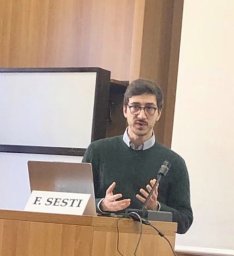 Franz Sesti合作论文数Dept Expt Med, Sapienza Univ Rome10
 Giulia Puliani合作论文数Dept Expt Med, Sapienza Univ Rome6Carla Pandozzi合作论文数5
 Oreste Bagni合作论文数4Roberta Modica合作论文数4Tarsitano Maria Grazia合作论文数4
 Annamaria Colao合作论文数Department of Clinical Medicine Surgery, University Federico II of Naples4
 Cira Rosaria Tiziana Di Gioia合作论文数Department of Radiological, Oncological and Pathological Sciences, Sapienza University of Rome3G. Puliani合作论文数2Federica de Cicco合作论文数2Alessia Cozzolino合作论文数2
 Pasquale Dolce合作论文数Department of Public Health, University of Naples Federico II2
 Cristiano Scandurra合作论文数Dept Neurosci Reprod Sci & Dent, Univ Naples Federico II2Gianfrilli Daniele合作论文数Dept Expt Med, Sapienza Univ Rome2
 Nelson Mauro Maldonato合作论文数Department of History;Linguistic and Anthropology;Department of History|Linguistic and Anthropology2Monica Verrico合作论文数2
 Vito Cantisani合作论文数Harvard Medical School Divisione di Abdominal Imaging and Intervention, Brigham & Women’s Hospital2R. Pirisino合作论文数1Erika Maria Grossrubatscher合作论文数1Filomena Bottiglieri合作论文数1Ilaria Stramazzo合作论文数1
 Carlotta Pozza合作论文数1Patrizia Pacini合作论文数1Davide Ferrari合作论文数1
 Marco Di Serafino合作论文数1Francesca Sciarra合作论文数1
 Gianluca Cera合作论文数1Valentina Sada合作论文数1
 Elio Benevento合作论文数1Giuseppe Cannavale合作论文数1Roberto Minotta合作论文数1M. Verrico合作论文数1angelina filice合作论文数1
 Simona Pisegna合作论文数1
 Benedetta Muzii合作论文数Department of Humanistic Studies, University of Naples Federico II1
 Luca Orecchia合作论文数Fdn PTV Policlin Tor Vergata Univ Hosp1Marco Biffoni合作论文数Department of Surgical Sciences, Sapienza University of Rome1
 Marialuisa Appetecchia合作论文数1
 Pietro Locantore合作论文数1
 Mary Anna Venneri合作论文数Department of Experimental Medicine, Sapienza Univeristy of Rome1Tiziana Filardi合作论文数1
 Enrico Finazzi Agrò合作论文数Department of Urology, Tor Vergata University of Rome1Virili Camilla合作论文数1




