Introduction There is emerging evidence that the social media industry contributes to adverse health outcomes by shaping the digital food environment for children and adolescents (aged 0-18). The aim of this scoping review was to determine the extent of research on how the social media industry, including the broader online landscape, influences the digital food environment and affects child and adolescent health.Methods A scoping review was conducted in the electronic databases of PubMed, Scopus and PsycINFO, along with forward and reverse citation searching for peer-reviewed articles published in English between 2000 and May 2023. A qualitative descriptive synthesis of the included articles was performed to identify trends, themes and research gaps in the current literature.Results The review identified 36 articles for inclusion. Most research was conducted in high-income countries and publications have increased since 2021. The review found most children and adolescents are exposed to food advertisements on social media and most advertised food is ultra-processed. Heightened by a lack of social media advertising awareness, digital food marketing influences children and youth's consumption and food behaviour. Voluntary children's food marketing regulations are ineffective for the online environment. Countering unhealthy food marketing will require media literacy and government regulation.Conclusion The social media industry may act as a commercial determinant of health to shape the digital food environment as an extension of the obesogenic environment. Further research should explore approaches to monitor unhealthy food marketing practices and understand social media's role in the digital food environment.
Long Covid is an activity-limiting condition that causes significant long-term impairment that can last up to one year or longer and impacts labour participation. 'Episodic disability' is an apt conceptual framework to comprehend the fluctuating impairments of those with Long Covid and the barriers they encounter when returning to employment. Drawing on 65 narrative interviews, conducted between 2021 and 2022, from three UK studies involving adults with Long Covid, this article demonstrates how participants experienced a 'spoiled identity', had their 'disability' status challenged due to existing in-between (dis)ability classifications and experienced their 'bodies-at-odds' with their working environment. The additional 'adjustment' and 'administrative' work of navigating disabling systems required participants to balance workloads to avoid relapse. Utilising 'episodic disability' demonstrates that current sickness absence, return to work and welfare policies are disabling and unfit for purpose, requiring participants to take sole responsibility for the additional 'rehabilitative work' involved in returning to employment. There is very little advice for people with Long Covid on how best to return to work. Long Covid is not yet officially classified as a 'disability' in the UK.People with Long Covid may have symptoms others cannot see and symptoms that vary. One day symptoms may be very severe and debilitating and other times they are less severe.People with Long Covid report sadness, guilt and fear about being unable to work as well as they had done before.Because Long Covid symptoms can be invisible to others and their severity is unpredictable, some people said they felt disbelieved about how serious their symptoms were and said that people at work did not realise they needed workplace adaptations.Sickness absence policies that classify employees simply as either 'able' or 'disabled' do not work for people with unpredictable illnesses that vary in their severity, like Long Covid.
During the early years (2020-2021) of the COVID-19 pandemic, relatively little attention focused on experiences of people with long-lasting symptoms, particularly young adults who were commonly understood to be invulnerable to serious effects of the virus. Drawing on narrative interviews with 15 adults in their twenties and living in the UK when they became ill with long COVID, we explore contextual factors which made their long COVID illness experience, and the wholescale disruption to their lives, challenging. We propose that existing adaptations of the concept of biographical disruption are problematic for this group, and instead suggest that 'biographical retrogression' may more accurately reflect these young adults' experiences. For many of these young adults, their illness occurred at a crucial stage in forming or solidifying (presumed) adult trajectories. Secondly, the recency of long COVID did not allow for comparison with an existing 'grand narrative' of recovery, so the future course of their illness was not just unknown for them as individuals; there was no prognostic map against which to assess their symptoms. Thirdly, the lives of people with long COVID have been disrupted in the context of global societal disruption by the same virus, rendering their experiences both topical yet invisible.
Abstract Introduction The usual output following health consultations from paediatric services is a clinical letter to the referring professional or primary care provider, with a copy sent to the patient's caregiver. There is little research on how patients and caregivers perceive the letter content. We aimed to: first understand child, young people and caregiver experiences of and preferences for receiving a health feedback letter about the child/young person's health measures within a healthy lifestyle programme; and second to provide a set of recommendations for designing letters to children, young people and their families within a healthy lifestyle programme. Methods This qualitative study, informed by Kaupapa Māori principles, included focus groups of children aged 5–11 years and young people aged 12–18 years who were participants in a healthy lifestyle programme in Taranaki, Aotearoa New Zealand and of their respective caregivers (total n = 47). Discussions were audio‐recorded, transcribed and analysed using thematic analysis. Findings Key themes were identified: letters sometimes acted as ‘discourses of disempowerment’—some participants experienced a lack of safety, depersonalisation with medical jargon and ‘feeling like a number’. Participants described the need for acknowledgement and affirmation in written communication—health feedback should include validation, choice regarding content, respectful tone and a strengths‐based approach to health messages. Interpretation Letters to referrers, copied to families, can be perceived as disempowering, and participant and caregiver perspectives of content should be considered. This study challenges conventional practice in communicating health feedback with broader implications for written communication in healthcare. We propose separate letters aimed at the child/young person and their caregiver that offer choice in the information they receive. The administrative burden of multiple letters can be mitigated by advances in digital health. Patient Contribution This study originated in response to feedback from service users that current health feedback was not meeting their needs or expectations. Patient perspectives, especially from children, are rarely considered in the generation of clinic letters from health professionals. Participants were child participants in the community‐based clinical service and their caregivers, and care was taken to represent the demographic backgrounds of service users. Collection and interpretation of Māori data were led by researchers who were local community members to ensure prioritisation and preservation of participant voice. Where possible, results are illustrated in the text by direct quotes from participants, whose identities are protected with a pseudonym.
Whānau Pakari is a healthy lifestyle assessment and intervention programme for children and adolescents with obesity in Taranaki (Aotearoa/New Zealand), which, in this region, replaced the nationally funded Green Prescription Active Families (GRxAF) programme. We compared national referral rates from the GRxAF programme (age 5–15 years) and the B4 School Check (B4SC, a national preschool health and development assessment) with referral rates in Taranaki from Whānau Pakari. We retrospectively analysed 5 years of clinical data (2010–2015), comparing referral rates before, during, and after the Whānau Pakari clinical trial, which was embedded within the programme. We also surveyed programme referrers and stakeholders about their experiences of Whānau Pakari, analysing their responses using a multiple-methods framework. After the Whānau Pakari trial commenced, Taranaki GRxAF referral rates increased markedly (2.3 pretrial to 7.2 per 1000 person-years), while NZ rates were largely unchanged (1.8–1.9 per 1000 person-years) (p < 0.0001 for differences during the trial). Post-trial, Taranaki GRxAF referral rates remained higher irrespective of ethnicity, being 1.8 to 3.2 times the national rates (p < 0.001). Taranaki B4SC referrals for obesity were nearly complete at 99% in the last trial year and 100% post-trial, compared with national rates threefold lower (31% and 32%, respectively; p < 0.0001), with Taranaki referral rates for extreme obesity sustained at 80% and exceeding national rates for both periods (58% and 62%, respectively; p < 0.01). Notably, a referral was 50% more likely for referrers who attended a Whānau Pakari training half-day (RR = 1.51; p = 0.009). Stakeholders credited the success of Whānau Pakari to its multidisciplinary team, family-centred approach, and home-based assessments. However, they highlighted challenges such as navigating multidisciplinary collaboration, engaging with families with complex needs, and shifting conventional healthcare practices. Given its favourable referral trends and stakeholder endorsement, Whānau Pakari appears to be a viable contemporary model for an accessible and culturally appropriate intervention on a national and potentially international scale.
Wha nau Pakari is a family -centred healthy lifestyle programme for children/adolescents with overweight/ obesity in New Zealand. This secondary analysis from our randomised trial within the clinical service assessed 5year BMI changes in accompanying caregivers ( n = 23), mostly mothers. Overall, baseline and 5 -year caregivers' BMI were similar (32.50 vs 31.42 kg/m 2 , respectively; p = 0.31) but two-thirds (65%) experienced BMI reductions. Five-year BMI change was similar in High -intensity and Low -intensity randomisation groups [-1.37 kg/ m 2 (-4.95, 2.21); p = 0.44]. Caregiver's BMI change was not associated with child's BMI change. Despite no overall BMI reduction, our findings contrast with upward BMI trajectories predicted for NZ adults with overweight/obesity.
Racialised social inequalities were exposed and exacerbated during the COVID-19 pandemic. The methods health researchers employ in designing and conducting research can replicate the same inequalities, with important implications for the creation of new knowledge. In this paper, we retrospectively and critically analyse the thinking and methods we employed during two qualitative studies about the diverse experiences of people and families during the COVID-19 pandemic in the UK. Set within a wider literature on engaging with race and ethnicity in health research, we present an analysis based on reflexive accounts and testimonies from researchers, and close-up examinations of different stages of the research. By illustrating these ideological, practical and interactional components of research, including some uncomfortable reflections, we hope to encourage more open conversations among researchers and research funders. Through this process, we can strengthen efforts that dismantle unhelpful historical research orthodoxies and move towards re-formulating ways of research practice that are more explicitly anti-racist and inclusive.
The Covid-19 pandemic has been dominated by discussions of mild and short-lasting cases or acutely serious or lethal forms of the disease; less attention has been paid to long-term Covid-19 symptoms ('Long Covid'), particularly in children. This analysis of the experiences of children and adolescents with Long Covid, and those of their parents/caregivers, argues that children with Long Covid encounter a 'double invisibility' due to the condition's limited social currency and their status as the youngest members of society. We draw on 39 narrative interviews about children's and adolescents' experiences, conducted in 2021-2022 in the United Kingdom. The occurrence of Long Covid in children challenges key aspects of a dominant pandemic narrative, some of which have persisted from the early stages of the pandemic into 2023. Analysis of our qualitative interviews demonstrates that participant experiences were shaped and undermined by the convergence of three elements of the dominant pandemic narrative: that Covid-19 is mild, and everyone recovers; that children are not badly affected by Covid-19; and that worst of the pandemic was essentially 'over' as early as 2021/2022. In the face of these characterisations of Covid-19 experience, young people and their families reported significant additional challenges in making the illness experiences of children and adolescents visible, and thus in gaining appropriate support from medical and educational professionals. We interpret this in relation to 'social currency' - the extent to which an illness elicits understanding and acceptance by wider society. Children and adolescents with Long Covid struggled to signal the severity of their condition and elicit care in the manner expected for other debilitating illnesses. This was exacerbated by assumptions and stereotypes about unwell children and adolescents, and their parents, and questioning of their candidacy as reliable, trustworthy patients.
This analysis of people's accounts of establishing their need and experiences of healthcare for long Covid (LC) symptoms draws on interview data from five countries (UK, US, Netherlands, Canada, Australia) during the first ∼18 months of the Covid-19 pandemic when LC was an emerging, sometimes contested, condition with scant scientific or lay knowledge to guide patients and professionals in their sense-making of often bewildering constellations of symptoms. We extend the construct of candidacy to explore positive and (more often) negative experiences that patients reported in their quest to understand their symptoms and seek appropriate care. Candidacy usually considers how individuals negotiate healthcare access. We argue a crucial step preceding individual claims to candidacy is recognition of their condition through generation of collective candidacy. "Vanguard patients" collectively identified, named and fought for recognition of long Covid in the context of limited scientific knowledge and no established treatment pathways. This process was technologically accelerated via social media use. Patients commonly experienced "rejected" candidacy(feeling disbelieved, discounted/uncounted and abandoned, and that their suffering was invisible to the medical gaze and society). Patients who felt their candidacy was "validated" had more positive experiences; they appreciated being believed and recognition of their changed lives/bodies and uncertain futures. More positive healthcare encounters were described as a process of "co-experting" through which patient and healthcare professional collaborated in a joint quest towards a pathway to recovery. The findings underpin the importance of believing and learning from patient experience, particularly vanguard patients with new and emerging illnesses.
While there is potential for societal benefit from linkage and integration of large datasets, there are gaps in our understanding of the implications for children and young people, and limited inclusion of their views within this discourse. We aimed to understand the views and expectations of children, young people and their parents/caregivers in Aotearoa New Zealand regarding child health data storage, linkage and consent for use. This qualitative study included 24 Māori and non-Māori children, young people and their families across five focus groups, recruited from a community-based health service. A mixed Māori and non-Māori research team facilitated participant recruitment and data collection. Child, adolescent and parent/caregiver groups were held separately. Sessions were audio-recorded and the verbatim transcripts were analysed thematically. We identified three themes: (i) I am more than a number: seeing patients as people; (ii) In safe hands: data as power; and (iii) What are your intentions with my data? Consent as an active relationship. A key challenge was the reductive and stigmatizing potential of data integration for minoritised groups. Hypothetical discussions of data sharing and linkage were contingent on trust between the participant and the health professional, with negotiated data ownership. Consent was conceived as an active relationship needing renewal and renegotiation as children reached adulthood. Current consent processes for ongoing use of child data require further deliberation. Without a strong ethical and child rights-based approach to issues of child health data management, consent and linkage, we risk exacerbating health inequities and experiences of breach of trust.
Background Long Covid (symptoms of SARS-CoV-2 persisting for 12+ weeks after infection) is a fluctuating, unpredictable condition involving a diverse range of symptoms and multiple physiological systems. Quantitative research suggests that people with Long Covid require prolonged periods off work and highlights the need for closer examination of their employment experiences and needs. The aim of this qualitative paper is to examine the impact of Long Covid on the working lives of UK adults and identify ways that employers and colleagues can support their return to employment. Methods Qualitative narrative interviews (n=63) were conducted via online video call or telephone, between April 2021 and July 2022, with adults with Long Covid living in the UK. Recruitment routes included social media, support groups, clinicians, community groups and snowballing. We aimed for maximum variation sampling, to capture diversity by age, gender, ethnicity, geographical location, and social class. Thematic analysis was used to inductively code the data. After familiarisation with transcripts, a team of researchers developed a coding framework of broad themes which was refined throughout the coding process. QSR NVivo 20 software was used to aid organisation and coding of data. Results Our analysis identified five key themes: 1) The impact of Long Covid on ability to work; 2) The impact of returning to work on Long Covid symptoms; 3) Helpful and unhelpful employer and colleague responses; 4) Changes at work to help manage Long Covid and 5) Uncertainty about work in the future. Participants reported ways that Long Covid symptoms, such as fatigue and brain fog, made many tasks at work extremely challenging. In turn, many spoke of returning to work too soon and their health and symptoms deteriorating as a result. They often experienced ignorance or uncertainty about Long Covid from employers and reported an apparent absence of HR or occupational health policies equipped to deal with its unpredictable and variable nature. Some participants tried to make changes to their job role and/or hours to try and manage work alongside symptoms, foregoing many other aspects of their lives, while others expressed uncertainty and concern about whether they would ever make a full return to employment. Conclusion Our analysis identified the significant impact Long Covid has on people's working lives. It highlights a need to raise awareness of Long Covid among employers and to adapt existing HR and occupational health policies to take account of this new, unpredictable and debilitating condition.
Objectives To explore the impact of Long Covid (LC) on the school experiences of children and young people (CYP).Design Qualitative study using narrative interviews.Participants 22 CYP (aged 10–18 years, 15 female) with LC and 15 parents/caregivers (13 female) of CYP (aged 5–18 years) with LC.Setting Interviews were conducted between October 2021 and July 2022 via online video call or telephone. Recruitment routes included social media, LC support groups, clinicians, community groups and snowballing.Results Three key findings were identified. Finding 1: Going to school is a valued part of CYP’s lives and participants viewed educational attainment as important for their future trajectories. Returning to school full time was highlighted as a key part of regaining ‘normal life’. Finding 2: Attending school (in-person or online) with LC is extremely difficult; even a gradual return required CYP to balance the impact of being at and engaging with school, with the need to manage symptoms to prevent relapse. Often this meant prioritising school and rest over other aspects of their lives. Finding 3: School responses to CYP with LC were reported to be mixed and hampered by difficulties communicating with healthcare professionals during the pandemic and a lack of awareness of LC among healthcare and education professionals. Participants viewed supportive school responses as staff believing, understanding and taking them seriously, alongside schools offering tailored and flexible adaptations which allowed engagement with school while limiting any deterioration of symptoms.Conclusions This study describes how LC affects the school experiences of CYP and generates recommendations for supportive school responses alongside supportive healthcare professionals. Further research could explore the approaches that facilitate a successful return to school for CYP with LC and investigate education professionals’ perspectives on support they require to positively engage with returning pupils.
The public perception of government approaches to pandemic management has played an important role in citizen responses to the COVID-19 pandemic. Although the state and associated health institutions should feasibly be sources of epistemic authority, the pandemic has undermined their legitimacy as anti-science rhetoric proliferated and ‘fake news’ spread rapidly. In this paper, we present a comparative analysis of interviews with citizens across four different countries and explore how a lack of consistency and clarity in public health guidance from government and other trusted institutions led to a polarisation in public perceptions and mixed understandings of the pandemic. Using interview data collected across Brazil, Japan, Spain and the United Kingdom, we explored whether there were differences in the extent to which both state governments and scientific institutions were perceived as epistemic authorities through managing the pandemic. Participants grappled with a distrust of government guidelines, finding alternative sources of information to manage perceived infection risk, and make decisions around self-medication. Our analysis suggests several components were key to maintaining trust – and therefore epistemic authority – during the pandemic: reliability of the information delivered by different government bodies, including clarity of messaging; reliability of the government bodies themselves, including whether officials conducted themselves appropriately; and honesty about claims to expertise, including communicating when the scientific evidence was unclear or inconclusive. Our data suggests that honest communication about the limits of their knowledge would assist governments in engendering trust among citizens, and theoretically, compliance with public health guidelines.
Background The COVID-19 pandemic has highlighted personal protective equipment (PPE) supply, distribution, and disposal issues worldwide. Calls to conserve PPE stocks and increase supply resulted in the rapid development of potential disinfection methods, with the possibility of improvements in medical waste reduction. However, how receptive health-care workers are to PPE reuse remains unknown. We aimed to examine the views of health-care workers who used PPE during the first COVID-19 wave in Aotearoa New Zealand, in relation to acceptability of PPE disinfection and reuse.Methods In this multi-methods survey, health-care workers in New Zealand, were invited via a multimodal recruitment strategy to complete a survey regarding use of PPE during the first COVID-19 wave. Gender question options were male, female, gender diverse, or prefer not to say. Demographic differences in self-reported PPE reuse and acceptability were examined. The survey included closed (single-response, multi-response, ranking, and Likert-scale questions) and open-text questions. Any open-text comments were analysed with thematic analysis. The survey was built and deployed using Qualtrics software.Findings 1411 health-care workers completed the survey between Oct 7 and Nov 30, 2020. 1397 participants had gender data available (1140 [82%] female and 257 [18%] male) and 995 (74%) of 1347 were of New Zealand European ethnicity. PPE reuse was common and reported by 628 (45%) of the 1411 participants, with 396 (63%) of the 628 reporting reusing PPE multiple times in 1 day. Acceptability of the concept of PPE disinfection for potential reuse was high overall (1196 [85%] of 1411) but varied depending on the type of PPE. Thematic analysis confirmed that PPE reuse was already occurring and respondents recognised the potential benefits of reduced medical wastage and increased PPE supply. Important caveats for consideration included the availability of scientific evidence, level of negotiated risk, and trust in the organisation undertaking PPE disinfection, with clear communication about decontamination processes being crucial to acceptability. Interpretation PPE reuse occurred frequently during the first wave of COVID-19 in New Zealand. Although support for the disinfection of PPE for reuse was high, the success of any future programmes to reuse PPE will require meaningful engagement and clear communication with health-care workers. Further research into PPE disinfection safety and logistics is warranted, alongside the development of standard operating procedures and clearly communicated policies for the end user, should this more sustainable health-care practice be planned for adoption in certain settings.
Semaglutide (sold under the brand name Ozempic) is rapidly gaining popularity on social media among women with polycystic ovarian syndrome who are trying to lose weight. Semaglutide is a GLP-1 receptor agonist and antidiabetic prescription medication primarily used in the treatment of type 2 diabetes; however, it is readily available to buy online through digital pharmacies and weight loss services. The increasing interest in semaglutide is symptomatic of the dire lack of appropriate and effective care for women with polycystic ovarian syndrome and should be of concern to health professionals as interest in and demand for off-label and unsupervised use of semaglutide increase. Children and young people are particularly vulnerable given their substantial exposure to and widespread use of social media platforms such as TikTok. 1 Center for Countering Digital HateDeadly by design. https://counterhate.com/wp-content/uploads/2022/12/CCDH-Deadly-by-Design_120922.pdfDate: Dec 9, 2022 Date accessed: February 10, 2023 Google Scholar Moreover, although a randomised controlled trial in 2022 showed the efficacy of semaglutide for weight loss in adolescents (aged 12–18 years) with obesity, 2 Weghuber D Barrett T Barrientos-Pérez M et al. Once-weekly semaglutide in adolescents with obesity. N Engl J Med. 2022; 387: 2245-2257 Crossref PubMed Scopus (26) Google Scholar evidence on the long-term risks and outcomes of the medication is scarce.
This commentary examines the ethical significance of recently published research demonstrating the extent to which healthcare workers experienced stress and increased challenges in the workplace due to inadequate access to personal protective equipment (PPE) during the first COVID-19 surge in Aotearoa New Zealand. The inadequate state of New Zealand's PPE stockpile and distribution system at the beginning of the pandemic was a critical signal, a "canary in the coalmine", of broader challenges facing the New Zealand healthcare system, particularly for healthcare worker safety and wellbeing. As New Zealand reforms its health system with the aim of improving access to and equity of care, an opportunity exists to apply critical lessons learnt from the COVID-19 pandemic about the need to prioritise the wellbeing of the healthcare workers we are dependent upon to deliver that care. Failure to apply this new knowledge will see the system similarly unprepared for future public health emergencies, which are likely to be imminent, and potentially with healthcare workers less willing to accept the burdens placed on them. The Nurture Framework, which has emerged from the voices of healthcare workers within this research, should be adopted as part of health reforms and ongoing emergency preparedness planning. Trust, transparency, respect and safety, the four values of the Framework, are fundamental for all workers who contribute their skills, knowledge and time to our healthcare organisations.
The COVID-19 pandemic has required novel solutions, including heat disinfection of personal protective equipment (PPE) for potential reuse to ensure availability for healthcare and other frontline workers. Understanding the efficacy of such methods on pathogens other than SARS-CoV-2 that may be present on PPE in healthcare settings is key to worker safety, as some pathogenic bacteria are more heat resistant than SARS-CoV-2. We assessed the efficacy of dry heat treatment against Clostridioides difficile spores and Mycobacterium tuberculosis (M. tb) on filtering facepiece respirator (FFR) coupons in two inoculums. Soil load (mimicking respiratory secretions) and deionized water was used for C. difficile, whereas, soil load and PBS and Tween mixture was used for M. tb. Dry heat treatment at 85 °C for 240 min resulted in a reduction equivalent to 6.0-log10 CFU and 7.3-log10 CFU in C. difficile spores inoculated in soil load and deionized water, respectively. Conversely, treatment at 75 °C for 240 min led to 4.6-log10 CFU reductions in both soil load and deionized water. C. difficile inactivation was higher by >1.5-log10 CFU in deionized water as compared to soil load (p < 0.0001), indicating the latter has a protective effect on bacterial spore inactivation at 85 °C. For M. tb, heat treatment at 75 °C for 90 min and 85 °C for 30 min led to 8-log10 reduction with or without soil load. Heat treatment near the estimated maximal operating temperatures of FFR materials (which would readily eliminate SARS-CoV-2) did not achieve complete inactivation of C. difficile spores but was successful against M. tb. The clinical relevance of surviving C. difficile spores when subjected to heat treatment remains unclear. Given this, any disinfection method of PPE for potential reuse must ensure the discarding of any PPE, potentially contaminated with C. difficile spores, to ensure the safety of healthcare workers.
There have been widespread issues with the supply and distribution of personal protective equipment (PPE) globally throughout the COVID-19 pandemic, raising considerable public concern. We aimed to understand the experiences of healthcare workers using PPE during the first COVID-19 surge (February–June 2020) in Aotearoa/New Zealand (NZ). This study consisted of an online, voluntary, and anonymous survey, distributed nationwide via multimodal recruitment. Reported domains included PPE supply, sourcing and procurement, fit-testing and fit-checking, perceived protection, trust and confidence in the workplace, mental health, and the likelihood of remaining in the profession. Differences according to demographic variables (e.g., profession and workplace) were examined. We undertook a descriptive analysis of responses to open-text questions to provide explanation and context to the quantitative data. The survey was completed in October–November 2020 by 1411 healthcare workers. Reported PPE shortages were common (26.8%) among healthcare workers during surge one in NZ. This led to respondents personally saving both new (31.2%) and used (25.2%) PPE, purchasing their own PPE (28.2%), and engaging in extended wear practices. More respondents in the public system reported being told not to wear PPE by their organisation compared with respondents in the private sector. Relatively low numbers of respondents who were required to undertake aerosol-generating procedures reported being fit-tested annually (3.8%), a legal requirement in NZ. Healthcare workers in NZ reported a concerning level of unsafe PPE practices during surge one, as well as a high prevalence of reported mental health concerns. As NZ and other countries transition from COVID-19 elimination to suppression strategies, healthcare worker safety should be paramount, with clear communication regarding PPE use and supply being a key priority.
The objective of this study was to understand how participants referred to a childhood obesity intervention programme prefer to receive health information, and secondly, to determine acceptability of digital technologies such as a social media platform or IT application for programme engagement. This study includes a subset of interviews (n = 64) of a wider study of the barriers and facilitators of engagement in a multidisciplinary healthy lifestyle programme for childhood obesity, based in Taranaki, Aotearoa/New Zealand. The topics of health information and social media and/or app use were covered in 53 and 30 interviews, respectively. Participants were parents and caregivers of children and adolescents referred to the programme, and interviews were mostly conducted in family homes. Findings showed that participants consulted a range of people, places and resources for information about their health, notably the internet, health professionals, and family and friends. Participants reported using the internet to complement or supplement information from health professionals. A strong relationship with health professionals built on trust was important. Use of digital technologies such as an IT application or social media platform for engagement with the programme was generally acceptable, with the caveat that this did not replace face-to-face communication with their primary care provider. In conclusion, the high usage of digital sources of health information requires accurate and reliable information. Digital technologies such as IT applications or social media platforms may have a role in terms of supplementing the patient journey; however, the importance of in-person communication and an ongoing relationship with a health professional or practice remains paramount.
The Libyan Ministry of Health is keen to understand how it can introduce policies to protect its population from non-communicable diseases (NCDs). We aimed to perform an implementation research assessment of the current situation, including challenges and opportunities. We used an explanatory sequential mixed methods design. We started with a quantitative assessment of NCD policy performance based on review of the WHO NCD Progress Monitor Reports. Once we had identified Libya's NCD policy gaps we performed a systematic review to identify international lessons around barriers and successful strategies for the policies Libya has not yet implemented. Finally, we performed a series of key stakeholder interviews with senior policymakers to explore their perspectives around promising policy actions. We used a realist paradigm, methods triangulation, and a joint display to synthesise the interpretation of our findings and develop recommendations. Libya has not fully implemented any of the recommended policies for diet, physical activity, primary care guidelines & therapeutics, or data collection, targets & surveillance. It does not have robust tobacco policies in place. Evidence from the international literature and policymaker interviews emphasised the centrality of according strong political leadership, governance structures, multisectoral engagement, and adequate financing to policy development activities. Libya's complex political and security situation are major barriers for policy implementation. Whilst some policies will be very challenging to develop and deploy, there are a number of simple policy actions that could be implemented with minimum effort; from inviting WHO to conduct a second STEPS survey, to signing the international code on breast-milk substitutes. Like many other fragile and conflict-affected states, Libya has not accorded NCDs the policy attention they demand. Whilst strong high-level leadership is the ultimate key to providing adequate protections, there are a range of simple measures that can be implemented with relative ease.
 Yvonne C Anderson合作论文数34Paul Hofman合作论文数26
 Tami L. Cave合作论文数18
 José Derraik合作论文数Department of Women's and Children's Health, Uppsala University;Research Institute for Health Sciences, Chiang Mai University;Liggins Institute, University of Auckland;Department of Endocrinology, Children's Hospital, Zhejiang University School of Medicine;Department of Paediatrics: Child and Youth Health, School of Medicine, Faculty of Medical and Health Sciences, The University of Auckland18
 Cameron Grant合作论文数The National Institute for Health Innovation, School of Population Health, Faculty of Medical and Health Sciences, The University of Auckland18Lisa E Wynter合作论文数13
 Esther Willing合作论文数Kohatu Ctr Hauora Maori, Univ Otago12Ngauru T Rawiri合作论文数8Niamh A O'Sullivan合作论文数6michelle s butler合作论文数6
 Wayne Cutfield合作论文数Liggins Institute, University of Auckland6
 Maclean Alice合作论文数6
 Sue Ziebland合作论文数Department of Primary Care Health Sciences, University of Oxford6kris r moller合作论文数5
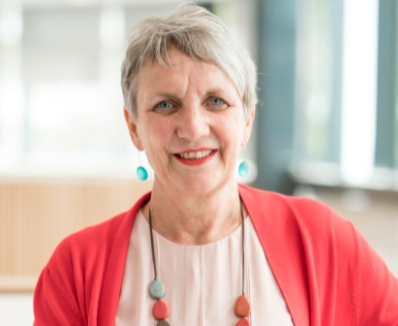 Kate Hunt合作论文数Institute for Social Marketing, University of Stirling5katharine f treves合作论文数4Nicolene Coetzee合作论文数4Trudy Sullivan合作论文数4
 Sarah Nettleton合作论文数Department of Sociology, Wentworth College, University of York4Hailey Wells合作论文数3
 Arian Hatefi合作论文数and Philip R Lee Institute for Health Policy Studies, University of California—San Francisco3
 Sarah Maessen合作论文数3
 Luke N Allen合作论文数London School of Hygiene and Tropical Medicine, University of London;The PrimaPrev Network;Healthier Systems3Joanna Stewart合作论文数3Donna Cormack合作论文数Wellington School of Medicine and Health Sciences, University of Otago Department of Public Health3Mohini Kak合作论文数2
 Atousa Bonyani合作论文数2H. M. El Saeh合作论文数2
 Giulia Loffreda合作论文数Inst Global Hlth & Dev, Queen Margaret Univ2
 Christopher H. Herbst合作论文数World Bank2
 Anna Dowrick合作论文数2Louise Locock合作论文数2
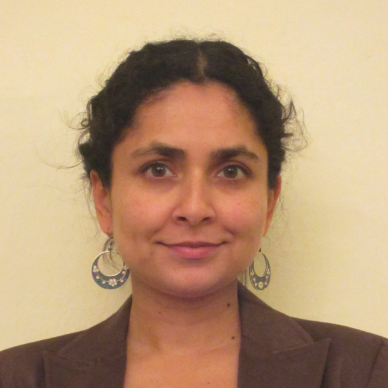 Tanvi Rai合作论文数Department of Primary Care Health Sciences, University of Oxford2
 Victoria Egli合作论文数School of Nursing, Faculty of Medical and Health Sciences, The University of Auckland2Gerard M S Dolan合作论文数1Miriam Karalus合作论文数1Farina Khan合作论文数1Rhodri Harfoot合作论文数1Temo Waqanivalu合作论文数1Cameron Feil合作论文数1Isabel Hanson合作论文数1Bente Mikkelsen合作论文数1Elizabeth A Edwards合作论文数1Hongyi Xu合作论文数1
 Alicia Navarro de Souza合作论文数1Deborah Bow Yue Yung合作论文数1Jane A. Evered合作论文数1Natalie A Rosseau合作论文数1Sabrina Keating合作论文数1




