Leishmaniasis is a neglected tropical disease caused by protozoan parasites of the genus Leishmania. An estimated 700,000 to 1 million new cases occur annually. Current therapies are limited by high toxicity, cost, prolonged treatment period, and rising resistance in endemic regions. The Asteraceae family has emerged as a promising source of bioactive compounds with proven leishmanicidal activity. In this study, the assessment of the antileishmanial activity of Helianthus tuberosus and Vernonanthura squamulosa extracts, the isolation of the sesquiterpene lactones heliangin and glaucolide A, respectively, and the evaluation of the activity of the compounds were conducted. Dichloromethane extracts of H. tuberosus and V. squamulosa were active on Leishmania amazonensis promastigotes, inhibiting the replication of the parasites in 97.2 ± 3.1% and 89.1 ± 1.1%, respectively, at 100 μg/mL. Heliangin was active against promastigotes of L. amazonensis (IC50 = 9.3 μM) and intracellular amastigotes (IC50 = 0.8 μM), while glaucolide A exhibited moderate activity against promastigotes (IC50 = 46.7 μM) and did not show activity against intracellular amastigotes. Based on these results, heliangin was further evaluated in an animal model of cutaneous leishmaniasis using BALB/c mice infected with L. amazonensis. Heliangin (8 mg/Kg), when administered in combination with Glucantime, significantly reduced lesion progression and parasite load compared to the vehicle-treated group (p < 0.001). These findings show that heliangin is a potential candidate for leishmaniasis treatment, especially in combination with therapeutic drugs.
In this work, the structures of the isolated anion and anhydrous and monohydrated sodium salts of alizarin red S (ARS) have been theoretically investigated within the density functional theory framework (B3LYP/6-311++G** calculations). The combination of calculations with the scaled quantum mechanics force field (SQMFF) methodology has allowed the assignment of the experimental infrared spectrum of ARS in the solid phase and the determination of the corresponding force constants. The structural analysis also included the investigation of the NMR and UV-visible spectra of the compound in solution in light of the undertaken quantum chemical calculations, the obtained theoretical data being in good agreement with the corresponding experimental ones. The impact of the presence of the Na+ counterion and hydration water on the properties of the organic ARS− fragment was evaluated. Atoms in molecules theory (AIM) analysis was also undertaken to obtain further details on the electronic structure of the investigated species, and the HOMO-LUMO gap was determined to evaluate their relative reactivity. Globally, the results obtained in this work extend the available information on alizarin red S and may also be used for the fast identification of the three studied species of the compound investigated (anhydrous and monohydrated sodium salts and isolated anion).
We report here the synthesis of a caryolan-1-ol derivative, namely [(1R, 2S, 5R, 8S)-1-hydroxy-4,4,8-trimethyltricyclo[6.3.1.02,5]dodecan-6-one] (3), characterized by structural single-crystal X-ray diffraction, FTIR and 1H and 13C NMR spectroscopies. The crystal structure reveals weak noncovalent interactions along with O-H···O hydrogen bonding interactions that forms 1D network architectures. Hirshfeld surfaces and their two-dimensional fingerprint plots allow us to visualize the intermolecular contacts and their relative contributions to the total Hirshfeld surface for the compound. A comparative analysis against related compounds was carried out. The interaction energies for the molecular pair involving O-H···O hydrogen bonds indicated a dominant contribution to packing stabilization coming from the Coulombic components. Energy framework calculations afforded to analyse and visualize the topology of the intermolecular interactions responsible for the crystal packing, showing that dispersion energy prevail over the electrostatic one in the structure of 3. Theoretical calculations have been performed to analyse the unconventional noncovalent interactions observed in the solid-state structure of 3 using the quantum theory of atoms in molecules (QTAIM), noncovalent interactions plot (NCIplot) and natural bond orbital (NBO) computational tools.
In the ongoing search for effective antiviral agents against dengue virus (DENV), we have isolated a promising compound from a relatively unexplored natural source. This study describes the isolation, structural elucidation, and biological evaluation of a carboxylated sesquiterpene lactone, desacyl grazielia acid tiglate, from Stevia entreriensis (Asteraceae). Using an integrated approach that combines phytochemical and virological techniques, we reveal the potent anti-DENV activity of this compound, characterized by low cytotoxicity and high selectivity against DENV serotype 2 (EC50 = 2.36 μM, CC50 = 2527.7 μM, and SI = 1070.6). Furthermore, molecular modeling studies suggest a specific interaction mechanism with the viral NS2B/NS3 protease and NS5 polymerase, highlighting potential targets for viral inhibition. Our findings emphasize the antiviral potential of S. entreriensis paving the way for the development of nature-inspired therapeutics against DENV. The interdisciplinary approach reinforces the role of natural products in discovering new antiviral drugs and provides a promising candidate for further medicinal chemistry optimization.
Many plant-derived compounds, mostly of mid-to-high molecular weight, exert alexiteric properties. However, some small phenolic molecules, such as 2-hydroxy-4-methoxybenzoic acid, are also known to be alexiteric by their ability to bind to snake venom proteins. This study presents the in vitro alexiteric activity of 2-isopropenyl-3-methylphenol [carquejiphenol, CARP; a minor compound of Baccharis trimera (Less.) DC. essential oil, BtEO] against Bothrops diporus Cope snake venom through the evaluation of proteolysis inhibition, haemolysis and coagulation and alteration of the venom proteins bands followed by SDS-PAGE. Additional CARP derivatives (ortho-menthane monoterpenes), including carquejol and carquejone, as well as BtEO and non-volatile extracts from B. trimera were included to have a broader picture of the alexiteric bioactivity. Notably, carquejone was the more active among all the tested samples. A basic structure-activity comparison with commercial standards revealed that the α,β-unsaturated carbonyl moiety is essential for the bioactivity.
Asteraceae (Compositae), commonly known as the sunflower family, is one of the largest plant families in the world and includes several species with pharmacological properties. In the search for new antiviral candidates, an in vitro screening against dengue virus (DENV) was performed on a series of dichloromethane and methanolic extracts prepared from six Asteraceae species, including Acmella bellidioides, Campuloclinium macrocephalum, Grindelia pulchella, Grindelia chiloensis, Helenium radiatum, and Viguiera tuberosa, along with pure phytochemicals isolated from Asteraceae: mikanolide (1), eupatoriopicrin (2), eupahakonenin B (3), minimolide (4), estafietin (5), 2-oxo-8-deoxyligustrin (6), santhemoidin C (7), euparin (8), jaceidin (9), nepetin (10), jaceosidin (11), eryodictiol (12), eupatorin (13), and 5-demethylsinensetin (14). Results showed that the dichloromethane extracts of C. macrocephalum and H. radiatum and the methanolic extracts prepared from C. macrocephalum and G. pulchella were highly active and selective against DENV-2, affording EC50 values of 0.11, 0.15, 1.80, and 3.85 µg/mL, respectively, and SIs of 171.0, 18.8, >17.36, and 64.9, respectively. From the pool of phytochemicals tested, compounds 6, 7, and 8 stand out as the most active (EC50 = 3.7, 3.1, and 6.8 µM, respectively; SI = 5.9, 6.7, and >73.4, respectively). These results demonstrate that Asteraceae species and their chemical constituents represent valuable sources of new antiviral molecules.
Abstract Morphoanatomy and histochemistry of Baccharis palustris: insights into a highly endangered endemic species from Southeastern America. The phenotypic plasticity of the Baccharis genus makes species identification difficult, even at the flowering stage. In this context, morphoanatomical studies are a powerful tool for botanical authentication, mainly emphasizing the recognition of diagnostic characteristics that may be useful for distinguishing similar species. Given the limited knowledge available about the endemic species B. palustris, this work aimed to characterize the morphoanatomy and histochemistry of its vegetative aerial parts to identify characters with diagnostic value and to elucidate the sites of synthesis and accumulation of metabolites of medicinal importance. B. palustris leaf showed pinnate, camptodrome-brochidodrome venation patterns. Blade with dorsiventral mesophyll, aerenchymatous spongy parenchyma, collateral vascular bundles, and different types of stomata and trichomes, including glandular trichomes with a multi-layered base evidenced and described for the first time in the genus. The petiole was winged, with three collateral vascular bundles. The stem showed a penta-lobulated contour with unusual growth, starch, and crystals in the pith. The presence of secretory ducts and glandular trichomes, which synthesized lipids, terpenes/polyacetylenes, and phenolic compounds, was observed. The morphological/histochemical characteristics described in this work contribute to the knowledge of the species, highlighting the importance of its preservation as a valuable resource.
Chagas disease, caused by the protozoan Trypanosoma cruzi, affects 6–7 million people worldwide. The dichloromethane extract obtained from the aerial parts of Gymnocoronis spilanthoides var subcordata showed trypanocidal activity in vitro. The fractionation of the dewaxed organic extract via column chromatography led to the isolation of three diterpenoids: ent-9α,11α-dihydroxy-15-oxo-kaur-16-en-19-oic acid or adenostemmoic acid B, (16R)-ent-11α-hydroxy-15-oxokauran-19-oic acid and ent-11α-hydroxy-15-oxo-kaur-16-en-19-oic acid. These compounds showed IC50 values of 10.6, 15.9 and 4.8 µM against T. cruzi epimastigotes, respectively. When tested against amastigotes, the diterpenoids afforded IC50 values of 6.1, 19.5 and 60.6 µM, respectively. The cytotoxicity of the compounds was tested on mammalian cells using an MTT assay, resulting in CC50s of 321.8, 23.3 and 14.8 µM, respectively. The effect of adenostemmoic acid B on T. cruzi was examined at the ultrastructural level using transmission microscopy. Treatment with 20 μM for 48 h stimulated the formation of abnormal cytosolic membranous structures in the parasite. This compound also showed an anti-inflammatory effect in murine macrophages stimulated with LPS and other TLR agonists. Treatment of macrophages with adenostemmoic acid B was able to reduce TNF secretion and nitric oxide production, while increasing IL-10 production. The combination of adenostemmoic acid B with benznidazole resulted in greater inhibition of NF-kB and a decrease in nitrite concentration. The administration of adenostemmoic acid B to mice infected with trypomastigotes of T. cruzi at the dose of 1 mg/kg/day for five days produced a significant decrease in parasitemia levels and weight loss. Treatment with the association with benznidazole increased the survival time of the animals. In view of these results, adenostemmoic acid B could be considered a promising candidate for further studies in the search for new treatments for Chagas disease.
The morphological characteristic and the cytological studies made on the genus Stevia are described. Take into aécount that the chemistry of the genus might be useful for a more precise delimitation of their species; to establish relationships between chemistry, morphology and chromosomic number and to establish relationships with other genera of the tribe, the review of the isolated compounds from 54 species and 8 varieties already studied up 1997 is made.
Cestodes are etiological agents of neglected diseases such as echinococcosis and cysticercosis, which are major public health problems. Antiparasitic treatment relies on a small number of approved drugs, which are often only partially effective, poorly tolerated and require prolonged administration. Thus, the discovery of novel potential treatments is critical. The Stevia genus (Asteraceae) includes species that are recognized as a source of bioactive compounds, with many species associated with medicinal uses. In this study, the cestocidal activity of four South American Stevia species that previously showed antiprotozoal activity was analyzed using a motility assay on the laboratory cestode model, Mesocestoides vogae. The four Stevia extracts showed cestocidal activity, with S. alpina var. alpina as the most active. The sesquiterpene lactones estafietin and eupatoriopicrin were purified from S. alpina var. alpina and S. maimarensis, respectively, and tested on M. vogae. Estafietin showed cestocidal activity, inhibiting parasite viability in a dose-dependent manner, even from the first day of incubation. Consistent with the motility effects, the extract of S. alpina var. alpina and estafietin induced marked alterations in the morphology of the parasite. The results of this report show that Stevia species represent a source of new molecules with potential for the treatment of neglected tropical diseases caused by cestodes.
Fusarium graminearum causes destructive ear rot diseases in maize and wheat. New antifungals are essential to combat this pathogen, and aerial parts of Justicia species (Acanthaceae) are a potential source. We investigated the antifungal activity of extracts from stems and leaves of five Justicia species native to Northwest Argentina. The aerial parts were subjected to sequential extractions with dichloromethane, ethyl acetate, and methanol. The resulting extracts were tested by the disc diffusion method against F. graminearum strains. Only the leaf and stem extracts from J. xylosteoides displayed inhibitory effects, with the dichloromethane leaf extract as the most active. The compounds involved were identified as the lignans hinokinin, savinin, and isohibalactone. Both the dichloromethane extract and hinokinin synergised with tebuconazole, and inhibited deoxynivalenol biosynthesis. The identified compounds warrant further research as additives to azole fungicides for F. graminearum control.
Chagas disease is an infection caused by the protozoan Trypanosoma cruzi, affecting 6-8 million people worldwide. Only two drugs are available for its treatment, having a limited efficacy and adverse side-effects. Estafietin is a sesquiterpene lactone isolated from Stevia alpina with in vitro activity against T. cruzi and low cytotoxicity against mammalian cells. The aim of this work was to predict the toxicologic profile of estafietin by in silico methods and assess its in vivo activity on a murine model of Chagas disease. Estafietin showed low toxicity according to pkCSM web tool and passed the PAINS filter from PAINS-remover web server. The treatment of infected mice with 1 mg/Kg/day of estafietin for five consecutive days administrated by intraperitoneal route significatively decreased parasitemia levels and reduced inflammatory infiltrates and myocyte damage on muscle tissue. These results suggest that estafietin had effect both on acute and chronic stages of the infection.
Chagas disease, African trypanosomiasis and Leishmaniasis are neglected parasitic diseases which affect millions of people worldwide. In a previous work, we report the antiprotozoal activity of the dichloromethane extract of Mikania periplocifolia Hook. & Arn. (Asteraceae). The aim of this work was to isolate and identify the bioactive compounds present in the extract. The fractionation of the dichloromethane extract has led to the isolation of the sesquiterpene lactone miscandenin and the flavonoid onopordin, together with the sesquiterpene lactones mikanolide, dihydromikanolide and deoxymikanolide, which have previously shown antiprotozoal activity. Miscandenin and onopordin were assayed in vitro against Trypanosoma cruzi, T. brucei and Leishmania braziliensis. Miscandenin was active against T. cruzi trypomastigotes and amastigotes with IC50 values of 9.1 and 7.7 μg/ml, respectively. This sesquiterpene lactone and the flavonoid onopordin showed activity against T. brucei trypomastigotes (IC50 = 0.16 and 0.37 μg/ml) and L. braziliensis promastigotes (IC50 = 0.6 and 1.2 μg/ml), respectively. The CC50 values on mammalian cells were 37.9 and 53.4 μg/ml for miscandenin and onopordin, respectively. Besides, the pharmacokinetic and physicochemical properties of miscandenin were assessed in silico, showing a good drug-likeness profile. Our results highlight this compound as a promising candidate for further preclinical studies in the search of new drugs for the treatment of trypanosomiasis and leishmaniasis.
B. palustris Heering (Asteraceae), has been previously characterized as having an unusual essential oil composition with C9-/C10-polyacetylenes as main components, and mono-and sesqui-center dot terpenes/terpenoids at minor or trace levels. In this work, new insights into the chemical composition of this oil are presented: 1. TLC profiles using different visualization reagents for their characterization, 2. chemical analyses combining HRGC/qMS, HRGC/HRMS-TOF and HRGCxHRGC/HRMS-TOF, and 3. radical scavenging activity assay using the DPPH methodology were performed. The best TLC visualization conditions for the polyacetylenic components of the oil were obtaining using UV lambda= 365 nm and vanillin/H3PO4, while the original application of NaDi (1-naphtol + N,N-dimethyl-p-phenylendiamine) demonstrated to be the best option to visualize the lachnophyllum acid methyl esters fraction. Gas chromatography/mass spectrometry protocols allowed the detection of 63 components in B. palustris oil: 39 of them were identified, 6 tentatively assigned without LRI information, and 18 could not be identified. Most of the identified components were mono-and sesquiterpenes and their derivatives. Ten of them are informed for the first time in B. palustris oil [alpha-pinene epoxide, rosefuran, epi-cubebol, cubebol, germacrene D-4-ol, junenol, epi-alpha-cadinol, epi-alpha-muurolol, germacra-4(15),5,10(14)-trien-1-beta-ol and oplopanone]. C9-/C10-polyacetylenes (baccharisdyine/lachnophyllum acid derivatives) were confirmed as the main components of the oil, while other polyacetylenes were tentatively identified and their possible structures are discussed. The deconvolution analyses on HRGCxHRGC/HRMS-TOF allowed the identification of a lachnophyllum lactone isomer (undefined stereochemistry), co-eluting with the (cis)-lachnophyllum acid methyl ester peak. Finally, B. palustris oil was found to be an inactive DPPH radical scavenger.
The use of synthetic fungicides for control soybean crop diseases has been cuestionated because of its impacts on human health and the environment. This work evaluated the composition, antifungal activity and toxicity of the alkaloids fraction obtained from Neltuma nigra leaves and compared its effect with the fungicide difenoconazole on Sclerotium rolfsii, Cercospora kikuchii, and C. sojina. Alkaloids fraction was extracted from leaves of N. nigra and its composition was analyzed by gas-chromatography coupled to mass spectrometry (GC-MS). The antifungal effect was recorded by measuring diameters of halos of inhibition of the growth of the different evaluated fungis. The toxicity of the alkaloids fraction was carried out using the method of Caenorhabditis elegans toxicity test. The extracted alkaloids fraction contained the alkaloids tryptamine (63.9%), tetrahydroxyharman (13.8%), phenethylamine (11.1%), cassine (10.4%), and N-formylphenylethylamine (0.8%). The alkaloids fraction was as effective against S. rolfsii as on the Cercospora strains, with minimum inhibitory doses of 25.0 μg disc-1 and inhibitory halos in the range of 8.5-13.0 mm, while difenoconazole had no effect on S. rolfsii. The toxicity of the alkaloid fraction (30.4-68.8 mg L-1) and difenoconazole (0.1-2.8 mg L-1) was tested on the reproduction, body length, and fertility of C. elegans. The fraction reduced the reproductive rate by 28.8-72.4% whereas difenoconazole did it from 12.2% to complete suppression. Neither of them affected the fertility of C. elegans. These findings suggest that the alkaloids fraction of N. nigra leaves is less toxic than difenoconazole and is a promising botanical fungicide against pathogenic soybean fungi.
Stevia species (Asteraceae) have been a rich source of terpenoid compounds, mainly sesquiterpene lactones, several of which show antiprotozoal activity. In the search for new trypanocidal compounds, S. satureiifolia var. satureiifolia and S. alpina were studied. Two sesquiterpene lactones, santhemoidin C and 2-oxo-8-deoxyligustrin, respectively, were isolated. These compounds were assessed in vitro against Trypanosoma cruzi stages, showing IC50 values of 11.80 and 4.98 on epimastigotes, 56.08 and 26.19 on trypomastigotes and 4.88 and 20.20 µM on amastigotes, respectively. Cytotoxicity was evaluated on Vero cells by the MTT assay. The effect of the compounds on trypanothyone reductase (TcTR), Trans-sialidase (TcTS) and the prolyl oligopeptidase of 80 kDa (Tc80) as potential molecular targets of T. cruzi was investigated. Santhemoidin C inhibited oligopeptidase activity when tested against recombinant Tc80 using a fluorometric assay, reaching an IC50 of 34.9 µM. Molecular docking was performed to study the interaction between santhemoidin C and the Tc80 protein, reaching high docking energy levels. Plasma membrane shedding and cytoplasmic vacuoles, resembling autophagosomes, were detected by transmission microscopy in parasites treated with santhemoidin C. Based on these results, santhemoidin C represents a promising candidate for further studies in the search for new molecules for the development of trypanocidal drugs.
The essential oil composition of the aerial parts from Baccharis palustris Heering (Asteraceae), a highly endan-gered species, was analyzed by GC/qMS, GC/HRMS-TOF, FT-IR, UV-vis and NMR spectroscopy using 1D and 2D techniques. To our knowledge, this is the first report on the essential oil composition of B. palustris, as well as the first phytochemical study on this plant species. The volatile extracts were obtained from different phenologicals stages of plant, at flowering stage (FS) and vegetative stage (VS), where 51 components were identified accounting for 96.3 % and 99.0 % of the oil, respectively. The oil was rich in polyacetylene compounds (> 75 %), being the main components identified the new natural C-9-polyacetylenes 1-nonene-3,5-diyne (1, here named as baccharisdiyne) (52.7-65.0 %), 1,7(Z)-nonadiene-3,5-diyne [2, 7(Z)-dehydro-baccharisdiyne] (14.4-17.8 %), and 1,7(E)-nonadiene-3,5-diyne [3, 7(E)-dehydro-baccharisdiyne] (1.5-2.4 %). In addition, the known polyacetylenic compounds (Z)-lachnophyllum acid methyl ester (4) (4.3-5.3 %) and (E)-lachnophyllum acid methyl ester (5) (0.2 %) were also identified. Moreover, GC/qMS analysis allowed the identification of other 46 components in the essential oil samples, mainly mono-and sesquiterpenoids. In B. palustris, C-9-polyacetylenes probably derive biogenetically from a C-10 precursor: baccharisdiyne (1) would be derived from either or both lachnophyllum methyl ester geometric isomers (4 or 5), by enzymatic hydrolysis followed by decarboxylation. Dehydro-baccharisdiynes (2 and 3) could be produced by a similar pathway starting from the corresponding matricaria acid methyl ester isomers, one of which was tentatively identified at trace-level in B. palustris essential oil.
 Diego Alejandro Sampietro合作论文数Instituto de Estudios Vegetales, Universidad Nacional de Tucumán30
 Gurdip Singh合作论文数DDU Gorakhpur University28
 Valeria P Sülsen合作论文数Instituto de Química y Metabolismo del Fármaco – IQUIMEFA (UBA-CONICET), Universidad de Buenos Aires25
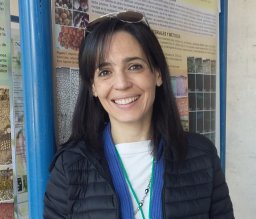 Maria Ines Mercado合作论文数Facultad de Ciencias Naturales e Instituto Miguel Lillo, Universidad Nacional de Tucumán20
 Alfredo Grau合作论文数20Laura C. Laurella合作论文数17
 Emilio Lizarraga合作论文数15
 Silvia A Brandan合作论文数14
 Emilio L. Malchiodi合作论文数Facultad de Farmacia y Bioquímica, Universidad de Buenos Aires14
 Manuel Minteguiaga合作论文数Laboratorio de Biotecnología de Aromas (LaBiotA),, Universidad de la República (UdelaR),13Carola S. De Heluani合作论文数13
 Eduardo Dellacassa合作论文数Dexin Ltda.13Marina E. P. de Lampasona合作论文数12
 Silvia I. Cazorla合作论文数12
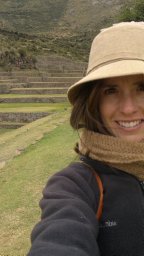 Maria Victoria Coll Araoz合作论文数Facultad de Ciencias Naturales e Instituto Miguel Lillo, Universidad Nacional de Tucumán12
 Orlando German Elso合作论文数11Virginia Martino合作论文数Facultad de Farmacia y Bioquímica, Universidad de Buenos Aires11Augusto Ernesto Bivona合作论文数Consejo Nacional de Investigaciones Cientificas y Tecnicas9
 Pedro Joseph-Nathan合作论文数Departamento de Quimica9
 Alicia Bardón合作论文数Instituto de Química Organica, Universidad Nacional de Tucumán9Mp De Lampasona合作论文数9Carola Schuff合作论文数8Jimena Borgo合作论文数8Graciela I. Ponessa合作论文数8Marta A. Vattuone合作论文数8
 Liliana Muschietti合作论文数8Perotti Marina合作论文数7
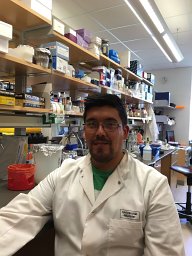 Guillermo Emilio Marcial合作论文数7Werner Herz合作论文数7
 Marta Vattuone合作论文数7
 Fernanda M Frank合作论文数7Cerda-García-Rojas Carlos M合作论文数Dept Quim, Inst Politecn Nacl6Inder Pal Singh Kapoor合作论文数6Cristina M Jimenez合作论文数5
 Fernando Chain合作论文数5
 Andres Sanchez Alberti合作论文数Universidad de Buenos Aires, Consejo Nacional de Investigaciones Científicas y Técnicas-Universidad de Buenos Aires5
 Natacha Cerny合作论文数5Romano Elida合作论文数5Sumitra Maurya合作论文数5
 Horacio Bach合作论文数Supplemental Experimental Procedures5
 Gustavo Alberto Echeverria合作论文数Instituto De Fisica La Plata, Centro Cientifico Tecnologico-La Plata, Consejo Nacional De Investigaciones Cientificas Y Tecnicas;Departamento de Física, Facultad de Ciencias Exactas, Universidad Nacional de La Plata5
 Sandra Monica Bach de Courtade合作论文数4Christian Javier Sequin合作论文数4
 Sunita Singh合作论文数4Hernán G Bach合作论文数4Fortuna Mario合作论文数4
 Gil Diego M合作论文数Instituto de Química Física, Universidad Nacional de Tucumán4
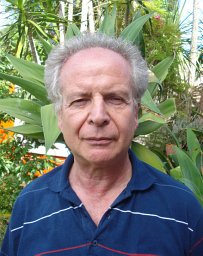 Oscar E. Piro合作论文数Facultad de Ciencias Exactas, Universidad Nacional de La Plata and Instituto IFLP(CONICET),4
 Carl Djerassi合作论文数Department of Chemistry, Stanford University4




