A 45-day trial was conducted in a static-renewal system to investigate the potential of lecithin in mitigating the stress response of milkfish (Chanos chanos) exposed to a low concentration of endosulfan (0.52 ppb, 1/40th of LC50). Fingerlings (12.65 +/- 1.25 g) (n = 225) were evenly distributed among five treatments, each with three replicates of 15 fish. The fish were reared in 150 L FRP tanks and fed ad libitum (similar to 3 % of BW) a basal diet (CP 35.87 % and DE 388 Kcal/100 g) without or with lecithin, forming groups as: a control, an endosulfan-exposed (EE), and EE fish fed diets containing 1 %, 1.5 %, and 2 % lecithin. Endosulfan exposure significantly increased (P < 0.01) cortisol (29 %), blood glucose (34 %), antioxidant enzymes in the liver, gill, and brain (2- to 2.65- fold catalase, 1.5- to 1.75- fold SOD, and 1.4- to 1.79-fold GST), as well as stress markers in the liver and gill (HSP70 by 1.5 fold) and caspase activity in the liver and gill (1.2 to 1.3 fold). It also decreased (P < 0.01) ascorbic acid in muscle and brain tissues (35 % to 46 %). However, lecithin supplementation reversed these effects, with 2 % supplementation resulting in 17% lower cortisol, 0.3 to 0.7-fold reductions in antioxidant enzymes, over 0.5-fold reductions in HSP70 and caspase, and 33 % to 47 % higher ascorbic acid levels in tissues compared to the control group. Endosulfan also decreased (P < 0.01) intestinal protease, amylase, and alkaline phosphatase, and branchial ATPase activity, while increasing dehydrogenases (LDH, MDH, G6PDH) and transaminases (ALT and AST) levels, which were restored by lecithin. Fish fed 1 and 1.5 % dietary lecithin resisted endosulfan-induced effects on hematological parameters (RBC, WBC, phagocytic activity/NBT, and Hb) and serum protein (P < 0.01), with 2 % lecithin performing better than the control (P < 0.01). Lecithin ameliorated endosulfan-induced chromosomal aberrations and histopathological changes in the liver and gills. Endosulfan exposure significantly decreased (P < 0.01) specific growth rate(SGR) (by 25 %) and protein efficiency (PE) (by 0.36 points), while increasing (P < 0.01) feed conversion ratio (FCR) (by 0.83 points) and cumulative mortality (by 17 %) due to increased susceptibility to Vibrio parahaemolyticus. Lecithin supplementation not only reversed these adverse effects but also yielded superior results compared to the control group. Specifically, 2 % supplementation improved SGR by 22 %, FCR by 0.38 points, PE by 0.22 points, and relative survival by 22 %. These findings suggest that dietary 2 % lecithin protects against endosulfan-induced stress, triggers immune response in C. chanos, and alleviates stress even in pathogen-challenged fish.
Climbing perch, A. testudineus (Bloch, 1792), is a widely consumed fish in Asian nations due to its high nutritional value and delicate meat. The main obstacles to the spread of its cultural practises are a scarcity of high-quality seed and larval rearing due to the low survival rates in the initial stages of larval development. The key to improving the seed production of this species may lie in strategies to improve larval survival in the early stages. As a result, the goal of current study was to evaluate the impact of vitamin C, selenium, and highly unsaturated fatty acid (HUFA) enriched Brachionus calyciflorus on the development, nutrient availability, and fatty acid profile of climbing perch larvae. A total of 180 numbers of 3 days post-hatch (dph) larvae (0.021 +/- 0.001 mg) were uniformly distributed among five treatments in triplicates. The larvae were fed thrice a day for 15 days with selenium (D-1), vitamin-C (D-2), HUFA (D-3) and combination of selenium-vitamin C- HUFA enriched (D-4) and non-enriched rotifer (C). The proximate analysis of various enriched and unenriched B. calyciflorus groups revealed that the vitamin C and HUFA-enriched treatment groups, respectively, had the highest percentages of crude protein (7.50%) and crude lipid (2.51%). Whereas, larvae fed a combination of selenium-vitamin C- HUFA enriched (D-4) rotifer showed the highest percentages of crude protein (12.40%) and crude lipid (1.81%). The findings of the fatty acid analysis demonstrate that feeding Se-VC-HUFA enriched B. calyciflorus to larvae resulted in significantly greater concentrations of Eicosapentaenoic acid (9.38%) and Docosahexaenoic acid (11.05%) that are 3.07 and 7.67 times higher, respectively, than feeding unenriched B. calyciflorus to larvae. The highest DHA/EPA ratio (1.18) was also observed with larvae fed Se-VC-HUFA enriched B. calyciflorus. The survivorship analysis revealed that the D-4 treatment group fed a combination of Se-VC-HUFA-enriched B. calyciflorus had the highest survival (37.41%) and the lowest (18.70%) observed in the control group. The highest average body weight gain and increased growth (30.79 +/- 1.11 mg) were seen in the fishes given the rotifer supplemented with D-4 group, which performed substantially better than the other treatment groups (P < 0.05). Weight-specific growth rate (W-SGR) and Length-specific growth rate (L-SGR) of the fish exhibited similar trends across all treatment groups, whereas significantly (P < 0.05) lowest condition factor was observed in D-4 (2.63 +/- 0.01) and highest in control group (3.21 +/- 0.01). The results showed that larvae fed with enriched rotifer had significantly higher (P < 0.05) growth, nutrient availability, and fatty acid profile compared to un-enriched rotifer. The ideal first food for A. testudineus larval growth and survival must be a combination of Se-VC-HUFA enriched B. calyciflorus.
The present experiment evaluated whether dietary protein (P) or lipid (L) is preferred as an energy source by genetically improved farmed tilapia (GIFT) reared at high temperatures. A 60-day feeding trial was conducted at 28.3 °C and 33.3 °C, testing five diets with varying protein (34,36,38 %) and lipid (8,10,12 %) levels, viz., P38L8, P36L8, P34L8, P34L10, P34L12. Parameters assessed included growth, body composition, serum lipids, enzyme activities, fatty acid profiles, and PPAR-α mRNA expression. Results indicated that the fish fed optimum protein and highest lipid level (P34L12) showed significantly higher (P < 0.05) weight gain percent and thermal growth coefficient. Increasing dietary lipid content reduced whole-body lipid deposition and mobilised serum triglycerides and cholesterol at higher temperatures (HT). Hepatic malic enzyme activity decreased with rising temperature and lipid content, while lipoprotein lipase activity in muscle increased. The fatty acid composition altered substantially with the changes in rearing temperature and diets. Unsaturated fats were preferred as direct fuels for β-oxidation, wherein the P34L12 groups preserved body (area %) EPA, DHA, and linolenic acid, especially at HT. The expression of PPAR-α, a lipolytic marker, was upregulated with increasing temperature and high dietary lipid content, peaking in P34L12 groups. The study concludes that high-lipid diets (12 %) are metabolically superior to high-protein diets for GIFT tilapia at elevated temperatures, optimising growth, enhancing metabolic efficiency, and maintaining essential fatty acid profiles under hyperthermal stress.
The availability of balanced diet is critical for reproductive success in fish. A feeding trial on Labeo catla females was carried out in earthen pond to assess the effect of different dietary protein to carbohydrate ratio on gonad maturation and breeding performance. Three feed D-I (Feed-I), D-II (Feed-II) and D-III (Feed-III) were formulated with varying ratio of Ground Nut Oil Cake (GNOC) and rice bran (2:1, 1:1 and 1:2) and fed for 120 days. To assess the gonad maturation events, GSI VSI, breeding, fatty acid analysis, sex hormone profiling, cholesterol, triglyceride and histological examinations were conducted. Fish groups fed with D-III exhibited the highest VSI and visceral fat (VF) deposition, followed by those fed with D-I, whereas groups fed with D-II showed significantly lower levels (P<0.05). The result of GSI was completely opposite to values of VSI. Ovarian histology showed less number of mature oocytes in D-I & D-III treatments and more mature oocytes in D-II. Breeding results showed that fishes fed with D-I and D-III hampered gonad maturation whereas fish fed with D-II responded towards spawning, fertilization, and hatching. Increased levels of testosterone, estradiol, and vitellogenin (Vtg) were observed in the D-II fed group whereas increased level of progesterone was observed in D-I fed group followed by D-II and D-III. Serum cholesterol was higher in the D-III and D-I group. Visceral fat accumulation prior to ovarian maturation is a normal phenomenon in this species which serves as a lipid reservoir required for the later transfer to the gonad as yolk or is utilized as an energy source for gonad maturation. However higher level of protein or carbohydrate in the diet disrupted normal gonad maturation and lead to abnormal visceral fat accumulation, sex steroid level, failure in spawning response and seed production.
Highlights Inclusion of the designed radial flow settler to the aquaponic system helps to remove more than 80% TSS, which is on par with or better in comparison to the TSS removal efficiency of the existing models. Removing excess suspended solids in traditional aquaponic setups could help prevent biofilter choking and hence, water contamination further down the line. The developed radial flow is simple in design, cost-effective, and yet, efficient. Abstract. One cylindrical settler of capacity 200 L (Ø 0.6×0.7 m) with a center-bottom inlet has been designed and developed in High-Density Poly Ethylene (HDPE) under the All-India Co-ordinated Research Project on Plastic Engineering in Agriculture Structures & Environment Management (AICRP on PEASEM) center at ICAR-CIFA, Bhubaneswar for fitting to the developed Nutrient Film Technique (NFT) aquaponics system. The water flow into the settling unit comes from a single-drain fish culture tank with the outlet at the bottom-center with a downward slope of 1:22. The experiment was carried out for the evaluation of the efficiency of Total Suspended Solid (TSS) removal in the developed radial-flow settling unit. The performance is assessed in terms of capturing the suspended solids from the water of aquaculture operation with varying specific gravity (1=SG>2) as well as the skimming of the floating organic surfactants before entering into the biofilter. During the 90 days of study, a total of 60 water samples were collected from the outlet of the fish culture tank and the overflow of the settler, which were filtered through the standard 11 µm pore paper filter for further processing in the laboratory. The average TSS concentration removed was calculated to be 128.55 mg/L on dry weight basis and a mean efficiency of 80.06 ± 9.36% was observed in the experiment with a surface loading rate of 0.00103 m3/min-m2 of the radial flow settler. The right-angle submerged overflow of the settler helped in complete surfactant removal. Keywords: Aquaponics, NFT, Radial-flow, Specific gravity, Suspended solid.
East Kolkata Wetlands (EKW) is an important site for fish culture in sewage-fed areas, which are major receivers of pollutants and wastages from Kolkata. EKW is internationally important as the Ramsar site was declared on Aug 2002 with an area of 125 km2. EKW is a natural water body where wastewater-fed natural aquaculture has been practiced for more than 70 years. It is ecologically vulnerable due to the discharge of toxic waste through sewage canals from cities. Assessing the EKW to understand the inflow and load of the toxic metal (s) in fish, water, and sediments samples is essential. The field (samples collection from 13 sites) and lab (determination of toxic level of metals) based research were carried out to assess metal toxicity and health risk assessment in EKW. The levels of eighteen metals (18), namely Chromium, Vanadium, Cobalt, Manganese, Copper, Nickel, Zinc, Silver, Molybdenum, Arsenic, Selenium, Tin, Gallium, Germanium, Strontium, Cadmium, Mercury, and Lead, were determined using Inductively coupled plasma mass spectrometry (ICP-MS) in five fish tissues viz. muscle, liver, kidney, gill and brain, along with the water samples and soil sediments in 13 sampling sites. The bioaccumulation and concentration of metals in fish tissues, soil sediments, and water samples were well within the safe level concerning the recommendation of different national and international agencies except for a few metals in a few sampling sites like Cd, As, and Pb. The geoaccumulation index (Igeo) was also determined in the soil sediments, indicating moderate arsenic, selenium, and mercury contamination in a few sites. The contamination index in water was also determined in 13 sampling sites. The estimated daily intake (EDI), reference dose (RfD), target hazard quotient (THQ), slope factor and cancer risk of Cr, Mn, Co, Ni, Cu, Zn, As, Se, Cd, Pb and Hg from fish muscle were determined. Based on the results of the present investigation, it is concluded that fish consumption in the East Kolkata Wetland (EKW) is safe. The effects of bioaccumulation of metals in muscle tissue were well within the safe level for consumption as recommended by WHO/FAO.
One vertical aquaponics unit following the principle of Nutrient Film Technique (NFT) has been designed and developed at ICAR-Central Institute of Freshwater Aquaculture, Bhubaneswar centre of All India Coordinated Research Project on Plasticulture Engineering in Agriculture Structures and Environment Management (AICRP on PEASEM). The developed unit is constructed using three major components, viz., fish tank/ aquarium tank (0.127 m3), vertical hydroponic pipe (Ø0.16×1.5 m) and the water distribution system. The unit experimented with 30 numbers of Guppy fish (Poecilia reticulata) in 0.1 cubic meters of water and 6 numbers of Petunia plant (Petunia × hybrida) and 6 numbers of Zinnia plant (Zinnia angustifolia) in 780 CC hydroponics cups arranged at 20° from the vertical axis on a PVC pipe. The quad channel sprinkler is fixed inside the pipe at the top surface. The water dispersion efficiency concerning the availability of nutrient-rich water at the roots of the plants for its flowering has been evaluated in the present study. The optimum water quality and flower production from the plants were achieved at 200 LPH flow rate from the fish tank. At this hydrolic loading rate, maximum plant length & spread were observed among the three replications . The length & spread for Zinnia angustifolia and Petunia x hybrida were 37.17±4.27 cm & 39.54±7.45 cm, and 33.43±2.53 cm & 29.58±7.26 cm respectively. There was no significant difference (p>0.05) in the water quality parameters at 200 & 250 LPH flow rates in the vertical aquaponics system.The cost of one unit is calculated to be INR 7000, with approximately a 10-20% price reduction in case of mass production. The newly developed integrated system of aquarium is designed for peri-urban and urban hobby farming as well as home decoration.
Hilsa, Tenualosa ilisha is a commercially important and high-valued anadromous fish of South East Asian countries. The present study aimed to understand macro and microscopic changes in the ovary and mobilization of fatty acids during gonad development in wild-caught female hilsa. A total of 174 female fish samples of different size groups (Weight range: 68.20 ± 3.21 to 460.67 ± 29.89 g, Total length range: 18.53 ± 0.55 to 40.33 ± 1.20 cm) were collected from estuarine and freshwater zones of the Hooghly River system of India. Various biological indices, such as gonadosomatic index (GSI), hepatosomatic index (HSI), oocyte diameter (OD), viscerosomatic index (VSI) and condition factor (K) at different maturation stages (I to VI) were determined. Results of the study showed that the GSI and OD increased with ovarian growth from stage I to VI (14.50 ± 2.18%) of maturation (P < 0.05). The HSI value increased progressively from stage I to V; thereafter, it decreased (P < 0.05). Histological observations indicated different microscopic stages, namely oogonia (stage I), chromatin nucleolar oocytes, perinuclolar oocytes (stage II), cortical alveolar (III), vitellogenic (IV), post-vitellogenic (V) and hydrated/eccentric stages (VI). Total saturated fatty acid (∑SFA) decreased in the ovary and increased in the liver with the progress of maturation from stage I to VI. At the same time, total monounsaturated fatty acid (∑MUFA) in muscle remained unchanged (P > 0.05), decreased (P < 0.05) in the liver, and increased in the ovarian tissue (P < 0.05). The levels of n-3 PUFA (polyunsaturated fatty acid) and n-6 PUFA elevated in the ovarian tissue concomitantly with the ovarian growth (P < 0.05). The ratios of n-3/n-6, docosahexaenoic acid (DHA) / eicosapentaenoic acid (EPA), EPA/ arachidonic acid (AA) and DHA/AA showed a significant decreasing trend in the ovarian tissue with the progress of gonad development (P < 0.05). Accumulation of n-3 PUFAs (α-linolenic acid, ALA; EPA; DHA) and n-6 PUFAs (linoleic acid, LA and AA) in ovary suggested specific fatty acid requirements during gonad development, which will help in the formulation of a broodstock diet for hilsa.
Achieving healthy aquatic environment has been elusive with the process of intensification due to irrational use of chemicals. Plant extracts are hence candidate of choice as an alternative in aquaculture. Moreover, the poor larval survival of Heteropneustes fossilis (singhi) needs urgent research attention, which can be effectively addressed by boosting immunity, particularly by enhancing nonspecific immunity in the larvae. Hence, the study investigates the effects of dietary supplementation of Terminalia arjuna (TA) methanolic bark extract on growth, immune bio-markers and biochemical status in the stinging catfish, Heteropneustes fossilis larvae. 180 numbers of fish larvae (15 days post hatch; 22 +/- 2.6 mm mean length and 43 +/- 3.5 mg mean weight) were equally distributed in to four groups and fed with 0 % (control), 0.1 %, 0.25 % and 0.5 % of TA supplemented feed. Growth attributes, non-specific immune and biochemical parameters were analysed after 40 days of feeding. Results demonstrated that, larval group fed with 0.25 % TA extract had significantly (P < 0.05) improved final body weight, weight gain percent, daily weight gain and SGR compared to other treatment groups. Supplementation with 0.25 % TA extract significantly (P < 0.05) elevated respiratory burst activity (RBA), myeloperoxidase ac-tivity (MPO), lysozyme and biochemical parameters including alkaline phosphatase (ALP) ac-tivity, total protein, albumin as well as SOD level. However, 0.5 % TA dietary group revealed reduced growth and compromised immunity in the larva. Moreover, 0.25 % level significantly (P < 0.05) reduced hepato-cellular enzymes like ALT and AST activities and glucose as compared to control. However, the increase in extract level up to 0.5 % in the diet exhibited stress, which is evident from undermined growth and immunity. The present study suggests that the dietary TA bark extract inclusion level up to 0.25 % is safe limit and can modulate immunity, antioxidant and growth performance in stinging catfish, H. fossilis larvae.
Algaecide property of leaf aqueous extracts (LAEs) of three plants viz., Azadiracta indica, Tridax procumbens, Calotropis procera as well as two indigenous technologies (ITKs) viz., application of neem oil and cow urine were evaluated against wild Microcystis bloom and pure culture of Microcystis aeruginosa in laboratory. Five treatments were designated as LAE of A. indica (T-1), neem oil (T-2), LAE of T. procumbens (T-3), LAE of C. procera (T-4) and cow urine (T-5). Inhibitory effects of these agents were studied in terms of colonial morphological alterations in bloom and reduction of cell density in pure culture. Cell density of 2.0 x 10(5) cells ml(-1) was achieved through inoculation of Microcystis from pure culture and each inhibitor was added at 50 ml l(-1) to the flasks. All flasks were maintained for 14 days at 30 degrees C with continuous aeration and illumination (2000 Lux). After 14 days, cow urine (T-5) showed the highest cell inhibition (87.3%) followed by T-1 (82.7%) and T-3 (61.6 %) (p<0.05), whereas there were 82, 259 and 371% rise in the cell density in T-2, T-4 and control, respectively, compared to the base population seeded on day-0. Indirect measurement through daily record of absorbance in treatments at 680 nm also revealed the growth rate to decrease in the order, control>T-4>T-2>T-3>T-1>T-5.
The objective of the present study is to evaluate the optimum dietary carbohydrate level of M. gulio fry, which will form the basis for formulating the nutritionally adequate, cost-effective nursery diet. Five iso-proteinous (400 g kg-1 diet) and iso-lipidic (120 g kg-1 diet) semi-purified diets with 100, 150, 200, 250 and 300 g carbohydrate kg-1 diet were fed ad libitum to Mystus gulio fry (0.33 ± 0.004 g) for 90 days in triplicates (10 fish/replicate). Fifteen fibre-reinforced plastic tanks (50 L) with flow-through system (water flow rate of 0.5 L min-1) were used for rearing the fish. At the end of the feeding period, the diet containing 200 g kg-1 carbohydrate diet had significantly higher (P = .05) weight gain (8.39 g), Specific Growth Rate (SGR; 3.62 %/day), Protein Efficiency Ratio (PER; 1.52), Protein Productive Value (PPV; 24.08%), Lipid Productive Value (LPV; 27.13%), Energy Productive Value (EPV; 66.89%) and lower Food Conversion Ratio (FCR; 1.65) as compared to other diet fed groups. The fish fed with carbohydrate beyond 200 g kg-1 diet had significantly higher (P = .05) Hepatosomatic index (HIS) and Visecerosomatic index (VSI) than the lower carbohydrate fed groups. Second order polynomial regression analysis of weight gain, SGR, FCR, PER and PPV against the dietary carbohydrate had showed that the optimum dietary carbohydrate requirement of M. gulio fry is 197.8-207.3 g kg-1 diet.
Arsenic pollution and climate change are two major global challenges that have threatened the aquatic environment and to a certain extent led to extinction of aquatic animals. Concerted and accelerated scientific efforts are in progress to restrict the ill- impacts of pollution and climate change in the aquatic ecosystem. In this context, we have conducted a study to delineate the effect of omega-3 fatty acids i.e., eicosapentaenoic acid (EPA) and docosahexaenoic acid (DHA) in mitigating arsenic pollution and temperature stress in Pangasianodon hypophthalmus. Four isocaloric and iso-nitrogenous diets were prepared viz. control feed (no supplementation), and three treatment groups with combined level of EPA + DHA at 0.2, 0.4 and 0.6%. Fish were reared under arsenic (2.65 mg L-1) and elevated temperature (34 degrees C) (As+T) stress for 105 days with eight different treatment groups in triplicates. Growth performance, oxidative stress enzymes, stress biomarkers, immunity, lipid profile, bioaccumulation of the arsenic in fish tissues and bacterial infection in terms of cumulative mortality and relative percent survival were altered on exposure of arsenic and temperature stress. Supplementation of combinatorial mixture of EPA + DHA at the rate of 0.2 and 0.4% in the diet led to improved growth performance, anti-oxidative status, immunity of the fish and reduced the infection against Aeromonas hydrophila. Neurotransmitter enzyme, HSP 70 and Vitamin C were significantly enhanced (p < 0.01) with supplementation of EPA + DHA, whereas, total lipid, cholesterol, phospholipid, triglyceride and very low density lipoprotein (VLDL) were reduced (p < 0.01) at 0.2 and 0.4% of dietary incorporation of EPA + DHA. Overall, the present investigation clearly revealed that a novel combination of EPA + DHA at 0.4% has the potential to mitigate arsenic pollution, temperature stress and protect the fish against bacterial infection.
Aquaculture is the fastest-growing food industry, providing quality protein to the world. To produce the best-quality protein for human use, fish production requires improvements in both quality and quantity, as well as improved food security. Moreover, several abiotic and biotic factors prevalent in aquatic ecosystems, including chemical contaminants and diseases caused by microorganisms, have degraded the environment and led to worsened feed utilization by the fish. To overcome this problem, new technology is needed in the form of nanotechnology interventions for fishery management. Nanotechnology in aquaculture, including fisheries, is still in the early stages with respect to applications, but it has tremendous potential to improve production in the fisheries sector. In this connection, zinc is the most suitable micronutrient to be used in the form of nanoparticles for enhancement of production systems. Zinc is a key micronutrient and is obtained through both water and feed to fulfill aquatic animal requirements. Zn NPs can be used in feed supplements, medicine, vaccines, pond water purification, growth promoters, reproductive enhancers, and other applications. It also can have toxic effects at higher concentrations and can alter the growth promotion, reduce reproductive performance, and exhibit bioaccumulation in different fish tissues. It has been concluded, however, that nanotechnology can be adopted in the fisheries and aquaculture sector for enhancing production and minimizing the abiotic and biotic stress factors of aquatic systems.
Nine semi-purified diets with three different levels of protein (350, 400, and 450 g/kg diet) and lipid (80, 120 and 160 g/kg diet) were fed ad libitum to Mystus gulio fry (0.16 g) in triplicate groups (20 fish/replicate) for 90 days. Flow-through fiber-reinforced tanks (50 L; water flow rate of 0.5 L/min) were used for rearing the fish. Result of the experiment showed that the dietary protein, lipid, and their interactions affect significantly (P < 0.05) the weight gain, specific growth rate (SGR), protein efficiency ratio (PER), protein productive value (PPV), energy productive value (EPV), and feed conversion ratio (FCR). Among all the dietary treatment groups, the fish fed diet containing 400 g protein and 120 g lipid/kg resulted in significantly higher (P < 0.05) weight gain (4.62 g), SGR (3.77%/day), PER (1.52), PPV (23.39%), and EPV (64.74%) and lower FCR (1.64). The whole-body protein (15.28%) and lipid (5.33%) contents were significantly higher (P < 0.05) in fish fed diets containing 400 g protein and 120 g lipid/kg diet and 350 g protein and 160 g lipid/kg diet, respectively. Second-order polynomial regression analysis indicates that the optimum protein and lipid requirements of M. gulio fry are 409–411 g protein/kg diet and 122–126 g lipid/kg diet, respectively.
In the present study, the bioaccumulation of chromium, manganese, cobalt, copper, zinc, selenium, arsenic, strontium, cadmium, tin, antimony and lead in tissues of thirty marine fish species collected from New Ferry Whorf, Sassoon dock and Versova fishing harbour in Mumbai, India, were analysed. The bioaccumulation patterns of these twelve elements were determined to assess pollution biomarkers based on cellular and oxidative stresses. Catalase, superoxide dismutase and glutathione-s-transferase, glycolytic enzymes viz. lactate dehydrogenase and malate dehydrogenase, protein metabolism enzymes viz. aspartate transferase and alanine transferase, and lipid peroxidation were significantly higher in muscle and gill tissues. The activities of the neurotransmitter enzyme acetylcholine esterase in muscle and brain tissues was inhibited due to pollution. This study suggested that biochemical attributes such as oxidative stress enzymes, cellular biomarkers, neurotransmitter enzymes and metal and metalloid contamination could be successfully employed, even at low concentrations, as reliable biomarkers for biomonitoring of contaminated marine ecosystems.
In the present study, an experiment was carried out to delineate the lethal concentration of (LC50) zinc nanoparticles (Zn-NPs) alone and with concurrent to high temperature (34 °C) in Pangasianodon hypophthalmus. The lethal concentration of Zn-NPs alone and with high temperature was estimated as 21.89 and 19.74 mg/L respectivey in P. hypophthalmus. The lethal concentration was decided with the help of definite concentration via 16, 18, 20, 22, 24, 26, 28 and 30 mg/L. The Zn-NPs were significantly alter the biochemical and histopathology of different fish tissues. The stress biomarkers such as oxidative stress (catalase superoxide dismutase and glutathione-s-transferase, lipid peroxidation) was studied in the liver, gill and kidney tissue, which was noticeable (p < 0.01) enhanced with higher concentration in both condition (Zn-NPs alone and Zn-NPs-T) in dose dependent manners. The carbohydrate (lactate dehydrogenase and malate dehydrogenase) and protein metabolic enzymes (alanine amino transferase and aspartate amino transferase) were also remarkable enhanced (p < 0.01) with higher concentration of Zn-NPs and Zn-NPs-T. The neurotransmitter (acetylcholine esterase) activities were significant inhibited (p < 0.01) with exposure to Zn-NPs and Zn-NPs-T and digestive enzymes such as protease and amylase were non-significant (p > 0.01) with the exposure of Zn-NPs and Zn-NPs-T, further, lipase were significantly reduced (p < 0.01) with exposure to Zn-NPs and temperature exposure group. The histopathological alteration were also observed in the liver and gill tissue. The present investigation suggested that, essential trace elements at higher concentration in acute exposure led to pronounced deleterious alteration on histopathology and cellular and metabolic activities in fish.
Climate change impact has disturbed the rainfall pattern worsening the problems of water availability in the aquatic ecosystem of India and other parts of the world. Arsenic pollution, mainly through excessive use of groundwater and other anthropogenic activities, is aggravating in many parts of the world, particularly in South Asia. We evaluated the efficacy of selenium nanoparticles (Se-NPs) and riboflavin (RF) to ameliorate the adverse impacts of elevated temperature and arsenic pollution on growth, anti-oxidative status and immuno-modulation in Pangasianodon hypophthalmus. Se-NPs were synthesized using fish gill employing green synthesis method. Four diets i.e., Se-NPs (0 mg kg−1) + RF (0 mg kg−1); Se-NPs (0.5 mg kg−1) + RF (5 mg kg−1); Se-NPs (0.5 mg kg−1) + RF (10 mg kg−1); and Se-NPs (0.5 mg kg−1) + RF (15 mg kg−1) were given in triplicate in a completely randomized block design. The fish were treated in arsenic (1/10th of LC50, 2.68 mg L−1) and high temperature (34 °C). Supplementation of the Se-NPs and RF in the diets significantly (p < 0.01) enhanced growth performance (weight gain, feed efficiency ratio, protein efficiency ratio, and specific growth rate), anti-oxidative status and immunity of the fish. Nitroblue tetrazolium (NBT), total immunoglobulin, myeloperoxidase and globulin enhanced (p < 0.01) with supplementation (Se-NPs + RF) whereas, albumin and albumin globulin (A:G) ratio (p < 0.01) reduced. Stress biomarkers such as lipid peroxidation in the liver, gill and kidney, blood glucose, heat shock protein 70 in gill and liver as well as serum cortisol reduced (p < 0.01) with supplementation of Se-NPs and RF, whereas, acetylcholine esterase and vitamin C level in both brain and muscle significantly enhanced (p < 0.01) in compared to control and stressors group (As + T) fed with control diet. The fish were treated with pathogenic bacteria after 90 days of experimental trial to observe cumulative mortality and relative survival for a week. The arsenic concentration in experimental water and bioaccumulation in fish tissues was also determined, which indicated that supplementation of Se-NPs and RF significantly reduced (p < 0.01) bioaccumulation. The study concluded that a combination of Se-NPs and RF has the potential to mitigate the stresses of high temperature and As pollution in P. hypophthalmus.
One pilot-scale portable Nutrient Film Technique (NFT) aquaponic system has been designed, developed, and tested at ICAR-CIFA, Bhubaneswar for a period of 90 days (October to December 2018) to study the efficiency of the new design. The experimental setup has three separate units, each consisting of four major components, such as Fibreglass Reinforced Plastic (FRP) round fish culture tank (empty set2.15 x 0.9 m) with operational capacity 2800 L, biofilter unit made up of Polypropylene (PP) of 100 L capacity, FRP rectangular hydroponics tank (4 x 0.9 x 0.35 m) having 2.64 m(2) plantation area and High-density Polyethylene (HDPE) sump (empty set0.6 x 0.7 m) of 200 L capacity. Implementation of custom designed and calibrated automatic water recirculation system gives an average flow rate of 94.7 L/h for continuous flow of nutrients from fish culture tank to hydroponics tank. The designed system harnesses gravity flow in 75 % of the cycle. For performance assessment, the system was initially stocked with 54 numbers of fish fry/m(3) (153.7 g/m(3)) of pangas (Pangasius hypophthalmus) in culture tank and 27 marigold (Tagetes erecta) plants/m(2) in hydroponics tank. Length and weight gain of fish were by 77.04 % and 397.2 % from initial, respectively, and marigold plant harvested 107 number of flowers/m(2). The Total Ammoniacal Nitrogen (TAN) reduction in biofilter was found to be 61.97 %.
 Kumar Neeraj合作论文数11
 Prem Kumar合作论文数Kakdwip Research Centre of ICAR, Central Institute of Brackishwater Aquaculture6
 Shashi Bhushan合作论文数School of Biological Sciences, College of Science, Nanyang Technological University6
 Dilip Kumar Singh合作论文数4
 Paritosh Kumar合作论文数4
 Narendra Pratap Singh合作论文数3Dukhia Majhi合作论文数3
 Md Aklakur合作论文数3
 Sanjay K Gupta合作论文数3
 Sandip Kumar Panda合作论文数ICAR- Central Institute of Freshwater Aquaculture3
 Subodh Gupta合作论文数3
 Sanjay Balkrishna Jadhao合作论文数Laboratory of Nutritional Biochemistry;Central Institute of Fisheries Education;Agricultural Research Service3
 J.K. Sundaray合作论文数Central Institute of Brackishwater Aquaculture (ICAR), 75, Santhome High Road, R.A. Puram, Chennai, 600 028, India3
 B.C. Mohapatra .合作论文数Central Institute of Freshwater Aquaculture (CIFA),, Indian Council of Agricultural Research3
 Snatashree Mohanty合作论文数2Rooprekha Khatua合作论文数2
 Uday Kumar Udit合作论文数ICAR-Central Institute of Freshwater Aquaculture2
 Pushpa Choudhary合作论文数Immunol Lab, Cent Inst Freshwater Aquaculture Kausalyaganga2
 Wakchaure Goraksha C合作论文数National Institute of Abiotic Stress Management2
 Pattanayak Rojalin合作论文数Department of Zoology, University of Lucknow2
 Asim K Pal合作论文数Division of Fish Nutrition and Biochemistry, Fish Biochemistry Laboratory Central Institute of Fisheries Education, Fisheries University Road, Versova, Mumbai 400061, Maharastra, India2
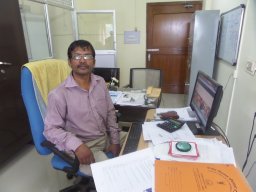 Samiran Nandi合作论文数The Fish Molecular Genetics and Biotechnology Laboratory, Auburn University2
 Bindu R. Pillai合作论文数2
 Pratap Chandra Das合作论文数Central Institute of Freshwater Aquaculture2
 Kedar NATH Mohanta合作论文数Central Institute of Fisheries Education;Central Institute of Freshwater Aquaculture;Central Institute of Fisheries Education, Central Institute of Freshwater Aquaculture2Sangram Ketan Sahoo合作论文数1
 Rajive Brahmchari合作论文数1
 Arun Sharma合作论文数1Pooja Bapurao Patole合作论文数1Babita Mandal合作论文数1Vijayakumar Sidramappa Mannur合作论文数1
 Supriya Tukaram Thorat合作论文数1
 Ankur Jamwal合作论文数Ctr Excellence Water Management, Dr Rajendra Prasad Cent Agr Univ Pusa1
 Ramjanul Haque合作论文数ICAR‐, Central Institute of Fisheries Education1
 Subhas Sarkar合作论文数Central Institute of Freshwater Aquaculture1
 Ambasankar Kondusamy合作论文数ICAR Cent Inst Brackishwater Aquaculture1
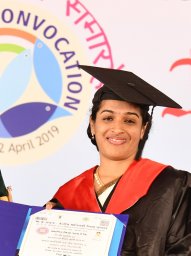 Tincy Varghese合作论文数ICAR Cent Inst Fisheries Educ1
 Adak Totan合作论文数Division of Agricultural Chemicals, Indian Agricultural Research Institute1Das Mahapatra Kanta合作论文数1Mishra Sudhansu Sekhar合作论文数1
 Sukham Munilkumar合作论文数1
 Perumal Santhanam合作论文数1
 Biswas Gouranga合作论文数Interdisciplinary Graduate School of Agriculture and Engineering, University of Miyazaki1
 Narinder Kumar Chadha合作论文数1
 Subrata Dasgupta合作论文数Central Institute of Fisheries Education (ICAR), Versova, Mumbai, Maharastra, India.1
 Paramita Banerjee Sawant合作论文数Central Institute of Fisheries Education (ICAR), Versova, Mumbai, Maharastra, India.1
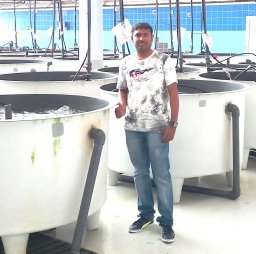 Ferosekhan S.合作论文数1Padmanav Routray合作论文数Central Institute of Freshwater Aquaculture1




