Hypomethylating agents (HMAs) are a mainstay of therapy for myeloid cancers, but genetic biomarkers do not predict who will respond to treatment. Using a variety of single-cell sequencing approaches to define the epigenomic state of responder and nonresponder leukemic cells, we demonstrate that leukemic stem cells (LSC) exist in at least two different epigenomic states: a hematopoietic stem cell (HSC)-or multipotent progenitor (MPP)-like state that is sensitive to HMAs, independent of genetic mutations, or a lymphoid-primed MPP (LMPP)-like nonresponder state. Hypomethylation and chromatin accessibility at ZNF143- and CTCF-binding sites results in activation of HOXB4, which defines the HSC/MPP-like state and HMA-sensitivity. Our study provides evidence that the epigenomic state of the LSC is a major determinant of response to HMAs, and demonstrates that a routine clinical assay can identify patients who will respond.
Febrile neutropenia causes substantial morbidity in acute myeloid leukaemia and higher risk myelodysplastic syndrome. We aimed to describe current practice and priorities for clinical trials in the prevention and management of febrile neutropenia across Australia/New Zealand (ANZ), the United Kingdom (UK), Canada and Europe. We performed an international survey of haematologists recruited via professional networks. Eighty-five unique hospitals were represented (ANZ = 20; Canada = 14; UK = 30; Europe = 21). Antibacterial prophylaxis was more commonly prescribed in Canada (79%) and the UK (83%) than in ANZ (30%) and Europe (48%, p < 0.001), and was prescribed more frequently to outpatients than inpatients. The most common empiric treatment was piperacillin-tazobactam monotherapy (66/84, 79%), with nurse-initiated antibiotic orders used in 35/84 (42%). Screening for multidrug-resistant organisms varied and was not usually used to direct antibiotic treatment. Antibiotic de-escalation was attempted in most institutions; for uncomplicated short-lived fever of unknown source, 39/85 (46%) reported ceasing antibiotics at 72 h and 68/85 (80%) within 7 days. For patients with bacteraemia, de-escalation strategies included narrowing spectrum, oral switch and cessation after defined duration. Most respondents (79/85, 93%) reported interest in recruiting for clinical trials. Clinical trials addressing practice variability in febrile neutropenia are needed, and are supported by haematologists.
Acute myeloid leukemia (AML) includes genetically defined subsets. In allogeneic hematopoietic cell transplantation (allo-HCT), the frequency and prognosis of gene-gene interactions may differ from those of patients treated with chemotherapy alone. In this study, adult patients (N = 952) with AML allografted between 2015 and 2023, with available next generation sequencing (NGS) at diagnosis were included. Most frequent mutations were DNMT3A (24%), FLT3-ITD (21%), NPM1 (21%), RUNX1 (16%), NRAS (16%), TET2 (14%), and IDH2 (12%). Multiple correspondence analysis identified distinct groups of co-occurring mutations. Outcome analysis was performed on 646 AML patients allografted in first complete remission (CR1). Six non-overlapping groups were constructed: 1) TP53 mutation (N = 47); 2) NPM1 mutation (N = 129); 3) FLT3-ITD and/or DNMT3A mutation (N = 128); 4) SRSF2 and/or ASXL1 and/or RUNX1 mutation (SAR group) (N = 132); 5) IDH1 and/or IDH2 and/or TET2 mutation (N = 43); and 6) all ten genes unmutated (N = 167). In multivariable analysis, TP53 mutation, adverse karyotype, and age negatively affected leukemia-free survival (LFS) and overall survival (OS). OS was additionally negatively affected when the ten genes were unmutated. Notably, outcomes were excellent for SAR mutations (2-year LFS 76%, OS 84%), indicating allo-HCT in CR1 can overcome their adverse risk at diagnosis.
Measurable residual disease (MRD) is a key predictor of relapse, the primary cause of treatment failure after allogeneic haematopoietic cell transplantation (allo-HCT) in acute myeloid leukaemia. This Policy Review, based on guidance from the European Society for Blood and Marrow Transplantation, provides practical recommendations for incorporating MRD assessment into clinical decision making during the transplantation process, the application of which remains challenging in acute myeloid leukaemia due to technical limitations and the limited availability of standardised, evidence-based approaches. Available methods include reverse transcription quantitative PCR, digital droplet PCR, next-generation sequencing, and multiparametric flow cytometry-chimerism-based approaches are under investigation. This Policy Review highlights the importance of MRD monitoring to enable timely, risk-adapted interventions that encompass both pre-transplantation and post-transplantation periods and can include tailoring conditioning intensity, donor selection, immunosuppression management, donor lymphocyte infusions, and pharmacological therapies such as FLT3 or IDH inhibitors, hypomethylating agents, venetoclax, or menin inhibitors. These recommendations aim to harmonise MRD-driven clinical practice and improve patient outcomes, while identifying key areas for future research.
Background Allogeneic stem cell transplant (allo-SCT) remains an important curative therapeutic modality in adults with high risk ALL. Reduced intensity conditioning (RIC) has extended the curative potential of allo-SCT to increasing numbers of older fit adults. There have been, however, no prospective randomised trials to guide the choice of the optimal RIC regimen in older adults with ALL. The UKALL14 trial previously reported outcomes for 249 adults >40y with ALL in CR1 who received fludarabine, melphalan and alemtuzumab (FMA) RIC allo-SCT. Overall survival (OS) at 4y was 55% with transplant-related mortality (TRM) 19.6%. The major cause of treatment failure was relapse (33.6% of patients by 4y) (Marks et al. 2022). Recent registry data has indicated that use of TBI is associated with improved disease outcomes (Giebel et al. 2017) in adult ALL patients receiving allo-SCT. We therefore performed a prospective, randomised comparison of the UK FMA RIC regimen with a cyclophosphamide plus 8Gy TBI RIC protocol (Cy/8TBI), with the goal of improving OS in high-risk adult ALL. Methods The FMA RIC regimen (fludarabine 30mg/m2 IV for 5d; melphalan 140mg/m2 IV single dose; alemtuzumab 30mg IV D-1 for sibling donor/20mg IV D-2 & -1 for unrelated donor) was compared to cyclophosphamide 50mg/kg for 2d plus 8Gy TBI (4# over 2d) and alemtuzumab (dosed as per FMA). Intrathecal prophylaxis was given for 2y post-SCT. Donor lymphocyte infusions were permitted for persistent minimal residual disease (MRD) or mixed donor T-cell chimerism from 3mo post-SCT. Primary endpoint was disease-free survival (DFS), with secondary endpoints including cumulative incidence of relapse (CIR), NRM, OS, GvHD rates and toxicity. Results Total 102 patients from 20 centres were randomised, with 89 proceeding to allo-SCT on study (45 FMA; 44 Cy/8TBI); 94 (92%) were in CR1 and 8 (7.8%) in CR2. Thirty patients (29.4%) had high risk cytogenetics (KMT2A-r; low hypodiploidy; complex karyotype), plus 31 (30.4%) Philadelphia positive cases. Median age of the entire cohort was 52y (IQR 46-59) with treatment arms being well balanced for pre-SCT characteristics. Total 31 (30%) and 71 (70%) patients received sibling and unrelated donor allo-SCT, respectively. Engraftment occurred in 85/89 (96%), with equivalent time to neutrophil and platelet engraftment between arms. With a median follow up of 41 months, 3y DFS by intention to treat (ITT) was 50% and 48% for FMA and Cy/8TBI, respectively (HR 1.12 [95% CI 0.64-1.95]; p=0.7). Neither cytogenetic risk nor pre-SCT MRD significantly affected DFS. At 3y, neither CIR (FMA 31% vs Cy/8TBI 36%; HR 1.23 [95% CI 0.63-2.42]; p=0.6), nor NRM (FMA 19% vs Cy/8TBI 16%; HR 0.81 [95% CI 0.32-2.07]; p=0.7) differed significantly between arms. OS at 3y (ITT) was also similar (FMA 61% vs Cy/8TBI 58%; HR 1.1; [95% CI 0.59-2.05]; p=0.8). Grade 2-4 aGvHD was seen in 2 (4.0%) and 5 (9.6%) patients with FMA and Cy/8TBI, respectively (p=0.44). No grade 3+ aGvHD was seen. Maximum grade 1 aGvHD occurred in 5 (10%) and 8 (15%) after FMA and Cy/8TBI, respectively. cGvHD developed in 4 (8%) FMA and 10 Cy/8TBI (19%) patients, with extensive in 6 (5.9%) patients, and no difference between arms (p=0.15). Total 97 and 102 SAEs were reported (in 30 and 26 patients) in the FMA and Cy/8TBI arms, respectively. Infections were not higher with Cy/8TBI (FMA 26 (27%); Cy/8TBI: 23 (23%)); nor were cardiac and pulmonary SAEs (FMA: 12 (12%); Cy/8TBI: 11 (11%)). Median total days of hospitalisation in year 1 did not differ between arms (FMA: 26 [IQR 22-33]; Cy/8TBI 27 [IQR 22-37]). During the study period, the most frequent causes of death in both arms were disease relapse (FMA 6 (32%); Cy/8TBI 9 (43%)) and infection (FMA 4 (21%); Cy/8TBI 8 (38%)). Conclusions This is the first prospective, randomised trial comparing RIC allo-SCT conditioning regimens in adult ALL. Cy/8TBI did not demonstrate superiority over a non-TBI FMA RIC protocol, achieving similar DFS and OS at 3y post-SCT. However, incorporation of 8Gy TBI into a RIC protocol designed for older adults was well tolerated, with no increases in acute or chronic GvHD, and no additional infectious or extramedullary toxicity. These data highlight the importance of performing randomised trials of innovative conditioning regimens, if outcomes for older patients receiving allo-SCT for ALL are to be improved. Importantly the ALL-RIC trial showcases feasibility and patient appetite for randomised transplant trials.
Background:Chimeric Antigen Receptor (CAR) T-cell therapies are effective for treating haematological cancers but carry risks of toxicity and substantial symptom burden. Patient-reported outcomes (PROs) could significantly enhance clinical management for patients undergoing these treatments. However, guidance on selection of PRO measures for monitoring adverse event and quality of life after CAR T-cell therapy is limited. This study aimed to achieve consensus among patients and healthcare professionals on the selection of PRO measures for an electronic PRO (ePRO) system for CAR T-cell therapy clinical settings. Methods:Two-round modified Delphi study (online survey and consensus meeting) conducted from December 2023 to January 2024 to select PRO measures for the ePRO system, guided by a conceptual framework with four measurement domains: symptom burden, impacts of cancer and CAR T-cell therapy, treatment tolerability, and health-related quality of life (HRQoL). Database searches (PubMed, ePROVIDE, COSMIN, and COMET) and licensing websites of cancer-specific PRO measures identified 113 PRO measures. Measures were pre-specified for treatment tolerability and HRQoL domains and concept mapping established conceptual coverage for the remaining domains. Seven PRO measures were shortlisted and prespecified inclusion thresholds and stopping criteria guided Delphi panel selection. Registration: ISRCTN11232653. Findings:Nineteen participants (5 CAR T-cell patients, 14 healthcare professionals/researchers) recruited from a UK National Health Service (NHS) cellular therapy centre and professional networks took part in Round One (Delphi online survey). Shortlisted measures were rated for relevance, comprehensiveness, and ease of understanding for the symptom burden and impacts of cancer and CAR T-cell treatment domains. Consensus was achieved after Round One, precluding the requirement for Round 2 (consensus meeting). The Symptom Burden Questionnaire™ (SBQ™) and the Quality of Life in Adult Cancer Survivors (QLACS) were selected to represent the Symptom Burden and Impacts domains, respectively. These measures, EQ5D-5L, measuring HRQoL, and Functional Assessment of Chronic Illness Therapy-Item GP5 (FACT-GP5), single-item global indicator of cancer treatment tolerability, will be included in the ePRO system. Interpretation:In the absence of guidance on PRO measure selection for CAR T-cell therapies, consensus-based methods represent an important step towards use of PROs with this clinical population. Modest sample size and representativeness of the patient subgroup are limitations of this study. Funding:This study is funded by the National Institute for Health and Care Research (NIHR) Blood and Transplant Research Unit in Precision Cellular Therapeutics (NIHR203339). The views expressed are those of the authors and not necessarily those of the NIHR, NHS Blood and Transplant, or the Department of Health and Social Care.
Vaccines have revolutionised the field of medicine, eradicating and controlling many diseases. Recent pandemic vaccine successes have highlighted the accelerated pace of vaccine development and deployment. Leveraging this momentum, attention has shifted to cancer vaccines and personalised cancer vaccines, aimed at targeting individual tumour-specific abnormalities. The UK, now regarded for its vaccine capabilities, is an ideal nation for pioneering cancer vaccine trials. This article convened experts to share insights and approaches to navigate the challenges of cancer vaccine development with personalised or precision cancer vaccines, as well as fixed vaccines. Emphasising partnership and proactive strategies, this article outlines the ambition to harness national and local system capabilities in the UK; to work in collaboration with potential pharmaceutic partners; and to seize the opportunity to deliver the pace for rapid advances in cancer vaccine technology.
ABSTRACT:The advent of reduced-intensity conditioning regimens, improvements in graft-versus-host disease prophylaxis, and better supportive care have permitted increasing use of allogeneic hematopoietic cell transplantation (allo-HCT) in adults aged ≥70 years with acute myeloid leukemia. However, although potentially curative, nonrelapse mortality and relapse represent the main causes of treatment failure, highlighting the importance of refining both patient selection and transplant strategies. At the same time, continuously evolving nontransplant therapies and transplant technologies mandate prospective trials (re-)examining the role of allo-HCT and its optimal delivery.
Background Allogeneic hematopoietic cell transplantation (allo-HCT) is an increasingly important curative option in adults with high-risk acute myeloid leukemia (AML). Disease relapse remains the commonest cause of transplant failure and innovative strategies with the potential to reduce the risk of disease recurrence are required. Accumulating evidence demonstrates the presence of a potent GVL effect in patients allografted for AML and post-transplant maintenance strategies have the potential to improve survival in this patient population. Mocravimod (MOC), a sphingosine-1-phosphate receptor (S1PR) modulator, has demonstrated a dual mechanism of action: enhancing graft-versus-leukemia (GvL) effects while mitigating graft-versus-host disease (GvHD) by sequestering alloreactive T-cells in lymphoid tissues without impairing cytotoxic function. A previous Phase Ib/IIa study exploring the feasibility of MOC maintenance post-transplant (NCT01830010) demonstrated both excellent tolerability of MOC post-transplant and suggested improved survival compared with matched historical controls (Dertschnig S. et al., 2023). Based on these data, the MO-TRANS phase 3 study (NCT05429632) is evaluating the efficacy and safety of MOC as an adjunctive and maintenance therapy post-allo-HCT in patients with AML. Study Design and Methods This is a global, multicenter, randomized, double-blind, placebo-controlled phase 3 trial. A total of 366 adult patients (18–75 years) with high or intermediate risk (ELN 2022) AML in first complete remission (CR) or any patient in second CR will be randomized 1:1:1 to receive placebo, 1mg MOC, or 3mg MOC orally once daily for up to 12 cycles on top of standard of care GvHD prophylaxis. Stratification factors include remission status (CR1 versus CR2) and pre-transplant MRD status (MRDpos versus MRDneg). Eligible patients are planned to undergo allo-HCT using peripheral blood stem cells from a related or unrelated donor with no more than 1 antigen mismatch or haploidentical donors with a transplant conditioning intensity (TCI) score ≥1.5 using tacrolimus (TAC)-based GvHD-prophylaxis. Use of ATG, alemtuzumab, cyclosporine A (CsA), and abatacept is excluded; other GvHD prophylaxis agents such as post-transplant cyclophosphamide (PTCy) are permitted. Patients with CsA-based GvHD-prophylaxis will no longer be enrolled due to a higher-than-expected rate of macular edema in the CsA stratum. The randomization to the stratum using CsA was discontinued accordingly. Patients with known risk factors for macular edema, such as diabetes mellitus and history of uveitis will also be excluded. All patients that have already been randomized will continue the study and be analyzed. MOC treatment begins two days prior to the start of conditioning. The primary endpoint is relapse-free survival (RFS); secondary endpoints include overall survival (OS) and the incidence of acute and chronic GVHD. The study is currently open and actively enrolling in the following countries: USA, Argentina, Brazil, France, Germany, Israel, Italy, Japan, Poland, Romania, Spain, Switzerland, Taiwan, and the UK. As of July 21, 2025, 101 patients have been randomized, and 100 patients have received blinded study treatment, 47 stratified by CsA-based-GvHD prophylaxis and 53 stratified by TAC. This study will enroll approximately 366 patients globally. Conclusions Relapse remains the primary cause of treatment failure in AML patients undergoing allo-HCT, ultimately resulting in shorter OS. There is an unmet medical need to maintain CR after allo-HCT, especially in AML patients with high risk factors or previous relapse. The MO-TRANS study aims to validate the therapeutic potential of MOC in reducing relapse and GvHD in patients allografted for AML.
Purpose:Disease relapse remains the major cause of treatment failure in patients allografted for acute myeloid leukaemia (AML) and myelodysplasia (MDS). Accumulating data confirms an important contribution of the conditioning regimen to both disease control and transplant toxicity. Thiotepa (Thio) is an alkylating agent whose addition to a busulphan (Bu)/fludarabine (Flu) conditioning regimen has been shown in retrospective studies to improve survival in patients transplanted for AML using both matched unrelated and haploidentical donors, consequent upon a reduction in post-transplant relapse. As a result, Flu/Bu/Thio conditioning regimens are increasingly used in patients allografted for high risk AML despite the absence of prospective randomised trials supporting this practice. COSI is the first prospective randomised trial to examine the benefit of adding Thio to a Flu/Bu based myeloablative (MAC) or reduced intensity (RIC) conditioning regimen in patients allografted for AML in CR1 or CR2 or IPSS high risk MDS. Patients and methods:Three hundred and seventeen patients with high risk AML (n= 242: CR1 n=205, CR2 n=37), or MDS (n= 75) were randomly assigned to undergo transplantation from a matched related sibling (n=52) or matched unrelated donor (n=265) using either a Flu/Bu or Flu/Bu/Thio conditioning regimen. Ninety nine patients were transplanted using a MAC regimen (Flu 40 mg/m2 x 4 days, Bu 3.2 mg/kg x 4 days or Flu 50 mg/m2x 3 days, Bu 3.2 mg/kg x 3 days, Thio 5 mg/kg x 2 days) and 218 patients using a RIC regimen (Flu 30 mg/m2 x 5 days, Bu 3.2 mg/kg x 2 days, or Flu 50 mg/m2 x 3 days, Bu 3.2 mg/kg x 2 days, Thio 5 mg/kg x 1 day). All patients received ciclosporin/ATG-based GVHD prophylaxis. The primary endpoint was overall survival (OS). Results will be presented separately for the MAC (Randomisation 2) and RIC (Randomisation 3) arms of COSI, analysed on intent-to-treat basis analyses, adjusted for stratification factors where possible. The median age of the patients randomised to the MAC arm was 44 years (range 20-54 years) for the RIC arm was 64 (range 31-75 years). Pre-transplant measurable residual disease (MRD) was measured 28 days prior to transplant by flow cytometry (MFC-MRD) and correlated with outcome in both the MAC and RIC arms, using an MRD threshold of 0.1%. Results:In the 99 patients randomised to the MAC arm, addition of Thio to a Flu/Bu4 conditioning regimen did not increase 2 year OS: 75% using Flu/Bu4 versus 72% using Flu/Bu3/Thio (p=0.73). In patients who were MRD negative pre-transplant 2 year OS in patients transplanted using Flu/Bu4 was 81% versus 70% in patients transplanted using Flu/Bu3/Thio (p=0.91). In patients who were MRD positive pre-transplant 2 year OS using Flu/Bu4was 67% versus 63% for patients transplanted using Flu/Bu3/Thio (p=0.55). The 2 year cumulative incidence of relapse (CIR) was lower in patients transplanted using a Flu/Bu4/Thio conditioning regimen: 11% using Flu/Bu4/Thio versus 31% using Flu/Bu4 (p=<0.001). However, in contrast the 2-year transplant-related mortality (TRM) in patients transplanted using a Flu/Bu4/Thio regimen was increased: 22% using Flu/Bu4/Thio versus 4% using Flu/Bu4 (p=<0.001). In the 218 patients randomised to the RIC arm the addition of Thio did not increase 2 year OS: 71% using Flu/Bu2versus 69% using Flu/Bu2/Thio (p=0.87). In patients who were MRD negative pre-transplant 2 year OS was 84% using Flu/Bu2versus 75% for patients transplanted using Flu/Bu2/Thio (p=0.45). In patients who were MRD positive pre-transplant 2 year OS was 56% using Flu/Bu2/Thio versus 41% in patients transplanted using Flu/Bu2 (p=0.15). The 2 year TRM in patients transplanted using a Flu/Bu2/Thio regimen was increased: 17% using Flu/Bu2/Thio versus 8% using Flu/Bu2 (p=0.01). The 2 year CIR in patients transplanted using a Flu/Bu2/Thio regimen was 20% versus 30% in patients transplanted using a Flu/Bu2 regimen (p=0.12). Conclusion:This prospective randomised trial demonstrates that the addition of Thio to either a Flu/Bu based MAC or RIC regimen does not improve survival in patients allografted for AML or MDS and was associated with an increased TRM in both settings. Further prospective studies examining the ability of Thio to reduce the risk of disease relapse in high risk patients whilst at the same time limiting transplant toxicity are merited.
Most patients with acute myeloid leukemia (AML) may obtain remission upon induction chemotherapy, but relapse is frequent and associated with poor survival. Previous prognostic models for outcomes after relapse lacked analysis of comprehensive molecular data. A validated prognostic model integrating clinical, cytogenetic, and molecular variables may support treatment decisions. We studied 943 patients with AML who relapsed after intensive induction treatment in a development cohort (HOVON-SAKK). A random survival forest algorithm was used to evaluate the association of clinical parameters, cytogenetic abnormalities, and molecular variables at diagnosis with overall survival (OS). Relapsing patients (n = 377) who were enrolled in the NCRI-AML18 trial were used for validation. In the development cohort, the median age at relapse was 58 years, and patients were classified as 2022 European LeukemiaNet favorable (22%), intermediate (31%), and adverse risk (48%). One-third underwent allogeneic transplantation in the first complete remission. Variable selection yielded 9 variables associated with 1-year OS, including relapse-free interval, age, white blood cell count, mutated TP53, FLT3 internal tandem duplication, core-binding factor abnormalities, t(v;11q23)/KMT2A rearrangement, and complex/monosomal karyotype, which were assigned points according to their estimated hazard ratios. Three prognostic groups were defined with distinct 1-year OS in both development (favorable, 51% ± 3%; intermediate, 29% ± 3%; and poor, 14% ± 2%, respectively) and validation cohorts (51% ± 4%, 26% ± 5%, and 14% ± 3%, respectively). Validation confirmed the improved accuracy in predicting outcomes for patients with AML in first relapse. The revised AML relapse model improved on previous prognostic models for outcomes after first relapse. It provides stratification that might support tailoring second line treatment.
Background: Acute myeloid leukemia (AML) is a very heterogeneous malignancy, which includes numerous genetically defined subsets. In the context of allogeneic hematopoietic stem cell transplantation (allo-HSCT), the frequency and prognostic value of different gene-gene interactions has not been studied and may differ from that of patients treated with chemotherapy alone. We aimed at evaluating, through the European Society for Blood and Marrow Transplantation (EBMT) database, the frequency and impact of different recurrent somatic mutations, either alone or in association, on relapse and survival in patients receiving allo-HSCT. Methods: This is a retrospective, registry-based analysis with the approval of the EBMT Acute Leukemia Working Party. Adult patients with a diagnosis of AML who received an allo-HSCT between 2013-2023, with an available genetic profile determined at diagnosis by next generation sequencing (NGS) were included. Results: We identified 1403 allografted AML patients who had NGS performed at diagnosis. The most frequent detectable mutations by frequency were DNMT3A (20%), FLT3-ITD (19%), NPM1 (18%), TET2 (14%), RUNX1 (13%), NRAS (11%), IDH2 (10%), ASXL1 (9%), SRSF2 (7%), IDH1 (7%), FLT3-TKD (7%), BCOR (7%), NF1 (7%), WT1 (7%), PTPN11 (6%), KRAS (6%), CEBPA (5%), TP53 (5%) and STAG2 (5%). By multiple correspondence analysis, three independent groups of co-occurring mutations were identified, the first group included DNMT3A, NPM1 and FLT3-ITD, the second group included ASXL1, SRSF2 and RUNX1, the third group included TP53 mutation. Outcome analysis was performed on the subset of 848 patients allografted in CR1 with available data for the aforementioned seven genes (DNMT3A, NPM1, FLT3, ASXL1, SRSF2, RUNX1 and TP53). Most of these patients had de novo AML (74%), with a median age of 55 years (range: 18-75 years). Patients received primarily reduced intensity conditioning (58%) and peripheral blood stem cells (92%) from matched sibling donors (33%), matched unrelated (29%), and haploidentical donors (17%). By ELN 2022, 4% of these patients had favorable-risk cytogenetics, 68% intermediate-risk, and 29% adverse-risk. When outcome analysis was performed according to the presence or absence of single mutations, TP53 mutation significantly increased the 2-year relapse incidence (RI) and decreased leukemia-free survival (LFS) and overall survival (OS) whereas IDH2 mutation significantly decreased the 2-year RI and improved LFS and OS. RI increased with SF3B1 and KMT2A mutation and decreased in the presence of CEBPA or KIT mutation. OS was positively affected by NPM1 mutation and negatively affected by NRAS mutation. According to the 3 groups identified in theMCA analysis and the known impact of NMP1 in the literature, five groups were built: Group 1 comprising TP53 mutation regardless of other co-mutations (N=46; 5%); Group 2 comprising NPM1 mutation and wild type TP53 regardless of other co-mutations (N=140; 17%); Group 3 comprising FLT3-ITD and/or DNMT3A mutation, wild type NPM1 and TP53, regardless of other co-mutations (N= 154; 18%); Group 4 comprising RUNX1 and/or ASXL1 and/or SRSF2 mutation without FLT3-ITD and with wild type NPM1, DNMT3A and TP53 (N=131; 15%); Group 5 with all seven genes unmutated (N=377; 44%). Groups differed for median age (60, 54, 57, 58 and 52 respectively), secondary AML (52%, 15%, 18%, 34% and 26% respectively) and adverse cytogenetics (73%, 8%, 20%, 30%, and 35% respectively). Groups of somatic mutations significantly affected the 2-year RI (45%, 19%, 25%, 15% and 25% for the 5 groups respectively; p<0.01), LFS (29%, 68%, 59%, 76% and 58% respectively; p<0.0001) and OS (41%, 75%, 68%, 84% and 65% respectively; p<0.0001) whereas non relapse mortality was not significantly affected. Conclusion: NGS at diagnosis can be extremely useful in risk stratification of AML patients undergoing allo-HSCT, potentially allowing adequate post-transplant interventions. Surprisingly, despite their older age and higher frequency of secondary AML and adverse cytogenetics, the best outcomes (2 year LFS 76%, OS 84%) were observed for patients harboring RUNX1 and/or ASXL1 and/or SRSF2 in the absence of FLT3-ITD or NPM1, DNMT3A and TP53 mutation, indicating that allo-HSCT can overcome the adverse risk associated with these somatic mutations at diagnosis.
Conditioning protocols for patients undergoing allogeneic hematopoietic cell transplantation (allo-HCT) are being developed continuously to improve their anti-leukemic efficacy and reduce their toxicity. In this study, we compared the conditioning protocol of fludarabine with melphalan 140 mg/m 2 (FluMel) with conditioning protocols based on this same backbone but with an additional alkylating agent i.e., either fludarabine/BCNU (also known as carmustine)/melphalan (FBM), or fludarabine/thiotepa/melphalan (FTM) 110 mg/m 2 . We included 1272 adult patients (FluMel, n = 1002; FBM/FTM, n = 270) with acute myeloid leukemia (AML) with intermediate/poor cytogenetic risk in first complete remission (CR) from the registry of the EBMT Acute Leukemia Working Party. Despite patients in the FBM/FTM group were older (64.1 years vs. 59.8 years, p < 0.001) and had a worse Karnofsky performance score (KPS < 90, 33% vs. 24%, p = 0.003), they showed a better overall survival (OS) (2 y OS: 68.3% vs. 58.1%, p = 0.02) and less non-relapse mortality (NRM) (2 y NRM: 15.8% vs. 22.2%, p = 0.009) compared to patients treated with FluMel. No significant differences were observed in relapse incidence (RI) (2 y RI: 24.9% vs. 23.7%, p = 0.62). In conclusion, the addition of a second alkylating agent (BCNU/carmustine or thiotepa) to FluMel as FBM/FTM conditioning, improves OS in AML patients in first CR with intermediate/poor risk cytogenetics after allo-HCT.
AbstractAML is a malignancy of hematopoietic immature precursors (myeloblasts) that accumulate in the BM at the expense of their normal counterparts. AML is increasingly being recognized as a heterogenous malignancy based on distinct disease biology and underlying cytogenetic and molecular profiles. These profiles and measurable residual disease after induction therapy direct post-remission strategies in a risk-adapated approach, which also includes the assessment of the risk of treatment-related mortality. In primary refractory AML, allo-HSCT remains a curative treatment option in fit patients. Allo-HSCT in acute promyelocytic leukemia is only recommended for specific cases, particularly when not in moleculair remission after treatment for first relapse.
 Nigel Russell合作论文数University of Nottingham94
 Arnon Nagler合作论文数Hemato-Oncology Center, Sheba Tel Hashomer City of Health;EBMT;Tel Aviv University;Israeli Bone Marrow Association89
 Mohamad Mohty合作论文数Clinical Hematology and Cellular Therapy Department, Saint-Antoine Hospital, Sorbonne University;Saint-Antoine Research Centre82
 Paul Moss合作论文数Institute of Immunology and Immunotherapy, University of Birmingham;Department of Immunology and Immunotherapy, University of Birmingham;College of Medicine and Health, University of Birmingham74
 Didier Blaise合作论文数Institut Paoli-Calmettes;Université Aix Marseille68
 Jane Apperley合作论文数Department of Immunology and Inflammation, Faculty of Medicine, Imperial College London63
 Premini Mahendra合作论文数NHS Trust, Univ Hosp Birmingham61
 Myriam Labopin合作论文数Hospital Saint-Antoine;University Paris658
 Gerard Socie合作论文数AP-HP Hospital Saint Louis;University of Paris51
 Ram K. Malladi合作论文数Queen Elizabeth Hospital Birmingham51Sandeep Nagra合作论文数51Stephen Mackinnon合作论文数49Eduardo Olavarria合作论文数47
 Paresh Vyas合作论文数Medical Sciences Division, Radcliffe Department of Medicine, University of Oxford45
 Nicolaus Kröger合作论文数Department of Stem Cell Transplantation, University Medical Center Hamburg-Eppendorf;Center for Oncolog, University Medical Center Hamburg-Eppendorf;University of Hamburg43
 Johan Maertens合作论文数Department of Hematology, Universitair Ziekenhuis Leuven;Laboratory of Clinical Microbiology, Departement Microbiologie, Immunologie en Transplantatie, KU Leuven40Mark Cook合作论文数From Clínica Universidad de Navarra;Mayo Clinic;Université de Lille, University Hospital of Nantes;M.D. Anderson Cancer Center, University of Texas;IRCCS Azienda Ospedaliero-Universitaria di Bologna, Bologna University School of Medicine;Northside Hospital Cancer Institute, Emory University;the University of Wisconsin Carbone Cancer Center;the University of Alabama at Birmingham;Washington University School of Medicine in St. Louis;Arnie Charbonneau Cancer Institute, University of Calgary;Universitaire Ziekenhuizen Leuven;Sarah Cannon Research Institute and Tennessee Oncology;2seventy bio;Bristol Myers Squibb;Institute of Cancer and Genomic Sciences, University of Birmingham;and Memorial Sloan Kettering Cancer Center;Université Paris Cité, From Clínica Universidad de Navarra39
 Ibrahim yakoub-agha合作论文数37
 Donald W Milligan合作论文数36Liisa Volin合作论文数36Jurgen Finke合作论文数35
 Patrice Chevallier合作论文数Centre Hospitalier Universitaire de Nantes35
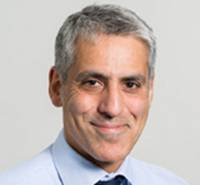 Ronjon Chakraverty合作论文数Department of Haematology, Cancer Institute, Faculty of Medical Sciences, University College London34Jan J Cornelissen合作论文数34
 Karl Peggs合作论文数University College London Hospital33
 Gordon Cook合作论文数Scottish Universities Environmental Research Centre, University of Glasgow32E. Kanfer合作论文数31
 Jakob Passweg合作论文数University of Basel;Basel University Hospital31Sylvie Freeman合作论文数Institute of Immunology and Immunotherapy, College of Medical and Dental Sciences, University of Birmingham31
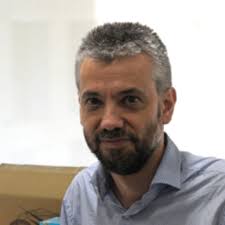 Jordi Esteve合作论文数Hospital Clínic de Barcelona30Anne Parker合作论文数29Eleni Tholouli合作论文数28Shamyla Siddique合作论文数28
 Andy Peniket合作论文数Oxford University Hospitals;Churchill Hospital27
 David Marks合作论文数University Hospitals Bristol NHS Foundation Trust27
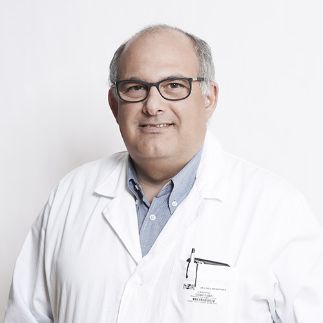 Ciceri Fabio合作论文数Universita Vita-Salute San Raffaele27
 Michael Griffiths合作论文数West Midlands Regional Cytogenetics Laboratory26
 Francesco Dazzi合作论文数Faculty of Life Sciences & Medicine, King’s College London;Alexion Pharmaceuticals, Inc.25
 Mike Potter合作论文数Haemato-Oncology Unit, The Royal Marsden25M Labopin合作论文数24Ghulam J. Mufti合作论文数24
 Justin Loke合作论文数Institute of Cancer and Genomic Sciences, College of Medical and Dental Sciences, University of Birmingham24
 Panagiotis Kottaridis合作论文数Hca Healthcare Uk at Uch;University College London Hospitals NHS Foundation Trust24Potter Victoria合作论文数23
 Kate Cwynarski合作论文数University College London;University College London Hospital23Charles Crawley合作论文数23
 Dietrich W. Beelen合作论文数Clinic for Bone Marrow Transplants, Essen University Hospital;Oncohematology Unit, Essen University Hospital23
 Manoj Raghavan合作论文数22
 Richard Szydlo合作论文数Dept Immunol & Inflammat, Imperial Coll21




