Free AccessReadiness for Change: Applications to the Management of ADHDCharles E. CunninghamCharles E. CunninghamCharles E. Cunningham, Ph.D., is a faculty member of the Hamilton Health Sciences Corporation and Department of Psychiatry at McMaster University in Hamilton, Ontario.Search for more papers by this authorPublished Online:November 2022https://doi.org/10.1521/adhd.2022.30.7.6PDFPDF PLUS ShareShare onFacebookTwitterLinkedInRedditEmail ToolsAdd to favoritesDownload CitationsTrack Citations AboutREFERENCESAnastopoulos A D., , Shelton T. L., , DuPaul G. J., , & Guevremont D. C. (1993). Parent training for attention-deficit hyperactivity disorder: Its impact on parent functioning. Journal of Abnormal Child Psychology, 21, 581–596. Crossref, Google ScholarAndrews J. A., , Swank P. R., Foorman B., , & Fletcher J. M. (1995). Effects of educating parents about ADHD. The ADHD Report, 3, 12–13. Google ScholarBarkley R. A. (1996). Taking charge of ADHD. New York: Guilford. Google ScholarBoyle M. (1991). Children’s mental health issues: Prevention and treatment. In Johnson L. C., & Barnhorst D. (Eds.), Children, families, and public policy in the 90’s. Toronto: Thompson Educational Publishing. Google ScholarCunningham C. E., , Bremner B., , & Boyle M. (1995). Large group school-based courses for parents of preschoolers at risk for disruptive behavior disorders: Utilization, outcome, and cost effectiveness. Journal of Child Psychology and Psychiatry, 36, 1141–1159. Crossref, Google ScholarCunningham C. E., , Woodward C., , Lendrum B., , MacIntosh J., , Shannnon H., , Rosenbloom D., , & Brown J. (1996). Readiness for organizational change: Workplace, interpersonal, and psychological correlates. Poster presented at the 104th annual conference of The American Psychological Association, Toronto, Ontario. Google ScholarEisenstadt T. H., , Eyberg S., , McNeil C. B., , Newcomb K., , & Funderburk B. (1993). Parent-child interaction therapy with behavior problem children: Relative effectiveness of two stages and overall treatment outcome. Journal of Clinical Child Psychology, 22, 42–51. Crossref, Google ScholarHallowell E. M. (1995). Coaching: An adjunct to the treatment of ADHD. The ADHD Report, 4, 7–9. Google ScholarHenggeler S. W., , Scoenwald S. K., , & Pickrel S. G. (1995). Multisystemic therapy: Bridging the gap between university and community-based treatment. Journal of Consulting and Clinical Psychology, 63, 709–717. Crossref, Google ScholarHoagwood K., , Hibbs E., , Brent D., , & Jensen P. (1995). Introduction to the section: Efficacy and effectiveness in studies of child and adolescent psychotherapy. Journal of Consulting and Clinical Psychology, 63, 683–687. Crossref, Google ScholarKazdin A. E., , Holland L., , & Crowley M. (1977). Family experience of barriers to treatment and premature termination from child therapy. Journal of Consulting and Clinical Psychology, 65, 453–463. Crossref, Google ScholarPisterman S., , McGrath P. J., , Firestone P., , Goodman J. T., , Webster I., , & Mallory R. (1989). Outcome of parent-mediated treatment of preschoolers with attention deficit disorder with hyperactivity. Journal of Consulting and Clinical Psychology, 57, 636–63. Crossref, Google ScholarPrinz R. J., , & Miller G. E. (1994). Family-based treatment for childhood antisocial behavior: Experimental influences on dropout and engagement. Journal of Consulting and Clinical Psychology, 62, 645–650. Crossref, Google ScholarProchaska J. A. (1991). Assessing how people change. Cancer, 67, 805–807. Crossref, Google ScholarProchaska J. O., , Velicer W. R., , Rossi J. S., , Goldstein M. G., , Marcus B. H., , Rakowski W., , Fiore C., , Harlow L. L., , Redding C. A., , Rosenbloom D., , & Rossi S. R. (1994). Stages of change and decisional balance for 12 problem behaviors. Health Psychology, 13, 39–46. Crossref, Google ScholarProchaska J. O., , DiClemente C. C., , & Norcross J. C. (1992). In search of how people change: Applications to addictive behaviors. American Psychologist, 47, 1102–1114. Crossref, Google Scholar Previous article Next article FiguresReferencesRelatedDetails Volume 30Issue 7Nov 2022 Information© 2022 The Guilford PressPDF download
A significant percentage of college students discontinue mental health treatment prematurely. Using a discrete choice experiment, 909 students chose between experimentally manipulated descriptions of mental health services, selecting the option that would encourage them to stay in treatment. Latent class analysis identified three groups. The community class (36.7%) would remain in treatment at community walk-in clinics. The campus class (27.3%) would be more likely to remain in an on-campus student health service. The residence class, 36.0% of participants, would be most likely to remain in treatments at their residence. All classes would be more likely to remain in services including the option of medication, psychotherapy, or alternative treatments such as diet and exercise. Simulations predicted that most students would trade individual treatment for more cost-effective groups if students who had experienced mental health problems recommended these services and access to text messages and telephone help was included.
Educators detect and intervene in a small proportion of bullying incidents. Although students are present when many bullying episodes occur, they are often reluctant to intervene. This study explored attributes of antibullying (AB) programs influencing the decision to intervene. Grade 5, 6, 7, and 8 students (N = 2,033) completed a discrete choice experiment examining the influence of 11 AB program attributes on the decision to intervene. Multilevel analysis revealed 6 latent classes. The Intensive Programming class (28.7%) thought students would intervene in schools with daily AB activities, 8 playground supervisors, mandatory reporting, and suspensions for perpetrators. A Minimal Programming class (10.3%), in contrast, thought monthly AB activities, 4 playground supervisors, discretionary reporting, and consequences limited to talking with teachers would motivate intervention. Membership in this class was linked to Grade 8, higher dispositional reactance, more reactance behavior, and more involvement as perpetrators. The remaining 4 classes were influenced by different combinations of these attributes. Students were more likely to intervene when isolated peers were included, other students intervened, and teachers responded quickly. Latent class analysis points to trade-offs in program design. Intensive programs that encourage intervention by students with little involvement as perpetrators may discourage intervention by those with greater involvement as perpetrators, high dispositional reactance, or more reactant behavior.
Despite the availability of effective early interventions, few toddlers with emotional and behavioral issues receive these services. This situation exists partly due to challenges in the identification of mental health issues in young children. We developed the Brief Child and Family Intake and Outcomes System for toddlers, which is a 36-item standardized online parent questionnaire including two externalizing scales (Cooperating; Regulating Attention, Impulsivity, and Activity), two internalizing scales (Expressing Emotion; Responding to Change), and two regulatory scales (Eating; Sleeping). We conducted a normative study of 500 Canadian children 18–36 months old, stratified by sex, age, geographic region, and parents’ marital status, income, and education. Confirmatory factor analyses demonstrated good model fit, and the relationship between items and scales did not vary significantly between boys and girls or between younger and older toddlers. Reliability estimates indicated high internal consistency. Providing preliminary evidence of validity, scale scores had positive relations with measures of family distress, caregiver mood, and demographic risk variables. Analyses of latent variables revealed good evidence of discriminant validity of the scales. We extend earlier work by including scales particularly relevant to toddler emotional and behavioral regulation while at the same time minimizing respondent burden and providing norms for Canadian toddlers. The questionnaire could be used in children’s mental health settings, primary care, child welfare, and daycare facilities, for intake, triage, and describing toddlers.
Shyness can manifest as inhibition, fear, and avoidance in the context of social novelty and situations of perceived social evaluation. In the present study, 130 children (Mage = 7.6 years, SD = 1.8) participated in a videotaped self-presentation task across three separate visits spanning approximately 3 years in early and middle childhood. Children’s observed shyness was best characterized by two trajectories, including a high-stable class (19%) and a low-stable class (81%). Girls were more likely than boys to follow a pattern of high-stable observed shyness. Further, children in the high-stable observed shyness class were rated by parents and teachers as more socially anxious relative to children in the low-stable class, and boys in the high-stable observed shyness class were rated by their teachers as displaying more depressive symptoms relative to girls. These findings suggest that a subset of children display stable behavioral shyness, and this is correlated with psychosocial functioning.
Selective mutism (SM) is an anxiety disorder in which a child fails to speak in some situations (e.g., school) despite the ability to speak in other situations (e.g., home). Some work has conceptualized SM as a variant of social anxiety disorder (SAD) characterized by higher levels of social anxiety. Here, we empirically tested this hypothesis to see whether there were differences in social anxiety (SA) between SM and SAD across behavioral, psychophysiological, self-, parent-, and teacher-report measures. Participants included 158 children (Mage = 8.76 years, SD = 3.23) who were classified into three groups: children with SM and who were also highly socially anxious (SM + HSA; n = 48), highly socially anxious children without SM (HSA; n = 48), and control children (n = 62). Children participated in a videotaped self-presentation task, following which observed SA behaviors were coded, and salivary cortisol reactivity was measured. We also collected child, parent, and teacher reports of children’s trait SA symptoms. The SM + HSA and HSA groups had similar observed non-verbal SA behavior, cortisol reactivity, and trait SA symptom levels according to parent and child reports, but SM + HSA children had significantly higher SA according to teacher report and observer-rated verbal SA behavior relative to the HSA group. As expected, control children had lower cortisol reactivity and SA across all measures relative to the other groups. Although SM and SAD in children share many similarities, SM may be characterized by greater SA in certain social contexts (e.g., school) and is distinguishable from SAD on behavioral measures of verbal SA.
Despite a growing policy push for the provision of services based on evidence, evidence-based treatments for children and youth with mental health challenges have poor uptake, yielding limited benefit. With a view to improving implementation in child behavioral health, we investigated a complementary implementation approach informed by three implementation frameworks in the context of implementing motivational interviewing in four child and youth behavioral health agencies: the Active Implementation Frameworks (AIF) (process), the Consolidated Framework for Implementation Research (factors), and the Implementation Outcomes Framework (evaluation). The study design was mixed methods with embedded interrupted time series and motivational interviewing (MI) fidelity was the primary outcome. Focus groups and field notes informed perspectives on the implementation approach, and a questionnaire explored the salience of Consolidated Framework for Implementation Research (CFIR) factors. Findings validate the process guidance provided by the AIF and highlight CIFR factors related to implementation success. Novel CFIR factors, not elsewhere reported in the literature, are identified that could potentially extend the framework if validated in future research. Introducing fidelity measurement in practice proved challenging and was not sustained beyond the study. A complementary implementation approach was successful in implementing MI in child behavioral health agencies. In contrast with the typical train and hope approach to implementation, practice change did not occur immediately post-training but emerged over a 7 month period of consultation and practice following a discrete interactive training period. The saliency of CFIR constructs aligned with findings from studies conducted in other contexts, demonstrating external validity and highlighting common factors that can focus planning and measurement.
eprints@whiterose.ac.uk https://eprints.whiterose.ac.uk/ Reuse This article is distributed under the terms of the Creative Commons Attribution-NonCommercial (CC BY-NC) licence. This licence allows you to remix, tweak, and build upon this work non-commercially, and any new works must also acknowledge the authors and be non-commercial. You don’t have to license any derivative works on the same terms. More information and the full terms of the licence here: https://creativecommons.org/licenses/
To examine self‐ and proxy‐reported symptoms of depression in children with epilepsy.
We used a discrete choice conjoint experiment to model the anti-bullying (AB) program preferences of 1080 junior kindergarten to Grade 8 educators. Participants chose between hypothetical AB programs that varied combinations of 12 design attributes. Multi-level latent class analysis yielded three classes: All-in Supervisors (21.5%) preferred that all teaching staff supervise playgrounds and hallways; Facilitators (61.6%) preferred that students take ownership of AB activities with 25% of educators supervising playgrounds and hallways; and Reluctant Delegators (16.9%) preferred delegating the supervision of playgrounds and hallways to non-teaching staff. This class reported higher dispositional reactance, more implementation barriers, and more psychological reactance to these initiatives. They were less sensitive to social influences and less intent on participating in AB activities. Multi-level analysis showed a greater proportion of Reluctant Delegators clustered in one of the two groups of schools. The program choices of all classes were sensitive to the support of principals, colleagues, students, and, to a lesser extent, parents. All classes preferred programs conducted from kindergarten through Grade 12 that addressed the problems underlying bullying while valuing firm and consistent consequences for all students. Educators preferred AB programs selected by individual schools, rather than governments.
Objectives: To examine: 1) changes in the prevalence of mental disorders and perceived need for professional help among children (ages 4 to 11) and youth (ages 12 to 16) between 1983 and 2014 in Ontario and 2) whether these changes vary by age and sex, urban-rural residency, poverty, lone-parent status, and immigrant background. Methods: The 1983 (n = 2836) and 2014 (n = 5785) Ontario Child Health Studies are provincially representative cross-sectional surveys with identical self-report checklist measures of conduct disorder, hyperactivity, and emotional disorder, as well as perceived need for professional help, assessed by integrating parent and teacher responses (ages 4 to 11) and parent and youth responses (ages 12 to 16). Results: The overall prevalence of perceived need for professional help increased from 6.8% to 18.9% among 4- to 16-year-olds. An increase in any disorder among children (15.4% to 19.6%) was attributable to increases in hyperactivity among males (8.9% to 15.7%). Although the prevalence of any disorder did not change among youth, conduct disorder decreased (7.2% to 2.5%) while emotional disorder increased (9.2% to 13.2%). The prevalence of any disorder increased more in rural and small to medium urban areas versus large urban areas. The prevalence of any disorder decreased for children and youth in immigrant but not nonimmigrant families. Conclusions: Although there have been decreases in the prevalence of conduct disorder, increases in other mental disorders and perceived need for professional help underscore the continued need for effective prevention and intervention programs.
Objectives: To present the 6-month prevalence and sociodemographic correlates of mental disorders and mental health-related service contacts in a sample of children (4 to 11 years) and youth (12 to 17 years) in Ontario. Methods: The 2014 Ontario Child Health Study is a provincially representative survey of 6537 families with children aged 4 to 17 years in Ontario. DSM-IV-TR mental disorders were assessed using the Mini International Neuropsychiatric Interview for Children and Adolescents (MINI-KID) and included mood (major depressive episode), anxiety (generalized anxiety, separation anxiety, social phobia, specific phobia), and behaviour disorders (attention-deficit/hyperactivity disorder, oppositional-defiant disorder, conduct disorder).The MINI-KID was administered independently to the primary caregiver and youth aged 12 to 17 years in the family's home. Results: Past 6-month prevalence of any mental disorder ranged from 18.2% to 21.8% depending on age and informant. Behaviour disorders were the most common among children, and anxiety disorders were the most common among youth. Among children and youth with a parent-identified mental disorder, 25.6% of children and 33.7% of youth had contact with a mental health provider. However, 60% had contact with one or more of the providers or service settings assessed, most often through schools. Conclusions: Between 18% and 22% of children and youth in Ontario met criteria for a mental disorder but less than one-third had contact with a mental health provider. These findings provide support for strengthening prevention and early intervention efforts and enhancing service capacity to meet the mental health needs of children and youth in Ontario.
Objectives: To present the 12-month prevalence and correlates of suicidal ideation and attempts in a sample of youth in Ontario. Methods: Data come from the 2014 Ontario Child Health Study, a provincially representative survey of families with children in Ontario. Youth aged 14 to 17 y (n = 2,396) completed a computer-assisted, self-administered questionnaire in their home to assess the occurrence of suicidal ideation, suicidal attempts, and associated correlates, including non-suicidal self-injury, mental disorders, substance use, peer victimization and exposure to child maltreatment. Socio-demographic information was collected from the parent. Logistic regression models were used to identify correlates that distinguished between youth reporting: 1) no suicidal ideation or attempts, 2) suicidal ideation but no attempts, and 3) suicidal ideation and attempts. Results: The 12-month prevalence of suicidal ideation and attempts was 8.1% and 4.3%, respectively. All clinical and behavioural correlates were significantly higher among youth reporting suicidal ideation or attempts, as compared with non-suicidal youth. In adjusted models, depression and non-suicidal self-injury were each independently associated with elevated odds of suicidal ideation (OR = 4.84 and 4.19, respectively) and suicidal attempt (OR = 7.84 and 22.72, respectively). Among youth who reported suicidal ideation, the only variable that differentiated youth who attempted suicide v. those who did not, in adjusted models, was non-suicidal self-injury (OR = 3.89). Conclusions: Suicidal ideation and attempts are common among youth in Ontario, often co-occurring with mental disorders and high-risk behaviours. These findings underscore the need for effective prevention and intervention strategies, particularly for youth depression and non-suicidal self-injury.
Objectives: To study the extent to which parents are able to serve as true proxies for their children with epilepsy using a more granular approach than has been found in any study to date. Methods: Proxy resemblance to the child was based on discrepancy in z-centered child minus parent scores of matching quality-of-life (QOL) domains for 477 dyads. Latent class mixed models (LCMMs) were built, with child's age as the independent variable for epilepsy-specific and generic QOL. Data were obtained from the QUALITE Canadian cohort, which recruited children with epilepsy aged 8 to 14 years at baseline and their parents. Results: Both epilepsy-specific and generic LCMMs produced latent classes representing proxies that were overly positive, overly negative, or in agreement relative to their children with posterior probabilities of 79% to 84%. The "agreement" classes had N = 411 and N = 349 in the epilepsy-specific and generic LCMMs, respectively. The epilepsy-specific LCMM had a small unique class of N = 5 with a posterior probability of 88% called "growing discrepancy." Conclusions: Most parents of children with epilepsy can serve as valid proxies for their children on QOL scales. Poorer parental adaptation is more related to overly negative proxies, whereas low peer support from the child's perspective is more related to overly positive proxies.
Mental disorders typically start in childhood and cause substantial individual and collective burdens across the life span. These disorders are also now the leading cause of childhood disability worldwide. Exacerbating the burdens, high childhood disorder prevalence has been coupled with low children’s mental health service reach. Service shortfalls have persisted despite growing research evidence on effective interventions and despite widespread recognition that timely access to adequate health, social, and educational services is a fundamental right for all children. Yet Canada has lacked recent high-quality data to inform policymaking to address these issues. The 2014 Ontario Child Health Study (OCHS) now provides these data. This study has broad national applicability given its robust design, including the use of rigorous diagnostic measures in a large representative sample in the general population. The study also has high policy relevance in providing new data on population burden and service reach for emotional and
This study explores the moderators affecting the success of an Internet-based and telephone assisted remote parent training intervention and compares them to an educational control group. We prospectively identified 464 parents who reported at a health check that their 4-year-old children showed elevated levels of externalizing behavior. The moderators explored included parental attention deficit and hyperactivity disorder (ADHD) and parental distress. The dependent variables were child externalization scores and self-reported parenting skills. The measures were completed at baseline, six and 12-months follow-up. The 232 families randomized to active treatment received 11 Internet-based training sessions with weekly phone calls from a coach. The other 232 families had access to a website that provided general positive parenting advice and one 45-minute phone-call from a coach. Using hierarchical linear models, we explored if the parental ADHD or parental distress modified the treatment effects on child externalizing behavior or parenting skills. The results showed that none of the independent variables moderated intervention effects on child externalizing behavior or parenting skills. The lack of significant moderator effects could have been due to the treatment's personalization, the format's flexibility and adaptability to when and how the parents wanted to complete the sessions or the relatively low levels of ADHD and parental distress among the participants.
Objective: To determine whether an internet-based and telephone-assisted parent training intervention, which used whole population screening and which comprehensively targeted symptomatic 4-year-old children, was effective 24 months after the start of treatment. No long-term follow-up studies using a randomized controlled trial (RCT) existed on this subject. Method: Of the 4,656 children 4 years old who were screened in Southwest Finland, 730 met the criteria for high-level disruptive behavioral problems, and 464 parents agreed to be randomized to the 11-week Strongest Families Smart Website (SFSW) intervention (n = 232) or an educational control (EC) (n = 232). After 24 months, 163 SFSW parents (70%) and 165 EC parents (71%) were still participating. Results: When we compared the results at baseline and 24 months, the primary outcome of the Child Behavior Checklist (CBCL) externalizing score showed significantly higher improvements in the SFSW group (effect size 0.22; p < 0.001). This group also showed greater improvements in the secondary outcomes: the CBCL total and internalizing scales, 5 of the 7 CBCL symptom domains, 3 of the 5 DSM subscores, and self-reported parenting skills. Fewer SFSW children (17.5%) than EC children (28.0%) had been referred to child mental health services between baseline and 24 months (odds ratio = 1.8; 95% confidence interval = 1.1-3.1). Conclusion: The SFSW internet-based and telephone-assisted parental training program was effective 24 months after initiation, underlining the value of identifying children at risk in the community early and providing evidence-based parent training for a large number of families. Clinical trial registration information: Strongest Families Finland Canada: Family-based Prevention and Treatment Program of Early Childhood Disruptive Behavior (Fin-Can). http://www.clinicaltrials.gov; NCT01750996.
OBJECTIVES:This study reviews simulation studies of discrete choice experiments to determine (i) how survey design features affect statistical efficiency, (ii) and to appraise their reporting quality.OUTCOMES:Statistical efficiency was measured using relative design (D-) efficiency, D-optimality, or D-error.METHODS:For this systematic survey, we searched Journal Storage (JSTOR), Since Direct, PubMed, and OVID which included a search within EMBASE. Searches were conducted up to year 2016 for simulation studies investigating the impact of DCE design features on statistical efficiency. Studies were screened and data were extracted independently and in duplicate. Results for each included study were summarized by design characteristic. Previously developed criteria for reporting quality of simulation studies were also adapted and applied to each included study.RESULTS:Of 371 potentially relevant studies, 9 were found to be eligible, with several varying in study objectives. Statistical efficiency improved when increasing the number of choice tasks or alternatives; decreasing the number of attributes, attribute levels; using an unrestricted continuous "manipulator" attribute; using model-based approaches with covariates incorporating response behaviour; using sampling approaches that incorporate previous knowledge of response behaviour; incorporating heterogeneity in a model-based design; correctly specifying Bayesian priors; minimizing parameter prior variances; and using an appropriate method to create the DCE design for the research question. The simulation studies performed well in terms of reporting quality. Improvement is needed in regards to clearly specifying study objectives, number of failures, random number generators, starting seeds, and the software used.CONCLUSION:These results identify the best approaches to structure a DCE. An investigator can manipulate design characteristics to help reduce response burden and increase statistical efficiency. Since studies varied in their objectives, conclusions were made on several design characteristics, however, the validity of each conclusion was limited. Further research should be conducted to explore all conclusions in various design settings and scenarios. Additional reviews to explore other statistical efficiency outcomes and databases can also be performed to enhance the conclusions identified from this review.
The transition to adulthood is a developmental phase which occurs as young people move from adolescence into adulthood. Young people with disabilities, including cerebral palsy (CP), and their families have reported challenges during the transition to adulthood because they are required to move to adult supports and services, which are often fragmented and bring about new questions and expectations to find necessary supports. Young people and their parents have been found to lack information about where to find services in adulthood, how to access the services and what to ask during the transitional process. The aim of this scoping review was to explore the information needs of young people with CP and their families during the transition to adulthood. The goal is to map the current published evidence within the transition to adulthood literature base to explore what is known about information needs during the transition to adulthood of young people with CP and their parents. This review seeks to synthesize what is known about information content, timing, methods of provision and delivery. Databases searched were OVID Medline, CINAL, ERIC, EMBASE, PsycINFO, Web of Science, Social Science Abstracts and Sociological Abstracts. Initially 675 articles were retrieved. Four hundred and forty-two articles were selected for title review. Two hundred and five articles remained for abstract review. Seventeen articles were included for full-text review. Eleven articles were included in this review. Data were organized into five themes: (1) identified information needs during the transition to adulthood (content), (2) identified recommended providers of information during the transition to adulthood (who), (3) identified delivery methods of information during the transition to adulthood (how), (4) identified timing of information delivery of information during the transition to adulthood (when) and (5) location of information provided during the transition to adulthood (where). This review found that young people with CP, their families and adult providers all possess information needs during the transition to adulthood. Young people with CP and their families seek information about what adult services will look like and how to access supports. Adult providers require information about CP. Youth with CP prefer individualized information be delivered to them when needed rather than presented in group sessions or via paper handout. Other recommendations included the development of parent support networks to assist parents in the transition to adulthood. The opportunity to learn from real-life experiences was also viewed as an important source of information as well as method to provide information.
Disruptive behavior disorders are prevalent in youth, yet most children with disruptive behavior do not have access to timely, effective treatment. Distance-delivered service (e.g., via telephone, Internet) can overcome several barriers to care. This study tested the effectiveness of a 12-week parent training program, Strongest Families™ Parenting the Active Child, delivered via written material, skill-based videos, and telephone coaching sessions, as compared to usual care in reducing child externalizing behavior. Participants were 172 primary caregivers of a 6- to 12-year-old (29% girls; M age = 8.5 years) recruited from community children’s mental health clinics. Participants were randomized to either Strongest Families™ or usual care and completed measures of child externalizing behavior, parenting practices, parent distress, and intervention services consumed at baseline and 5-, 10-, 16-, and 22-months post-baseline. Growth curve analysis showed significant reductions in externalizing behavior in both conditions over time. Improvements were significantly greater at 10 months in the Strongest Families™ condition (d = 0.43). At 22 months, however, the differences were not significant and small in magnitude (d = −0.05). The intervention decreased inconsistent discipline significantly more than usual care. Parents in both conditions showed significant reductions in distress. We also conducted a cost-effectiveness analysis to assess the value for money of the Strongest Families™ program versus usual care. Distance parent training is a promising way to increase access to, and reduce costs associated with, mental health care for families with a child with disruptive behavior.
 Michael Boyle合作论文数Offord Centre for Child Studies, Faculty of Health Sciences, McMaster University;Department of Psychiatry and Behavioural Neurosciences, Faculty of Health Sciences, McMaster University36
 Heather Rimas合作论文数34Yvonne Chen合作论文数23Peter L. Rosenbaum合作论文数22
 Ken Deal合作论文数DeGroote School of Business, Master University16
 Louis A. Schmidt合作论文数Department of Psychology, Neuroscience & Behaviour, McMaster University15David L. Streiner合作论文数13
 Lucyna Lach合作论文数School of Social Work, Faculty of Arts, McGill University11
 Tracy Vaillancourt合作论文数Faculty of Education, University of Ottawa;Faculty of Social Sciences, University of Ottawa;Brain and Mind Research Institute, Faculty of Medicine, University of Ottawa11Ellen L. Lipman合作论文数11Angela E. Mcholm合作论文数11
 Gabriel Ronen合作论文数Department of Pediatrics, McMaster University;CanChild Centre for Childhood Disability Research, Faculty of Health Sciences, McMaster University11
 Patricia Lingley-Pottie合作论文数10
 Graham Reid合作论文数Department of Psychology, Faculty of Social Science, The University of Western Ontario;Children’s Health Research Institute, Lawson Health Research Institute;Department of Paediatrics, The University of Western Ontario;Ontario Ministry of Health and Long-term Care10Eric Duku合作论文数Offord Centre for Child Studies, McMaster University10Lesley Cunningham合作论文数9
 Patrick Mcgrath合作论文数Department of Psychiatry, Faculty of Medicine, Dalhousie University9
 Mark A. Ferro合作论文数Department of Epidemiology and Biostatistics, University of Western Ontario9Mark Davies合作论文数8
 Howard B. Abikoff合作论文数Department of Child and Adolescent Psychiatry, Grossman School of Medicine, New York University8
 James McGough合作论文数Semel Institute for Neuroscience and Human Behavior, University of California, Los Angeles;Division of Child and Adolescent Psychiatry, David Geffen School of Medicine, University of California, Los Angeles8
 James McCracken合作论文数Jane and Terry Semel Institute for Neuroscience and Human Behavior, University of California, Los Angeles;Brain Research Institute, University of California, Los Angeles8Wigal Sharon B合作论文数8Mielko Stephanie合作论文数8Mark A. Riddle合作论文数School of Medicine, Johns Hopkins University;Department of Health, Behavior and Society, Bloomberg School of Public Health, Johns Hopkins University8
 Linda Siegel合作论文数Department of Educational and Counselling Psychology, and Special Education, Faculty of Education, The University of British Columbia8
 Laurence Greenhill合作论文数Benioff Children's Hospitals, University of California, San Francisco8Anne Skrobala合作论文数8Tim L. Wigal合作论文数AVIDA Clinic in Newport Beach8
 Benedetto Vitiello合作论文数Department of Mental Health, School of Public Health, Johns Hopkins University;Istituto di Neuroscienze di Firenze;University of Turin8Jaswinder K. Ghuman合作论文数8
 Kelly Posner合作论文数University of California, Irvine;Child Study Center, New York University;University of California, Los Angeles;Johns Hopkins University;Medical Center, Duke University;Durham;New York State Psychiatric Institute, Columbia University;National Institute of Mental Health;University of Arizona;University of California, Irvine, University of Arizona, Tucson8
 Scott Haden Kollins合作论文数Child & Family Mental Health & Community Psychiatry Division, Department of Psychiatry and Behavioral Sciences, School of Medicine, Duke University;Aura;Duke Clinical Research Institute8
 Joanna Henderson合作论文数Department of Psychiatry, Temerty Faculty of Medicine, University of Toronto7
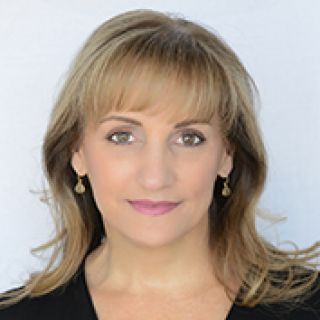 Melanie A. Barwick合作论文数Department of Psychiatry, Temerty Faculty of Medicine, University of Toronto7
 James M. Swanson合作论文数Department of Pediatrics, School of Medicine, University of California, Irvine;Child Development Center, School of Medicine, University of California, Irvine7Bonnie Lendrum合作论文数School of Nursing, McMaster University7
 Penny Corkum合作论文数University of Toronto7
 Robert B. Zipursky合作论文数Department of Psychiatry, Temerty Faculty of Medicine, University of Toronto7
 Melissa Kimber合作论文数Health Research Methodology Program, McMaster University and Offord Centre for Child Studies6
 Fayed Nora合作论文数School of Rehabilitation Science, McMaster University6
 Tobon Juliana I合作论文数Psychology, University of Western Ontario6Woodward Christel A合作论文数6
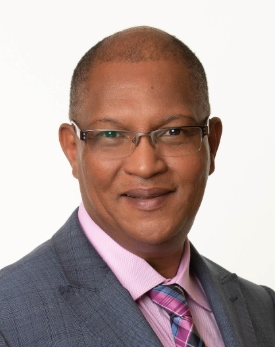 Lehana Thabane合作论文数Department of Health Research Methods, Evidence, and Impact, Faculty of Health Sciences, McMaster University;Michael G. DeGroote Cochrane Canada Centre, Faculty of Health Sciences, McMaster University;St. Joseph's Healthcare Hamilton6
 Ryan J. Van Lieshout合作论文数McMaster Children's Hospital, McMaster University6
 Kathy Georgiades合作论文数Department of Psychiatry and Behavioural Neurosciences, Faculty of Health Sciences, McMaster University;Offord Centre for Child Studies, Faculty of Health Sciences, McMaster University;Department of Health Research Methods, Evidence, and Impact, Faculty of Health Sciences, McMaster University6Andre Sourander合作论文数6Terja Ristkari合作论文数6Harry S. Shannon合作论文数6




