Differentially expressed proteins in luminal A, luminal B, Her2-enriched, and TNBC samples (Student t-test, p < 0.05). Related to Figure 3.
Proteins with the highest predictive values in classifying BC-LN− and BC-LN+ samples by ExtraTrees. Related to Figure 4.
Exosomes serve as intercellular communication vectors and are involved in a broad range of physiological functions. Although exosome-based therapies have demonstrated diverse functional potential, the regulatory mechanisms underlying their biogenesis and secretion remain poorly understood. Here, we report that TEAD1 functions as a molecular switch, dramatically enhancing the synthesis and secretion of exosomes. Mechanistically, TEAD1 enhances exosome secretion by promoting the expression of exosome secretion-associated proteins RAB11, CD9, and SNAP23. We found that TEAD1 enhances exosome secretion from adipose-derived mesenchymal stem cells, thereby promoting skin wound healing in diabetic mice. Similarly, TEAD1 promotes the release of exosomes from bone marrow-derived mesenchymal stem cells, thereby facilitating spinal cord injury (SCI) repair. Our study elucidates a novel role for TEAD1 in driving exosome secretion in different cell types, highlighting the therapeutic potential of TEAD1 in enhancing tissue regeneration, particularly in diabetic wound healing and SCI repair.
Potential EV survival biomarkers for the distant metastases of BC, related to Figure 5
Classification error matrix of the external validation cohorts for the 7 proteins using the XGBoost classifier, related to Figure 2
Lung adenocarcinoma follows a stepwise progression from pre-invasive to invasive. However, there remains a knowledge gap regarding molecular events from pre-invasive to invasive. Here, we conduct a comprehensive proteogenomic analysis comprising whole-exon sequencing, RNA sequencing, and proteomic and phosphoproteomic profiling on 98 pre-invasive and 99 invasive lung adenocarcinomas. The deletion of chr4q12 contributes to the progression from pre-invasive to invasive adenocarcinoma by downregulating SPATA18, thus suppressing mitophagy and promoting cell invasion. Proteomics reveals diverse enriched pathways in normal lung tissues and pre-invasive and invasive adenocarcinoma. Proteomic analyses identify three proteomic subtypes, which represent different stages of tumor progression. We also illustrate the molecular characterization of four immune clusters, including endothelial cells, B cells, DCs, and immune depression subtype. In conclusion, this comprehensive proteogenomic study characterizes the molecular architecture and hallmarks from pre-invasive to invasive lung adenocarcinoma, guiding the way to a deeper understanding of the tumorigenesis and progression of this disease.
Differentially expressed proteins between distant metastases and DCIS samples with >2-fold difference and two-way Student’s t-test p < 0.05. Related to Figure 5.
Background and Objective:Human serum albumin (HSA), a multifunctional plasma protein derived from the liver, plays a crucial role in the pathophysiology and management of liver diseases. Increasing research reveals that the non-colloid functions of HSA, especially its binding and transport of both endogenous and exogenous substances, are clinically important, beyond its well-characterized colloid effects such as maintaining oncotic pressure. In chronic liver diseases such as cirrhosis, impaired function of HSA disrupts its ligand-binding and detoxification processes, thereby leading to various complications. Common hepatic complications include metabolic dysfunction-associated steatohepatitis (MASH, formerly NASH), hyperbilirubinemia, and iron overload. This narrative review aims to explore the clinical applications of the binding and transport functions of HSA in the diagnosis and treatment of liver diseases, with the objective of offering insights into the comprehensive management of these conditions. Methods:A computerized search was performed in PubMed and Embase, restricting the results to articles published in English and Chinese from January 2000 to March 2025. The search keywords use Medical Subject Headings and related entry terms, including terms related to "serum albumin, human", "recombinant human albumin", "antineoplastic agents", "analgesics", "anti-bacterial agents", "diuretics", "antiviral agents", "fatty acids", "ferritins", "bilirubin", "protein conformation", and "Amino Acid Sequence". Additionally, inverse searches were conducted based on the identified papers in these databases to uncover further relevant studies that were not captured by the automated search process. Key Content and Findings:HSA-ligand binding exerts substantial effects on drug pharmacokinetic profiles from a clinical perspective, thereby impacting therapeutic efficacy of antiviral and antimicrobial agents, along with management strategies for hepatocellular carcinoma (HCC). Additionally, the concept of effective albumin concentration (eAlb) is proposed and highlights albumin's physiological function beyond its absolute serum levels with marked eAlb depletion in cirrhosis restored by albumin treatment. The adoption of recombinant HSA (rHSA) as a substitute for HSA remains constrained, pending further validation of its ligand-binding properties compared with HSA. Conclusions:This review elucidates structural, mechanistic, and clinical perspectives of HSA, and characterizes HSA as a prognostic biomarker as well as a therapeutic target, while emphasizing the critical need for standardized guidelines for optimal albumin use in liver disease.
The clinical data for our discovery cohort and validation cohorts. Related to Figure 1.
Prostate cancer (PCa) is one of the most common malignancies in men. There is limited data available regarding potential minimally-invasive biomarkers for predicting PCa outcomes and disease monitoring. Here, we investigate the proteomic profile of plasma in 222 patients with PCa and 159 healthy controls. Integrative analyses of the proteome profile and clinical features identified protein networks related to International Society of Urological Pathology (ISUP) grades and prostate-specific antigen (PSA). Proteome-based classification revealed three subtypes, PCa-I, PCa-II, and PCa-III, reflecting distinct clinical prognosis and molecular signatures. We develop a 17-protein panel and established a biochemical recurrence prediction model that effectively predicts biochemical recurrence for patients with PCa, which is better than ISUP grades and pathological stages. Finally, we validate the protein panel by parallel reaction monitoring (PRM) assay in an independent cohort. Collectively, this study portrays the plasma proteomic landscape of PCa cohort and provides a comprehensive resource for further biological and predictive research in PCa.
Background High-grade serous ovarian cancer (HGSOC) is the most lethal histological subtype of ovarian cancer, exhibiting significant heterogeneity and limited therapeutic options. A comprehensive characterisation of proteomic landscape across disease stages is needed to identify actionable biomarkers and therapeutic targets. Methods We performed proteomic profiling of 116 primary HGSOC tumours, followed by integrative bioinformatics analyses incorporating clinical annotation. Key findings were validated using multiplex immunohistochemistry, in vitro and in vivo functional assays, and external datasets. Findings We identified FIGO stage IIA as a crucial turning point distinguishing early-from advanced-stage disease, marked by a transition from oxidative stress to cell cycle-driven programmes. Trajectory analysis of tumour progression revealed GOSR2 as a key regulator of stage transition. Mechanistically, GOSR2 interacted with SEC24D to inhibit the secretion of CXCL9 and CXCL12, resulting in reduced CD8+ T cell infiltration. Unsupervised clustering defined three reproducible proteomic subtypes (S-I to S-III), which were validated in TCGA and single-cell transcriptomic datasets and associated with distinct clinical outcomes. The S-III subtype was characterised by ECM-receptor interaction, immune evasion, and poor prognosis. Transcription factors network analysis identified regulators potentially driving these phenotypes. In parallel, three immune-contexture subtypes (IC1-IC3) were delineated, reflecting differential tumour immune microenvironment states with prognostic relevance. Advanced-stage HGSOC was further stratified using ISG15, ITGB2, and RELA expression, idenfifying a subgroup with potential susceptibility to immunotherapy. Interpretation Our findings provide a framework for biomarker-guided stratification and the development of precision therapeutic strategies in HGSOC. Funding Key R&D Program of Zhejiang, NSFC, and 4+X CRP of WHZJU.
Abstract Plasma proteomics is expanding across platforms and cohorts, and integrating these data for AI demands comparability at the protein level, not merely concordant associations 1,2 . Affinity and MS platforms use distinct probes (antibodies, aptamers, or peptides) and signal readouts, yielding contradictory cross-platform results 3,4 . Without a known quantitative truth, we cannot distinguish biology from measurement distortion, leaving no gold standard for integration. Here we introduce Plasmix—a plasma reference suite with predefined male:female ratios (M, 1:0; Y, 3:1; P, 1:1; X, 1:3; F, 0:1)—and show that preserving this quantitative titration gradient, not just technical repeatability, predicts cross-platform concordance and identifies protein measurements suitable for integration. Profiling Plasmix across five platforms (Olink, SomaScan, NULISA, AAgAtlas, and MS-DIA) and 12 protocols across 17 batches, we found discordance is dominated by signal generation, not sample identity, and platforms distort signals in a protein-specific manner. Crucially, proteins retaining the titration response showed stronger agreement in an independent cohort; anchoring to the Plasmix midpoint (P) via sample-to-reference ratios reduced distortions, extending harmonizable coverage by 10–20%. Plasmix thus provides a physical ruler to benchmark accuracy, identifying genuinely integrable measurements before pooling datasets or training AI models—a critical bottleneck for plasma proteomics.
Overweight and obesity have become major health risks around the world. The risk factors and mechanisms for overweight and obesity are not fullyunderstood. It is critical to establish reliable factors associated with overweight and obesity. For future predictions, we examined the microRNA (miRNA) and protein expression levels of the Chinese population. Between 2017 and 2021, we conducted a community-based prospective cohort study of 1026 Chinese Han healthy adults in Zhengzhou, China. In this study, we analyzed the differentially expressed miRNA and protein profiles generated from 1026 subjects using RNA sequencing and proteomic analysis to investigate the potential association of levels of differential miRNAs and proteins with overweight and/or obesity in the Chinese Han adults. In our study, we identified 21 differential expression levels as a miRNA signature (10 up-regulated: hsa-miR-199b-5p, hsa-miR-548av-5p|hsa-miR-548 k, hsa-miR-362-5p, hsa-miR-181c-3p, hsa-miR-664b-5p, hsa-miR-148a-5p, hsa-miR-885-5p, hsa-miR-18a-3p, hsa-miR-590-3p and hsa-miR-450b-5p; 11 down-regulated: hsa-miR-26b-3p, hsa-miR-143-3p, hsa-miR-145-5p, hsa-miR-760, hsa-miR-205-5p, hsa-miR-654-5p, hsa-miR-1306-3p, hsa-miR-5010-5p, hsa-miR-655-3p, hsa-miR-196b-5p and hsa-miR-141-3p) associated with overweight or obese subjects. We then identified these potential miRNA direct target proteins and the associated miRNA-protein regulatory network with the Chinese obese phenotype. Furthermore, we found that these miRNA signatures and protein panels are associated with the onset and progression of obesity-related illnesses. These miRNA signatures and target protein panels may be used to predict obesity, identify potential new pathways, and serve as new biomarkers to predict overweight- and obesity-related diseases in the future.
 Jinwen Feng合作论文数Collaborat Innovat Ctr Genet & Dev, Fudan Univ58Yunzhi Wang合作论文数From the State Key Laboratory of Genetic Engineering and Collaborative Innovation Center for Genetics and Development, Institutes of Biomedical Sciences, School of Life Sciences, Fudan University, Shanghai 200032, China;38
 Jun Qin (秦钧)合作论文数Baylor College of Medicine;Beijing Proteome Research Center38
 Yan Li (李嫣)合作论文数School of Pharmaceutical Sciences, Fudan University37
 Fuchu He (贺福初)合作论文数Institute of Biomedical Sciences, Fudan University;Human Phenome Institute, Fudan University;National Center for Protein Sciences33Sha Tian合作论文数32
 Yingyong Hou (侯英勇)合作论文数Zhongshan Hospital, Fudan University31Mingwei Liu合作论文数Beijing Inst Radiat Med, Beijing Proteome Res Ctr, State Key Lab Prote, Beijing 102206, Peoples R China29Ling-Ling Li合作论文数28Jiacheng Lyu合作论文数26
 Kai Li (李恺)合作论文数26Subei Tan合作论文数23Guoying Yu (余国营)合作论文数23Chen Xu合作论文数23Qiao Zhang合作论文数20
 Jianyuan Zhao (赵健元)合作论文数Xinhua Hospital, School of Medicine, Shanghai Jiao Tong University20Dongxian Jiang (蒋冬先)合作论文数20Yi Wang合作论文数18Jiajun Zhu合作论文数18Ganfei Xu合作论文数17Chunmei Guo合作论文数17
 Lin Bai (白琳)合作论文数Institute of Laboratory Animal Sciences, Peking Union Medical College16
 Wanlin Liu合作论文数16Bei Zhen合作论文数15
 Hongxia Wang (王红霞)合作论文数Department of Oncology, Shanghai General Hospital, Shanghai Jiaotong University School of Medicine;Comprehensive Cancer Center, Shanghai General Hospital, Shanghai Jiaotong University School of Medicine15
 Olivier Gires合作论文数Department of Gene Vectors, Ludwig-Maximilians-University15Reziya Wumaier合作论文数14Mengyu Tao合作论文数14Jie Huang合作论文数14Junjian Li合作论文数Shanghai Gen Hosp, Shanghai, Peoples R China14YuanYuan Qu (瞿元元)合作论文数14Erxiang Xu合作论文数13L. Wang合作论文数13
 Zhonghua Tao合作论文数13
 Peng Ran合作论文数12
 Lei Song (宋雷)合作论文数Fupava Hlptm.Cams&Puwac, National Center For Cardiovascular Diseases12
 Dingwei Ye (叶定伟)合作论文数Institutes of Biomedical Sciences, Fudan University;Fudan University Shanghai Cancer Center12
 Wen Huang (黄文)合作论文数College of Electrical and Information Engineering, Hunan University11
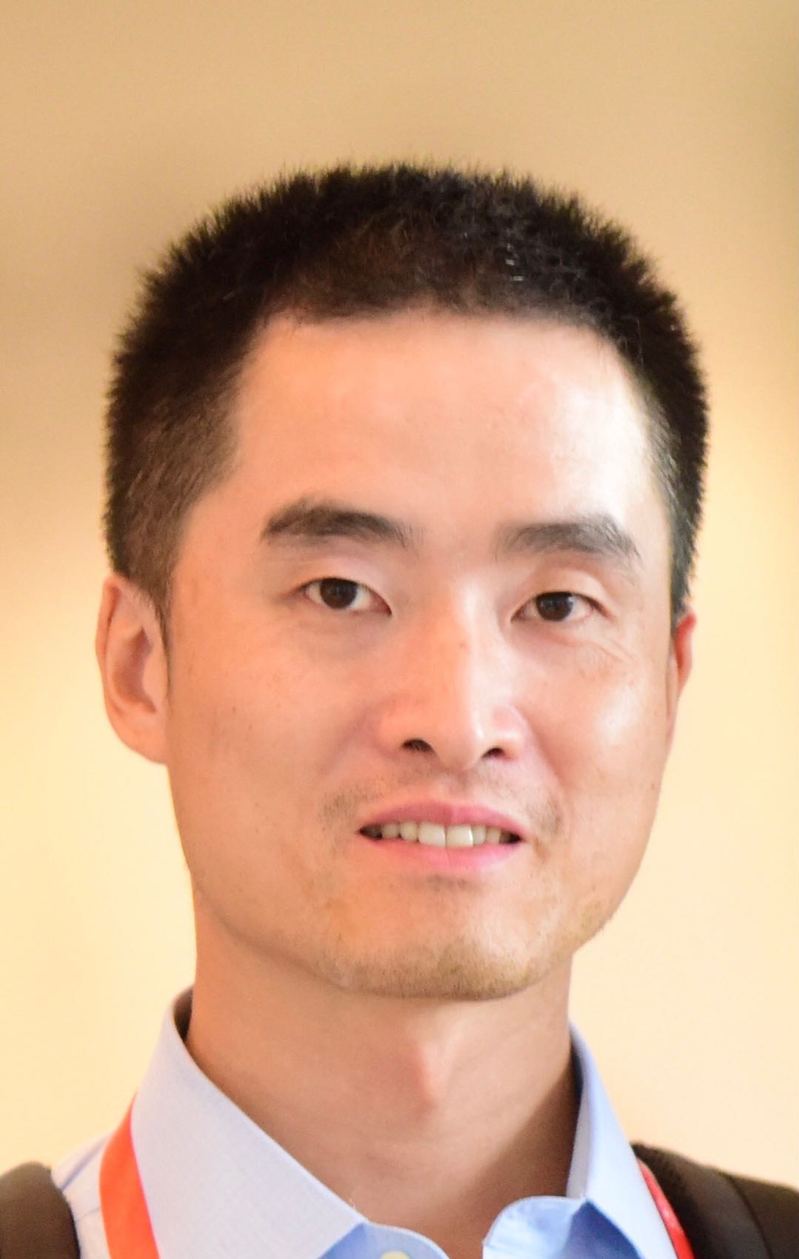 Wei Yu (余巍)合作论文数School of Life Sciences, Fudan University11
 Yuanting Zheng (郑媛婷)合作论文数School of Life Sciences, Fudan University11
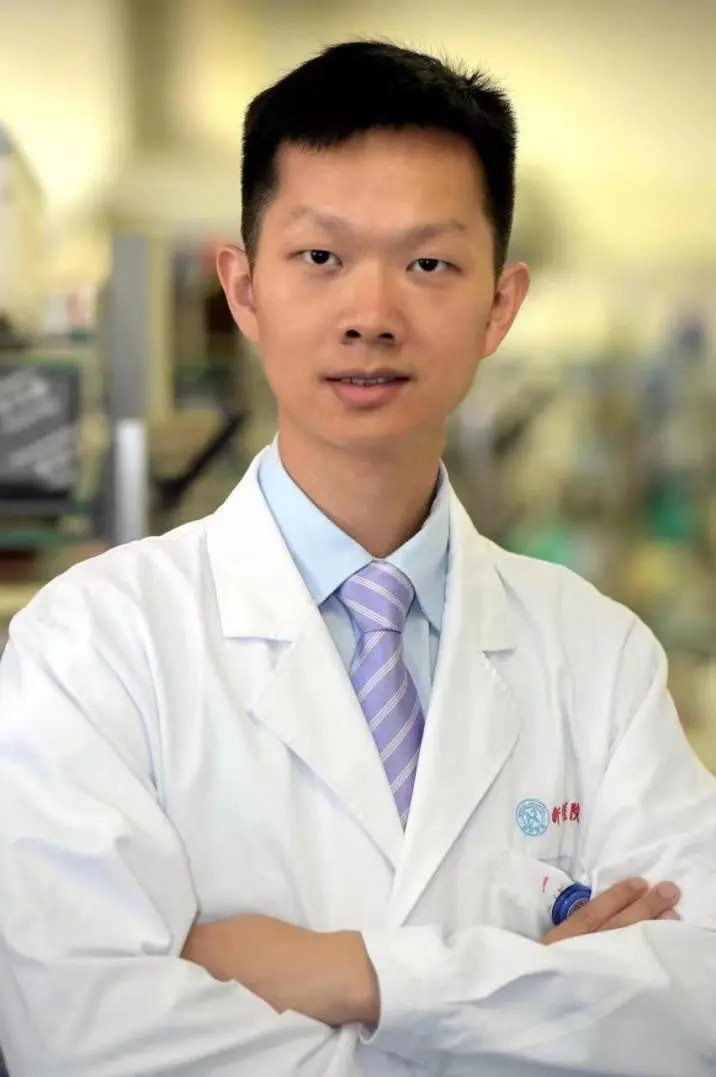 Chenying Liu (刘辰莹)合作论文数Xinhua Hospital Affiliated to Shanghai Jiao Tong University School of Medicine11
 Hailiang Zhang (张海梁)合作论文数Fudan University Shanghai Cancer Center11Bing Wang合作论文数10
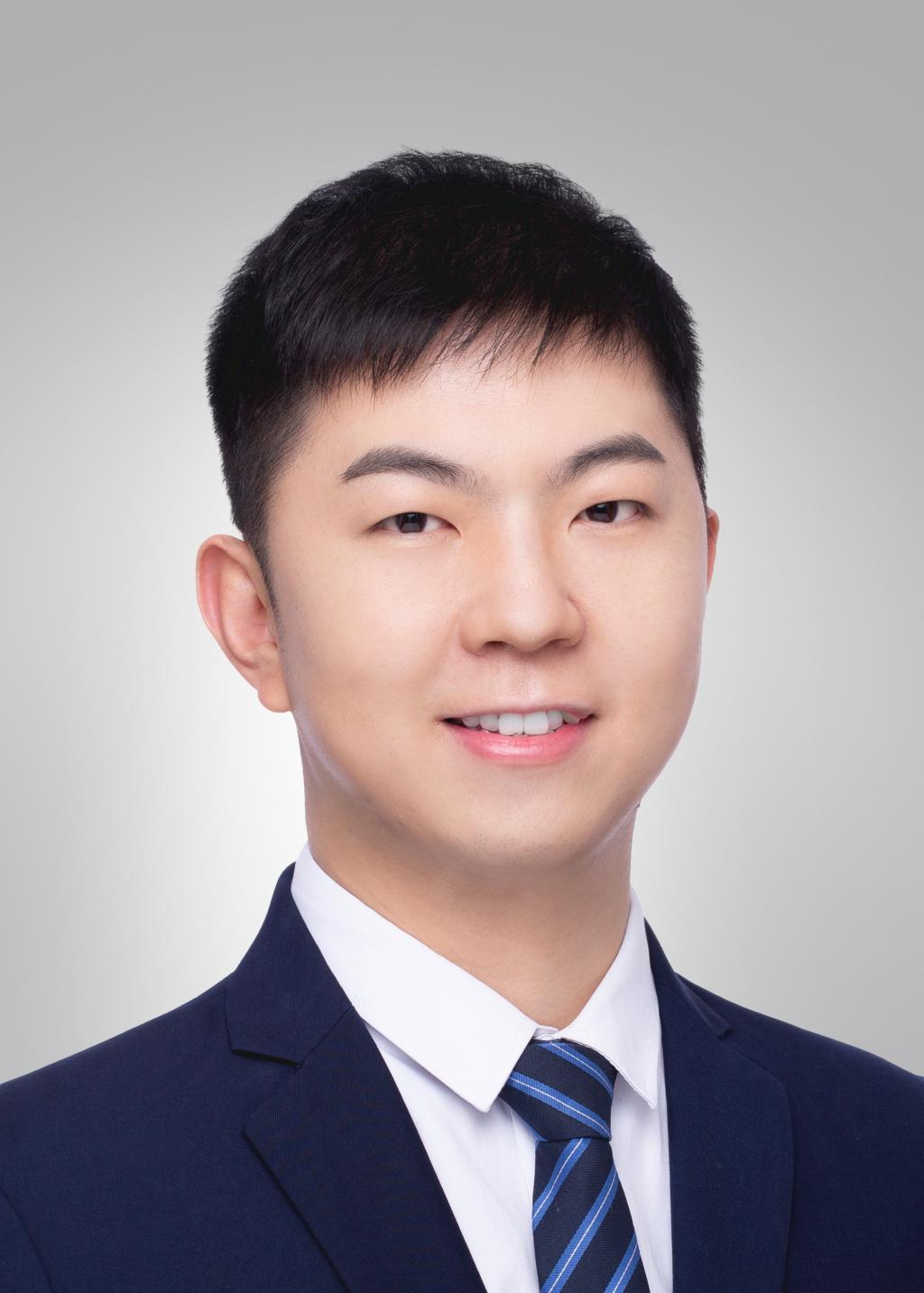 Wenhao Shi (石文昊)合作论文数Tsinghua University Analysis Center10
 Hui Liu合作论文数10
 Li Jin (金力)合作论文数Department of Anthropology and Human Genetics, School of Life Sciences, Fudan University;Shanghai College of Medicine, Fudan University10Rongkui Luo合作论文数9Ning Xu (许宁)合作论文数9




