Major depressive disorder (MDD) is a risk factor for neurodegeneration, yet its heterogeneity makes identifying at-risk subtype challenging. Notably, MDD frequently co-occurs with REM sleep behavior disorder (RBD), a specific prodrome of α-synucleinopathy. It remains unclear whether comorbid MDD + RBD reflects a benign antidepressant effect, or higher neurodegenerative risk. Given growing recognition of gut-brain axis in neuropsychiatry, we aimed to delineate microbial signatures of MDD + RBD. We employed a four-group case-control design (N = 420) comprising 124 healthy controls (HC); 80 MDD without RBD features (MDD-only); 82 MDD + RBD; and 134 iRBD without psychiatric disease. All participants underwent clinical evaluation and provided fecal samples for metagenomic sequencing. Random Forest model was used to distinguish MDD + RBD, and further assessed in a validation dataset of 65 participants with MDD + RBD (n = 31) and MDD-only (n = 34). MDD + RBD exhibited prodromal neurodegenerative features, including elevated total likelihood ratio of prodromal Parkinson's Disease, olfactory deficits, and subtle motor signs. The microbial composition in MDD + RBD differed from HC and MDD-only, while resembling iRBD. Taxonomically, MDD + RBD exhibited an iRBD-like dysbiosis (e.g., enriched Akkermansia muciniphila, Ruthenibacterium lactatiformans; depleted Faecalibacterium prausnitzii), alongside depression-associated shifts (e.g., Streptococcus parasanguinis and Actinomyces oris). Functionally, MDD + RBD showed attenuated capacity of B‑vitamin biosynthesis and polysaccharides degradation, mirroring iRBD. The Random Forest machine-learning model distinguished MDD + RBD in older adults from MDD-only with an AUC of 0.73 in cross-validation and 0.79 in the validation dataset. MDD + RBD may represent a biologically distinct depression subtype associated with potential neurodegenerative risk. Gut microbiome provides a candidate approach for potential risk stratification in psychiatric populations.
ABSTRACT Obstructive Eustachian tube dysfunction (ETD) commonly complicates chronic otitis media (COM), yet microbial factors at the Eustachian tube (ET) openings remain poorly understood. In this prospective cohort study, we characterized the microbiota at both the middle ear (ME) and nasopharyngeal (NP) ET openings in COM patients undergoing ear surgery and examined associations with obstructive ETD over one year of follow-up. Using 16S rRNA gene sequencing and functional inference, we profiled microbial communities from the ME-side ET opening and the torus tubarius on both surgical-side and contralateral nasopharynx. Among 37 patients (18 with ETD, 19 without), ME and NP microbiota differed significantly in composition. Ears with ETD showed increased ME microbial diversity and enrichment of Neobacillus, Agrobacterium, and Sphingomonas. Paired NP-ME analyses indicated an altered NP–ME microbial relationship in ETD, with Neobacillus showing a nasopharyngeal source signal. Functional prediction revealed increased porphyrin metabolism and decreased pyruvate metabolism in ME microbiota with ETD, suggesting a shift toward biofilm formation and altered redox states. Anaerococcus was increased in the nasopharynx of patients with bilateral COM. These findings identify distinct microbial and metabolic features of COM with obstructive ETD, supporting a role for nasopharyngeal-microbial influence on ME pathology.IMPORTANCEChronic otitis media (COM) is a common and often persistent ear disease, especially when complicated by Eustachian tube dysfunction (ETD). By profiling microbiota at both Eustachian tube openings, this study links upper-airway microbial ecology with middle-ear microbial states in COM and helps clarify where clinically relevant signals may arise along the Eustachian tube pathway. The paired nasopharyngeal–middle ear design revealed that nasopharyngeal microbes may be linked to middle-ear community shifts in COM with obstructive ETD, consistent with a potential upper airway contribution to the middle-ear microbiota, generating testable hypotheses about microbial exchange and persistence. These findings highlight the upper airway microbiome as a potential target for developing new preventive and therapeutic strategies in COM.
BACKGROUND:Antibiotics are commonly prescribed to patients with nasopharyngeal carcinoma (NPC) during chemoradiotherapy; however, peri-treatment antibiotic use may adversely affect patients' outcomes. METHODS:A retrospective cohort study was conducted. The association between antibiotic use and patients' survival time was analyzed using Kaplan-Meier and Cox proportional hazards regression models. RESULTS:Among 455 NPC patients, 42.0% received antibiotics around primary treatment. Patients who had an advanced tumor stage (p = 0.019) or had received neoadjuvant chemotherapy (p = 0.008) or concurrent chemoradiotherapy (p = 0.002) were more likely to be prescribed antibiotics. Univariate analysis showed that antibiotic use around primary treatment was associated with worse disease-specific survival (DSS) at both 5 years (p = 0.043) and 10 years (p = 0.019). Subgroup analysis showed that 5-year and 10-year DSS were significantly shortened in patients receiving RT only and Abx within 2 w or 1 w around RT (5-year: 2 w p = 0.001, 1 w p < 0.001; 10-year 2 w p < 0.001, 1 w p = 0.005). CONCLUSIONS:In NPC, antibiotic use around primary treatment was associated with poorer disease-specific survival. Further prospective studies are warranted to clarify the causality and underlying mechanisms.
ABSTRACT Background Tongue cancer is the most prevalent form of cancer in the intraoral region across many countries. This study aims to explore the global burden of the disease, its associated risk factors, and trends in incidence over time across different demographic groups. Methods Data were extracted from the Global Cancer Observatory, Cancer Incidence in Five Continents Plus, Global Burden of Disease, the United Nations, and the World Bank. Linear regression analysis was applied to assess the relationship between tongue cancer incidence and various factors. Temporal trends in tongue cancer incidence across countries and regions were analyzed using the Average Annual Percentage Change (AAPC). The accuracy of these trend estimates was reported with 95% confidence intervals (CI). Results A total of 151,338 cases of tongue cancer were identified globally, with an age‐standardized rate (ASR) of 1.7 per 100,000 population. The highest ASRs were observed in South‐Central Asia (3.4), Northern America (2.3), and Northern Europe (2.1). Males were found to have a higher ASR (2.6) compared to females (0.86). Tongue cancer incidence was significantly linked to a higher prevalence of smoking (β = 0.038, CI: 0.016–0.059, p = 0.001), alcohol consumption (β = 0.049, CI: 0.027–0.072, p < 0.001), and dietary factors (β = 0.013, CI: 0.002–0.024, p = 0.025). An increasing trend was presented globally based on pre‐2013 data, except for the Philippines, which showed the only significant drop. Conclusion Geographical variation was observed in tongue cancer, with South‐Central Asia having the highest disease burden. The higher incidence of tongue cancer in males may be attributed to smoking and alcohol, highlighting the need for intensive lifestyle modifications.
Human papillomavirus type 16 (HPV16) causes more cancer than any other virus. However, most HPV16 infections are controlled by the host's immune system and it remains unclear how viral and host genetic variation contribute to infection outcomes. Here, we analyze 4704 HPV16 whole genomes to identify 56 viral codons putatively under positive natural selection to change their amino acids, with evidence including dN/dS > 1, evolutionary convergence, and structural importance in the protein. We find that codons under positive selection disproportionately overlap known HPV16 immune epitopes recognized by cytotoxic T lymphocytes, particularly those restricted by the previously reported risk allele HLA-B*07:02 (odds ratio [OR] = 4.9; 95%CI = 2.1-10.3; PFisher = 0.00015), exemplified by position 10 of the E6 oncoprotein. Positively selected codons also disproportionately overlap 158 nucleotide sites at which the evolutionary sub/lineages of HPV16 have diverged (OR = 19.1; 95%CI = 10.5-34.7; PFisher < 2.2×10⁻¹⁶), and show more rare variation in cervical precancers/cancers than controls (benign or cleared HPV16 infections) in the E1 protein (OR = 9.34, 95%CI = 1.4-402.5; PFisher = 0.0084). Our results suggest that a small subset of HPV16 variants can improve viral persistence through escape of HLA-related immune recognition. The interaction of HPV16 and HLA variation may help to explain how similar or identical viral isolates can have such disparate infection outcomes.
OBJECTIVE:This review compares the oral microbiota profiles of preschool children with early childhood caries (ECC) to those of caries-free controls. METHODS:PubMed, Web of Science, Embase, and Scopus were systematically searched for English-language reports published before January 1, 2026. Studies using next-generation sequencing (NGS) to compare the oral microbiota of systemically healthy preschool children (≤6 years) with and without ECC were included. Data on study characteristics, participant and sample information, study methods, and key study outcomes were extracted. Data were qualitatively synthesized, stratified by oral sample type and microbial kingdom. RESULTS:Twenty-one studies published between 2013 and 2025 were included. Some studies include overlapping sample types and microbial kingdoms, with three examining both plaque and salivary samples, and three analyzing both bacterial and fungal microbiota. Nine studies examined plaque bacterial microbiota. Eight reported no differences in alpha diversity between ECC-affected children and caries-free controls, whereas all studies reported significant differences in beta diversity between groups. Based on replication criteria, ten bacterial species were enriched and nine were depleted in ECC. Four studies examining plaque fungal microbiota yielded no consistent findings regarding fungal diversity, reflecting heterogeneity and limited replication across studies. However, two fungal species were found to be enriched in ECC in two studies. Twelve studies assessed salivary bacterial microbiota. Ten reported similar alpha diversity between ECC and control groups, while findings on beta diversity were inconsistent across studies. Based on replication criteria, four bacterial species were enriched in ECC and one was depleted. Three studies examined salivary fungal microbiota, with no consistent findings on fungal diversity and limited concordance between studies. CONCLUSION:This review indicates that bacterial communities exhibit similar species diversity between ECC-affected children and caries-free controls in both sample types. While plaque bacterial communities consistently differed in beta diversity and species abundance between the two groups, salivary bacterial communities show less consistent differences in beta diversity between ECC and controls. Fungal microbiota in both plaque and saliva remain understudied. CLINICAL SIGNIFICANCE:This review provided comprehensive evidence on the microbial features associated with ECC, highlighting stronger associations between plaque-specific dysbiosis and clinical caries status in preschool children.
OBJECTIVES:The stage-specific ecological and functional microbial features of ECC remains poorly defined. This study aimed to characterize the lesion-associated microbiome and evaluate stage-specific microbial signatures of ECC. METHODS:Paired supragingival plaque samples were collected from an active cavitated lesion (caries) and a spatially-matched intact surface (control) of 84 ECC-affected children aged 3 - 4 years. Lesions were classified by depth as enamel caries and dentine caries. Microbial profiles were generated by 16S rRNA sequencing and analysed for community diversity, structure, and differentially abundant taxa. PICRUSt2 was used for functional prediction. RESULTS:Alpha diversity did not differ between caries and controls, but beta diversity revealed significant compositional separation. PERMANOVA identified disease status as the main driver of community variation, with disease staging as an additional significant factor. Caries lesions were enriched with classical and emerging cariogenic taxa, including Streptococcus mutans, Prevotella histicola, Prevotella salivae, Selenomonas sputigena, Scardovia wiggsiae, and Veillonella dispar. A 13-species panel distinguished caries from controls with an AUC of 0.85. Stratification by caries staging revealed pronounced dysbiosis confined to the dentine caries subgroup. Functional prediction suggested that dentine caries had a distinct inferred profile, with predicted enrichment of carbohydrate metabolism pathways, the phosphotransferase system, and the pentose phosphate pathway. CONCLUSIONS:In ECC-affected children, plaque microbiome in carious lesions showed distinct compositional, ecological and functional alterations versus unaffected surfaces, with further dysbiosis driven by caries progression. Dentine caries featured a stage-specific consortium of cariogenic taxa and a predicted functional shift toward intensified carbohydrate uptake and fermentation, informing potential microbiome-targeted strategies for ECC management. CLINICAL SIGNIFICANCE:The identified ecological progression of ECC offers key microbial biomarkers to inform microbiome-targeted preventive and therapeutic strategies, ultimately improving clinical outcomes in pediatric dentistry.
Human papillomavirus type 45 (HPV45) causes ~6% of all cervical cancers and an even greater proportion of adenocarcinomas, the latter of which are challenging to detect using current cervical cancer screening. Little is known about how HPV45 genetic variation is related to the risk of cervical precancer/cancer. To investigate this, we whole-genome sequenced a total of 1,083 HPV45-positive samples from two large studies. We evaluated associations of HPV45 genetic variation (sublineages, subclades, and SNPs) with histology-specific precancer/cancer risk using logistic regression and evaluated risk modification by self-reported race/ethnicity. Compared to the common A1 sublineage, A2 and B1 were associated with increased precancer/cancer (A2, OR = 3.9, 95% CI = 1.9-8.5; B1, OR = 2.7, 95% CI = 1.3-5.8; B2, OR = 3.3, 95% CI = 1.6-7.3), and most strongly with the glandular precancers/cancers (AIS/ADC; A2, OR = 6.9, 95% CI = 1.0-184; B1, OR = 6.2, 95% CI = 1.1-159). The A2 sublineage was most prevalent in women in East Asia and women who self-reported as Asian/Pacific Islander (PI) in the U.S.; East Asian and Asian/PI women had the greatest precancer/cancer risk associated with A2 infections (OR = 5.8, 95% CI = 1.3-37.4) compared to all other sublineages among these women. We further evaluated precancer/cancer risk associations for 262 individual HPV45 SNPs and identified four SNPs significantly associated with only glandular precancers/cancers after correction for multiple tests (ORs ranged 7.8-20.7). One of these SNPs was a nonsynonymous variant in both overlapping viral E2/E4 ORFs. In summary, we show that HPV45 genetic variation influences the risk of precancer/cancer, specifically glandular precancer/cancer. Further studies of these genetic variants may improve our understanding of glandular lesions.
This review highlights recent progress in exosome-based drug delivery for cancer therapy, covering exosome biogenesis, cargo selection mechanisms, and their application across multiple cancer types. As small extracellular vesicles, exosomes exhibit high biocompatibility and low immunogenicity, making them ideal drug delivery vehicles capable of efficiently targeting cancer cells, minimizing off-target damage and side effects. This review aims to explore the potential of exosomes in cancer therapy, with a focus on applications in chemotherapy, gene therapy, and immunomodulation. Additionally, challenges related to exosome production and standardization are analyzed, highlighting the importance of addressing these issues for their clinical application. In conclusion, exosome-based drug delivery systems offer promising potential for future cancer therapies. Further research should aim to enhance production efficiency and facilitate clinical translation, paving the way for innovative cancer treatment strategies.
Head and neck cancer (HNC) is a type of common cancer accounting for approximately 4.7% of all incident cancer cases in 2022. This study aims to investigate the trend of HNC on global distribution. We collected related data from the Global Cancer Observatory and Cancer Incidence in Five Continents Plus database, risk factor data at the country level, HDI, and GDP. Multivariable linear regression was conducted to assess HNC and risk factors. Joinpoint regression analysis was used to calculate Average Annual Percentage Change (AAPC). The global age-standardized rate of HNC incidence was 9.8 in 2022. At the sub-region level, Melanesia (18.5), South Central Asia (16.2), and Eastern Europe (12.7) had the highest incidence of HNC. At the country level, Bangladesh (23.7) and Papua New Guinea (22.2) had the highest incidence. A higher HNC incidence ratio was associated with higher levels of smoking, alcohol drinking, unhealthy dietary behavior, diabetes, and lipid disorders. There was a rising trend in HNC for the female population, which may be attributed to the increase in female smoking. Mixed trends were observed in the male population, with decreasing trends observed in some high-HDI countries where smoking is better controlled. Future studies are recommended to investigate the epidemiological changes.
Abstract Head and neck squamous carcinoma (HNSCC) is an aggressive cancer with few treatment options. Its well-known genetic heterogeneity presents a major challenge for precision medicine development. We report a newly developed panel of 20 HNSCC patient-derived cultures (HNSCC-PDCs) from advanced or recurrent HNSCC, with comprehensive somatic and germline characterization for precision medicine (PM) discovery. The PDCs retain genetic heterogeneity of the original patient tumors, and xenografts of which also phenocopied HNSCC patient tumors. Importantly, somatic and germline events that were never or seldom captured by long-established HNSCC cell lines are represented by the PDC panel, including HRAS-CASP8 co-mutations, EGFR-AS1 germline mutation, exonic germline PIK3CA mutation, sonic hedgehog (SHH) pathway and FGFR pathway mutations. We hypothesize that drug screening with this newly developed HNSCC-PDC panel that recapitulates HNSCC patient genetics may identify new gene-drug sensitivity relationships for precision medicine development in advanced HNSCC. Here, data from our pilot drug screen of 38 selected FDA approved/Phase I-II clinical trial agents first reveal: 1) HNSCC-PDC with the hotspot HRASp.G13R, together with CASP8p.L183S, is sensitive to tipifarnib vs. tipifarnib-resistance in a long-established HNSCC cell line, SNU899 with the same HRAS mutation. Subsequent high-content imaging cell death assay further demonstrates a dose-dependent tipifarnib-induced cell death in HRASp.G13R-mutated PDC, but not in SNU-899; 2) TP53-EP300 co-mutated HNSCC-PDCs are most sensitive to cisplatin with ~340 nM sensitivity (mean IC50) among all PDCs tested, which is 22 times more sensitive than that reported in Genomics of Drug Sensitivity in Cancer (GDSC) HNSCC cell lines; 3) EGFR-AS1 (c.2361G>A)-germline mutated PDCs, and MAPK1-mutated PDCs, are both hypersensitive to EGFR inhibitors (EGFRi: erlotinib and mobocertinib), which independently credentialed gene-drug sensitivity relationships reported in exceptional responders in HNSCC clinical trials. Further signaling investigation in PDC models demonstrates phospho-MAPK activation as a reliable surrogate biomarker for EGFRi sensitivity in HNSCC; 4) FRS3-mutated PDCs are sensitive to FDA-approved FGFR pathway inhibitors; and 5) TP53-wildtype HNSCC-PDCs are 150-fold more sensitive to novel p53-MDM2 interaction inhibitors vs. TP53-mutated PDCs, a phenomenon that cannot be captured in long-established TP53-wildtype HNSCC cell lines. Lastly, 4 pan-PDC effective agents are identified with nM sensitivities and high drug activities (i.e. drug-induced growth inhibition) in more than half of our PDC models. These include 3 FDA-approved agents, TAK-981, Selinexor (a novel XPO1 inhibitor), and trametinib, as well as the preclinical agent JQ1. In conclusion, our pilot HNSCC-PDC drug screen identifies new gene-drug sensitivity relationships for HNSCC PM development and new pan-effective agents for advanced HNSCC. Citation Format: Yuen Keng Ng, Hui Li, Wenying Piao, Cecilia Pik Yuk Lau, Peony Hiu Yan Poon, Tin Yu Samuel Law, Jason Ying Kuen Chan, Yuxiong Su, Chin Wang Lau, Zigui Chen, Laura Ren Huey Ip, Thomas Chung-Kit Yeung, Sai Fung Yeung, Jason Hoi-Lam Ngan, Zoey Wing Yee Liu, Noah R. Wiese, Vivie Vo, Zoey Patel, Jeremia Onyekachi, Laili Afzali, Jasmine Zohal Afzali, Jack Nimitz Smith, Vivian Wai Yan Lui. A newly developed patient-derived culture panel identifies precision therapies and pan-effective agents for head and neck squamous cell carcinoma [abstract]. In: Proceedings of the American Association for Cancer Research Annual Meeting 2024; Part 2 (Late-Breaking, Clinical Trial, and Invited Abstracts); 2024 Apr 5-10; San Diego, CA. Philadelphia (PA): AACR; Cancer Res 2024;84(7_Suppl):Abstract nr LB413.
In the aquatic microbial food web, scuticociliates are diverse and predominant in almost all kinds of biotopes while extremely confused regarding their taxonomy and systematic relationships within the subclass Scuticociliatia. Here we provide detailed descriptions of two new and one known species, Glauconema sinica sp. nov., Pleuronema parasetigerum sp. nov., and Histiobalantium natans viridis, isolated from a freshwater wetland in northern China, along with their molecular phylogeny based on SSU rRNA gene sequences. Our results show: (1) both molecular and morphological data strongly support that the isolated lineage containing the genera Glauconema, Miamiensis, Paramesanophrys, and Anophryoides should be identified as a new taxon at the family level in the order Philasterida; hence, a new family, Glauconematidae fam. nov., is established. This new family is mainly characterized by the polymorphic life cycle of its members (macrostome and microstome stages); the trophont (or macrostome) has closely spaced membranelles 1–3, whereas in the tomite (or microstome) membranelle 1 is distant from membranelle 2. (2) Phylogenetic analyses using novel data for these species revealed that all three cluster with their congeners, supporting the validity of the genera to which they belong. Molecular information also supports the monophyly of the two main scuticociliate orders Pleuronematida and Philasterida.
Abstract Introduction: Persistent infection with a high-risk HPV (HR-HPV) type causes cervical cancer and many other cancers in both men and women. Our published data have shown that the distribution of specific HPV16/35 sublineages and genetic variants differ around the world and confer greater risk of cervical precancer/cancer in the populations where the virus is thought to have originated and coevolved. More studies are needed to evaluate the relationship between race/ethnicity, HR-HPV genetic variation, and precancer/cancer risk. Objective: To evaluate HPV45 and HPV52 genetic variation, and how it relates to a woman’s race/ethnicity and cervical precancer/cancer risk, using HPV whole-genome sequencing of 774 HPV45+ and 719 HPV52+ women in the NCI-Kaiser Permanente Northern California (KPNC) HPV Persistence and Progression cohort; and compared to HPV16/35. Methods: We viral genome sequenced 557 HPV45+ and 345 HPV52+ controls (women with benign infections [≤CIN1]), and 94 HPV45+ and 227 HPV52+ precancer/cancer cases (CIN3+). We evaluated HPV45 and HPV52 prevalence for each type by a woman’s self-reported race/ethnicity, and compared them to HPV16 and HPV35 using existing comparable NCI-KPNC data. To assess associations between HPV45 and HPV52 genetic variation (viral sublineages and SNPs) and infection outcome, we used Fisher’s Exact Tests and logistic regression to estimate the OR and 95% CI. Results: For HPV45, we determined that sublineages have varying histology-specific precancer/cancer risk (ORs ranged from 2-14), and that the sublineage distribution significantly varied by race/ethnicity (p < 0.001). By race, the HPV45 A2 sublineage was most prevalent in Asian/PI women and was associated with the highest risk of CIN3+ in these women compared to other races/ethnicities (OR=5.7, 95% CI=1.5-29.4), while the B2 sublineage was associated with increased risk of CIN3+ in Black women only (OR=6.1, 95% CI=1.2-33.6). The prevalence of each HR-HPV type (HPV16/35/45/52) significantly varied by race/ethnicity (p < 0.001). For each type, White was the most reported race/ethnicity; however, Black women were a greater proportion of the HPV35+ cases compared to other types (15% vs 8-10%), and Asian/PIs were a greater proportion of HPV52+ cases (26% vs 10-13%). HPV52 genome analyses are still underway; we will present the complete study results (i.e., sublineage risk by race) at AACR. Conclusions: We conducted the largest studies of HPV45 and HPV52 genome variation to date. We demonstrate that specific HPV45 sublineages vary by race and are associated with an increased risk of precancer/cancer for specific races/ethnicities, and that HPV52 infection has a greater prevalence in Asian/PI women compared to other racial groups. Our data suggest that certain HR-HPV types and specific sublineages of these types are more common in specific racial/ethnic groups and potentially linked to differing risks by race. Citation Format: Aimee J. Koestler, Chase W. Nelson, Meredith Yeager, Zigui Chen, Laurie Burdett, Sambit K. Mishra, Michael Dean, Elizabeth Suh-Burgmann, Thomas Lorey, Phillip E. Castle, Mark Schiffman, Lisa Mirabello. HPV45 and HPV52 prevalence, within-type variants, and precancer/cancer risks differ by race/ethnicity [abstract]. In: Proceedings of the American Association for Cancer Research Annual Meeting 2024; Part 1 (Regular Abstracts); 2024 Apr 5-10; San Diego, CA. Philadelphia (PA): AACR; Cancer Res 2024;84(6_Suppl):Abstract nr 3948.
IntroductionThere is insufficient understanding on systemic interferon (IFN) responses during COVID-19 infection. Early reports indicated that interferon responses were suppressed by the coronavirus (SARS-CoV-2) and clinical trials of administration of various kinds of interferons had been disappointing. Expression of interferon-stimulated genes (ISGs) in peripheral blood (better known as interferon score) has been a well-established bioassay marker of systemic IFN responses in autoimmune diseases. Therefore, with archival samples of a cohort of COVID-19 patients collected before the availability of vaccination, we aimed to better understand this innate immune response by studying the IFN score and related ISGs expression in bulk and single cell RNAs sequencing expression datasets.MethodsIn this study, we recruited 105 patients with COVID-19 and 30 healthy controls in Hong Kong. Clinical risk factors, disease course, and blood sampling times were recovered. Based on a set of five commonly used ISGs (IFIT1, IFIT2, IFI27, SIGLEC1, IFI44L), the IFN score was determined in blood leukocytes collected within 10 days after onset. The analysis was confined to those blood samples collected within 10 days after disease onset. Additional public datasets of bulk gene and single cell RNA sequencing of blood samples were used for the validation of IFN score results.ResultsCompared to the healthy controls, we showed that ISGs expression and IFN score were significantly increased during the first 10 days after COVID infection in majority of patients (71%). Among those low IFN responders, they were more commonly asymptomatic patients (71% vs 25%). 22 patients did not mount an overall significant IFN response and were classified as low IFN responders (IFN score < 1). However, early IFN score or ISGs level was not a prognostic biomarker and could not predict subsequent disease severity. Both IFI27 and SIGLEC1 were monocyte-predominant expressing ISGs and IFI27 were activated even among those low IFN responders as defined by IFN score. In conclusion, a substantial IFN response was documented in this cohort of COVID-19 patients who experience a natural infection before the vaccination era. Like innate immunity towards other virus, the ISGs activation was observed largely during the early course of infection (before day 10). Single-cell RNA sequencing data suggested monocytes were the cell-type that primarily accounted for the activation of two highly responsive ISGs (IFI44L and IFI27).DiscussionAs sampling time and age were two major confounders of ISG expression, they may account for contradicting observations among previous studies. On the other hand, the IFN score was not associated with the severity of the disease.
Purpose/Objective Patients with nasopharyngeal carcinoma (NPC) benefit from antibiotics when there are infective complications during and around chemoradiotherapy, but there is some indication that antibiotics used peri treatment may affect patients’ outcomes. Here we sought to elucidate the exact impacts of antibiotics on NPC patients’ outcomes around primary treatment. Material/Methods This was a retrospective cohort study in a tertiary academic center in Hong Kong SAR. NPC patients treated for primary disease between 2010 and 2014 were evaluated for the impact of antibiotics prescribed around primary treatments on recurrence-free survival (RFS), disease-specific survival (DSS), and overall survival (OS), which was analyzed by multivariate Kaplan–Meier and Cox Proportional Hazard Regression analysis. The data were analyzed and performed with SPSS, V27.0 and GraphPad, V8.0 Results A total of 455 patients with primary NPC were included in the study. The cohort consisted of predominantly males (75.6%). Patients who had advanced tumor stage (p=0.019), received NC (p=0.008) or CCRT (p=0.002), were more likely to be prescribed antibiotics. On univariate analysis smoking (p=0.02), advanced stage of disease (p=0.007), lymph node metastasis (p= 0.004), NC administration(P<0.001) and antibiotic use was associated with a poorer year DSS in NPC patients. Antibiotic use around primary NPC treatment (5-year: HR 1.644 95%CI [1.015, 2.665], 10-year: 1.640 [1.085, 2.480]), within 2 weeks (5-year: 1.685 [1.015, 2.799], 10-year: 1.600 [1.030, 2.486]) or 1 week (5-year: 1.811 [1.073, 3.055]), were associated with significantly worse DSS in NPC patients, Figure 1 shows the Kaplan Meir curves. The negative elements included using specific antibiotics (5-year: 2.53 [1.331, 4.807], 10-year: 2.215 [1.236, 3.969]) and oral administration as well (5-year: 1.731 [1.069, 2.805], 10-year: 1.647 [1.087, 2.497]). Multivariate analysis showed a trend towards worse DSS at 5 years with antibiotic use at 1 week around therapy (P=0.054). Conclusion In NPC, antibiotics use around primary treatment, regardless of stage, had a poorer prognosis, especially disease-specific survival. In clinical practice, events leading to the prescription of antibiotics or the administration of antibiotics should be carefully considered in NPC patients treated for primary NPC.
Introduction: The coronavirus disease 2019 (COVID-19) pandemic has caused extensive disruption of public health worldwide. There were reports of COVID-19 patients having multiple complications. This study investigated COVID-19 from a genetic perspective. Methods: We conducted RNA sequencing (RNA-Seq) analysis of respiratory tract samples from 24 patients with COVID-19. Eight patients receiving mechanical ventilation or extracorporeal membrane oxygenation were regarded as severe cases; the remaining 16 patients were regarded as non-severe cases. After quality control, statistical analyses were performed by logistic regression and the Kolmogorov-Smirnov test to identify genes associated with disease severity. Results: Six genes were associated with COVID-19 severity in both statistical tests, namely RPL15, BACE1-AS, CEPT1, EIF4G1, TMEM91, and TBCK. Among these genes, RPL15 and EIF4G1 played roles in the regulation of mRNA translation. Gene ontology analysis showed that the differentially expressed genes were mainly involved in nervous system diseases. Conclusion: RNA sequencing analysis showed that severe acute respiratory syndrome coronavirus 2 infection is associated with the overexpression of genes involved in nervous system disorders.
 Paul K.S. Chan (陳基湘)合作论文数Department of Microbiology, Faculty of Medicine, The Chinese University of Hong Kong;New Territories East Cluster, Hong Kong Hospital Authority;Centre of Research and Promotion of Women's Health104
 Robert D. Burk合作论文数Department of Pediatrics, Albert Einstein College of Medicine;Department of Microbiology & Immunology, Albert Einstein College of Medicine89
 Weibo Song (宋微波)合作论文数Fisheries College, Ocean University of China;Institute of Evolution & Marine Biodiversity, Ocean University of China36
 Mark Schiffman合作论文数Division of Cancer Epidemiology & Genetics, National Cancer Institute, National Institutes of Health32
 Boon Siaw Shi合作论文数Department of Microbiology, Faculty of Medicine, The Chinese University of Hong Kong28
 Maggie Haitian Wang (王海天)合作论文数The Jockey Club School of Public Health and Primary Care, Faculty of Medicine, The Chinese University of Hong Kong26
 Wendy C. S. Ho合作论文数26
 Martin Chi-Sang Wong (黃至生)合作论文数Division of Family Medicine and Primary Health Care, Jockey Club School of Public Health and Primary Care, Chinese University of Hong Kong;Peking University;Peking Union Medical College24
 Rita Wy Ng合作论文数Department of Microbiology, Faculty of Medicine, Chinese University of Hong Kong23
 Grace Lui合作论文数22
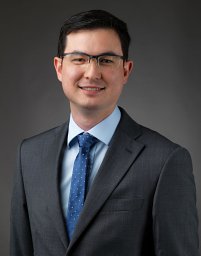 K. K. Jason Chan合作论文数Department of Otolaryngology - Head and Neck Surgery, Johns Hopkins Medical Institutions21Apple C. M. Yeung合作论文数21
 Christopher Lai合作论文数20
 Rolando Herrero Acosta合作论文数International Agency for Research on Cancer18
 David SC Hui (許樹昌)合作论文数Department of Medicine & Therapeutics, Faculty of Medicine, The Chinese University of Hong Kong;Stanley Ho Centre for Emerging Infectious Diseases, The Chinese University of Hong Kong;SH Ho Sleep Apnoea Management Center, The Chinese University of Hong Kong;Prince of Wales Hospital17Jingzhi Lou合作论文数16
 Lirong Cao合作论文数16
 Shi Zhao合作论文数Jockey Club Sch Publ Hlth & Primary Care, Chinese Univ Hong Kong16
 Marc Ka-chun Chong (莊家俊)合作论文数Jockey Club School of Public Health and Primary Care, Faculty of Medicine, The Chinese University of Hong Kong16
 Benny Chung-Ying Zee (徐仲鍈)合作论文数Centre for Clinical Research and Biostatistics, Jockey Club School of Public Health and Primary Care, The Chinese University of Hong Kong;Health View Bioanalytic Limited;Beth Bioinformatics Co. Ltd.16
 Robert DeSalle合作论文数Richard Gilder Graduate School, American Museum of Natural History;Institute for Comparative Genomics, American Museum of Natural History;Division of Invertebrate Zoology, American Museum of Natural History16
 Koenraad Van Doorslaer合作论文数Department of Microbiology and Immunology, Albert Einstein College of Medicine16
 Lowell Ling合作论文数15
 Yeoh Yun Kit合作论文数The University of Queensland, The University of Queensland15Hong Zheng合作论文数14
 Nicolas Wentzensen合作论文数Division of Cancer Epidemiology & Genetics, National Cancer Institute;U.S. Department of Health and Human Services, National Institutes of Health14
 Zhenzhen Yi (伊珍珍)合作论文数School of Life Sciences, South China Normal University14
 Lisa Mirabello合作论文数National Cancer Institute, National Institutes of Health14
 Jun Yu (于君)合作论文数Department of Medicine & Therapeutics, Faculty of Medicine, The Chinese University of Hong Kong13Po Yee Wong合作论文数12WY Chan合作论文数12
 Meredith Yeager合作论文数Department of Biology, Hood College;Cancer Genomics Research Laboratory, Division of Cancer Epidemiology and Genetics, National Cancer Institute12Thomas Lorey合作论文数12
 Sunny Wong合作论文数Lee Kong Chian School of Medicine, Nanyang Technological University12
 Philip E. Castle合作论文数Division of Cancer Prevention, National Cancer Institute, National Institutes of Health;Department of Epidemiology and Population Health, Albert Einstein College of Medicine11
 Khaled A. S. AL Rasheid (Khaled AL Rasheid)合作论文数King Saud University11Liuyang Cai合作论文数10
 Tina Raine-Bennett合作论文数UCSF10
 Ariana Harari合作论文数10
 Chen Shao (邵晨)合作论文数College of Life Sciences, Shaanxi Normal University10
 William K. K. Wu (胡嘉麒)合作论文数South Sichuan Institute of Translational Medicine;Department of Anaesthesia and Intensive Care, Faculty of Medicine, The Chinese University of Hong Kong;Peter Hung Pain Research Institute, The Chinese University of Hong Kong10Sara Bass合作论文数NCI, Div Canc Epidemiol & Genet, NIH, Rockville, MD USA9
 Olabisi Coker合作论文数Department of Medicine and Therapeutics, Faculty of Medicine, The Chinese University of Hong Kong9
 Joseph Boland合作论文数9
 Agnes Sze Yin Leung合作论文数9
 Joseph Sung (沈祖堯)合作论文数Lee Kong Chian School of Medicine, Nanyang Technological University9Laurie Burdett合作论文数9
 Martin Chan合作论文数Research Office, Food and Health Bureau9Renee Wan Yi Chan合作论文数8




