In the realm of stock prediction, machine learning models encounter considerable obstacles due to the inherent low signal-to-noise ratio and the nonstationary nature of financial markets. These challenges often result in spurious correlations and unstable predictive relationships, leading to poor performance of models when applied to out-of-sample (OOS) domains. To address these issues, we investigate Domain Generalization techniques, with a particular focus on causal representation learning to improve a prediction model's generalizability to OOS domains. By leveraging multi-factor models from econometrics, we introduce a novel error bound that explicitly incorporates causal relationships. In addition, we present the connection between the proposed error bound and market nonstationarity. We also develop a Causal Discovery technique to discover invariant feature representations, which effectively mitigates the proposed error bound, and the influence of spurious correlations on causal discovery is rigorously examined. Our theoretical findings are substantiated by numerical results, showcasing the effectiveness of our approach in enhancing the generalizability of stock prediction models.
In continuous unsupervised domain adaptation (CUDA), deep learning models struggle with the stability- plasticity trade-off-where the model must forget old knowledge to acquire new one. This paper introduces the "Forget to Learn"(F2L), a novel framework that circumvents such a trade-off. In contrast to state-ofthe-art methods that aim to balance the two conflicting objectives, stability and plasticity, F2L utilizes active forgetting and knowledge distillation to circumvent the conflict's root causes. In F2L, dual-encoders are trained, where the first encoder - the 'Specialist' - is designed to actively forget, thereby boosting adaptability (i.e., plasticity) and generating high-accuracy pseudo labels on the new domains. Such pseudo labels are then used to transfer/accumulate the specialist knowledge to the second encoder-the 'Generalist' through conflict- free knowledge distillation. Empirical and ablation studies confirmed F2L's superiority on different datasets and against different SOTAs. Furthermore, F2L minimizes the need for hyperparameter tuning, enhances computational and sample efficiency, and excels in problems with long domain sequences-key advantages for practical systems constrained by hardware limitations.
Partially Controlled Multi-Agent Systems (PCMAS) are comprised of controllable agents, managed by a system designer, and uncontrollable agents, operating autonomously. This study addresses an optimal composition design problem in PCMAS, which involves the system designer's problem, determining the optimal number and policies of controllable agents, and the uncontrollable agents' problem, identifying their best-response policies. Solving this bi-level optimization problem is computationally intensive, as it requires repeatedly solving multi-agent reinforcement learning problems under various compositions for both types of agents. To address these challenges, we propose a novel hypernetwork-based framework that jointly optimizes the system's composition and agent policies. Unlike traditional methods that train separate policy networks for each composition, the proposed framework generates policies for both controllable and uncontrollable agents through a unified hypernetwork. This approach enables efficient information sharing across similar configurations, thereby reducing computational overhead. Additional improvements are achieved by incorporating reward parameter optimization and mean action networks. Using real-world New York City taxi data, we demonstrate that our framework outperforms existing methods in approximating equilibrium policies. Our experimental results show significant improvements in key performance metrics, such as order response rate and served demand, highlighting the practical utility of controlling agents and their potential to enhance decision-making in PCMAS.
Deep learning models are widely used for time series classification (TSC) due to their scalability and efficiency. However, their performance degrades under challenging data conditions such as class similarity, multimodal distributions, and noise. To address these limitations, we propose CDNet, a Contrastive Diffusion-based Network that enhances existing classifiers by generating informative positive and negative samples via a learned diffusion process. Unlike traditional diffusion models that denoise individual samples, CDNet learns transitions between samples—both within and across classes—through convolutional approximations of reverse diffusion steps. We introduce a theoretically grounded CNN-based mechanism to enable both denoising and mode coverage, and incorporate an uncertainty-weighted composite loss for robust training. Extensive experiments on the UCR Archive and simulated datasets demonstrate that CDNet significantly improves state-of-the-art (SOTA) deep learning classifiers, particularly under noisy, similar, and multimodal conditions.
Coordinating self-interested agents in multi-agent systems to achieve system-level objectives presents significant challenges due to the inherent misalignment between individual and collective goals. Mechanism design offers a solution by employing a bi-level optimization framework, where a designer agent intervenes in the reward structures to incentivize desired behaviors among self-interested agents. However, a major obstacle in reward optimization lies in solving multi-agent reinforcement learning problems given a reward structure. This paper addresses this challenge by introducing a novel algorithm that leverages successor features (SFs) at both levels of the optimization. Specifically, SFs help reduce the number of design iterations at the upper level by using previously learned equilibria as biased information sources and accelerate equilibrium learning at the lower level by transferring equilibria from previously solved Markov games. This innovative approach leads to significant computational savings, making the process up to ten times faster compared to traditional methods.
People with severe speech and motor impairment (SSMI) often require assistive technologies to control their environment, including robots. Current eye-gaze-controlled robotic systems, however, are limited in scope, focusing on specific tasks or requiring structured command sequences. In this work, we introduce Gaze2Instruct (G2I), a novel approach for predicting the intentions of people with SSMI. G2I leverages eye-gaze data and visual input to automatically generate natural language instructions, which can then be interpreted by existing language-conditioned robotics. By translating eye-gaze into versatile language commands, we enable intuitive interaction with assistive robots for individuals with SSMI, allowing for unstructured, real-time task execution without predefined grammar or task-specific solutions, leveraging the power of segmentation models and Multimodal Large Language Models (MLLM). Through a series of experiments, we demonstrate the effectiveness of our system in generating accurate and meaningful instructions, reducing cognitive load, and improving the ease of interaction for users with SSMI.
With increasing complexity of deep neural networks and continuous expansion of training datasets, the computational cost of model training grows exponentially. To reduce training time, distributed training systems leveraging multiple computing devices have been developed for computational acceleration. However, compared with the rapidly increasing computing power, the communication bandwidth between devices increases slowly and becomes a bottleneck restricting the efficiency of distributed training. In this paper, an efficient distributed training method called gradient transfer compression (GTC) is proposed to reduce communication overhead and improve training efficiency. The methodology involves three key techniques: (1) Intergenerational accumulation, where gradients generated over multiple iterations are stored and accumulated, reducing the frequency of communication between computing devices; (2) Cross-node random drop, which synchronizes gradients with a specified ratio to decrease network traffic while ensuring model convergence; and (3) Mixed precision training, which reduces the bandwidth required for gradient communication. The effectiveness of GTC is demonstrated through experiments on two rolling bearing datasets. Compared with the conventional PyTorch distributed training method, the proposed method reduces the GPU memory usage by 97.10 % and 14.02 %, increases the training efficiency by 24.74 % and 8.03 % respectively in two cases, while maintaining the diagnostic performance of the model.
Despite the promising potential of deep learning (DL) for real-time defect detection in metal additive manufacturing (AM), truly generalizable models remain elusive. While DL excels under controlled laboratory conditions, its performance declines sharply when confronted with printing scenarios that diverge from the training data—a challenge known as low-domain generalization. The few AM studies focusing on the domain generalization problem rely on physics-unguided and pure data-driven approaches that are sample-inefficient. This study introduces “Focus to Generalize” (F2G), a novel DL approach for generalized humping detection in metal AM that bridges the gap between a physics-based understanding of the process and data-driven learning. F2G addresses the challenge of domain generalization through physics-guided attention. It incorporates domain knowledge to direct the model’s focus toward printing-parameters-invariant defect dynamics (i.e., domain-invariant). This enables F2G to learn features that are both class-discriminative and domain-invariant, effectively allowing the DL model to generalize beyond its training printing condition. Qualitatively, F2G’s superiority is evident through enhanced feature representation and attention maps, as demonstrated by Grad-CAM and U-MAP visualizations. Quantitatively, F2G enhances generalization capabilities compared to the physics unguided models, successfully detecting humping in all of testing cases printed with parameters unseen during the model training with test accuracy of 82
Multivariate time series classification (MTSC) has gained considerable attention in the fire safety industry, enabling the development of specialized algorithms based on the unique characteristics of fire-related time series. Traditional feature representation techniques (e.g., SAX, DTW) often incur high computational costs, offer limited interpretability, and focus primarily on shape information. Moreover, many TSC algorithms struggle with robustness under distributional shifts across diverse fire environments. We propose a new algorithm that strengthens robust feature representations and modeling, enabling groupwise feature importance analysis for fire classification. Our approach captures both shape and amplitude information, along with first-order differences, by integrating SAX and DTW with random SAX baselines and masks to remove potential noise. We then apply a sequence of groupwise logistic classifiers, using penalties on dimensionally grouped features to capture group effects. Numerical experiments on specific fire safety scenarios and the UEA MTS Archive confirm the model's robustness and interpretability. Furthermore, we have developed AI-driven software that helps first responders detect burning materials from gas emissions, guided by the Emergency Response Guidebook (ERG). This integrated solution equips emergency teams with essential tools for timely and informed fire response.
Robot learning papers typically report a single binary success rate (SR), which obscures where a policy succeeds or fails along a multi-step manipulation task. We argue that subgoal-level reporting should become routine: for each trajectory, a vector of per-subgoal SRs that makes partial competence visible (e.g., grasp vs. pour). We propose a blueprint for StepEval, a cost-aware plug-in evaluation framework that utilizes vision-language models (VLMs) as automated judges of subgoal outcomes from recorded images or videos. Rather than proposing new benchmarks or APIs, our contribution is to outline design principles for a scalable, community-driven open-source project. In StepEval, the primary artifact for policy evaluation is the per-subgoal SR vector; however, other quantities (e.g., latency or cost estimates) are also considered for framework-optimization diagnostics to help the community tune evaluation efficiency and accuracy when ground-truth subgoal success labels are available. We discuss how such a framework can remain model-agnostic, support single- or multi-view inputs, and be lightweight enough to adopt across labs. The intended contribution is a shared direction: a minimal, extensible seed that invites open-source contributions, so that scoring the steps, not just the final goal, becomes a standard and reproducible practice.
Due to the harsh working environment of hoisting machinery system, the fault information of the important components is significantly complex, which leads to the fault signals not being collected completely by using only single channel. To alleviate this problem, acoustic emission (AE) experiments are applied to collect multichannel AE signal of hoisting machinery system. Additionally, a new intelligent fault diagnosis method based on multivariate variational mode decomposition (MVMD) and generalized composite multiscale permutation entropy (GCMPE) is proposed to extract multichannel AE fault features and implement multichannel fault diagnosis of hoisting machinery system. Firstly, based on variational mode decomposition (VMD) and the idea of multichannel AE data processing, MVMD is proposed to process the original multichannel AE signals collected from hoisting machinery system, which can obtain adaptively several multichannel modal components containing discriminative information. Meanwhile, GCMPE is presented to extract the fault information of multichannel modal components obtained by MVMD, which can improve the feature extraction performance of the original multiscale permutation entropy. The experimental results demonstrate the effectiveness and superiority of the proposed method in multichannel fault diagnosis of hoisting machinery system compared with some traditional single-channel analysis and other multichannel analysis methods.
We introduce a novel problem setting for algorithmic contract design, named the principal-MARL contract design problem. This setting extends traditional contract design to account for dynamic and stochastic environments using Markov Games and Multi-Agent Reinforcement Learning. To tackle this problem, we propose a Multi-Objective Bayesian Optimization (MOBO) framework named Constrained Pareto Maximum Entropy Search (cPMES). Our approach integrates MOBO and MARL to explore the highly constrained contract design space, identifying promising incentive and recruitment decisions. cPMES transforms the principal-MARL contract design problem into an unconstrained multi-objective problem, leveraging the probability of feasibility as part of the objectives and ensuring promising designs predicted on the feasibility border are included in the Pareto front. By focusing the entropy prediction on designs within the Pareto set, cPMES mitigates the risk of the search strategy being overwhelmed by entropy from constraints. We demonstrate the effectiveness of cPMES through extensive benchmark studies in synthetic and simulated environments, showing its ability to find feasible contract designs that maximize the principal's objectives. Additionally, we provide theoretical support with a sub-linear regret bound concerning the number of iterations.
Motivation Deep learning (DL) has revolutionized condition monitoring (CoM) in mechanical systems by reducing manual signal processing. However, DL's industrial integration is limited due to low robustness against distribution shifts. Existing CoM approaches focus on adaptating to one-time distribution shift. We introduce Continuous Unsupervised Domain Adaptation-based CoM (CUDACoM), tackling continuous distribution shifts in systems under perpetually dynamic conditions. Methodology CUDACoM mitigates confirmation bias, detrimental in long-domain sequences, by introducing two novel strategies (1) Fresh Initialization and (2) In-Domain Pseudo Labeling. Fresh Initialization maintains high model plasticity, while In-Domain pseudo-labeling improves pseudo-label accuracy, enhancing model adaptability. These strategies reduce confirmation bias, crucial for robust self-training, making CUDACoM ideal for long-sequence domain adaptation in perpetually dynamic environments. Results CUDACoM outperforms state-of-the-art (SOTA) adversarial and self-training approaches. Validated through two practical case studies: a 200% (RPM) change and gradual sensor degradation across 40 noise levels. These challenging case studies show stronger data shifts than the commonly used standard benchmarking datasets. The second case is especially novel, formulating robustness to noise as a domain adaptation problem. CUDACoM achieved a test accuracy of 0.937 in the RPM case (vs. SOTA's 0.770) and 0.849 in the sensor degradation case (vs. SOTA's 0.751). Impact This study addresses the overlooked challenges of employing DL for CoM in perpetually dynamic environments, particularly, the confirmation bias. With CUDACoM's computational efficiency, we provide a practical solution that enhances reliability by facilitating the integration of robust DL into industrial CoM systems.
This study addresses the challenge of fleet design optimization in the context of heterogeneous multi-robot fleets, aiming to obtain feasible designs that balance performance and costs. In the domain of autonomous multi-robot exploration, reinforcement learning agents play a central role, offering adaptability to complex terrains and facilitating collaboration among robots. However, modifying the fleet composition results in changes in the learned behavior, and training multi-robot systems using multi-agent reinforcement learning is expensive. Therefore, an exhaustive evaluation of each potential fleet design is infeasible. To tackle these hurdles, we introduce Bayesian Optimization for Fleet Design (BOFD), a framework leveraging multi-objective Bayesian Optimization to explore fleets on the Pareto front of performance and cost while accounting for uncertainty in the design space. Moreover, we establish a sub-linear bound for cumulative regret, supporting BOFD's robustness and efficacy. Extensive benchmark experiments in synthetic and simulated environments demonstrate the superiority of our framework over state-of-the-art methods, achieving efficient fleet designs with minimal fleet evaluations.
Deep transfer learning (DTL) greatly improved the cross-domain generalization of fault diagnosis and makes it more practical and operable. However, existing work focuses on addressing temporal feature shift, while neglecting the modeling and narrow of spectral feature shift. To solve this issue, this work focus on the study of temporal-spectral domain adaption (TSDA) for bearing fault diagnosis and proposes a temporal-spectral domain adaptive network (TSDAN). Specifically, TSDAN constructs a temporal-spectral representation by extracting temporal features and spectral features through two branching modules: a convolutional network and a novel spectral neural network, respectively. To construct spectral neural networks, we introduce spectral convolution, spectral pooling, spectral normalization, and spectral activation. Moreover, a Sinkhorn divergence-based temporal-spectrum adapter is designed to align the temporal-spectrum representations from the source and target domains. Finally, we provide the implementation details of TSDAN-based fault diagnosis on publicly available and self-built datasets, which validate the effectiveness and superiority of the proposed approach.
This paper proposes a new maintenance policy for protection systems which fail due to competing causes: internal deterioration and fatal external shocks. The study is motivated by a real problem in a power distribution company, in which a circuit breaker is designed to protect an electrical network from critical events such as overloads and short circuits. The failure of the system is hidden and can lead to a disaster if it is not replaced before a demand is received. So, to improve its readiness, we have developed a new two-phase (inspection & replacement) policy for a protection system with a heterogeneous population. Heterogeneity reflects factors such as variability in the quality of spare parts or in the installation of the components, which can be poorly or properly executed, resulting in some having a short life, while others may achieve a long life. Inspections are imperfect, which induces misclassification. The deterioration process is modeled via the delay-time concept. Furthermore, the shock rate depends upon the state of the system and follows a non-homogeneous Poisson process. Thus, using a numerical approach, the objective of this study is to determine the number of inspections during the first phase, the interval between consecutive inspections, and the age for scheduled preventive replacement. We compared this policy to two other classical policies via a case study and found that it has significant cost-saving potential. Generally, our results indicate when inspections should be prioritized over age-preventive replacement, and vice versa. Multi-phase policies are particularly effective for components with different characteristic lives, with inspections being crucial for maintaining readiness, often requiring investment in quality assurance to prevent misclassification. Conversely, age-based policies are more advantageous for strong (long-lived) components or when the probability of misclassification is high.
Direct Energy Deposition (DED) is a versatile and efficient method in metal additive manufacturing. However, humping, caused by abnormal dynamics in the melt pool (MP), poses a significant threat to the geometric integrity of manufactured products. Current state-of-the-art (SOTA) methods primarily detect humping by analyzing late-stage spatial abnormalities, such as MP detachment. This approach is fundamentally reactive, leading to a tendency to miss early humping spatiotemporal dynamics, like cyclic elongation of the MP. This study introduces a novel, proactive indicator named VIMPS (Variability of Instantaneous MP Solidification-Front Speed), a physics-based tool designed to quantify early abnormal fluctuations in MP solidification speed. The experiments demonstrate VIMPS correlation with humping-induced geometric inaccuracies. By capturing early spatiotemporal dynamics of the MP, VIMPS reduces detection latency by 30 seconds compared to existing SOTAs that focus solely on spatial abnormalities. This significant improvement transforms detection from reactive to proactive, providing the time needed for corrective actions to enhance the overall productivity and quality of the DED process.
Language-conditioned robotics has seen tremendous growth in frameworks that aim to improve the success rates of robots acting upon the environment according to free-form language instructions. However, most existing frameworks leverage a human in the loop to assist with critical functions. Humans are mainly involved in ensuring that a human-requested task is feasible, resetting the robot when it diverges from achieving the requested goal, and deciding if it has completed the task. As human involvement limits the scalability of language-conditioned robotics, we propose automating these human functions through Multimodal Large Language Models in the Loop (MLLM-IL). We conduct experiments leveraging multimodal large language models, specifically OpenAI's GPT-4, and Google Gemini, to evaluate their potential in automating crucial functions. The introduced new layers of automation include analyzing task feasibility, assessing task progress, and detecting task success. We investigate how different factors, including the choice of LLM, image resolution of the input images, and the structure of the prompt, affect the performance of the LLMs in achieving the target functions. Results show significant zero-shot success with feasibility analysis accuracies exceeding 90%. Our work demonstrates the immense potential of utilizing MLLM-IL to complement existing frameworks in language-conditioned robotics, opening the space for a wealth of new applications.
Continuous Unsupervised Domain Adaptation (CUDA) can alleviate deep learning models’ performance degradation on out-of-distribution data. However, low stability, the erosion of past knowledge while adapting to new domains, remains a major challenge. Traditional proposed solutions such as (1) Approximation, or (2) Memorization fail to harmonize system’s computational load, memory resources and stability. In response, we introduce Approximate and Memorize (A&M). Compared to traditional approximation methods, A&M utilizes factorized generative models to mitigate modal collapse, offering improved computational efficiency and training stability. Moreover, compared to traditional memorization approaches, A&M boosts memory efficiency by learning compressed representations of past information rather than storing it in the raw format. A&M shows 50% less forgetting for problems with constrained memory and an extended number of domains, making A&M ideal for real-world systems due to its scalable and parallel design.
Fault detection or anomaly detection relies heavily on learning from datasets where only normal samples are available, resulting in the emergence of numerous one-class classification (OCC) methods. However, learning discriminative deep representatives with good generalization from cross-domain positive samples remains challenging. Therefore, this work proposes an end-to-end framework, deep transfer one-class classification (DTOCC) for unsupervised fault detection, which combines adversarial generative OCC and distribution alignment from the perspective of manifold learning. Specifically, pseudo-negative samples are generated outside the positive manifold, facilitating the model to learn discrimination with respect to normal and anomaly. Further, cross-domain positive samples are aligned in log-Euclidean manifold space to enhance representation learning. Then, we provide the specific implementations for fault detection and validate its superiority through case studies on multiclass and run-to-failure datasets, simulating both offline and online scenarios.
 M.I.M. Wahab合作论文数Ryerson Univ, Dept Mech & Ind Engn, Toronto, ON M5B 2K3, Canada8
 Mohamed Abubakr Hassan合作论文数6
 Yifei Ding合作论文数6
 Amine Mohamed Aboussalah合作论文数Department of Finance and Risk Engineering, Tandon School of Engineering, New York University6
 Kuilin Chen合作论文数6
 Scott Sanner合作论文数Data-Driven Decision Making Lab, Department of Mechanical and Industrial Engineering, Faculty of Applied Science & Engineering, University of Toronto6
 Minping Jia (贾民平)合作论文数School of Mechanical Engineering, Southeast University6
 Yudong Cao (曹昱栋)合作论文数School of Mechanical Engineering, Southeast University5
 Hyun Rok Lee合作论文数Department of Mechanical & Industrial Engineering, University of Toronto;Department of Industrial Engineering, Inha University5
 Michael Gimelfarb合作论文数Robot Vision and Learning Lab, Department of Computer Science, University of Toronto5Saeed Zolfaghari合作论文数5
 Feiyun Xu (许飞云)合作论文数School of Mechanical Engineering, Southeast University5M. Mahdi Tajbakhsh合作论文数5
 Xiaoli Zhao合作论文数4
 Yang Li合作论文数4
 Roy H. Kwon合作论文数Department of Mechanical & Industrial Engineering, University of Toronto4
 Taesik Lee合作论文数Department of Industrial and Systems Engineering, College of Engineering, Korea Advanced Institute of Science and Technology4
 Bin Yang (杨彬)合作论文数School of Mechanical Engineering, Xi'an Jiaotong University3
 Yoon J Ko合作论文数3
 Yeonjeong Jeong合作论文数LG AI Res, Toronto, ON, Canada3
 Seyedvahid Najafi合作论文数Department of Mechanical and Industrial Engineering, University of Toronto3
 Peng Ding合作论文数Southeast Univ, Sch Mech Engn, Nanjing 211189, Peoples R China3
 M. Hamed Mozaffari合作论文数Univ Ottawa, Sch Elect Engn & Comp Sci, 800 King Edward Ave, Ottawa, ON K1N 6N5, Canada3
 A. Sadek合作论文数Aerospace Manufacturing Technologies Center (AMTC),, National Research Council Canada3
 M. Hassan合作论文数Aerospace Manufacturing Technologies Center (AMTC),, National Research Council Canada3
 Li Yang (杨力)合作论文数School of Reliability and Systems Engineering, Beihang University3Oleksandr Shlakhter合作论文数Department of Mechanical and Industrial Engineering, University of Toronto3
 Yaguo Lei (雷亚国)合作论文数School of Mechanical Engineering, Xi'an Jiaotong University3
 Hosang Jung合作论文数Management Strategy Department, Samsung Economic Research Institute3
 Behrooz Karimi合作论文数2Tianyi Lyu合作论文数2Minho Lee合作论文数2Sijie Tian合作论文数2Ali Mirdar Harijani合作论文数Department of Industrial Engineering and Management Systems, Amirkabir University of Technology2
 Nour Elsagan合作论文数Fire Safety Unit, Natl Res Council Canada2
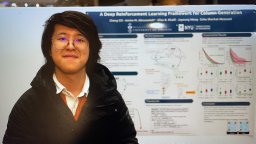 Cheng Chi合作论文数University of Toronto2Nasser Jaber合作论文数Dept Mech & Ind Engn, Amer Univ Ras Kaimah2
 Shuilong He合作论文数Guilin Univ Elect Technol, Sch Mech & Elect Engn, Guilin 541004, Peoples R China2
 Jichao Zhuang合作论文数Southeast Univ, Sch Mech Engn, Nanjing 211189, Peoples R China2Xin Chu (初鑫)合作论文数2
 Gaoyang Li合作论文数2
 Jue Wang合作论文数2
 Yu Zou (邹宇)合作论文数Laboratory for Extreme Mechanics & Additive Manufacturing, Department of Materials Science & Engineering, Faculty of Applied Science & Engineering, University of Toronto;Department of Mechanical & Industrial Engineering, Faculty of Applied Science & Engineering, University of Toronto2
 Xiaoan Yan (鄢小安)合作论文数College of Mechatronic Engineering, Nanjing Forestry University2
 Kyoung Kuk Kim合作论文数Department of Industrial and Systems Engineering, College of Engineering, Korea Advanced Institute of Science and Technology2
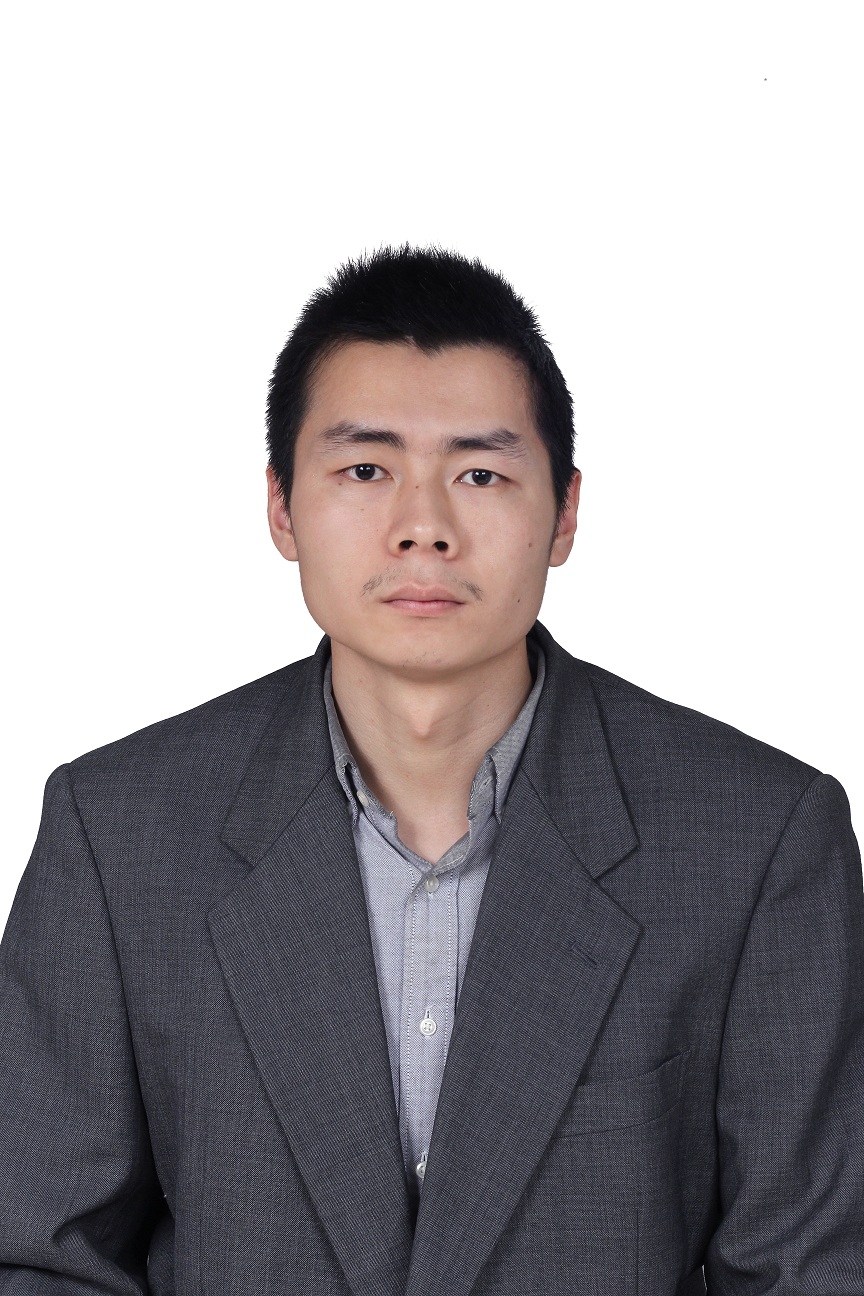 Rui Peng (彭锐)合作论文数Beijing University of Technology2
 Jongseong Jang合作论文数Kyushu University2
 Jinglong Chen (陈景龙)合作论文数State Key Laboratory for Manufacturing Systems Engineering, Xi'an Jiaotong University;School of Mechanical Engineering, Xi'an Jiaotong University2Kaiyu Zhang (张开钰)合作论文数2




