Vision Mamba has emerged as a strong competitor to Vision Transformers (ViTs) due to its ability to efficiently capture long-range dependencies with linear computational complexity. While token reduction, an effective compression technique in ViTs, has rarely been explored in Vision Mamba. Exploring Vision Mamba's efficiency is essential for enabling broader applications. However, we find that directly applying existing token reduction techniques for ViTs to Vision Mamba leads to significant performance degradation. This is primarily because Mamba is a sequence model without attention mechanisms, whereas most token reduction techniques for ViTs rely on attention mechanisms for importance measurement and overlook the order of compressed tokens. In this paper, we investigate a Mamba structure-aware importance score to evaluate token importance in a simple and effective manner. Building on this score, we further propose MTR, a training-free Mamba Token Reduction framework. Without the need for training or additional tuning parameters, our method can be seamlessly integrated as a plug-and-play component across various Mamba models. Extensive experiments demonstrate that our approach significantly reduces computational workload while minimizing performance impact across various tasks and multiple backbones. Notably, MTR reduces FLOPs by approximately 40% on the Vim-B backbone, with only a 1.6% drop in ImageNet performance without retraining.
Relational databases are foundational to numerous domains, including business intelligence, scientific research, and enterprise systems. However, accessing and analyzing structured data often requires proficiency in SQL, which is a skill that many end users lack. With the development of Natural Language Processing (NLP) technology, the Text-to-SQL systems attempt to bridge this gap by translating natural language questions into executable SQL queries via an automated algorithm. Yet, when operating on complex real-world databases, the Text-to-SQL systems often suffer from ambiguity due to natural ambiguity in natural language queries. These ambiguities pose a significant challenge for existing Text-to-SQL translation systems, which tend to commit early to a potentially incorrect interpretation. To address this, we propose an interactive Text-to-SQL framework that models SQL generation as a probabilistic reasoning process over multiple candidate queries. Rather than producing a single deterministic output, our system maintains a distribution over possible SQL outputs and seeks to resolve uncertainty through user interaction. At each interaction step, the system selects a branching decision and formulates a clarification question aimed at disambiguating that aspect of the query. Crucially, we adopt a principled decision criterion based on Expected Information Gain to identify the clarification that will, in expectation, most reduce the uncertainty in the SQL distribution.
Image-to-Video adaptation is proposed to train a model using labeled images and unlabeled videos to facilitate the classification of unlabeled videos. The latest work synthesizes videos using still images to mitigate the modality gap between images and videos. However, the synthesized videos are not realistic due to the camera movements are only simulated in 2D space. Therefore, we generate realistic videos by simulating arbitrary camera movements in 3D scenes, and then the model can be trained using the generated source videos. Unfortunately, the optical flows from the generated videos have unexpected negative impacts, resulting in suboptimal performance. To address this issue, we propose the Category-aware Flow Memory Bank, which replaces optical flows in source videos with real target flows, and the new composed videos are beneficial for training. In addition, we leverage the video pace prediction task to enhance the model's perception of speed. Our method achieves state-of-the-art performance and comparable performance on three widely used benchmarks. Our code is available at https://github.com/KenanHuang/mm2024_cfb4i2v.
Transformer-based large language models have achieved remarkable performance across various natural language processing tasks. However, they often struggle with seemingly easy tasks like arithmetic despite their vast capabilities. This stark disparity raise human's concerns about their safe and ethical use, hinder their widespread adoption.In this paper, we focus on a typical arithmetic task, integer multiplication, to explore and explain the imperfection of transformers in this domain. We provide comprehensive analysis of a vanilla transformer trained to perform n-digit integer multiplication. Our observations indicate that the model decomposes multiplication task into multiple parallel subtasks, sequentially optimizing each subtask for each digit to complete the final multiplication. Based on observation and analysis, we infer the reasons of transformers deficiencies in multiplication tasks lies in their difficulty in calculating successive carryovers and caching intermediate results, and confirmed this inference through experiments. Guided by these findings, we propose improvements to enhance transformers performance on multiplication tasks. These enhancements are validated through rigorous testing and mathematical modeling, not only enhance transformer's interpretability, but also improve its performance, e.g., we achieve over 99.9 integer multiplication with a tiny transformer, outperform LLMs GPT-4. Our method contributes to the broader fields of model understanding and interpretability, paving the way for analyzing more complex tasks and Transformer models. This work underscores the importance of explainable AI, helping to build trust in large language models and promoting their adoption in critical applications.
Current approaches in pose estimation primarily concentrate on enhancing model architectures, often overlooking the importance of comprehensively understanding the rationale behind model decisions. In this paper, we propose XPose, a novel framework that incorporates Explainable AI (XAI) principles into pose estimation. This integration aims to elucidate the individual contribution of each keypoint to final prediction, thereby elevating the model's transparency and interpretability. Conventional XAI techniques have predominantly addressed tasks with single-target tasks like classification. Additionally, the application of Shapley value, a common measure in XAI, to pose estimation has been hindered by prohibitive computational demands. To address these challenges, this work introduces an innovative concept called Group Shapley Value (GSV). This approach strategically organizes keypoints into clusters based on their interdependencies. Within these clusters, GSV meticulously calculates Shapley value for keypoints, while for inter-cluster keypoints, it opts for a more holistic group-level valuation. This dual-level computation framework meticulously assesses keypoint contributions to the final outcome, optimizing computational efficiency. Building on the insights into keypoint interactions, we devise a novel data augmentation technique known as Group-based Keypoint Removal (GKR). This method ingeniously removes individual keypoints during training phases, deliberately preserving those with strong mutual connections, thereby refining the model's predictive prowess for non-visible keypoints. The empirical validation of GKR across a spectrum of standard approaches attests to its efficacy. GKR's success demonstrates how using Explainable AI (XAI) can directly enhance pose estimation models.
Future activity anticipation is a challenging problem in egocentric vision. As a standard future activity anticipation paradigm, recursive sequence prediction suffers from the accumulation of errors. To address this problem, we propose a simple and effective Self-Regulated Learning framework, which aims to regulate the intermediate representation consecutively to produce representation that (a) emphasizes the novel information in the frame of the current time-stamp in contrast to previously observed content, and (b) reflects its correlation with previously observed frames. The former is achieved by minimizing a contrastive loss, and the latter can be achieved by a dynamic reweighing mechanism to attend to informative frames in the observed content with a similarity comparison between feature of the current frame and observed frames. The learned final video representation can be further enhanced by multi-task learning which performs joint feature learning on the target activity labels and the automatically detected action and object class tokens. SRL sharply outperforms existing state-of-the-art in most cases on two egocentric video datasets and two third-person video datasets. Its effectiveness is also verified by the experimental fact that the action and object concepts that support the activity semantics can be accurately identified.
Ensuring the regular operation of drainage pipes has significant implications for the maintenance of regular city order. Currently, the inspections of urban drainage pipes are mostly based on monocular CCTV videos. However, these videos only provide simple 2D images without localization information, which makes it challenging to comprehend the complete internal details of the pipelines. Therefore, this paper investigates 3D reconstruction and depth prediction based on monocular vision, in order to restore the pipeline information in real scenes through the monocular video acquired by the robotic CCTV inspection system, and to provide assistance in locating the disease at a later stage. ORB-SLAM3 is employed to estimate the camera's extrinsic parameters for each of the views to obtain the camera poses and uses the currently more innovative Fast-MVSN et for model training, and this paper uses the model to predict depth maps of the pipeline image. Finally, outliers are filtered through photometric consistency and geometric continuity to suppress noise during the reconstruction process and ensure a certain degree of completeness and accuracy. On the pipeline test dataset, the best model in this framework achieves an absolute relative error of 0.458 in depth prediction, which enables obtaining a denser 3D point cloud scene of the pipeline.
Recently, with the vigorous development of deep learning and multimedia technology, intelligent urban computing has received more and more extensive attention from academia and industry. Unfortunately, most of the related technologies are black-box paradigms that lack interpretability. Among them, video event recognition is a basic technology. Event contains multiple concepts and their rich interactions, which can assist us to construct explainable event recognition methods. However, the crucial concepts needed to recognize events have various temporal existing patterns, and the relationship between events and the temporal characteristics of concepts has not been fully exploited. This brings great challenges for concept-based event categorization. To address the above issues, we introduce the temporal concept receptive field, which is the length of the temporal window size required to capture key concepts for concept-based event recognition methods. Accordingly, we introduce the temporal dynamic convolution (TDC) to model the temporal concept receptive field dynamically according to different events. Its core idea is to combine the results of multiple convolution layers with the learned coefficients from two complementary perspectives. These convolution layers contain a variety of kernel sizes, which can provide temporal concept receptive fields of different lengths. Similarly, we also propose the cross-domain temporal dynamic convolution (CrTDC) with the help of the rich relationship between different concepts. Different coefficients can help us to capture suitable temporal concept receptive field sizes and highlight crucial concepts to obtain accurate and complete concept representations for event analysis. Based on the TDC and CrTDC, we introduce the temporal dynamic concept modeling network (TDCMN) for explainable video event recognition. We evaluate TDCMN on large-scale and challenging datasets FCVID, ActivityNet, and CCV. Experimental results show that TDCMN significantly improves the event recognition performance of concept-based methods, and the explainability of our method inspires us to construct more explainable models from the perspective of the temporal concept receptive field.
Neural networks often make predictions relying on the spurious correlations from the datasets rather than the intrinsic properties of the task of interest, facing with sharp degradation on out-of-distribution (OOD) test data. Existing de-bias learning frameworks try to capture specific dataset bias by annotations but they fail to handle complicated OOD scenarios. Others implicitly identify the dataset bias by special design low capability biased models or losses, but they degrade when the training and testing data are from the same distribution. In this paper, we propose a General Greedy De-bias learning framework (GGD), which greedily trains the biased models and base model. The base model is encouraged to focus on examples that are hard to solve with biased models, thus remaining robust against spurious correlations in the test stage. GGD largely improves models' OOD generalization ability on various tasks, but sometimes over-estimates the bias level and degrades on the in-distribution test. We further re-analyze the ensemble process of GGD and introduce the Curriculum Regularization inspired by curriculum learning, which achieves a good trade-off between in-distribution (ID) and out-of-distribution performance. Extensive experiments on image classification, adversarial question answering, and visual question answering demonstrate the effectiveness of our method. GGD can learn a more robust base model under the settings of both task-specific biased models with prior knowledge and self-ensemble biased model without prior knowledge. Codes are available at https://github.com/GeraldHan/GGD .
Semantic parsing, edge detection, and pose estimation of human are three closely-related tasks. They present human characteristics from three complementary aspects. Compared to learning them individually, solving these tasks jointly can explore the interaction of their contextual cues. However, prior works usually study the fusion of two of them, e.g., parsing and pose, parsing and edge. In this paper, we explore how pixel-level semantics, human boundaries and joint locations can be effectively learned in a unified model. Specifically, we propose an end-to-end trainable Human Task Correlation Machine (HTCorrM) to implement the three tasks. It is asymmetric in that it supports a main task using the other two as auxiliary tasks. We also introduce a Heterogeneous Non-Local module (HNL) to discover the correlations of the three heterogeneous domains. HNL fully explores the global dependency among tasks between any two positions in the feature map. Experimental results on human parsing, pose estimation and body edge detection demonstrate that HTCorrM achieves competitive performance. We show that when designated as the main task, the accuracy of each of the three tasks is improved. Importantly, comparative studies confirm the advantages of our proposed feature correlation strategy over feature concatenation or post processing.
Self-attention can capture long-distance dependencies and is widely used in semantic segmentation. Existing methods mainly use two kinds of self-attentions, i.e., spatial attention and channel attention, which can capture the relations in HW dimension (image plane, height and width) and C dimension (channels), respectively. Very little research investigates self-attention along other dimensions, which can potentially improve the segmentation performance. In this work, we investigate the self-attentions along all the possible dimensions {H,W,C,HW,HC,CW,HWC}. Then we explore the aggregation of all the possible self-attentions. We apply the neural architecture search (NAS) technique to achieve optimal aggregation. Specifically, we carefully design (1) the search space and (2) the optimization method. For (1), we introduce a building block, a basic self-attention search unit (BSU), which can model self-attentions along all the dimensions. And the search space contains within-BSU and cross-BSU operations. In addition, we propose an attention-map splitting method, which can reduce the computations by 1/3. For (2), we apply an efficient differentiable optimization method to search the optimal aggregation. We conduct extensive experiments on Cityscapes and ADE20K datasets. The results show the effectiveness of the proposed method, and we achieve very competitive performance against state-of-the-art methods.
Language bias is a critical issue in Visual Question Answering (VQA), where models often exploit dataset biases for the final decision without considering the image information. As a result, they suffer from performance drop on out-of-distribution data and inadequate visual explanation. Based on experimental analysis for existing robust VQA methods, we stress the language bias in VQA that comes from two aspects, i.e., distribution bias and shortcut bias. We further propose a new de-bias framework, Greedy Gradient Ensemble (GGE), which combines multiple biased models for unbiased base model learning. With the greedy strategy, GGE forces the biased models to over-fit the biased data distribution in priority, thus makes the base model pay more attention to examples that are hard to solve by biased models. The experiments demonstrate that our method makes better use of visual information and achieves state-of-the-art performance on diagnosing dataset VQACP without using extra annotations.
Weakly supervised instance segmentation (WSIS) with only image-level labels has recently drawn much attention. To date, bottom-up WSIS methods refine discriminative cues from classifiers with sophisticated multi-stage training procedures, which also suffer from inconsistent object boundaries. And top-down WSIS methods are formulated as cascade detection-to-segmentation pipeline, in which the quality of segmentation learning heavily depends on pseudo masks generated from detectors. In this paper, we propose a unified parallel detection-and-segmentation learning (PDSL) framework to learn instance segmentation with only image-level labels, which draws inspiration from both top-down and bottom-up instance segmentation approaches. The detection module is the same as the typical design of any weakly supervised object detection, while the segmentation module leverages self-supervised learning to model class-agnostic foreground extraction, following by self-training to refine class-specific segmentation. We further design instance-activation correlation module to improve the coherence between detection and segmentation branches. Extensive experiments verify that the proposed method outperforms baselines and achieves the state-ofthe-art results on PASCAL VOC and MS COCO.
Panoptic segmentation aims to partition an image to object instances and semantic content for thing and stuff categories, respectively. To date, learning weakly supervised panoptic segmentation (WSPS) with only image-level labels remains unexplored. In this paper, we propose an efficient jointly thing-and-stuff mining (JTSM) framework for WSPS. To this end, we design a novel mask of interest pooling (MoIPool) to extract fixed-size pixel-accurate feature maps of arbitrary-shape segmentations. MoIPool enables a panoptic mining branch to leverage multiple instance learning (MIL) to recognize things and stuff segmentation in a unified manner. We further refine segmentation masks with parallel instance and semantic segmentation branches via self-training, which collaborates the mined masks from panoptic mining with bottom-up object evidence as pseudo-ground-truth labels to improve spatial coherence and contour localization. Experimental results demonstrate the effectiveness of JTSM on PASCAL VOC and MS COCO. As a by-product, we achieve competitive results for weakly supervised object detection and instance segmentation. This work is a first step towards tackling challenge panoptic segmentation task with only image-level labels.
Human parsing and pose estimation are crucial for the understanding of human behaviors. Since these tasks are closely related, employing one unified model to perform two tasks simultaneously allows them to benefit from each other. However, since human parsing is a pixel-wise classification process while pose estimation is usually a regression task, it is non-trivial to extract discriminative features for both tasks while modeling their correlation in the joint learning fashion. Recent studies have shown that Neural Architecture Search (NAS) has the ability to allocate efficient feature connections for specific tasks automatically. With the spirit of NAS, we propose to search for an efficient network architecture (NPPNet) to tackle two tasks at the same time. On the one hand, to extract task-specific features for the two tasks and lay the foundation for the further searching of feature interaction, we propose to search their encoder-decoder architectures, respectively. On the other hand, to ensure two tasks fully communicate with each other, we propose to embed NAS units in both multi-scale feature interaction and high-level feature fusion to establish optimal connections between two tasks. Experimental results on both parsing and pose estimation benchmark datasets have demonstrated that the searched model achieves state-of-the-art performances on both tasks.1
Event analysis in untrimmed videos has attracted increasing attention due to the application of cutting-edge techniques such as CNN. As a well studied property for CNN-based models, the receptive field is a measurement for measuring the spatial range covered by a single feature response, which is crucial in improving the image categorization accuracy. In video domain, video event semantics are actually described by complex interaction among different concepts, while their behaviors vary drastically from one video to another, leading to the difficulty in concept-based analytics for accurate event categorization. To model the concept behavior, we study temporal concept receptive field of concept-based event representation, which encodes the temporal occurrence pattern of different mid-level concepts. Accordingly, we introduce temporal dynamic convolution (TDC) to give stronger flexibility to concept-based event analytics. TDC can adjust the temporal concept receptive field size dynamically according to different inputs. Notably, a set of coefficients are learned to fuse the results of multiple convolutions with different kernel widths that provide various temporal concept receptive field sizes. Different coefficients can generate appropriate and accurate temporal concept receptive field size according to input videos and highlight crucial concepts. Based on TDC, we propose the temporal dynamic concept modeling network (TDCMN) to learn an accurate and complete concept representation for efficient untrimmed video analysis. Experiment results on FCVID and ActivityNet show that TDCMN demonstrates adaptive event recognition ability conditioned on different inputs, and improve the event recognition performance of Concept-based methods by a large margin. Code is available at https://github.com/qzhb/TDCMN.
According to existing studies, human body edge and pose are two beneficial factors to human parsing. The effectiveness of each of the high-level features (edge and pose) is confirmed through the concatenation of their features with the parsing features. Driven by the insights, this paper studies how human semantic boundaries and keypoint locations can jointly improve human parsing. Compared with the existing practice of feature concatenation, we find that uncovering the correlation among the three factors is a superior way of leveraging the pivotal contextual cues provided by edges and poses. To capture such correlations, we propose a Correlation Parsing Machine (CorrPM) employing a heterogeneous non-local block to discover the spatial affinity among feature maps from the edge, pose and parsing. The proposed CorrPM allows us to report new state-of-the-art accuracy on three human parsing datasets. Importantly, comparative studies confirm the advantages of feature correlation over the concatenation.
Event recognition of untrimmed video is a challenging task due to the big gap between low level visual features and event semantics. Beyond feature learning via deep neural networks, some recent works focus on analyzing event videos using concept-based representation. However, these methods simply aggregate the concept representation vectors of frames or segments, which inevitably introduces information loss on video-level concept knowledge. Moreover, the diversified relation between different concept domains (e.g., scene, object and action) has not been fully explored. To address the above issues, we propose a concept knowledge mining network (CKMN) for event recognition. CKMN is composed of an intra-domain concept knowledge mining subnetwork (IaCKM) and an inter-domain concept knowledge mining subnetwork~(IrCKM). IaCKM aims to obtain a complete concept representation by mining the existing pattern of each concept at different time granularities with dilated temporal pyramid convolution and temporal self-attention, while IrCKM explores the interaction between different types of concepts with co-attention style learning. We evaluate our method on FCVID and ActivityNet datasets. Experimental results show the effectiveness and better interpretability of our model on event analytics. Code is available at https://github.com/qzhb/CKMN.
In unsupervised domain adaptation, rich domain-specific characteristics bring great challenge to learn domain-invariant representations. However, domain discrepancy is considered to be directly minimized in existing solutions, which is difficult to achieve in practice. Some methods alleviate the difficulty by explicitly modeling domain-invariant and domain-specific parts in the representations, but the adverse influence of the explicit construction lies in the residual domain-specific characteristics in the constructed domain-invariant representations. In this paper, we equip adversarial domain adaptation with Gradually Vanishing Bridge (GVB) mechanism on both generator and discriminator. On the generator, GVB could not only reduce the overall transfer difficulty, but also reduce the influence of the residual domain-specific characteristics in domain-invariant representations. On the discriminator, GVB contributes to enhance the discriminating ability, and balance the adversarial training process. Experiments on three challenging datasets show that our GVB methods outperform strong competitors, and cooperate well with other adversarial methods. The code is available at https://github.com/cuishuhao/GVB.
 Qi Tian (田奇)合作论文数Huawei Consumer Business Group;Guangming Laboratory16
 Qingming Huang (黄庆明)合作论文数School of Computer Science and Technology, University of Chinese Academy of Sciences12
 Shuhui Wang (王树徽)合作论文数Key Laboratory of Intelligent Information Processing, Institute of Computing Technology, Chinese Academy of Sciences;University of Chinese Academy of Sciences12
 Wen Gao (高文)合作论文数School of Electronics Engineering and Computer Science, Peking University;Pengcheng Laboratory, Peking University;School of Artificial Intelligence, Xidian University10
 Yaowei Wang (王耀威)合作论文数School of Computer Science and Technology, Harbin Institute of Technology (Shenzhen);Network Intelligence Research Department, Pengcheng Laboratory;Visual Intelligence Institute, Pengcheng Laboratory;Institute of Advanced Technology, University of Science and Technology of China7
 Yonghong Tian (田永鸿)合作论文数School of Computer Science, Peking University7
 Shiliang Zhang (张史梁)合作论文数School of Computer Science, Peking University;Department of Computer Science, School of Electronics Engineering and Computer Science, Peking University6
 Tiejun Huang (黄铁军)合作论文数Institute for Artificial Intelligence, Peking University;School of Computer Science, Peking University;Beijing Academy of Artificial Intelligence;National Engineering Laboratory for Video Technology, Peking University5
 Teng Xu合作论文数Department of Oral and Maxillofacial Surgery, Nanjing Medical University5
 Lingxi Xie (谢凌曦)合作论文数5
 Xiaoyu Fang合作论文数5
 Junliang Xing (兴军亮)合作论文数Department of Computer Science and Technology, Tsinghua University5
 Zhaobo Qi (戚兆波)合作论文数School of Computer Science and Technology, Harbin Institute of Technology, Weihai4
 Alan L. Yuille合作论文数Department of Cognitive Science, Krieger School of Arts & Sciences, Johns Hopkins University4
 Weigang Zhang (张维刚)合作论文数School of Computer Science and Technology, Harbin Institute of Technology4
 Li Su (苏荔)合作论文数School of Computer Science and Technology, University of Chinese Academy of Sciences4
 Xinzhe Han合作论文数School of Computer Science and Technology, University of Chinese Academy of Sciences;Key Laboratory of Intelligent Information Processing, Institute of Computing Technology, Chinese Academy of Sciences4
 Liang Zheng (郑良)合作论文数School of Computing, Australian National University;Canva3
 Xutong Ren (任旭彤)合作论文数NVIDIA3
 Junbao Zhuo (卓君宝)合作论文数School of Computer & Communication Engineering, University of Science and Technology Beijing3Luyu Qiu合作论文数Huawei Hong Kong Research Center/Hong Kong University of Science and
Technology3
Junbao Zhuo (卓君宝)合作论文数School of Computer & Communication Engineering, University of Science and Technology Beijing3Luyu Qiu合作论文数Huawei Hong Kong Research Center/Hong Kong University of Science and
Technology3 Jiaying Liu (刘家瑛)合作论文数Wangxuan Institute of Computer Technology, Peking University3
 Lei Chen (陳雷)合作论文数Department of Computer Science and Engineering, School of Engineering, The Hong Kong University of Science and Technology;Huawei Noah's Ark Lab3
 Jianing Li (李家宁)合作论文数Peking University3Ziwei Xia合作论文数3Fan Yang合作论文数2
 Yunhang Shen (沈云航)合作论文数Tencent Youtu Lab2
 Ziwei Zhang合作论文数EECS, Peking University2
 Peixi Peng (彭佩玺)合作论文数School of Electronic and Computer Engineering, Peking University2
 Xiaodong Xie (解晓东)合作论文数National Engineering Research Center of Visual Technology, Peking University2
 Siyuan Qiao合作论文数Google Brain2
 Jane Shen Shengmei (申省梅)合作论文数Pensees Systems Pte Ltd;Mikomiko SG2
 Menglin Jiang合作论文数2
 Wei Zeng (曾炜)合作论文数School of Computer Science, Peking University2
 Baochang Zhang (张宝昌)合作论文数School of Artificial Intelligence, Beihang University2
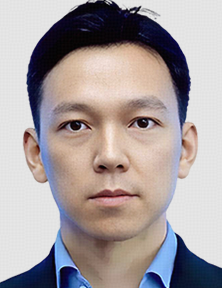 Rongrong Ji (纪荣嵘)合作论文数School of Informatics, Xiamen University2
 Chen Wei合作论文数Rice University2
 Larry Davis合作论文数Department of Computer Science, University of Maryland;Center for Automation Research, University of Maryland;Amazon2
 Yongjian Wu合作论文数Youtu Laboratory, Tencent Company Ltd2
 Feiyue Huang (黄飞跃)合作论文数2
 Chen Jason Zhang合作论文数Department of Computing, Faculty of Computer and Mathematical Sciences, The Hong Kong Polytechnic University2Mengren Qian合作论文数2
 Liujuan Cao (曹刘娟)合作论文数Department of Computer Science and Technology, School of Information, Xiamen University2
 Yuanning Li合作论文数2
 Luntian Mou (牟伦田)合作论文数Institute of Computing Technology Chinese Academy of Sciences, Chinese Academy of Sciences;College of Metropolitan Transportation, Beijing University of Technology2Kenan Huang合作论文数1
 Junjie Zhang合作论文数Shanghai University1
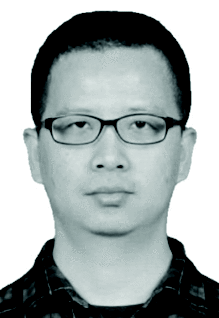 Zhe Wu合作论文数Intelligence Department, Peng Cheng Laboratory1




