Ensuring an adequate food supply amidst a growing global population and climate change challenges necessitates innovative strategies to enhance crop productivity. Previous studies have demonstrated that the simultaneous stimulation of different photosynthesis-related processes can increase the rate of photosynthetic carbon assimilation and plant biomass. This study evaluates an approach based on modelling aimed at simultaneously increasing photosynthetic and sink capacities in Nicotiana tabacum by overexpressing three key enzymes: sedoheptulose-1,7-bisphosphatase (SBPase), fructose-1,6-bisphosphate aldolase (FBP aldolase), and ADP-glucose pyrophosphorylase (AGPase). Our results showed that this strategy does not significantly improve growth or carbon assimilation in Nicotiana tabacum under the tested conditions. This suggests that while the model informing our work offers a valuable framework, its application may require adjustments based on species and environmental conditions. Future research should explore these genetic modifications in species with larger sink capacities and under a range of growth conditions to fully realize the potential of photosynthetic optimization.
The C3 cycle is the primary biochemical pathway for fixation of atmospheric CO₂ in over 85% of plants, including the major crop species. This pathway is autocatalytic involving eleven enzymes catalysing 13 reactions and provides carbon compounds directly for the synthesis of isoprenoids, sucrose, starch, phenylpropanoids, thiamine and nucleotides. One focus of research on the C3 cycle has been to identify bottlenecks to provide strategies for improving crop yield. There have been one or two notable successes from this work, mainly in model species and in controlled environment conditions. Given that the C₃ cycle is highly conserved it is reasonable to predict that lessons learned from model plants will be transferable to crops. We provide an update on the current understanding of the biochemistry, regulation and limitations of the C3 cycle, and future questions to be addressed to enable improvement of the cycle to boost crop yields.
In this study, four tobacco transformants overexpressing the inorganic carbon transporter B gene (ictB) were screened for photosynthetic performance relative to the wild type (WT) in field-based conditions. The WT and transgenic tobacco plants were evaluated for photosynthetic performance to determine the maximum rate of carboxylation (Vc, max), maximum rate of electron transport (Jmax), the photosynthetic compensation point (Γ*), quantum yield of PSII (ΦPSII), and mesophyll conductance (gm). Additionally, all plants were harvested to compare differences in above-ground biomass. Overall, transformants did not perform better than the WT on photosynthesis-, biomass-, and leaf composition-related traits. This is in contrast to previous studies that have suggested significant increases in photosynthesis and yield with the overexpression of ictB, although not widely evaluated under field conditions. These findings suggest that the benefit of ictB is not universal and may only be seen under certain growth conditions. While there is certainly still potential benefit to utilizing ictB in the future, further effort must be concentrated on understanding the underlying function of the gene and in which environmental conditions it offers the greatest benefit to crop performance. As it stands at present, it is possible that ictB overexpression may be largely favorable in controlled environments, such as greenhouses.
C4 photosynthesis is characterized by the compartmentalization of the processes of atmospheric uptake of CO2 and its conversion into carbohydrate between mesophyll and bundle-sheath cells. As a result, most of the enzymes participating in the Calvin-Benson-Bassham (CBB) cycle, including RubisCO, are highly expressed in bundle-sheath cells. There is evidence that changes in the regulatory sequences of RubisCO contribute to its bundle-sheath-specific expression, however, little is known about how the spatial-expression pattern of other CBB cycle enzymes is regulated. In this study, we use a computational approach to scan for transcription factor binding sites in the regulatory regions of the genes encoding CBB cycle enzymes, SBPase, FBPase, PRK, and GAPDH-B, of C3 and C4 grasses. We identified potential cis-regulatory elements present in each of the genes studied here, regardless of the photosynthetic path used by the plant. The trans-acting factors that bind these elements have been validated in A. thaliana and might regulate the expression of the genes encoding CBB cycle enzymes. In addition, we also found C4-specific transcription factor binding sites in the genes encoding CBB cycle enzymes that could potentially contribute to the pathway-specific regulation of gene expression. These results provide a foundation for the functional analysis of the differences in regulation of genes encoding CBB cycle enzymes between C3 and C4 grasses.
 Christine Raines合作论文数School of Life Sciences, University of Essex4
 Tracy Lawson合作论文数School of Life Sciences, University of Essex;School of Integrative Biology, College of Liberal Arts & Sciences, University of Illinois Urbana-Champaign;Carl R. Woese Institute for Genomic Biology, University of Illinois Urbana-Champaign2
 Pauline Lemonnier合作论文数1Shellie Wall合作论文数1
 Kenny L Brown合作论文数N2 Appl AS1
 Liana Acevedo-Siaca合作论文数International Maize and Wheat Improvement Center (CIMMYT), Km. 45, Carretera Mexico-Veracruz, El Batan, Texcoco, Mexico.1Ruiz-Vera Ursula M合作论文数1
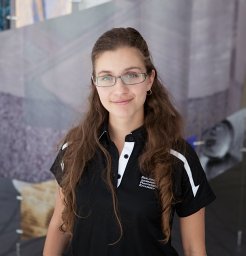 Patricia Elena Lopez-Calcagno合作论文数School of Biological Sciences, University of Essex Colchester1
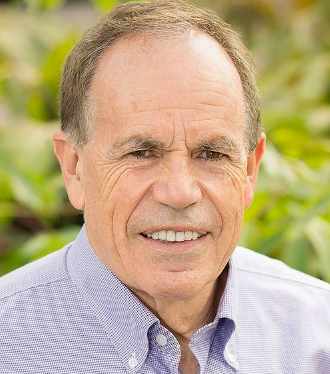 Stephen Long合作论文数Department of Bioengineering, The Grainger College of Engineering, University of Illinois Urbana-Champaign1
 Andrew J Simkin合作论文数Faculté de Pharmacie, Université François Rabelais1
 Kamel Chibani合作论文数Faculté des Sciences, Nancy University1




