OBJECTIVES:To forecast the provincial supply of oncologists in South Africa through 2030 using a health need-based approach grounded in disability-adjusted life years (DALYs), and to identify shortfalls under scenarios aimed at reducing human resources for health (HRH) inequities as highlighted in Disease Control Priorities, Volume 3 (DCP-3). STUDY DESIGN:A retrospective forecasting study employing DALY-driven demand projections for oncology services in each of South Africa's nine provinces, with scenario analyses evaluating horizontal equity in HRH distribution. METHODS:Age-standardized provincial DALYs for cancer were obtained from the Institute for Health Metrics and Evaluation Global Burden of Disease (IHME GBD) estimates via the Global Health Data Exchange (GHDx). Mid-year population estimates for 2018 were sourced from Statistics South Africa. Using these metrics, we calculated DALY load per oncologist and projected oncologist requirements for 2020, 2025, and 2030. RESULTS:Under the best guess scenario, South Africa faces a shortfall of 47 oncologists in 2020, increasing to 97 by 2025 and 148 by 2030. The optimistic scenario yields national deficits of 77 (2020), 126 (2025), and 175 (2030). In the aspirational scenario, shortfalls climb to 138 (2020), 184 (2025), and 230 (2030). CONCLUSIONS:The Workforce Projection Model offers a replicable framework for low- and middle-income countries to assess oncology workforce needs, optimize HRH allocation, and plan capacity development to enhance equitable access to cancer care.
1 Balagula Y, Dusza SW, Zampella J et al. Early-onset mycosis fungoides among African American women: a single-institution study. J Am Acad Dermatol 2014; 71:597–8. 2 Huang AH, Kwatra SG, Khanna R et al. Racial disparities in the clinical presentation and prognosis of patients with mycosis fungoides. J Natl Med Assoc 2019; 111:633–9. 3 Nath SK, Yu JB, Wilson LD. Poorer prognosis of African-American patients with mycosis fungoides: an analysis of the SEER dataset, 1988 to 2008. Clin Lymphoma Myeloma Leuk 2014; 14:419–23. 4 Sun G, Berthelot C, Li Y et al. Poor prognosis in non-Caucasian patients with early-onset mycosis fungoides. J Am Acad Dermatol 2009; 60:231–5. 5 Geller S, Lebowitz E, Pulitzer MP et al. Outcomes and prognostic factors in African American and black patients with mycosis fungoides and S ezary syndrome: retrospective analysis of 157 patients from a referral cancer center. J Am Acad Dermatol 2020; 83:430–9. 6 Buechler CR, Sagher E, Tisack A et al. Contribution of socioeconomic risk factors within a diverse mycosis fungoides cohort from Detroit, MI. J Am Acad Dermatol 2022; in press; doi: https://doi.org/ 10.1016/j.jaad.2021.12.016. 7 Emran AA, Gallagher SJ, Tiffen JC, Hersey P. Sex bias of females in survival from cancer and infections. Is X the answer? Br J Cancer 2021; 124:1184–6. 8 Salas LA, Peres LC, Thayer ZM et al. A transdisciplinary approach to understand the epigenetic basis of race/ethnicity health disparities. Epigenomics 2021; 13:1761–70.
Introduction: Hyperkalaemia is a common electrolyte disorder in hospitalised patients and may cause life-threatening cardiac arrythmias and death. There is a lack of consensus regarding its optimal management, which may result in wide variations in practice and the guidance provided to junior staff. Methods: We conducted a survey on a Research Electronic Data Capture (REDCap) platform to evaluate the knowledge of medical specialists regarding the diagnosis and management of hyperkalaemia, with a focus on insulinbased therapy. A convenience sample of 70 specialists in nephrology, internal medicine, emergency medicine and critical-care medicine were invited to participate. Comparisons were also made between nephrologists and nonnephrologists. Results: A total of 51 medical specialists responded, of whom 47% were nephrologists. They were more likely to initiate therapy at a potassium concentration ([K]) of 6 mmol/L, whereas non-nephrologists tended to start at a lower concentration (P < 0.01). Half the respondents regarded blood gas machine measurements as providing an accurate measure of [K]. Non-nephrologists were more likely to perform an ECG before starting treatment (P = 0.02). All respondents regarded insulin and dextrose as the most effective and reliable means for shifting K. Only 22% monitored the serum glucose concentration beyond 2 hours following insulin-based therapy, and 22% thought that hypoglycaemia was an uncommon complication if dextrose also was administered. Conclusions: This is the first comprehensive survey to report on the knowledge of specialists regarding the emergency management of hyperkalaemia. There is a need to address knowledge gaps, particularly around the optimal and safe use of insulin-based therapies. Our findings and recommendations should be useful in informing the development of consensus guidelines and educational resources on hyperkalaemia.
Background To facilitate imaging resource planning and address key health targets of the United Nations (UN) 2030 Sustainable Development Goals, accurate data are required on imaging personnel at the country level. Such data are currently limited. Objectives This study aims to analyze trends in the number, geographical distribution, and demographics of South African (SA) diagnostic imaging personnel between 2002 and 2019. Method A retrospective analysis of the Health Professions Council of South Africa (HPCSA) database of imaging personnel from 2002 to 2019 was done. The total number of personnel and personnel per million people were calculated for the country and for each professional group (radiologist, diagnostic radiographer, and sonographer) by calendar year, province, and demographic profile. Population data were provided by Statistics SA. Results The total imaging personnel, number per million people, and national population increased by 283% (3,095 versus 8,753), 119% (68 versus 149/106), and 29% (45.45 versus 58.77/106), respectively. Diagnostic radiographers constituted more than 80% of the workforce throughout the review period, increasing by 185% (2,540 versus 7,242). Sonographers, the smallest cohort, recorded the highest (49 versus 503; 906%) and radiologists (506 versus 1,007; 99%) the lowest proportional growth. Although radiologists showed persistent male predominance, the male proportion decreased from 82% to 69%, while that of females increased from 18% to 31%. The average annual percentage increase in female radiologists (14%) was more than three times that of males (4%). Diagnostic radiographers showed female predominance, but the proportion decreased from 90% to 83%, while that of males increased from 10% to 17%. Sonographers showed overwhelming female predominance (94% versus 92%). The average annual percentage increase in male diagnostic radiographers (21%) was more than double that of females (9%). In 2002, 48% (n = 1,475) of imaging personnel identified as White, and 15% (n = 467) identified as Black African. By 2019, those identifying as White and Black African were 36% (n = 3,122) and 35% (n = 3,045), respectively. The Western Cape Province (WCP) maintained the highest overall number of imaging personnel per million people (165 versus 233/106) and Limpopo the lowest (12 versus 54/106). However, Limpopo recorded the highest proportional growth in imaging personnel/106 people (368%) and the WCP the lowest (41%). The differential between the best- and least-resourced provinces thus decreased from 14:1 in 2002 to 4:1 in 2019. Conclusion In the review period, the SA imaging workforce has shown substantial expansion and transformation and has assumed a more equitable distribution.
Introduction Hyperkalaemia is a very common electrolyte disorder encountered in hospitalised patients. Although hypoglycaemia is a frequent complication of insulin therapy, it is often under-appreciated. We conducted a scoping review of this important complication, and of other adverse effects, of the treatment of hyperkalaemia in hospitalised adults to map existing research on this topic and to identify any knowledge gaps. Materials and methods We followed the PRISMA-ScR guidelines. Studies were eligible for inclusion if they reported on any adverse effects in hospitalised patients ≥18-years-old, with hyperkalaemia receiving treatment that included insulin. All eligible research from 1980 to 12 October 2021 were included. We searched Medline (PubMed), Embase (Ovid), the Cochrane Library, CINHAL, Africa-Wide Information, Web of Science Core Collection, LILACS and Epistemonikos. The protocol was prospectively registered with the Open Science Framework ( https://osf.io/x8cs9 ). Results Sixty-two articles were included. The prevalence of hypoglycaemia by any definition was 17.2% (95% CI 16.6–17.8%). The median timing of hypoglycaemia was 124 minutes after insulin administration (IQR 102–168 minutes). There were no differences in the prevalence of hypoglycaemia when comparing insulin dose (<10 units vs. ≥10 units), rate of insulin administration (continuous vs. bolus), type of insulin (regular vs. short-acting) or timing of insulin administration relative to dextrose. However, lower insulin doses were associated with a reduced prevalence of severe hypoglycaemia (3.5% vs. 5.9%, P = 0.02). There was no difference regarding prevalence of hypoglycaemia by dextrose dose (≤25 g vs. >25 g); however, prevalence was lower when dextrose was administered as a continuous infusion compared with bolus administration (3.3% vs. 19.5%, P = 0.02). The most common predictor of hypoglycaemia was the pre-treatment serum glucose concentration (n = 13 studies), which ranged from < 5.6–7.8 mmol/L. Conclusion This is the first comprehensive review of the adverse effects following insulin therapy for hyperkalaemia. Hypoglycaemia remains a common adverse effect in hospitalised adults. Future randomised trials should focus on identifying the optimal regimen of insulin therapy to mitigate the risk of hypoglycaemia.
Background Hyperkalaemia is a common electrolyte disorder in hospitalised patients. There is a lack of data from Africa on the prevalence, causes and outcomes of patients with hyperkalaemia. We aimed to identify the frequency of hyperkalaemia in hospitalised adults, and to identify any risk factors for in-hospital death. Methods We conducted a retrospective cohort study of 1921 adult patients admitted to hospital with hyperkalaemia (potassium concentration ([K]) >= 5 center dot 5 mmol/L) over a one-year period during 2019. Multivariable logistic regression was performed to identify predictors of in-hospital mortality and multilinear regression was used to identify associations with the [K]. Findings We found an incidence rate of 3-7 cases per 100 patient-years. Nearly a third died during hospitalisation. Acute kidney injury (AKI) was common in patients who died (69 center dot 2% vs. 41 center dot 3%, P < 0 center dot 01). Age (odds ratio (OR) 1 center dot 02, 95% CI 1 center dot 01-1 center dot 03), [K] (OR 1 center dot 38, 95% CI 1 center dot 12-1 center dot 71), AKI (OR 3 center dot 13, 95% CI 2 center dot 19-4 center dot 47) and acute therapy (OR 1 center dot 93, 95% CI 1 center dot 40-2 center dot 66) were predictors of in-hospital death. AKI (r = 0 center dot 29, P < 0 center dot 01) and chronic kidney disease (r = 0 center dot 31, P < 0 center dot 01) were associated with the [K]. Fourteen percent of patients with hyperkalaemia were HIV positive with no difference in in-hospital death (P = 0 center dot 75). Interpretation This is the largest study reporting on the epidemiology of hyperkalaemia in hospitalised adults from Africa. Hyperkalaemia in association with AKI was a strong predictor of in-hospital death. Late presentation to hospital may be a major factor contributing to poor outcomes. Funding Self-funded. Copyright (c) 2022 The Author(s). Published by Elsevier Ltd.
This seems to be an important crucial step for further improvement of oral health as a significant requirement for overall health promotion at the regional and global level.
Background: While many Global Health programs aim to address health inequalities within and between HICs and low-and middle-income countries (LMICs) there is a need to establish new Global Health academic programs within the growing trend towards 'internationalization of higher education'. Objective: This study was undertaken to re-envision Global Health competencies for the African region context with respect to the local health needs and availability of resources. Methods: This study was undertaken over a period of four years from 2017 till 2020. A three-pronged strategy was undertaken to scan, scope, distil and develop a set of Global Health domains and competencies for the African region. Strategy 1 encompassed an environmental scan of Global Health competencies (2017-2019), and a literature review (2017-2020); strategy 2 comprised a scoping of education programs in Global Health (2018- 2019); and strategy 3 involved an interest-group discussion in a face-to-face conference. Findings: Seven core and four cross-cutting global health competency statements were developed for the African region. The core competency statements included following domains: global health systems and international relations; global evidence ecosystem; role of international organizations; universal health issues; intellectual property rights; responses to issues affecting different at-risk groups; local, national, and international policy and economic context affecting global health. The four cross-cutting competency statements included following domains: digital and academic literacies; quantitative and qualitative research; policy and funding allocation resources; ethical conduct of global health practice and research global health. Conclusion: There is a need to enable higher education institutions (HEIs) from the Global South to offer global health qualifications with a set of competencies that better approximate solutions to contextualised problems - not only to students from the Global South but also from the Global North. The global health competencies developed in this research study will enable African HEIs to offer global health education in a more pragmatic manner.
BACKGROUND:The growing global health burden of kidney disease is substantial and the nephrology workforce is critical to managing it. There are concerns that the nephrology workforce appears to be shrinking in many countries. This study analyses trends in South Africa for the period 2002-2017, describes current training capacity and uses this as a basis for forecasting the nephrology workforce for 2030.METHODS:Data on registered nephrologists for the period 2002 to 2017 was obtained from the Health Professions Council of South Africa and the Colleges of Medicine of South Africa. Training capacity was assessed using data on government-funded posts for nephrologists and nephrology trainees, as well as training post numbers (the latter reflecting potential training capacity). Based on the trends, the gap in the supply of nephrologists was forecast for 2030 based on three targets: reducing the inequalities in provincial nephrologist densities, reducing the gap between public and private sector nephrologist densities, and international benchmarking using the Global Kidney Health Atlas and British Renal Society recommendations.RESULTS:The number of nephrologists increased from 53 to 141 (paediatric nephrologists increased from 9 to 22) over the period 2002-2017. The density in 2017 was 2.5 nephrologists per million population (pmp). In 2002, the median age of nephrologists was 46 years (interquartile range (IQR) 39-56 years) and in 2017 the median age was 48 years (IQR 41-56 years). The number of female nephrologists increased from 4 to 43 and the number of Black nephrologists increased from 3 to 24. There have been no nephrologists practising in the North West and Mpumalanga provinces and only one each in Limpopo and the Northern Cape. The current rate of production of nephrologists is eight per year. At this rate, and considering estimates of nephrologists exiting the workforce, there will be 2.6 nephrologists pmp in 2030. There are 17 government-funded nephrology trainee posts while the potential number based on the prescribed trainer-trainee ratio is 72. To increase the nephrologist density of all provinces to at least the level of KwaZulu-Natal (2.8 pmp), which has a density closest to the country average, a projected 72 additional nephrologists (six per year) would be needed by 2030. Benchmarking against the 25th centile (5.1 pmp) of upper-middle-income countries (UMICs) reported in the Global Kidney Health Atlas would require the training of an additional eight nephrologists per year.CONCLUSIONS:South Africa has insufficient nephrologists, especially in the public sector and in certain provinces. A substantial increase in the production of new nephrologists is required. This requires an increase in funded training posts and posts for qualified nephrologists in the public sector. This study has estimated the numbers and distribution of nephrologists needed to address provincial inequalities and achieve realistic nephrologist density targets.
Tooth loss constitutes a major public health challenge, sharing common risk factors with non-communicable diseases. To report the relationship between tooth loss and serum cotinine levels in a population sample of mixed ethnic heritage from the Belville South area in South Africa. Cross-sectional epidemiological study.Subjects were invited from 2014 to 2016 according to a consecutive sampling technique and all those who met the inclusion criteria were included. In all, 1876 individuals were included, being 1416 females (75.5%), with a combined average age of 49.5 ± 15.3 years. In total 46.7% of the sample was edentulous, with females presenting a higher proportion than males (50.7% vs. 34.1%, p < 0.001). The relative risk (RR) of being edentulous was higher for females (RR=1.8, 95% CI=1.35-2.41, p<0.001) and for participants with cotinine levels 15-299 ng/ml (RR = 1.37, 95% CI=1.02=1.83, p=0.04) and ≥300 ng/ml (RR=1.51, 95% CI=1.09-2.08, p=0.01). Maxillary incisors and mandibular molars were the most prevalent missing teeth. The burden of tooth loss is high in the studied population sample, as well their unmet needs for dental care. Female gender, tobacco exposure, and aging were associated with partial and total edentulism.
To manage the increasing burden of dental diseases, a robust health system is essential. In order to ensure the oral health system operates at an optimal level going into the future, a forecast of the national shortfall of dentists and dental specialists in South Africa (SA) was undertaken. There is currently a shortage of dentists and specialists in SA and given the huge burden of dental diseases, there is a dire need to increase the number of these health care workers. The aim was to determine the projected shortfall of dentists and specialists in each of the nine provinces in SA. The projected shortfall was calculated based on the SA Disability-Adjusted Life Years (DALYs) for each province. The estimate for the evaluation of the Global Burden of Disease (GBD) for SA was obtained from the Institute of Health Metrics and Evaluation (IHME) Global Burden of Disease website. For each province, age standardized DALYs were calculated with mid-year population estimates obtained from Statistics SA 2018. In order to reduce the existing human resources for health (HRH) inequity among the provinces of SA, three scenarios were created focussing on attaining horizontal equity. The best-case scenario estimates a shortfall of 430, 1252 and 1885 dentists and specialists in 2018, 2024 and 2030 respectively. In an optimistic scenario, the national shortfall was calculated at 733, 1540 and 2158 dentists and specialists for the years 2018, 2024 and 2030 respectively. In an aspirational scenario, shortfalls of 853 (2018), 1655 (2024) and 2267 (2030) dentists and specialists were forecasted. Access to oral health services should be ensured through the optimum supply of trained dentists and specialists and the delivery of appropriate oral health services. Thus, the roadmap provided for upscaling the oral health services recognizes the influence of both demand and supply factors on the pursuit of equity.
Rationale, aim and objective The physiotherapy profession did not escape the effects of racially based segregatory practises. While numerous strategies and initiatives have been employed to redress the inequities of the past, the extent of demographic transformation within the physiotherapy profession in South Africa remains uncertain. Transformation is defined in this article as an intentional change aimed at addressing inequalities and the ultimate goal is for population group and gender profiles of higher education graduates to be representative of the national epidemiological profile. This paper describes the demographic patterns of Health Professions Council of South Africa (HPCSA) registered physiotherapists from 1938 to 2018. Method A retrospective record review of the HPCSA database from 1938 until 2018 was performed. De-identified data were extracted, coded and analyzed for descriptive purposes. Z-tests were used for analysis of proportion differences, along with P-values and 95% confidence intervals for interpretation. Results In 2018, 7663 physiotherapists (6350 women and 1313 men) were registered with the HPCSA. Most registered physiotherapists (55.6%) were classified as white, followed by black (17.3%), coloured (10.3%) and Indian (9.8%). A progressive increase was found in the number of new registrations over time (1949-2018) by black (0.00%-24.38% of total new registrations), coloured (0.00%-15.47%) and Indian individuals (0.00%-10.03%), with a statistically significant increase in newly registered black therapists in the decade prior to 2018 (P = .005). Gender transformation appears to be occurring at a slower pace as the profession remains female-dominated (82.9% of registered physiotherapists in 2018). Conclusion There has been a steady transformation of the South African physiotherapy graduates composition regarding population categories and gender. However, it is clear that much more than selection criteria is needed to transform the profession in a way that is nationally representative, remain actively accountable for transformation and apt for local context.
Background Increasing feminization of medical professions is well-acknowledged. However, this does not always equate to equitable representation of women within medicine, regarding their socio-demographic indicators, regions, sectors and fields of practice. Thus, this paper quantifies the gap in supply of female medical doctors in relation to demand, towards reaching different gender equity scenarios. Methods A retrospective review of the Health Professions Council of South Africa’s (HPCSA) database on registered medical doctors (medical practitioners and medical specialists) from 2002 until 2019 was utilized as an indicator of supply. Descriptive statistics were used to summarize data, and inferential statistics (considering a significance level of 0.05) were utilized to determine the association between the number of male and female doctors, disaggregated by demographic variables. We forecasted future gaps of South African male and female doctors up to 2030, based on maintaining the current male-to-female ratio and attaining an equitable ratio of 1:1. Results While the ratio of female doctors per 10 000 population has increased between 2000 and 2019, from 1.2 to 3.2, it remains substantially lower than the comparative rate for male doctors per 10 000 population which increased from 3.5 in 2000 to 4.7 in 2019. Men continue to dominate the medical profession in 2019, representing 59.4% (27,579) of medical doctors registered with the HPCSA with females representing 40.6% (18,841), resulting in a male-to-female ratio of 1:0.7. Female doctors from the Black population group have constantly grown in the medical workforce from 4.4% (2000), to 12.5% (2019). There would be a deficit of 2242 female doctors by 2030 to achieve a 1:1 ratio between male and female medical doctors. An independent-samples t-test revealed that there was a significant difference in the number of male and female doctors. The Kruskal–Wallis test indicated that there was a sustained significant difference in terms of the number of male and female doctors by population groups and geographical distribution. Conclusions Based on the investigation, we propose that HRH planning incorporate forecasting methodologies towards reaching gender equity targets to inform planning for production of healthcare workers.
Background: South Africa is an upper middle-income country with inequitable access to healthcare. There is a maldistribution of doctors between the private and public sectors, the latter which serves 86% of the population but has less than half of the human resources. Objective: The objective of this study was to estimate the specialist surgical workforce density in South Africa. Methods: This was a retrospective record-based review of the specialist surgical workforce in South Africa as defined by registration with the Health Professionals Council of South Africa for three cadres: 1) surgeons, and 2) anaesthesiologists, and 3) obstetrician/gynaecologists (OBGYN). Findings: The specialist surgical workforce in South Africa doubled from 2004 (N = 2956) to 2019 (N = 6144). As of December 2019, there were 3096 surgeons (50.4%), 1268 (20.6%) OBGYN, and 1780 (29.0%) anaesthesiologists. The specialist surgical workforce density in 2019 was 10.5 per 100,000 population which ranged from 1.8 in Limpopo and 22.8 per 100,000 in Western Cape province. The proportion of females and those classified other than white increased between 2004–2019. Conclusion: South Africa falls short of the minimum specialist workforce density of 20 per 100,000 to provide adequate essential and emergency surgical care. In order to address the current and future burden of disease treatable by surgical care, South Africa needs a robust surgical healthcare system with adequate human resources, to translate healthcare services into improved health outcomes.
(1) Background: Tooth loss is an important component of the global burden of oral disease, greatly reducing the quality of life of those affected. Tooth loss can also affect diet and subsequent incidences of lifestyle diseases, such as hypertension and metabolic syndromes. This study aimed to evaluate the oral health-related quality of life (OHRQoL) score using the oral impacts on daily performance (OIDP) index in relation to tooth loss patterns among adults. (2) Methods: From 2014 to 2016, a cross-sectional study was conducted on adults living in Bellville South, Cape Town, South Africa. The OHRQoL measure was used to evaluate the impact of tooth loss. (3) Results: A total of 1615 participants were included, and 143 (8.85%) had at least one impact (OIDP > 0). Males were less likely to experience at least one impact compared to the females, OR=0.6, 95% C.I.: 0.385 to 0.942, p = 0.026. Those participants who did not seek dental help due to financial constraints were 6.54 (4.49 to 9.54) times more likely to experience at least one impact, p < 0.001. (4) Conclusions: Tooth loss did not impact the OHRQoL of these subjects. There was no difference in the reported odds for participants experiencing at least one oral impact with the loss of their four anterior teeth, the loss of their posterior occlusal pairs, or the loss of their other teeth.
Background: Emergency care is viewed as a fundamental human right in South Africa’s constitution. In the public sector, all emergency medical services (EMS) come under the Directorate: Emergency Medical Services and Disaster Medicine at the National Department of Health (NDoH), which provides regulation, policy and oversight guidance to provincial structures. Aim: The aim of the study is to understand the supply and status of human resources for EMS in South Africa. Setting: This research was undertaken for South Africa using the Health Professions Council of South Africa (HPCSA) database from 2002 to 2019. Methods: A retrospective record-based review of the HPCSA database was undertaken to estimate the current registered and future need for emergency care personnel forecasted up to 2030. Results: There are 76% Basic Ambulance Assistants registered with HPCSA. An additional 96 000 personnel will be required in 2030 to maintain the current ratio of 95.9 registered emergency care personnel per 100 000 population. The profile of an emergency care personnel employed in South Africa is likely to be a black male in the age group of 30–39-years, residing in one of the economically better-resourced provinces. Conclusion: It is time that the current educational framework is revised. Policy interventions must be undertaken to avoid future shortages of the trained emergency care personnel within South Africa.
Oral mucosal lesions (OML) can decrease oral health-related quality of life and some have the potential to become malignant. The aim of the present study was to report the prevalence of OML in relation to age, sex, and serum cotinine levels in a population with mixed ancestry from South Africa. This study is part of the Cape Town Vascular and Metabolic Health (VHM) study, conducted between 2014–2016. Trained dental examiners assessed the oral mucosa for the presence of OML according to WHO criteria. In total, 1976 individuals were included in the study, being 1496 females (75.7%) and 480 males (24.3%) with average age of 49.5 years (SD = 15.3). In total, 262 lesions were detected in 252 participants (overall prevalence of 13%). Males had higher prevalence than females (14% vs. 9%, p = 0.008). Participants aged 25–34 had the highest prevalence rates (21%). Participants who had cotinine ≥15 ng/mL had higher prevalence of OML as compared to those with <15 ng/mL (15% vs. 5%, p < 0.001). Most common lesions were nicotine stomatitis (33%) and leukoplakia (19%). Age, male sex, and higher cotinine levels were associated with increased prevalence of OML.
A healthy mouth is necessary for optimal health and quality of life. However, oral health is often compromised in adults with chronic kidney disease (CKD). The aim of this review was to present the scientific foundations behind the connection between oral diseases and chronic kidney disease (CKD) in adults, discuss common oral conditions and their systemic effects, investigate biological pathways through which oral infections affect the body and provide guidelines for physicians/nephrologists. Prevalence of oral disease is increased in CKD, including periodontal disease, oral mucosal lesions, edentulousness, xerostomia, gingival overgrowth in immunosuppressed patients and potentially caries. There is moderate to strong evidence to support a negative impact of oral infections in CKD, particularly periodontal disease, with systemic inflammation, bacteraemia of oral origin, endothelial function and gut dysbiosis being potential pathways for this interaction. Poor oral health can be a hidden source of infection and has been associated with increased mortality in CKD patients. Elimination of potential foci for oral infections is crucial before renal transplantation. Frequent dental monitoring is crucial for these patients and should be part of a multidisciplinary approach to manage CKD, with special attention to end-stage kidney disease.
INTRODUCTION:The global nephrology workforce is shrinking and, in many countries, is unable to meet healthcare needs. Accurate data pertaining to human resources in nephrology in South Africa is lacking. This data is critical for the planning and delivery of renal services and the training of nephrologists in South Africa to meet the challenge of the growing burden of chronic kidney disease. METHODS:A cross-sectional study of adult and paediatric nephrologists currently delivering nephrology services in South Africa was conducted. Participants were identified using various data sources, including the register of the Health Professions Council of South Africa. This cohort of doctors was described in terms of their demographics and distribution. A survey was then conducted among these nephrologists to collect additional information on their training, scope of practice, job satisfaction, challenges and future plans. Finally, two focus group interviews were conducted to probe themes identified from the survey data. RESULTS:A total of 120 adult nephrologists and 22 paediatric nephrologists were identified (an overall density of 2.5 per million population). There is a male predominance (66%) and the median age is 45 years. The bulk of the workforce (128 nephrologists, 92%) is distributed in three of the nine South African provinces, and two provinces have no nephrologist at all. The survey was completed by 57% of the nephrologists. Most reported positive attitudes to their chosen profession; however, 35 nephrologists (43%) reported an excessive workload, 9 (11%) were planning emigration and 15 (19%) were planning early retirement. A higher frequency of dissatisfaction regarding remuneration (39% vs. 15%) and unsatisfactory work conditions (35% vs. 13%) was observed amongst nephrologists working in the public sector compared to the private sector. A total of 13 nephrologists participated in the focus group interviews. The themes which were identified included that of a rewarding profession, an overall shortage of nephrologists, poor career planning, a need for changes to nephrologists' training, excessive workloads with inadequate remuneration, and challenging work environments. CONCLUSION:There are insufficient numbers of nephrologists in South Africa, with a markedly uneven distribution amongst the provinces and healthcare sectors. Qualitative data indicate that South African nephrologists are faced with the challenges of a high workload, obstructive policies and unsatisfactory remuneration. In the public sector, a chronic lack of nephrologist posts and other resources are additional challenges. A substantial proportion of the workforce is contemplating emigration.
 Ritika Tiwari合作论文数Public Health Foundation of India14
 Liviu Feller合作论文数Department of Periodontology and Oral Medicine, University of Limpopo14J Lemmer合作论文数13Meyerov R合作论文数13Razia Abdool Gafaar Khammissa合作论文数12
 Razeen Davids合作论文数Department of Medicine, Stellenbosch University12
 Neil H Wood合作论文数Department of Periodontology and Oral Medicine, University of Limpopo11
 Rajiv Erasmus合作论文数6
 Thandi Matsha合作论文数SAMRC;Cardiometabolic Health Research Unit, Department of Biomedical Sciences, Faculty of Health and Wellness Sciences, Cape Peninsula University of Technology;CPUT6
 Carla Cruvinel Pontes合作论文数School of Dentistry, University of Copenhagen6
 Andre Pascal Kengne合作论文数African Population and Health Research Center6Faheema Kimmie-Dhansay合作论文数Tygerberg Hosp UWC Dent Sch, Univ Western Cape5
 Dr Saadika Begum Khan合作论文数Department of Restorative Dentistry, University of the Western Cape;Department of Interdisciplinary Health Sciences, Stellenbosch University;Department of Prosthodontics, Kuwait University;Stellenbosch University, Kuwait University5
 Ridwaan Omar合作论文数Rocky Mountain Laboratories, National Institutes of Health5Innocent Karangwa合作论文数Dept Stat & Populat Studies, Univ Western Cape4
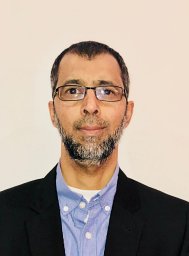 Bhayat Ahmed合作论文数Schools of Public Health and Oral Health Sciences, University of Witwatersrand4
 Mitchell Halperin合作论文数Division of Nephrology, St. Michael’s Hospital, University of Toronto4Mogamat-Yazied Chothia合作论文数3Rene English合作论文数3Ts Gugushe合作论文数3
 Chinwe Juliana Iwu合作论文数South African Med Res Council3
 Lieketseng Ned合作论文数Ctr Disabil & Rehabil Studies, Stellenbosch Univ3
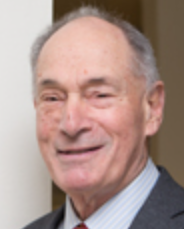 Mitch Halperin合作论文数Department of Medicine, Temerty Faculty of Medicine, University of Toronto3
 Musekiwa Alfred合作论文数School of Mathematics, Statistics and Computer Science, University of KwaZulu-Natal;Wits Reproductive Health &HIV Institute (WRHI),, University of the Witwatersrand;University of KwaZulu-Natal, University of the Witwatersrand3Wiysonge C S合作论文数3Essop R合作论文数3M Bouckaert合作论文数2Hlokoma Mangqalaza合作论文数2Ntombenhle J Ngcobo合作论文数2Muhammed Hassen合作论文数2Grobler S R合作论文数2
 Khondowe Oswell合作论文数2
 Rakesh Chandran合作论文数2
 Veerasamy Yengopal合作论文数Faculty of Health Sciences, University of the Witwatersrand2Lb Oliveira合作论文数1Ben Sartorius合作论文数1
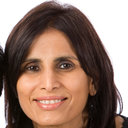 Harsha Kathard合作论文数1A. J. Louw合作论文数1I Sarvan合作论文数1Eunice Turawa合作论文数1Elizabeth D Pienaar合作论文数1Raveen Naidoo合作论文数1Kate Sherry合作论文数1
 Taryn Young合作论文数1Justin Harvey合作论文数1Diribsa Tsegaye合作论文数1Anneliese Wessels合作论文数1
 Kerrin Begg合作论文数1Thaabit Davids合作论文数1




