Abstract Objective Hypoglossal nerve stimulation in the US requires drug‐induced sleep endoscopy to exclude patients with complete concentric collapse. This is an expensive and time‐consuming requirement. We hypothesized that supine pharyngeal width, and other demographic and polysomnographic variables would associate with complete concentric collapse. Study Design Prospective, multicenter cohort study. Setting 10 centers in the United States with experience selecting patients for and performing airway surgeries for sleep apnea including hypoglossal nerve stimulation implantation. Methods 600 patients meeting criteria for hypoglossal nerve stimulation underwent measurement of supine pharyngeal width and collection of demographic and polysomnographic data followed by drug‐induced sleep endoscopy. Results 587 patients completed the study. Patients with complete concentric collapse had a higher body mass index (31.2 ± 3.2 vs 29.0 ± 3.4 kg/m2, P < .001), larger neck circumference (45.5 ± 4.2 vs 40.6 ± 4.7 cm, P < .001), and lower supine pharyngeal width (19.4 ± 6.3 vs 21.8 ± 6.5 mm; P = .008) than patients without complete concentric collapse. Conclusion Body mass index, neck circumference, and supine pharyngeal width all associate with complete concentric collapse and could potentially be used to determine hypoglossal nerve stimulation candidacy instead of drug‐induced sleep endoscopy for most patients thereby reducing both time and cost. (ClinicalTrials.gov NCT05428839: https://clinicaltrials.gov/study/NCT05428839?term=Inspire%20Medical%20systems%20predictor&rank=1).
Hypoglossal nerve stimulation (HGNS) has been widely used to treat obstructive sleep apnea in selected patients. Here we evaluate rates of revision and explant related to HGNS implantation and assess types of adverse events contributing to revision and explant. Postmarket surveillance data for HGNS implanted between January 1, 2018 and March 31, 2022, were collected. Event rates and risk were calculated using the postmarket surveillance event counts and sales volume over the same period. Indications were categorized for analysis. Descriptive statistics were reported and freedom from explant or revision curves were grouped by year of implantation. Of the 20,881 HGNS implants assessed, rates of explant and revision within the first year were 0.723
AbstractObjectiveNasal surgery can improve patient‐reported obstructive sleep apnea (OSA) outcomes as well as adherence with medical device treatments. The aim of this study was to examine whether previous nasal surgery was associated with hypoglossal nerve stimulation (HNS) therapy outcomes.Study DesignRetrospective observational cohort study was performed utilizing the multicenter international HNS registry (ADHERE).MethodsPropensity score matching generated a cohort of HNS patients with prior nasal surgery (NS) and a comparable cohort without prior nasal surgery (WNS). Data included demographics and therapy outcome measures including apnea‐hypopnea index (AHI), Epworth Sleepiness Scale (ESS), therapy use, and responder rate. Student's t‐test was used to compare normally‐distributed numeric data, Fisher's exact test to compare categorical data, and 1‐sided t‐tests to determine noninferiority.ResultsFrom the ADHERE dataset, 169 HNS patients were identified and matched from each cohort. AHI reduction was 21.01 ± 17.94 in the WNS cohort and 18.39 ± 16.4 in the NS cohort (P = .162). ESS reduction in the WNS cohort was 4.85 ± 4.98 and 4.48 ± 5.83 in the NS cohort (P = .528). Therapy use was similar, 5.67 ± 1.95 in WNS and 5.97 ± 2.06 in NS (P = .181). Responder rate was also similar in WNS (64.5%) and NS (62.1%) groups (P = .735).ConclusionPrior nasal surgery was not a predictor of HNS therapy response or adherence. Future prospective studies of HNS candidates with nasal airway obstruction may better determine the role of adjunctive nasal surgery in this population.
Abstract Introduction Upper airway stimulation (UAS) has become a viable treatment alternative for well selected patients with moderate to severe obstructive sleep apnea (OSA) who struggle to tolerate positive pressure (PAP) therapy. Post-market surveillance is required of medical device manufacturers to assess treatment outcomes, complications, and device failure. We aim to utilize this surveillance data to assess rates of revision and removal of the Inspire (Minneapolis, MN) UAS system in a real-world setting. Methods Post market surveillance data was compiled from manufacturer’s complaint handling system for explants and revisions of the hypoglossal nerve stimulator. Data collection began in January 2018 and was available through September 30 2022 at the time of analysis. Implant procedures from January 2018 through September 2021 were analyzed for events within one year of implant. Events were classified into categories. A subset of these devices implanted before September 30 2019 were analyzed for events between one and three years after implant. Results Between Jan 01 2018 and Sep 30 2021, 15282 devices were implanted. Within one year of the implant, 121 devices (0.8%) were explanted for: infection (66), elective (32), MRI (10), other (10), and twiddler syndrome (3). Surgical revisions were required for 245 patients (1.6%) for: surgical correction (139), device defect (81), other (21), cardioversion (2), twiddler syndrome (1), and MRI (1). A subset of 5080 of these devices were implanted prior to September 30 2019. Between one year and three years following implant 119 devices (2.3%) were explanted for: elective (58), MRI (35), infection (15), Other (9), and twiddler syndrome (2). Surgical revisions were performed for 160 patients (3.1%) for: surgical correction (64), device defect (57), other (32), twiddler syndrome (5), and cardioversion (2). Conclusion As with any implantable medical device, a certain rate of revision and explant is expected for device, patient, and medical indications. The rate of UAS revision and explantation is low at both the 1 year and 3 year time points. UAS implantation is a safe alternative to CPAP for well selected patients with a low rate of unexpected reoperation for either revision or hardware explantation. Support (if any) Inspire Medical
OBJECTIVESThe influence of apnea- and hypopnea-predominance on hypoglossal nerve stimulation therapy outcomes (HGNS) is still poorly defined. We assessed the significance of apnea- and hypopnea-predominance in HGNS outcomes.STUDY DESIGNCase series with chart review.SETTINGSingle-institution tertiary care center.METHODSA total of 216 subjects were included, all of which had undergone drug-induced sleep endoscopy (DISE) and HGNS implantation. Demographic and polysomnographic data were collected. The 4% apnea-hypopnea criteria were used to calculate apnea-hypopnea index (AHI). Central apneas were omitted. Univariate logistic and linear regression were used to study the association between these data and apnea-predominance and hypopnea-predominance. Kruskal-Wallis rank sum test was used to compare medians between groups for DISE collapse patterns.RESULTSSixty-three patients were apnea-predominant, and 153 patients were hypopnea-predominant. These 2 groups were similar demographically (p > .20). There was no significant difference in HGNS outcomes between the groups assessed using Sher20 criteria at the 1-year mark using all-night, single-setting polysomnography or home sleep studies. Apnea index (AI)/AHI and reduction in AHI from preoperative to titration were significantly associated (p = .046). The median preoperative hypopnea index was significantly lower (p = .033) in subjects with no oropharyngeal collapse than patients with partial or complete oropharyngeal collapse. There were no significant relationships between AI/AHI and the different degrees of collapse at the velopharynx, oropharynx, tongue base, or epiglottis.CONCLUSIONSIn line with CPAP, tonsillectomy, and mandibular advancement therapy studies, we found there was largely no significant difference in DISE anatomy or in HGNS treatment outcomes between apnea- and hypopnea-predominant individuals.
Untreated obstructive sleep apnea (OSA) is associated with excessive daytime sleepiness, decreased quality of life, and cardiovascular disease. Positive airway pressure is the first-line therapy for OSA; however, adherence is difficult. Upper airway stimulation is a Food and Drug Administration-approved treatment of OSA. The objective of this study was to evaluate for a difference in treatment efficacy and adherence of upper airway stimulation therapy for OSA between individuals who are White and non-White using data from the ADHERE registry. ADHERE registry is a multicenter prospective study of real-world experience of upper airway stimulation for treatment of OSA in the United States and Europe. Propensity score matching was used to create a balanced dataset between the White and non-White groups. t-Tests at a significance level of 5
OBJECTIVE:To examine if age, sex, body mass index (BMI), neck circumference, or apnea-hypopnea index can predict whether a patient will demonstrate velopharyngeal complete circumferential (CC) collapse on drug-induced sleep endoscopy (DISE).STUDY DESIGN:Single-center retrospective review at The Ohio State Wexner Medical Center of 289 patients between March 2014 and June 2020.SETTING:Quaternary care hospital.METHODS:Patient characteristic and DISE information was extracted from charts and summarized with mean and standard deviation for continuous variables and count and percentage for categorical. CC collapse and patient characteristic associations were explored: 2-sample t test for continuous and chi-square test for categorical. Classification and regression tree (CART) analysis with 3-fold cross-validation was employed to search for the best CC collapse predictors.RESULTS:Male and female BMI and female neck circumference were correlated to velopharyngeal CC collapse, with BMI more strongly correlated. CART analysis for males showed that a BMI ≤34.8 kg/m2 is associated with an 89.4% chance of not demonstrating velopharyngeal CC collapse vs 48% for BMI >34.8 (area under the curve [AUC] = 0.705; AUC >0.7 is acceptable). For females, the CART analysis showed that a BMI ≤36.4 is associated with a 98.4% of not demonstrating velopharyngeal CC collapse vs 30.8% for BMI >36.4 (AUC = 0.73). For females, a neck circumference ≤38.05 cm is associated with a 100% chance of not demonstrating velopharyngeal CC collapse vs 18.4% for >38.05 cm (AUC = 0.72).CONCLUSION:The BMI values for males and females and the female neck circumference values established by the CART model may accurately predict DISE anatomy and possible candidacy for hypoglossal nerve stimulation.
This is a case series of 5 patients who underwent implantation of the hypoglossal nerve stimulator for obstructive sleep apnea via a left-sided, two incision technique. This represents a significant modification of the original right-sided, three-incision technique. All five patients were successfully implanted with this technique variant with no adverse events or negative impact on device functionality, such as cardiac artifact.
OBJECTIVE:The only hypoglossal nerve stimulation (HNS) device available for US clinical use is implanted through 3 incisions. A recently proposed 2-incision modification moved the respiratory sensing lead from the fifth to the second intercostal space to eliminate the third lower chest incision. This study compared perioperative data and therapeutic outcomes between the techniques. STUDY DESIGN:Noninferiority cohort analysis of a retrospective and prospective registry study. SETTING:Tertiary care and community surgical centers. METHODS:Patients with obstructive sleep apnea underwent HNS implantation via a modified 2-incision technique (I2). A cohort previously implanted via the standard 3-incision technique (I3) were 1:1 propensity score matched for a noninferiority analysis of postoperative outcomes. RESULTS:There were 404 I3 patients and 223 I2 patients across 6 participating centers. Operative time decreased from 128.7 minutes (95% CI, 124.5-132.9) in I3 patients to 86.6 minutes (95% CI, 83.7-97.6) in I2 patients (P < .001). Postoperative sleep study data were available for 76 I2 patients who were matched to I3 patients. The change in apnea-hypopnea index between the cohorts was statistically noninferior (a priori noninferiority margin: 7.5 events/h; mean difference, 1.51 [97.5% CI upper bound, 5.86]). There were no significant differences between the cohorts for baseline characteristics, perioperative adverse event rates, or change in Epworth Sleepiness Score (P > .05). CONCLUSION:In a multicenter registry, a 2-incision implant technique for a commercially available HNS device had a statistically noninferior therapeutic efficacy profile when compared with the standard 3-incision approach. The 2-incision technique is safe and effective for HNS implantation.
Abstract Introduction Nasal airway obstruction can play an important role in pathogenesis and treatment of obstructive sleep apnea (OSA). Surgery for nasal obstruction can improve patient-reported OSA outcomes, including snoring and daytime sleepiness, as well as adherence and pressure requirements with continuous positive airway pressure (CPAP) therapy. The aim of this study was to examine whether previous nasal surgery was associated with UAS treatment efficacy. Methods From the ADHERE Registry, propensity score matching generated a cohort of UAS patients with prior nasal surgery including septoplasty, turbinate reduction, polyp removal (NS) and a comparable cohort of UAS patients without prior nasal surgery (WNS). Patients were matched based on demographic variables including pre-operative oral appliance use, prior CPAP use, gender, age, baseline apnea hypopnea index (AHI) and baseline Epworth Sleepiness Score (ESS). Data included demographic variables, therapy outcome measures including AHI, ESS, therapy use, and responder rate. Student’s t-test was used to compare normally distributed numeric data and Fisher’s exact test to compare categorical data. One sided t-tests with non-inferiority margin of 7.5 events/hr for AHI, 2 points for ESS, and 0.5 hr/night for Therapy Use were performed to determine non-inferiority. Results The ADHERE dataset from October 2021 included 169 patients from each cohort were matched for comparison. Reduction in AHI was 21.01 ±17.94 in WNS cohort and 18.39 ± 16.4 after UAS (p=0.162) in NS cohort. Reduction in ESS in WNS cohort was 4.85 ± 4.98 and 4.48 ±5.83 (p=0.528) in NS cohort. Therapy use was similar, 5.67 ± 1.95 in WNS and 5.97 ± 2.06 in NS (p=0.181). Responder rate was also similar in WNS (64.5%) and NS (62.1%) (p=0.735). Conclusion Retrospective analysis of UAS patients with vs without prior nasal surgery did not identify differences in UAS therapy outcomes or adherence. Furthermore, outcomes for patients with nasal surgery were non-inferior to those without. Future prospective studies of UAS candidates with nasal airway obstruction may better determine the role of adjunctive nasal surgery in this population. Support (If Any) Inspire Medical Systems
Objective: An increasing number of facilities offer Upper Airway Stimulation (UAS) with varying levels of experience. The goal was to quantify whether a surgical learning curve exists in operative or sleep outcomes in UAS. Methods: International multi-center retrospective review of the ADHERE registry, a prospective international multi-center study collecting UAS outcomes. ADHERE registry centers with at least 20 implants and outcomes data through at least 6-month follow-up were reviewed. Cases were divided into two groups based on implant order (the first 10 or second 10 consecutive implants at a given site). Group differences were assessed using Mann-Whitney U-tests, Chi-squared tests, or Fisher's Exact tests, as appropriate. A Mann-Kendall trend test was used to detect if there was a monotonic trend in operative time. Sleep outcome equivalence between experience groups was assessed using the two one-sided tests approach. Results: Thirteen facilities met inclusion criteria, contributing 260 patients. Complication rates did not significantly differ between groups (P = .808). Operative time exhibited a significant downward trend (P < .001), with the median operative time dropping from 150 minutes for the first 10 implants to 134 minutes for the subsequent 10 implants. The decrease in AHI from baseline to 12-month follow-up was equivalent between the first and second ten (22.8 vs 21.2 events/hour, respectively,P < .001). Similarly, the first and second ten groups had equivalent ESS decreases at 6 months (2.0 vs 2.0, respectively,P < .001). ESS outcomes remained equivalent for those with data through 12-months. Conclusions: Across the centers' first 20 implants, an approximately 11% reduction operative time was identified, however, no learning curve effect was seen for 6-month or 12-month AHI or ESS over the first twenty implants. Ongoing monitoring through the ADHERE registry will help measure the impact of evolving provider and patient specific characteristics as the number of implant centers increases.
Objectives/HypothesisTo provide the ADHERE registry Upper Airway Stimulation (UAS) outcomes update, including analyses grouped by body mass index (BMI) and therapy discomfort.Study DesignProspective observational study.MethodsADHERE captures UAS outcomes including apnea‐hypopnea index (AHI), Epworth sleepiness scale (ESS), therapy usage, patient satisfaction, clinician assessment, and safety over a 1‐year period. BMI ≤32 kg/m2 (BMI32) and 32 < BMI ≤35 kg/m2 (BMI35) group outcomes were examined.ResultsOne thousand eight hundred forty‐nine patients enrolled in ADHERE, 1,019 reached final visit, 843 completed the visit. Significant changes in AHI (−20.9, P < .0001) and ESS (− 4.4, P < .0001) were demonstrated. Mean therapy usage was 5.6 ± 2.2 hr/day. Significant therapy use difference was present in patients with reported discomfort versus no discomfort (4.9 ± 2.5 vs. 5.7 ± 2.1 hr/day, P = .01). Patients with discomfort had higher final visit mean AHI versus without discomfort (18.9 ± 18.5 vs. 13.5 ± 13.7 events/hr, P = .01). Changes in AHI and ESS were not significantly different. Serious adverse events reported in 2.3% of patients. Device revision rate was 1.9%. Surgical success was less likely in BMI35 versus BMI32 patients (59.8% vs. 72.2%, P = .02). There was a significant therapy use difference: 5.8 ± 2.0 hr/day in BMI32 versus 5.2 ± 2.2 hr/day in BMI35 (P = .028).ConclusionsData from ADHERE demonstrate high efficacy rates for UAS. Although surgical response rate differs between BMI32 and BMI35 patient groups, the AHI and ESS reduction is similar. Discomfort affects therapy adherence and efficacy. Thus, proper therapy settings adjustment to ensure comfort is imperative to improve outcomes.Level of Evidence4 Laryngoscope, 131:2616–2624, 2021
This retrospective evaluation of surgical outcomes for hyomandibular suspension when performed with uvulopalatopharyngoplasty (UPPP) for the treatment of obstructive sleep apnea (OSA). Thirty-nine patients with moderate-to-severe OSA were treated with hyoid myotomy and suspension and uvulopalatopharyngoplasty. Patients underwent hyoid advancement and suspension to the mandible (Encore System) with either staged or concurrent UPPP. The primary outcome was a successful surgical result, defined as an apnea hypopnea index (AHI) lower than 20, and a 50% or greater decline in AHI on postoperative polysomnography. Successful surgical results were achieved in 30 (76.9%) out of 39 patients. The mean preoperative AHI improved 69.2% from 49.9 ± 25.6 to 15.4 ± 14.9 ( P < .001) postoperatively. All patients reported clinical improvement of symptoms. There were 4 wound complications and one infection requiring removal of hardware. For patients with multilevel obstructive sleep apnea, hyoid advancement and suspension to the mandible appears efficacious when performed in conjunction with uvulopalatopharyngoplasty.
To evaluate relationships between hypoglossal nerve stimulator (HNS) adherence and the presence of anxiety, depression, and emotional distress. This is a cross-sectional study of subjects with moderate to severe obstructive sleep apnea (OSA), who had HNS implanted and activated at The Ohio State University Medical Center (OSUMC). Patient usage data from the previous 6 months was obtained from 33 patients. Adherence was defined as ≥28 h of use per week. Generalized Anxiety Disorder-7 (GAD-7) and Patient Health Questionnaire-9 (PHQ-9) were administered, and the Patient Health Questionnaire Anxiety and Depression Scale (PHQ-ADS) score was calculated for all subjects. Sixty-five percent were adherent with average usage of 46.5±11.7 h per week vs 7.7±7.5 h per week in the non-adherent group. The average GAD-7 were 3.90±3.98 in the adherent group vs. 8.27±6.69 in the non-adherent group (p=0.049). PHQ-9 score was 6.15±4.31 vs. 10.09±7.53 (p=0.118), and PHQ-ADS was 10.05±7.49 vs. 19.20±9.80 (p=0.035). There were no statistically significant differences in age, gender, pre-treatment AHI, and post-treatment AHI between the two groups, though there was a trend to higher age in the adherent group. This study demonstrated higher GAD-7 and PHQ-ADS scores in the non-adherent group compared to those who were adherent to HNS supporting that anxiety and emotional distress may contribute to HNS therapy adherence. To our knowledge, this is the first study evaluating the relationship between anxiety, depression, emotional distress, and HNS adherence. Screening patients with the GAD-7 and PHQ-9 prior to implantation may be helpful when evaluating patient adherence to therapy.
A hypoglossal nerve stimulator currently available for clinical use requires 3 incisions to implant 3 separate components. A substantial modification to operative technique described herein moves the device's respiratory sensing lead from the fifth to the second intercostal space, now inserting it transpectorally through the same incision used for the implantable pulse generator. Elimination of a third incision and second lead tunneling procedure minimizes the risk of breast and chest wall injury, reduces operative time, and decreases postoperative pain. Over 60 hypoglossal nerve stimulators have been implanted by the authors using this new technique without complication. Relevant anatomy, dissection boundaries, and surgical technique are also described. A hypoglossal nerve stimulator currently available for clinical use requires 3 incisions to implant 3 separate components. A substantial modification to operative technique described herein moves the device's respiratory sensing lead from the fifth to the second intercostal space, now inserting it transpectorally through the same incision used for the implantable pulse generator. Elimination of a third incision and second lead tunneling procedure minimizes the risk of breast and chest wall injury, reduces operative time, and decreases postoperative pain. Over 60 hypoglossal nerve stimulators have been implanted by the authors using this new technique without complication. Relevant anatomy, dissection boundaries, and surgical technique are also described.
The objective of our study was to assess the relationship between postoperative opioid prescribing patterns and opioid consumption among patients who underwent septoplasty or rhinoplasty. A chart review of patients who underwent either septoplasty or rhinoplasty by 3 surgeons between July 2016 and June 2017 was performed, and pertinent clinical data were collected including the amount of narcotic pain medications prescribed. A telephone interview was then conducted to assess opioid usage and pain control regimen postoperatively. The number of opioid tablets prescribed and the number consumed were converted to total morphine milligram equivalent (MME) for uniform comparison. A total of 75 patients met the inclusion criteria, and 64 completed the telephone survey. Among these 64 patients, the mean (standard deviation [SD]) prescribed MME was 289.7 (101.3), and the mean (SD) consumed MME was 100.6 (109). Similarly, the mean (SD) number of opioid tablets prescribed was 42.4 (9.7), and the mean number of tablets consumed was 14.7 (16.3). Gender, procedure performed (septoplasty or rhinoplasty), use of Doyle splints, and surgeon were not associated with the amount of opioids prescribed or used. Subjective pain control was the only factor associated with an increase in opioid use ( P = .0288). There was an overabundance of opioid pain medications prescribed compared to the amount consumed for pain control after septoplasty or rhinoplasty. Abuse of prescription opioids represents an important component of the nation’s opioid crisis. Surgeons must be cognizant of the problem and adjust prescribing practices accordingly.
Purpose: To assess the morbidity and efficacy of thermal tissue welder instrument for tonsillectomy and compare it with monopolar electrocautery.Materials and methods: IRB approval was obtained at the Wexner Medical Center at Ohio State University for a prospective, randomized, single-blinded, controlled clinical study of 48 healthy adult volunteers undergoing tonsillectomy for chronic tonsillitis and tonsil hypertrophy. Subjects were randomized to the TW or EC group. Post-operative pain, pain medication use, return to normal oral intake, return to normal activity, and bleeding were measured on the post-operative log. We recorded operative time, operating room time, and blood loss. All procedures were performed by one surgeon to eliminate variations in time and experience. Operative and patient data were analyzed using a Student T-test and evaluated by cost analysis.Results: There was a statically significant increase in operative time with the TW taking an average of 4 min longer per procedure, p < 0.001. However, when total anesthesia time was compared, this did not translate into a statistically significant increase in total operating room time and therefore did not translate into additional cost. The remaining categories were not significantly different between the two groups. In 3/23 TW cases, suction cautery was required for hemostasis. Two patients had 3 occurrences of secondary bleeding in the electrocautery group and none in the tissue welder group. TW cost increase per case was $167 per instrument but averaged $700 per case.Conclusions: While the tissue welder remains a viable option for the adult tonsillectomy procedure, it has not demonstrated in our study the necessary parameters intraoperatively, postoperatively, or via cost analysis to become the choice instrument at our institution. We cannot ignore the increase in cost that may be seen for short and routine procedures without an added benefit to the patient in terms of outcome or safety. A larger study is needed to determine if secondary bleeding rates are lower with this instrument. (C) 2015 Elsevier Inc. All rights reserved.
Mucosal neuromas of the larynx in the setting of multiple endocrine neoplasia type 2B (MEN-2B) are extremely rare; to the best of our knowledge, only 2 other cases have been previously reported in the world literature. We describe a new case, which occurred in a 30-year old woman who presented with dysphagia, dysphonia, and cough. On examination, she was found to have multiple laryngeal mucosal neuromas throughout the glottis and supraglottis. She underwent surgical resection of these lesions with resolution of her symptoms.
 Ryan J. Soose合作论文数8
 Heiser Clemens合作论文数7
 Armin Steffen合作论文数Department of Otorhinolaryngology, University of Schleswig-Holstein6
 Maurits Boon合作论文数Department of Otolaryngology-Head &Neck Surgery, Thomas Jefferson University4
 Huntley Colin合作论文数4
 Phillip Huyett合作论文数Harvard Medical School, Harvard University4
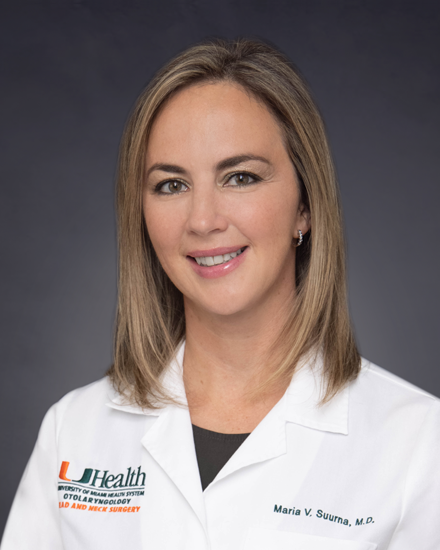 Maria V Suurna合作论文数Department of Otolaryngology-Head and Neck Surgery, Miller School of Medicine, University of Miami3
 Amit Agrawal合作论文数Cambridge Breast Unit, Cambridge University Hospitals NHS Foundation Trust3Kent David T合作论文数3Lauren Makey合作论文数2Meena Khan合作论文数2Katherine Green合作论文数2Jordan S. Weiner合作论文数2
 Thomas Z Gao合作论文数Dept Otolaryngol, Ohio State Univ2
 Reena Dhanda Patil合作论文数2
 Erica R. Thaler合作论文数Division of Sleep Medicine, Department of Medicine, Perelman School of Medicine, University of Pennsylvania2
 Pan Xueliang合作论文数Ohio State Univ2Joachim T. Maurer合作论文数2Mark Weidenbecher合作论文数2
 Christopher G. Larsen合作论文数2Reena Mehra合作论文数1Vaibhav H Ramprasad合作论文数1Amy E. Schell合作论文数1Andre Stone合作论文数1Akash N Naik合作论文数1Michael R Abidin合作论文数1Stephen Nogan合作论文数1Rohan Khandalavala合作论文数1Dustin Platter合作论文数1Stuart Ramsell合作论文数1Jessica Schweller合作论文数1Hannah Gibbs合作论文数1Jianing Ma合作论文数1Tina Waters合作论文数Cleveland Clin, Cleveland, OH 44106 USA1
 Micah Harris合作论文数Univ Michigan1Alexander N Rock合作论文数1Javier J M Howard合作论文数1
 Annie E. Moroco合作论文数1Christopher Boyd合作论文数1
 Kent Lee合作论文数1Chen Lin合作论文数1Ryan T. Judd合作论文数Division of Hematology, Department of Internal Medicine, College of Medicine, The Ohio State University, Columbus, OH 43210, United States1Kenneth Akakpo合作论文数1
 Michael F. Olson合作论文数Department of Pharmacology and Toxicology, Temerty Faculty of Medicine, University of Toronto1
 Raj C. Dedhia合作论文数Department of Otorhinolaryngology – Head & Neck Surgery, Perelman School of Medicine, University of Pennsylvania1
 Patrick J. Strollo Jr.合作论文数Division of Pulmonary, Allergy, Critical Care, and Sleep Medicine, Department of Medicine, School of Medicine, University of Pittsburgh1Yildiz Vedat O合作论文数Center for Biostatistics, The Ohio State University1
 Garth Essig合作论文数1




