Background and objective Carotid artery stenosis is a major cause of ischemic stroke and transient ischemic attack. Timely carotid endarterectomy (CEA) reduces the risk of recurrent stroke in appropriately selected symptomatic patients. However, stenosis severity may change between diagnosis and surgery following initiation of best medical therapy (BMT), potentially influencing operative decision-making. The objective of this study is to evaluate the impact of routine same-day repeat duplex ultrasound as part of a structured preoperative pathway for patients scheduled for CEA, focusing on the detection of plaque regression following BMT and its influence on surgical planning and cancellation. Methods This single-center retrospective observational study was performed at University Hospitals Coventry and Warwickshire between January 1, 2019, and June 1, 2021. Duplex ultrasound scans were performed at initial assessment and repeated on the day of surgery. Stenosis severity was classified using institutional reporting standards incorporating peak systolic velocity and velocity ratio criteria. Regression analysis was based on reported percentage stenosis values. Results A total of 107 patients were included. Surgery was canceled in 11 patients (10.4%), including two patients (1.9%) in whom same-day duplex ultrasound demonstrated regression of stenosis below 50%. Overall stenosis categorization remained unchanged in most patients; however, 17 patients (15.9%) demonstrated regression greater than 5% between scans. Among the 96 patients who underwent CEA, 30-day outcomes were favorable, with one stroke (1.0%), two hematomas requiring evacuation (2.1%), and no deaths. Conclusions Same-day repeat duplex ultrasound changed operative management in a small proportion of patients, with regression sufficient to change indication occurring exclusively in those with moderate (50-69%) baseline stenosis. These findings suggest that routine rescanning may not be necessary, but selective repeat imaging near treatment thresholds may be reasonable.
Antarctic expeditions present extreme physiological challenges due to cold temperatures, high physical exertion, and 24-hour daylight. This observational study evaluated endocrine adaptation in nine participants (six men, three women) during a 47-day, 1,000 km unassisted ski traverse. Detailed salivary sampling was conducted before, during and after the expedition, corroborated by blood and hair sampling before and after the expedition. Cortisol, testosterone, and androstenedione were measured using mass spectrometry, and thyroid hormones via immunoassay. Diurnal cortisol, androstenedione and testosterone variation was preserved, while the morning cortisol increased during the expedition, suggesting that exercise demands overshadow the effects of continuous daylight in controlling hypothalamic-pituitary-adrenal and gonadal axis function. Morning testosterone decreased during the expedition, with a greater effect seen among men. No significant changes were seen in blood or hair steroid hormones. Gonadotropins in women indicated central suppression pre-expedition, normalizing post-expedition. Thyroid-stimulating hormone levels increased post-expedition without significant changes in free T3 or T4, consistent with mild polar T3 syndrome. These findings highlight the adaptability of hypothalamic-pituitary function to combined stressors of exercise, energy deficit, and cold. This is the first study to capture in situ endocrine responses during an Antarctic traverse, advancing our understanding of human adaptation in extreme environments.
The Wilderness Medical Society convened an expert panel to develop a set of evidence-based guidelines for the prevention and treatment of frostbite. We present a review of pertinent pathophysiology. We then discuss primary and secondary prevention measures and therapeutic management. Recommendations are made regarding each treatment and its role in management. These recommendations are graded on the basis of the quality of supporting evidence and balance between the benefits and risks or burdens for each modality according to methodology stipulated by the American College of Chest Physicians. This is an updated version of the guidelines published in 2019.
Weight and skin-fold measurements were made at five-day intervals during a 47-day expedition by six men and three women from the edge of the sea ice to the South Pole. From these, together with detailed manual records of the nutrition for individual participants, the average daily energy expenditure was determined before and after a resupply at approximately mid-point of the expedition. For all participants body weight fell during the expedition with the overall loss being much smaller for the three female participants (-4.0, -4.0, -4.4kg) than for the male participants, (mean±sd) -8.6±2.0kg. Fat weight fell approximately linearly during the expedition with a total loss of (-4.1, -6.5 and -2.5kg) for the three female participants and -6.8±1.7kg for the male participants. Individual fat-free weight changed by a smaller amount overall: (0.13, 2.5 and -1.8kg) for the three female participants; -1.8±2.0kg for the male participants who, with one exception, lost fat-free tissue All participants showed a substantial variation in fat-free tissue weight during the expedition. Analysis of the daily energy expenditure showed adequate nutrition but the intake fell for the second part of the expedition although the reasons for this are unclear, but adaptation to the cold, altitude and workload are possible explanations. The validity of this time-averaged measurement for individual participants was determined from analysing moments about the mean of time-series actigraphy data from wrist worn devices. The mean and autocorrelation function of the actigraphy data across subjects were analysed to determine whether measures could be compared between participants. The first, second and third moment about the mean of the day-to-day activity was found to be time-invariant for individual subjects (χ2, p>0.05) and the normalized mean and autocorrelation measured over a day for each participant indistinguishable from the mean of the group (χ2, p>0.05) allowing both longitudinal and cross-sectional analysis.
Background: Vascular disease is a common cause of death and disability in our growing elderly population and the demand for vascular procedures is increasing worldwide. Workforce planning is essential to meet future demand and provide safe vascular services. Our aim was to evaluate the current workforce in the United Kingdom and estimate future demand for vascular surgeons. Methods: From November 2020 to January 2021, we surveyed UK vascular surgeons for information on their work patterns. We estimated current vascular surgery (VS) workforce using the National Vascular Registry (NVR) data and population data from the Office for National Statistics. To estimate future demand, we interrogated Hospital Episode Statistic (HES) data using Hospital Admitted Patient Care Activity (HAPCA) and linear trend analysis. Results: NVR data estimate that currently there are 518 consultant VS in the United Kingdom, or 1 per 128,951 population, lower than international comparisons. HAPCA data (2012-2020) suggests VS Finished Consultant Episodes (FCE), admissions, and waiting lists are growing by approximately 2% per year, and we estimate the workforce will need to grow by more than 50% over the next 10 years to meet this demand and Vascular Society of Great Britain and Ireland recommendation. Conclusions: The UK has a shortage of vascular surgeons at a time when vascular activity is increasing. The VS workforce, both VS consultant and vascular surgeons in training numbers need to expand to address the ongoing shortage and maintain a safe level of service.
We convened an expert panel to develop evidence-based guidelines for the evaluation, treatment, and prevention of nonfreezing cold injuries (NFCIs; trench foot and immersion foot) and warm water immersion injuries (warm water immersion foot and tropical immersion foot) in prehospital and hospital settings. The panel graded the recommendations based on the quality of supporting evidence and the balance between benefits and risks/burdens according to the criteria published by the American College of Chest Physicians. Treatment is more difficult with NFCIs than with warm water immersion injuries. In contrast to warm water immersion injuries that usually resolve without sequelae, NFCIs may cause prolonged debilitating symptoms, including neuropathic pain and cold sensitivity.
Background: Occupational burnout is a growing concern in frontline roles such as vascular surgery, and is associated with medical errors and shortened careers. Our aim is to measure burnout, resilience, and associated risk factors among vascular surgeons (VS) in the United Kingdom (UK). Methods: We carried out an electronic survey of active VS in the UK using validated self-report questionnaires, including the following: Copenhagen Burnout Inventory (CBI), Brief Resilience Scale (BRS), and information on job characteristics, health, and well-being. Univariate regression analysis looked at potential risk factors. Results: One hundred forty-eight VS responded (49% participation rate), and after excluding retirees and nonconsultants, 133 VS practicing in the UK were analyzed. Mean age was 49.9 +/- 7.19 years; the majority (83.5%) were male. In total, 81.3% recorded ethnic identity as White. In addition, 93.2% worked full time; 74.8% were contracted above 10 programmed activities and 87.9% worked more than 40 hr/week. On-call was 1 in 6, or above, for 87.4%. Overall, 38.4% of VS had high burnout on the CBI. Resilience was also high, with BRS mean (standard deviation) of 3.6 (0.69) and median (interquartile range) of 3.7 (3-4). Univariate regression analysis found no significant risk factor associated with high burnout or resilience. Conclusions: VS in the UK have high levels of burnout and work long hours. Resilience levels were also high, which may offer some protection. However, policymakers and our surgical leaders should address contributing factors and excessive working hours and establish measures to identify and support surgeon well-being for optimal surgeon and patient safety.
Why we are undertaking the research: Peripheral artery disease is a common problem where the blood vessels in the legs are narrowed by fatty deposits. Supervised exercise programmes are recommended to help treat this condition, as they can reduce leg pain and improve fitness. However, not many people are able to access these programmes typically because of barriers including travel burdens, time constraints or other commitments. As an alternative, researchers are developing home-based programmes which do not require people to travel to centres for their sessions. In the UK and to the author’s knowledge, there are not many well researched home-based programmes available for people living with peripheral artery disease. What we aim to do: We plan to undertake a study to see how feasible our home-based programme is. People with peripheral artery disease will either be asked to continue with their normal routine or will be prescribed an exercise programme, with an activity watch to monitor physical activity. This programme will include increasing the number of steps walked each day, an exercise circuit (twice a week) and a telephone support call with a member of the research team to discuss their progress or lack of progress. Questionnaire responses, blood samples, walking ability, muscle strength and the amount of daily exercise will be compared between the two groups at the start of the 12-week programme, at the end, and 12 weeks after the programme has finished. By doing this study, we will be able to refine our home-based exercise programme so that it can be tested on a larger scale to see if it is a good option for people with peripheral artery disease who may not be able to attend a supervised exercise programme.
Abstract Aim Infection is a significant cause of morbidity in kidney transplantation, and it is believed that an increased cold ischemic time is an independent risk factor. Identification of common pathogens in perfusion fluids, as well as the safe limit of cold ischaemic time can be used to reduce the risk of postoperative complications. There are currently no guidelines for prophylactic antibiotics. Method This is a retrospective review of the microbiological analysis of kidney perfusion fluids samples for a recipient transplant between 2017–2020. 100 patients were identified in this time period and this data was compared against the cold ischaemic time of the donor kidney. Results 23% (22/96) samples were positive for bacteria with the majority being gram positive cocci. The most common bacteria grown was Coagulase Negative Staphylococcus (44% - 11/25). However, a broad spectrum of bacteria was grown including Hafnia, Pseudomonas, Klebsiella, Kocuria and E-coli. 3% (3/96) of samples grew two different species of bacteria. The mean cold ischemic time for all transplants was 799 minutes with a range of 281–1618 minutes. The mean for infected samples was 935 mins with a range of 645–1410. Samples that grew 2 bacteria had a range of 913–941 mins. Conclusions There is potential to reduce the risk of infection with the use of broad-spectrum induction antibiotics and it is important that potential bacterial species and common resistance profiles are covered. There is a possible correlation between increased cold ischaemic time and bacterial growth in perfusion fluid however further research is warranted.
Nonfreezing cold injury (NFCI) is caused by prolonged exposure to cold, usually wet conditions and represents a separate pathological entity from frostbite. The pathophysiology of NFCI is characterized by vasoconstriction and microcirculatory disturbance. Iloprost, a synthetic prostaglandin analogue with vasodilatory properties is a recognized adjuvant treatment in frostbite; however, its role in NFCI is unclear. We present a case of a 29-y-old man with severe NFCI to both forefeet after prolonged immersion in cold seawater. Initial treatment with passive rewarming, analgesia and aspirin was initiated. Infusion of iloprost was used within 24 h from presentation and was well tolerated. This resulted in reduced tissue loss compared to the apparent tissue damage documented during the initial assessment. Delayed surgical intervention allowed minor debridement and minor toe amputations, maintaining the patient’s ability to ambulate. This case demonstrates the safe use of iloprost in acute NFCI and highlights the importance of delayed surgical intervention in patients presenting with severe NFCI.
Abstract Aim Surgical site infection increases with BMI with values ranging from 20% to greater than 40%. There are increasing numbers of obese patients (BMI >30) undergoing transplants and this audit aims to review the incidence and grade of surgical site infection (SSI) of renal transplant recipients stratified by BMI. Method 65 renal transplants were performed between April 2020-March 2021 with 58 kidneys from deceased donors and 7 kidneys from live donors. A retrospective review of clinical attendances, GP letters, prescriptions, imaging, and re-admissions was completed. Nearly one-third of the patients had pre-transplant diabetes (32%), and their median BMI was 28 (range 19–40.7). The incidence of SSI was reported after 3 months follow up and graded using the Clavien-Dindo Classification. Results The overall rate of SSI was 15%. SSI was 12.8% in patients with BMI<30, 15.8% in BMI 30–34.9, 33.3% in BMI 35–35.9, and 0 in BMI>40 (only one recipient). There was no significant correlation between diabetes and SSI, with 19% of SSI reported in diabetic patients versus 14% in patients without diabetes (p-value=0.7). Two patients had a Clavien-Dindo grade I infection, 1 grade II, and 7 Grade III, with no grade IV or V SSI. No patients required operative management of SSI. Conclusions The overall rates of SSI stratified by BMI were within expected limits. Diabetes was not an independent predictor of SSI. No complication required general anesthesia or surgical treatment. When SSI did occur in obese patients it did cause considerable morbidity through number of attendances for dressing changes over 3 months.
OBJECTIVE:Altitude-related and exercise-related elevations in blood pressure (BP) increase the likelihood of developing pulmonary hypertension and high-altitude illness during high-altitude sojourn. This study examined the antihypertensive effect and potential exercise benefit of the angiotensin II receptor antagonist losartan when taken at altitude.METHODS:Twenty participants, paired for age and ACE genotype status, completed a double-blinded, randomised study, where participants took either losartan (100 mg/day) or placebo for 21 days prior to arrival at 5035 m (Whymper Hut, Mt Chimborazo, Ecuador). Participants completed a maximal exercise test on a supine cycle ergometer at sea level (4 weeks prior) and within 48 hours of arrival to 5035 m (10-day ascent). Power output, beat-to-beat BP, oxygen saturation (SpO2) and heart rate (HR) were recorded during exercise, with resting BP collected from daily medicals during ascent. Before and immediately following exercise at 5035 m, extravascular lung water prevalence was assessed with ultrasound (quantified via B-line count).RESULTS:At altitude, peak power was reduced relative to sea level (p<0.01) in both groups (losartan vs placebo: down 100±29 vs 91±28 W, p=0.55), while SpO2 (70±6 vs 70±5%, p=0.96) and HR (146±21 vs 149±24 bpm, p=0.78) were similar between groups at peak power, as was the increase in systolic BP from rest to peak power (up 80±37 vs 69±33 mm Hg, p=0.56). Exercise increased B-line count (p<0.05), but not differently between groups (up 5±5 vs 8±10, p=0.44).CONCLUSION:Losartan had no observable effect on resting or exercising BP, exercise-induced symptomology of pulmonary hypertension or performance at 5035 m.
In a position statement, the members of the UK National Institute for Health and Care Excellence (NICE) Guideline Development Committee (GDC) have detailed the process by which they drafted a set of aneurysm guidelines, which initially proscribed the use of endovascular repair (EVAR).1
There is limited evidence regarding the impact of allograft nephrectomy (AN) on the long-term outcome of subsequent kidney re-transplantation compared with no prior allograft nephrectomy. The aim of the present study was to conduct a systematic review and meta-analysis to estimate the accumulation of evidence over time. Primary outcomes were 5-year graft and patient survival. Cochrane library, Google scholar, PubMed, Medline and Embase were systematically searched. Meta-analysis was conducted using both fixed- and random-effects models. Study quality was assessed in duplicate using the Newcastle-Ottawa scale. Sixteen studies were included, with a total of 2256 patients. All included studies were retrospective and comparative. There was no significant difference in 5-year graft survival (GS) [Hazard Ratio (HR) = 1.11, 95% Confidence Intervals (CI): 0.89, 1.38, P = 0.37, I-2 = 10%) or in 5-year patient survival (PS; HR = 0.70, 95% CI: 0.45, 1.10, P = 0.12, I-2 = 0%]. Patients in the AN cohort were significantly younger than patients in the nonallograft nephrectomy (NAN) cohort by one year. Prior allograft nephrectomy was associated with a significantly higher risk of delayed graft function (DGF), acute rejection, primary nonfunction (PNF), per cent of panel reactive antibodies (% PRA) and allograft loss of the subsequent transplant. Although, DGF, % PRA, acute rejection and primary nonfunction rates were significantly higher in the AN cohort, allograft nephrectomy prior to re-transplantation had no significant association with five-year graft and patient survival.
Background. HLA incompatible renal transplantation still remains one of best therapeutic options fora subgroup of patients who are highly sensitized and difficult to match but not much is known about its long-term graft and patient survival. Methods. One hundred thirty-four HLA incompatible renal transplantation patients from 2003 to 2018 with a median follow of 6.93 y were analyzed retrospectively to estimate patient and graft survivals. Outcomes were compared with groups defined by baseline crossmatch status and the type and timings of rejection episodes. Results. The overall patient survival was 95%, 90%, and 81%; and graft survival was 95%, 85%, and 70% at 1, 5, and 10 y, respectively. This was similar to the first-time deceased donor transplant cohort. The graft survival for pretreatment cytotoxic-dependent crossmatch (CDC) positive crossmatch group was significantly low at 83%, 64%, and 40% at 1, 5, and . 10 y, respectively, compared with other groups (Bead/CDC, P = 0.007; CDC/Flow, P = 0.001; and microbead assay/flow cytometry crossmatch, P = 0.837), although those with a low CDC titer (<1 in 2) have comparable outcomes to the CDC negative group. Female patients in general fared worse in both patient and graft survival outcomes in each of the 3 groups based on pretreatment crossmatch, although this did not reach statistical significance. Antibody-mediated rejection was the most frequent type of rejection with significant decline in graft survival by 10 y when compared with no rejection (P < 0.001). Rejection that occurred or continued to occur after the first 2 wk of transplantation caused a significant reduction in graft survivals (P < 0.001), whereas good outcomes were seen in those with a single early rejection episode. Conclusions. One-, 5-, and 10-y HLA incompatible graft and patient survival is comparable to deceased donor transplantation and can be further improved by excluding high-CDC titer cases. Antibody-positive female patients show worse long-term survival. Resolution of early rejection is associated with good long-term graft survival.
BACKGROUND:Healthcare workers have been at increased risk of exposure, infection and serious complications from COVID-19. Antibody testing has been used to identify staff members who have been previously infected by SARS-CoV-2, and has been rolled out rapidly in the United Kingdom. A number of comment and editorial articles have been published that raise concerns about antibody testing in this context. We present perceptions of National Health Service (NHS) healthcare workers in relation to SARS-CoV-2 antibody testing.METHODS:An electronic survey regarding perceptions towards SARS-CoV-2 antibody testing was distributed to all healthcare workers at a major NHS tertiary hospital following implementation of antibody testing.RESULTS:In total, 560 healthcare workers completed the survey (80% female; 25% of Black and Minority Ethnic background; 58% from frontline clinical staff). Exploring whether they previously had COVID-19 was the primary reported reason for choosing to undergo antibody testing (85.2%). In case of a positive antibody test, 72% reported that they would feel relieved, whilst 48% felt that they would be happier to work in a patient-facing area. Moreover, 12% responded that a positive test would mean "social distancing is less important", with 34% of the responders indicating that in this case they would be both less likely to catch COVID-19 and happier to visit friends/relatives.CONCLUSIONS:NHS staff members primarily seek out SARS-CoV-2 antibody testing for an appropriate reason. Based on our findings and given the lack of definite data regarding the extent of immunity protection from a positive SARS-CoV-2 antibody test, significant concerns may be raised regarding the reported interpretation by healthcare workers of positive antibody test results. This needs to be further explored and addressed to protect NHS staff and patients.
This study investigates differences in pre- to post-expedition energy expenditure, substrate utilisation and body composition, between the all-male Spear17 (SP-17) and all-female Ice Maiden (IM) transantarctic expeditions (IM: N = 6, 61 days, 1700 km; SP-17: N = 5, 67 days, 1750 km). Energy expenditure and substrate utilisation were measured by a standardised 36 h calorimetry protocol; body composition was determined using air displacement plethysmography. Energy balance calculation were used to assess the physical challenge. There was difference in the daily energy expenditure (IM: 4,939 kcal day −1 ; SP-17: 6,461 kcal day −1 , p = 0.004); differences related to physical activity were small, but statistically significant (IM = 2,282 kcal day −1 ; SP-17 = 3,174 kcal day −1 ; p = 0.004). Bodyweight loss was modest (IM = 7.8%, SP-17 = 6.5%; p > 0.05) as was fat loss (IM = 30.4%, SP-17 = 40.4%; p > 0.05). Lean tissue weight change was statistically significant (IM = − 2.5%, SP-17 = + 1.0%; p = 0.05). No difference was found in resting or sleeping energy expenditure, normalised to lean tissue weight ( p > 0.05); nor in energy expenditure when exercising at 80, 100 and 120 steps min −1 , normalised to body weight ( p > 0.05). Similarly, no difference was found in the change in normalised substrate utilisation for any of the activities ( p > 0.05). Analysis suggested that higher daily energy expenditures for the men in Spear-17 was the result of higher physical demands resulting in a reduced demand for energy to thermoregulate compared to the women in Ice Maiden. The lack of differences between men and women in the change in energy expenditure and substrate utilisation, suggests no sex difference in response to exposure to extreme environments.
This paper describes a condition termed post-flight confusion using anecdotal and clinical observations. It reviews research from the fields of aviation and altitude medicine and how this could apply to some physiological changes that happen during commercial flights. The collection of symptoms observed is similar to those of delirium. More research is needed to validate these observations, to identify the risks of flying for older people and to consider not only how to minimise these risks but whether this situation contributes to our knowledge about the aetiologies of delirium and dementias.
 Mark Wilson合作论文数Department of Surgery & Cancer, Faculty of Medicine, Imperial College London22
 Simon Fletcher合作论文数Department of Engineering, School of Computing and Engineering, University of Huddersfield20
 David Briggs合作论文数NHS Blood and Transplant19Nithya Krishnan合作论文数17for T Lam合作论文数16Alexander David Wright合作论文数15
 Daniel Zehnder合作论文数15Habib Kashi合作论文数13robert m higgins合作论文数12Lam Chin Tan合作论文数12
 Mark Edsell合作论文数10Ruth A Benson合作论文数Institute of Cancer and Genomic Sciences, College of Medical and Dental Sciences, University of Birmingham10Rizwan Hamer合作论文数10Robert M Higgins合作论文数Renal Department, University Hospitals Coventry and Warwickshire NHS Trust10
 Athanasios Saratzis合作论文数8D. Zehnder合作论文数8Carl Tiivas合作论文数8
 Owain Fisher合作论文数7Kashi H合作论文数7
 Joanna Shakespeare合作论文数7
 David Lowe合作论文数7
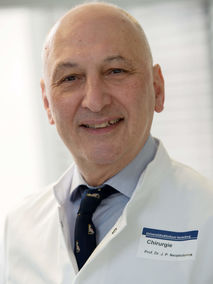 John P. Neoptolemos合作论文数Department of General, Visceral and Transplantation Surgery, Universität Heidelberg7Klaus Chen合作论文数7
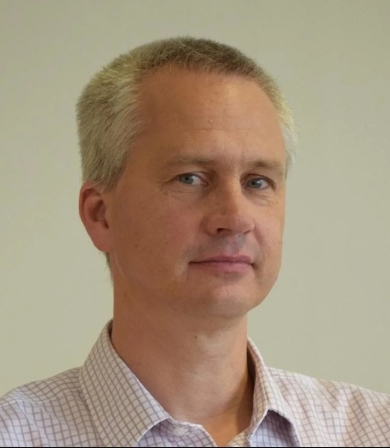 Kyle Pattinson合作论文数Nuffield Department of Clinical Neurosciences, Medical Sciences Division, University of Oxford7Rob Higgins合作论文数6
 Asif Mahmood合作论文数6Micheal Grocott合作论文数6N. Krishnan合作论文数6C. Marshall合作论文数6Mark Hathaway合作论文数6Arthur R. Bradwell合作论文数6
 Matt Bown合作论文数Department of Cardiovascular Sciences, University of Leicester6J. G. Hattersley合作论文数School of Engineering, University of Warwick6L. C. Tan合作论文数5
 Mahmud Saedon合作论文数5Colin Chan合作论文数5
 Adrian J Wilson合作论文数5D. Lowe合作论文数5M Hathaway合作论文数5Woods David合作论文数Carnegie School of Sport, Leeds Beckett University;Centre for Human Performance, Leeds Beckett University5
 Hugh Montgomery合作论文数University College London;Whittington Hospital;The Netherlands School of Public Health and Care Research;Real Zero Ltd5
 C. Douglas Thake合作论文数School of Life and Health Sciences, Coventry University5
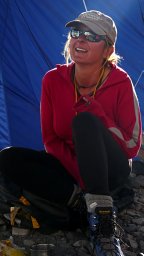 Denny Z. H. Levett合作论文数UCL Institute of Human Health and Performance Centre for Altitude, Space and Extreme Environment Medicine (CASE Medicine) First Floor, Charterhouse Building, Archway Campus, Highgate Hill London N19 5LW UK5
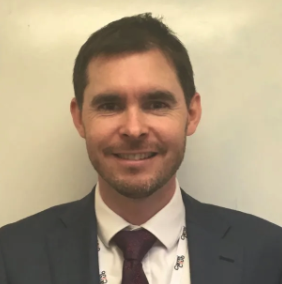 James Hunter合作论文数Nuffield Department of Surgical Sciences, Medical Sciences Division, University of Oxford5Scott E. Mcintosh合作论文数Division of Emergency Medicine, University of Utah5Luanne Freer合作论文数5Stephen D. Myers合作论文数4D Higman合作论文数4




