Purpose: Simulation-free radiation therapy (sim-free RT) uses diagnostic computed tomography scans in place of dedicated computed tomography simulations for treatment planning, potentially expediting palliative radiation therapy (PRT) while optimizing resource utilization. Broader adoption has been limited by the absence of standardized implementation guidance. This study aimed to establish expert consensus on key clinical, technical, and educational considerations for sim-free RT in PRT practice. Methods and Materials: A modified Delphi process was conducted with international experts in sim-free RT, including radiation oncologists (n = 7), medical physicists (n = 2), a radiation therapist, and a PhD candidate specializing in PRT. The process included an open-ended first round followed by 3 Likert-scale survey rounds across 12 domains. Consensus was defined as ≥75% agreement; ≥90% agreement indicated strong support. “Trend toward agreement” was defined as 67% to 74%. Results: Nine respondents, representing 11 individual experts from 8 institutions in 5 countries, completed all study rounds. Experts from the same institution responding as a group were considered as 1 participant. Consensus was achieved for 95% of statements. Strong support was observed for sim-free RT in palliative-intent treatments at low-risk sites (eg, thoracic/lumbar spine, pelvis) using conventional dose-fractionation. Recommended prerequisites included recent high-quality diagnostic scans (≤3 mm slice thickness, 100-140 kVp), robust image quality assurance, and multidisciplinary oversight. Areas of limited agreement included the use of older scans, application to cervical spine targets, and integration with intensity modulated radiotherapy/volumetric modulated arc therapy planning. Conclusions: This Delphi study provides expert-driven recommendations to support safe implementation of sim-free RT in palliative practice. Findings highlight suitable indications, workflow safeguards, and training needs while underscoring the need for further dosimetric validation and broader evaluation across diverse practice settings.
e13630 Background: As many as 60% of prior authorization requests are denied, yet coverage approval occurs for more than 60% of appeals for some therapies. Appeal processes encumber providers and increase burnout, but large language models (LLMs) may aid providers by drafting appeal letters. We evaluated LLM performance at this task for radiotherapy denials. Methods: Three commercially accessible LLMs were evaluated: generative pre-trained transformer 3.5 (GPT3.5), GPT4, and GPT4+web with internet search capacity (OpenAI, Inc., San Francisco, CA). A fourth LLM, GPT3.5-FT, was developed by fine-tuning GPT3.5 in a HIPAA-complaint local environment. The fine-tuning training data comprised 53 insurance denial appeal letters prepared by radiation oncologists and paired prompts describing the clinical history and appeal intent. Training data were enriched in appeal letters for proton radiotherapy, stereotactic body radiotherapy, and image-guided radiotherapy for myriad clinical scenarios. Twenty prompts, each requesting a letter for a simulated patient history, were programmatically presented to the LLMs. Three radiation oncologists, who were blinded to the LLM source, scored letter outputs across four domains: language syntax and semantics, clinical detail inclusion, clinical reasoning validity, and overall readiness for insurer submission. Additionally, one radiation oncologist scored the authenticity and relevance of literature sources cited in output letters, which were requested by several test prompts. Interobserver agreement between radiation oncologist scores was determined by Cohen’s kappa coefficient. Scores were compared between LLMs with non-parametric statistical tests. Results: Agreement between radiation oncologists’ scores was moderate-to-excellent across all domains (median κ = 0.68, minimum κ = 0.41). GPT3.5, GPT4, and GPT4+web drafted letters that, by mode average, were semantically and syntactically clear, included all provided clinical history without confabulation, clinically reasoned with few necessary revisions, and overall were submissible to an insurer with minor revisions. GPT4 and GPT4+web clinically reasoned better than GPT3.5 (p values < 0.001). In contrast, GPT3.5-FT performance was inferior to other LLMs across all domains (p values < 0.001). LLMs were poor at identifying, citing, and summarizing relevant literature unless provided in the prompt. Conclusions: LLMs can draft insurance appeal letters for radiotherapy services that require few revisions yet are poor at referencing relevant literature. Contrary to our hypothesis, fine-tuning with data from our department compromised LLM performance.
2058 Background: Immunotherapies targeting the programmed cell death-1 (PD-1) pathway in recurrent glioblastoma (rGBM) have failed. We hypothesize that combining therapies targeting multiple immunosuppressive pathways with cytotoxic and antiangiogenic therapies will improve survival. Here, we evaluate the safety and efficacy of an anti-PD-1 monoclonal antibody (retifanlimab), hypofractionated radiotherapy (HFRT), and bevacizumab, with or without an oral IDO1 inhibitor (epacadostat), in patients with rGBM in a nonrandomized, noncomparative sequential two-arm Phase II study. Methods: This is an open-label Phase II study of 2 sequential cohorts (Table). Cohort A first examines retifanlimab + bevacizumab + HFRT in patients with IDH1/2-WT rGBM. After a toxicity monitoring period, Cohort B, which adds epacadostat, starts enrolling. Key inclusion criteria includes dexamethasone ≤ 4 mg/day at registration and candidacy for reirradiation. Previous bevacizumab use for radiation necrosis is permitted. The primary endpoint is OS probability at 9 months (OS-9). Secondary endpoints include PFS, OS, and toxicity. Exploratory endpoints include immunological phenotyping of blood and tissue. An increase of OS-9 from 38% (bevacizumab alone) to 60% is considered clinically relevant. Results: From 6/2020 to 12/2021, we have completed accrual for cohort A and the interim analysis results are presented here: 25 patients with rGBM enrolled, with 23 evaluable. Median age is 64.3 years (42.1-81.8), 30.4% female, 30.4% MGMT promotor methylated, median KPS 90 (range 70-100), baseline dexamethasone 0 mg (range 0-4) with 52.2% of patients on dexamethasone during the first 3 cycles, median baseline ALC 1,000 cells/µl (range 300-3,700). Patients received a median of 6 cycles to date (range 2-20). Median follow-up is 11.97 months per the reverse Kaplan-Meier method. Interim analysis shows a median PFS of 9.9 months (95%CI: 5.5 to not reached (NR)) and median OS of 12.2 months (95%CI 7.3-NR). Notably, Cohort A met the primary endpoint with an OS-9 of 71.4% (95%CI: 46.7% -86.1%). No dose limiting toxicities have been yet observed. Two treatment-related grade 3 toxicities have occurred (myositis, hypertension). Cohort B enrollment is ongoing, and correlative studies pending. Conclusions: Interim analysis suggests retifanlimab combined with HFRT and bevacizumab in patients with rGBM is well-tolerated and had encouraging OS and PFS at the time of data cutoff. Cohort B, which adds epacadostat, is currently enrolling. Clinical trial information: NCT03532295. [Table: see text]
PurposeWe aimed to demonstrate the clinical feasibility and safety of simulation-free hippocampal avoidance whole brain radiation therapy (HA-WBRT) in a pilot study (NCTXXX).Materials/MethodsTen HA-WBRT candidates were enrolled for treatment on a commercially available computed tomography (CT)-guided linear accelerator with online adaptive capabilities. Planning structures were contoured on patient-specific diagnostic MRIs, which were registered to a CT of similar head shape, obtained from an atlas-based database (AB-CT). These patient-specific diagnostic MRI and AB-CT datasets were used for pre-plan calculation, using NRG-CC001 constraints. At first fraction, AB-CTs were used as primary datasets and deformed to patient-specific cone-beam CTs (CBCT) to give patient-matched density information. Brain, ventricle, and brainstem contours were matched through rigid translation and rotation to the corresponding anatomy on CBCT. Lens, optic nerve, and brain contours were manually edited based on CBCT visualization. Pre-plans were then re-optimized through online adaptation to create final, simulation-free plans, which were utilized if they met all objectives. Workflow tasks were timed. In addition, patients underwent CT-simulation to create immobilization devices and for prospective dosimetric comparison of simulation-free and simulation-based plans.ResultsMedian time from MRI importation to completion of “pre-plan” was one week-day (range: 1-4). Median on-table workflow duration was 41 minutes (range: 34-70). NRG-CC001 constraints were achieved by 90% of the simulation-free plans. One patient's simulation-free plan failed a planning target volume (PTV) coverage objective (89% instead of 90% coverage); this was deemed acceptable for first-fraction delivery, with an offline replan used for subsequent fractions. Both simulation-free and simulation-CT-based plans otherwise met constraints, without clinically meaningful differences.ConclusionSimulation-free HA-WBRT using online ART is feasible, safe, and results in dosimetrically comparable treatment plans to simulation-CT-based workflows while providing convenience and time-savings for patients.
PURPOSE:This phase 1/2 study aimed to evaluate the safety and preliminary efficacy of combining disulfiram and copper (DSF/Cu) with radiation therapy (RT) and temozolomide (TMZ) in patients with newly diagnosed glioblastoma (GBM). METHODS AND MATERIALS:Patients received standard RT and TMZ with DSF (250-375 mg/d) and Cu, followed by adjuvant TMZ plus DSF (500 mg/d) and Cu. Pharmacokinetic analyses determined drug concentrations in plasma and tumors using high-performance liquid chromatography-mass spectrometry. RESULTS:Thirty-three patients, with a median follow-up of 26.0 months, were treated, including 12 IDH-mutant, 9 NF1-mutant, 3 BRAF-mutant, and 9 other IDH-wild-type cases. In the phase 1 arm, 18 patients were treated; dose-limiting toxicity probabilities were 10% (95% CI, 3%-29%) at 250 mg/d and 21% (95% CI, 7%-42%) at 375 mg/d. The phase 2 arm treated 15 additional patients at 250 mg/d. No significant difference in overall survival or progression-free survival was noted between IDH- and NF1-mutant cohorts compared with institutional counterparts treated without DSF/Cu. However, extended remission occurred in 3 BRAF-mutant patients. Diethyl-dithiocarbamate-copper, the proposed active metabolite of DSF/Cu, was detected in plasma but not in tumors. CONCLUSIONS:The maximum tolerated dose of DSF with RT and TMZ is 375 mg/d. DSF/Cu showed limited clinical efficacy for most patients. However, promising efficacy was observed in BRAF-mutant GBM, warranting further investigation.
PURPOSE Large language model (LLM) artificial intelligences may help physicians appeal insurer denials of prescribed medical services, a task that delays patient care and contributes to burnout. We evaluated LLM performance at this task for denials of radiotherapy services. METHODS We evaluated generative pretrained transformer 3.5 (GPT-3.5; OpenAI, San Francisco, CA), GPT-4, GPT-4 with internet search functionality (GPT-4web), and GPT-3.5ft. The latter was developed by fine-tuning GPT-3.5 via an OpenAI application programming interface with 53 examples of appeal letters written by radiation oncologists. Twenty test prompts with simulated patient histories were programmatically presented to the LLMs, and output appeal letters were scored by three blinded radiation oncologists for language representation, clinical detail inclusion, clinical reasoning validity, literature citations, and overall readiness for insurer submission. RESULTS Interobserver agreement between radiation oncologists' scores was moderate or better for all domains (Cohen's kappa coefficients: 0.41-0.91). GPT-3.5, GPT-4, and GPT-4web wrote letters that were on average linguistically clear, summarized provided clinical histories without confabulation, reasoned appropriately, and were scored useful to expedite the insurance appeal process. GPT-4 and GPT-4web letters demonstrated superior clinical reasoning and were readier for submission than GPT-3.5 letters ( P < .001). Fine-tuning increased GPT-3.5ft confabulation and compromised performance compared with other LLMs across all domains ( P < .001). All LLMs, including GPT-4web, were poor at supporting clinical assertions with existing, relevant, and appropriately cited primary literature. CONCLUSION When prompted appropriately, three commercially available LLMs drafted letters that physicians deemed would expedite appealing insurer denials of radiotherapy services. LLMs may decrease this task's clerical workload on providers. However, LLM performance worsened when fine-tuned with a task-specific, small training data set.
Low-dose chest computed tomography imaging for lung cancer screening is revealing increasing numbers of radiographic early-stage lung cancers. This topic discussion describes when a clinical scenario merits radiation therapy without a histologic diagnosis, with an emphasis on pragmatic algorithms in settings without readily available advanced biopsy techniques.
Abstract INTRODUCTION Immunotherapy has not improved survival in recurrent GBM (rGBM). Indoleamine 2,3 dioxygenase 1 (IDO1), highly expressed in ~90% of patients with malignant glioma, is a rate-limiting enzyme that catabolizes tryptophan (Trp) into kynurenine (Kyn) and enables immune escape. METHODS We hypothesized combining therapies targeting immunosuppressive pathways with cytotoxic and antiangiogenic therapies would overcome tumor-related immunosuppression. This was an open-label Phase II study of two regimens: Arm A consisted of retifanlimab (anti-PD1, 500mg IV Q4W) + bevacizumab (10mg/kg IV Q2W) + HFRT (3.5Gy/day x 10) in patients with IDH1/2-WT rGBM. Regimen B added the IDO inhibitor, epacadostat (400mg po BID), initiated prior to HFRT. Key inclusion criteria included dexamethasone ≤ 4 mg/day. The primary endpoint was overall survival (OS) at 9 months (OS-9). 24 evaluable patients were required to detect an OS-9 of 60% with 80% power, compared to 38% in historical controls (bevacizumab alone) by 1-sided 1-sample log rank test at alpha=0.1. RESULTS We previously reported Arm A. Here, we present results from Arm B. 25 of the 27 patients enrolled to regimen B were evaluable: median age 58years (23-71); 28% female; 23% MGMT promotor methylated; median KPS 90 (70 - 100); a median of 6 cycles of epacadostat as of May 2024 (1 - 13). 18 of 25 died with a median follow up 9.23 months. Median PFS was 7.52 months (95%CI: 5.52-9.43). Median OS was 9.5 months (95%CI 8.08-11.96). Regimen B met its primary endpoint with OS-9 of 61.07% (95%CI: 38.23-77.65%). There were 5 possible immune-related grade 3+ toxicities to date (2 ALT/AST increase; 3 rash). CONCLUSIONS Retifanlimab, epacadostat, HFRT, and bevacizumab in rGBM is well-tolerated, with encouraging OS and PFS at the time of submission. Arm B met its primary endpoint. Further studies are warranted to identify biomarkers to predict long-term responders.
Purpose/Objective(s) Recurrent IDH-mutant (IDHmt) gliomas after chemoradiotherapy lack effective salvage therapies and may be selectively reirradiated. Temporally modulated pulsed radiation therapy (TMPRT) is a novel technique that splits the standard daily fraction into multiple low-dose pulses with timed intervals to create a lower effective dose rate. In retrospective studies, TMPRT for re-irradiating recurrent brain tumors was feasible. This prospective trial aims to assess the safety and quality of life (QOL) impact of TMPRT in recurrent IDHmt gliomas. Materials/Methods Patients with recurrent IDHmt gliomas after prior radiation therapy (RT) received 54 Gy at 2 Gy/day, with each fraction administered in 10 pulses of 0.2 Gy at 3-minute intervals. Gross tumor volume (GTV) encompassed both the T1-enhancing and T2 abnormality and was then expanded by 0.5 cm and 0.3 cm for clinical target volume (CTV) and planning treatment volume (PTV), respectively. Dose-limiting toxicity (DLT) was defined as a grade 3 or higher CNS adverse event (AE) at least possibly related to TMPRT within 3 months, while delayed CNS toxicity (DCT) was grade 3 or higher AE occurring beyond 3 months. Symptoms were recorded at baseline, 3, 6, and 12 months using MD Anderson Symptom Inventory Brain Tumor (MDASI-BT), defining deterioration as >1 point increase. Quality of life (QOL) was assessed using Linear Analog Scale Assessment (LASA), defining deterioration as ≥1 point decrease. A historical cohort of 31 recurrent IDHmt patients reirradiated to a median of 36 Gy (21-54) from 2005-2021 was analyzed for comparison. Results Nine patients (4 oligodendrogliomas and 5 astrocytomas) were enrolled between 7/2022 and 2/2024 with a median follow up of 12.2 months. Median age was 47 years old (34-66), and median time since initial RT was 8.9 years (3.9-29.7). Median prior RT dose was 54 Gy (50.4-60), with 77% of patients having received prior temozolomide or lomustine. Two patients stopped TMPRT early due to DLT (after 44Gy and 48Gy, respectively). Median tumor diameter was 8.2 cm (3.1-10.8), median GTV was 92 cc (13.6-241.8), and median PTV was 256.6 cc (57.2-467.5). Three patients had DLTs, and two had DCTs. All 5 of these patients had tumors > 7 cm, including one with DLT who also had prior grade 3 radiation necrosis (RN) after the initial RT. The 4 remaining patients had tumors ≤ 7 cm and did not experience any severe AEs. At 6 months, 3 patients (33%), who had either DLT or DCT, reported symptom deterioration. Three patients, including one who had DLT, reported QOL deterioration. At one-year, the PFS and OS was 60% and 69%, respectively. The 1-year PFS and OS of the historical cohort of 31 recurrent IDHmt patients were 61% and 71%, respectively. Conclusion DLTs and DCTs were observed after TMPRT for recurrent IDHmt gliomas with diameter > 7 cm. This clinical trial has been amended to restrict future enrollment to tumors ≤ 7 cm and without prior RN.
Importance:Spine metastasis can be treated with high-dose radiation therapy with advanced delivery technology for long-term tumor and pain control. Objective:To assess whether patient-reported pain relief was improved with stereotactic radiosurgery (SRS) as compared with conventional external beam radiotherapy (cEBRT) for patients with 1 to 3 sites of vertebral metastases. Design, Setting, and Participants:In this randomized clinical trial, patients with 1 to 3 vertebral metastases were randomized 2:1 to the SRS or cEBRT groups. This NRG 0631 phase 3 study was performed as multi-institutional enrollment within NRG Oncology. Eligibility criteria included the following: (1) solitary vertebral metastasis, (2) 2 contiguous vertebral levels involved, or (3) maximum of 3 separate sites. Each site may involve up to 2 contiguous vertebral bodies. A total of 353 patients enrolled in the trial, and 339 patients were analyzed. This analysis includes data extracted on March 9, 2020. Interventions:Patients randomized to the SRS group were treated with a single dose of 16 or 18 Gy (to convert to rad, multiply by 100) given to the involved vertebral level(s) only, not including any additional spine levels. Patients assigned to cEBRT were treated with 8 Gy given to the involved vertebra plus 1 additional vertebra above and below. Main Outcomes and Measures:The primary end point was patient-reported pain response defined as at least a 3-point improvement on the Numerical Rating Pain Scale (NRPS) without worsening in pain at the secondary site(s) or the use of pain medication. Secondary end points included treatment-related toxic effects, quality of life, and long-term effects on vertebral bone and spinal cord. Results:A total of 339 patients (mean [SD] age of SRS group vs cEBRT group, respectively, 61.9 [13.1] years vs 63.7 [11.9] years; 114 [54.5%] male in SRS group vs 70 [53.8%] male in cEBRT group) were analyzed. The baseline mean (SD) pain score at the index vertebra was 6.06 (2.61) in the SRS group and 5.88 (2.41) in the cEBRT group. The primary end point of pain response at 3 months favored cEBRT (41.3% for SRS vs 60.5% for cEBRT; difference, -19 percentage points; 95% CI, -32.9 to -5.5; 1-sided P = .99; 2-sided P = .01). Zubrod score (a measure of performance status ranging from 0 to 4, with 0 being fully functional and asymptomatic, and 4 being bedridden) was the significant factor influencing pain response. There were no differences in the proportion of acute or late adverse effects. Vertebral compression fracture at 24 months was 19.5% with SRS and 21.6% with cEBRT (P = .59). There were no spinal cord complications reported at 24 months. Conclusions and Relevance:In this randomized clinical trial, superiority of SRS for the primary end point of patient-reported pain response at 3 months was not found, and there were no spinal cord complications at 2 years after SRS. This finding may inform further investigation of using spine radiosurgery in the setting of oligometastases, where durability of cancer control is essential. Trial Registration:ClinicalTrials.gov Identifier: NCT00922974.
Abstract PURPOSE Hippocampal volume (HV) is a predictor of neurocognitive function (NCF) in neurodegenerative disease. The role of patient-specific anatomic variables has not been well investigated in patients with brain metastases. This work aimed to evaluate HV at baseline and 6 months as a predictor of NCF and differential benefit from HA-WBRT for patients enrolled on CC001. MATERIALS HV was calculated at baseline and 6 months. HV at baseline and 6 months were correlated with baseline and 2, 4, and 6-month NCF scores (HVLT-R Total and Delayed Recall, Delayed Recognition, TMT Parts A and B, and COWA) using Pearson correlation. Correlation was defined as weak if ρ ≤0.35. A cox proportional hazards model was used to determine the impact of baseline HV on time to NCF failure. RESULTS Of 518 patients randomized on CC001, 277 had baseline imaging, and 135 had 6-month imaging. However, only 87 patients were analyzable at both baseline and 6-month periods. At baseline, HV was not significantly associated with NCF score for any measure (p-value range: 0.06-0.72). Additionally, there was no association between baseline HV and time to NCF failure (p = 0.16). Additionally, the impact of treatment arm allocation on HV was examined but found to be non-significant (p = 0.06). Lastly, baseline HV and NCF scores were noted to have weak correlation at 2, 4, 6, and 12 month timepoints (ρ: range, -0.17-0.15; P-value range, 0.04-0.98). At 6 months, the correlation between HV, baseline NCF change, and 6 month standardized NCF change were also noted to be weak (ρ: range, 0.05-0.16; P-value range, 0.06-0.76). CONCLUSIONS Radiotherapy is known to have deleterious effects on neurocognition. In neurodegenerative disease, HV and rate of HV change are known predictors for NCF. However, baseline HV is not an independent predictor of neurocognitive changes after WBRT or HA-WBRT for patients with brain metastases.
Background:Myeloid-derived suppressor cells (MDSCs) are critical regulators of immunosuppression and radioresistance in glioblastoma (GBM). The primary objective of this pilot phase Ib study was to validate the on-target effect of tadalafil on inhibiting MDSCs in peripheral blood and its safety when combined with chemoradiotherapy in GBM patients. Methods:Patients with newly diagnosed IDH-wild-type GBM received radiation therapy (RT) and temozolomide (TMZ) combined with oral tadalafil for 2 months. A historical cohort of 12 GBM patients treated with RT and TMZ was used as the comparison group. The ratio of MDSCs, T cells, and cytokines at week 6 of RT compared to baseline were analyzed using flow cytometry. Progression-free survival (PFS) and overall survival (OS) were estimated by the Kaplan-Meier method. Results:Tadalafil was well tolerated with no dose-limiting toxicity among 16 evaluable patients. The tadalafil cohort had a significantly lower ratio of circulating MDSCs than the control: granulocytic-MDSCs (mean 0.78 versus 3.21, respectively, P = 0.01) and monocytic-MDSCs (1.02 versus 1.96, respectively, P = 0.006). Tadalafil increased the CD8 ratio compared to the control (1.99 versus 0.70, respectively, P < 0.001), especially the PD-1-CD8 T cells expressing Ki-67, CD38, HLA-DR, CD28, and granzyme B. Proinflammatory cytokine IL-1β was also significantly increased after tadalafil compared to the control. The tadalafil cohort did not have significantly different PFS and OS than the historical control. Conclusions:Concurrent tadalafil is well tolerated during chemoradiotherapy for GBM. Tadalafil is associated with a reduction of peripheral MDSCs after chemoradiotherapy and increased CD8 T-cell proliferation and activation.
PurposeHerein we report the clinical and dosimetric experience for patients with metastases treated with palliative simulation-free radiation therapy (SFRT) at a single institution.Methods and MaterialsSFRT was performed at a single institution. Multiple fractionation regimens were used. Diagnostic imaging was used for treatment planning. Patient characteristics as well as planning and treatment time points were collected. A matched cohort of patients with conventional computed tomography simulation radiation therapy (CTRT) was acquired to evaluate for differences in planning and treatment time. SFRT dosimetry was evaluated to determine the fidelity of SFRT. Descriptive statistics were calculated on all variables and statistical significance was evaluated using the Wilcoxon signed rank test and t test methods.ResultsThirty sessions of SFRT were performed and matched with 30 sessions of CTRT. Seventy percent of SFRT and 63% of CTRT treatments were single fraction. The median time to plan generation was 0.88 days (0.19-1.47) for SFRT and 1.90 days (0.39-5.23) for CTRT (P = .02). The total treatment time was 41 minutes (28-64) for SFRT and 30 minutes (21-45) for CTRT (P = .02). In the SFRT courses, the maximum and mean deviations in the actual delivered dose from the approved plans for the maximum dose were 4.1% and 0.07%, respectively. All deliveries were within a 5% threshold and deemed clinically acceptable.ConclusionsPalliative SFRT is an emerging technique that allowed for a statistically significant lower time to plan generation and was dosimetrically acceptable. This benefit must be weighed against increased total treatment time for patients receiving SFRT compared with CTRT, and appropriate patient selection is critical.
Importance Spine metastasis can be treated with high-dose radiation therapy with advanced delivery technology for long-term tumor and pain control. Objective To assess whether patient-reported pain relief was improved with stereotactic radiosurgery (SRS) as compared with conventional external beam radiotherapy (cEBRT) for patients with 1 to 3 sites of vertebral metastases. Design, Setting, and Participants In this randomized clinical trial, patients with 1 to 3 vertebral metastases were randomized 2:1 to the SRS or cEBRT groups. This NRG 0631 phase 3 study was performed as multi-institutional enrollment within NRG Oncology. Eligibility criteria included the following: (1) solitary vertebral metastasis, (2) 2 contiguous vertebral levels involved, or (3) maximum of 3 separate sites. Each site may involve up to 2 contiguous vertebral bodies. A total of 353 patients enrolled in the trial, and 339 patients were analyzed. This analysis includes data extracted on March 9, 2020. Interventions Patients randomized to the SRS group were treated with a single dose of 16 or 18 Gy (to convert to rad, multiply by 100) given to the involved vertebral level(s) only, not including any additional spine levels. Patients assigned to cEBRT were treated with 8 Gy given to the involved vertebra plus 1 additional vertebra above and below. Main Outcomes and Measures The primary end point was patient-reported pain response defined as at least a 3-point improvement on the Numerical Rating Pain Scale (NRPS) without worsening in pain at the secondary site(s) or the use of pain medication. Secondary end points included treatment-related toxic effects, quality of life, and long-term effects on vertebral bone and spinal cord. Results A total of 339 patients (mean [SD] age of SRS group vs cEBRT group, respectively, 61.9 [13.1] years vs 63.7 [11.9] years; 114 [54.5%] male in SRS group vs 70 [53.8%] male in cEBRT group) were analyzed. The baseline mean (SD) pain score at the index vertebra was 6.06 (2.61) in the SRS group and 5.88 (2.41) in the cEBRT group. The primary end point of pain response at 3 months favored cEBRT (41.3% for SRS vs 60.5% for cEBRT; difference, −19 percentage points; 95% CI, −32.9 to −5.5; 1-sided P = .99; 2-sided P = .01). Zubrod score (a measure of performance status ranging from 0 to 4, with 0 being fully functional and asymptomatic, and 4 being bedridden) was the significant factor influencing pain response. There were no differences in the proportion of acute or late adverse effects. Vertebral compression fracture at 24 months was 19.5% with SRS and 21.6% with cEBRT ( P = .59). There were no spinal cord complications reported at 24 months. Conclusions and Relevance In this randomized clinical trial, superiority of SRS for the primary end point of patient-reported pain response at 3 months was not found, and there were no spinal cord complications at 2 years after SRS. This finding may inform further investigation of using spine radiosurgery in the setting of oligometastases, where durability of cancer control is essential. Trial Registration ClinicalTrials.gov Identifier: NCT00922974
Background Standard of care after surgery for high-grade gliomas (HGG), including glioblastoma (GBM) and anaplastic astrocytoma, is radiation therapy (RT) and temozolomide (TMZ). Unfortunately, lymphopenia commonly occurs after treatment, leading to decreased survival.1,2 Concentrations of interleukin-7 (IL-7), a T-cell homeostatic cytokine, are inappropriately low in patients with HGG.3 Our previous work, using murine glioma models, demonstrated that NT-I7 (efineptakin alfa), a long-acting recombinant human IL-7, corrects lymphopenia and improves survival.4 Here we examine survival, safety, and change in absolute lymphocyte counts (ALCs) following administration of NT-I7 after concurrent RT/TMZ in patients with newly diagnosed HGG. Methods Key inclusion criteria for this Phase I/II study included ALC ≥ 600 cells/mm3. NT-I7 was administered intramuscularly within 2 weeks after completion of concurrent RT/TMZ and then every 12 weeks for up to 4 doses. The primary objective of the Phase I portion was to determine safety and the maximum tolerated dose (MTD) of NT-I7 using a 2-dose accelerated phase, followed by a 3+3 design. The Phase II portion (ongoing) is a double-blind, randomized study of 20 HGG patients (10 per arm) to compare ALC changes after administration of either NT-I7 at the MTD or placebo. Exploratory objectives include immune profiling and survival analysis. Results Phase I completed accrual with results as follows: 19 patients enrolled (17 GBM, median age 58.0 years [25-78], median baseline ALC 1000 cells/mm3 [400-2,000], median baseline dexamethasone use 0 mg/day [0-12], cut-off date 7/15/22). Twelve patients (63%) were MGMT promotor unmethylated, as unmethylation is associated with worse survival. The median number of NT-I7 doses administered was 2 [2-4]. NT-I7 was well-tolerated with grade 1/2 injection site reactions (42%) the most common treatment-related adverse event (TRAE). The MTD was 720 mcg/kg due to two grade 3 dose-limiting toxicities at 960 mcg/kg (elevated alanine aminotransferase and back pain). Dose-dependent increases in ALC were observed at 4 weeks (1.3-4.1 times of baseline level), persisting up to 12 weeks. Median progression-free survival (mPFS) was 19.1 months (95%CI: 15.1-NA) and median overall survival (mOS) was 22 months (95%CI: 20.7-NA) in methylated GBM. For the harder-to-treat unmethylated GBM patients, mPFS was 11.2 months (95%CI: 5.4-22.4) and mOS was 16 months (95%CI: 12.3-24.3). Immune profiling of peripheral blood is ongoing. Conclusions NT-I7 is well tolerated and is associated with an increase in ALC in HGG patients after chemoradiotherapy. Phase II accrual and immune profiling are ongoing. Acknowledgements Funding by NeoImmuneTech, Inc. and Siteman Investment Program, Siteman Cancer Center Trial Registration Clinical Trial ID: NCT03687957 References Mendez JS, Govindan A, Leong J, Gao F, Huang J, Campian JL. Association between treatment-related lymphopenia and overall survival in elderly patients with newly diagnosed glioblastoma. J Neurooncol. 2016;127(2):329–35. doi: 10.1007/s11060-015-2037-1. Epub 2016 Jan 4. PMID: 26725885; PMCID: PMC4783226. Campian JL, Piotrowski AF, Ye X, Hakim FT, Rose J, Yan XY, Lu Y, Gress R, Grossman SA. Serial changes in lymphocyte subsets in patients with newly diagnosed high grade astrocytomas treated with standard radiation and temozolomide. J Neurooncol. 2017;135(2):343–351. doi: 10.1007/s11060-017-2580-z. Epub 2017 Jul 29. PMID: 28756593. Campian JL, Ye X, Gladstone DE, Ambady P, Nirschl TR, Borrello I, Golightly M, King KE, Holdhoff M, Karp J, Drake CG, Grossman SA. Pre-radiation lymphocyte harvesting and post-radiation reinfusion in patients with newly diagnosed high grade gliomas. J Neurooncol. 2015;124(2):307–16. doi: 10.1007/s11060-015-1841-y. Epub 2015 Jun 13. PMID: 26070554; PMCID: PMC4696006. Campian JL, Ghosh S, Kapoor V, Yan R, Thotala S, Jash A, Hu T, Mahadevan A, Rifai K, Page L, Lee BH, Ferrando-Martinez S, Wolfarth AA, Yang SH, Hallahan D, Chheda MG, Thotala D. Long-Acting Recombinant Human Interleukin-7, NT-I7, Increases Cytotoxic CD8 T Cells and Enhances Survival in Mouse Glioma Models. Clin Cancer Res. 2022;28(6):1229–1239. doi: 10.1158/1078-0432.CCR-21-0947. PMID: 35031547. Ethics Approval Each site's respective institutional review board approved the study. Consent Written informed consent was obtained from each participant prior to any trial related activities.
Abstract BACKGROUND Lymphopenia is common after standard radiation therapy (RT) and temozolomide (TMZ) in high-grade gliomas (HGG) and correlates with shorter survival. Interleukin-7 (IL-7), a T-cell proliferation cytokine, is inappropriately low in HGG patients. Our previous preclinical studies demonstrated that NT-I7 (efineptakin alfa), a recombinant human IL-7, corrects lymphopenia and improves survival in murine glioma models. This study examines the safety and absolute lymphocyte counts (ALCs) following administration of NT-I7 patients with newly diagnosed HGG. METHODS Patients with HGG receiving RT/TMZ with ALC ≥600 were eligible. NT-I7 was administered intramuscularly within 1 week after completion of concurrent RT/TMZ and then every 12 weeks, for up to 4 total doses. Phase I examined 6 dose levels (60, 120, 240, 540, 720, and 960 mcg/kg) using the accelerated-titration design for the first 2 doses and 3 + 3 design thereafter to identify the maximum tolerated dose (MTD). Phase II is a double-blinded, placebo-controlled study with 10 HGG patients per arm comparing changes in ALC. Immune profiling will be performed with CyTOF and cytokine analysis. RESULTS Phase I is complete, with 19 patients (89% GBM, median age: 58 (range: 25-78), median baseline ALC: 1000 cells/mm3, median dexamethasone: 0 mg/day (range: 0-12)). The median number of NT-I7 doses administered was 2 (range: 2-4). The most common treatment-related adverse event was grade 1 or 2 injection site reactions (42%). Two patients had dose-limiting toxicities at 960 mcg/kg (grade 3 elevated alanine aminotransferase and grade 3 back pain), prompting selection of 720 mcg/kg for phase II. Dose-dependent increases in ALC were observed at 4 weeks ranging from 1.3x to 4.1x. Phase II enrollment is ongoing. CONCLUSIONS NT-I7 is well tolerated when administered after chemoradiotherapy for HGG patients with MTD of 720 mcg/kg and demonstrates dose-dependent increase of ALC. Phase II and immune profiling are ongoing. Clinical Trial ID: NCT03687957.
Abstract INTRODUCTION Immunotherapies targeting PD-1 in recurrent glioblastoma (rGBM) have shown limited activity. We hypothesize combining therapies targeting immunosuppressive pathways with cytotoxic and antiangiogenic therapies will improve survival. This nonrandomized, noncomparative Phase II study examines safety and efficacy of an anti-PD-1 monoclonal antibody (retifanlimab), hypofractionated radiotherapy (HFRT), and bevacizumab, with or without an IDO1 inhibitor (epacadostat), in patients with rGBM. METHODS This is an open-label Phase II study of two regimens. Regimen A examines retifanlimab (500mg IV Q4W) + bevacizumab (10mg/kg IV Q2W) + HFRT (3.5Gy/day x 10) in patients with IDH1/2-WT rGBM. Regimen B adds epacadostat. Key inclusions include dexamethasone ≤ 4 mg/day and reirradiation candidacy. The primary endpoint is overall survival (OS) probability at 9 months (OS-9). An increase of OS-9 from 38% (bevacizumab alone) to 60% was considered clinically relevant and required 24 efficacy evaluable patients. RESULTS Regimen A accrual is complete; interim results are as follows: 26 rGBM enrolled, with 24 evaluable [median age 64.2 years (42.1-81.8); 29% female; 29% MGMT promotor methylated; 33.3% with multi-focal disease; median KPS 90 (70-100); median baseline dexamethasone 0 mg (0-4) and ALC 1,000 cells/µl (300-3,700)]. Patients received a median of 6 cycles as of May 2022 (2-24). Median follow-up is 16.0 months. Interim median PFS is 7.0 months (95%CI: 4.5~11.1) and median OS is 12.2 months (95%CI 7.1~18.0). Regimen A met primary endpoint with OS-9 of 67% (95%CI: 44~82%). Overall response rate is currently 58% (95%CI: 36.94~77.2%). There were five possible immune-related grade 3+ toxicities to date (n = 1 each colitis, vomiting, and seizure; n = 2 diarrhea). Regimen B is enrolling. CONCLUSIONS Interim analysis suggests combination retifanlimab, HFRT, and bevacizumab in rGBM is generally well-tolerated, with encouraging OS and PFS at the time of submission. Correlative analysis is ongoing and will be presented at the meeting.
OBJECTIVEFor patients with surgically accessible solitary metastases or oligometastatic disease, treatment often involves resection followed by postoperative stereotactic radiosurgery (SRS). This strategy has several potential drawbacks, including irregular target delineation for SRS and potential tumor "seeding" away from the resection cavity during surgery. A neoadjuvant (preoperative) approach to radiation therapy avoids these limitations and offers improved patient convenience. This study assessed the efficacy of neoadjuvant SRS as a new treatment paradigm for patients with brain metastases.METHODSA retrospective review was performed at a single institution to identify patients who had undergone neoadjuvant SRS (specifically, Gamma Knife radiosurgery) followed by resection of a brain metastasis. Kaplan-Meier survival and log-rank analyses were used to evaluate risks of progression and death. Assessments were made of local recurrence and leptomeningeal spread. Additionally, an analysis of the contemporary literature of postoperative and neoadjuvant SRS for metastatic disease was performed.RESULTSTwenty-four patients who had undergone neoadjuvant SRS followed by resection of a brain metastasis were identified in the single-institution cohort. The median age was 64 years (range 32-84 years), and the median follow-up time was 16.5 months (range 1 month to 5.7 years). The median radiation dose was 17 Gy prescribed to the 50% isodose. Rates of local disease control were 100% at 6 months, 87.6% at 12 months, and 73.5% at 24 months. In 4 patients who had local treatment failure, salvage therapy included repeat resection, laser interstitial thermal therapy, or repeat SRS. One hundred thirty patients (including the current cohort) were identified in the literature who had been treated with neoadjuvant SRS prior to resection. Overall rates of local control at 1 year after neoadjuvant SRS treatment ranged from 49% to 91%, and rates of leptomeningeal dissemination from 0% to 16%. In comparison, rates of local control 1 year after postoperative SRS ranged from 27% to 91%, with 7% to 28% developing leptomeningeal disease.CONCLUSIONSNeoadjuvant SRS for the treatment of brain metastases is a novel approach that mitigates the shortcomings of postoperative SRS. While additional prospective studies are needed, the current study of 130 patients including the summary of 106 previously published cases supports the safety and potential efficacy of preoperative SRS with potential for improved outcomes compared with postoperative SRS.
 Clifford G. Robinson合作论文数Division of Clinical Research, Department of Radiation Oncology, Washington University School of Medicine in St. Louis;Center for Advanced Medicine Siteman Cancer Center, Washington University;Barnes-Jewish Hospital;Barnes-Jewish West County Hospital35
 Jiayi Huang合作论文数31
 Jian L. Campian合作论文数Mayo Clinic Comprehensive Cancer Center;Department of Oncology, Mayo Clinic13Tanner M. Johanns合作论文数12Chheda Milan G合作论文数11Gavin P. Dunn合作论文数10Omar H Butt合作论文数9
 Christina Tsien合作论文数Washington University in St. Louis9George Ansstas合作论文数Division of Medical Oncology, Department of MedicineWashington University in Saint Louis660 South Euclid Avenue, Campus Box 805663110St. LouisMO USA9
 Todd Alan DeWees合作论文数Radiation Effects Research Foundation9
 Daniel Abraham Low合作论文数Department of Radiation Oncology, School of Medicine, University of California9
 Albert H. Kim合作论文数Department of Neurology and Neurological Surgery, Washington University School of Medicine9Keith M. Rich合作论文数9Yi Huang合作论文数8
 Stephanie M Perkins合作论文数8Michael Roach合作论文数Kenan-Flagler Business School;University of North Carolina at Chapel Hill;Kenan-Flagler Business School, University of North Carolina at Chapel Hill7
 Tao Ju (居涛)合作论文数Department of Computer Science and Engineering, McKelvey School of Engineering, Washington University in St. Louis7Soumon Rudra合作论文数Department of Radiation Oncology, Emory University6LaMontagne Pamela合作论文数6
 Joseph Deasy合作论文数Department of Medical Physics, Memorial Sloan Kettering Cancer Center6
 Jingqin Luo合作论文数Institute for Public Health, School of Medicine, Washington University in St. Louis;Division of Public Health Sciences, Department of Surgery, WashU Medicine6
 Benjamin Fischer-Valuck合作论文数School of Medicine, Emory University6
 Michael Chicoine合作论文数Department of Neurosurgery, School of Medicine, University of Missouri-Columbia6Ruth Katumba合作论文数5
 Sasa Mutic合作论文数5L Liu合作论文数5Vinai Gondi合作论文数Radiation Oncology, Feinberg School of Medicine, Northwestern University5
 Sahaja Acharya合作论文数Department of Radiation Oncology, School of Medicine, The Johns Hopkins University5Pugh Stephanie L合作论文数5
 Francisco J Reynoso合作论文数5
 Kennedy William R合作论文数5Jeffrey D. Bradley合作论文数5
 Jeff M. Michalski合作论文数Department of Radiation Oncology, School of Medicine, Washington University in St. Louis;Division of Clinical Research, School of Medicine, Washington University in St. Louis;Institute of Clinical and Translational Sciences, School of Medicine, Washington University in St. Louis;Siteman Cancer Center, School of Medicine, Washington University in St. Louis5
 Matthew B. Spraker合作论文数5
 Mikhail Milchenko合作论文数5Aditya Apte合作论文数Department of Radiation Oncology, Washington University School of Medicine5
 Geoffrey D Hugo合作论文数Department of Radiation Oncology, William Beaumont Hospital5
 Eric C. Leuthardt合作论文数Department of Neurological Surgery, Washington University School of Medicine in St. Louis;Division of Neurotechnology, Washington University School of Medicine in St. Louis;Barnes-Jewish Hospital;St. Louis Children’s Hospital5
 Deshan Yang合作论文数Department of Radiation Oncology, School of Medicine, Duke University5Lisa A. Kachnic合作论文数5T. Zhao合作论文数4
 Baozhou Sun合作论文数Department of Radiation Oncology, Washington University Saint Louis4
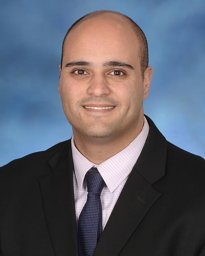 Badiyan Shahed N合作论文数Univ Maryland4
 Nels Knutson合作论文数Department of Radiation Oncology, School of Medicine, Washington University4
 Cindy Grimm合作论文数Washington University in St. Louis4
 Joshua Dowling合作论文数4Yu Tao合作论文数4Se-Hwan Yang合作论文数4Parag J. Parikh合作论文数4




