Background Diabetes self-management education and support (DSMES) improves glycemic control but remains underutilized, particularly among underserved populations. Community pharmacy professionals offer highly accessible settings to identify and refer high-risk patients who may not be reached through traditional care pathways. Objectives To evaluate the implementation of a statewide community pharmacy-based DSMES referral program, specifically assessing program reach, effectiveness (attendance), and implementation feasibility using the RE-AIM framework. Methods This retrospective implementation evaluation was conducted across 19 New York pharmacies (Community Pharmacy Enhanced Services Network-New York) from May to July 2021. Adults with type 2 diabetes were screened using prescription records, health information exchange (HIE) data, and point-of-care (POC) hemoglobin A1c (A1c) testing. Standardized workflows followed ADA/ADCES guidelines to categorize referral urgency. Primary outcomes included program reach (patient demographics), 3-month DSMES attendance, and implementation feasibility (staff perceptions and workflow adherence). Results Of 390 patients screened, 347 (89.0%) had documented A1c values, which were utilized to determine referral urgency. The analytic sample had a mean age of 61.1 years; 45.8% identified as White, 20.7% as Black, and 17.6% as Hispanic; 70.9% were publicly insured. Patients were primarily identified via prescription records (73%); A1c data were obtained via POC (50%) or HIE (17%). Pharmacists made strong/moderate referrals for 70% of patients. Among 161 patients with 3-month follow-up, 11% attended DSMES. Barriers included patient refusal (30%), scheduling (21%), and transportation (12%). Most community pharmacy professionals (94%) reported sufficient screening time, and 91% found HIE access helpful. Conclusion Community pharmacy professionals effectively identify and refer high-risk, diverse populations to DSMES. While identification is feasible, improving attendance requires addressing patient-level barriers through supportive policy, reimbursement mechanisms, and deeper health system integration.
Continuous glucose monitoring (CGM) has transformed diabetes care by enabling real-time tracking of glucose levels, improving glycemic control, reducing hypoglycemia, and enhancing quality of life. Despite their clinical benefits, CGM adoption remains inequitable, with underserved populations facing barriers such as low digital and health literacy, financial hardship, limited provider engagement, and fragmented healthcare system infrastructure. Pharmacists, trusted and accessible providers embedded within communities, have emerged as key collaborators for CGM use through patient education, data interpretation, and treatment optimization. Evidence from community-based settings demonstrates that pharmacist-led CGM interventions are associated with significant reductions in HbA1c, improvements in time-in-range, and enhanced patient engagement, although studies focusing specifically on underserved populations remain limited. Persistent barriers at patient, provider, and system levels must be addressed to achieve equitable CGM system access, including challenges related to cost, digital access or literacy, language barriers, healthcare professional training and patient education. By advancing pharmacist-led CGM initiatives tailored to the social and cultural needs of underserved populations, there is an opportunity to reduce disparities in CGM utilization and improve diabetes outcomes. This commentary highlights current evidence, identifies gaps, and issues a call to action for expanding pharmacist-led CGM programs in high need populations as a critical step toward promoting health equity in diabetes management.
Readmission rates are widely recognized indicators of healthcare quality, particularly for older adults. There is relatively little data on the role of health-related social needs (HRSNs) in post-discharge healthcare utilization (HCU). We investigated the association between HRSNs documented using Z-codes and unplanned 30- and 90-day HCU in older adults with heart failure (HF) and/or chronic obstructive pulmonary disease (COPD). This retrospective cohort study analyzed electronic health record (EHR) data from a regional health information exchange for individuals aged ≥ 65 with HF and/or COPD hospitalized at least once between 2019 and 2022. HRSNs were identified using ICD-10 Z-codes (Z55-Z65, Z75; Z61 for problems related to negative life events in childhood was excluded). The primary outcome, unplanned HCU, was defined as a composite of emergency department visits and unplanned inpatient admissions within 30- and 90-day post-discharge. Logistic regression models assessed associations between Z-code documentation and HCU, adjusting for demographic and clinical factors. Among 19,536 older adults, 4.01
Background Community pharmacy health-related social needs (HRSN) programs leverage pharmacy accessibility and connect patients to local resources, but the contextual factors influencing implementation are not fully understood. This study explored program facilitators' perceptions and attitudes towards implementing a HRSN program within pharmacy settings using the updated Consolidated Framework for Implementation Research (CFIR). Methods This concurrent mixed methods study used a survey and focus groups with program facilitators from the Community Pharmacy Enhanced Services Network of New York, a clinically integrated network of pharmacies. We identified 15 pharmacies participating in an ongoing HRSN screening and navigation program between January and May 2023. An online survey was sent to all program facilitators, and two focus groups were conducted. Both data collection instruments were developed using the CFIR. A rapid analysis of the focus group transcripts was conducted to evaluate the qualitative data and CFIR was utilized to deductively map themes to relevant domains and constructs. Results Participants included 12 program facilitators consisting of 3 pharmacists and 9 technicians (response rate 75%). Most participants (83%) agreed that the abbreviated Community Health Worker course, focused on cultural competency and effective communication, improved their ability to engage patients about social needs. Nine (75%) participants agreed that pharmacy leadership provided sufficient time, encouragement, and equipment to support program tasks. Focus groups identified 3 major themes (training, leadership engagement, and patient engagement challenges), which encompassed 8 subthemes. Conclusion Implementation success was influenced by constructs across CFIR domains, including, Access to Knowledge, Leadership Engagement, Structural Characteristics, and Complexity. Training, implementation strategies, and multilevel leadership were identified as critical enablers. Addressing staffing, workflow, and referral system challenges may enhance integration and sustainability of HRSN programs in community pharmacies.
BACKGROUND:Health-related social needs (HRSNs) significantly impact health outcomes, and community pharmacies present an opportunity to integrate HRSN screening and referral services. Embedding community health workers (CHWs) within pharmacies may enhance patient engagement and referral uptake, but evidence on program sustainability and economic viability remains limited. OBJECTIVE:To evaluate key implementation outcomes from statewide implementation of a pharmacy-based HRSN screening and referral program that cross-trained pharmacy staff as CHWs. METHODS:A pragmatic evaluation was conducted in 15 community pharmacies in New York State between January and December 2023. Pharmacy staff were cross-trained as CHWs to screen patients using a validated SDoH tool and facilitate referrals through a structured navigation platform. The primary outcome was referral uptake, defined as the proportion of submitted referrals successfully resolved. Secondary outcomes included program fidelity, program reach across urban and rural areas, and economic sustainability assessed using a time-driven activity-based costing framework, implementation framework, and comprehensive cost-benefit analysis. RESULTS:Among the 1034 participants screened, 708 social needs were identified, with food insecurity (24%), housing instability (16%), and transportation barriers (14%) most prevalent. Of the 330 initiated referrals, 154 (47%) were successfully resolved with 64% of screenings conducted in rural regions. The total program cost was $107,107, with estimated annual cost savings of $745,101 yielding a benefit-cost ratio of 6.96 and a return on investment of 596%. Breakeven analysis indicated financial sustainability at varying levels of screening volume, depending on reimbursement rates. Financial viability remained robust under a range of cost and resolution rate assumptions. CONCLUSION:Cross-training CHWs within pharmacies to address HRSNs is effective and financially sustainable. The program successfully engaged participants across urban and rural areas and resulted in high referral resolution rates. Integrating HRSN programs into pharmacy workflow represents a viable and scalable approach given appropriate policy support and reimbursement mechanisms.
Introduction: With the increasing adoption of alternative payment models (APM) in the U.S. healthcare system there is a growing interest in measuring pharmacy performance with a focus on preventive care and chronic disease management. The Community Pharmacy Enhanced Services Network (CPESN) has been established throughout the U.S. to incorporate high-performing pharmacies to provide enhanced services for high-risk patients including those with diabetes. Methods: The primary objective of this study is to assess the readiness of community pharmacists within CPESN to deliver minimum enhanced services (MES) and diabetes self-management education and support (DSMES) among diabetes patients. A cross-sectional survey was distributed via email to all pharmacies within CPESN New York. Descriptive statistics were utilized to assess survey responses. Results: A total of 84 participants responded to the survey. Top DSMES services offered included: education on blood glucose monitoring (95%), education on lifestyle changes (88%), and monitoring medication adherence to diabetes-related medications (88%). The most time spent per week on DSMES services was for monitoring medication adherence to diabetes-related medications (5.9 +/− 7.0 hours). Top facilitators included technology to execute workflow (55%), adequate workflow design (54%), and proper training for pharmacy personnel (53%). Common barriers in executing services are lack of collaboration with other health professionals (54%) and proper training of pharmacy personnel (49%). Conclusion: CPESN-NY pharmacies demonstrate the opportunity to adapt clinical services including DSMES, which will enhance their performance measures in APMs. Facilitators and barriers have been identified thus next steps in the would be to address how to overcome these barriers.
Introduction: Pursuant to the COVID-19 pandemic, an executive order issued by the New York State (NYS) governor allowed pharmacists to act as laboratory directors for a limited-service laboratory (LSL) to order and perform Food and Drug Administration (FDA) and Emergency Use Authorization (EUA) Clinical Laboratory Improvement Amendment (CLIA)-waived COVID-19 point-of-care testing (POCT). Objectives: To (i) assess the status of NYS community pharmacists with POCT in the early stages of the COVID-19 pandemic, (ii) assess the readiness and willingness of community pharmacists to incorporate COVID-19 POCT into their workflow during a pandemic, and (iii) assess community pharmacists' perception of the barrier to initiating COVID-19 POCT. Methods: This is a prospective cross-sectional study conducted from February 4 to February 21, 2021. An electronic survey consisting of 66 Likert-type questions, select all that apply, and fill-in-style questions were emailed to 250 Community Pharmacy Enhanced Service Network (CPESN) NY pharmacies, with a follow-up email sent halfway into the data collection period. The data were analyzed using descriptive statistics. Results: The result indicated that most participants (median = 5) demonstrated readiness and willingness to offer COVID-19 testing. Barriers to COVID-19 POCT were identified: impact on pharmacy workflow (59%), lack of payment mechanism (55%) and lack of sufficient training (21%). Most participants expressed interest in continuing POCT beyond the pandemic (86.1%). Conclusion: Community pharmacists in NYS reported willingness to initiate COVID-19 POCT. Addressing the identified barriers, such as workflow disruption and reimbursement challenges, will enable pharmacies to be better prepared to provide patient care, including POCT.
Background: Pharmacies belonging to the Community Pharmacy Enhanced Service Networks (CPESN) are transforming their practices with support of the Flip the Pharmacy initiative. These pharmacies are submitting eCare plans that describe care that they have provided to patients.Objectives: The objectives of this study were (1) To develop a taxonomy for services reported by community pharmacies participating in year 1 of the Flip the Pharmacy initiative and (2) to illustrate the use of the taxonomy for hypertension-related services.Methods: A retrospective observational study design was used. The analyzed data were extracted from eCare plans submitted by participating pharmacies during the first year of the Flip the Pharmacy initiative (October 1, 2019-September 30, 2020). Systematized Nomencla-ture of Medicine -Clinical Terms (SNOMED-CT) codes submitted for encounter reason and for procedures were sorted into categories based on similarity of terminology in the SNOMED-CT code labels. All SNOMED-CT codes in the encounter reasons that had blood pressure or hy-pertension in their labels were mapped to taxonomy categories. Descriptive statistics were calculated for all variables.Results: A total of 368,297 eCare plans reporting 1,049,061 SNOMED-CT procedures were submitted for 133,210 patients by 526 pharmacies. Seven categories of community pharmacy patient care services were identified: medication synchronization, medication review, moni-toring, immunizations, patient education, adherence, and recommendations. Over half of the encounter reasons (63.5%) and procedures (56.2%) were for medication synchronization. Both medication review and monitoring accounted for about 10% of the encounters, and medication review made up over 30% of procedures. A total of 18,307 encounters were related to hy-pertension. Of these, monitoring was the most frequent, with 11,285 encounters (61.6%) en-counters, followed by patient education, with 5173 encounters (28.3%).Conclusion: CPESN pharmacies are delivering a wide range of patient care services. This tax-onomy provides a concise way to organize and report services being delivered by community pharmacies.(c) 2022 American Pharmacists Association (R). Published by Elsevier Inc. All rights reserved.
Background: Primary care pharmacists are uniquely positioned to improve care quality by intervening within care transitions in the postdischarge period. However, additional evidence is required to demonstrate that pharmacist-led interventions can reduce health care utilization in a cost-effective manner. The study's objective was to evaluate the clinical and economic effectiveness of a pharmacy-led transition of care (TOC) program within a primary care setting.Methods: This cluster randomized trial was conducted between 2019 and 2021 and included three primary care practices. Eligible patients were >18 years of age and at high risk of readmission. The multifaceted pharmacy intervention included medication reconciliation, comprehensive medication review, and patient and provider follow-up. The primary composite endpoint included hospital readmissions and emergency department (ED) visits within 30 days of discharge. Differences in outcomes were modeled using a generalized estimated equations approach and outcomes were assumed to be distributed as a Poisson random variable. A cost-benefit analysis was embedded within the study and estimated economic outcomes from a provider group/health system perspective. Cost measures included: net benefit, benefit to cost ratio (BCR), and return on investment (ROI).Results: Of 300 eligible patients, 36 were in the intervention group and 264 in the control group. The intervention significantly reduced the primary composite outcome of all-cause readmissions and ED visits within 30 days (adjusted incidence rate ratio [aIRR], 0.54; 95% CI, 0.44-0.66; P < 0.001). There were significant reductions in both 30-day all-cause readmissions (aIRR, 0.64; 95% CI, 0.60-0.67; P < 0.001) and ED visits (aIRR, 0.25; 95% CI, 0.20, 0.31; P < 0.001) between groups. The net benefit of the intervention was $9,078, with a BCR of 2.11 and a ROI of 111%. Sensitivity analyses were robust to changes in economic inputs.Conclusion: This care transition program had positive clinical and economic benefits, providing further support for the essential role pharmacists demonstrate in providing TOC services.
Background Transition from hospital to home is a vulnerable period for patients with COPD exacerbations, with a high risk for readmission and mortality. Twenty percent of patients with an initial hospitalization for a COPD exacerbation are readmitted to a hospital within 30 days, costing the health care system over $15 billion annually. While nebulizer therapy directed at some high-risk COPD patients may improve the transition from hospital to home, patient and social factors are likely to contribute to difficulties with their use. Current literature describing the COPD patient’s experience with utilizing nebulizer therapy, particularly during care transitions, is limited. Therefore, the objective of this study was to explore underlying COPD patient and social factors contributing to practical difficulties with nebulizer use at the care transition from hospital to home. Methods This was a qualitative study conducted between September 2020 and June 2022. Patients were included if they were ≥ 40 years old, had a current diagnosis of COPD, had an inpatient admission at a hospital, and were discharged directly to home with nebulizer therapy. Semi-structured, one-on-one interviews with patients were conducted covering a broad range of patient and social factors and their relationships with nebulizer use and readmission. Interviews were recorded and transcribed verbatim. A thematic analysis was performed using a mixed inductive and deductive approach. Results Twenty-one interviews were conducted, and subjects had a mean age of 64 ± 8.4 years, 62% were female, and 76% were White. The predominant interview themes were health care system interactions and medication management. The interviews highlighted that discharge counseling methods and depth of counseling from hospitals were inconsistent and were not always patient-friendly. They also suggested that patients could appropriately identify, set up, and utilize their nebulizer treatment without difficulties, but additional patient education is required for nebulizer clean up and maintenance. Conclusions Our interviews suggest that there is room for improvement within the health care system for providing consistent, effective discharge counseling. Also, COPD patients discharged from a hospital on nebulizer therapy can access and understand their treatment but require additional education for nebulizer clean up and maintenance.
BACKGROUND:Community pharmacies in the United States are beginning to serve as patient care service destinations addressing both clinical and health-related social needs (HRSN). Although there is support for integrating social determinant of health (SDoH) activities into community pharmacy practice, the literature remains sparse on optimal pharmacy roles and practice models. OBJECTIVE:To assess the feasibility of a community pharmacy HRSN screening and referral program adapted from a community health worker (CHW) model and evaluate participant perceptions and attitudes toward the program. METHODS:This feasibility study was conducted from January 2022 to April 2022 at an independent pharmacy in Buffalo, NY. Collaborative relationships were developed with 3 community-based organizations including one experienced in implementing CHW programs. An HRSN screening and referral intervention was developed and implemented applying a CHW practice model. Pharmacy staff screened subjects for social needs and referred to an embedded CHW, who assessed and referred subjects to community resources with as-needed follow-up. Post intervention, subjects completed a survey regarding their program experience. Descriptive statistics were used to report demographics, screening form, and survey responses. RESULTS:Eighty-six subjects completed screening and 21 (24.4%) an intervention and referral. Most participants utilized Medicaid (57%) and lived within a ZIP Code associated with the lowest estimated quartile for median household income (66%). Eighty-seven social needs were identified among the intervention subjects, with neighborhood and built environment (31%) and economic stability challenges (30%) being the most common SDoH domains. The CHW spent an average of 33 minutes per patient from initial case review through follow-up. All respondents had a positive perception of the program, and the majority agreed that community pharmacies should help patients with their social needs (70%). CONCLUSIONS:This feasibility study demonstrated that embedding a CHW into a community pharmacy setting can successfully address HRSN and that participants have a positive perception toward these activities.
The National Centre for Pharmacoeconomics (NCPE) assesses all new drugs approved by the European Medicines Agency. Based on these assessments to the NCPE we investigated the characteristics of all oncology drugs since 2009 with a focus on precision oncology drugs, which benefit a subset of patients whose cancer displays specific molecular signatures.
Medication non-adherence is prevalent across all clinical conditions and causes major medical and economic challenges. While medication adherence enhancing interventions (MAEIs) have demonstrated proven benefits in improving outcomes, to date there is no comprehensive overview on the assessment of these interventions. This study aimed to fill this gap by systematically collect outcome measures used for the value assessment of MAEIs.
Background While community pharmacies are an ideal setting for social needs screening and referral programs, information on social risk assessment within pharmacy practice is limited. Objectives Our primary objective was to describe 2 social determinant of health (SDOH) practice models implemented within community pharmacies. The secondary objective was to evaluate implementation practices utilizing the Reach, Effectiveness, Adoption, Implementation, and Maintenance (RE-AIM) framework. Practice description Two pharmacy groups participated in a 3-month study, one in New York (9 pharmacies) and another in Missouri (1 pharmacy). The New York pharmacies implemented an SDOH specialist practice model, in which pharmacy staff members facilitate the program. The Missouri pharmacy implemented a community health worker (CHW) model by cross training their technicians. Each pharmacy developed their program using the Community Pharmacy Enhanced Services Network Care Model. Practice innovation Both programs expanded the technician role to take on additional responsibilities. The SDOH specialist model partnered with a local independent practice association to create a social needs referral program using a technology platform for closed-loop communication. All workflow steps of the self-contained CHW program were completed within the pharmacy, placing additional responsibility on the CHW and pharmacy staff. Evaluation methods RE-AIM framework dimensions of Reach, Effectiveness, and Adoption. Results Social challenges were identified in 49 of 76 (65%) generated SDOH screenings. The most prevalent social needs reported were affordability of daily needs (33%) and health care system navigation (15%). While most pharmacy staff indicated that workflow steps were clearly defined, assessments and referral tools were identified as potential gaps. While approximately 50% of pharmacy staff were comfortable with their assigned roles and in addressing SDOH challenges, physical and mental health concerns required additional education for intervention. Conclusion The successful implementation of community pharmacy SDOH programs connected patients with local resources. Community pharmacies are ideally positioned to expand their public health footprint through SDOH interactions that consequently improve patient care.
ObjectiveTo evaluate practice transformation team (PTT) members' perceptions of the Flip the Pharmacy (FtP) initiative as a strategy for implementing and improving community pharmacy-based patient care. MethodsFtP is a national 2-year practice transformation initiative for implementing enhanced patient care and medication optimization services at community pharmacies, launched in 2019 with 28 PTTs including over 500 pharmacy locations. Key informant interviews were conducted with team leads, coaches, and pharmacy champions from four PTTs that participated in the first FtP cohort. The interviews were conducted using semistructured interview guides based on the RE-AIM framework and focused on participants' experiences in the first year of FtP. Interviews were audio-recorded, transcribed, and analyzed using a rapid content analysis approach. ResultsFour leads, 8 coaches, and 8 pharmacy champions were interviewed from 4 PTTs from May to October 2021 and resulted in 10 themes: (1) community pharmacy practice experience is important when selecting coaches; (2) team readiness supports successful pharmacy practice transformation; (3) measures of patient care quality are needed; (4) payment and practice transformation opportunities happen in parallel; (5) successful practice transformation requires strategic involvement of the entire pharmacy team; (6) FtP practice transformation domains are synergistic; (7) change packages, coaching, and performance monitoring are core practice transformation supports; (8) pharmacy teams value opportunities to share and learn from each other; (9) sustaining patient care services is continuous; and (10) COVID-19 accelerated practice transformation while creating new stress points. ConclusionParticipants in this study perceived the FtP initiative as a helpful strategy implementing and improving community pharmacy-based patient care. Future research should explore the sustainability of the FtP initiative and similar community pharmacy practice transformation efforts.
Abstract Background The Hospital Readmissions Reduction Program (HRRP) was introduced to reduce readmission rates among Medicare beneficiaries, however little is known about readmissions and costs for HRRP-targeted conditions in younger populations. The primary objective of this study was to examine readmission trends and costs for targeted conditions during policy implementation among younger and older adults in the U.S. Methods We analyzed the Nationwide Readmission Database from January 2010 to September 2015 in younger (18–64 years) and older (≥65 years) patients with acute myocardial infarction (AMI), heart failure (HF), pneumonia, and acute exacerbations of chronic obstructive pulmonary disease (AECOPD). Pre- and post-HRRP periods were defined based on implementation of the policy for each condition. Readmission rates were evaluated using an interrupted time series with difference-in-difference analyses and hospital cost differences between early and late readmissions (≤30 vs. > 30 days) were evaluated using generalized linear models. Results Overall, this study included 16,884,612 hospitalizations with 3,337,266 readmissions among all age groups and 5,977,177 hospitalizations with 1,104,940 readmissions in those aged 18–64 years. Readmission rates decreased in all conditions. In the HRRP announcement period, readmissions declined significantly for those aged 40–64 years for AMI (p < 0.0001) and HF (p = 0.003). Readmissions decreased significantly in the post-HRRP period for those aged 40–64 years at a slower rate for AMI (p = 0.003) and HF (p = 0.05). Readmission rates among younger patients (18–64 years) varied within all four targeted conditions in HRRP announcement and post-HRRP periods. Adjusted models showed a significantly higher readmission cost in those readmitted within 30 days among younger and older populations for AMI (p < 0.0001), HF (p < 0.0001), pneumonia (p < 0.0001), and AECOPD (p < 0.0001). Conclusion Readmissions for targeted conditions decreased in the U.S. during the enactment of the HRRP policy and younger age groups (< 65 years) not targeted by the policy saw a mixed effect. Healthcare expenditures in younger and older populations were significantly higher for early readmissions with all targeted conditions. Further research is necessary evaluating total healthcare utilization including emergency department visits, observation units, and hospital readmissions in order to better understand the extent of the HRRP on U.S. healthcare.
Abstract Background Early hospital readmissions remain common in patients with conditions targeted by the CMS Hospital Readmission Reduction Program (HRRP). There is still no consensus on whether readmission measures should be adjusted based on social factors, and there are few population studies within the U.S. examining how social characteristics influence readmissions for HRRP-targeted conditions. The objective of this study was to determine if specific socio-demographic and -economic factors are associated with 30-day readmissions in HRRP-targeted conditions: acute exacerbation of chronic obstructive pulmonary disease, pneumonia, acute myocardial infarction, and heart failure. Methods The Nationwide Readmissions Database was used to identify patients admitted with HRRP-targeted conditions between January 1, 2010 and September 30, 2015. Stroke was included as a control condition because it is not included in the HRRP. Multivariate models were used to assess the relationship between three social and economic characteristics (gender, urban/rural hospital designation, and estimated median household income within the patient’s zip code) and 30-day readmission rates using a hierarchical two-level logistic model. Age-adjusted models were used to assess relationship differences between Medicare vs. non-Medicare populations. Results There were 19,253,997 weighted index hospital admissions for all diagnoses and 3,613,488 30-day readmissions between 2010 and 2015. Patients in the lowest income quartile (≤$37,999) had an increased odds of 30-day readmission across all conditions (P < 0.0001). Female gender and rural hospital designation were associated with a decreased odds of 30-day readmission for most targeted conditions (P < 0.05). Similar findings were also seen in patients ≥65 years old. Conclusions Socio-demographic and -economic factors are associated with 30-day readmission rates and should be incorporated into tools or interventions to improve discharge planning and mitigate against readmission.
Social determinants of health (SDoH) account for up to 90% of health outcomes, whereas medical care accounts for only 10%-15%; despite this disparity, only 24% of hospitals and 16% of physician practices screen for the 5 social needs. Community-embedded and highly accessible, pharmacies are uniquely positioned to connect individuals to local community and social resources and thereby address SDoH. In this article, we explore novel community pharmacy practice models that address SDoH, provide real-world examples of these models, and discuss pathways for reimbursement and sustainability. A number of innovative community pharmacy practice models that focus on social issues are currently being explored. These include integrating community health workers (CHWs) or SDoH specialists, wherein CHWs are frontline public health workers who can effectively bridge the health care system and their community, whereas SDoH specialists are pharmacy team members trained with substantial SDoH knowledge and how to use it to connect pharmacy patients to community resources. Three community pharmacy networks have implemented pilot programs using either a CHW or SDoH specialist model. An essential component for program success in all cases has been partnership development and increased interdependence between the pharmacies, local community organizations, and the public health sector. New payment models and financial incentives will be necessary to expand and sustain these programs. A potential Approach may be the use of Z codes, a subset of ICD-10-CM codes specific to assessing SDoH. Although opportunities are developing for community pharmacies to play a major role in sustainably addressing SDoH, additional work is needed before there is a widespread acceptance of pharmacies becoming service referral destinations for patients with social needs. Evaluation of these models on a wider scale will be necessary to fully evaluate their effectiveness, costs, and implementation within different community pharmacy settings.
Background: Pharmacists are positioned as an accessible source of patient care services (PCS). Despite the adversity community pharmacies continue to face, the expanding opportunity of offering PCS continues to be a pathway forward. Objective: To identify community pharmacists’ perceptions to deliver PCS within an enhanced service network. Methods: One-on-one semi-structured phone interviews were conducted as part of a mixed-methods approach. Interview transcripts were analyzed using a consensus codebook to draft thematic findings. Participants were recruited from an electronic survey targeting community pharmacists from the New York chapters of the Community Pharmacy Enhanced Services Network (CPESN). Results: Twelve pharmacists were interviewed with four main themes identified. The majority of study participants were pharmacy owners (92%) devoting an average of 15 h/week to PCS and 8 h/week addressing social barriers. The main themes identified include: (1) perceptions of pharmacy profession, (2) reimbursement models and sustainability of PCS, (3) provision of patient care services, and (4) how PCS address social determinants of health. Conclusions: Offering PCS opportunities for patients is a direction many community pharmacists have embraced and are working to succeed. Ongoing research is needed focusing on community pharmacists’ self-perceptions of the clinical impact and role they hold in an evolving healthcare system.
BACKGROUND/OBJECTIVES To examine the prevalence of potentially inappropriate medication (PIM) prescribing and its association with healthcare utilization and related expenditures utilizing nationally representative data from the United States. DESIGN Retrospective cohort study. SETTING The 2011–2015 Medical Expenditure Panel Survey (MEPS). PARTICIPANTS Community‐dwelling sample of U.S. adults aged 65 and older during the first round of each MEPS cycle. MEASUREMENTS A qualified definition operationalized from the 2019 American Geriatrics Society Beers Criteria® was used to estimate the prevalence of PIM prescribing over the study period. Negative binomial models were assembled to examine associations between PIM exposure and healthcare utilization including hospitalizations, emergency department (ED) visits, and outpatient provider visits. Generalized linear models with the log link function and gamma distribution were used to analyze associations between PIM exposure and healthcare expenditures. Sensitivity analyses were conducted utilizing inverse probability treatment weighting using propensity scores for being prescribed a PIM. RESULTS The period prevalence of PIM prescribing over the 5‐year sample was 34.4%. PIM prescribing was positively associated with hospitalizations (adjusted incidence rate ratio [aIRR] = 1.17; 95 confidence interval [CI] = 1.08–1.26; P < .001), ED visits (aIRR = 1.26; 95% CI = 1.17–1.35; P < .001), and outpatient provider visits (aIRR = 1.18; 95% CI = 1.14–1.21; P < .001). PIM exposure was associated with higher marginal costs within outpatient visits ($116; 95% CI = $105–$243; P < .001), prescription medications ($128; 95% CI = $72–$199; P < .001), and total healthcare expenditures ($458; 95% CI = $295–$664; P < .001). Similar results were found in our propensity score analyses. CONCLUSION PIMs continue to be prescribed at a high rate among older adults in the United States. Our results suggest that receipt of PIMs is associated with higher rates of healthcare utilization and increased costs across the healthcare continuum. Further work is needed to implement evidence‐based deprescribing interventions that may in turn reduce unnecessary healthcare utilization.
 David M Jacobs合作论文数18
 Collin Clark合作论文数2University at Buffalo6Amanda A. Foster合作论文数4Xi Zheng合作论文数Department of Industrial and Systems Engineering, State University of New York at Buffalo, Amherst, USA 142604
 Matthew L. Bolton合作论文数Department of Industrial and Systems Engineering, University at Buffalo4N. Gangan合作论文数2Sarah-Elizabeth L Tierney合作论文数2Karl D. Fiebelkorn合作论文数2Jennifer Stoll合作论文数2Tripp Logan合作论文数2John Croce合作论文数2Zarina Jalal合作论文数2Samantha Will合作论文数2Heather Jarvis合作论文数2
 S. Kamat合作论文数1 University of Rhode Island2
 G. Milky合作论文数Global Hlth Econ & Outcomes Res, Intuit Surg Inc2Chintal H Shah合作论文数Sch Pharm, Univ Maryland2M. Allen合作论文数2Meghan Allen合作论文数2Erin O'Brien合作论文数2Manvi Sharma合作论文数Dept Pharm Adm, Univ Mississippi2
 Adina Turcu-Stiolica合作论文数Dept Pharmaceut Management & Mkt, Univ Med & Pharm Craiova2
 Robert G Wahler合作论文数2University at Buffalo2
 Lu Feng合作论文数Department of Systems and Information Engineering, School of Engineering and Applied Science, University of Virginia2
 Bijan Borah合作论文数2
 Melissa Somma McGivney合作论文数2Slazak Erin M合作论文数2
 Beaudart Charlotte合作论文数Department of Public Health, Epidemiology and Health Economics, University of Liège;Support Unit in Epidemiology and Biostatistics, University of Liège2
 Jennifer Bacci合作论文数Department of Pharmacy, School of Pharmacy, University of Washington2Jacobs David M合作论文数Department of Pharmacy Practice, University at Buffalo School of Pharmacy and Pharmaceutical Sciences2
 Priti Pednekar合作论文数2
 Shubham Atal合作论文数Department of Pharmacology, M.G.M. Medical College2Ranjit Singh合作论文数2Randal P. Mcdonough合作论文数2
 John Zeber合作论文数Department of Psychiatry, University of Texas Health Science Center at San Antonio;San Antonio;Department of Psychiatry, University of Texas Health Science Center at San Antonio2
 Elizabeth Manias合作论文数School of Nursing and Midwifery, Monash University;Faculty of Medicine Dentistry and Health Sciences, University of Melbourne;Department of Medicine, Royal Melbourne Hospital, The University of Melbourne2
 Mickaël Hiligsmann合作论文数Faculty of Health, Medicine and Life Sciences, Maastricht University2
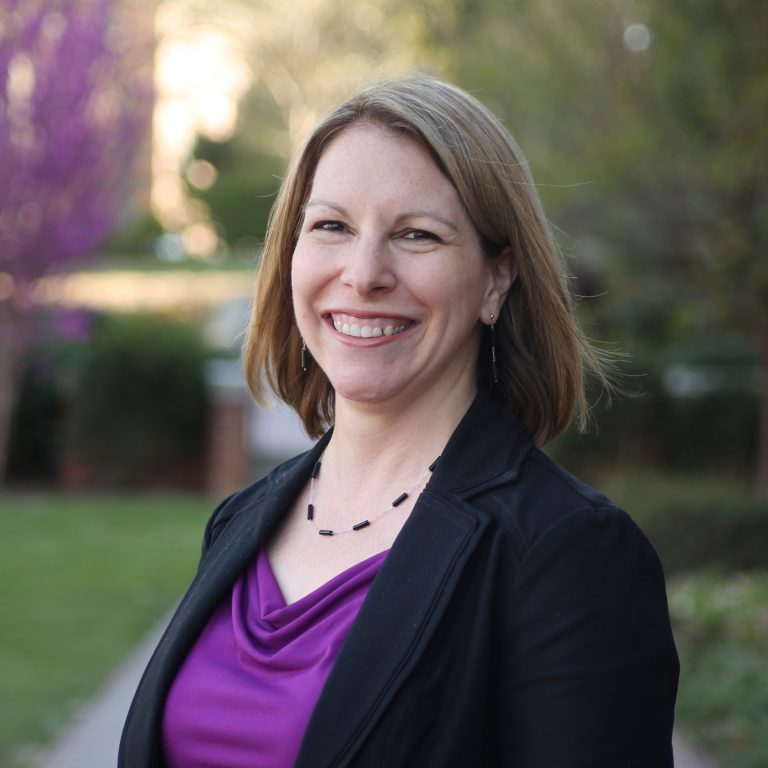 Stefanie Ferreri合作论文数Division of Practice Advancement and Clinical Education, Eshelman School of Pharmacy, The University of North Carolina at Chapel Hil2William R. Doucette合作论文数2
 Tamás Ágh合作论文数University Pharmacy Department of Pharmacy Administration, Semmelweis University2
 Elizabeth Unni合作论文数2Troy Trygstad合作论文数2
 Kim C. Coley合作论文数2M. Dimitrova合作论文数2Megan Smith合作论文数1
 Megan G. Smith合作论文数1Bryan Quinn合作论文数1Matthew J. Butler合作论文数1Richard Leong合作论文数1




