AIMS:This study aimed to determine the efficacy and safety of iltamiocel investigational autologous muscle cell therapy in females with stress urinary incontinence (SUI). METHODS:Adult females were randomized 2:1 to iltamiocel (150 × 106 cells) or placebo and stratified by severity and prior SUI surgery. The primary objective was efficacy based on the frequency of stress incontinence episodes (SIE) recorded in a 3-day diary at 12 months posttreatment. After 12 months, placebo participants could elect to receive open-label iltamiocel. Efficacy and safety analyses were performed using all patients as treated populations. RESULTS:The study enrolled 311 patients, 297 were randomized to either iltamiocel (n = 199) or placebo (n = 98). Of the 295 participants that completed 12 months blinded follow-up, the proportion achieving the primary endpoint of ≥ 50% SIE reduction was not statistically different between treatment groups (52% vs. 53.6%; p = 0.798). A significantly greater proportion of iltamiocel participants in the prior SUI surgery stratum group achieved ≥ 75% SIE reduction compared with placebo, (40% vs. 16%; p = 0.037). Treatment response was maintained at 24 months in 78.4% and 64.9% of iltamiocel participants who achieved ≥ 50% and ≥ 75% SIE reduction, respectively, at Month 12. Adverse events related to the treatment were reported in 19 (9.5%) iltamiocel participants and 6 (6.1%) placebo participants. CONCLUSION:The study did not meet its primary endpoint however, iltamiocel cell therapy is safe and may be ideally suited to female patients who have undergone prior surgery for SUI. Additional study in this group of patients with high unmet medical needs is warranted. TRIAL REGISTRATION:ClinicalTrials.gov identifier: NCT01893138; EudraCT number: 2014-002919-41.
OBJECTIVE:The traditional residency selection process was altered dramatically by the SARS CoV-2 (COVID-19) pandemic. For the 2020-2021 application cycle in-person interviews were transitioned to the virtual format. What was thought to be a temporary transition has now become the new standard with continued endorsement from the Association of American Medical Colleges (AAMC) and the Society of Academic Urologists (SAU) for virtual interviews (VI). We sought to assess the perceived efficacy and satisfaction of the VI format from the urology residency program director's (PDs) perspective. DESIGN:A designated SAU Taskforce on "Optimizing the Applicant Experience in the Virtual Interview Era" developed and refined a survey composed of 69 questions on VI and was distributed to all urology program directors (PD) of member institutions of the SAU. The survey focused on candidate selection, faculty preparation, and interview day logistics. PDs were also asked to reflect on the impact of VI on their match results, recruitment of underrepresented minorities and female gender, and what their preference would be for future applications cycles. PARTICIPANTS:Urology residency PDs (84.7% response rate) between January 13, 2022 - February 10, 2022 were included in the study. RESULTS:Most programs interviewed a total of 36 to 50 applicants (80%), with an average of 10 to 20 applicants per interview day. The top 3 ranked criteria for interview selection reported by urology PDs surveyed included letters of recommendation, clerkship grades, and USMLE Step 1 score. The most common areas of formal training for faculty interviewers were diversity, equity and inclusion (55%), implicit bias (66%), and review of the SAU guidelines on illegal questions (83%). Over half (61.4%) of PDs believed that they were able to accurately represent their training program through the virtual platform, while 51% felt that VI did not afford similar assessments of applicant as in-person interviews. Two-thirds of PDs believed the VI platform improve access for all applicants to attend interviews. Focusing on the impact of the VI platform for recruitment of underrepresented minorities (URM) and female gender applicants, 15% and 24% reported improved visibility respectively for their program, and 24% and 11% reported increased ability to interview URM and female gender applicants respectively. Overall, in-person interviews were reported to be preferred by 42%, and 51% of PDs desired VIs to be included in future years. CONCLUSIONS:PDs opinion and role of the VIs into the future is variable. Despite uniform agreement of cost savings and belief that VI platform improves access for all, only half of PDs expressed interest of the VI format being continued in some form. PDs note limitation of VI in the ability to comprehensively assess applicants as well as the in-person format. Many programs have begun to incorporate vital training in the areas of diversity equity and inclusion bias, and illegal questions. There is a role for continued development and research on ways to optimize virtual interviews.
Purpose To assess the quantitative and qualitative components of in-person focus groups as a potential intervention for female patients with urinary incontinence. Methods Women over the age of 18 seeking treatment for UI were randomized to standard care with focus group participation or to standard care alone. All participants completed validated questionnaires: MESA, UDI-6, OAB-SAT-q, PGI-S, PGI-I, SQoL-F, PHQ-9, IPAQ at the beginning and conclusion of the study. Questionnaires were analyzed with repeated measures of ANOVA models in an intention-to-treat manner. Three moderated focus group sessions were held and audio recorded. Recordings were transcribed and categorized by frequency into themes using grounded theory methodology. Results A total of ten control and eight intervention participants agreed to participate. Seven women attended all three focus group sessions and were included in the final analysis. Transcripts from focus group sessions observed women identified most with (1) urinary incontinence (UI) as a chronic disease, (2) shame managing UI, and (3) social constraints of toileting. Participants self-reported appreciation of focus group participation and desire for on-going sessions. Analysis of the questionnaires did not demonstrate statistically significant differences. Conclusion Data ascertained from questionnaires were unable to demonstrate a meaningful effect in improved treatment outcomes for control and intervention participants. Grounded theory analysis of transcripts identified four primary themes: (1) appreciation of the focus group, (2) UI as a gendered issue, (3) lack of public awareness, and (4) history of negative provider interactions. All focus group participants self-reported interest in attending future focus group sessions.
OBJECTIVE:To evaluate the impact of personality traits and institutional factors on burnout among a population of practicing urologists.METHODS:From 2017-2019 a voluntary survey was distributed to practicing urologists across the United States. The survey evaluated demographics, education, social factors, practice types and work satisfaction. Personality traits were evaluated using the Sheffield psychometric assessment. Burnout was assessed using the Maslach inventory and defined as a score of ≥27 on the emotional exhaustion domain or ≥10 on the depersonalization domain.RESULTS:One hundred seventy-three urologists responded, of whom 86.7% were male, 88.1% Caucasian, and 53.5% self-identified as general urologists. 49.1% (85/173) met criteria for burnout. On univariate analysis, burnout was associated with taking call, a ≥51 hour/week work schedule, and using multiple EMRs. On the psychometric assessment, tendencies towards the personality traits resiliency, optimism, extroversion, and a team player approach were associated with lower rates of burnout. On multivariable analysis, a ≥51 hour/week work schedule remained associated with burnout (OR 2.27, 95% CI 1.08-4.91, P = .03), and physicians who were extroverted were less likely to have burnout (OR 0.91, 95% CI 0.83-0.99, P = .03). Burnout significantly impacted all domains of work satisfaction.CONCLUSION:Based on survey data, approximately half of practicing urologists suffer from burnout and this affects work satisfaction. Personality factors, specifically tendencies towards resilience, optimism, extroversion, and a team player mentality, may be protective. Longer work hours were universally associated with increased burnout. Awareness of these risks and relationships can help develop strategies to identify and curtail burnout.
Sacrocolpopexy is the most durable surgical procedure for the treatment of symptomatic pelvic organ prolapse (Maher et al. Cochrane Database Syst Rev. 2013;(4):CD004014). The single port robotic platform has recently been approved in the USA for use in urological surgery. Innovation in robotic surgery continues to evolve, minimizing abdominal wall trauma while improving instrumentation and technical feasibility. Identifying the appropriate procedures to utilize novel technology is important to understand the role of new surgical tools. Sacrocolpopexy procedure, when performed with supracervical hysterectomy, requires extension of an incision for specimen retrieval, making it ideal for single port surgery. The technique and adaptation to new instrumentation is demonstrated in this video. A surgical demonstration of single port robotic sacrocolpopexy is shown. Sacrocolpopexy was successfully completed using the single port robotic platform. Sacrocolpopexy is technically feasible with use of the single port robotic platform.
ABSTRACT Introduction The AdVance male sling has been used for many years for the treatment of male stress urinary incontinence with multiple previous studies evaluating its efficacy. More recently, a new generation AdVance XP was designed with modifications in its design and surgical tools in hopes to improve patient outcomes. Objective The aim of our study was to provide our institution's outcomes comparing objective and patient-reported outcomes of the AdVance male sling to the AdVance XP. Methods All patients who have had placement of an AdVanceXP male urethral sling were retrospectively reviewed. Inclusion criteria included the necessity of one year post-operative follow up. We then identified a comparative cohort who had the most recent placement of the AdVance sling. We compared patient demographics, baseline characteristics, functional outcomes, voiding studies and complications. Results A total of 11 patients who received the AdVanceXP were compared to 11 patients who received the AdVance male sling. There were no statistically significant differences in baseline demographics between the two groups (Table1). When comparing the AdVance XP to Advance, there was no difference in change in average flow rate (-1.26mL/s vs -5mL/s, p=0.476) or peak flow (-5.11mL/s vs -5.73mL/s, p=.936). Patient's pre-surgical pad usage was greater in the AdVanceXP than the AdVance sling groups (2.64 vs 1.60, p=0.019). The mean decrease in pad usage was 1.95 pads in those with the AdVanceXP compared to 1.36 pads with the AdVance (p=.227). There were no statistically significant differences in operative times between the AdVanceXP and the AdVance male sling (64.5min vs 68.8min, p=.249). Both groups had one patient who had issues with post-operative pain and neither group had any patients with post-operative retention, infection or need for reoperation within one year. Conclusions Patient's who had placement of the AdVanceXP were found to have a greater reduction in pad usage when compared to the AdVance sling, though not reaching statistical significance. Disclosure No
You have accessJournal of UrologyCME1 May 2022MP13-06 PERSONALITY TRAITS AND BURNOUT AMONG PRACTICING UROLOGISTS Gopal Narang, Lanyu Mi, Kevin Wymer, Christopher Wolter, Mitchell Humphreys, and Karen Stern Gopal NarangGopal Narang More articles by this author , Lanyu MiLanyu Mi More articles by this author , Kevin WymerKevin Wymer More articles by this author , Christopher WolterChristopher Wolter More articles by this author , Mitchell HumphreysMitchell Humphreys More articles by this author , and Karen SternKaren Stern More articles by this author View All Author Informationhttps://doi.org/10.1097/JU.0000000000002542.06AboutPDF ToolsAdd to favoritesDownload CitationsTrack CitationsPermissionsReprints ShareFacebookLinked InTwitterEmail Abstract INTRODUCTION AND OBJECTIVE: Physician burnout has become increasingly prevalent across medicine, including urology, but causative factors remain understudied. In particular, little is known about the relationship between personality factors and burnout. Using survey data, including a psychometric assessment, we evaluated predictors of burnout among a population of practicing urologists and assess impact of burnout on physician work satisfaction. METHODS: From 2017-2019 a voluntary survey was distributed to practicing urologists across the United States. The survey evaluated demographics, education, social factors, practice types and work satisfaction. Personality traits were evaluated using the Sheffield psychometric assessment. Burnout was evaluated using the Maslach inventory and defined as a score of ≥ 27 on the emotional exhaustion domain or ≥ 10 on the depersonalization domain. RESULTS: 173 urologists responded, of whom 86.7% were male, 88.1% Caucasian, and 53.5% self-identified as general urologists. 49% (85/173) met criteria for burnout. On univariate analysis, burnout was associated with taking call, a > 50 hour/week work schedule, and using multiple EMRs. On the psychometric assessment, the personality traits resiliency, optimism, extroversion, and a team player approach were associated with lower rates of burnout. On multivariable analysis, a > 50 hour/week work schedule remained associated with burnout (OR 2.5, 95% CI 1.23-5.24, p=0.01), and physicians who were extroverted were less likely to have burnout (OR 0.91, 95% CI 0.83-0.99, p=0.04), Figure 1. Burnout significantly impacted all domains of work satisfaction, Figure 2. CONCLUSIONS: Based on survey data, approximately half of practicing urologists suffer from burnout and this affects work satisfaction. Personality factors, specifically resilience, optimism, extroversion, and a team player mentality, may be protective. Longer work hours were universally associated with increased burnout. Awareness of these risks and relationships can help develop strategies to identify and curtail burnout. Source of Funding: N/A © 2022 by American Urological Association Education and Research, Inc.FiguresReferencesRelatedDetails Volume 207Issue Supplement 5May 2022Page: e223 Advertisement Copyright & Permissions© 2022 by American Urological Association Education and Research, Inc.MetricsAuthor Information Gopal Narang More articles by this author Lanyu Mi More articles by this author Kevin Wymer More articles by this author Christopher Wolter More articles by this author Mitchell Humphreys More articles by this author Karen Stern More articles by this author Expand All Advertisement PDF downloadLoading ...
Purpose of review This review summarizes the urethral diverticulum (UD) literature published since 2015 and evaluates the extent to which new contributions have changed our understanding of UD. Important components within the UD literature include its etiology, diagnosis, and surgical approach. We also examine what new evidence shows regarding UD surgical outcome data, particularly in comparing staged versus concomitant stress urinary incontinence (SUI) repair. Recent findings Important themes emerge from our review of the contemporary UD literature. The presentation of UD may remain elusive, with diagnosis hinging on careful history, physical exam, and imaging studies. While magnetic resonance imaging (MRI) remains the gold standard imaging modality of choice, there is increasing evidence to support the utility of ultrasound as a more cost-effective means of diagnosis. Transvaginal surgical excision and repair remains highly effective, although success decreases as complexity of the UD increases. Concomitant incontinence treatment remains the most controversial subject. Recent evidence lends support to a staged approach, making it appear less certain that a potential improvement in the rate of incontinence following UD repair is worth the downside of potentially overtreating SUI or failing to prevent de novo SUI. Summary The recent UD literature provides a host of new case series that allow for more informed clinical decision-making in diagnosis and treatment. Ultrasound imaging offers a promising alternative to MRI in resource-conscious settings. Recent evidence trends in favor of staged incontinence repair instead of concomitant incontinence repair, muddling the framework for standard of care and underscoring the importance of informed consent in educating UD patients.
You have accessJournal of UrologyUrodynamics/Lower Urinary Tract Dysfunction/Female Pelvic Medicine: Female Incontinence: Therapy I (PD06)1 Sep 2021PD06-02 AN EVALUATION OF WOMEN WITH PERSISTENT OR RECURRENT STRESS URINARY INCONTINENCE (SUI) FOLLOWING SURGERY IN A DOUBLE-BLIND, RANDOMIZED, CONTROLLED TRIAL COMPARING SAFETY AND EFFICACY OF AUTOLOGOUS MUSCLE DERIVED CELLS FOR URINARY SPHINCTER REPAIR (AMDC-USR) WITH PLACEBO (PBO) Michael B. Chancellor, Kenneth M. Peters, Kevin D. Benson, Sherry Thomas, Jason B. Bennett, Roger R. Dmochowski, Michael H. Heit, Lieschen H. Quiroz, Christopher J. Chermansky, Niall T.M. Galloway, Una J. Lee, Michael J. Kennelly, Eric R. Sokol, Christopher M. Tarnay, Howard B. Goldman, Christopher E. Wolter, Ron J. Jankowski, and Melissa R. Kaufman Michael B. ChancellorMichael B. Chancellor More articles by this author , Kenneth M. PetersKenneth M. Peters More articles by this author , Kevin D. BensonKevin D. Benson More articles by this author , Sherry ThomasSherry Thomas More articles by this author , Jason B. BennettJason B. Bennett More articles by this author , Roger R. DmochowskiRoger R. Dmochowski More articles by this author , Michael H. HeitMichael H. Heit More articles by this author , Lieschen H. QuirozLieschen H. Quiroz More articles by this author , Christopher J. ChermanskyChristopher J. Chermansky More articles by this author , Niall T.M. GallowayNiall T.M. Galloway More articles by this author , Una J. LeeUna J. Lee More articles by this author , Michael J. KennellyMichael J. Kennelly More articles by this author , Eric R. SokolEric R. Sokol More articles by this author , Christopher M. TarnayChristopher M. Tarnay More articles by this author , Howard B. GoldmanHoward B. Goldman More articles by this author , Christopher E. WolterChristopher E. Wolter More articles by this author , Ron J. JankowskiRon J. Jankowski More articles by this author , and Melissa R. KaufmanMelissa R. Kaufman More articles by this author View All Author Informationhttps://doi.org/10.1097/JU.0000000000001974.02AboutPDF ToolsAdd to favoritesDownload CitationsTrack CitationsPermissionsReprints ShareFacebookLinked InTwitterEmail Abstract INTRODUCTION AND OBJECTIVE: Women with persistent or recurrent SUI following prior surgical intervention have an unmet medical need with symptoms which substantially impact daily functioning and quality of life (QOL). METHODS: Data provided are a stratified subset from a Phase 3 study (NCT01893138). 75 women with average 19.8±11.3 stress leaks over 3 days were randomized 2:1 (150 x 106 AMDC-USR:vehicle PBO) at 22 sites. AMDC-USR was manufactured from skeletal muscle tissue harvested from the vastus lateralis via outpatient biopsy and injected into the urinary sphincter during a subsequent outpatient procedure. SUI was monitored by 3-day diaries of stress incontinence episode frequency (SIEF) and QOL questionnaires during blinded follow-up through 12 months. RESULTS: All women completed 12-month visits (50 AMDC-USR; 25 PBO). Treatment effect at ≥75% SIEF reduction was robust and significant. SIEF reduction in AMDC-USR correlated with improvement in all QOL scores at 12 months (p≤0.002) and exceeded clinically meaningful levels of ≥ 10-point improvement in I-QOL score at ≥ 75% reduction in SIEF. There were significant differences in QOL changes between responders and non-responders in the AMDC-USR group only. There were no AMDC-USR-related serious adverse reactions. CONCLUSIONS: Women with chronic SUI symptoms (average > 12 years) sought treatment despite undergoing as many as five prior surgeries at the time of enrollment. A single injection of AMDC-USR may be a safe and effective treatment in this challenging refractory population. Based in part on this evidence to address unmet medical need and the recognized seriousness of the condition, AMDC-USR has been granted the expedited Regenerative Medicine Advanced Therapy (RMAT) designation by the United States Food and Drug Administration for this population. Source of Funding: Cook MyoSite Incorporated © 2021 by American Urological Association Education and Research, Inc.FiguresReferencesRelatedDetails Volume 206Issue Supplement 3September 2021Page: e99-e100 Advertisement Copyright & Permissions© 2021 by American Urological Association Education and Research, Inc.MetricsAuthor Information Michael B. Chancellor More articles by this author Kenneth M. Peters More articles by this author Kevin D. Benson More articles by this author Sherry Thomas More articles by this author Jason B. Bennett More articles by this author Roger R. Dmochowski More articles by this author Michael H. Heit More articles by this author Lieschen H. Quiroz More articles by this author Christopher J. Chermansky More articles by this author Niall T.M. Galloway More articles by this author Una J. Lee More articles by this author Michael J. Kennelly More articles by this author Eric R. Sokol More articles by this author Christopher M. Tarnay More articles by this author Howard B. Goldman More articles by this author Christopher E. Wolter More articles by this author Ron J. Jankowski More articles by this author Melissa R. Kaufman More articles by this author Expand All Advertisement Loading ...
You have accessJournal of UrologyUrodynamics/Lower Urinary Tract Dysfunction/Female Pelvic Medicine: Female Incontinence: Therapy I (PD06)1 Sep 2021PD06-01 A DOUBLE-BLIND, RANDOMIZED, CONTROLLED TRIAL COMPARING SAFETY AND EFFICACY OF AUTOLOGOUS MUSCLE DERIVED CELLS FOR URINARY SPHINCTER REPAIR (AMDC-USR) WITH PLACEBO (PBO) IN WOMEN WITH STRESS URINARY INCONTINENCE (SUI) Melissa R. Kaufman, Kenneth M. Peters, Christopher J. Chermansky, Lieschen H. Quiroz, Jason B. Bennett, Sherry Thomas, Howard B. Goldman, Kevin D. Benson, Roger R. Dmochowski, Una J. Lee, Eric R. Sokol, Niall T.M. Galloway, Christopher E. Wolter, Michael J. Kennelly, Christopher M. Tarnay, Michael H. Heit, Christian Rehme, Ron J. Jankowski, and Michael B. Chancellor Melissa R. KaufmanMelissa R. Kaufman , Kenneth M. PetersKenneth M. Peters , Christopher J. ChermanskyChristopher J. Chermansky , Lieschen H. QuirozLieschen H. Quiroz , Jason B. BennettJason B. Bennett , Sherry ThomasSherry Thomas , Howard B. GoldmanHoward B. Goldman , Kevin D. BensonKevin D. Benson , Roger R. DmochowskiRoger R. Dmochowski , Una J. LeeUna J. Lee , Eric R. SokolEric R. Sokol , Niall T.M. GallowayNiall T.M. Galloway , Christopher E. WolterChristopher E. Wolter , Michael J. KennellyMichael J. Kennelly , Christopher M. TarnayChristopher M. Tarnay , Michael H. HeitMichael H. Heit , Christian RehmeChristian Rehme , Ron J. JankowskiRon J. Jankowski , and Michael B. ChancellorMichael B. Chancellor View All Author Informationhttps://doi.org/10.1097/JU.0000000000001974.01AboutPDF ToolsAdd to favoritesDownload CitationsTrack CitationsPermissionsReprints ShareFacebookLinked InTwitterEmail Abstract INTRODUCTION AND OBJECTIVE: This multicenter Phase 3 study (NCT01893138) evaluated efficacy and safety of AMDC-USR compared to PBO for SUI treatment. METHODS: 297 adult women with average 14.4 ± 11.4 stress leaks over 3 days were randomized 2:1 (150x106 AMDC-USR:vehicle PBO) and stratified by baseline severity and prior SUI surgery. AMDC-USR was manufactured from vastus lateralis harvest via outpatient biopsy and injected into the urinary sphincter at a subsequent outpatient procedure. SUI was monitored by 3-day diary of stress incontinence episode frequency (SIEF) and quality of life (QOL) questionnaires. Subjects were unblinded after 12 months, and PBO subjects could receive an open-label AMDC-USR treatment. Subjects were followed for 2 years post initial treatment. RESULTS: 297 women were treated (199 AMDC-USR; 98 PBO), 99% completed 12 months (199 AMDC-USR; 96 PBO), and 85% have completed 2 years (167 AMDC-USR; 86 PBO). 93% PBO subjects opted to receive open-label AMDC-USR treatment. Percentage of SIEF responders by strata, endpoints and visits is presented below. SIEF reduction correlated with improvement in all QOL scores at 12 months (p < 0.001). Treatment-related serious adverse reactions were uncommon (< 1%) with no AMDC-USR safety signals detected. CONCLUSIONS: Single injection of AMDC-USR is safe and durable through 2 years with varying therapeutic effect. Consistent with our previous study, ≥ 50% SIEF reduction is not a sufficient endpoint. High variability in PBO response rates across strata impacts generalizability of the treatment response in the overall population. Nonetheless, there was encouraging response in subjects with > 10 baseline SIE, and a markedly greater percentage (> 2-fold) of women with prior surgery achieved statistical and clinically meaningful ≥ 75% SIEF reduction compared with PBO, further supporting that this population may be ideally suited for AMDC-USR therapy. Source of Funding: Cook MyoSite Incorporated © 2021 by American Urological Association Education and Research, Inc.FiguresReferencesRelatedDetails Volume 206Issue Supplement 3September 2021Page: e99-e99 Advertisement Copyright & Permissions© 2021 by American Urological Association Education and Research, Inc.MetricsAuthor Information Melissa R. Kaufman More articles by this author Kenneth M. Peters More articles by this author Christopher J. Chermansky More articles by this author Lieschen H. Quiroz More articles by this author Jason B. Bennett More articles by this author Sherry Thomas More articles by this author Howard B. Goldman More articles by this author Kevin D. Benson More articles by this author Roger R. Dmochowski More articles by this author Una J. Lee More articles by this author Eric R. Sokol More articles by this author Niall T.M. Galloway More articles by this author Christopher E. Wolter More articles by this author Michael J. Kennelly More articles by this author Christopher M. Tarnay More articles by this author Michael H. Heit More articles by this author Christian Rehme More articles by this author Ron J. Jankowski More articles by this author Michael B. Chancellor More articles by this author Expand All Advertisement Loading ...
Objective Urethral diverticulum is a rare, yet important condition for the female pelvic surgeon. We aimed to characterize the women who have been seen for this condition across the three Mayo Clinic locations. Methods Medical record review was performed for patients across all three Mayo Clinic sites (Rochester, Arizona, Florida) that had International Classification of Diseases, Ninth Revision, (ICD-9) and International Classification of Diseases, Tenth Revision, (ICD-10) codes corresponding to urethral diverticulum (ICD-9, 599.2; ICD-10, N36.1). We also performed a review of patients who underwent urethral diverticulectomy via Current Procedural Terminology (CPT) code 53235. Data were available for patients from June 1, 2003, to October 5, 2018. Patients were classified by age, etiology, presenting symptomatology, location, treatment, pathology, and postoperative outcomes. Results Four hundred forty-seven women met initial coding criteria for urethral diverticula, with 228 women having documented urethral diverticula. The most common presentations were irritative voiding symptoms (93) and infections (92). The most common diagnostic modality was radiographic imaging (198/228) with magnetic resonance imaging accounting for 157 cases. Etiology was unknown in the majority of cases (181/228). Of women who were diagnosed, 172 underwent diverticulectomy with 51 concurrent urethral sling placements. Final pathology demonstrated 2 cases of malignancy. Postoperative follow-up ranged from 0 months to 15 years (mean, 1.4 years; median, 4 months). Forty-three patients had persistent urinary symptoms after diverticulectomy with stress incontinence being the most common. Eight patients underwent subsequent sling placement. Fourteen patients had recurrence. Conclusions This appears to be the largest reported series on female urethral diverticula, a rare yet important entity that requires special consideration. Most surgical cases found resolution of symptoms after diverticulectomy. Importantly, less than 2% of urethral diverticula were associated with malignancy.
The artificial urinary sphincter (AUS) is the gold standard for the management of male stress urinary incontinence, while the inflatable penile prosthesis (IPP) is indicated for men with erectile dysfunction who are either not a candidate for or who have failed conservative therapies. Traditionally, we admitted patients for 23-hour observation and additional IV antibiotics after implantation. Given the scarcity of inpatient beds, however, we decided to start performing AUS and IPP implantations as outpatient procedures with same-day discharge. We aim to compare perioperative outcomes when AUS or IPP implantation is performed as an outpatient procedure with same-day discharge. A retrospective case review was performed at our surgical institution for artificial urinary sphincters and inflatable penile prostheses implanted from January 2015-December 2017. Patients with implants performed from January 2015 to December 2016 stayed one midnight postoperatively per protocol. Beginning January 1, 2017, patients were taken to the operating room with intention for same-day discharge. Patient characteristics, including age, BMI, prostatectomy status, radiation status, prior urologic procedures, concomitant explant or implant procedure, length of stay, 90-day readmission rates, and complications were recorded. Means between the two groups were compared using paired T-Tests and chi-squared tests where appropriate.
 Khan Aqsa A合作论文数12Melissa R. Kaufman合作论文数11
 Roger R. Dmochowski合作论文数Vanderbilt Section of Surgical Sciences, Vanderbilt University Medical Center;Department of Urology, Vanderbilt University Medical Center10
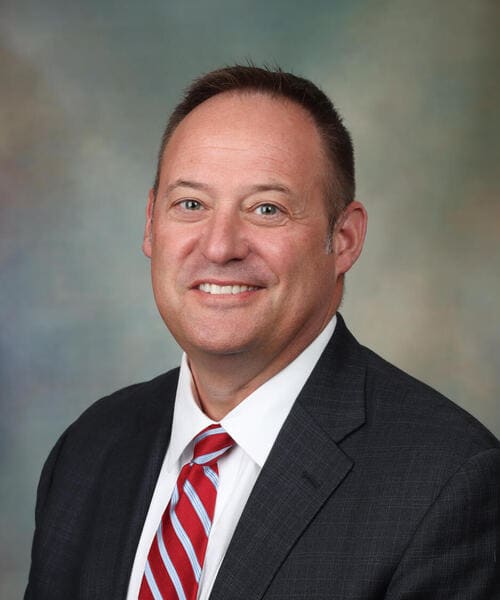 Mitchell R. Humphreys合作论文数Department of Urology, Mayo Clinic10Gwen M. Grimsby合作论文数9
 Erik P. Castle合作论文数Department of Urology, School of Medicine, Tulane University9Harriette M. Scarpero合作论文数8
 Mark D Tyson合作论文数7Alexandra Carolan合作论文数6Swanson Scott J合作论文数6
 Paul Andrews合作论文数Faculty of Dentistry, University of Toronto5Jonathan S. Starkman合作论文数5
 Robert Ferrigni合作论文数5Kyle M Rose合作论文数4
 Lieschen H Quiroz合作论文数Department of Obstetrics and Gynecology, University of Oklahoma Health Sciences Center4
 Michael B. Chancellor合作论文数William Beaumont School of Medicine, Oakland University4Kevin Benson合作论文数4Howard B. Goldman合作论文数Cleveland4Rafael N. Nunez合作论文数4
 Christopher Chermansky合作论文数4
 Michael Kennelly合作论文数4Ron J. Jankowski合作论文数3Gina Toma合作论文数3John W. Duffy合作论文数3Jason B. Bennett合作论文数3
 Christopher Tarnay合作论文数Div Female Pelv Med & Reconstruct Surg, Univ Calif Los Angeles3
 Kassem Faraj合作论文数3
 Jonathan N. Warner合作论文数3
 Kenneth Peters合作论文数William Beaumont School of Medicine, Oakland University;William Beaumont Hospital3
 Una Lee合作论文数3
 Catherine Chen合作论文数3
 Eric R. Sokol合作论文数Department of Obstetrics and Gynecology, School of Medicine, Stanford University3Michael Heit合作论文数3Leah Nakamura合作论文数3Laura Vargas合作论文数2Kathleen Olson合作论文数2Bhavesh M. Patel合作论文数2Lanyu Mi合作论文数2niall t m galloway合作论文数2
 Kimberly Tay合作论文数Urology Institute, Case Western Reserve University / University Hospitals Cleveland2Gopal Narang合作论文数2
 Kevin Wymer合作论文数2
 Nan Zhang合作论文数2
 Joseph A. Smith合作论文数Department of Urologic Surgery, Vanderbilt University;Vanderbilt Institute for Global Health, Vanderbilt University Medical Center2Stern Karen合作论文数2Buckner-Petty Skye合作论文数2
 Haidar Abdul-Muhsin合作论文数2
 Danielle D Antosh合作论文数2




