Study Design Retrospective Propensity-Matched Analysis. Objectives Optimal control of postoperative pain while minimizing opioid consumption is paramount in spine surgery. While gabapentinoids have robust utilization for the treatment of neuropathic pain and neuroprotective effects, their interplay in multimodal analgesia following ACDF is unclear. The objective of the present study was to investigate the association between postoperative gabapentinoid use and postoperative opioid use following ACDF. Methods We conducted a retrospective cohort study using the TriNetX Research network, identifying adult patients who underwent ACDF between 2003-2023. Patients with chronic opioid use were excluded. After 1:1 propensity score matching, cohorts were constructed based on receipt of postoperative gabapentinoids vs acetaminophen monotherapy. Outcomes included opioid utilization and surgical/systemic complications across standardized follow-up intervals (30 days, 90 days, 6 months, 1 year, 2 years, and 5 years). Risk ratios with 95% confidence intervals were calculated, and Kaplan-Meier analyses assessed time-to-event outcomes. Results After matching, 32 455 patients were included in each group. Gabapentinoid use was associated with higher opioid consumption at every interval, persisting through 5 years (2.29% vs 0.51% at 5 years, RR 4.61, P < 0.001). Gabapentinoid recipients had a greater risk of pneumonia and respiratory failure across multiple timepoints. Kaplan-Meier curves demonstrated durable separation between groups for pneumonia, respiratory failure, and opioid use (all log-rank P < 0.001). Conclusion Gabapentinoids use following ACDF was associated with increased opioid utilization and higher complication rates, challenging their presumed benefit in this setting. These findings suggest that gabapentinoids may not be an effective adjunct in multimodal pain regimens for ACDF.
Study design Retrospective Cohort Study. Objective The objective of this study is to investigate the effect of cage subsidence on neuroforaminal area after anterior cervical discectomy and fusion (ACDF) utilizing computed tomography (CT). Summary of background data Restoration of disc height via implantation of an interbody device provides an indirect decompression of the cervical neuroforamina. Interbody cage subsidence is a potential postoperative occurrence, but the effect of this on neuroforaminal area has yet to be characterized. Methods A retrospective review was conducted of patients who underwent one- to four-levels of ACDF utilizing an interbody device with anterior plating. Cage subsidence, neuroforaminal area, height and width were measured on CT scans preoperatively and at least 6 months postoperatively. Levels with a cumulative sum of cranial and caudal subsidence greater than 4 mm were classified as severely subsided, while levels with cumulative subsidence less than 4 mm were classified as non-severely subsided. Results A total of 83 patients (151 levels) were included in this retrospective analysis. Average endplate subsidence was 3.2 ± 1.9 mm. Non-severely subsided levels demonstrated a greater perioperative increase in neuroforaminal area (7.9 vs 2.1 mm2, p < 0.001), neuroforaminal height (1.1 vs 0.4 mm, p < 0.001) and neuroforaminal width (0.7 vs 0.1 mm, p < 0.001) compared to severely subsided levels. Interbody subsidence significantly predicted a decreased change in neuroforaminal height, width and area (p < 0.001). Severe subsidence was associated with an increased rate of pseudarthrosis, but similar reoperation rates and recurrent neurologic deficits between the two groups. Conclusions Severe subsidence of interbody cages after an ACDF was associated with a decreased perioperative change in neuroforaminal dimensions. This decrease in the size of the neuroforamen may reduce the effect of indirect decompression of the nerve root.
STUDY DESIGN:Retrospective cohort. OBJECTIVES:To compare demographic and microorganism culture data between primary and postoperative infections. BACKGROUND:Current literature suggests that both de novo and postoperative infection rates are increasing. At present, there is a paucity of research directly comparing de novo and postoperative spinal infections. METHODS:Patients aged 18 years or older who underwent an irrigation and debridement (I&D) for de novo spine infections and infections following elective spine surgeries from 2017 to 2023 were compared. All patients were retrospectively reviewed for demographic information, comorbidities, and social history. Tissue microbiology of both cohorts was compared by broad classes (eg, gram-positive vs gram-negative, aerobic vs anaerobic, monomicrobial vs polymicrobial) and individual microbes (eg, Staphylococcus aureus, E. Coli, Pseudomonas, etc). Statistical analysis was performed, and P-value <0.05 was considered statistically significant. RESULTS:One hundred fifty-three patients underwent an I&D in the setting of a de novo spine infection, while 239 patients underwent an I&D in the setting of a postoperative infection. Patients who developed de novo infections were on average younger (P = 0.002) with lower BMIs (P < 0.001) and were more likely to be current smokers (P = 0.005). These patients also had higher rates of hepatitis C (P < 0.001), CKD (P = 0.009), and prior IV drug use (P < 0.001). De novo infections had higher rates of gram-positive (P = 0.004), monomicrobial (P = 0.013), and aerobic (P = 0.026) infections than postoperative infections. Staphylococcusaureus infection rates were statistically similar between groups (P = 0.138), while Streptococcus was more common in the postoperative infection cohort (P = 0.002). Pseudomonas, proteus, and Corynebacterium were identified significantly more often in the postoperative infection cohort. CONCLUSIONS:Patients developing de novo and postoperative spine infections exhibit notable demographic and microorganism differences. Adequate treatment of patients with spinal infections, therefore, requires an awareness of both medical and social factors most prevalent within these two populations.
STUDY DESIGN:Retrospective cohort study. OBJECTIVE:To compare clinical outcomes and patient-reported outcome measures between patients with preoperative symptoms greater than or less than 12 months undergoing primary anterior cervical discectomy and fusion (ACDF) for the indication of radiculopathy. SUMMARY OF BACKGROUND DATA:While ACDF is a well-established treatment for cervical radiculopathy, the impact of preoperative duration of symptoms (DOS) on postoperative recovery remains unclear. Prior lumbar and myelopathy studies suggest longer DOS correlates with poorer outcomes, but data regarding isolated cervical radiculopathy remains inconclusive. METHODS:Adult patients undergoing elective primary ACDF for radiculopathy between 2014 and 2020 were identified. Patients with incomplete preoperative or 1-year postoperative PROMs were excluded. Patient demographics, preoperative nonoperative treatment, surgical characteristics, and clinical outcomes were collected from patient charts. PROMs, including SF-12, VAS Neck/Arm, mJOA, and NDI, were assessed preoperatively and at 3, 6, and 12 months postoperatively. MCID achievement was determined using pre-established thresholds. Patients were divided into two cohorts: DOS <1 year and DOS >1 year. RESULTS:Of 170 patients, 107 (62.9%) had symptoms <1 year, and 63 (37.1%) had symptoms >1 year. Cohorts were comparable at baseline. The DOS >1 year cohort had a greater proportion of patients who received preoperative epidural steroid injections (58.7% vs. 41.1%, P=0.039). Postoperatively, there were no significant differences in rates of inpatient complications, including dysphagia, LOS, readmissions, or reoperations. While the <1-year cohort achieved higher absolute scores in MCS, PCS, and mJOA at 12 months, the rates of achieving MCID for all PROMS were comparable between groups. CONCLUSION:Although patients with shorter symptom duration may reach higher absolute PROM scores at one year, both groups experienced similar rates of clinical improvement and MCID achievement. A delay in surgical intervention for isolated radiculopathy may not adversely affect the patient's perceived benefit of the procedure.
The purpose of this study is to evaluate the impact of preoperative LDI on postoperative sagittal alignment and surgical/patient-reported outcomes (PROMs) in a degenerative cohort. Patients who underwent 1–2 level elective primary lumbar fusion (2014–2020) for degenerative disease were retrospectively identified. Preoperative/postoperative radiographs were reviewed for global, upper (L1-L3) and lower (L4-S1) LL, pelvic-incidence (PI), PI-LL mismatch, and pelvic tilt (PT). PI-LL mismatch and PT were assessed based on the literature. LDI was calculated as lower LL/global LL. Patients were categorized into preoperative hypolordosis (LDI < 0.5), normal (LDI 0.5–0.8), and hyperlordosis (LDI > 0.8) groups. 267 patients were included (87 hypolordosis/149 normal/31 hyperlordosis). Age and male percentage increased across groups. Average length of follow-up was similar between LDI groups. The hypolordotic group received more anterior lumbar interbody fusions (ALIF) and had more cranial fusion. Postoperative LDI groups were aligned with preoperative LDI groups—hyperlordotic patients had the most LDI improvement (-0.06; p = 0.004). Hyperlordotic patients had the most postoperative PI-LL above 10° (54.5
Study DesignPropensity-matched cohort study.ObjectivesTo evaluate short/mid-term safety and mortality of elective lumbar decompression alone (LD) versus lumbar decompression with fusion (LDF) for degenerative lumbar disease in octogenarians and the aging patient.MethodsThe TriNetX research network was queried for adults with degenerative lumbar disease who underwent LD or LDF (2012-2025). Patients with deformity, instability, spondylolisthesis, or congenital malformation were excluded. Patients were stratified by decade of life (60-69, 70-79, 80-89 years) and matched 1:1 for demographics, steroid use, lipoprotein disorders, and modified Frailty Index-5 comorbidities. Outcomes were compared at 30 days, 90 days, 1 year, and 2 years. The primary outcome was mortality; secondary outcomes included medical and surgical complications.ResultsAcross all age decades, LDF was associated with >5-fold higher 30-day mortality (OR 5.16-6.34, all p<0.0001) and >3.5-fold higher 90-day mortality (OR 3.83-6.35, all p<0.0001) compared to LD. In octogenarians, 30-day mortality was significantly higher with LDF versus LD (4.19% vs. 0.68%, p<0.0001). At 90 days, LDF was associated with higher rates of wound infection, sepsis, respiratory complications, DVT/PE, stroke, revision surgery, ED visits, and readmissions (all p<0.03). By 2 years, LDF was associated with higher mortality, revision surgery, and chronic pain (all p<0.009).ConclusionsIn this large, frailty-matched national analysis, LDF was consistently associated with higher mortality and morbidity compared to LD for degenerative lumbar disease. Octogenarians demonstrated six-fold higher 30-day mortality with LDF, underscoring the importance of careful patient selection for elective lumbar fusion.Level of EvidenceIII.
BACKGROUND CONTEXT:While lumbar fusion revision is associated with inferior outcomes compared to primary surgery, the impact of undergoing multiple revisions remains unclear. PURPOSE:To evaluate surgical and patient-reported outcomes measures (PROMs) after primary, first revision, and second revision lumbar fusion, and to identify characteristics associated with multiple revisions. STUDY DESIGN/SETTING:Retrospective cohort study at a single academic center (2011-2022). PATIENT SAMPLE:A total of 747 patients underwent lumbar fusion: 554 had no revision, 153 underwent 1 revision, and 40 underwent ≥2 revisions. OUTCOME MEASURES:Surgical characteristics and PROMs, including Oswestry Disability Index, visual analog scale for back pain, visual analog scale for leg pain, 12-Item Short Form Survey (SF-12) Physical Component Summary and Mental Component Summary, assessed preoperatively and at 3 months and 1 year postoperatively. METHODS:Patients were stratified by number of surgeries. Delta PROM scores were calculated. Comparisons were made using analysis of variance (ANOVA) or Kruskal-Wallis tests. RESULTS:Patients undergoing revision were more often male (67.9 vs 45.5%, p<.01) and had higher Charlson Comorbidity Index (1.84 vs 0.88, p<.001). Those with ≥2 revisions had more levels fused (3.05 vs 2.26, p=.040) and longer time from index surgery (47.1 vs 31.3 months, p=.002). PROMs declined with each revision. At 1 year, Oswestry Disability Index scores were 23.2 (no revision), 35.4 (1st revision), and 38.1 (2nd revision) (p<.001). Physical Component Summary-12 delta at 3 months was +4.21, -0.60, and -9.49, respectively (p<.001). CONCLUSIONS:A single revision may yield clinical improvement, but outcomes significantly decline after a second revision. Patients should be counseled on the limited benefit and higher risk of repeated lumbar fusion.
INTRODUCTION:In modern healthcare systems, the role of advanced practice providers (APPs), including nurse practitioners (NP) and physician assistants (PA), has increased in many settings, in step with the increased demand for healthcare services. The purpose of the present investigation was to evaluate trends in the prevalence, reimbursement, and characteristics of care provided by APPs in the treatment of spinal disorders in the United States from 2013 to 2022. METHODS:A retrospective cohort study using the publicly available Medicare Provider Utilization and Payment database from the Centers for Medicare and Medicare Services was conducted on diagnostic, procedural, and therapeutic services provided by advanced practice providers from 2013 to 2022. Provider-type and billing codes were used to identify healthcare professionals providing care for spine patients, such as ordering radiographs, assisting in surgical procedures, or performing office visits. Trends were analyzed using linear regression modeling with projections generated through 2030. RESULTS:Over the study period, the number of surgeons involved in spine care decreased from 3953 (71.2%) in 2013 to 3951 (66.7%) in 2022. The number of APPs who billed for the care of spine patients increased 23.3% from 1600 in 2013 to 1974 in 2022. The most common services billed for by APPs included radiographs and office visits. There were increased odds (OR: 1.20, 95% CI, 1.03-1.41, P < 0.001) of a spine provider in rural areas being an APP versus spine surgeon. Forecasting analysis for 2030 demonstrated continuation of these trends regarding the number of providers, services, and geographic distribution. DISCUSSION:Increased utilization of APPs in the care of patients with spinal pathology is likely to continue with the growing prevalence of patients with spinal disorders.
Retrospective cohort study using the TriNetX Global Research Network. To evaluate whether surgical site infection (SSI) after primary posterior lumbar fusion (PLF) is associated with increased risk of developing new mental health disorders (MHDs) over short-term and long-term follow-up. Surgical site infections affect up to 9% of patients undergoing spine surgery and are known to increase physical morbidity. However, the psychological impact of SSI is poorly understood. Although postoperative complications have been linked to new-onset MHDs in general surgical populations, the specific risk attributable to SSI in primary PLF patients remains unclear. Adult patients (≥18 yr) undergoing primary PLF were identified and stratified by the presence or absence of postoperative SSI. Patients with pre-existing MHDs were excluded. Propensity score matching was performed 1:1 based on age, sex, race and ethnicity, BMI, comorbidities, preoperative labs, nicotine use, and socioeconomic factors, yielding 1,859 matched pairs. New-onset diagnoses of depression, anxiety, and substance use disorder (SUD) were assessed at 30 days, 90 days, 6 months, 1 year, and 2 years, and risk ratios (RR) with 95% CIs were calculated using χ 2 testing and Kaplan-Meier methods. At 30 days, anxiety was more common in the SSI cohort (RR 2.63, P =0.004), whereas depression and SUD were not significantly different (both P >0.05). By six months, depression (RR: 1.69, P =0.021), anxiety (RR: 1.97, P =0.001), and SUD (RR: 1.87, P =0.04) were all elevated in the SSI group. At one year, depression (RR: 1.64, P =0.013) and anxiety (RR: 1.41, P =0.046) remained significantly higher, whereas SUD was similar between cohorts (RR: 0.98, P =0.93). Postoperative SSI significantly increases the risk of long-term psychological morbidity emphasizing the need for early mental health screening and intervention after infection.
Cervical spine injuries in elite rugby union, while infrequent, carry a disproportionately high risk for players. The nature of collisions in rugby creates unique biomechanical stresses on the cervical spine, heightening the risk of catastrophic injury. Injuries vary across a spectrum from transient neuropraxia ('stingers') to structural injuries requiring surgical intervention. Despite the gravity of these injuries, there remains no standardized, evidence-based return to play (RTP) protocol for rugby players after cervical spine surgery. A thorough literature review was undertaken to systematically analyze the existing literature on RTP outcomes for rugby players after surgical intervention for a cervical spine injury, and to clarify deficiencies in clinical practice. The most common procedures undertaken are anterior cervical discectomy and fusion, cervical disc arthroplasty, and posterior foraminotomy. Each procedure has unique biomechanical implications for RTP. A consensus is that caution is urged in multilevel fusions, occipitocervical involvement, and injuries crossing the cervicothoracic junction due to loss of movement and increased strain on adjacent segments. However, there is no consensus about the timeline for safe RTP after surgery. Additionally, considerations of neuromuscular conditioning and the assessment of sarcopenia in determining a safe time to return to play are of the essence. If unaddressed, deconditioning, especially of deep cervical musculature, may predispose athletes to hardware failure or recurrent injury. Thus, a multidisciplinary approach is essential. Rugby has shown leadership in the management of concussion yet lacks a comparable framework for cervical spine injury, a condition with arguably more devastating long-term outcomes. Drawing on consensus guidelines from American football and orthopaedic spinal literature, this paper calls for a multidisciplinary, rugby-specific RTP protocol that integrates surgical, biomechanical, neuromuscular, and imaging criteria. Such guidelines would enhance player safety and provide clarity for clinicians navigating complex decisions about return to play. This is a clinical and fiscal imperative given the potential for career-ending injury and significant economic consequences.
Study Design Retrospective Cohort study.Objective Posterior lumbar fusion (PLF) carries notable risks of bleeding and implant-related complications. Testosterone replacement therapy (TRT) has been associated with a myriad of medical and postsurgical-related complications in orthopedic procedures, but its impact on PLF outcomes remains unclear.Methods Using the TriNetX Research Network, adults undergoing PLF were identified and grouped by perioperative TRT use. After 1:1 propensity score matching demographics, comorbidities, and 3,380 patients remained per cohort. Outcomes included acute postoperative events and long-term surgical sequelae, assessed through 2 years. Risk ratios (RR), 95% confidence intervals (CI), and p-values were calculated; Kaplan-Meier curves assessed long-term event incidence.Results The TRT cohort had lower rates of readmission (2.07% vs. 3.05%; RR 0.69, 95% CI 0.51-0.94; p=0.016) and ED visits (2.66% vs. 4.26%; RR 0.64, 95% CI 0.49-0.83; p=0.001). There were no statistically significant differences between cohorts for DVT intensive care unit admission, PE, wound dehiscence, SSI, or AKI at 90 days. TRT use was associated with increased revision PLF (8.05% vs. 6.15%; RR 1.31, 95% CI 1.10-1.56; p=0.002). No statistically significant differences were observed for implant displacement or pseudoarthrosis.Conclusions Perioperative TRT exposure is associated with a favorable immediate postoperative recovery timeline, with subsequent increased revision surgery. Recognition of these risks should inform preoperative counselling, postoperative surveillance, and multidisciplinary care planning for patients undergoing PLF.
Study DesignRetrospective cohort study.ObjectiveThe incidence of cervical radiculopathy is expected to increase by over 30% by 2050. ACDF, CDA, and PCF are established surgical options, each with distinct risk-benefit profiles. The objective of the present investigation is to compare long-term outcomes and complications among anterior cervical discectomy and fusion (ACDF), cervical disc arthroplasty (CDA), and posterior cervical foraminotomy (PCF).MethodsA retrospective analysis was conducted using TriNetX. Adult patients undergoing single-level ACDF, CDA, or PCF for cervical radiculopathy were identified. 1:1 propensity matching was performed. Outcomes included perioperative complications, reoperation rates, and new cervical pathology at 30 days, 90 days, 6 months, 1 year, 2 years, and 5 years. Statistical significance was set at p<0.05.ResultsMatched cohorts included ACDF vs. PCF (N=2,659), ACDF vs. CDA (N=3,749), and CDA vs. PCF (N=2,143). PCF demonstrated significantly higher reoperation rates at all timepoints compared to both ACDF and CDA in pairwise comparisons, (5-year: PCF 9.5 vs. ACDF 4.4%; PCF 10.0% vs. CDA 2.8%, p<0.001). ACDF patients demonstrated increased reoperation rates at 5 years (CDA 3.2% vs. ACDF 4.5%, p=0.01). ACDF was associated with higher early emergency department visits and ICU admissions compared to CDA.ConclusionsPCF was associated with higher rates of subsequent cervical reoperation compared with ACDF and CDA in the matched cohorts. Differences in early postoperative complications and healthcare utilization were also observed between procedures. These findings should be interpreted in the context of differences in surgical indications and unmeasured clinical and radiographic factors that may influence procedure selection.
STUDY DESIGN:Prospective survey study. SUMMARY OF BACKGROUND DATA:Patients frequently utilize Internet-based resources to seek information. Cervical laminoplasty is extensively marketed on the Internet, and patients may research their condition for the treatment of cervical spinal stenosis. Previous literature has recommended that the readability of patient education materials (PEM) should not exceed the 6th grade reading level to optimize health literacy. OBJECTIVE:This study aims to evaluate the readability of online PEM concerning cervical laminoplasty. METHODS:A Google search query was performed using the term "Cervical Laminoplasty patient information." The first 25 websites meeting study inclusion criteria were analyzed for readability using Flesch-Kincaid, average reading level consensus, Gunning Fog, Coleman-Liau, Simplified Measure of Gobbledygook (SMOG), and Linsear Write indices. Descriptive statistics were reported. RESULTS:The mean average reading level was 11.1 (1.96). The mean Flesch Kincaid Reading Ease score was 49 (12.6). The mean Gunning Fog Score was 12.2 (2.15), Flesch Kincaid grade level 10.6 (2.62), Coleman Liau SMOG 11.6 (1.92), Automated Readability Index 10.6 (3.13), Linsear Write 68.2 (9.2). One of the twenty-five PEMS included was evaluated to be below the recommended sixth-grade reading level. Five of the PEMs were considered general health information (GHI), and twenty were considered clinical practice (CP). No differences were found between CP and GHI websites (P>0.05). CONCLUSIONS:Creating appropriate PEM is integral to achieving optimal health literacy. The current readability of the most accessible PEMs related to cervical laminoplasty is inadequate. As it stands, many patients may not appropriately comprehend the description of their anticipated surgery.
Study DesignRetrospective cohort.ObjectiveLimited evidence exists for outcomes after elective cervical and lumbar fusion in patients with ankylosing spondylitis (AS) or diffuse idiopathic skeletal hyperostosis (DISH). This study aimed to compare perioperative and patient-reported outcomes between patients with AS/DISH and matched control patients.MethodsAdults with AS/DISH undergoing primary elective ACDF, PCDF, PLDF, or TLIF from 2004-2023 were identified. AS/DISH patients were propensity score matched (1:3) to controls without ankylosing disorders. Outcomes included readmission rates, discharge disposition, revision/reoperation, and patient-reported outcome measures at baseline and follow-up. Chi-square and t-tests were used, with P < 0.05 as significant.Results66 AS/DISH patients (42 cervical, 24 lumbar) were matched to 198 controls. AS/DISH patients had higher Charlson Comorbidity Index scores and greater 0-30 day readmission rates for both cervical (9.5% vs 1.6%, P = 0.035) and lumbar (20.8% vs 2.8%, P = 0.010) fusions. Cervical AS/DISH patients demonstrated superior VAS Neck, VAS Arm, and mJOA scores at several postoperative timepoints. Lumbar AS/DISH patients showed greater early VAS Back improvement (Δ6-month -4.00 vs -2.91, P = 0.010) but smaller VAS Leg gains (Δ6-month -1.50 vs -4.13, P = 0.021). Multivariable regression controlling for CCI score, male sex, and AS/DISH diagnosis identified that a diagnosis of AS/DISH was independently associated with greater odds of 30-day readmissions (OR: 6.04, 95% CI: 1.84-23.38, P = 0.004).ConclusionAS/DISH is associated with increased short-term readmissions after elective spinal fusion, despite some superior functional outcomes in cervical procedures. Future studies should evaluate whether targeted perioperative optimization can reduce these risks.
STUDY DESIGN:Retrospective cohort study. OBJECTIVE:To evaluate the association between preoperative symptom duration and neurologic and patient-reported outcomes after anterior cervical discectomy and fusion (ACDF) for degenerative cervical myelopathy (DCM). SUMMARY OF BACKGROUND DATA:Prior studies suggest longer duration of preoperative myelopathic symptoms may impair neurologic recovery after surgery, but its relationship with patient-reported outcome measures (PROMs) and clinically meaningful improvement remains unclear. METHODS:Adult patients undergoing primary ACDF for myelopathy at a single academic institution (2017-2023) were identified. Patients were stratified by symptom duration (<1 y vs. ≥1 y). Demographic, surgical, and clinical outcomes were collected. PROMs included Short Form-12 mental and physical component scores (MCS, PCS), Visual Analog Scale (VAS) Neck and Arm, Neck Disability Index (NDI), and modified Japanese Orthopaedic Association (mJOA) scores collected preoperatively and at 3, 6, and 12 months postoperatively. Achievement of minimal clinically important difference (MCID) was assessed. RESULTS:A total of 139 patients met inclusion criteria, including 75 (54.0%) with symptom duration <1 year. Patients with <1 year of symptoms were older, less likely to have commercial insurance, less likely to undergo inpatient surgery, and underwent fusion of fewer levels. Six-month MCS (55.1 vs. 50.2, P =0.038) and 3-month PCS (38.5 vs. 34.3, P =0.030) were greater in the <1-year cohort. VAS Neck and NDI scores were lower at select postoperative time points in the <1-year cohort. The ≥1-year cohort demonstrated higher rates of MCID achievement for VAS Neck at 6 and 12 months. No differences were observed in mJOA scores or MCID achievement for other outcomes. CONCLUSIONS:Longer preoperative symptom duration was associated with worse absolute postoperative pain and disability but not neurologic recovery, with largely comparable rates of MCID achievement after ACDF. These findings suggest that delayed presentation does not preclude meaningful postoperative improvement for cervical myelopathy. LEVEL OF EVIDENCE:Level III.
Study Design Retrospective cohort study. Objectives To examine the impact of non-tobacco nicotine (NTN) dependence on pseudarthrosis and postoperative complications following posterior cervical fusion (PCF). Methods The TriNetX national database was queried for adult patients (18-80 years) who underwent a primary posterior cervical fusion (2012-2025). Patients were stratified into 3 cohorts: non-tobacco nicotine-dependent (NTND) patients, tobacco-dependent (TD) patients, and non-dependent controls. Patients underwent propensity-score matching, and pairwise comparisons (NTND vs control, TD vs control, NTND vs TD) were performed. The primary outcome was pseudarthrosis development, and secondary outcomes included medical/surgical complications. Results A total of 7102 patients were included. At 3 years, NTND patients had higher rates of pseudarthrosis (2.51% vs 1.84%, P = 0.019) compared to matched controls. Compared to controls at 3 months and 3 years, NTND was associated with significantly higher risks of all other postoperative complications ( P < 0.05) except DVT. Compared to controls, TD patients had higher rates of all postoperative complications at 3 months and 3 years, except pseudarthrosis ( P < 0.05). Compared to TD patients, NTND patients had higher rates of cervical fracture and pneumonia at 3 months ( P < 0.05), and higher rates of cervical fracture at 3 years ( P < 0.05). At 3 months, the NTND cohort demonstrated lower rates of opioid abuse/dependence, readmission, and emergency service use ( P < 0.05). Conclusions Non-tobacco nicotine dependence is associated with risk of perioperative and long-term complications following posterior cervical fusion compared to control patients, yet is not significantly different from TD patients. Providers may consider this data during preoperative counseling and surgical optimization. Level of Evidence III.
Mental health disorders have been shown to influence surgical outcomes, yet their effects on cervical spine surgery remain incompletely defined. This study evaluated the impact of depression and psychotic disorders on (1) perioperative complications, (2) discharge disposition, and (3) hospital resource utilization following anterior cervical discectomy and fusion (ACDF). The National Inpatient Sample (NIS) was queried for adult ACDF admissions from 2016 to 2022. Patients were classified into those with either no mental illness, depression, or psychotic disorder. Medical/surgical complications, dysphagia, and overall adverse events were extracted using ICD-10 diagnosis codes. Discharge status, inpatient mortality, costs, and length of stay were also evaluated across all cohorts. Subsequent analyses were adjusted for demographics, Elixhauser comorbidity index, hospital characteristics, and levels fused. Fusion level was included as a categorical covariate (single-level vs. multilevel) in all adjusted regression models. Multivariable logistic regression estimated adjusted odds ratios for complications/discharge outcomes, while weighted linear models compared/contrasted healthcare utilization with statistical significance set at P < 0.05. 376,130 inpatient ACDFs were identified (64,020 with depression, 11,255 with psychotic disorders). Depression was associated with increased cardiovascular complications (OR 1.28, 95
STUDY DESIGN:Retrospective Cohort Study. OBJECTIVE:The objective of the present investigation is to evaluate the association between perioperative SGLT2i use and short-term postoperative complications and long-term outcomes following ACDF. SUMMARY OF BACKGROUND DATA:Sodium-glucose cotransporter-2 inhibitors (SGLT2i) are a class of diabetic medications that provide cardiorenal benefits beyond glycemic control. Despite these benefits, SGLT2i use has been associated with a range of adverse effects. However, the literature remains limited regarding the impact of SGLT2i on perioperative recovery and complications in patients undergoing anterior cervical discectomy and fusion (ACDF). METHODS:A retrospective cohort study was conducted using the TriNetX database. Patients undergoing ACDF were identified and stratified by preoperative SGLT2i use. After 1:1 propensity score matching on demographics and comorbidities, 1,585 patients remained per cohort. Outcomes included postoperative events and long-term sequelae. Risk ratios (RR), 95% confidence intervals (CI), and P values were calculated; Kaplan-Meier curves were used to assess long-term event incidence. RESULTS:The SGLT2i cohort demonstrated lower rates of postoperative emergency department visits (1.3% vs. 2.2%; RR 0.59, 95% CI 0.34-0.99; P=0.047). At 1-year follow-up, patients receiving SGLT2i had lower rates of pseudoarthrosis (4.9% vs. 6.8%; RR 0.73, 95% CI 0.55-0.97; P=0.028). Reoperation rates at 5 years were also lower in the SGLT2i cohort (2.2% vs. 3.5%; RR 0.64, 95% CI 0.42-0.97; P=0.033). No significant differences were observed in ICU admission, surgical site infection, urinary tract infection, acute kidney injury, or readmission. CONCLUSION:Preoperative SGLT2 inhibitor use was associated with reduced postoperative emergency department utilization and lower rates of early pseudarthrosis following ACDF, without an increased risk of short-term complications. Recognition of these risks should inform preoperative counselling, postoperative surveillance, and multidisciplinary care planning for patients undergoing ACDF.
BACKGROUND CONTEXT Cervical myelomalacia, or spinal cord signal change, is a magnetic resonance imaging (MRI) finding associated with cervical spinal cord injury. Although the presence of myelomalacia is often used prognostically, it remains unclear how sagittal cervical alignment affects patient recovery. PURPOSE To (1) describe baseline clinical and radiographic characteristics of patients with myelomalacia undergoing anterior cervical discectomy and fusion (ACDF), (2) evaluate whether changes in sagittal alignment correlate with patient-reported outcomes (PROMs), and (3) determine whether sagittal correction predicts recovery. STUDY DESIGN/SETTING Retrospective cohort study at a single tertiary care center. PATIENT SAMPLE Patients with myelomalacia undergoing primary elective ACDF between 2014 and 2021 with available preoperative and postoperative radiographs. OUTCOME MEASURES PROMs including Neck Disability Index (NDI), visual analog scale (VAS), modified Japanese Orthopaedic Association (mJOA) score, and SF-12. METHODS A retrospective review was conducted of patients with MRI-confirmed myelomalacia undergoing ACDF. PROMs were collected preoperatively and postoperatively. Lateral radiographic measurements included C2–C7 cervical lordosis, C2–C7 sagittal vertical axis (SVA), Torg–Pavlov ratio, and T1 slope. Postoperative changes in alignment and T1–CL mismatch were calculated. Spearman correlation analyses were performed to assess associations between sagittal alignment parameters and PROMs. RESULTS Sixty-six patients met inclusion criteria (mean age 58.6 years; 48.5% female). All patients had myelopathy (100%); 28.8% had radiculopathy, and 53.0% reported symptoms for more than 1 year. The mean number of levels fused was 2.17±0.94; 10.6% had diabetes and 12.1% were current smokers. The cohort demonstrated no evidence of cervical deformity (C2–C7 lordosis: 9.49°; C2–C7 SVA: 26.3 mm; T1 slope: 27.6°). Despite measurable changes in alignment, no consistent correlations were identified between sagittal alignment parameters and PROMs. C2–C7 SVA, T1–C7 mismatch, and Torg–Pavlov ratio showed negligible associations with postoperative NDI, VAS, mJOA, and SF-12 scores. Weak associations were observed between 12-month changes in mJOA and postoperative C2–C7 lordosis (r=0.326) and between 12-month changes in SF-12 PCS and postoperative T1 slope (r=0.311); however, these findings were not clinically meaningful. CONCLUSIONS Improvements in cervical alignment in patients with myelomalacia do not predict postoperative outcomes following ACDF, suggesting that recovery is primarily driven by spinal cord decompression rather than changes in bony alignment. These findings emphasize that clinical presentation and functional status remain the most important predictors of recovery. FDA Device/Drug Status This abstract does not discuss or include any applicable devices or drugs.
STUDY DESIGN:Retrospective Cohort. OBJECTIVE:To investigate impact of controlled/uncontrolled sub-stratification of modified frailty index (MFI-5) on postoperative outcomes after lumbar fusion for degenerative disease. BACKGROUND:mFI-5 outperforms age as a predictor of postoperative risk. Sub-stratification of mFI-5 by controlled versus uncontrolled frailty has allowed for better risk prognostication in spinal deformity cases. METHODS:Adult patients who underwent elective, single-level lumbar fusion (2017-2021) were identified. Fusions for infection/trauma/tumor/revision were excluded. Patients were classified as frail/non-frail based on having any mFI-5 criteria (history of chronic obstructive pulmonary disease [COPD], congestive heart failure [CHF], diabetes mellitus [DM], hypertension [HTN] requiring medication, and functional status). Frailty was considered controlled unless patients had a COPD exacerbation within 3 months prior to surgery, preoperative hemoglobin A1c >7, or HTN ≥140/90 mmHg for ≥2 visits. RESULTS:1,286 patients were included (controlled/uncontrolled/non-frail-804/159/323). Uncontrolled frailty patients had more 31-90 day ED visits (9.43% vs. 4.13%,P=0.009), 0-30 day readmissions (5.66% vs. 2.49%,P=0.042), and renal complications (13.2% vs. 6.38%,P=0.005) compared to controlled frailty patients. Controlled frailty patients were older (56.3 vs. 62.9, P<0.001) and had more 0-30 day ED visits (2.19% vs. 5.63%,P=0.021) compared to non-frail patients. Uncontrolled frailty patients were older (56.3 vs. 63.8,P<0.001), and had higher 0-30 (2.19% vs. 7.55%,P=0.010) and 31-90 day ED visits (1.88% vs. 9.43%,P<0.001), 0-30 day readmissions (0.93% vs. 5.66%,P=0.003), and renal complications (3.76% vs. 13.2%,P<0.001) compared to non-frail patients. Multivariable regression demonstrated that uncontrolled frailty alone was independently associated with 30-day ED visits (odds ratio [OR]-3.68,P=0.030), any ED visit (OR-3.33,P=0.008), 90-day readmission (OR-5.42,P=0.047) and any readmission (OR-5.41,P=0.005). CONCLUSION:Multivariable regression demonstrated that uncontrolled frailty was an independent risk factor for ED visits and readmission after single-level lumbar fusion. Further work is needed to identify the best pre- and postoperative strategies to optimize outcomes for this vulnerable population.
 Alexander R. Vaccaro合作论文数Department of Orthopaedic Surgery, Thomas Jefferson University;Sidney Kimmel Medical College, Thomas Jefferson University;Thomas Jefferson University Hospital506
 Gregory D Schroeder合作论文数The Rothman Institute, Thomas Jefferson University439
 Alan Hilibrand合作论文数Department of Orthopaedic Surgery, Sidney Kimmel Medical College, Thomas Jefferson University;Thomas Jefferson University Hospital385
 Jose A Canseco合作论文数Rothman Orthopaed Inst, Thomas Jefferson Univ Hosp284
 Mark F. Kurd合作论文数208Kaye Ian D合作论文数182Mark J Lambrechts合作论文数145Barrett Woods合作论文数University of Pittsburgh137
 Karamian Brian合作论文数126Jeffrey A. Rihn合作论文数The Rothman Institute, Thomas Jefferson University Hospital126Yunsoo Lee合作论文数To whom correspondence should be addressed: Yunsoo Lee, M.D.121
 Radcliff Kris E合作论文数Rothman Institute, Thomas Jefferson University114
 David G. Anderson合作论文数Departments of Orthopaedic and Neurological Surgery, Thomas Jefferson University113
 Tariq Issa合作论文数Department of Orthopaedic SurgeryRothman Orthopaedic Institute, Thomas Jefferson University Hospital73
 John Mangan合作论文数68Rajkishen Narayanan合作论文数62
 Srikanth N Divi合作论文数Rothman Orthopaedic Institute, Thomas Jefferson University Hospital55Dhruv K C Goyal合作论文数53Jeremy C. Heard合作论文数50Gregory R Toci合作论文数50
 Todd J. Albert合作论文数Weill Cornell Medical College;Hospital for Special Surgery44
 Klaus Schnake合作论文数Zentrums für Wirbelsäulen- und Skoliosetherapie, Malteser Waldkrankenhaus St. Marien43
 F. C. Oner合作论文数Department of Orthopaedics, University Medical Center Utrecht43
 Matthew S. Galetta合作论文数Perelman School of Medicine, University of Pennsylvania40Frank Kandziora合作论文数38Nicholas D D'Antonio合作论文数Rothman Orthopaedic Institute, Thomas Jefferson University Hospital38
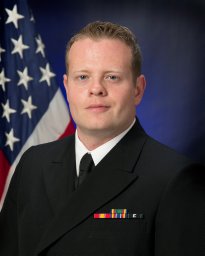 Scott C. Wagner合作论文数Department of Orthopaedic Surgery, Walter Reed National Military Medical Center38Arjun S. Sebastian合作论文数36
 Taolin Fang (方涛林)合作论文数Dept Neurol, NYU35Rajasekaran Shanmuganathan合作论文数33
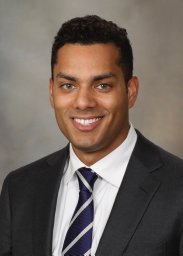 Daniel Bowles合作论文数Rothman Institute, Thomas Jefferson University29
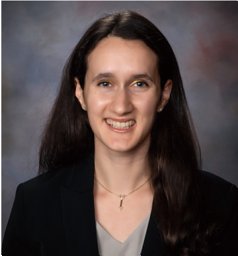 Hannah A Levy合作论文数Dept Orthopaed Surg, Mayo Clin28Nicholas Siegel合作论文数28
 John D Koerner合作论文数28Teeto Ezeonu合作论文数27
 Dessislava Markova合作论文数Philadelphia27
 Marcel F S Dvorak合作论文数Department of Orthopaedics, Faculty of Medicine, The University of British Columbia26Rihn Jeffery A合作论文数26
 Michael Fehlings合作论文数Department of Surgery, Temerty Faculty of Medicine, University of Toronto;University Health Network;McEwen Centre for Regenerative Medicine;Toronto Western Hospital26Joseph K. T. Lee合作论文数26
 Jennifer Mao合作论文数Rothman Orthopaed Inst, Thomas Jefferson Univ25Parthik D Patel合作论文数24
 James S. Harrop合作论文数Division of Spine and Peripheral Nerve Disorders, Thomas Jefferson University Hospital;Thomas Jefferson University24
 Chapman Jens合作论文数24Khoa S Tran合作论文数23
 Paul W Millhouse合作论文数23
 Lorin M. Benneker合作论文数Klinik Sonnenhof22
 Bizhan Aarabi合作论文数University of Maryland School of Medicine22Parker L Brush合作论文数20




