Understanding the distribution and selection of breeding habitat is important for effective conservation and management of wildlife species. Advances in global positioning system (GPS) tracking technology allow for the collection of high-resolution location data and analysis of habitat selection in remote areas. We investigated home range selection of breeding sandhill cranes (Antigone canadensis) in the boreal forests of Ontario and Quebec, Canada, using high-resolution GPS tracking data across a gradient of land cover and land use classes. We quantified breeding home range selection using resource selection functions and developed spatial maps to predict the distribution of breeding home ranges across the boreal forest landscape. Sandhill cranes arrived at their breeding home ranges in late April and departed in late August, remaining on breeding grounds for approximately 4 months. The size of breeding home ranges varied considerably among individuals, with an average size of 14.12 +/- 21.70 (SD) km2. Our models revealed selection for home ranges containing greater proportions of cropland, forest disturbance, and wetland. Management efforts should focus on enhancing the quality and connectivity of selected cover types, particularly wetlands, to support sandhill crane conservation in the boreal forest ecosystem. These findings highlight the importance of integrating landscape-level analyses with detailed patterns of habitat selection to inform the development of effective management strategies that support the long-term conservation of breeding sandhill cranes.
Serological surveillance enhances our understanding of influenza A virus (IAV) exposure and dynamics in wild bird populations. Traditional serum-based testing, while effective, poses logistical challenges for large-scale surveillance, particularly in remote regions, for small-bodied species or in scenarios such as hunter-harvested samples where serum collection can be impractical. This study evaluates the use of whole blood collected on high-quality cellulose filter strips as an alternative to serum for detecting antibodies against IAV nucleoprotein (NP) and hemagglutinin (HA) H5 and H7 targets. We tested paired serum and whole blood on filter strips collected from wild birds using the commercially available IDEXX AI MultiS Screen Ab test and in-house competitive enzyme-linked immunosorbent assays (ELISAs) developed at the National Centre for Foreign Animal Disease (NCFAD) of the Canadian Food Inspection Agency. Strong correlations (ρ = 0.77) were observed between serum and whole blood on filter strips for NP detection with the IDEXX ELISA, while moderate correlations were noted for NCFAD's NP (ρ = 0.58) and H5 (ρ = 0.65) assays. Correlation between serum and whole blood on filter strips for NCFAD's H7 assay was poor, although interpretation is limited due to the small sample size of H7 positives. Threshold optimization using the Youden index improved diagnostic performance, with optimized cutoffs identified for NP (sample-to-negative < 0.7708 for IDEXX and percentage inhibition [PI] > 39.56 for NCFAD) and H5 (PI > 20.37). Storage conditions impacted performance, with frozen whole blood on filter strips achieving higher sensitivity compared to those stored at room temperature. These findings support the use of filter strips to collect whole blood as an informative alternative for IAV serological surveillance in wild birds when serum is unavailable, provided optimal storage conditions and threshold adjustments are implemented, although serum remains the superior sample type.
Canada’s eastern boreal forest provides important breeding and foraging habitat for many wildlife species, including sandhill cranes (Antigone canadensis (Linnaeus, 1758)), a species of conservation concern. Following significant population declines in the early 20th century, sandhill crane populations have since rebounded and rapidly expanded their breeding ranges into the boreal forest, yet habitat selection in these newly occupied areas remains poorly understood. Using high-resolution satellite telemetry, we developed resource selection functions to assess how land cover and land use influence breeding habitat selection of 42 sandhill cranes in Ontario and Quebec, Canada. Within the home range (95% minimum convex polygon), sandhill cranes exhibited the strongest selection for wetlands, which were selected approximately twice as often as croplands, forest disturbances, and open water. Intact forests and urban areas were consistently avoided. These findings highlight wetlands as key predictors of habitat use, emphasing the need for targeted management strategies that prioritise wetland conservation. While current forestry practices do not appear to negatively impact breeding habitat selection in the boreal forest, their long-term effects on breeding success remain unknown, requiring further research to explore the detailed impacts of forestry development, industrial development, and urban expansion on breeding behaviour and success.
Avian influenza viruses (AIVs) regularly circulate between wild and domestic bird populations. Following several high-profile outbreaks, highly pathogenic AIVs (HPAIV) with zoonotic potential have been the subject of increasing attention. While we know that HPAIV is transmitted between domestic birds, wildlife, and the environment, little is known about persistence and spillover/back at these interfaces. We integrated the test results of samples collected on and around an infected domestic poultry premise (IP) where H5N1 HPAIV was confirmed in a flock of poultry in 2022 in Southern Ontario, Canada to explore the transmission cycle of AIVs in wildlife and the environment. We sampled a captive flock of Mallards (Anas platyrhynchos) that resided on site, sediment samples collected from water bodies on site, and examined samples collected through surveillance within a 100 km radius of the IP from live wild ducks and sick and dead wildlife. We found serologic evidence of H5 exposure in the captive mallards that resided on site despite no evidence of morbidity or mortality in these birds and no PCR positive detections from samples collected at two different timepoints. Genetic material from the same H5N1 HPAIV subtype circulating in the domestic birds and from low pathogenicity avian influenza viruses were detected in wetlands on site. The results of live and sick and dead surveillance conducted within a 100 km radius confirmed that the virus was circulating in wildlife before and after IP confirmation. These results suggest that biosecurity remains the most critical aspect of minimising spillover/back risk in a virus that has been shown to circulate in asymptomatic wild birds and persist in the surrounding environment.
Wildlife disease surveillance, particularly for pathogens with zoonotic potential such as Highly Pathogenic Avian Influenza Virus (HPAIV), is critical to facilitate situational awareness, inform risk, and guide communication and response efforts within a One Health framework. This study evaluates the intensity of avian influenza virus (AIV) surveillance in Ontario's wild bird population following the 2021 H5N1 incursion into Canada. Analyzing 2562 samples collected between November 1, 2021, and October 31, 2022, in Ontario, Canada, we identify spatial variations in surveillance intensity relative to human population density, poultry facility density, and wild mallard abundance. Using the spatial scan statistic, we pinpoint areas where public engagement, collaborations with Indigenous and non-Indigenous hunter/harvesters, and working with poultry producers, could augment Ontario's AIV wild bird surveillance program. Enhanced surveillance at these human-domestic animal-wildlife interfaces is a crucial element of a One Health approach to AIV surveillance. Ongoing assessment of our wild bird surveillance programs is essential for strategic planning and will allow us to refine approaches and generate results that continue to support the program's overarching objective of safeguarding the health of people, animals, and ecosystems.
There is a global movement to implement a One Health approach across sectors to holistically address emerging issues that have implications for public, animal, and environmental health. The operationalization of a One Health model can support knowledge sharing and build an evidence base for designing research programs and decision-making tools to evaluate and mitigate intersectoral health challenges. In late 2021, the highly pathogenic avian influenza virus (HPAIV) H5N1 2.3.4.4b was detected in eastern Canada, and subsequently spread throughout the flyways of North America. Given the multiyear persistence of the current HPAIV in Europe and the continued detections in North America, Environment and Climate Change Canada and partners recognized the need to prioritize HPAIV-related information needs to inform future decision-making and management. In early 2023, we carried out an expert opinion exercise with partners from across One Health domains and expertise to prioritize information needs related to the conservation and management of migratory birds in Canada. The results informed on-the-ground programming for migratory bird activities in 2023 and onwards. The process illustrates how a One Health lens can be applied with a conservation focal point, using dedicated facilitation to synthesize expert opinions across groups with non-overlapping mandates.
Numbers of temperate‐breeding Atlantic and Mississippi Flyway Canada geese have greatly increased since the 1980s. Consequently, numbers of yearlings, sub‐adults and failed breeders undertaking pre‐molt migration to northern latitudes has also increased, potentially providing additional hunting opportunities for Cree hunters living near James Bay, Canada. We described movement patterns and habitat use of molt migrant Canada geese Brenta canadensis maxima along the east coast of James Bay based on nine geese fitted with GSM–GPS devices during 11 northward and eight southward migrations between 2015 and 2019. Geese staged for 2.8 ± 0.6 days (mean ± standard error of the mean) at 3.2 ± 0.6 staging sites (mostly tidal flats and salt marshes) from the first week of June in spring and 3.8 ± 1.8 days at 2.0 ± 0.5 staging sites (mostly inland freshwater wetlands, peatlands and tidal flats) from the first week of September when returning south. Shallow and deep water habitats were used as resting sites during both migrations. In spring, molt migrants were mostly harvested in June well after the migration of sub‐arctic breeding geese whereas in autumn, both subspecies were harvested in September. Molt migrant temperate‐breeding geese can increase harvest opportunities and represent supplementary wildlife food for Cree communities. However, the current number of molt migrant geese harvested by Cree hunters is not sufficient to significantly impact populations of temperate‐breeding geese.
Wildlife harassment (i.e., intentional disturbance by humans) is a common nonlethal management approach employed to reduce human-wildlife conflicts, but effectiveness is often undocumented or uncertain. We evaluated the effect of harassment on Canada goose (Branta canadensis) behavior in an urban area during winter. Winter can be a challenging period for waterfowl given limited food availability and greater thermoregulatory costs; thus, we expected that harassment in winter may be more effective than during other portions of the year. We used GPS transmitters equipped with accelerometers to evaluate the effects of harassment, weather conditions, and breeding origin location on goose movements, land cover use, emigration, survival, and behavior. Harassment caused geese to leave the harassment site more often (3.5 times) than on days when not harassed, but geese returned quickly after harassment (1.9 times) than without harassment. Harassment of geese affected specific goose behaviors (foraging, resting, flying, and alert), but effects of harassment were relatively small compared to the effects of weather conditions. Changes in land cover use were impacted by weather conditions, independent of harassment. Our findings suggest that harassment was ineffective at significantly changing site use or behaviors of geese and repeated harassment had diminishing returns. Geese moved to specific land cover resources that serve as sanctuaries (e.g., open waterbodies) during periods of extreme cold to engage in energetically conservative behaviors (i.e., resting). Harassing geese in areas that provide sanctuary during extreme cold periods or the use of lethal management in coordination with targeted harassment may be more effective than harassment alone in urban areas.
ABSTRACT In rare circumstances during research or monitoring operations for wild birds, emergency euthanasia is required. However, standard methods of euthanasia may not be humane for large birds. We evaluated the use of a Dick KTBG® spring‐powered, penetrating captive bolt for the euthanasia of Canada geese ( Branta canadensis ). We conducted trials on hunter‐harvested geese to determine anatomical placement of the device and to assess skull and brain penetration effectiveness. We then assessed the device for euthanasia on anesthetized geese. Although results using dead geese suggested the device may be effective (i.e., consistent skull penetration, and trajectory depth into relevant brain structures), we found the device did not produce consistent, humane euthanasia for anesthetized geese and was not suitable for emergency field euthanasia for Canada geese. We encourage further evaluations of emergency euthanasia methods using a 2‐step process of determining placement and efficacy on dead birds and then testing on live anesthetized individuals. © 2021 The Wildlife Society.
Foraging by hyperabundant Arctic-nesting geese has significant impacts on vegetation of Arctic and subarctic coastal lowlands, but long-term data sets documenting these changes are rare. We undertook intensive surveys of plant communities at East Bay and South Bay, Southampton Island, Nunavut, Canada, in July 2010. Lesser Snow Geese, Ross’s Geese, Cackling Geese, and Brant nest and rear young at these sites; the first three have experienced up to 10-fold increases since the 1970s. At East Bay, we found significant declines in graminoids over the 31-year span, as well as significant declines in lichen and willow cover, and significant increases in rock cover. Transect data indicated graminoids were present at only 15%–36% of points at East Bay, whereas at South Bay, graminoids were present at 28%–90% of points. Moss was more prominent in transects at South Bay than at East Bay (40%–85% vs. 19%–42%), but quadrat data indicated much more of the moss cover at South Bay apparently was dead than at East Bay. Puccinellia phryganodes (Trin.) Scribn. & Merr. exceeded 1% in only two transects. Our data demonstrate a striking decline of preferred forage species and increases in non-forage cover, consistent with the hypothesis that changes resulted from persistent long-term foraging by the four species of breeding geese between spring arrival and late summer departure.
Understanding factors that determine sources of nutrients for reproduction is vital to interpreting different life-history strategies used among species, within species, and among taxa. We used stable carbon isotope analysis (delta C-13) to compare the relative use of endogenous and exogenous nutrients during egg synthesis between two species of geese, Canada Geese (Branta canadensis interior) and Lesser Snow Geese (Chen caerulescens caerulescens), nesting on Akimiski Island, Nunavut. We estimated that Canada Geese used 49 +/- 1.1% (SE), 61 +/- 1.3%, and 51 +/- 1.1% endogenous nutrients for albumen, yolk protein, and yolk lipid, respectively. Lesser Snow Geese used significantly less endogenous nutrients during clutch formation, allocating only 25 +/- 1.2%, 36 +/- 1.5%, and 34 +/- 1.7% endogenous nutrients for albumen, yolk protein, and yolk lipid, respectively. Although the proportion of endogenous nutrients allocated to eggs did not vary by year in Canada Geese, proportions varied significantly among years in Snow Geese. We discuss how access to exogenous nutrients appears to be an important factor in determining nutrient allocation strategies during egg production in geese and conclude that, although body size is likely an important ultimate factor in determining overall breeding strategies in birds, proximate factors that influence access to nutrients during egg production appear to be more important in shaping nutrient allocation to egg synthesis. Thus, interactions between physiological and morphological constraints and local environmental conditions can promote the use of flexible strategies in animals that migrate to breed. Received 5 February 2012, accepted 5 September 2012.
Sex-biased resource allocation in eggs is increasingly recognized as one strategy oviparous mothers can employ to invest differentially in one sex, depending on nutritional requirements. Previous studies have used egg size as an index of nutrient allocation, but few have examined egg contents directly. We used molecular sexing of early-stage ring-billed gull Larus delawarensis embryos, a species with sexual size dimorphism, to test whether sex-specific nutrient allocation occurs in ovo. Despite no sex difference in size, eggs with male embryos contained more albumen, while eggs with female embryos contained more yolk, lipid and non-lipid (protein and carbohydrate). It is unclear why such sex-biased resource allocation in ovo is utilized by ring-billed gulls. However, our data indicate that a cursive examination of egg mass or size may not necessarily reflect nutrient allocation strategies mothers use in ovo, and that sex-biased investment in ovo may be more widespread than currently appreciated.
The relative allocation of endogenous- and exogenous-derived nutrients to reproductive investment in Arctic-nesting geese is affected by body size, migration distance, and proximate conditions on the wintering, staging, and breeding grounds prior to clutch initiation. We used delta C-13 and delta N-15 measurements of muscle tissue and egg lipid-free yolk and albumen and delta C-13 analysis of abdominal fat and egg yolk lipids, together with isotopic analyses of foraging plants, to quantify the relative use of endogenous and exogenous reserves in egg production in a breeding population of sub-Arctic Lesser Snow Geese (Chen caerulescens caerulescens) on the Cape Churchill Peninsula, Manitoba, from 2005 to 2008. We used a concentration-dependent, two-isotope, three-source Bayesian (SIAR) mixing model to derive estimates of endogenous reserves to egg macronutrients and a single-isotope (delta C-13), two-source (exogenous vs. endogenous) Bayesian model to estimate the source of lipids to eggs. Endogenous protein contributions to eggs were similar to those found using identical Bayesian analytical methods for the larger-bodied Greater Snow Goose (Chen caerulescens atlantica) breeding in the Canadian High Arctic and were on the order of 30%. However, endogenous lipid contributions were considerably greater for the population of Lesser Snow Geese (mean annual contribution of 55.5% vs. 22.3%). This suggests that advantages of larger body size for transport of body lipid reserves for long distances may be countered by the need to use lipids to fuel migration over greater distances. In addition, feeding opportunities of Greater Snow Geese upon arrival at their more distant breeding sites were likely adequate to offset a shorter breeding season and longer development times for offspring than at lower-latitude sites. Received 6 April 2010, accepted 25 September 2010.
Stable isotopes have become an accepted method to track resource acquisition and nutrient utilization by birds. Many studies have used these methods to examine nutrient allocation and utilization during egg formation. None, however, has addressed the potential influence of nutrient utilization and movement during embryo development on the isotopic signature of egg components or its implications for sampling protocols. Such fractionation would distort the isotopic signature in incubated eggs, resulting in conclusions based oil eggs that may not reflect resource allocation during formation. Using incubated domestic chicken (Gallus gallus) eggs, we examined how embryo development influences delta C-13 and delta N-15 signatures in albumen, yolk protein, and yolk lipid. Embryo development significantly lowered delta N-15 by 1.0 parts per thousand in yolk protein after day 15 and depleted delta C-13 by 0.2 parts per thousand in albumen after just 3 days. Future studies examining resource allocation to eggs must control for the influence of embryonic development on isotopic signatures in eggs.
view Abstract Citations (36) References (44) Co-Reads Similar Papers Volume Content Graphics Metrics Export Citation NASA/ADS Model Atmospheres for K and M Giants Brown, Jeffery A. ; Johnson, Hollis R. ; Alexander, David R. ; Cutright, Lori C. ; Sharp, Christopher M. Abstract To aid in the interpretations of observations of K and M giant stars, model atmospheres have been calculated, covering the range in effective temperature between 3000 and 4000 K and in surface gravity-log g between 0.0 and 2.0. These models are computed under the usual assumptions of hydrostatic equilibrium, constancy of total (radiative plus convective) flux, and LTE in plane-parallel, horizontally homogeneous geometry. A significant development in these models is the incorporation of an opacity-sampled treatment of absorption by water vapor, which becomes dominant at lower temperatures. The thermal structure and scaling properties of the models are discussed, as are the effects of certain composition changes expected in the course of stellar evolution. Publication: The Astrophysical Journal Supplement Series Pub Date: November 1989 DOI: 10.1086/191389 Bibcode: 1989ApJS...71..623B Keywords: Giant Stars; K Stars; M Stars; Stellar Atmospheres; Stellar Models; Abundance; Computational Astrophysics; Line Spectra; Stellar Evolution; Thermodynamic Equilibrium; Astrophysics; STARS: ATMOSPHERES; STARS: LATE-TYPE full text sources ADS |
 Provencher Jennifer F合作论文数Department of Biology, Carleton University4
 Kenneth F. Abraham合作论文数4
 Jolene A Giacinti合作论文数3
 Ryan J. Askren合作论文数Five Oaks Ag Res & Educ Ctr, Univ Arkansas3
 Gary Burness合作论文数Department of Biology, Trent University3
 Christine Lepage合作论文数2
 Brian Stevens合作论文数2
 Michael P. Ward合作论文数Natural Resources & Environmental Sciences, Illinois Natural History Survey2
 Keith A. Hobson合作论文数Department of Biology, Western University2
 Yohannes Berhane合作论文数2Claire Jardine合作论文数2
 Heath Hagy合作论文数2
 Rodney W. Brook合作论文数Department of Biology;University of Saskatchewan;Department of Biology, University of Saskatchewan2Manon Sorais合作论文数1Craig K. Pullins合作论文数1Scott F. Beckerman合作论文数1Lori C. Cutright合作论文数1
 Kevin Kuchinski合作论文数1
 Madeline Jarvis-Cross合作论文数1
 Jay A VonBank合作论文数Caesar Kleberg Wildlife Res Inst, Texas A&M Univ1
 S Duffy合作论文数Fisheries & Oceans Canada1
 Robert A Ronconi合作论文数1Wanhong Xu合作论文数1Martin Patenaude-Monette合作论文数1
 Auriel M. V. Fournier合作论文数Illinois Nat Hist Survey, Univ Illinois1
 Natalie Prystajecky合作论文数Department of Pathology and Laboratory Medicine, Faculty of Medicine, The University of British Columbia1
 Peter M. Kotanen合作论文数Department of Ecology and Evolutionary Biology, Faculty of Arts and Science, University of Toronto1Ojkic Davor合作论文数Hlth Anim Lab, Univ Guelph1
 Armand LaRocque合作论文数1Mansour Sarah C合作论文数1Wilcox Alana合作论文数Department of Biology and Centre for Forest Interdisciplinary Research, University of Winnipeg1Eichholz Michael W合作论文数1
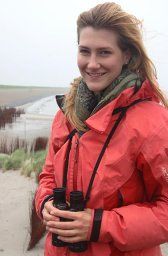 Stephanie Avery-Gomm合作论文数Zoology Department, University of British Columbia1
 Gregory J. Robertson合作论文数Wildlife Research Division, Environment Canada1
 Sarah Robinson合作论文数Sainsbury Laboratory, University of Cambridge1Jean-François Giroux合作论文数Département des Sciences Biologiques, Université du Québec à Montréal1David L Pearl合作论文数1Jeffery A. Brown合作论文数1
 April Hedd合作论文数1
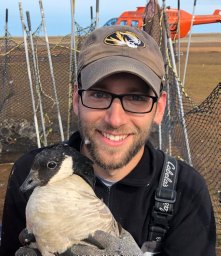 Mitch D. Weegman合作论文数1
 Anthony V Signore合作论文数Department of Biological Sciences, University of Manitoba1
 Brigitte Leblon合作论文数Faculty of Forestry, University of New Brunswick1Brian E. Washburn合作论文数Department of Fisheries and Wildlife Sciences;University of Missouri1
 Brad C. Fedy合作论文数SCHOOL OF ENVIRONMENT, RESOURCES AND SUSTAINABILITY,University of Waterloo1Hollis R. Johnson合作论文数1
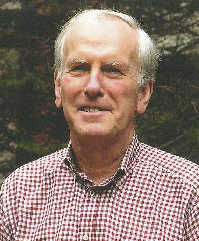 Robert Lenthall Jefferies (Robert L. Jefferies)合作论文数Department of Ecology & Evolutionary Biology, Faculty of Arts & Science, University of Toronto1Andrew S. Lang合作论文数Memorial University1
 Robert F. Rockwell合作论文数Department of Ornithology, American Museum of Natural History1
 David R. Alexander合作论文数1




