Falls are a leading cause of injuries in older adults, often resulting from slipping and tripping. Perturbation-based balance training (PBT) applied on treadmills is an emerging task-specific approach to falls prevention but standardized training protocols are lacking. This review presents an overview of PBT protocols on treadmills, their theoretical justification and proposes recommendations for standardized reporting. A systematic search was conducted in PubMed, Embase, Web of Science, CINAHL, CENTRAL and Clinical Trials Registration on May 9, 2025 to identify RCTs, pilot studies, study protocols and trial registrations on treadmill-based PBT for falls prevention in healthy older adults or those diagnosed with stroke, Parkinson’s disease or multiple sclerosis. Studies were screened by two independent researchers. Data on general and PBT specific training parameters as well as the justification for those parameters were narratively synthesized. 1253 studies were identified. The eligibility criteria were met by 69 publications referring to 36 research projects. In total, 1928 participants were included, with 950 participants in the PBT groups. The training periods lasted from a single session to 12 weeks, including one to three sessions per week, each from 20 to 60 min. During standing and walking, from 24 up to 160 unannounced perturbations were induced, consisting of treadmill belt acceleration and deceleration as well as lateral displacements. Training intensity was often individually adjusted based on participant performance or subjective feedback, though methods varied widely. Perturbation frequency timing and the perturbed leg, as well as the theoretical justification for the training parameters were rarely reported. The results reveal a high heterogeneity in the PBT protocols. Furthermore, training parameters and their justification were insufficiently reported in many studies. Therefore, we propose a reporting standard for PBT protocols (ProRePBT) to increase comparability between studies, improve replicability, and facilitate implementation into clinical practice.
IntroductionAn association between severe GBA1 variants and the progression of non-motor symptoms in PD has been reported, but the role of Parkinson’s-risk (PD-risk) GBA1 variants is less clear.MethodsWe assessed symptom progression in individuals with severe and PD-risk variants compared to non-carriers. We analyzed longitudinal data from 726 individuals with typical PD, including 22 carriers of severe GBA1 variants and 47 carriers of PD-risk GBA1 variants.ResultsThe findings were not significant after adjusting for Bonferroni correction; however, linear mixed models analyses showed that at a nominal significance level of 5%, carriers of PD-risk or severe variants were associated with faster cognitive decline compared to non-carriers. Moreover, carriers of PD-risk variants were associated with faster worsening of apathy, quality of sleep, tremor, and non-motor symptoms [Movement Disorder Society-Unified Parkinson’s Disease Rating Scale (MDS-UPDRS I)] compared to non-carriers; however, we did not observe this tendency in individuals with severe variants.DiscussionThe exploratory study suggests associations between PD-risk variants and a more rapid disease progression among carriers compared to non-carriers. Nevertheless, the findings should be interpreted cautiously and require confirmation in an independent cohort before any reevaluation of their pathologic relevance.
Bilateral vestibulopathy (BVP) leads to gait and balance deficits, particularly markedly increased gait variability. However, the independent effects of age and BVP on gait variability and how mechanical perturbations affect these relationships are unclear. We tested the hypotheses that people with BVP would demonstrate increased gait variability compared with age- and sex-matched healthy participants and that these differences would increase further when walking with mediolateral perturbations. Forty-two people with BVP and 42 healthy age- and sex-matched adults walked at 0.6 m/s, 0.8 m/s, and 1.0 m/s on a treadmill (Computer Assisted Rehabilitation Environment; Motek) without and with two levels of pseudorandom mediolateral platform sway perturbations. The coefficients of variation (CoV) for step time, step length, double support time, and step width were calculated. The data were analyzed using marginal linear regression with an unstructured covariance matrix. Significant group × speed interaction effects were found for the CoV of all parameters (P < 0.01) with higher CoV in BVP versus healthy controls. Significant effects of the perturbation were found, with perturbations causing increased CoV of step time, double support time, and step width (P < 0.05), yet no significant group × perturbation interaction was found. Our findings confirm increased gait variability in people with BVP, independent of age and sex differences, consolidating previous findings in nonmatched groups. Mediolateral sway perturbations caused increased gait variability, but this increase was not significantly larger in the participants with BVP.NEW & NOTEWORTHY Using a strictly age- and sex-matched design, we show that bilateral vestibulopathy independently increases gait variability across walking speeds, particularly at slower speeds. Although prior findings from simpler balance tasks suggest heightened sensitivity to (sensory) perturbations in vestibulopathy, mediolateral perturbations during walking, while significantly increasing gait variability, did not disproportionately affect patients. These findings refine our understanding of vestibular contributions to gait variability and highlight how findings in non-gait-based tasks may not translate to gait.
Training fall-resisting skills can prevent falls in older adults. These fall-resisting skills include proactive gait adaptability, gait robustness, and reactive gait recovery, which allow people to effectively avoid, resist, and recover from balance threats, respectively. This pilot study guided the design of an RCT of fall-resisting skills training by investigating key design factors, such as the design of a placebo-control group, obstacle difficulty settings, exploring evaluation methods for gait robustness, testing the effect of task unpredictability on anxiety, and the general feasibility. Eleven healthy older adults performed non-task-specific "placebo" balance tasks and assessment and training tasks for each fall-resisting skill. Placebo tasks included static weight-shifting exercises and dual-task walking. For the fall-resisting skill tasks, participants walked on a treadmill under different conditions. For proactive gait adaptability, participants avoided projected obstacles varying in size, approach speed, and available response time. Gait robustness was assessed using perturbations of increasing magnitude, where the margin of stability following each perturbation was compared with participants' perceived balance loss and researchers' observations. For reactive gait recovery, perturbations with increasing unpredictability were applied, after which participants reported their anxiety scores. Weight-shifting tasks were perceived as balance training by most participants, indicating their potential as placebo tasks. Obstacle avoidance difficulty increased most with fast approach speed and large obstacle sizes. A margin of stability-based threshold did not consistently align with perceived balance loss or observer judgement. Anxiety did not increase with more unpredictable perturbation tasks when introduced gradually. Fall-resisting skill tasks generally were feasible for older adults.
BACKGROUND:Gait and balance impairments, including increased gait variability, are prevalent in people with bilateral vestibulopathy (BVP). Wearable accelerometers may provide a clinically feasible method to objectively assess gait variability but have not yet been explored in BVP. RESEARCH QUESTION:Is accelerometer-based assessment of step time variability during treadmill walking valid in people with BVP? METHODS:Adults with BVP and age-sex-matched healthy controls walked at 0.6 m/s, 0.8 m/s, and 1.0 m/s on the treadmill of the Computer Assisted Rehabilitation Environment. We examined differences in step time means and coefficients of variation (CoV) between accelerometery (single lower back sensor; MOX1) and 3D motion capture and force plates (Vicon). Validity was assessed using intraclass correlation coefficients (ICC3,1), Pearson and Spearman correlation coefficients, and Bland-Altman analyses to determine agreement, association and consistency between the methods. Validity was additionally assessed by comparing statistical significant differences and the effect sizes between the groups using each method. RESULTS:Mean step time showed moderate to excellent agreement between methods, while step time CoV showed poor agreement and proportional bias. Accelerometery showed consistent between-group significance and effect size values, particularly at 0.6 m/s, although effect sizes were larger in motion capture data than in accelerometer data. SIGNIFICANCE:An accelerometer-based assessment is valid for assessing mean step time in people with BVP. For assessing step time variability, it can distinguish between known groups (particularly at slower speeds) but does not demonstrate criterion validity. Before clinical application, test-retest reliability and sensitivity to change should be assessed in BVP.
Background: Concern about falling (CaF) is common in older adults and predict falls, disability and loss of independence. However, it is unclear whether CaF is relatively stable or whether new falls contribute to increased CaF over time. The purpose is to examine whether experiencing falls predicts CaF, independent of other physical, cognitive, and psychological characteristics. Methods: We analysed data from 489 community-living older adults aged 70-90 years. CaF was measured using the Falls Efficacy Scale-International (FES-I) at baseline and 12-months. Falls and injuries were prospectively monitored. Baseline predictors included physical and cognitive performance, mood, personality traits, and demographic variables. Single predictor variable and multivariable linear regression analyses examined predictors of CaF at follow-up, adjusting for baseline CaF. Results: Many physical, cognitive and mood variables were associated with CaF in the adjusted single predictor analyses. Experiencing one injurious fall or multiple falls during follow-up was a significant predictor of CaF (β = 1.55, p = 0.007). Other independent predictors included baseline CaF (β = 0.70, p < 0.001), slower Timed Up and Go performance (β = 0.63, p < 0.001), lower conscientiousness (β = –0.11, p = 0.016), and older age (β = 0.17, p = 0.01). Conclusion: Our findings suggest that while CaF exhibits some stability, it can be significantly elevated following injurious or multiple falls. Targeted assessment and support following injurious or recurrent falls may help prevent persistent concern, particularly in people with reduced mobility or lower psychological resilience. These findings highlight the importance of post-fall review in clinical care.
The vestibular implant is a neuroprosthesis that may offer a promising treatment for patients with severe bilateral vestibulopathy (BVP). This study explored the impact of different vestibular stimulation modes on gait and balance outcomes. It was expected that stimulation modes incorporating head motion-modulated input (modes A and B) would result in more favourable gait and balance outcomes compared to non-modulated baseline stimulation or no stimulation. The VertiGo! trial is a randomized controlled crossover study. The trial includes nine participants with severe BVP who received a vestibular implant. In this triple-blinded sub-study, balance and gait variability were assessed during four testing weeks, the first providing a reference (no stimulation) followed by three weeks each with four days of stimulation: (A) baseline stimulation with head motion-modulation; (B) reduced baseline stimulation with head motion-modulation, and (C) baseline stimulation without modulation. Participants walked at different walking speeds (0.6, 0.8, and 1.0m/s) on an instrumented treadmill integrated in a 6-degree of freedom motion platform. Different walking conditions were evaluated (unperturbed, three levels of mediolateral platform sway and darkness). Coefficients of variation of spatiotemporal step parameters were analysed using 3D motion capture. Participants also completed the Mini-Balance Evaluation Systems Test (Mini-BESTest) once during the reference week and twice (day 1 and day 4) of each stimulation period. There were no clear indications across the participants that stimulation modes A and B (compared to either mode C or no stimulation) were uniformly beneficial for either step time CoV after three days of stimulation or Mini-BESTest scores after four days of stimulation (though some individuals did demonstrate this pattern). Mini-BESTest scores significantly improved between day one and day four of stimulation. Four days of VCI stimulation appears to affect gait variability and balance (as measured by the Mini-BESTest) but effects vary between individuals and no consistent effect of stimulation mode across participants and walking conditions was found. Balance improved from day one to day four of stimulation (without a significant learning effect over all seven clinical balance assessments), indicating the importance of habituation to vestibular implant stimulation before beneficial functional outcomes can be expected.
Vestibular deficits often lead to unsteady gait, affecting quality of life and increasing fall risk. This study aimed to identify gait impairments in chronic vestibulopathy. Ten patients with bilateral vestibulopathy (BV), 10 patients with chronic unilateral vestibulopathy (UV), and 10 healthy participants (HS) participated. Spatio-temporal parameters were computed during walking at various self-selected walking speeds (slow, comfortable, and fast) using motion capture system with additional assessment usingclinical gait tests [functional gait assessment (FGA), tandem walk (TW), Timed Up and Go test (TUG)], and symptom severity [Dizziness Handicap Inventory (DHI)] were assessed and compared between the three groups. BV and UV patients showed significantly slower walking speeds, shorter step lengths, and broader step widths compared to HS, but similar cadence. Significant differences were also seen in stance phase, double and single support phases at comfortable and slow speeds, but not at fast speed. BV patients, but not UV patients, had worse FGA scores than HS, reflecting their reported difficulties in specific tasks requiring greater postural control. Tandem walk performance was lower in BV patients compared to the other groups, whereas there was no significant differences in TUG scores. Cluster analysis revealed two distinct clusters: one with all HS and most UV patients (70%), and another with most BV patients and 30% of UV. Overall, this study highlights how altered vestibular function impacts gait outcomes. These findings can aid clinicians in evaluating gait in patients with vestibular deficits and monitoring rehabilitation interventions.
Dynamic visual acuity (DVA) can be assessed on a treadmill while walking at different speeds and is used to assess people with bilateral vestibulopathy (BVP). However, the effects and interactions of age, BVP, and walking speed on DVA loss and assessment dropout are unclear. Our objective was to investigate the effects of BVP, age, and walking speed on DVA loss and assessment dropout in participants with BVP and healthy age–sex-matched participants. 41 participants with BVP and 41 age–sex-matched healthy participants completed a treadmill-based DVA assessment, including a static condition at 0 km/h and walking conditions at 2, 4, and 6 km/h. DVA loss was measured as the visual acuity difference between static and walking conditions. The drop-out rate, handrail use, and DVA loss were examined in relation to BVP, age, and walking speed. Age significantly increased the odds of dropping out (odds ratio = 1.160, p < 0.001), while BVP did not increase the odds of dropping out (odds ratio = 0.792, p = 0.733). A significant Group*Speed (p = 0.004) interaction effect was found for DVA loss, with DVA loss being significantly worse in people with BVP across all walking speeds, getting progressively worse as speed increased, which was not seen in the healthy participants. Age did not have a significant effect on DVA loss (p = 0.06). BVP does not appear to restrict the ability to walk at the higher speeds of a DVA assessment and cause an increase in dropout rate, whereas age does. BVP significantly impacts DVA, with increasing impact at increasing walking speeds.
BackgroundPeople with Parkinson's disease (PwPD) have difficulty adapting their gait to asymmetrical conditions. Objective. We investigated cortical activity between 42 PwPD (HY 2-3) and 42 healthy controls using functional near-infrared spectroscopy during tied-belt (TB) and split-belt (SB) treadmill walking.MethodsOxygenated hemoglobin (HbO2) was measured in the prefrontal cortex, supplementary motor area (SMA), premotor cortex (PMC), and posterior parietal cortex (PPC) during 3 blocks of treadmill walking: (1) with the belts moving at the same speed (TB) and (2) when the speed of 1 side was reduced by 50% (SB; 2 blocks). The ability to adjust gait to asymmetric conditions was quantified by step length asymmetry and its variability.ResultsAdaptive gait was worse during the last 5 steps of SB versus TB in PwPD compared to controls. PwPD showed higher HbO2 in the PMC (P = .005) and PPC (P = .004) relative to controls, regardless of condition. However, an increase in HbO2 in the SMA during SB was shown relative to TB in PwPD, a change not observed in controls (group × condition interaction P = .048; pairwise post hoc P = .032). Interestingly, increased PPC activity in PwPD was associated with poorer adapted gait.ConclusionsBoth regular and adaptive gait required enhanced cortical processing in PwPD, as evidenced by the increased activation in the PMC and PPC. However, this heightened cortical activity did not correlate with a reduction in gait asymmetry, suggesting that these changes might be maladaptive. Instead, the elevated cortical activity may reflect the challenges PwPD face in adapting to asymmetrical walking conditions. Careful interpretation is warranted given the relatively small sample of mildly affected PwPD, limiting generalizability to the broader population and the measurement errors inherent to functional near-infrared spectroscopy .
Chronic imbalance is the cardinal symptom in bilateral vestibulopathy patients (BV), and in a subset of symptomatic unilateral vestibulopathy patients (UV), leading to a significant impact on their daily lives. Despite these profound effects, such as the risk of falls, the mechanism of imbalance remains complex, posing challenges both for monitoring patients’ functional status and for evaluating rehabilitation therapies. The aim of this study was to assess the dynamic stability of patients with BV and UV during multiple motor tasks and to provide a summary of the most relevant tasks and biomechanical parameters. The purpose was to propose a “short-form FGA” (Functional Gait Assessment) test to reduce the length and complexity of tests, to be able to evaluate future therapies longitudinally, and to monitor functional follow-up of patients. Dynamic stability, spatio-temporal and kinematic parameters were calculated for 10 BV patients, 10 UV patients and 10 asymptomatic controls while walking at three self-selected walking speeds, while performing dual tasks and while completing the 10 tasks of the FGA battery. Two (validity and interpretability) of the four COSMIN domains and clinical applicability were evaluated to identify relevant tasks and parameters to the study population, i.e., good discriminant and convergent validity, and good clinical applicability. The comfortable and slow gait, as well as the turn pivot, eyes closed, and tandem walk tasks were identified as the most relevant for characterizing dynamic stability in these patients. Easily interpretable and visually assessable parameters, such as walking speed, center of mass displacement, step width, trunk movement, stiffness of the head/trunk, and number of steps, were identified as the most relevant. In contrast, stability parameters such as margin of stability or whole body angular momentum did not prove to be effective parameters. These relevant parameters should enable future studies to evaluate rehabilitation therapies such as vestibular implants or physiotherapy, as well as to monitor patients’ functional status. Future studies should validate these results and assess the missing psychometric properties of these parameters.
Background: Reactive balance training (RBT) uses unanticipated perturbations to improve balance reactions and prevent falls. Intensity and predictability of perturbations may affect the generalizability of RBT, but their relative contributions remain unclear. This study aimed to compare the effects of three RBT schedules with differing intensity and predictability on participants' balance recovery following untrained perturbations, and to determine perceived difficulty and challenge of the training schedules. Methods: Participants were 36 healthy young adults (20-35 years). Participants were randomly assigned to one of three RBT intensity schedules (fixed high intensity, low-to-high intensity, and variable intensity). Training took place on a motion platform that delivered perturbations in varying directions (forward, backward, left, and right) and intensities across five trial blocks. Balance reactions (number of recovery steps) pre- and post-training, and electrodermal responses, and perceived difficulty during training were collected. Statistical analyses compared post-training outcomes between training groups, controlling for the baseline value. Results: Participants took fewer steps and decreased the proportion of multi-step reactions pre- to post-training (p<0.0001), with no significant between-group differences. Perceived exertion decreased significantly across training blocks in the fixed-high group and increased significantly in the low-to-high group. Electrodermal responses declined across all groups between training blocks 1 and 3 (p=0.017). Conclusions: Improvements in step reactions to untrained perturbations did not differ between training groups, highlighting the importance of multi-directional variability over specific intensity schedules for enhancing balance recovery. ### Competing Interest Statement The authors have declared no competing interest.
OBJECTIVE:People with Parkinson's disease (PwPD) face challenges in adapting their gait to asymmetrical demands, leading to turning abnormalities. METHODS:We investigated the neuromuscular control underlying these adaptive gait difficulties using muscle synergy analysis, including a novel statistical parametric mapping (SPM) approach. We compared 24 PwPD with 27 age-matched controls (HC) during asymmetrical split-belt (SB) and regular tied-belt (TB) walking. RESULTS:Both groups decreased from four to three synergies during TB- versus SB-walking. When only considering the transition back to TB-walking, PwPD were unable to increase their number of synergies as quickly as HC. Assuming four synergies, we compared synergy timing across treadmill phases and groups. We observed phase effects in both legs, but no group-by-phase interactions. The synergy encompassing the tibialis anterior showed abnormal activation in PwPD in the slow leg during SB-walking (post-hoc p < 0.001). Simplified neuromuscular control was related to worse adaptive performance in PwPD (r = -0.52,p = 0.009). CONCLUSION:Although the number of synergies during adaptive walking was similar between groups, subtle within-synergy changes were apparent in PwPD. SIGNIFICANCE:This study is the first to examine the muscle synergies underlying adaptive SB-walking in PwPD, identifying impaired distal muscle activation as a potential fall risk factor in challenging gait situations.
BACKGROUND:The replicability of sports and exercise research has not been assessed previously despite concerns about scientific practices within the field. AIM:This study aims to provide an initial estimate of the replicability of applied sports and exercise science research published in quartile 1 journals (SCImago journal ranking for 2019 in the Sports Science subject category; www.scimagojr.com ) between 2016 and 2021. METHODS:A formalised selection protocol for this replication project was previously published. Voluntary collaborators were recruited, and studies were allocated in a stratified and randomised manner on the basis of equipment and expertise. Original authors were contacted to provide deidentified raw data, to review preregistrations and to provide methodological clarifications. A multiple inferential strategy was employed to analyse the replication data. The same analysis (i.e. F test or t test) was used to determine whether the replication effect size was statistically significant and in the same direction as the original effect size. Z-tests were used to determine whether the original and replication effect size estimates were compatible or significantly different in magnitude. RESULTS:In total, 25 replication studies were included for analysis. Of the 25, 10 replications used paired t tests, 1 used an independent t test and 14 used an analysis of variance (ANOVA) for the statistical analyses. In all, 7 (28%) studies demonstrated robust replicability, meeting all three validation criteria: achieving statistical significance (p < 0.05) in the same direction as the original study and showing compatible effect size magnitudes as per the Z test (p > 0.05). CONCLUSION:There was a substantial decrease in the published effect size estimate magnitudes when replicated; therefore, sports and exercise science researchers should consider effect size uncertainty when conducting subsequent power analyses. Additionally, there were many barriers to conducting the replication studies, e.g., original author communication and poor data and reporting transparency.
Background Gait variability is increased in people with bilateral vestibulopathy (BVP). Since dedicated gait analysis can be resource-intensive, concurrent assessment with another vestibular function test, dynamic visual acuity (DVA), is worth consideration. Objective To assess comparability of results from a combined gait and DVA assessment with results from a previous dedicated gait analysis. Methods 15 participants (4 women) with BVP were analysed. The DVA test assessed visual acuity during stance and during treadmill walking at 2, 4 and 6 km/h. An 8-camera motion capture system measured spatiotemporal gait parameters (step length, step time, step width and double support time; means and coefficients of variation [CoV]). The walking speed effect was assessed by mixed-effects models, and results were visually compared to previous results. Results Walking speed affected the means of step length, step time and double support time ( p < .0001) but not step width ( p = .373) and significantly affected the CoV of all parameters ( p < .01). These values, as well as speed-related changes, were comparable between contexts. Conclusions Concurrent DVA and gait assessment seems promising as an assessment method in people with BVP. Test-retest reliability, clinically feasible motion capture solutions and sensitivity to change following interventions should be further investigated.
Background Despite its relevance, the clinical progression of motor- and non-motor symptoms associated with Parkinson's disease (PD) is poorly described and understood, particularly in relation to sex-specific differences in clinical progression. Objective Identification of differential aspects in disease progression in men and women with PD. Methods Linear mixed-model analyses of 802 people with typical PD from the Luxembourg Parkinson's study's prospective cohort (median time of follow-up = three years). We estimated the effect of time and its moderation by sex (alpha ≤ 0.05), including confidence intervals, for the following outcomes: MDS-UPDRS I-IV, Starkstein Apathy Scale, Beck Depression Inventory, Montreal Cognitive Assessment (MoCA), Sniffin’ sticks, bodily discomfort, rapid eye movement sleep behavior disorder questionnaire, PD Sleep Scale (PDSS), Munich Dysphagia Test-PD, Functional Mobility Composite Score, and the MDS-based tremor and postural instability and gait disturbances scale. In addition, the marginal means illustrated the symptoms’ trajectories in men and women. Men and women had similar age. Results Overall, we observed a slower progression (interaction effect) in women compared to men, especially for MoCA (−0.159, 95%CI [−0.272, −0.046], p = 0.006), PDSS (−0.716, 95%CI [−1.229, −0.203], p = 0.006), PIGD (0.133, 95%CI [0.025 0.241], p = 0.016), and MDS-UPDRS II (0.346, 95%CI [0.120, 0.572], p = 0.003). The finding for MDS-UPDRS II was significant (FWER of 5%) after adjustment for multiple comparisons (Bonferroni-Holm). Conclusions Next to the further exploration of sex-specific progression, interventions, proactive monitoring and communication strategies tailored to the symptoms progression and needs of men and women need to be developed.
 Kiros Karamanidis合作论文数Bioscience and Bioengineering Research Centre, London South Bank University31
 Kenneth Meijer合作论文数Faculty of Health, Medicine and Life Sciences, Maastricht University30
 Gaspar Epro合作论文数Institute of Biomechanics and Orthopaedics, German Sport University of Cologne19
 Raymond van de Berg合作论文数14
 Anne-Marie Hanff合作论文数Transversal Translat Med, Luxembourg Inst Hlth LIH12
 Kruger Rejko合作论文数12
 Angelica Perez Fornos合作论文数Serv Otorhinolaryngol Head & Neck Surg, Geneva Univ Hosp11
 Maurice Zeegers合作论文数Department of Epidemiology, Maastricht University;Faculty of Health, Medicine and Life Sciences, Maastricht University11
 Nils Guinand合作论文数11
 Armin Rauschenberger合作论文数Luxembourg Centre for Systems Biomedicine, University of Luxembourg, Esch-sur-Alzette, Luxembourg.10
 Leist Anja K合作论文数Faculty of Language and Literature, University of Luxembourg10Paul Willems合作论文数8
 Nolan Herssens合作论文数Dept Rehabil Sci, Univ Ghent7Brüggemann Gert-Peter合作论文数6
 Gloria A Aguayo合作论文数6
 Rachel Senden合作论文数6
 Wiebren Zijlstra合作论文数Institut für Bewegungs- und Sportgerontologie, Deutsche Sporthochschule Köln5Gautier Grouvel合作论文数4
 Miranda Janssen合作论文数4
 Claire Pauly合作论文数4
 Marissa Gerards合作论文数4
 Lotte Grevendonk合作论文数4
 O. Tsurkalenko合作论文数Dnipropetrovsk Med Acad, State Inst4
 Maurizio Ranieri合作论文数4
 Andreas Mierau合作论文数Institute of Motor Control and Movement Technique, German Sport University Cologne4K. Meijer合作论文数4
 Ann Hallemans合作论文数Department of Biology, University of Antwerp4Sena Harlley合作论文数3Claudia Romero Medina合作论文数3
 Laure Pauly合作论文数3Gloria Aguayo合作论文数3Anissa Boutabla合作论文数3
 Matthias Konig合作论文数3Femke Hulzinga合作论文数3
 Florence Lucieer合作论文数3
 Christoph Schneider合作论文数Fac Sport Sci, Ruhr Univ Bochum3
 Bas Van Hooren合作论文数NUTRIM School of Nutrition and Translational Research in Metabolism, Maastricht University Medical Centre+3
 Zied Landoulsi合作论文数3
 Nicholas D'Cruz合作论文数Department of Rehabilitation Sciences, KU Leuven - University of Leuven3
 Patrick May合作论文数3
 Joe Warne合作论文数School of Health and Human Performance, Dublin City University3
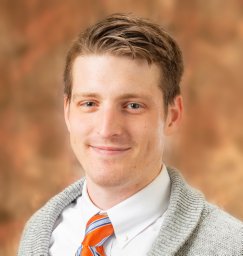 Caldwell Aaron合作论文数Department of Kinesiology, Texas Christian University3
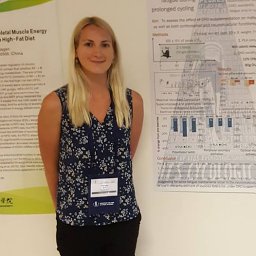 Rosie Twomey合作论文数3Cavuscens Samuel合作论文数3
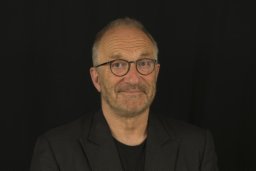 Herman Kingma合作论文数Department of Biomedical Engineering, University Hospital Maastricht3K. Eysel-Gosepath合作论文数3Alice Nieuwboer合作论文数3
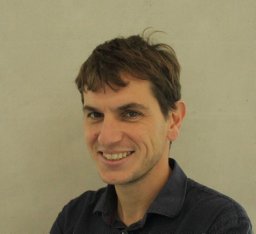 Stéphane Armand合作论文数Geneva University Hospital, University of Geneva3Luc Vereeck合作论文数3




