Premature infants often require respiratory support, vital signs monitoring, and gastric feeding during intensive care, but current monitoring systems rely on external devices that can damage fragile neonatal skin. This paper presents an engineering evaluation of the airway pressure sensing feature as part of a multifunctional feeding catheter designed to integrate vital signs monitoring and airway pressure monitoring with existing feeding capabilities. Two sensing modalities-direct sensing using embedded microtransducers and remote sensing via air-filled lumens-were experimentally compared under 24-h cyclic and static pressure conditions. Results show that while embedded sensors face challenges such as drift and miniaturization constraints, a remote architecture using an external amplified sensor offers superior signal stability and ease of integration. In addition, the study characterizes how lumen length and internal diameter affect pressure transmission. Narrow or excessively long lumens introduce signal delays as long as 15 s and signal dampening, while larger, shorter lumens preserve signal fidelity. These findings provide design guidance for future development of a multifunctional neonatal feeding and monitoring catheter and define critical engineering parameters for final performance optimization and manufacturability.
Abstract RealCooL is a platform technology that can rapidly heat or cool liquids. Currently, RealCooL is being redesigned for blood warming in austere environments. This new device will utilize a sodium acetate heater that can reach temperatures of 54 °C and a plastic heat exchanger composed of multiple polymer bags. Preliminary experiments were done to determine the type of material and number of bags needed to heat 500 mL in 60 s or less. Three materials were evaluated: EVA, metalized bags, and LDPE. Each type of bag was filled with 50 mL, 125 mL, 250 mL, and 500 mL of water and placed in a 54 °C water bath. The temperature was recorded after vigorously shaking the bag every minute. We found that four bags containing 125 mL of water are needed in order to heat 500 mL in 60 seconds or less. All three materials had similar thermal performance when filled with 125 mL, with an average temperature of 41±2.7 °C for all three bag types at 1 minute. Given that the thermal performance is so similar, future work will evaluate the durability of these three materials, as well as examine the effect of critical blood components while in contact with these materials by looking at things such as hemolysis and coagulation factors.
Monitoring vital signs in neonates, particularly during resuscitation and intensive care, is critical for effective neonatal management. Accurate measurements of blood oxygen saturation and heart rate are essential for guiding therapeutic interventions and optimizing outcomes. Traditional pulse oximeters often have slow application speeds, are difficult to use, and pose a risk of skin injury, particularly in preterm infants. This study introduces a novel pulse oximeter engineered for rapid and convenient attachment, enhancing neonatal monitoring efficiency and safety. The device is compatible with standard bedside monitors and accurately measures hemoglobin oxygen saturation and heart rate. This pilot observational study, conducted in the postpartum unit, evaluates the novel device against a conventional standard device. Results demonstrate a significantly faster attachment time, reducing application duration by X seconds (p-value), while blood oxygen saturation and heart rate readings remain comparable to the conventional device, as confirmed by Bland-Altman analysis. Nursing staff reported greater satisfaction with the novel device, citing ease of use and improved workflow integration. These findings suggest that the novel pulse oximeter could significantly enhance neonatal vital sign monitoring in clinical settings.
Abstract Premature births, a significant global health challenge, often result in various health complexities that require specialized neonatal intensive care. Traditional vital sign monitoring methods pose risks to the delicate skin and the overall health of premature infants. Non-invasive respiratory modalities in Neonatal Intensive Care Units, such as Continuous Positive Airway Pressure and High-flow Nasal Cannula, have notable drawbacks that limit their performance in providing effective respiratory support for these delicate patients. To overcome these challenges, we developed a multifunctional neonatal catheter that integrates feeding, vital sign monitoring, and internal respiratory feedback into a single, less invasive device. An air pressure sensor is a key component of this catheter. This study focuses on the preliminary testing of multiple pressure sensors as potential options for this catheter. Sensors underwent day-long drift and noise level analysis under varying air pressure conditions. Signal analysis was performed to enhance data clarity and find potential noise sources. Results indicated variations in sensor performance, with certain sensors demonstrating superior stability, minimal drift, and minimal noise levels, making them suitable for integration into the catheter. The findings can help to narrow down the options for the most viable sensor. More comprehensive studies are needed to evaluate the performance of the selected options for clinical use.
Abstract Monitoring vital signs in neonates, particularly in resuscitation and intensive care, is crucial for effective neonatal management. Accurate blood oxygen saturation and heart rate measurements are essential for guiding therapeutic interventions and optimizing outcomes. Traditional pulse oximetry devices often face challenges in application speed, ease of use, and the risk of skin injury, especially in preterm infants. This study introduces a newly designed pulse oximeter to enhance the efficiency and safety of neonatal monitoring in clinical settings. It is engineered for fast and convenient attachment without adhesive or abrasive fasteners, reducing skin injury risks. It is compatible with standard bedside monitors and can measure hemoglobin oxygen saturation, heart rate, electrocardiography, and temperature. This pilot observational study in the postpartum unit assesses the new pulse oximeter’s performance against conventional devices. Results show a significant reduction in the time to attach the device and obtain stable and reliable readings for blood oxygen saturation and heart rate from the pulse oximeter’s sensors. Additionally, the nursing team’s satisfaction is enhanced with the redesigned device compared to the conventional one. These findings offer substantial insights into the new pulse oximeter’s effectiveness, potentially leading to a shift in neonatal vital signs monitoring towards a more rapid, safe, and comprehensive approach.
Abstract Convection-enhanced delivery is an experimental method for glioblastoma treatment. This work evaluates the Convection-Enhanced Therapy Catheter System (CETCS) by subjecting it to several cadaveric fetal bovine and porcine brain tests that replicate the anticipated future clinical use of the device. CETCS includes a cannula containing six microneedles. First, the CETCS cannula and microneedle visibility were evaluated with CT imaging in cadaveric tissue. Second, the cannula and microneedles were subjected to a cadaveric tissue insertion test and evaluated for tissue accumulation postinsertion. This test was also performed with a silicone elastomer material similar to a predicate device. A third test evaluated the microneedle's ability to undergo a syringe drop test with 3, 10, and 20 mL water-filled syringes. The results of this study prove that the CETCS cannula and microneedles are visible with CT imaging. CETCS and the predicate device material for the tissue insertion tests behave similarly, with an average tissue accumulation mass of 16.4 ± 3.6 mg and 21.4 ± 4.0 mg, respectively. The microneedles did not experience function-limiting damage with any attached syringes in the syringe drop test. The passing of all tests suggests that CETCS will satisfactorily meet regulatory testing milestones required for future clinical use.
Abstract RealCooL is a device that can rapidly modify the temperature of many liquids to a desired target value. Extensive interviews revealed that there is a need for a device that can rapidly cool or heat liquids, specifically for the use of rewarming or chilling human milk for babies. Commercially available devices such as freezers or baby bottle warmers provide slow rates of chilling and lack the ability for temperature control of the milk. The heating and cooling rates of RealCooL were compared to two commercially available devices: a standard LG freezer for cooling and a Thermo Fisher water bath for heating. Bovine milk was used to simulate human milk in these experiments. Results indicate that RealCooL results in a 6-fold higher cooling rate and a 45-fold higher warming rate compared to commercial devices. Next steps include examination of whether RealCooL affects nutritive and biologically active components in human milk and determination of optimal cooling and heating rates for HM.
Infants born extremely prematurely present significant clinical and population health challenges. Advances in clinical monitoring can potentially drive improvements in survival and long-term outcomes in this vulnerable population. In this study, a multi-function catheter with ECG, pressure, and temperature sensors is developed and the performance and ideal lead location are tested in a rat model. The ECG signals, transdiaphragmatic pressure, and core body temperature of the rat were recorded from a modified multi-electrode gastric feeding tube with one pressure sensor at the tip and another pressure sensor and temperature sensor at 6 cm from the trip. The ECG signals were obtained from esophageal electrodes in multiple locations and eventually, optimal electrode locations were identified at 4 and 6 cm from the tip of the feeding tube. Reliable pressure signals at a pressure range of 0-0.2psi (0-14 cm H2O) were obtained from pressure sensors placed above and below the diaphragm. A core temperature of ~41°C was recorded from the temperature sensor which was elevated relative to the rectal temperature measurements due to the experimental setup used. Our multifunction catheter proved to provide a reliable, strong, high resolution and low noise ECG signal from the esophageal electrodes in an animal model equivalent in size to the preterm infant. In addition, continuous pressure and temperature recordings can simultaneously be extracted, with all 3 sensors contained within a less than 3 mm diameter tube as is routinely used in this population. Integration of these multiple components into a feeding tube, which is already universally used in this population purely for nutrition, will provide significant advances in vital sign monitoring while reducing risk to vulnerable preterm infants.
Abstract Background Brain tumor therapeutic responses can be quantified from magnetic resonance images (MRI) using 1‐ (1D) and 2‐dimensional (2D) linear and volumetric methods, but few studies in dogs compare these techniques. Hypotheses Linear methods will be obtained faster, but have less agreement than volumetric measurements. Therapeutic response agreement will be highest with the total T2W tumor volumetric (TTV) method. Therapeutic response at 6‐weeks will correlate with overall survival (OS). Animals Forty‐six dogs with intracranial gliomas. Methods Prospective study. Three raters measured tumors using 1D and 2D linear, TTV, and contrast‐enhancing volumetric (CEV) techniques on 143 brain MRI to determine agreement between methods, define therapeutic responses, and assess relations with OS. Results Raters performed 1D the fastest (2.9 ± 0.57 minutes) and CEV slowest (17.8 ± 6.2 minutes). Inter‐ and intraobserver agreements were excellent (intraclass correlations ≥.91) across methods. Correlations between linear (1D vs 2D; ρ > .91) and volumetric (TTV vs CEV; ρ > .73) methods were stronger than linear to volumetric comparisons (ρ range, .26‐.59). Incorporating clinical and imaging data resulted in fewer discordant therapeutic responses across methods. Dogs having partial tumor responses at 6 weeks had a lower death hazard than dogs with stable or progressive disease when assessed using 2D, CEV, and TTV (hazard ration 2.1; 95% confidence interval, 1.22‐3.63; P = .008). Conclusions and Clinical Importance One‐dimensional, 2D, CEV, and TTV are comparable for determining therapeutic response. Given the simplicity, universal applicability, and superior performance of the TTV, we recommend its use to standardize glioma therapeutic response criteria.
Convection-enhanced delivery (CED) is a drug delivery technique used to deliver therapeutics directly to the brain and is a continually evolving technique to treat glioblastoma. Early versions of CED have proven to result in inadequate drug volume dispersed (Vd), increasing the likelihood of tumor recurrence. Fiber optic microneedle devices (FMDs) with the ability to deliver fluid and thermal energy simultaneously have shown an ability to increase Vd, but FMDs have historically had low light transmission efficiency. In this study, we present a new fabrication method, solid fiber inside capillary (SFIC) FMD, and a modified fusion splicing (FS) method with the goal of increasing light delivery efficiency. The modified FS FMD resulted in an increase in light transmission efficiency between 49% and 173% compared to previous prototypes. However, the FS FMD resulted in significantly lower transmission efficiencies compared to the SFIC FMD (p ≤ 0.04) and FS FMDs perform much worse when light-absorptive materials, like black dye, are placed in the bore. The light absorption of a candidate cytotoxic agent, QUAD-CTX, appear to be similar to water, and light delivery through FS FMDs filled with QUAD-CTX achieves a transmission efficiency of 85.6 ± 5.4%. The fabrication process of the SFIC FMDs results in extremely fragile FMDs. Therefore, the use of a modified FS FMD fabrication process appears to be better suited for balancing the desire to increase light transmission efficiency while retaining a sturdy FMD construction.
Background:A frequently encountered problem in laparoscopic surgery is an impaired visual field. The Novel Intracavitary Laparoscopic Cleaning Device (NILCD) is designed to adequately clean a laparoscopic lens quickly and efficiently without requiring removal from the surgical cavity. Animal and cadaver studies showed good efficacy and a short learning curve. This study aims to describe the efficacy and initial human experience with the device during laparoscopic operations.Methods:Since 2020, NILCD was used in 167 cases with surgeons at 12 different institutions in Texas, California, and Massachusetts. The rate of scope removal in each case was examined. Following each trial, users were asked to rank the NILCD on ease of set up, insertion, adjustment, and cleaning efficacy. A survey was then used to evaluate surgeon satisfaction.Results:The NILCD was tested in a variety of cases, including colorectal, gynecological, general, pediatric, hepatobiliary, thoracic, bariatric and foregut surgery. NILCD usage eliminated the need for scope removal in 90.14% of debris events, with only 97 removals in 984 events. Eighty-six percent of users reported that the NILCD improved their visual field. When asked to rate specific qualities of the device using a 5-point Likert scale, surgeons gave an average score of 4.56 for ease of setup, 4.10 for ease of insertion, and 4.12 for ease of adjusting and cleaning efficacy.Conclusion:In an initial analysis of 167 cases, the NILCD proved to be an effective and convenient method of cleaning the laparoscopic lens in-vivo. It was associated with good surgeon satisfaction.
Convection-enhanced delivery (CED) has been extensively studied for drug delivery to the brain due to its inherent ability to bypass the blood-brain barrier. Unfortunately, CED has also been shown to inadequately distribute therapeutic agents over a large enough targeted tissue volume to be clinically beneficial. In this study, we explore the use of constant pressure infusions in addition to controlled catheter movement as a means to increase volume dispersed (Vd) in an agarose gel brain tissue phantom. Constant flow rate and constant pressure infusions were conducted with a stationary catheter, a catheter retracting at a rate of 0.25 mm/min, and a catheter retracting at a rate of 0.5 mm/min. The 0.25 mm/min and 0.5 mm/min retracting constant pressure catheters resulted in significantly larger Vd compared to any other group, with a 105% increase and a 155% increase compared to the stationary constant flow rate catheter, respectively. These same constant pressure retracting infusions resulted in a 42% and 45% increase in Vd compared to their constant flow rate counterparts. Using constant pressure infusions coupled with controlled catheter movement appears to have a beneficial effect on Vd in agarose gel. Furthermore, constant pressure infusions reveal the fundamental limitation of flow-driven infusions in both controlled catheter movement protocols as well as in stationary protocols where maximum infusion volume can never be reliably obtained.
Convection-enhanced delivery (CED) through an arborizing microneedle catheter system is an experimental drug delivery technique used to treat glioblastoma by providing a higher drug volume dispersed (Vd) of therapeutics directly to larger regions of brain tissue. A convection-enhanced thermo-chemotherapy catheter system (CETCS) can simultaneously deliver fluid and thermal energy to the infected area. The CETCS developed in our Medical Device Design lab comprises a bundle of 6 microneedles made from fiber optic capillary tubing, passed through a rigid cannula and individually arborized (branch-out). We are preparing CETCS for regulatory pathway application to advance it further toward clinical and human trials. In this paper, we performed three performance tests: infusion pressure, leakage, and constant pressure flow rate tests required by the FDA to file a traditional 510(K) based upon a potential predicate device. The high-pressure burst and leakage test showed that the CETCS can withstand an internal pressure of 100 psi with no leakage or failure in any connections and attachments, resulting in a substantial equivalency to the predicate devices. The constant pressure flow rate test showed a flow rate average of 0.64 ml/h under 0.7 psi and 1.69 ml/h under 2.1 psi of constant pressure using distilled water column, resulting in substantial equivalency to the predicate devices.
Convection-enhanced delivery (CED) is an investigational method for delivering therapeutics directly to the brain for the treatment of glioblastoma. However, it has not become a common clinical therapy due to an inability of CED treatments to deliver therapeutics in a large enough tissue volume to fully saturate the target region. We have recently shown that the combination of controlled catheter movement and constant pressure infusions can be used to significantly increase volume dispersed (V-d) in an agarose gel brain tissue phantom. In the present study, we develop a computational model to predict V-d achieved by various retraction rates with both constant pressure and constant flow rate infusions. An increase in V-d is achieved with any movement rate, but increase in V-d between successive movement rates drops off at rates above 0.3-0.35 mm/min. Finally, we found that infusions with retraction result in a more even distribution in concentration level compared to the stationary catheter, suggesting a potential increased ability for moving catheters to have a therapeutic impact regardless of the required therapeutic concentration level.
The Convection-Enhanced Thermo-Therapy Catheter System (CETCS) was developed by our group at The University of Texas at Austin for the treatment of glioblastoma. This arborizing catheter is remotely operated and provides the ability to position and infuse in regions of the tumor and tumor margins to increase the dispersal volume coverage capability. The next step in developing this device is the further characterization of the materials being used in this design. Device characterization included evaluating the behavior of the microneedles under compression while they were in contact with several types of durometers (50A, 80A, 90A, and 95A). This test method was used to determine if the microneedles would experience breakage at the tip or along the microneedle. After the compression-durometer testing, it was determined the tips of the microneedles were more likely to puncture the durometer prior to experiencing any breakage. The device's microneedles are not expected to come into contact with materials that have a higher durometer rating of 50A and will be acceptable in the current CETCS design meant for the treatment of glioblastomas.
The fiberoptic microneedle device (FMD) is a fused-silica microcatheter capable of co-delivery of fluids and light that has been developed for convection-enhanced delivery and photothermal treatments of glioblastoma. Here we investigate the biocompatibility of FMD fragments chronically implanted in the rat brain in the context of evaluating potential mechanical device failure. Fischer rats underwent craniectomy procedures for sham control (n= 16) or FMD implantation (n = 16) within the brain. Rats were examined daily after implantation, and at 14, 30, 90, and 180 days after implantation were evaluated via computed tomography of the head, hematologic and blood biochemical profiling, and necropsy examinations. Clinical signs of illness and distant implant migration were not observed, and blood analyses were not different between control and FMD implanted groups at any time. Mild inflammatory and astrogliotic reactions localized to the treatment sites within the brain were observed in all groups, more robust in FMD implanted groups compared to controls at days 30 and 90, and decreased in severity over days 90-180 of the study. One rat developed a chronic, superficial surgical site pyogranuloma attributed to the FMD silica implant. Chronically implanted FMD fragments were well tolerated clinically and resulted in anticipated mild, localized brain tissue responses that were comparable with other implanted biomaterials in the brain.
Convection-enhanced delivery (CED) is an emerging method for treating highly aggressive and infiltrative forms of brain cancer, like glioblastomas. However, drawbacks of utilizing CED include limited availability of tools capable of bypassing the blood-brain barrier and blood-brain tumor barrier to deliver therapeutics to saturate the tumor and adjacent tumor periphery where highly infiltrative glioma cells may be located. The consequence is that tumor recurrence at or near the original tumor site is inevitable. The Convection-Enhanced Thermo-Therapy Catheter System (CETCS) is a remote-operable device comprising of an arborizing catheter and therapeutic delivery control system designed to maximize the distribution of therapeutics in target tissue volumes. In this study, we evaluate the performance of the CETCS in agarose gel brain tissue phantoms while monitoring the volume of infusate delivered, the dispersal volume of the infusate, and the mean distribution ratio of infusate. We report high infusion flow rates increase infusate dispersal volume but can result in backflow up the microneedles tracts; constant microneedle retraction maximizes infusate dispersal volume; and finally, low infusion flow rates resulted in better control of infusion cloud shape and minimized occurrence of backflow along microneedles.
The blood-brain barrier (BBB) presents a formidable obstacle to the effective delivery of systemically administered pharmacological agents to the brain, with ~5% of candidate drugs capable of effectively penetrating the BBB. A variety of biomaterials and therapeutic delivery devices have recently been developed that facilitate drug delivery to the brain. These technologies have addressed many of the limitations imposed by the BBB by: (1) designing or modifying the physiochemical properties of therapeutic compounds to allow for transport across the BBB; (2) bypassing the BBB by administration of drugs via alternative routes; and (3) transiently disrupting the BBB (BBBD) using biophysical therapies. Here we specifically review colloidal drug carrier delivery systems, intranasal, intrathecal, and direct interstitial drug delivery methods, focused ultrasound BBBD, and pulsed electrical field induced BBBD, as well as the key features of BBB structure and function that are the mechanistic targets of these approaches. Each of these drug delivery technologies are illustrated in the context of their potential clinical applications and limitations in companion animals with naturally occurring intracranial diseases.
A common tool for diagnosis and treatment of gastrointestinal, gynecologic, and other anatomical pathologies is a form of minimally invasive surgery known as laparoscopy. Roughly 4 x 10(6) laparoscopic surgeries are performed in the U.S. every year, with an estimated 15 x 10(6) globally. During surgeries, lens clarity often becomes impaired via (1) condensation or (2) smearing of bodily fluids and tissues. The current gold standard solution requires scope removal from the body for cleaning, offering opportunity for decreased surgical safety and efficiency, while simultaneously generating mounting frustration for the operating room team. A novel lens cleaning device was designed and developed to clean a laparoscope lens in vivo during surgery. Benchtop experiments in a warm body simulated environment allowed quantification of lens cleaning efficacy for several lens contaminants. Image analysis techniques detected the differences between original (clean), postdebris, and postcleaning images. Mechanical testing was also executed to determine safety levels regarding potential misuse scenarios. Compared to gold standard device technologies, the novel lens cleaning device prototype showed strong performance and ability to clear a laparoscope lens of debris while mitigating the need for scope removal from the simulated surgical cavity. Mechanical testing results also suggest the design also holds inherently strong safety performance. Both objective metrics and subjective observation suggests the novel design holds promise to improve safety and efficiency during laparoscopic surgery.
Convection-enhanced delivery (CED) is an experimental method of localized treatment to release high concentrations of the drug into a target area. An implementation of CED by our lab is the convection-enhanced thermo-therapy catheter system (CETCS). The device is a collection of arborizing microneedles used to affect a broader coverage of a dispersed volume in the regions of interest. We suspect the coverage of the dispersal volume depends on the material properties of the brain the infusate is being administered. In this study, we create a computational model to evaluate how two adjacent materials with varying permeability (4.45 mm4 N-1 s-1 with 13.35 or 35.6 mm4 N-1 s-1) will disperse into a 0.6% (w/w) agarose gel. Transient state analysis was conducted using the FEBio Software Suite. As expected, results show a much larger dispersal volume in the material with the higher permeability and along the border of the two materials.
 M. Nichole Rylander合作论文数Walker Department of Mechanical Engineering, Cockrell School of Engineering, University of Texas at Austin25
 1William C. Vogt合作论文数17
 R. Lyle Hood合作论文数School of Biomedical Engineering and Sciences, Virginia Tech14
 John L. Robertson合作论文数IEC-Beak Consultants Ltd13
 John H. Rossmeisl, Jr.合作论文数Dept Small Anim Clin Sci, Virginia Polytech Inst & State Univ12
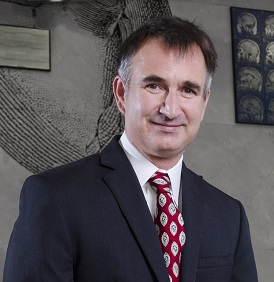 Thomas E. Milner合作论文数UCI Beckman Laser Institute & Medical Clinic;Hemorai;Wild Rose on the Yellowstone12Jason N Mehta合作论文数Walker Department of Mechanical Engineering, University of Texas at Austin11Yong Xu (徐勇)合作论文数9Whited Bryce M合作论文数School of Biomedical Engineering and Sciences, Virginia Tech-Wake Forest University9Kosoglu Mehmet A合作论文数9Izquierdo-Román Alondra合作论文数9
 Ge Wang (王革)合作论文数Biomedical Imaging Center, Rensselaer Polytechnic Institute9Brianna Morales合作论文数8
 Shay Soker合作论文数Wake Forest Institute for Regenerative Medicine, School of Medicine, Wake Forest University8matthias c hofmann合作论文数7
 Ashley J. Welch合作论文数Department of Biomedical Engineering, Cockrell School of Engineering, The University of Texas at Austin7
 Harry Dorn合作论文数Department of Chemistry, College of Science, Virginia Polytechnic Institute and State University6
 Tobias Ecker合作论文数Institute of Aerodynamics and Flow Technology, DLR5Zimmermann Kristen合作论文数5Whitney Jon R合作论文数Department of Mechanical Engineering &School of Biomedical Engineering &Sciences, Virginia Tech;Department of Mechanical Engineering & School of Biomedical Engineering & Sciences, Virginia Tech, VA 24061, USA. jonwhit@vt.edu5
 Abhijit A Gurjarpadhye合作论文数School of Biomedical Engineering and Sciences, Virginia Polytechnic Institute and State University5William Carswell合作论文数4Etse-Oghena Y. Campbell合作论文数4
 Egleide Elenes合作论文数Department of Biomedical Engineering, University of Texas at Austin4
 Iman Salafian合作论文数Walker Department of Mechanical Engineering, The University of Texas at Austin4
 Tracy L Criswell合作论文数4
 Kenneth Diller合作论文数Department of Biomedical Engineering, Cockrell School of Engineering, The University of Texas at Austin4Andriani Rudy T合作论文数4
 Saugata Sarkar合作论文数Department of Mechanical Engineering, Virginia Polytechnic Institute and State University4Amanda Rodgers合作论文数3
 Jianfei Zhang合作论文数School of Natural Sciences, University of California3
 Alan Groves合作论文数Department of Medical Education, Dell Medical School, University of Texas at Austin3
 Lim Liang合作论文数3
 Nichols Brandon合作论文数3
 John Stuart Nelson合作论文数Beckman Laser Institute & Medical Clinic, University of California, Irvine;Department of Surgery, School of Medicine, University of California, Irvine;Department of Biomedical Engineering, Samueli School of Engineering, University of California, Irvine3Idelson Christopher合作论文数3
 Fang-Chi Hsu合作论文数Department of Global Health and Social Medicine, Blavatnik Institute, Harvard Medical School3Oliver F. Stumpp合作论文数3
 James Tunnell合作论文数Biophotonics Laboratory, Department of Biomedical Engineering, Cockrell School of Engineering, The University of Texas at Austin3Peng Lu合作论文数3Waldemar Debinski合作论文数3Dp Dave合作论文数2david l inglefield合作论文数2Yukitaka Kani合作论文数2Jessica Fisher合作论文数2Gabrielle Mcroberts合作论文数2Rudy Andriani合作论文数2
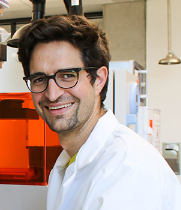 Manuel Rausch合作论文数Department of Aerospace Engineering and Engineering Mechanics, Cockrell School of Engineering, University of Texas at Austin2
 Richard Shinn合作论文数2




