Data increasingly implicate a possible role of immune and inflammatory responses to infection in sudden infant death syndrome (SIDS). We have previously described a dual challenge model that results in pathology, organ damage, vascular collapse and unexplained death similar to that seen in SIDS. In this study, we examined changes in inflammatory cytokine mRNA in the lung and liver and regulation of pathways associated with nitric oxide production. Our data suggest that priming of the immune system by mild viral infection disturbs normal inflammatory response to endotoxin. This results in an increased nitric oxide synthase production, most likely the cause of liver pathology and clotting abnormalities.
We demonstrated previously that exposure of rats to 2-butoxyethanol (BE) was associated with morphological changes in red blood cells, hemolytic anemia, and disseminated thrombosis and infarction in different organs including the eyes. In order to elucidate the mechanism of thrombosis formation, we examined in this study the histology and immunohistochemical expression of vascular cell adhesion molecule-1 (VCAM-1), endothelial intercellular adhesion molecule-1 (ICAM-1), and P-selectin in the eyes of the female F344 rat exposed to 2, 3, or 4 daily doses of BE/250 mg/kg body weight. In this BE hemolysis and thrombosis model, positive VCAM-1 expression occurred only in eyes of rats exposed to 3 and 4 doses and was localized in the iris (epithelium lining the posterior surface, anterior mesenchymal epithelium), ciliary processes (lining epithelium, stromal cells), and retina (hypertrophic retinal pigment epithelium). Only weak immunolabeling was seen in eyes exposed to 2 doses. The appearance of VCAM-1 immunostaining correlated with the development of thrombosis located in the same structures. No change in ICAM-1 or P-selectin expression was seen. This immunolabeling distribution suggests that VCAM-1 functions in the pathogenesis of BE-related thrombosis by promoting adhesion of erythrocytes to the endothelium.
Riddelliineis a naturally occurring pyrrolizidine alkaloid found in certain poisonous rangeland plants of the western United States. In National Toxicology Program 2-year studies, riddelliine induced high incidences of hemangiosarcoma in the liver of F344/N rats (both sexes) and B6C3F1 mice (males). To understand this pathogenesis, we tested short-term effects of riddelliine. Three groups (control; 1.0 mg/kg/day, high dose used in the 2-year study; and 2.5 mg/kg/day) of seven male F344/N rats per group were terminated after 8 consecutive doses and 30 doses (6 weeks, excluding weekends). Serum vascular endothelial growth factor (VEGF), histological, immunohistochemical [factor VIII-related antigen/von Willebrand factor (fVIII-ra/vWf)], VEGF, VEGF receptor-2 (VEGFR2), glutathione S-transferase-π, S-phase (BrdU), p53, apoptosis, and ultrastructural evaluations were performed on the liver. Following 8 doses of 1.0 and 2.5 mg/kg/day, increased numbers of apoptotic and S-phase nuclei appeared in hepatocytes and endothelial cells. Following 30 doses of 1.0 and 2.5 mg/kg/day, hepatocytes exhibited reduced mitosis, fewer S-phase nuclei, increased hypertrophy, and fatty degeneration, while endothelial cells showed karyomegaly, cytomegaly, decreased apoptosis, more S-phase nuclei, and p53 positivity. Hepatocytes of treated animals expressed higher VEGF immunopositivity. That altered endothelial cells were fVIII-ra/vWf and VEGFR2 positive confirmed their identity. These changes may have promoted hemangiosarcoma development upon long-term exposure through endothelial adduct formation, apoptosis, proliferation of endothelial cells having undamaged and/or damaged DNA, and mutation. Endothelial proliferation may also have been promoted through endothelial arrest at S phase, which was associated with endothelial karyo- and cytomegaly, resulting in hepatocytic hypoxia, triggering VEGF induction.
The cyclooxygenase (COX)-2 enzyme has been implicated as an important mediator of pulmonary fibrosis. In this study, the lung fibrotic responses were investigated in COX-1 or COX-2-deficient (-/-) mice following vanadium pentoxide (V(2)O(5)) exposure. Lung histology was normal in saline-instilled wild-type and COX-deficient mice. COX-2(-/-), but not COX-1(-/-) or wild-type mice, exhibited severe inflammatory responses by 3 days following V(2)O(5) exposure and developed pulmonary fibrosis 2 weeks post-V(2)O(5) exposure. Western blot analysis and immunohistochemistry showed that COX-1 protein was present in type 2 epithelial cells, bronchial epithelial cells, and airway smooth muscle cells of saline or V(2)O(5)-exposed wild-type and COX-2(-/-) mice. COX-2 protein was present in Clara cells of wild-type and COX-1(-/-) terminal bronchioles and was strongly induced 24 hours after V(2)O(5) exposure. Prostaglandin (PG) E(2) levels in the bronchoalveolar lavage (BAL) fluid from wild-type and COX-1(-/-) mice were significantly up-regulated by V(2)O(5) exposure within 24 hours, whereas PGE(2) was not up-regulated in COX-2(-/-) BAL fluid. Tumor necrosis factor-alpha was elevated in the BAL fluid from all genotypes after V(2)O(5) exposure, but was significantly and chronically elevated in the BAL fluid from COX-2(-/-) mice above wild-type or COX-1(-/-) mice. These findings indicate that the COX-2 enzyme is protective against pulmonary fibrogenesis, and we suggest that COX-2 generation of PGE(2) is an important factor in resolving inflammation.
Indium phosphide (IP), widely used in the microelectronics industry, was tested for potential carcinogenicity. Sixty male and 60 female Fischer 344 rats were exposed by aerosol for 6 h/day, 5 days/week, for 21 weeks (0.1 or 0.3 mg/m(3); stop exposure groups) or 105 weeks (0 or 0.03 mg/m(3) groups) with interim groups (10 animals/group/sex) evaluated at 3 months. After 3-month exposure, severe pulmonary inflammation with numerous infiltrating macrophages and alveolar proteinosis appeared. After 2 years, dose-dependent high incidences of alveolar/bronchiolar adenomas and carcinomas occurred in both sexes; four cases of squamous cell carcinomas appeared in males (0.3 mg/m(3)), and a variety of non-neoplastic lung lesions, including simple and atypical hyperplasia, chronic active inflammation, and squamous cyst, occurred in both sexes. To investigate whether inflammation-related oxidative stress functioned in the pathogenesis of IP-related pulmonary lesions, we stained lungs of control and high-dose animals immunohistochemically for four markers indicative of oxidative stress: inducible nitric oxide synthase (i-NOS), cyclooxygenase-2 (COX-2), glutathione-S-transferase Pi (GST-Pi), and 8-hydroxydeoxyguanosine (8-OHdG). Paraffin-embedded samples from the 3-month and 2-year control and treated females were used. i-NOS and COX-2 were highly expressed in inflammatory foci after 3 months; at 2 years, all four markers were expressed in non-neoplastic and neoplastic lesions. Most i-NOS staining, mainly in macrophages, occurred in chronic inflammatory and atypical hyperplastic lesions. GST-Pi and 8-OHdG expression occurred in cells of carcinoma epithelium, atypical hyperplasia, and squamous cysts. These findings suggest that IP inhalation causes pulmonary inflammation associated with oxidative stress, resulting in progression to atypical hyperplasia and neoplasia.
Peroxisome proliferators are non-mutagenic carcinogens in the liver of rodents, acting both as initiators and promoters. The National Toxicology Program (NTP) conducted a study of several peroxisome proliferators (PPs), including Wyeth (WY)-14643 as a prototypical PP and 2,4-dichlorophenoxyacetic acid (2,4-D) as a weak PP, in Sprague-Dawley rats. B6C3F1 mice, and Syrian hamsters. In the kidney, an unusual change was observed in the outer stripe of the outer medulla, especially in rats treated with 2,4-D or WY-14643. This change was characterized by foci of tubules that were partially or completely lined by basophilic epithelial cells with decreased cytoplasm and high nuclear density. Changes typical of chronic nephropathy such as interstitial fibrosis or basement membrane thickening were not associated with these foci. Results of immunohistochemical staining for catalase and cytochrome P-450 4A in the kidney indicated increased staining intensity in renal tubular epithelial cells primarily in the region where the affected tubules were observed: however, the altered cells were negative for both immunohistochemical markers. Ultrastructurally, affected cells had long brush borders typical of the P3 tubule segment. The most distinguishing ultrastructural change was a decreased amount of electronlucent cytoplasm that contained few differentiated organelles and, in particular, a prominent reduced volume and number of mitochondria; changes in peroxisomes were not apparent. In addition to the lesion in rats, mice treated with the highest dose of 2,4-D, but not WY-14643, manifested similar renal tubular changes as seen by light microscopy. Neither chemical induced renal tubular lesions in hamsters. Hepatocellular changes characteristic of PPs were present in all 3 species treated with WY-14643, but not 2,4-D. These results indicate that the rat is the species most sensitive to the nephrotoxic effects of PPs and there is a site specificity to this toxicity related to areas of PP-related enzyme induction. Although 2,4-D is considered a weak PP for the liver, it was the most effective at inducing renal lesions, indicating that the toxic potency of various PPs will depend on the target organ.
2,4-Hexadienal (2,4-Hx), an unsaturated aldehyde formed by in vivo and in vitro peroxidation of unsaturated lipid induced, in National Toxicology Program (NTP) gavage studies of F344 rats, forestomach hyperplasia in 13-week and 2-year exposures and squamous papilloma and carcinoma in 2-year studies. Hyperplasia was characterized by thickening of all layers of epithelium with particularly prominent proliferation of the basal cells. The present investigation describes the nature and potential significance of glutathione-S-transferase-Pi (GST-Pi) immunoexpression of normal forestomach epithelium, compared to that of 2,4-Hx-related basal cell hyperplasia and squamous cell papilloma and carcinoma. Paraffin-embedded forestomachs from these NTP studies were used to investigate possible correlations between the carcinogenic process and expression of GST-Pi, a physiological metabolic barrier and an inducible phase II detoxifying enzyme suggested to decrease the responsiveness of reactive oxygen species (ROS) and organic electrophilic compounds. The amount of immunopositive staining was graded on a scale of 0 (no staining) to 4 (marked staining). The simple basal epithelium of control rats showed strong immunopositivity. In cases of basal cell hyperplasia from the 13-week and 2-year studies, these cells usually expressed strong immunopositivity for GST-Pi (grade 3 to 4). In the 2-year treated animals only, occasional focal reduction (grade 0 to 2) in immunoreactivity for GST-Pi was noted. In papillomas and squamous cell carcinomas, a wide range of GST-Pi expression was observed, perhaps indicating irregularities in its induction or change in the phenotype of these cells compared to normal or hyperplastic ones. Reduced expression of GST-Pi by the foci of basal cell hyperplasia and in tumor cells may suggest changes in cellular protection from oxidative or electrophilic DNA damage; these changes may result in genetic alterations and be the precursor to clonal expansion.
In a previous study we demonstrated the protective effect of topical iodine as postexposure treatment for sulfur mustard (SM) application. The iodine treatment results in significantly reduced inflammation and necrosis and increased epidermal hyperplasia. The expression and localization of inducible nitric oxide synthase (iNOS) and cyclooxygenase 2 (COX-2) in paraffin-embedded skin samples from that study were evaluated in the present investigation. We compared the immunoreactivity of iNOS and COX-2 using five samples from each of the following four test sites: untreated control sites, SM-exposed sites, sites treated with iodine mixture 15 min after SM exposure, and sites treated with iodine 30 min after SM exposure. All animals were killed 2 days after irritant exposure. iNOS immunoreactivity was present only in skin sites exposed to SM without iodine treatment. The ulcerated skin was covered with a relatively thick band of exudate composed of iNOS-immunostained polymorphonuclear cells and macrophages. In untreated skin, COX-2 immunostaining was limited to the thin suprabasal epidermal layer. In SM-exposed skin, induction of COX-2 was noted in inflammatory cells located close to the site of epidermal injury. In skin sites treated with iodine 15 or 30 min after SM exposure, the regenerating hyperplastic epithelium showed moderate cytoplasmic staining localized to the epithelium overlying the basal layer. This pattern of staining was also present in the nearby dermal fibroblasts. Thus, in contrast to the skin samples exposed to SM without iodine treatment, the epidermal layer expressing immunohistochemical positivity for COX-2 was thicker and corresponded to the epidermal hyperplasia noted in samples treated with iodine. It is well documented that prostaglandins (PGs) promote epidermal proliferation, thereby contributing to the repair of injured skin. That the induction of the COX-2 shown in our study may also play a role in the healing process is indicated by the present evidence. The results suggest that nitric oxide radicals (NO .) are involved in mediating the damage induced by the SM and that iodine-related reduction in acute epidermal inflammation is associated with reduced iNOS expression.
The immunoreactivity of inducible nitric oxide synthase, and cyclooxygenase-2 was compared among groups of male Wistar rats comprising those injected with lipopolysaccharide following pretreatment with either natural antioxidant from spinach or the antioxidant apocynin, with lipopolysaccharide without pretreatment with antioxidants, with each of the two antioxidants alone, and untreated controls. The grade of staining of both inducible nitric oxide synthase and cyclooxygenase-2 increased with the severity of the inflammatory reaction in the lipopolysaccharide-treated animals, compared to the antioxidant-treated groups. Interpretation of the results of the immunostained tissues indicated that pretreatment with either antioxidant significantly (P<0.05) attenuated the lipopolysaccharide-stimulated inducible nitric oxide synthase induction. Analysis of the cycloxygenase-2-stained liver samples indicated that the pretreatment with the natural antioxidant NAO significantly (P<0.05) attenuated lipopolysaccharide-stimulated cycloxygenase-2 induction; whereas, in animals pretreated with apocynin, there was a trend of reduction in the cyclooxygenase-2 expression, but not statistically significant (P>0.05). The negative nitrotyrosine immunoreactivity of the lipopolysaccharide-related hepatic lesions may indicate that there was relatively low interaction between superoxide anions and nitric oxide to form peroxynitrite or that the expression levels of the nitrotyrosine were below the limit of detection. In all treatment groups a positive correlation (P<0.05, r=0.86) found between the inducible nitric oxide synthase and cyclooxygenase-2 scores suggests a strong relationship between these two parameters. The results indicate the possible therapeutic efficacy of NAO and apocynin in the prevention of liver damage related to clinical endotoxemia known to be associated with oxidative stress.
Vanadium pentoxide (V(2)O(5)) is a cause of occupational asthma and bronchitis. We previously reported that intratracheal instillation of rats with V(2)O(5) causes fibrosis of the lung parenchyma (J. C. Bonner, P. M. Lindroos, A. B. Rice, C. R. Moomaw, and D. L. Morgan. Am. J. Physiol. Lung Cell. Mol. Physiol. 274: L72-L80, 1998). In this report, we show that intratracheal instillation of V(2)O(5) induces airway remodeling similar to that observed in individuals with asthma. These changes include airway smooth muscle cell thickening, mucous cell metaplasia, and airway fibrosis. The transient appearance of peribronchiolar myofibroblasts, which were desmin and vimentin positive, coincided with a twofold increase in the thickness of the airway smooth muscle layer at day 6 after instillation and preceded the development of airway fibrosis by day 15. The number of nuclear profiles within the smooth muscle layer also increased twofold after V(2)O(5) instillation, suggesting that hyperplasia accounted for thickening of the smooth muscle layer. The majority of cells incorporating bromodeoxyuridine at day 3 were located in the connective tissue surrounding the airway smooth muscle wall that was positive for vimentin and desmin. These data suggest that myofibroblasts are the principal proliferating cell type that contributes to the progression of airway fibrosis after V(2)O(5) injury.
The proliferation of myofibroblasts is a central feature of pulmonary fibrosis. In this study we have used tyrosine kinase inhibitors of the tyrphostin class to specifically block autophosphorylation of the platelet-derived growth factor receptor (PDGF-R) or epidermal growth factor receptor (EGF-R). AG1296 specifically inhibited autophosphorylation of PDGF-R and blocked PDGF-stimulated [3H]thymidine uptake by rat lung myofibroblasts in vitro. AG1478 was demonstrated as a selective blocker of EGF-R autophosphorylation and inhibited EGF-stimulated DNA synthesis in vitro. In a rat model of pulmonary fibrosis caused by intratracheal instillation of vanadium pentoxide (V2O5), intraperitoneal delivery of 50 mg/kg AG1296 or AG1478 in dimethylsulfoxide 1 hour before V2O5 instillation and again 2 days after instillation reduced the number of epithelial and mesenchymal cells incorporating bromodeoxyuridine (Brdu) by approximately 50% at 3 and 6 days after instillation. V2O5 instillation increased lung hydroxyproline fivefold 15 days after instillation, and AG1296 was more than 90% effective in preventing the increase in hydroxyproline, whereas AG1478 caused a 50% to 60% decrease in V2O5-stimulated hydroxyproline accumulation. These data provide evidence that PDGF and EGF receptor ligands are potent mitogens for collagen-producing mesenchymal cells during pulmonary fibrogenesis, and targeting tyrosine kinase receptors could offer a strategy for the treatment of fibrotic lung diseases.
A cDNA encoding a new cytochrome P450 was isolated from a mouse liver library. Sequence analysis reveals that this 1,886-base pair cDNA encodes a 501-amino acid polypeptide that is 69-74% identical to CYP2J subfamily P450s and is designated CYP2J5. Recombinant CYP2J5 was co-expressed with NADPH-cytochrome P450 oxidoreductase in Sf9 cells using a baculovirus system. Microsomal fractions of CYP2J5/NADPH-cytochrome P450 oxidoreductase-transfected cells metabolize arachidonic acid to 14,15-, 11,12-, and 8, 9-epoxyeicosatrienoic acids and 11- and 15-hydroxyeicosatetraenoic acids (catalytic turnover, 4.5 nmol of product/nmol of cytochrome P450/min at 37 degrees C); thus CYP2J5 is enzymologically distinct. Northern analysis reveals that CYP2J5 transcripts are most abundant in mouse kidney and present at lower levels in liver. Immunoblotting using a polyclonal antibody against a CYP2J5-specific peptide detects a protein with the same electrophoretic mobility as recombinant CYP2J5 most abundantly in mouse kidney microsomes. CYP2J5 is regulated during development in a tissue-specific fashion. In the kidney, CYP2J5 is present before birth and reaches maximal levels at 2-4 weeks of age. In the liver, CYP2J5 is absent prenatally and during the early postnatal period, first appears at 1 week, and then remains relatively constant. Immunohistochemical staining of kidney sections with anti-human CYP2J2 IgG reveals that CYP2J protein(s) are present primarily in the proximal tubules and collecting ducts, sites where the epoxyeicosatrienoic acids are known to modulate fluid/electrolyte transport and mediate hormonal action. In situ hybridization confirms abundant CYP2J5 mRNA within tubules of the renal cortex and outer medulla. Epoxyeicosatrienoic acids are endogenous constituents of mouse kidney thus providing direct evidence for the in vivo metabolism of arachidonic acid by the mouse renal epoxygenase(s). Based on these data, we conclude that CYP2J5 is an enzymologically distinct, developmentally regulated, protein that is localized to specific nephron segments and contributes to the oxidation of endogenous renal arachidonic acid pools. In light of the well documented effects of epoxyeicosatrienoic acids in modulating renal tubular transport processes, we postulate that CYP2J5 products play important functional roles in the kidney.
Platelet-derived growth factor (PDGF) is a potent mitogen for mesenchymal cells. Induction of the PDGF receptor-alpha (PDGF-R alpha) in vitro enhances PDGF-induced mitogenesis and chemotaxis. Thus we investigated whether the PDGF-R alpha is induced in vivo during pulmonary fibrogenesis using a vanadium pentoxide (V2O5) model of lung injury. PDGF-R alpha mRNA expression was induced 24 h postinstillation. PDGF-R beta mRNA was constitutively expressed and did not increase. Western blotting showed upregulation of PDGF-R alpha protein by 48 h, and immunohistochemical analysis localized PDGF-R alpha primarily in mesenchymal cells residing within fibrotic lesions. Upregulation of PDGF-R alpha in vivo preceded mesenchymal cell hyperplasia (3-7 days) and collagen deposition by day 15. Supernatants from alveolar macrophages treated with V2O5 in vitro released upregulatory activity for PDGF-R alpha on cultured lung myofibroblasts, and this activity was blocked by the interleukin-1-receptor antagonist. These data suggest that interleukin-1 beta-mediated induction of PDGF-R alpha in vivo is important to lung myofibroblast hyperplasia during fibrogenesis.
A cDNA encoding a P450 monooxygenase was amplified from reverse transcribed rat heart and liver total RNA by polymerase chain reaction using primers based on the 5'- and 3'-end sequences of two rat pseudogenes, CYP2J3P1 and CYP2J3P2. Sequence analysis revealed that this 1,778-base pair cDNA contained an open reading frame and encoded a new 502 amino acid protein designated CYP2J3. Based on the deduced amino acid sequence, CYP2J3 was approximately 70% homologous to both human CYP2J2 and rabbit CYP2J1. Recombinant CYP2J3 protein was co expressed with NADPH-cytochrome P450 oxidoreductase in Sf9 insect cells using a baculovirus expression system. Microsomal fractions of CYP2J3/NADPH-cytochrome P450 oxidoreductase-transfected cells metabolized arachidonic acid to 14,15-, 11,12-, and 8,9-epoxyeicosatrienoic acids and 19-hydroxyeicosatetraenoic acid as the principal reaction products (catalytic turnover, 0.2 nmol of product/nmol of cytochrome P450/min at 37 degrees C). Immunoblotting of microsomal fractions prepared from rat tissues using a polyclonal antibody raised against recombinant CYP2J2 that cross-reacted with CYP2J3 but not with other known rat P450s demonstrated abundant expression of CYP2J3 protein in heart and liver, Immunohistochemical staining of formalin-fixed paraffin-embedded rat heart tissue sections using the anti-CYP2J2 IgG and avidin-biotin-peroxidase detection localized expression of CYP2J3 primarily to atrial and ventricular myocytes, In an isolated-perfused rat heart model, 20 min of global ischemia followed by 40 min of reflow resulted in recovery of only 44 +/- 6% of base-line contractile function, The addition of 5 mu M 11,12-epoxyeicosatrienoic acid to the perfusate prior to global ischemia resulted in a significant 1.6 fold improvement in recovery of cardiac contractility (69 +/- 5% of base line, p = 0.01 versus vehicle alone). Importantly, neither 14,15-epoxyeicosatrienoic acid nor 19-hydroxyeicosatetraenoic acid significantly improved functional recovery following global ischemia, demonstrating the specificity of the biological effect for the 11,12-epoxyeicosatrienoic acid regioisomer. Based on these data, we conclude that (a) CYP2J3 is one of the predominant enzymes responsible for the oxidation of endogenous arachidonic acid pools in rat heart myocytes and (b) 11,12-epoxyeicosatrienoic acid may play an important functional role in the response of the heart to ischemia.
Our laboratory recently described a new human cytochrome P450 arachidonic acid epoxygenase (CYP2J2) and the corresponding rat homologue (CYP2J3), both of which were expressed in extrahepatic tissues. Northern analysis of RNA prepared from the human and rat intestine demonstrated that CYP2J2 and CYP2J3 mRNAs were expressed primarily in the small intestine and colon. In contrast, immunoblotting studies using a polyclonal antibody raised against recombinant CYP2J2 showed that CYP2J proteins were expressed throughout the gastrointestinal tract. Immunohistochemical staining of formalin-fixed, paraffin-embedded intestinal sections using anti-CYP2J2 IgG and avidin-biotin-peroxidase detection revealed that CYP2J proteins were present at high levels in nerve cells of autonomic ganglia, epithelial cells, intestinal smooth muscle cells, and vascular endothelium. The distribution of this immunoreactivity was confirmed by in situ hybridization using a CYP2J2-specific antisense RNA probe. Microsomal fractions prepared from human jejunum catalyzed the NADPH-dependent metabolism of arachidonic acid to epoxyeicosatrienoic acids as the principal reaction products. Direct evidence for the in vivo epoxidation of arachidonic acid by intestinal cytochrome P450 was provided by documenting, for the first time, the presence of epoxyeicosatrienoic acids in human jejunum by gas chromatography/mass spectrometry. We conclude that human and rat intestine contain an arachidonic acid epoxygenase belonging to the CYP2J subfamily that is localized to autonomic ganglion cells, epithelial cells, smooth muscle cells, and vascular endothelium. In addition to the known effects on intestinal vascular tone, we speculate that CYP2J products may be involved in the release of intestinal neuropeptides, control of intestinal motility, and/or modulation of intestinal fluid/electrolyte transport.
Our laboratory recently described a new human cytochrome P450 arachidonic acid epoxygenase (CYP2J2) and the corresponding rat homolog (CYP2J3). Immunoblotting studies using a polyclonal antibody raised against recombinant human CYP2J2 confirmed CYP2J protein expression in human and rat pancreatic tissues. Immunohistochemical staining of formalin-fixed paraffin-embedded rat and human pancreas using the anti-CYP2J2 IgG and avidin-biotin-peroxidase detection revealed that CYP2J2 protein expression was highly localized to cells in the islets of Langerhans, with minimal staining in pancreatic exocrine cells. Colocalization studies using antibodies to the glucagon, insulin, somatostatin, and pancreatic polypeptide as markers for alpha-, beta-, delta-, and PP cells, respectively, showed that CYP2J protein expression was abundantly present in all four cell types, but was highest in the glucagon-producing alpha-cells. Direct evidence for the epoxidation of arachidonic acid by pancreatic cytochrome P450 was provided by documenting, for the first time, the presence of epoxyeicosatrienoic acids in vivo in human and rat pancreas by gas chromatography/mass spectrometry. Importantly, the levels of immunoreactive CYP2J2 in different human pancreatic tissues were highly correlated with endogenous epoxyeicosatrienoic acid concentrations. We conclude that human and rat pancreas contain an arachidonic acid epoxygenase belonging to the CYP2J subfamily that is highly localized to islet cells. These data together with previous work showing effects of epoxyeicosatrienoic acids in stimulating insulin and glucagon secretion from isolated rat pancreatic islets support the hypothesis that epoxygenase products may be involved in stimulus-secretion coupling in the pancreas.
A cDNA encoding a human cytochrome P450 arachidonic acid epoxygenase was isolated from a human liver cDNA library. Sequence analysis revealed that this 1,876-base pair cDNA contained an open reading frame and encoded a new 502-amino acid protein designated CYP2J2. Blot hybridization analysis of RNA prepared from human tissues revealed that CYP2J2 was highly expressed in the heart. Recombinant CYP2J2 protein was prepared using the baculovirus expression system and purified to near electrophoretic homogeneity. The enzyme metabolized arachidonic acid predominantly via olefin epoxidation to all four regioisomeric cis-epoxyeicosatrienoic acids (catalytic turnover 65 pmol of product formed/nmol of cytochrome P450/min at 30 degrees C). Epoxidation of arachidonic acid by CYP2J2 at the 14,15-olefin was highly enantioselective for (14R,15S)-epoxyeicosatrienoic acid (76% optical purity). Immunoblotting of microsomal fractions prepared from human tissues using a polyclonal antibody raised against the recombinant hemoprotein confirmed primary expression of CYP2J2 protein in human heart. The in vivo significance of CYP2J2 was suggested by documenting the presence of epoxyeicosatrienoic acids in the human heart using gas chromatography/mass spectroscopy. importantly, the chirality of CYP2J2 products matched that of the epoxyeicosatrienoic acid enantiomers present, in vivo, in human heart. We propose that CYP2J2 is one of the enzymes responsible for epoxidation of endogenous arachidonic acid pools in human heart and that epoxyeicosatrienoic acids may, therefore, play important functional roles in cardiac physiology.
Cytochrome P450 (P450) monooxygenases catalyze the epoxidation of arachidonic acid to form epoxyeicosatrienoic acids, which modulate bronchial smooth muscle tone and airway transepithelial ion transport. We recently described a new human P450 arachidonic acid epoxygenase (CYP2J2) and the corresponding rat homologue (CYP2J3). Northern analysis of lung RNA using CYP2J cDNA probes demonstrated that CYP2J2 and CYP2J3 mRNAs were expressed in the lung. Immunoblotting of microsomal fractions prepared from human and rat lungs using a polyclonal antibody raised against recombinant human CYP2J2 revealed a single 56-kDa band confirming abundant pulmonary CYP2J2 and CYP2J3 protein expres sion. Immunohistochemical analysis of formalin-fixed paraffin-embedded human and rat lung sections using the anti-human CYP2J2 IgG and avidin/biotin/peroxidase detection showed that CYP2J proteins were primarily expressed in ciliated epithelial cells lining the airway. Prominent staining was also noted in nonciliated airway epithelial cells, bronchial and pulmonary vascular smooth muscle cells, pulmonary vascular endothelium, and alveolar macrophages, whereas less intense staining was noted in alveolar epithelial cells. Endogenous epoxyeicosatrienoic acids were detected in both human and rat lung using gas chromatography/mass spectrometry, thus providing direct evidence for the in vivo human and rat pulmonary P450 metabolism of arachidonic acid. Based on these data, we conclude that CYP2J2 and CYP2J3 are abundant pulmonary arachidonic acid epoxygenases and that CYP2J products, the epoxyeicosatrienoic acids, are endogenous constituents of human and rat lung. In addition to known effects on airway smooth muscle tone and transepithelial electrolyte transport, the localization of CYP2J proteins to vascular smooth muscle and endothelium suggests that epoxyeicosatrienoic acids may also be involved in the modulation of pulmonary vascular tone.
Human liver microsomal fractions metabolized arachidonic acid in the presence of NADPH yielding epoxyeicosatrienoic acids and their hydration products, dihydroxyeicosatrienoic acids, as the principal reaction products. Inhibition studies using polyclonal antibodies prepared against recombinant CYP2C8, an abundant human liver cytochrome P450 epoxygenase, demonstrated 85-90% inhibition of arachidonic acid epoxide formation. Both epoxyeicosatrienoic acids and dihydroxyeicosatrienoic acids were detected in large amounts in human liver using gas chromatography/mass spectrometry. Chiral analysis of the endogenous liver epoxides demonstrated a preference for the 14(R),15(S)-, 11(R),12(S)-, and 8(S),9(R)-epoxyeicosatrienoic acid enantiomers. Importantly, the chirality of liver epoxyeicosatrienoic acids matched that previously reported for recombinant CYP2C8 (Zeldin et al. (1995) Arch. Biochem. Biophys. 322, 76-86). Incubations of both human liver cytosolic and microsomal fractions with synthetic epoxyeicosatrienoic acids revealed a 10-fold higher rate of dihydroxyeicosatrienoic acid formation with cytosolic relative to microsomal fractions. Recombinant human liver cytosolic epoxide hydrolase rapidly and regioselectively hydrated epoxyeicosatrienoic acids. We conclude, based on these data, that CYP2C8 is one of the primary, constitutive hepatic arachidonic acid epoxygenases responsible for formation of epoxyeicosatrienoic acids and that cytosolic epoxide hydrolase is the principal liver enzyme which forms the dihydroxyeicosatrienoic acids. We speculate that these biologically active eicosanoids may be important in maintaining homeostasis in the liver.
 Abraham Nyska合作论文数9
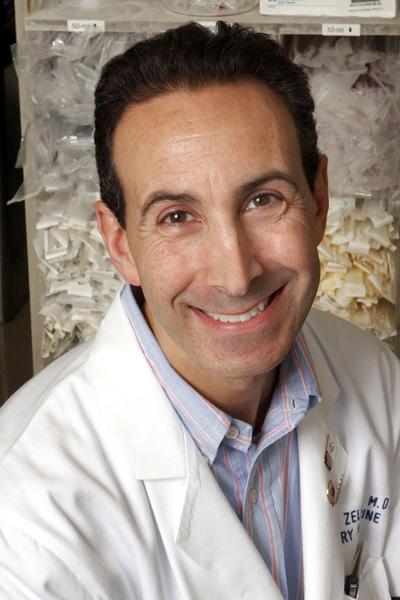 Darryl Zeldin合作论文数Immunity, Inflammation, and Disease Laboratory, National Institute of Environmental Health Sciences, National Institutes of Health8Kenneth B. Tomer合作论文数7
 Julie F. Foley合作论文数Mouse Embryo Phenotyping and Special Techniques Group, National Institute of Environmental Health Sciences, National Institutes of Health6Shu Wu合作论文数6AB Rice合作论文数5Daniel L. Morgan合作论文数5James C. Bonner合作论文数5
 Charles Steenbergen合作论文数Department of Pathology, School of Medicine, Johns Hopkins University4Je Boyle合作论文数3J Ma合作论文数3Robert R Maronpot合作论文数3Liat Lomnitski合作论文数2
 John R Falck合作论文数University of Texas Southwestern Medical Center2
 Shyamal D. Peddada合作论文数Biostatistics & Computational Biology Branch, National Institute of;Environmental Health Sciences2Po Chan合作论文数2Pc Chulada合作论文数1shlomo grossman合作论文数1Pe Scarborough合作论文数1Jf Mahler合作论文数1Ls Davis合作论文数1Ozaki Keisuke合作论文数1Alisha Sessoms合作论文数1Pm Lindroos合作论文数1R Maronpot合作论文数1W Chen合作论文数1Shay Shabat合作论文数1
 Jennifer Leigh Ingram合作论文数Department of Medicine, Duke University School of Medicine1
 James E Klaunig合作论文数School of Public Health, Indiana University Bloomington1Gottschling B C合作论文数1
 Matthew Breyer合作论文数Janssen Cardiovascular and Metabolic Discovery Research1Pascual J M合作论文数1
 Elizabeth Murphy合作论文数Laboratory of Cardiac Physiology, National Heart, Lung, and Blood Institute1
 Moshe Mittelman合作论文数1Meir Nyska合作论文数1
 Bruce Hammock合作论文数Department of Entomology and Nematology, College of Agricultural & Environmental Sciences, University of California ,Davis;NIEHS-UCD Superfund Basic Research Program;U.C. Davis Medical School Comprehensive Cancer Center;EicOsis, LLC.1
 Robert Maronpot合作论文数1Carol E. Parker合作论文数1T. Levin-Harrus合作论文数1William Coombs合作论文数1Berta Brodsky合作论文数1Connie A. Cummings合作论文数1James R. Hailey合作论文数1Burton Shelton合作论文数1Kristen Geisenhoffer合作论文数1Uri Wormser合作论文数1Robert Langenbach合作论文数National Institute of Environmental Health Sciences1David E. Malarkey合作论文数1Nathan Ezov合作论文数1




