RDS are usually cross-disciplinary, centralised services, which are increasingly provided at a university by the academic library and in collaboration with other RDM stakeholders, such as the Research Office. At research-intensive universities, research data is generated in a wide range of disciplines and sub-disciplines. This paper will discuss how providing discipline-specific RDM support is approached by such universities and academic libraries, and the advantages and disadvantages of these central and discipline-specific approaches. A descriptive case study on the author's experiences of collaborating with a central RDS at the University of Cambridge, as a subject librarian embedded in an academic department, is a major component of this paper. The case study describes how centralised RDM services offered by the Office of Scholarly Communication (OSC) have been adapted to meet discipline-specific needs in the Department of Chemistry. It will introduce the department and the OSC, and describe the author's role in delivering RDM training, as well as the Data Champions programme, and their membership of the RDM Project Group. It will describe the outcomes of this collaboration for the Department of Chemistry, and for the centralised service. Centralised and discipline-specific approaches to RDS provision have their own advantages and disadvantages. Supporting the discipline-specific RDM needs of researchers is proving particularly challenging for universities to address sustainably: it requires adequate financial resources and staff skilled (or re-skilled) in RDM. A mixed approach is the most desirable, cost-effective way of providing RDS, but this still has constraints.
1. I don’t have time for this! My PhD is too short to deal with this additional work. As long as I produce publications and a thesis I will be fine. 2. I know my own data and can navigate it it without any problems.3. I know my data, you don’t. 4. Time cost: Backing up 5. Monetary cost: Have to pay for service base, need to buy my own external hard drive 6. I don’t understand data management. 7. It is my own project. I am the only one doing this research and I'm happy with it. Why should I do anything differently?
During the May 2018 Data Champions forum at the University of Cambridge, the Data Champions were asked to think of stakeholders in research data management (RDM), why good RDM is of value to them, the stakeholders possible objections to practising RDM properly and the response that could be delivered to this objection. The work was carried out as a small group exercise. Not all boxes were completed due to time limitations. The objections and responses for each stakeholder are numbered and the numbers correspond to each other. Where a response was not written down the corresponding number is marked with an 'X'. This analysis provided the basis of the Data Champion cartoons that were created for advocacy purposes (https://www.data.cam.ac.uk/intro-data-champions/data-champions-cartoons). Clair Castle is the first author of the dataset as she collated the all the information gathered during the exercise. All other Data Champions who attended the meeting are listed in alphabetical order.
 Alastair Downie合作论文数2Ennio Lavagnini合作论文数2
 Quentin Peter合作论文数Univ Cambridge, Dept Chem, Lensfield Rd, Cambridge CB2 1EW, England2
 Cardona Alexia合作论文数Division of Biological Anthropology, University of Cambridge2
 Danny Abigail Kingsley合作论文数Centre for the Public Awareness of Science;Australian National University;Centre for the Public Awareness of Science, Australian National University2
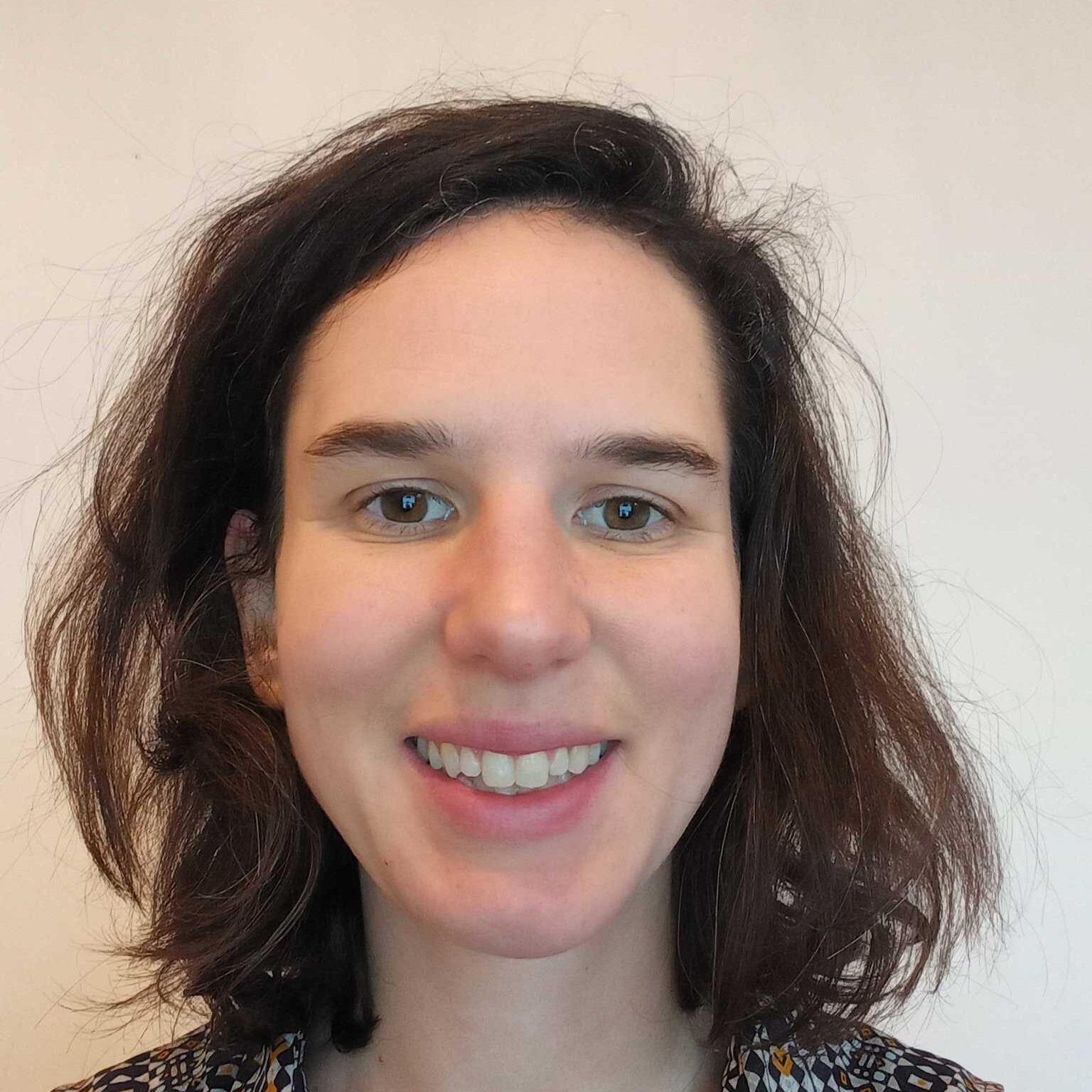 Lauren Cadwallader合作论文数Public Library of Science2
 Laura Palumbo合作论文数Rutgers State Univ1Qi Guo合作论文数1Sarjeant Amy A合作论文数1
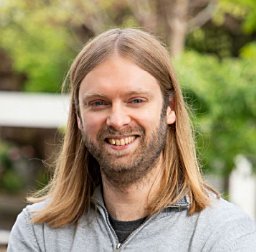 Savage James L合作论文数1
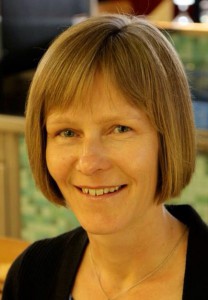 Ulla Sovio合作论文数Department of Obstetrics & Gynaecology, University of Cambridge/Cambridge Institute of Public Health, University of Cambridge1Ian J. Bruno合作论文数Cambridge Crystallog Data Ctr, Cambridge, England1
 Stephen John Eglen合作论文数Department of Applied Mathematics and Theoretical Physics, University of Cambridge1A. Thwaites合作论文数1




