Supplementary Figures and Tables for Clinical and Genome Wide Analysis of Cisplatin-Induced Peripheral Neuropathy in Survivors of Adult-Onset Cancer Figure S1. Diagram of Data Collection Pipeline. Table S1. EORTC-CIPN20 questionnaire. Figure S2. Flow diagram of GWAS Quality Control Pipeline. Table S2. Additional Diagnosis and Treatment Characteristics of TCS cohort. Figure S3. Response frequencies for the EORTC-CIPN20 questionnaire from 680 patients. Figure S4. Principal Component Analysis (PCA) of EORTC-CIPN20 items. Figure S5. SNP-level GWAS. Table S3. Top 100 GWAS Results (p < 2.25 x 10⁻⁵) Table S4. Review of candidate gene studies implicating SNPs in cisplatin-induced neuropathy and their replication in the TCS study. Table S5. Review of previous GWAS of CIPN implicating SNPs and their replication in the TCS study. Table S6. Top PrediXcan results (P < 0.001).
Top SNPs (P < 1 x 10⁻⁵) in the meta-analysis of The Platinum Study and St. Jude cohorts.
PURPOSE:Chemotherapy (CHT) or radiation therapy (RT) are first-line treatments for clinical stage II (CS-II) testicular seminoma. Historically, clinical stage I (CS-I) seminoma was also treated with CHT or RT, but in the past 2 decades practice has shifted toward active surveillance for CS-I with RT or CHT reserved for patients with progression to CS-II. Limited data exist on contemporary RT techniques and patient stratification (ie, de novo [CS-II at orchiectomy] vs relapsed [CS-II diagnosed during surveillance after orchiectomy for CS-I]). We investigated outcomes in CS-II patients treated with RT in the modern era across 2 institutions. METHODS AND MATERIALS:A retrospective review identified 73 patients treated with RT for CS-II A or B seminoma between 2001 and 2022. Recurrence-free survival (RFS) was calculated by the Kaplan-Meier method and univariate analyses were performed with log-rank or Cox proportional hazard regression. Recurrence was defined as biopsy-proven metastatic seminoma after RT completion. Second malignancies were defined as a biopsy-proven malignancy originating in the prior RT field. RESULTS:Thirty-eight (52%) patients presented with de novo CS-II and 35 (48%) patients had relapsed CS-II. Median follow-up was 4.8 years (IQR: 2.3-8.1). Five-year RFS was 82% overall (92% in relapsed patients and 73% in de novo patients). Relapsed CS-II disease had lower recurrence rates after RT compared with de novo CS-II disease. All recurrences occurred outside the prior RT field and were salvaged. Disease-specific survival was 100%. Two second malignancies occurred (prostate, colorectal cancer at 67 months and 119 months post-RT, respectively). CONCLUSIONS:In patients with CS-II seminoma treated with modern RT, there were no in-field recurrences. Presentation with de novo CS-II is associated with out-of-field recurrence. Subject to further larger-scale validation, our results suggest that compared with CS-II at time of relapse, de novo CS-II may portend more aggressive or micrometastatic disease beyond the retroperitoneum, raising the possibility of benefit from CHT after radiation.
Demographic features and clinical characteristics of 511 genetically European male germ cell tumor (GCT) survivors at the time of audiometry.
Proportion of variance in WFS1 expression explained by genetic effects in 11 relevant GTEx tissues.
The Platinum Study CAO GWAS results for SNPs previously implicated in cisplatin-associated hearing loss.
Purpose/Objective(s) Clinical stage II (CS2) testicular seminoma has been historically treated with chemotherapy or radiation (RT). Limited data exists reporting outcomes with contemporary RT dose and fields, and between de novo CS2 vs. relapsed stage I seminoma. We investigated recurrences in CS2 seminoma patients treated in the modern era across two institutions. Materials/Methods A retrospective review was performed of 71 patients who received RT for CS2 seminoma between 2001-2021. Recurrence-free survival (RFS) was determined using the Kaplan-Meier method. Univariate analysis for recurrence was calculated using Cox proportional hazard regression. Recurrence was defined as a new lymph node or mass, biopsy-proven to be seminoma, after RT completion. Covariates tested included: CS2 at orchiectomy (de novo) or CS2 diagnosed on surveillance after orchiectomy (relapsed), lymphovascular invasion (LVI), lymph node (LN) size at CS2 diagnosis, AJCC staging, RT modality, and treatment decade (2000s vs 2010s). Second malignancies were recorded as a biopsy-proven malignancy originating in the prior RT field. Results The median age at diagnosis was 39 years (IQR: 34, 46). Thirty-six (51%) patients presented with de novo CS2 while 35 (49%) patients had relapsed CS2. Staging was: IIA = 38, IIB = 33. Patients were treated with AP/PA (n = 45), or other (3D/conformal, VMAT or protons (n = 20)). Median follow-up time was 4.3 years (IQR: 1.9 – 7.1). Overall RFS was 91% at 1 year, 89% at 2 years, and 82% at 5 years. All recurrences were outside the RT field. De novo CS2 and patients treated in the second decade (2012-2021) exhibited a trend towards decreased recurrence (Table 1). RFS of the de novo cohort was 86%, 83%, and 74% at 1, 2, and 5 years, respectively. RFS of the relapsed cohort was 97%, 97%, and 91%, at 1, 2, and 5 years, respectively. Nine of the recurrences were salvaged with chemotherapy and one was salvaged with RT. There were no deaths due to seminoma. Two second malignancies occurred, a prostate cancer and a colorectal cancer (from which the patient died). Conclusion In this contemporary cohort of patients with stage II seminoma treated with modern RT, recurrence was uncommon, particularly for patients with relapsed CS2 and those treated in most recent decade, and exclusively occurred outside the RT field. All patients were successfully salvaged, and disease-specific survival was 100%. De novo CS2 approached statistical significance as a negative prognostic factor and may portend more aggressive or already metastatic disease.
Background: This study examined the prevalence of hypogonadism, its clinical and genetic risk factors, and its relationship to adverse health outcomes (AHOs) in North American testicular cancer survivors (TCS) after modern platinum-based chemotherapy. Patients and Methods: Eligible TCS were <55 years of age at diagnosis and treated with first-line platinum-based chemotherapy. Participants underwent physical examinations and completed questionnaires regarding 15 AHOs and health behaviors. Hypogonadism was defined as serum testosterone levels ≤3.0 ng/mL or use of testosterone replacement therapy. We investigated the role of 2 single nucleotide polymorphisms (rs6258 and rs12150660) in the sex hormone–binding globulin (SHBG) locus implicated in increased hypogonadism risk in the general population. Results: Of 491 TCS (median age at assessment, 38.2 years; range, 18.7–68.4 years), 38.5% had hypogonadism. Multivariable binary logistic regression analysis identified hypogonadism risk factors, including age at clinical evaluation (odds ratio [OR], 1.42 per 10-year increase; P = .006) and body mass index of 25 to <30 kg/m 2 (OR, 2.08; P = .011) or ≥30 kg/m 2 (OR, 2.36; P = .005) compared with <25 kg/m 2 . TCS with ≥2 risk alleles for the SHBG SNPs had a marginally significant increased hypogonadism risk (OR, 1.45; P = .09). Vigorous-intensity physical activity appeared protective (OR, 0.66; P = .07). Type of cisplatin-based chemotherapy regimen and socioeconomic factors did not correlate with hypogonadism. Compared with TCS without hypogonadism, those with hypogonadism were more likely to report ≥2 AHOs (65% vs 51%; P = .003), to take medications for hypercholesterolemia (20.1% vs 6.0%; P <.001) or hypertension (18.5% vs 10.6%; P = .013), and to report erectile dysfunction (19.6% vs 11.9%; P = .018) or peripheral neuropathy (30.7% vs 22.5%; P = .041). A marginally significant trend for increased use of prescription medications for either diabetes (5.8% vs 2.6%; P = .07) or anxiety/depression (14.8% vs 9.3%; P = .06) was observed. Conclusions: At a relatively young median age, more than one-third of TCS have hypogonadism, which is significantly associated with increased cardiovascular disease risk factors, and erectile dysfunction. Providers should screen TCS for hypogonadism and treat symptomatic patients.
Testicular cancer survivors are at increased risk of cardiovascular disease after cisplatin-based chemotherapy. Among 787 testicular cancer survivors, the Framingham Risk Score for cardiovascular disease was elevated among less educated and less vigorously active patients, but did not differ by chemotherapy regimen (4 cycles of EP [etoposide and cisplatin] or 3-4 cycles of BEP [bleomycin, etoposide, and cisplatin]). Follow-up and counseling in high-risk subgroups is recommended. Background: Testicular cancer survivors (TCSs) are at increased risk of cardiovascular disease (CVD) after cisplatin-based chemotherapy (CBCT). Identifying at-risk survivors would allow early intervention, but risk prediction tools such as the Framingham Risk Score (FRS) have not been applied to TCSs given modern chemotherapy. Methods: TCSs > 1 year post-CBCT were evaluated. Associations between FRS and clinical, socioeconomic, and lifestyle measures and treatment regimen (4 cycles, etoposide and cisplatin [EP x 4]); 3 or 4 cycles, bleomycin plus EP (BEP x 3, BEP x 4) were analyzed with general linear multivariable models. Controls from the National Health and Nutrition Examination Survey were matched 1:1 to TCSs by age, race, and education with differences in mean FRS evaluated with 2-sided t tests. Results: Of 787 TCSs (median age, 37.3 years; median follow-up, 4.2 years), 284,342, and 161 received EP x 4, BEP x 3, or BEP x 4, respectively. TCSs had higher median systolic blood pressure (126 vs. 119 mm Hg; P < .001), but fewer were smokers (8.4% vs. 28.2%; P < .001) than controls. In multivariable analysis, no significant differences in FRS between EP x 4, BEP x 3, and BEP x 4 were observed, but less than college education (P < .001) and lack of vigorous exercise (P = .006) were associated with higher FRS. Mean FRS did not differ between TCSs and controls (6.8% vs. 7.3%; P = .67). Conclusion: This is the first study to apply the office-based FRS to TCSs. Chemotherapy regimen (BEP x 3 vs. EP x 4) was not associated with FRS, but less educated and less vigorously active patients had higher FRS, and present a high-risk subgroup for intense follow-up and counseling.
Background: Controversy exists regarding the optimal management strategy for clinical stage IS seminomatous (SGCT) and nonseminomatous germ cell tumors (NSGCT) of the testis. Objective: To assess contemporary treatment patterns and outcomes for clinical stage IS testicular cancer. Design, setting, and participants: Using the National Cancer Data Base (2004-2012), we identified 1362 patients with clinical stage IS SGCT and NSGCT of the testis, treated with either adjuvant treatment (AT) or observation. Outcome measures and statistical analysis: We calculated the annual percent change (APC) to assess treatment trends. Inverse probability of treatment weighting (IPTW)-adjusted Kaplan-Meier curves and Cox regression analyses were used to compare overall survival (OS) between AT and observation groups. Analyses were stratified by histologic type. Results and limitations: Overall, there were 581 (43%) and 781 (57%) men with SGCT and NSGCT, respectively. Among men with SGCT, the use of AT decreased over the study period (APC = -2.7, 95% confidence interval [CI]: -4.4, -1.1, p = 0.001). The 5-yr IPTW-adjusted rates of OS were 99% and 97% in the AT and observation groups, respectively (hazard ratio = 0.36, 95% CI: 0.12, 1.14, p = 0.08). Among men with NSGCT, the use of AT remained stable over the study period (APC = +0.8, 95% CI: -0.7, +2.2, p = 0.29). The 5-yr IPTW-adjusted rates of OS were 97% and 95% in the AT and observation groups, respectively (HR = 0.66, 95% CI: 0.27, 1.61, p = 0.36). Limitations include the lack of full treatment details and cancer-specific survival information. Conclusions: Trends in the use of AT significantly decreased over time for SGCT, while it remained stable for NSGCT. Nonetheless, we report 5-yr OS rates of >= 95% for both histologies without any significant benefit with the use of AT. Further studies are warranted to confirm these findings. Patient summary: We evaluated treatment trends and outcomes for stage IS testicular cancer. We found that treatment changed over time for seminoma and remained stable for nonseminoma; there was no significant survival benefit in the use of adjuvant treatment versus observation for both seminomatous and nonseminomatous germ cell tumors. (C) 2017 European Association of Urology. Published by Elsevier B. V. All rights reserved.
BACKGROUND: Prior studies have only considered the association between static marital status and cancer-specific outcomes. We aim to measure the effect of recent divorce on cancer-specific outcomes. METHODS: There were 83,804 patients with 2 malignancies, diagnosed 12 to 60 months apart, from 19732006 from the Surveillance, Epidemiology, and End Results database. Patients were identified as newly divorced if married at their first diagnosis and single/divorced at their second. Multivariable logistic regression and competing-risks regression were used to analyze the association of becoming newly divorced or newly married with cancer-specific outcomes from the second malignancy, including advanced diagnosis (T4 or N1 or M1), receipt of treatment, and cancer-specific survival. RESULTS: Four percent became newly divorced and 3.4% became newly married. Compared with long-term married, newly divorced patients were most likely to be diagnosed with advanced disease (adjusted odds ratio [AOR] 1.31; 95% confidence interval [CI], 1.19-1.43), followed by long-term divorced (AOR 1.18; 95% CI, 1.11-1.25), and were least likely to receive curative treatment (AOR 0.74; 95% CI, 0.67-0.81). Newly divorced patients had the worst cancer-specific survival (adjusted hazard ratio [AHR] 1.17; 95% CI, 1.05-1.30, P = .005), followed by long-term divorced (AHR 1.08; 95% CI, 1.01-1.16, P = .032), while newly married patients had similar cancer-specific survival to long-term married (AHR 0.96; 95% CI, 0.85-1.08, P = .46). CONCLUSION: Recent divorce, which represents an acute disruption of a patient's social support network, was associated with the worst cancer outcomes, followed by long-term divorce. Clinicians should consider recent divorce as a risk factor for worse cancer outcomes, and encourage appropriate screening, treatment, and access to social and financial supports for recently divorced patients. (C) 2018 Elsevier Inc. All rights reserved.
Background: Testicular cancer survivors (TCS) are at significantly increased risk for cardiovascular disease (CVD), with metabolic syndrome (MetS) an established risk factor. No study has addressed clinical and genetic MetS risk factors in North American TCS. Patients and Methods: TCS were aged <55 years at diagnosis and received first-line chemotherapy. Patients underwent physical examination, and had lipid panels, testosterone, and soluble cell adhesion molecule-1 (sICAM-1) evaluated. A single nucleotide polymorphism in rs523349 (5-α-reductase gene, SRD5A2), recently implicated in MetS risk, was genotyped. Using standard criteria, MetS was defined as ≥3 of the following: hypertension, abdominal obesity, hypertriglyceridemia, decreased high-density lipoprotein (HDL) cholesterol level, and diabetes. Matched controls were derived from the National Health and Nutrition Examination Survey. Results: We evaluated 486 TCS (median age, 38.1 years). TCS had a higher prevalence of hypertension versus controls (43.2% vs 30.7%; P<.001) but were less likely to have decreased HDL levels (23.7% vs 34.8%; P<.001) or abdominal obesity (28.2% vs 40.1%; P<.001). Overall MetS frequency was similar in TCS and controls (21.0% vs 22.4%; P=.59), did not differ by treatment (P=.20), and was not related to rs523349 (P=.61). For other CVD risk factors, TCS were significantly more likely to have elevated low-density lipoprotein (LDL) cholesterol levels (17.7% vs 9.3%; P<.001), total cholesterol levels (26.3% vs 11.1%; P<.001), and body mass index ≥25 kg/m2 (75.1% vs 69.1%; P=.04). On multivariate analysis, age at evaluation (P<.001), testosterone level ≤3.0 ng/mL (odds ratio [OR], 2.06; P=.005), and elevated sICAM-1 level (ORhighest vs lowest quartile, 3.58; P=.001) were significantly associated with MetS. Conclusions and Recommendations: Metabolic abnormalities in TCS are characterized by hypertension and increased LDL and total cholesterol levels but lower rates of decreased HDL levels and abdominal obesity, signifying possible shifts in fat distribution and fat metabolism. These changes are accompanied by hypogonadism and inflammation. TCS have a high prevalence of CVD risk factors that may not be entirely captured by standard MetS criteria. Cancer treatment-associated MetS requires further characterization.
138 Background: To report long-term outcomes of magnetic resonance image-guided partial prostate brachytherapy of the peripheral zone. Methods: We conducted an institutional-board approved retrospective review of all men who underwent 0.5 Tesla GE Signa SP MRI-guided partial prostate brachytherapy to the peripheral zone. We estimated actuarial rates of biochemical progression (nadir +2 definition), as well as cumulative incidences of biopsy proven local recurrence, distant metastasis, and prostate cancer specific mortality. Fine and Gray’s competing risk regression was utilized in order to evaluate clinical factors associated with times to metastasis and prostate cancer specific mortality. Results: Between 1997 and 2008, 354 men underwent MRI-guided partial prostate brachytherapy. The numbers of patients with low and intermediate risk disease were 295 (83%) and 59 (17%), respectively. Sixty-seven (19%) patients received supplemental external beam radiotherapy. The median follow-up was 8.6 years. For National Cancer Center Network (NCCN) low risk-disease, 8-year estimates of biochemical progression, local recurrence, metastasis, and prostate cancer specific mortality were 23.5% (17.4-29.1), 6.4% (3.6-10.2), 2.0% (0.6-4.8), and 0%. Corresponding estimates for intermediate risk disease were 51.2% (31.3-65.4), 21.2% (10.2-34.9), 6.6% (1.7-16.3), and 5.4% (0.9-16.2). Twenty of 45 biopsy proven local recurrences occurred outside of the implanted peripheral zone. Of the 22 patients who developed distant metastases, 14 events occurred more than 10 years from therapy. On multivariate analyses, biopsy proven local recurrence was the only factor to demonstrate a significant association with metastasis (hazard ratio 2.50; p = 0.05) and a trend with prostate cancer specific mortality (5.02; p = 0.09). Conclusions: MRI-guided partial prostate brachytherapy to the peripheral zone in men with favorable risk prostate cancer is suboptimal with respect to long term cancer control outcomes. Additional studies using contemporary MRI techniques including 3 Tesla based multi-parametric imaging and fusion biopsy may lead to improved outcomes.
PurposeIn this multicenter study, we evaluated the cumulative burden of morbidity (CBM) among > 1,200 testicular cancer survivors and applied factor analysis to determine the co-occurrence of adverse health outcomes (AHOs).Patients and MethodsParticipants were ≤ 55 years of age at diagnosis, finished first-line chemotherapy ≥ 1 year previously, completed a comprehensive questionnaire, and underwent physical examination. Treatment data were abstracted from medical records. A CBM score encompassed the number and severity of AHOs, with ordinal logistic regression used to assess associations with exposures. Nonlinear factor analysis and the nonparametric dimensionality evaluation to enumerate contributing traits procedure determined which AHOs co-occurred.ResultsAmong 1,214 participants, approximately 20% had a high (15%) or very high/severe (4.1%) CBM score, whereas approximately 80% scored medium (30%) or low/very low (47%). Increased risks of higher scores were associated with four cycles of either ifosfamide, etoposide, and cisplatin (odds ratio [OR], 1.96; 95% CI, 1.04 to 3.71) or bleomycin, etoposide, and cisplatin (OR, 1.44; 95% CI, 1.04 to 1.98), older attained age (OR, 1.18; 95% CI, 1.10 to 1.26), current disability leave (OR, 3.53; 95% CI, 1.57 to 7.95), less than a college education (OR, 1.44; 95% CI, 1.11 to 1.87), and current or former smoking (OR, 1.28; 95% CI, 1.02 to 1.63). CBM score did not differ after either chemotherapy regimen ( P = .36). Asian race (OR, 0.41; 95% CI, 0.23 to 0.72) and vigorous exercise (OR, 0.68; 95% CI, 0.52 to 0.89) were protective. Variable clustering analyses identified six significant AHO clusters (χ2P < .001): hearing loss/damage, tinnitus (OR, 16.3); hyperlipidemia, hypertension, diabetes (OR, 9.8); neuropathy, pain, Raynaud phenomenon (OR, 5.5); cardiovascular and related conditions (OR, 5.0); thyroid disease, erectile dysfunction (OR, 4.2); and depression/anxiety, hypogonadism (OR, 2.8).ConclusionFactors associated with higher CBM may identify testicular cancer survivors in need of closer monitoring. If confirmed, identified AHO clusters could guide the development of survivorship care strategies.
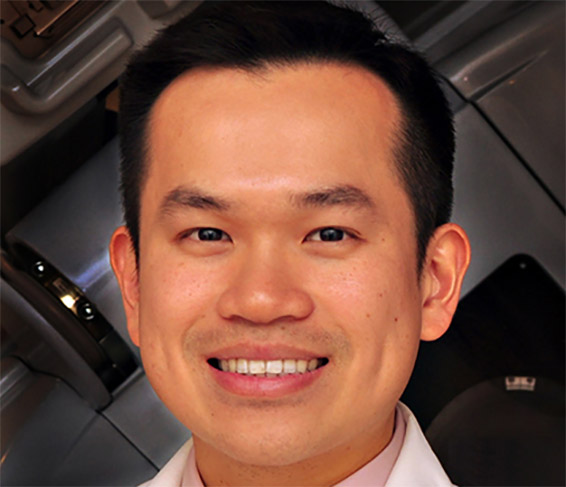 Paul L. Nguyen合作论文数Brigham and Women's Hospital;75 Francis Street;Boston, MA 02115/Dana-Farber Cancer Institute;450 Brookline Avenue;Boston, MA 0221579
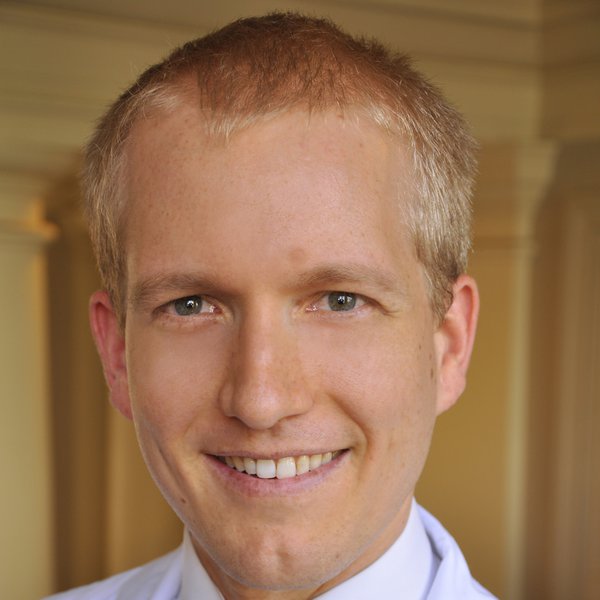 Neil E. Martin合作论文数Harvard Medical School;Department of Radiation Oncology, Brigham and Women's Hospital;Dana-Farber Brigham Cancer Center, Milford Regional Medical Center;Center for Gastrointestinal Oncology, Dana-Farber Cancer Institute46
 Lois B. Travis合作论文数Comprehensive Cancer Center, Indiana University;Department of Medicine, Indiana University;Division of Hematology/Oncology, School of Medicine, Indiana University40
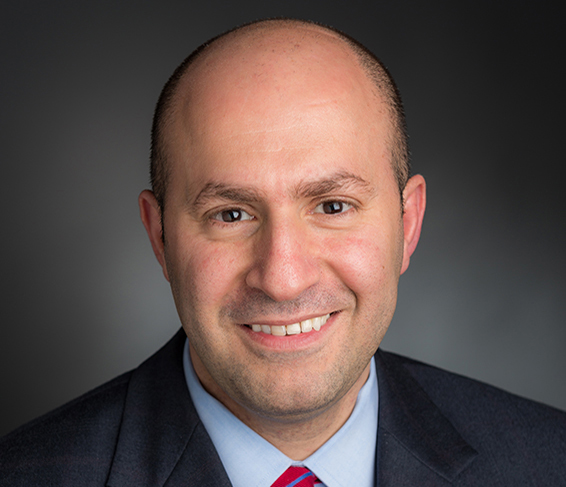 Toni Choueiri合作论文数Lank Center for Genitourinary (GU) Oncology, Dana-Farber Cancer Institute;Harvard Medical School;Brigham and Women's Hospital38
 Anthony V. D'Amico合作论文数Harvard Medical School;Division of Genitourinary Radiation Oncology, Brigham And Women's Hospital;Dana-Farber Cancer Institute38
 Sophie D. Fosså合作论文数Department of Oncology, Division of Cancer Medicine, Oslo University Hospital;National Resource Center for Late Effects after Cancer Treatment, Division of Cancer Medicine, Oslo University Hospital38
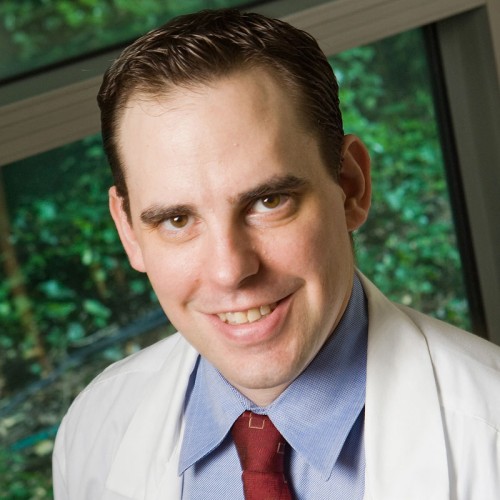 Darren R. Feldman合作论文数Department of Medicine, Memorial Sloan Kettering Cancer Center;Department of Medicine, Weill Cornell Medical College35
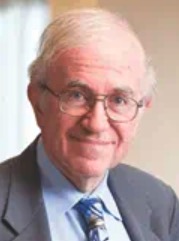 Lawrence Einhorn合作论文数Department of Medicine, Indiana University School of Medicine35
 Fung Chunkit合作论文数34
 David J. Vaughn合作论文数Department of Medicine, University of Pennsylvania33
 Peter F. Orio III合作论文数Department of Radiation Oncology, Dana-Farber Cancer Institute, Brigham and Women’s Hospital32
 Christopher Sweeney合作论文数South Australian Immunogenomics Cancer Institute, Faculty of Health and Medical Sciences, University of Adelaide;University of Sydney;Massachusetts Institute of Technology30A.V. D'Amico合作论文数29
 Quoc-Dien Trinh合作论文数School of the Health Sciences, University of Pittsburgh;Department of Urology, UPMC27
 Ming-Hui Chen合作论文数Department of Statistics, College of Liberal Arts and Sciences, University of Connecticut27
 Karen Elizabeth Hoffman合作论文数Department of Breast Radiation Oncology, Division of Radiation Oncology, MD Anderson Cancer Center, The University of Texas27
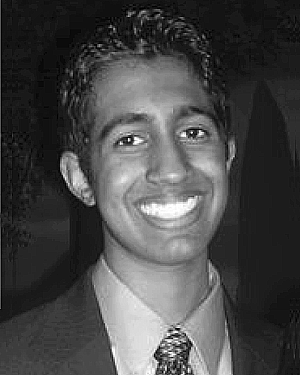 Muralidhar Vinayak合作论文数Harvard Medical School, MIT26Irving Kaplan合作论文数25Ardeshir-Rouhani-Fard Shirin合作论文数24
 Jason Efstathiou合作论文数Mass General Research Institute;Harvard Medical School24
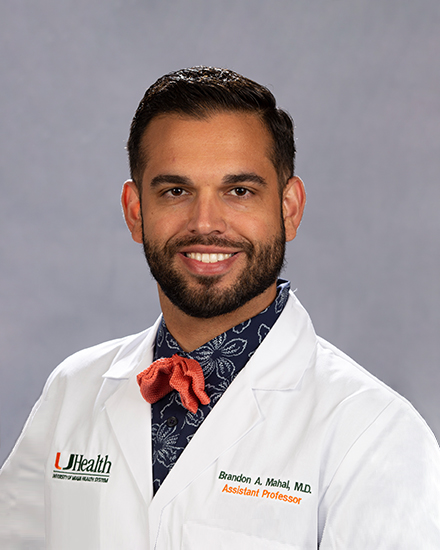 Brandon A. Mahal合作论文数Sylvester Comprehensive Cancer Center, Miller School of Medicine, University of Miami;Sylvester Comprehensive Cancer Center;Department of Radiation Oncology, Miller School of Medicine, University of Miami24
 Marian Loffredo合作论文数23
 Philip Kantoff合作论文数Department of Medicine, Memorial Sloan Kettering Cancer Center22
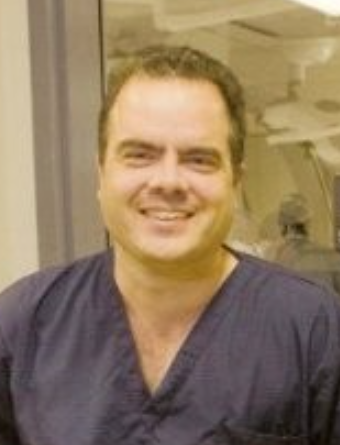 Robert Hamilton合作论文数Department of Laboratory Medicine and Pathobiology, Temerty Faculty of Medicine, University of Toronto;Labatt Family Heart Centre, The Hospital for Sick Children21
 Mark D. Hurwitz合作论文数School of Medicine, New York Medical College, Touro University;Sidney Kimmel Medical College, Thomas Jefferson University;Sidney Kimmel Cancer Center-Jefferson Health21
 Omar El-Charif合作论文数Dept Med, Univ Chicago20
 David R. Ziehr合作论文数Department of Chemistry, University of Wisconsin-Madison18
 Wheeler Heather E合作论文数Department of Medicine, University of Chicago18Michiaki Kubo (久保充明)合作论文数RIKEN17Yuwei Chen合作论文数Department of Radiation Oncology, Massachusetts General Hospital17
 Taisei Mushiroda合作论文数17
 Eric R Gamazon合作论文数Division of Genetic Medicine, Department of Medicine, School Of Medicine, Vanderbilt University Medical Center;University of Cambridge16Nezolosky Michelle D合作论文数16
 Delray Schultz合作论文数16
 Ayal A. Aizer合作论文数Harvard Medical School;Department of Radiation Oncology, Brigham and Women's Hospital16Hyatt Andrew合作论文数15
 Jim C. Hu合作论文数Department of Urology, Weill Cornell Medical College, Cornell University;NewYork-Presbyterian Hospital15
 Christian Kollmannsberger合作论文数BC Cancer Vancouver Center;Vancouver Prostate Centre;Department of Medicine, Faculty of Medicine, University of British Columbia15
 Robert Frisina合作论文数Department of Medical Engineering, College of Engineering, University of South Florida;Department of Medical Engineering, Morsani College of Medicine, University of South Florida;Department of Chemical & Biomedical Engineering, College of Engineering, University of South Florida15M. Eileen Dolan合作论文数15
 Jeri Kim合作论文数Department of Genitourinary Medical Oncology, Division of Cancer Medicine, The University of Texas MD Anderson Cancer Center15Andrew A. Renshaw合作论文数Department of Pathology, Brigham and Women’s Hospital, Boston, Massachusetts, USA14
 Sarah Markt合作论文数Jazz Pharmaceuticals13Christopher J. Sweeney合作论文数Indiana University Cancer Center13R. Cormack合作论文数12
 Mohammad Abu Zaid合作论文数⊥Indiana University Melvin and Bren Simon Cancer Center12W. Warren Suh合作论文数12
 Nancy J. Cox合作论文数Vanderbilt-Ingram Cancer Center, Vanderbilt University Medical Center;Division of Genetic Medicine and Clinical Pharmacology, Department of Medicine, Vanderbilt University Medical Center12Elizabeth K O'Donnell合作论文数11




