Differentiated thyroid carcinoma (DTC) is the most common malignant endocrine tumor, with a generally favorable prognosis. Imaging, including iodine radioactive isotope scintigraphy (IRIS), is crucial for diagnosis and follow-up. While 131I has long been used for both therapeutic and diagnostic purposes, 123I is reserved for diagnostic imaging due to its shorter half-life and γ emissions. This review highlights the utility of 123I scintigraphy, especially in pre-treatment assessment and dosimetry for DTC. It is particularly valuable before radioiodine (RAI) ablation, providing accurate imaging in patients with iodine-refractory (IR) or biochemically incomplete response (BIR) DTC. When compared to post-therapeutic 131I scans, 123I scintigraphy appears to have a lower sensitivity for detecting metastatic lesions, particularly in lymph nodes and lungs. However, its diagnostic performance compared to low-dose diagnostic 131I is more variable, with some studies suggesting superiority due to the absence of stunning. Further research is needed to standardize its use and optimize its role in guiding DTC management.
OBJECTIVES:To evaluate whether age acts as a clinically meaningful risk stratification factor in surgically treated TIR3A/Bethesda III nodules. METHODS:We retrospectively reviewed consecutive adult patients with TIR3A cytology who underwent thyroid surgery between 2015 and 2025 at a single tertiary center. Only cases with definitive histology were included. The primary outcome was malignancy at final histology. Age was analyzed as both a continuous and categorical variable using univariable and multivariable logistic regression models. Nonlinear associations were explored with restricted cubic splines. Discriminative performance was assessed by receiver operating characteristic curve analysis and decision curve analysis. RESULTS:Among 435 surgically treated patients (mean age 54 ± 14 years; 23.7% male), 76 (17.5%) had differentiated thyroid cancer. Increasing age was independently associated with a lower risk of malignancy (adjusted OR per year 0.98; 95% CI 0.96-0.99; P = .015). Age demonstrated modest discriminative performance (AUC 0.608; 95% CI 0.536-0.681). Model-based estimates indicated that age alone was associated with an absolute shift in malignancy probability of approximately 8-10 percentage points between 40 and 60 years. CONCLUSIONS:In TIR3a/Bethesda III nodules, age functions as a clinically meaningful risk modifier rather than a stand-alone diagnostic tool. Although insufficient to guide surgery independently, age may help contextualize malignancy probability and support shared decision-making, particularly when molecular testing is unavailable or inconclusive.
Ultrasound-guided thermal ablation (U-GTA) techniques, including radiofrequency ablation (RFA) and microwave ablation (MWA), have recently been proposed as minimally invasive alternatives to surgery or radioiodine (RAI) therapy for patients with Graves’ disease (GD) who are unresponsive to antithyroid drugs. However, evidence supporting its effectiveness and safety remains limited. A PubMed/MEDLINE, Web of Science, and Scopus research updated until January 31, 2026, was performed. The review question was: What is the euthyroidism rate (outcome) one year after U-GTA (intervention) in Graves’ disease (population)? Two reviewers independently conducted the study screening, data extraction, and risk of bias assessment. A random-effects model was adopted to pool the prevalence with corresponding 95
Introduction:Optimizing the diagnostic approach to thyroid nodules remains a crucial challenge. Ultrasound-based risk stratification systems such as EU-TIRADS have shown reasonable sensitivity and specificity. Therefore, we conducted a systematic review and meta-analysis to assess the diagnostic performance of Artificial Intelligence (AI) models in differentiating benign from malignant thyroid nodules on ultrasound data. Methods:A comprehensive search of PubMed/MEDLINE, Scopus, and Web of Science was performed up to January 1, 2025. Eligible studies included patients with thyroid nodules undergoing ultrasound, where AI-based models were validated against cytological or histological findings. The AI algorithms were developed using different types of ultrasound-derived data, including B-mode images, radiomics features. Pooled sensitivity, specificity, and area under the curve (AUC) were estimated using a hierarchical summary receiver operating characteristic (HSROC) model. Results:Twenty-seven studies comprising 146,332 patients and over 600,000 ultrasound images met inclusion criteria. Overall, pooled sensitivity was 87 % (95 % CI: 84-89 %) and specificity 83 % (95 % CI: 79-86 %). The summary operating point indicated a sensitivity of 88 % and specificity of 83 %, with an AUC of 91.9 % (95 % CI: 90.0-93.2 %). Although subgroup analysis suggested higher accuracy when cytology was used as the reference standard compared to histology, the mixed-effects meta-regression did not confirm a statistically significant association (p = 0.238 for sensitivity; p = 0.188 for specificity). Conclusion:AI-based algorithms show excellent diagnostic performance in distinguishing benign from malignant thyroid nodules, with robust validation across external datasets. These findings support the potential integration of AI into clinical thyroid nodule management, although further multicenter, non-Asian, and histology-based studies are warrantee. Systematic review registration:PROSPERO (CRD420251108149).
Liquid ethanol-containing levothyroxine (e-LT4) is known to circumvent malabsorption induced by food, drugs, or pathological conditions. Recently a new ethanol-free formulation of liquid levothyroxine (ef-LT4) has been commercialized. No studies have compared e-LT4 with ef-LT4. The aim of the present study is to compare thyroid hormone profile in patients treated with e-LT4 and ef-LT4. We retrospectively retrieved thyroid hormonal profile and clinical data of 48 patients diagnosed with hypothyroidism who had been on stable treatment with an e- LT4 formulation at the same dosage for at least one year and who decided to switch to ef-LT4 for tasting issue. A significant increase in TSH levels was observed after 6 months on ef-LT4 treatment (2.5 ± 0.8 mIU/ml vs. 3.1 ± 1.0 mIU/ml, respectively, p < .001), while fT4 decreased [1.2 ng/dl (IQR 1.1–1.4) vs. 1.1 ng/dl (1.0–1.2), respectively, p = .047], maintaining the same dosage of LT4. In 31 patients, for whom data were available 12 months after the switch, TSH further increased (2.50 ± 0.9 mIU/ml at baseline vs 3.2 ± 0.9 mIU/ml after 6 months vs 3.5 ± 0.9 mIU/ml at 12 months, p < .001) and fT4 decreased [1.2 ng/dl (IQR 1.1–1.4) vs. 1.1 ng/dl (IQR 0.9–1.3) vs 1.0 ng/dl (IQR 0.9–1.1), p = .008]. ef-LT4 formulation seems to be less effective compared to e-LT4 over time. However, further prospective cross-sectional studies, performed in large sets of patients, even on concomitant therapy with interfering drugs, are needed.
INTRODUCTION: Rapid discharge protocols have gained progressive popularity even in thyroid surgery due to the superimposable risks of complications compared to inpatient management and for the subsequent increased surgical volume. The aim of this study is to evaluate results, benefits and complications’ rates of a rapid discharge in postoperative day 1 (POD1 - overnight thyroidectomy) among patients submitted to total thyroidectomy at our surgical clinic. MATERIALS AND METHODS: Single centre retrospective analysis of 729 patients submitted to total thyroidectomy between 2016 and 2024; 402 patients who are scheduled for discharge on POD 1 and 327 patients discharged after a minimum of 72 hours observation (POD 3). Data concerning postoperative complications (POC) at 24 hours, 10 and 30 days were collected. Patients’ satisfaction about the rapid discharge protocol was also registered. RESULTS: We registered no significative differences between incidence of complications at 24h, 10-days or 30-days re-evaluations in POD1 and POD3 groups. Graves’ Disease represents the main context in which early postoperative (24h) and overall complications occurred. The 94.6% of POD1 patients reported a global satisfaction in the rapid discharge scenario. CONCLUSIONS: POD1 patients are not exposed to additional postoperative risk with overnight thyroidectomy following total thyroidectomy, given accurate patient selection. Early and overall complications are more frequently observed in patients with Graves' disease. Overnight thyroidectomy, combined with thorough perioperative patient education, received widespread appreciation among our surgical cohort.
Radioactive iodine therapy has been a well-established treatment for various thyroid conditions since the 1940s, targeting both benign diseases and malignancies. Treatment for benign conditions typically involves low doses of 131I, often requiring no more than two treatments, with the dose either fixed or personalized based on thyroid tissue mass and iodine uptake. In contrast, differentiated thyroid cancer treatment often requires higher doses and multiple administrations, especially for metastatic cases. Recent guidelines and studies have proposed more conservative management strategies, including careful follow-up, due to concerns over the high risk–benefit ratio in selected cases with a low risk of disease recrudescence. Despite its possible efficacy, radioiodine therapy is associated with dose-dependent side effects, the most common of which is salivary gland dysfunction or inflammation, affecting approximately 30% of adult patients. These effects pose significant challenges in nuclear medicine practice. This review aims to summarize the latest evidence on the incidence, impact on quality of life, prevention strategies and the role of these side effects in the decision-making process regarding RAI therapy.
OBJECTIVE:To investigate the prognostic value of the B-type Raf kinase (BRAF) V600E mutation in papillary thyroid carcinoma. METHODS:A comprehensive search of PubMed/MEDLINE, Scopus, and Web of Science up to August 31, 2025 identified 46 eligible studies including 20,570 patients, following Preferred Reporting Items for Systematic Reviews and Meta-Analyses guidelines and Quality Assessment of Diagnostic Accuracy Studies version 2 quality assessment. Random-effects models were applied to evaluate associations between BRAF status and major oncological outcomes. RESULTS:BRAF V600E mutation was significantly associated with lymph node metastasis (odds ratios [OR] = 1.38; 95% confidence interval [CI], 1.17-1.61) and showed a borderline association with recurrence risk (OR = 1.56; 95% CI, 1.00-2.41). In contrast, no significant associations were observed for distant metastases (OR = 0.75; 95% CI, 0.48-1.17) or cancer-related mortality (OR = 0.97; 95% CI, 0.64-1.49). Sensitivity analyses confirmed the robustness of all pooled estimates. Meta-regressions revealed an inverse relationship between BRAF mutation prevalence and its prognostic impact, suggesting that the higher the mutation prevalence in a population, the lower its discriminative prognostic power. Funnel plot inspection and Egger's tests indicated no major publication bias. CONCLUSION:Overall, these findings confirm that BRAF V600E mutation is associated with an increased risk of nodal metastasis and recurrence in papillary thyroid carcinoma. However, its lack of impact on distant metastases and disease-specific mortality limits its role as an independent prognostic marker in clinical decision-making.
CONTEXT:Graves disease (GD) can occur as an isolated condition or as part of an autoimmune polyglandular syndrome; there are no data regarding the differences in phenotype between these 2 forms. OBJECTIVE:To assess differences in clinical presentation, complications, and outcomes in patients with isolated GD compared to those in whom GD is part of an autoimmune polyglandular syndrome. METHODS:The GRAPHE study is a retrospective observational study. The medical records of all patients with GD diagnosed and regularly followed at outpatient clinics for Endocrinology, Nuclear Medicine and Clinical Surgery, from January 1, 2010, to June 30, 2024, were retrieved. All the patients were followed by the same endocrinologists and treated in accordance with existing guidelines. RESULTS:The enrolled patients (n = 567; 77% women) were divided into 3 different groups based on GD phenotypes: subjects affected by isolated GD (isolated GD); patients who developed autoimmune polyglandular syndrome (GD1-APS); and patients with autoimmune polyglandular syndrome who developed GD during follow-up (GD2-APS). The 3 groups were superimposable for gender (P = .086), fT4 (P = .899), fT3 (P = .434), TRAb titers (P = .882), and thyroid volume (P = .840) at disease onset. Isolated GD patients exhibited Graves orbitopathy more frequently (P < .001), a higher rate of definitive therapy (P < .001) and shorter time between disease onset and definitive therapy (P < .001) compared to the GD1-APS and GD2-APS patients. CONCLUSION:The results of the present study show that, despite similar clinical and biochemical phenotype at presentation, a more severe clinical course characterizes isolated GD patients compared to those whose disease is a feature of autoimmune polyglandular syndrome.
Evaluate the changes in quality of life (QoL) in patients affected by tertiary hyperparathyroidism (THPT) after surgical treatment using the Parathyroidectomy Assessment of Symptoms (PAS) and Short Form-36 (SF-36) questionnaires. Single centre longitudinal retrospective, single-institution analysis of 34 patients with THPT and submitted to parathyroidectomy between 2015 and 2021. The PAS and SF-36 questionnaires were administered before surgery and 24 months after discharge. A significative QoL amelioration was registered in physical SF-36 (42.4 ± 11.7 vs 56.7 ± 9.2; P < 0.001), mental SF-36 (47.3 ± 12.1 vs 61.8 ± 7.9; P < 0.001) and PAS score (582 ± 163 vs 293 ± 141; P < 0.001) with a significative improvement of all the 13 symptoms considered. We found that pre-operative intact parathormone (iPTH) levels, preoperative T-score and time of haemodialysis before RTX were predictors of both PAS and SF-36 mental score modifications. A positive correlation was also fund between pre-operative PAS values and their post operative cutback. Parathyroidectomy for THPT brings to a concrete amelioration of all the disease-related and nonspecific symptoms with significative improvement of QoL. To develop a tailored approach of every patient’s needs, from diagnosis to future treatment, we suggest to introduce the symptoms assessment scale as standard stage in periodic evaluations.
Background Tertiary hyperparathyroidism (3HPT) is defined as a condition of excessive autonomous excretion of intact parathyroid hormone (iPTH) with persistent hypercalcemia (>10.5 mg/dL) that lasts for more than 12 months after a successful kidney transplantation, in the context of a long course secondary hyperparathyroidism (2HPT). The chronic high levels of iPTH cause a worsening of graft function, accompanied by systemic symptoms of hypercalcemia. The only curative therapy is parathyroidectomy (PTX). It remains unclear whether total parathyroidectomy with autotransplantation (TPTX-AT) or subtotal parathyroidectomy (SPTX) lead to better outcomes. Aims The aim of this retrospective, single-institution cohort study is to evaluate the rate of persistent or recurrent disease and postoperative calcium/iPTH disturbances in patients treated with TPTX-AT or SPTX for 3HPT. Methods A single-center retrospective analysis of 3HPT patients submitted to TPTX-AT or SPTX between 2007–2020 with at least 24 months follow-up was conducted. The outcome parameters included persistence/recurrence of disease, incidence of transitory hypocalcemia, and temporary/permanent hypoparathyroidism. Results A cohort of 52 patients was analyzed and divided in two groups: 38 (73%) were submitted for TPTX-AT, and 14 patients (27%) were submitted for SPTX. The TPTX-AT population showed lower plasmatic calcium concentrations compared with the SPTX group during the entire follow-up period (p<0.001). There were eight cases (21%) of transitory hypocalcemia in the TPTX-AT group and none in the SPTX group, with p=0.065. Two cases (5%) of temporary hypoparathyroidism occurred in the TPTX-AT group and none in the SPTX group, with p= 0.530. There were no cases of permanent hypoparathyroidism and no cases of persistent disease. No statistical difference was assessed for the recurrence of 3HPT between the TPTX-AT group and the SPTX group (N=1, 3% vs N=1, 7%) (p=0.470). Conclusion No significative difference was registered between the TPTX-AT and SPTX groups in terms of persistence/recurrence of disease, incidence of transitory hypocalcemia, and temporary/permanent hypoparathyroidism. Mean calcium levels iPTH values were statistically lower among the TPTX-AT group compared with the SPTX group while remaining always in the range of normality.
The clinical outcome of patients affected by Differentiated Thyroid Carcinoma (DTC) and an indeterminate response (IR) after initial therapy is not yet clear. IR includes three different sub-groups of patients: (1) IRTg+ group: Detectable thyroglobulin (Tg), regardless of antithyroglobulin antibodies (TgAb) presence or imaging studies; (2) IRTgAb+ group: Positive TgAb, regardless of Tg levels and nonspecific imaging findings; (3) IRImaging+ group: Nonspecific findings on neck ultrasonography or faint uptake in the thyroid bed on the whole-body scan, negative TgAb, and undetectable Tg. The main aim of this retrospective study was to investigate the dynamic evolution and prognostic role of these patients. From January 2010 to December 2017, 2176 patients who received radioiodine for DTC after total thyroidectomy were included. Two-hundred-eighty-eight patients had IR one year after therapy (187 TgAb+, 76 Tg+, 25 imaging+). After two years, 110 patients (38%) were reclassified as an excellent response and 5 (2%) as an incomplete response; after five years, 221 (77%) achieved an excellent response and 11 (4%) showed an incomplete response. One-year stimulated Tg and nodal disease at diagnosis may predict the final status of the disease. Progression-free survival was significantly shorter in IRTg+ than in IRTgAb+ and IRimaging+ groups. Considering Tg+ patients, a threshold of 3.3 ng/mL is best to predict prognosis.
Skin and soft-tissue infections (SSTIs) encompass a variety of pathological conditions that involve the skin and underlying subcutaneous tissue, fascia, or muscle, ranging from simple superficial infections to severe necrotizing infections. Together, the World Society of Emergency Surgery, the Global Alliance for Infections in Surgery, the Surgical Infection Society-Europe, The World Surgical Infection Society, and the American Association for the Surgery of Trauma have jointly completed an international multi-society document to promote global standards of care in SSTIs guiding clinicians by describing reasonable approaches to the management of SSTIs. An extensive non-systematic review was conducted using the PubMed and MEDLINE databases, limited to the English language. The resulting evidence was shared by an international task force with different clinical backgrounds.
Purpose Thyroid nodules classified as TIR3B according to SIAPEC 2014 are considered a clinical challenge due to the risk to be malignant. This retrospective study aimed to compare the performances of total thyroidectomy (TT) and hemithyroidectomy (HT) in the surgical management of a consecutive cohort of patients affected by TIR3B thyroid nodule in terms of side effects and the rate of malignancy detected. Methods From 2011 to 2019, 136 (111 women, 25 men; average age of 53.5 years) patients having a thyroid nodule with a cytological diagnosis of TIR3B who underwent TT or HT were retrospectively included. Results Out of 136 patients, 106 (78%) received TT, while the remaining 30 (22%) HT. The final diagnosis was malignant in 65 patients (48%), with follicular variant of papillary carcinoma as the most frequent. The diagnosis of malignancy was significantly more common in the TT group with 56 patients (53%) compared to the HT group with 9 cases (30%) (p = 0.001). Patients who underwent TT were significantly older, had larger nodules and the time between diagnosis and surgery was significantly longer compared to HT (p = 0.001; p0.003; p = 0.002). No main post-surgical complications were registered, except for one case of transient hypocalcemia in a patient who underwent TT. Conclusions Our data showed a malignancy rate of TIR3B lesions higher than expected (48%). Both TT and HT seem to be effective approaches for the treatment of TIR3B nodules with a very low rate of post-surgical comorbidities. In the choice of surgical approach, it is crucial to consider the presence of risk factors (clinical and ultrasound characteristics), nodule size, patients' opinion, and surgeon's skills and experience.
Background Primary hyperparathyroidism is an endocrine pathology that affects calcium metabolism. Patients with primary hyperparathyroidism have high concentrations of serum calcium or high concentrations of parathyroid hormone, or incorrect parathyroid hormone levels for serum calcium values. Primary hyperparathyroidism is due to the presence of an adenoma/single-gland disease in 80–85%. Multiple gland disease or hyperplasia accounts for 10–15% of cases of primary hyperparathyroidism. Atypical parathyroid adenoma and parathyroid carcinoma are both responsible for about 1.2–1.3% and 1% or less of primary hyperparathyroidism, respectively. Methods We performed a retrospective cohort study and enrolled 117 patients with primary hyperparathyroidism undergoing minimally invasive parathyroidectomy. Histological and immunohistochemical examination showed that 107 patients (91.5%) were diagnosed with typical adenoma (group A), while 10 patients (8.5%) were diagnosed with atypical parathyroid adenoma (group B). None of the patients were affected by parathyroid carcinoma. Results Significant statistical differences were found in histological and immunohistochemical parameters as pseudocapsular invasion ( p < 0.001), bands of fibrosis ( p < 0.001), pronounced trabecular growth ( p < 0.001), mitotic rates of > 1/10 high-power fields (HPFs) ( p < 0.001), nuclear pleomorphism ( p = 0.036), thick capsule ( p < 0.001), Ki-67+ > 4% ( p < 0.001), galectin-3 + ( p = 0.002), and protein gene product (PGP) 9.5 + ( p = 0.038). Conclusions Atypical parathyroid adenoma is a tumor that has characteristics both of typical adenoma and parathyroid carcinoma. The diagnosis is reached by excluding with strict methods the presence of malignancy criteria. Atypical parathyroid adenoma compared to typical adenoma showed significant clinical, hematochemical, histological, and immunohistochemical differences. We did not find any disease relapse in the 10 patients with atypical parathyroid adenoma during 60 months of follow-up time.
Some evidence suggests that most benign nodules exhibit no significant size increase during 5 years of follow‐up, although conflicting results have emerged. The aim of the present study is to evaluate the frequency and the magnitude of growth in benign nodules during 120 months of follow‐up.
Intra-abdominal infections (IAIs) are common surgical emergencies and have been reported as major contributors to non-trauma deaths in hospitals worldwide. The cornerstones of effective treatment of IAIs include early recognition, adequate source control, appropriate antimicrobial therapy, and prompt physiologic stabilization using a critical care environment, combined with an optimal surgical approach. Together, the World Society of Emergency Surgery (WSES), the Global Alliance for Infections in Surgery (GAIS), the Surgical Infection Society-Europe (SIS-E), the World Surgical Infection Society (WSIS), and the American Association for the Surgery of Trauma (AAST) have jointly completed an international multi-society document in order to facilitate clinical management of patients with IAIs worldwide building evidence-based clinical pathways for the most common IAIs. An extensive non-systematic review was conducted using the PubMed and MEDLINE databases, limited to the English language. The resulting information was shared by an international task force from 46 countries with different clinical backgrounds. The aim of the document is to promote global standards of care in IAIs providing guidance to clinicians by describing reasonable approaches to the management of IAIs.
BACKGROUND:The existence of a link between Graves' Disease (GD) and Thyroid Cancer (TC) has long been investigated, however a clear pathogenic correlation is yet to be found.OBJECTIVE:We verified the presence of TC in patients submitted to surgery for GD, both with and without thyroid nodules (TN).METHODS:In this study we analyzed retrospectively a cohort of 151 patients treated at our clinic with total thyroidectomy between 2013 and 2018. All the patients were symptomatic at the time of surgery, preoperatively ultrasonographic (US) study was performed to evaluate the presence of nodules and their distribution. All patients reached euthyroid state before surgery.RESULTS:Nodules were detected in 53% of cases, above 60 years of age, at least one nodule was found; however, younger patients were mostly nodules free. Bilateral diffusion of nodules appeared with increasing age. Cancer was found in 19 of 151 subjects (12.5%), all were papillary carcinomas, and among them 93% were microcarcinomas. Among cancer-proven patients, 14 had thyroid nodules while 5 were nodule-free. During the follow up period, no cancer recurrence was recorded. The most common complication after surgery was transient hypocalcemia (36%).CONCLUSIONS:Graves' patients are burdened by major incidence of TC in the context of their TN. Pre-operative assessment in GD patients should consider the risk of cancer, US scan can help in rapid evaluation of nodules and new rising frontiers in molecular biomarkers analysis may help defining pathogenic basis of Graves' neoplastic development.
Background: The recurrent laryngeal nerve (RLN) can be injured during thyroid surgery, which can negatively affect a patient's quality of life. The impact of intraoperative anatomic variations of the RLN on nerve injury remains unclear. Objectives of this study were to (1) better understand the detailed surgical anatomic variability of the RLN with a worldwide perspective; (2) establish potential correlates between intraoperative RLN anatomy and electrophysiologic responses; and (3) use the information to minimize complications and assure accurate and safe intraoperative neuromonitoring (IONM). Methods: A large international registry database study with prospectively collected data was conducted through the International Neural Monitoring Study Group (INMSG) evaluating 1000 RLNs at risk during thyroid surgery using a specially designed online data repository. Monitored thyroid surgeries following standardized IONM guidelines were included. Cases with bulky lymphadenopathy, IONM failure, and failed RLN visualization were excluded. Systematic evaluation of the surgical anatomy of the RLN was performed using the International RLN Anatomic Classification System. In cases of loss of signal (LOS), the mechanism of neural injury was identified, and functional evaluation of the vocal cord was performed. Results: A total of 1000 nerves at risk (NARs) were evaluated from 574 patients undergoing thyroid surgery at 17 centers from 12 countries and 5 continents. A higher than expected percentage of nerves followed an abnormal intraoperative trajectory (23%). LOS was identified in 3.5% of NARs, with 34% of LOS nerves following an abnormal intraoperative trajectory. LOS was more likely in cases of abnormal nerve trajectory, fixed splayed or entrapped nerves (including at the ligament of Berry), extensive neural dissection, cases of cancer invasion, or when lateral lymph node dissection was needed. Traction injury was found to be the most common form of RLN injury and to be less recoverable than previous reports. Conclusions: Multicenter international studies enrolling diverse patient populations can help reshape our understanding of surgical anatomy during thyroid surgery. There can be significant variability in the anatomic and intraoperative characteristics of the RLN, which can impact the risk of neural injury.
Objective The baseline treatment of differentiated thyroid cancer (DTC) consists of thyroidectomy followed by postoperative risk-adapted radioiodine therapy (RAIT) when indicated. The choice of most appropriate RAI activities to administer with the aim to reach an efficient remnant ablation and reduce the risk of recurrence is yet an open issue and the detection of basal factors that may predict treatment response seems fundamental. The aim of this study was to investigate the potential role of Hashimoto thyroiditis (HT) in predicting 1-year and 5-year treatment response after RAIT and prognosis. Methods We retrospectively included 314 consecutive patients (174 low-risk and 140 intermediate-risk) who received thyroidectomy plus RAIT. One-year and 5-year disease status was evaluated according to 2015 ATA categories response based upon biochemical and structural findings. Results HT was reported histopathologically in 120 patients (38%). DTC patients with concomitant HT received a higher number of RAITs and cumulative RAI activities. Initial RAIT reached an excellent response in 63% after one year and 84% after 5 years. The rate of excellent response one year and 5-year after first RAIT was significantly lower in HT groups, compared to not HT (p < 0.001). Instead, HT did not have a prognostic role considering PFS and OS; while stimulate thyroglobulin (sTg) at ablation was significantly related to survival. Conclusions HT may affect the efficacy of RAIT in low to intermediate risk DTC, particularly reducing the successful rate of excellent response after RAIT. Instead, HT did not have a prognostic impact such as stimulated sTg.
 Riccardo Nascimbeni合作论文数Surgery, Unit of General Surgery, Brescia, Italy37
 Carlo Cappelli合作论文数Department of Medical and Surgical Sciences, University of Brescia33
 Bruno Salerni合作论文数Department of Medical and Surgical Sciences, University of Brescia27
 Di Fabio Francesco合作论文数Southampton Gen Hosp, Univ Southampton16Ilenia Pirola合作论文数16B Salerni合作论文数14Francesco Mittempergher合作论文数13Ernesto Di Betta合作论文数12Elena Gandossi合作论文数12Davide Lombardi合作论文数12Giacomo Pata合作论文数11
 Maurizio Castellano合作论文数10Barbara Agosti合作论文数9Umberto De Nobili合作论文数8F. Mittempergher合作论文数8
 Elisa Gatta合作论文数8C Talarico合作论文数8
 Vincenzo Villanacci合作论文数Spedali Civili8Nazario Portolani合作论文数8Francesco Bertagna合作论文数8
 Galani Alessandro合作论文数7Nicola Crea合作论文数6Francesco Dondi合作论文数6Pietro Bellini合作论文数6
 Marco Agostini合作论文数5G. Ruggeri合作论文数5
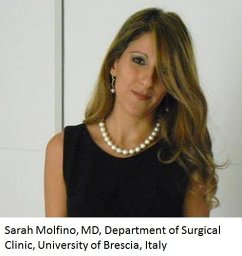 Molfino Sarah合作论文数5
 Donato Nitti合作论文数Department of Surgery, Oncology and Gastroenterology, University of Padua5Alberto Ferlin合作论文数5
 Salvatore Pucciarelli合作论文数Dipartimento di Scienze Chirurgiche Oncologiche e Gastroenterologiche, University of Padova5Emanuele Damiano Luca Urso合作论文数Dipartimento di Scienze Chirurgiche Oncologiche e Gastroenterologiche, University of Padua5L. Lojacono合作论文数4Fiorella Marini合作论文数4
 Enrico Agabiti Rosei合作论文数Department of Clinical and Experimental Sciences, University of Brescia4
 Isacco Maretto合作论文数4
 Silvia Lai合作论文数4
 Rizzoni Damiano合作论文数Università Degli Studi Di Brescia;Medicina Interna Istituto Clinico Città Di Brescia4Raffaele Giubbini合作论文数Department of Nuclear Medicine, University of Brescia4
 Fausto Catena合作论文数3E. Di Betta合作论文数3Renzo Cestari合作论文数3Carla Baronchelli合作论文数3
 Federico Coccolini合作论文数3Michael Sugrue合作论文数3
 Gennaro Perrone合作论文数3
 Domenico Albano合作论文数ASST Spedali Civili Brescia3A Albertini合作论文数3Alessandra Rubagotti合作论文数3Leppaniemi Ari合作论文数3




