Parenteral and oral routes have been the traditional methods of administering cytotoxic agents to cancer patients. Unfortunately, the maximum potential effect of these cytotoxic agents has been limited because of systemic toxicity and poor tumor perfusion. In an attempt to improve the efficacy of cytotoxic agents while mitigating their side effects, we have developed modalities for the localized iontophoretic delivery of cytotoxic agents. These iontophoretic devices were designed to be implanted proximal to the tumor with external control of power and drug flow. Three distinct orthotopic mouse models of cancer and a canine model were evaluated for device efficacy and toxicity. Orthotopic patient-derived pancreatic cancer xenografts treated biweekly with gemcitabine via the device for 7 weeks experienced a mean log(2) fold change in tumor volume of -0.8 compared to a mean log2 fold change in tumor volume of 1.1 for intravenous (IV) gemcitabine, 3.0 for IV saline, and 2.6 for device saline groups. The weekly coadministration of systemic cisplatin therapy and transdermal device cisplatin therapy significantly increased tumor growth inhibition and doubled the survival in two aggressive orthotopic models of breast cancer. The addition of radiotherapy to this treatment further extended survival. Device delivery of gemcitabine in dogs resulted in more than 7-fold difference in local drug concentrations and 25-fold lower systemic drug levels than the IV treatment. Overall, these devices have potential paradigm shifting implications for the treatment of pancreatic, breast, and other solid tumors.
L'invention porte sur un systeme de neuromodulation pour traiter des syndromes d'insuffisance cardiaque aigue, lequel systeme de neuromodulation comprend un premier catheter ayant un element de therapie parasympathique concu pour etre positionne a l'interieur d'un premier vaisseau sanguin, tel qu'une veine cave superieure, et un element de therapie sympathique de second catheter concu pour etre positionne a l'interieur d'un second vaisseau sanguin, different, tel que l'artere pulmonaire. Les catheters comprennent un systeme dans lequel l'un des catheters est dispose de maniere coulissante sur l'autre des catheters. Le systeme peut en outre etre dispose de maniere coulissante sur un troisieme element allonge tel qu'un catheter Swan-Ganz pouvant etre positionne a l'interieur d'une artere pulmonaire, de telle sorte que le catheter Swan-Ganz peut etre utilise pour surveiller des parametres, tels que la pression sanguine et le debit cardiaque durant une therapie de neuromodulation. L'element de therapie parasympathique est excite pour administrer une therapie de neuromodulation a une fibre de nerf parasympathique, tel qu'un nerf vague, tandis que l'element de therapie sympathique est excite pour administrer une therapie de neuromodulation a une fibre de nerf sympathique, telle qu'une fibre de nerf cardiaque sympathique. Pour le traitement de syndromes d'insuffisance cardiaque aigue, la therapie de neuromodulation peut etre utilisee pour abaisser la frequence cardiaque et augmenter l'inotropie cardiaque.
 Richard Stack合作论文数6richard a glenn合作论文数3michael s williams合作论文数3william l athas合作论文数2geoffrey a orth合作论文数1daniel w fifer合作论文数1terrance ransbury合作论文数1lynn s elliott合作论文数1Napier Mary合作论文数1
 James Christopher Luft合作论文数1
 Cathleen Sellner Colon-Emeric合作论文数Division of Geriatrics, Department of Medicine, School of Medicine, Duke University;Center for the Study of Aging and Human Development, Duke University1
 Carey Kernodle Anders合作论文数Department of Medicine, School of Medicine, Duke University1Byrne James D合作论文数1
 Kenneth Ward Lyles合作论文数Department of Medicine, School of Medicine, Duke University;Center for the Study of Aging and Human Development, Duke University1Bickford Lissett R合作论文数1Sanders William E合作论文数1
 Mohammad Raheel Jajja合作论文数HCA HealthONE Presbyterian St. Luke's1Wagner Kyle T合作论文数1Keeler Amanda W合作论文数1O'Neill Adrian T合作论文数1Darr David B合作论文数1
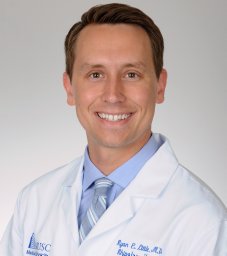 Ryan E Little合作论文数Department of Otolaryngology-Head and Neck Surgery, University of North Carolina1
 Joel Tepper合作论文数Department of Radiation Oncology, School of Medicine, University of North Carolina at Chapel Hill1
 Joseph M. Desimone合作论文数Departments of Radiology and Chemical Engineering, Stanford University;Carbon, Inc.;Blue Current, Inc.;Focal Medical, Inc.1
 Richard Moffitt合作论文数Department of Hematology and Medical Oncology, School of Medicine, Emory University1
 Allison M. Deal合作论文数Lineberger Comprehensive Cancer Center, School of Medicine, University of North Carolina at Chapel Hill1
 Jen Jen Yeh合作论文数Departments of Surgery and Pharmacology, University of North Carolina at Chapel HIll;Division of Surgical Oncology, Department of Surgery, School of Medicine, University of North Carolina at Chapel HIll;Lineberger Comprehensive Cancer Center, School of Medicine, University of North Carolina at Chapel HIll1
 Andrew Wang合作论文数Department of Radiation Oncology, University of Texas Southwestern Medical Center;Medical School, University of Texas Southwestern Medical Center;Archimmune Therapeutics Inc.;Capio Biosciences1
 William Zamboni合作论文数Division of Pharmacotherapy and Experimental Therapeutics, Eshelman School of Pharmacy, The University of North Carolina at Chapel Hil1




