Human epidermal growth factor receptor 2 (HER2) is frequently overexpressed or amplified in biliary tract cancer (BTC). Although NCCN clinical practice guidelines recommend HER2-targeted agents as subsequent-line therapy, drug resistance often restricts the clinical benefits of existing regimens. Here, we demonstrate that HER2 inhibitors have heterogeneous effects on the proliferation of BTC cells. Further bioinformatic analysis and functional experimental validation revealed that HER2 inhibitors significantly activated fibroblast growth factor receptor (FGFR) signalling pathway in HER2high BTC. Notably, the combination of lenvatinib and a HER2 inhibitor exerted potent antiproliferative effects on HER2high BTC models both in vitro and in vivo. In the clinical cohort, the combination therapy achieved an objective response rate (ORR) of 58.1% and a disease control rate (DCR) of 86.0%. The median progression-free survival (mPFS) was 11.27 months, and the median overall survival (mOS) reached 19.50 months. For patients with HER2high expression, the ORR and mOS were 71.4% and 27.67 months, respectively. The overall safety profile was manageable, with no treatment-related deaths observed. These findings demonstrate that the activation of FGFR signalling confers resistance to HER2 inhibitors in HER2high BTC. The combination of a HER2 inhibitor with lenvatinib, particularly when combined with immune checkpoint inhibitors, has exhibited both promising antitumour responses and good tolerability in patients with advanced BTC.
Introduction:Portal vein tumor thrombus (PVTT) in hepatocellular carcinoma (HCC) is associated with poor prognosis and limited efficacy of current first-line therapies. Combining locoregional and systemic therapies may enhance antitumor immunity. However, the safety and efficacy of dual locoregional therapy (LRT) with stereotactic body radiotherapy (SBRT) and transarterial embolization (TAE) along with targeted immunotherapy is unclear. Methods:In this retrospective real-world study, we analyzed 204 patients with Barcelona Clinic Liver Cancer stage C HCC and PVTT treated with SBRT plus lenvatinib and sintilimab, with or without TAE, between June 2018 and December 2022. Propensity score matching (PSM) was performed to balance baseline characteristics. The primary endpoints were progression-free survival (PFS) and overall survival (OS), and the secondary endpoints included local control (LC) and safety. Results:After PSM (64 patients per group), the TAE group showed significantly longer median PFS (11.0 vs. 6.0 months; HR = 0.71, p=0.044) and a trend toward improved LC than the non-TAE group (51.0 vs. 36.0 months; HR = 0.54, p=0.066), but comparable OS (19.0 vs. 18.0 months; p=0.606). Multivariate analysis confirmed TAE as an independent predictor of reduced risk of progression (HR = 0.52, 95% CI: 0.36-0.76). Objective response rates (40.6% vs. 39.1%, p=0.861) and grade ≥3 treatment-related adverse events (50.0% vs. 50.0%, p=0.854) were similar between groups. TAE did not increase hematologic or hepatic toxicity, supporting its tolerability. Discussion:Adding TAE to SBRT, lenvatinib, and sintilimab prolonged the median PFS in patients with advanced HCC and PVTT, showing comparable safety. This real-world study supports dual LRT combined with targeted immunotherapy as a feasible treatment option and merits prospective validation.
INTRODUCTION:Immune checkpoint inhibition (ICI) has proven to be a major breakthrough in hepatobiliary cancers treatment. However, immune-related adverse events (irAEs) remain a major concern. The gut microbiome has been implicated in ICI efficacy; however, specific alterations in the multi-kingdom gut microbiota associated with severe irAEs are not well understood. OBJECTIVES:We aimed to identify the signatures of gut microbiota, fungi, and metabolites in patients with advanced hepatobiliary cancers with severe irAEs compared to those in patients experiencing mild or no irAEs. METHODS:We enrolled 168 patients with advanced hepatobiliary cancers between June 2018 and June 2022 (72 in the train set, 31 in test set 1, and 65 in test set 2). Multi-kingdom microbiota profiles were investigated using metagenomic, ITS2, and metabolomic datasets. RESULTS:The presence of severe irAEs was associated with significantly longer overall survival compared with the irAE-Mild and irAE-No groups. Patients with severe irAEs showed significant differences in the composition of bacteria and metabolites, but relatively few differences in fungi, and had more complex network associations of multi-kingdom gut microbiota compared with the irAE-Mild and irAE-No groups. A predictive model based on four bacteria and six metabolites simultaneously discriminated irAE-Severe from irAE-Mild and irAE-No with high accuracy. CONCLUSION:Patients with severe irAEs exhibited unique changes in microbiota-fungi-metabolite interactions. Gut microbiota- and/or metabolite-based algorithms could be used as additional tools for predicting severe irAEs and as potential prognostic markers in advanced hepatobiliary cancers.
Lenvatinib, programmed cell death 1 (PD-1) antibodies, and gemcitabine and oxaliplatin (GEMOX) chemotherapy have shown significant antitumor activity as first-line therapy against biliary tract cancer. This study evaluated their efficacy and safety as non-first-line therapy in advanced gallbladder cancer (GBC). Patients with advanced GBC who received lenvatinib combined with anti-PD-1 antibodies and GEMOX chemotherapy as a non-first-line therapy were retrospectively analyzed. The primary endpoints were overall survival (OS) and progression-free survival (PFS), and the secondary endpoints were objective response rate (ORR) and safety. A total of 36 patients with advanced GBC were included in this study. The median follow-up time was 11.53 (95
Background: In the era of immunotherapy, the survival benefit for patients with extrahepatic hepatocellular carcinoma (HCC) metastasis remains limited. This study aims to assess the feasibility and oncologic outcomes of hepatectomy in patients with extrahepatic HCC metastasis after achieving partial response (PR) to immune checkpoint inhibitor (ICI)-based combination therapy. Methods: Patients with extrahepatic HCC metastasis receiving first-line ICI-based combination therapy between 2019 and 2023 were included. Through a standardized screening protocol, patients who achieved PR and met prespecified surgical eligibility criteria were selected for comparative analysis of oncologic outcomes. Results: Among 315 patients included in this study, 56 who met the surgical criteria were enrolled, 16 underwent sequential hepatectomy (surgical group), 40 received continuation of systemic therapy alone (non-surgical group), with a median follow-up of 27.4 months. The median interval from immunotherapy initiation to surgery was 6.0 months [interquartile range (IQR): 3.5-8.0 months]. Survival analysis demonstrated a significantly prolonged median overall survival (OS) in the surgical group compared to the non-surgical group [46.7 vs. 23.3 months; hazard ratio (HR) =0.41, 95% confidence interval (CI): 0.19-0.88; P=0.02], whereas no statistically significant difference was observed in median progressionfree survival (PFS) (20.0 vs. 13.1 months; HR =0.59, 95% CI: 0.30-1.14; P=0.13). Multivariate analysis indicated that hepatectomy was independently associated with OS (P=0.02). All procedures were completed laparoscopically, with one Clavien-Dindo grade IIIa complication and no operative mortality observed. Conclusions: Sequential hepatectomy demonstrates favorable safety and potential durable survival benefits in patients with extrahepatic HCC metastasis achieving PR to ICI-based combination therapy, yet its clinical application warrants caution. Prospective studies are required to validate its role within the immunotherapydriven management paradigm.
Background Hepatic malignant tumors present a significant global health challenge, often treated with percutaneous microwave ablation (MWA). Understanding the efficacy of MWA and factors influencing tumor recurrence is crucial for improving patient outcomes. Methods This study analyzed 101 out of 249 patients with hepatic malignant tumors treated at the Shandong Cancer Hospital and Institute. Disease-free and overall survival rates at 1, 2, and 3 years post-MWA were assessed, and correlations between tumor recurrence and variables such as Child-Pugh B liver function classification and lesion count were investigated. Additionally, a meta-analysis was conducted to determine independent risk factors for recurrence post-MWA treatment. Results The study revealed disease-free survival rates of 80.2%, 72.3%, and 70.3% at 1, 2, and 3 years post-MWA, with overall survival rates of 99%, 97%, and 96%. Significantly, notable associations were identified between tumor recurrence and Child-Pugh B classification, as well as the number of lesions. The meta-analysis further confirmed lesion count and Child-Pugh B classification as independent risk factors for recurrence following MWA. Conclusion Factors such as Child-Pugh B classification and lesion count play a critical role in predicting tumor recurrence post-MWA treatment in hepatic malignant tumors. These findings provide valuable insights for clinicians in decision-making and post-treatment monitoring strategies, ultimately contributing to enhanced patient care and outcomes.
Background The association between gut bacteria and the response to immune checkpoint inhibitors (ICI) in hepatocellular carcinoma (HCC) has been studied; however, multi-kingdom gut microbiome alterations and interactions in ICI-treated HCC cohorts are not fully understood.Methods From November 2018 to April 2022, patients receiving ICI treatment for advanced HCC were prospectively enrolled. Herein, we investigated the multi-kingdom microbiota characterization of the gut microbiome, mycobiome, and metabolome using metagenomic, ITS2, and metabolomic data sets of 80 patients with ICI-treated HCC.Results Our findings demonstrated that bacteria and metabolites differed significantly between the durable clinical benefit (DCB) and non-durable clinical benefit (NDB) groups, whereas the differences were smaller for fungi. The overall diversity of bacteria and fungi before treatment was higher in the DCB group than in the NDB group, and the difference in diversity began to change with the use of immunotherapy after 6-8 weeks. We also explored the alterations of gut microbes in the DCB and NDB groups, established 18 bacterial species models as predictive biomarkers for predicting whether immunotherapy is of sustained benefit (area under the curve=75.63%), and screened two species of bacteria (Actinomyces_sp_ICM47, and Senegalimassilia_anaerobia) and one metabolite (galanthaminone) as prognostic biomarkers for predicting survival in patients with HCC treated with ICI.Conclusions In this study, the status and characterization of the multi-kingdom microbiota, including gut bacteria, fungi, and their metabolites, were described by multiomics sequencing for the first time in patients with HCC treated with ICI. Our findings demonstrate the potential of bacterial taxa as predictive biomarkers of ICI clinical efficacy, and bacteria and their metabolites as prognostic biomarkers.
BACKGROUND:Accumulating evidence suggests that the gut microbiota and metabolites can modulate tumor responses to immunotherapy; however, limited data has been reported on biliary tract cancer (BTC). This study used metagenomics and metabolomics to identify characteristics of the gut microbiome and metabolites in immunotherapy-treated BTC and their potential as prognostic and predictive biomarkers.METHODS:This prospective cohort study enrolled 88 patients with BTC who received PD-1/PD-L1 inhibitors from November 2018 to May 2022. The microbiota and metabolites significantly enriched in different immunotherapy response groups were identified through metagenomics and LC-MS/MS. Associations between microbiota and metabolites, microbiota and clinical factors, and metabolites and clinical factors were explored.RESULTS:Significantly different bacteria and their metabolites were both identified in the durable clinical benefit (DCB) and non-durable clinical benefit (NDB) groups. Of these, 20 bacteria and two metabolites were significantly associated with survival. Alistipes were positively correlated with survival, while Bacilli, Lactobacillales, and Pyrrolidine were negatively correlated with survival. Predictive models based on six bacteria, four metabolites, and the combination of three bacteria and two metabolites could all discriminated between patients in the DCB and NDB groups with high accuracy. Beta diversity between two groups was significantly different, and the composition varied with differences in the use of immunotherapy.CONCLUSIONS:Patients with BTC receiving immunotherapy have specific alterations in the interactions between microbiota and metabolites. These findings suggest that gut microbiota and metabolites are potential prognostic and predictive biomarkers for clinical outcomes of anti-PD-1/PD-L1-treated BTC.
The treatment of hepatic malignant tumors poses a significant global health challenge, often managed through percutaneous microwave ablation (MWA). Understanding the effectiveness of MWA and the factors influencing tumor recurrence is essential for improving patient outcomes. Methods: In this study, a cohort of 101 patients out of 249 with hepatic malignant tumors treated at the Shandong Cancer Hospital and Institute were analyzed. The study evaluated disease-free and overall survival rates at 1, 2, and 3 years post-MWA, exploring correlations between tumor recurrence and variables such as Child-Pugh B liver function classification and lesion count. Additionally, a meta-analysis was conducted to identify independent risk factors for recurrence following MWA treatment. Results: Disease-free survival rates of 80.2%, 72.3%, and 70.3% at 1, 2, and 3 years post-MWA were observed, alongside overall survival rates of 99%, 97%, and 96%. Noteworthy associations were found between tumor recurrence and Child-Pugh B classification, as well as the number of lesions. The meta-analysis further supported lesion count and Child-Pugh B classification as independent risk factors for recurrence post-MWA. Conclusion: Child-Pugh B classification and lesion count emerge as pivotal factors in predicting tumor recurrence post-MWA treatment for hepatic malignant tumors. These insights offer valuable guidance to clinicians in treatment decisions and post-treatment monitoring strategies, potentially leading to improved patient care and outcomes.
This study aimed to evaluate the efficacy of percutaneous microwave ablation (MWA) for treating hepatic malignant tumors and to identify factors influencing tumor recurrence post-treatment. A total of 249 patients with hepatic malignant tumors treated at the Shandong Cancer Hospital and Institute were included, and 101 patients were analyzed. Disease-free and overall survival rates were assessed at 1, 2, and 3 years post-MWA. Correlations between tumor recurrence and factors such as Child–Pugh B classification and lesion count were examined, and a meta-analysis was conducted to identify independent risk factors for recurrence. The study found disease-free survival rates of 80.2
Systemic therapies using programmed death-1 (PD-1) and programmed death ligand 1 (PD-L1) inhibitors have demonstrated commendable efficacy in some patients with advanced hepatocellular carcinoma (HCC); however, other individuals do not respond favorably. Hence, identifying the biomarkers, the prognostic factors, and their underlying mechanisms is crucial. In this review, we summarized the latest advancements in this field. Within the tumor microenvironment, PD-L1 expression is commonly utilized to predict response. Moreover, the characteristics of tumor-infiltrating lymphocytes are associated with the effectiveness of immunotherapy. Preclinical studies have identified stimulatory dendritic cells, conventional dendritic cells, and macrophages as potential biomarkers. The emergence of single-cell sequencing and spatial transcriptomics has provided invaluable insights into tumor heterogeneity through the lens of single-cell profiling and spatial distribution. With the widespread adoption of next-generation sequencing, certain genomic characteristics, including tumor mutational burden, copy number alterations, specific genes (TP53, CTNNB1, and GZMB), and signaling pathways (WNT/β-catenin) have been found to correlate with prognosis. Furthermore, clinical features such as tumor size, number, and metastasis status have demonstrated prognostic value. Notably, common indicators such as the Child-Pugh score and Eastern Cooperative Oncology Group score, which are used in patients with liver diseases, have shown potential. Similarly, commonly employed laboratory parameters such as baseline transforming growth factor beta, lactate dehydrogenase, dynamic changes in alpha-fetoprotein (AFP) and abnormal prothrombin, CRAFITY score (composed of C-reactive protein and AFP), and immune adverse events have been identified as predictive biomarkers. Novel imaging techniques such as EOB-MRI and PET/CT employing innovative tracers also have potential. Moreover, liquid biopsy has gained widespread use in biomarker studies owing to its non-invasive, convenient, and highly reproducible nature, as well as its dynamic monitoring capabilities. Research on the gut microbiome, including its composition, dynamic changes, and metabolomic analysis, has gained considerable attention. Efficient biomarker discovery relies on continuous updating of treatment strategies. Next, we summarized recent advancements in clinical research on HCC immunotherapy and provided an overview of ongoing clinical trials for contributing to the understanding and improvement of HCC immunotherapy.
Radiotherapy (RT) may function synergistically with immunotherapy and targeted agents (TA). This study aimed to assess the effectiveness and safety of RT combined with programmed death-1 (PD-1) inhibitors and lenvatinib in patients with relapsed or refractory advanced biliary tract carcinoma (BTC). This retrospective study included patients with relapsed or refractory advanced BTC who received RT combined with PD-1 inhibitors and lenvatinib at the Peking Union Medical College Hospital (PUMCH). Overall survival (OS), progression-free survival (PFS), objective response rate (ORR), disease control rate (DCR), and safety were evaluated. Thirty-one patients who received RT combined with PD-1 inhibitors and lenvatinib as a second- or later-line therapy were analyzed. RT sites were mainly distributed in the liver lesions (64.5%) and lymph nodes (58.1%). The ORR and DCR were 32.3% (10/31; 95% CI: 14.8–49.7) and 87.1% (27/31; 95% CI: 74.6–99.6), respectively. The median PFS (mPFS) and median OS (mOS) were 7.9 (95% CI: 7.1–8.7) and 11.7 (95% CI: 8.3–15.0) months, respectively. Subgroup analyses of this cohort included 12 and 19 patients who received concurrent and salvage (> 6 weeks after commencing PD-1 inhibitor therapy) RT, respectively. The salvage RT group had higher mOS (11.7 vs. 10.5; p = 0.75) and mPFS (7.9 vs. 6.9; p = 0.85) than the concurrent RT group; however, statistical significance was not reached. All patients experienced any-grade adverse events (AEs), and excessive PD-1 inhibitors or RT toxicity were not observed. RT, PD-1 inhibitors, and lenvatinib may be safely combined and have antitumor effectiveness in patients with advanced BTC.
Background: The development of immunotherapy resistance is associated with a poor prognosis in patients diagnosed with hepatocellular carcinoma (HCC) who are undergoing treatment with immune checkpoint inhibitors (ICI). This study aimed to evaluate the efficacy and safety of subsequent radiotherapy (RT) for patients with advanced-stage HCC who had lesion enlargement or new lesions (NLs) during ICI therapy. Methods: This retrospective observational study enrolled 36 patients with advanced-stage HCC who underwent subsequent RT for lesion enlargement or NLs during ICI therapy from two centers. The primary endpoints were progression-free survival (PFS) and overall survival (OS). The secondary endpoints included objective response rate (ORR), disease control rate (DCR), 1- and 2-year local control (LC) rates, in-field PFS (IFPFS), out-field PFS (OFPFS), and safety. Results: The median follow-up time was 15.3 months. The median PFS was 7.4 months [95% confidence interval (CI): 3.1–11.7 months], and the median OS was 18.8 months (95% CI: 17.1–20.5 months). ORR and DCR were 38.9% and 72.2%, respectively. In addition, the median IFPFS was 17.8 months (95% CI: 11.5–24.2 months), median OFPFS was 7.9 months (95% CI: 3.4–12.5 months), and estimated 1- and 2-year LC rates were 67.1% and 31.9%, respectively. The most common treatment-related adverse events (all grades) were diarrhea (33.3%), rash (30.6%), and malaise (27.8%); a total of 14 (38.9%) patients developed grade 3–4 AEs. Conclusions: Subsequent RT showed reliable antitumor effects and an acceptable safety profile in patients with advanced-stage HCC who had unsatisfactory response to ICI therapy; therefore, it could serve as an optional salvage strategy.
Hepatocellular carcinoma (HCC) is often diagnosed at an unresectable stage without opportunities for curative therapy. Future liver remnant (FLR) insufficiency limits the range of patients who can undergo radical resection. Associating liver partition and portal vein ligation for staged hepatectomy (ALPPS) can ultimately achieve short-term hypertrophy of the FLR in patients with viral hepatitis-related fibrosis/cirrhosis and R0 resection. However, the influence of immune checkpoint inhibitors (ICIs) on liver regeneration remains unknown. We report two patients diagnosed with Barcelona Clinic Liver Cancer (BCLC)-B stage hepatitis B virus (HBV)-related HCC who underwent pioneering ALPPS after immunotherapy without posthepatectomy liver failure (PHLF). ALPPS has been shown to be safe and feasible in patients with HCC who underwent immunotherapy previously for the first time and might provide an alternative salvage option for future conversion therapy of HCC.
As is well understood that malignant tumour progression requires additional blood vessels to provide the nutrients necessary for growth. Many patients with advanced hepatocellular carcinoma (aHCC) experience disease progression after treatment with lenvatinib (Lenva) and immune checkpoint inhibitors (ICIs). Therefore, we designed a double-arm retrospective study to evaluate the antitumour activity of additional bevacizumab (Beva, an anti-vascular endothelial growth factor-targeting drug) as a means to reduce the blood vessels needed for tumour growth. Compared with the control group, the group that received Beva had prolonged progression-free survival (PFS) and a trend toward a benefit for overall survival duration. This study aimed to evaluate the anticancer effect of Beva in patients with aHCC who experienced tumour progression after treatment with Lenva+ICIs. From April 2021 to March 2023, we retrospectively included 20 patients as the experimental group and 21 patients as the control group. The patients in the experimental group experienced disease progression after receiving targeted therapy and ICIs, after which we added Beva to the treatment. The patients in the control group only received targeted therapy and ICIs. The efficacy endpoints were overall survival (OS), progression-free survival (PFS), objective response rate (ORR), and disease control rate (DCR), which were evaluated according to RECIST v1.1. Adverse events were assessed using NCI-CTCAE v5.0. Ultimately, 20 patients with aHCC in the experimental group of received Beva after disease progression, compared with 21 patients in the control group. The median OS was 12.6 mo (95% CI: 6.8-18.7) vs. 9.3 mo (95% CI: 4.3-14.4), and the median PFS was 6.9 mo (95% CI: 6.4-7.4) vs. 4.1 mo (95% CI: 2.4-5.8). The ORR for all patients was 5%, and the DCR for all patients was 70.0%. The median follow-up time for all patients was 7.5 mo (95% CI: 5.0-10.0). All patients had adverse events, but no fatal adverse events were observed. In conclusion, Bevacizumab is a drug resistant treatment option for patients with advanced hepatocellular carcinoma after Lenva+PD-1/PD-L1 treatment.
PURPOSE:Immune checkpoint inhibitors (ICIs) combined with antiangiogenic therapy have limited efficacy in treating advanced hepatocellular carcinoma (HCC). The synergistic effect of systemic therapy and radiation therapy (RT) might resolve this problem. We aimed to investigate the effect of RT on the treatment outcomes of ICIs and antiangiogenic combination therapy in patients with advanced-stage HCC. METHODS AND MATERIALS:This retrospective observational study analyzed the medical records of 194 patients with Barcelona Clinic Liver Cancer stage C HCC who were admitted to our center from August 2018 to June 2022 and received ICIs combined with antiangiogenic therapy as the first-line treatment. Patients who were administered RT for tumor thrombus or symptomatic metastases within 8 weeks of the commencement of combination therapy were allocated to the RT group, whereas those who did not receive RT were assigned to the non-radiation therapy (NRT) group. Propensity score matching was used to mitigate selection bias. The primary endpoints were progression-free survival (PFS) and overall survival (OS). The secondary endpoints included objective response rate, disease control rate (DCR), local PFS, out-of-field PFS, and treatment-related adverse events. RESULTS:A total of 76 patients diagnosed with advanced-stage HCC and treated with ICIs and antiangiogenic therapy were included in the study, with 33 patients in the RT group and 43 patients in the non-RT group. After propensity score matching, 29 matched patient pairs were generated. The median follow-up was 15.5 months, and the RT sites were mainly located on the tumor thrombus (55.2%) and extrahepatic metastatic lesions (48.3%). The median PFS was 8.3 months (95% CI, 5.4-11.3) in the RT group and 4.2 months (95% CI, 3.4-5.0) in the NRT group (P < .001). The median OS was not reached in the RT group and was 9.7 months (95% CI, 4.1-15.3) in the NRT group (P = .002). The objective response rate was 75.9% (95% CI, 56.5-89.7) in the RT group and 24.1% (95% CI, 10.3-43.5) in the NRT group (P < .001). The DCR was 100% in the RT group and 75.9% (95% CI, 56.5-89.7) in the NRT group (P = .005). The median local PFS and out-of-field PFS were 13.2 months (95% CI, 6.3-20.1) and 10.8 months (95% CI, 7.0-14.7), respectively. RT was an independent prognostic factor for PFS (hazard ratio = 0.33; 95% CI, 0.17-0.64; P < .001) and OS (hazard ratio = 0.28; 95% CI, 0.11-0.68; P = .005), respectively. The rates of any grade treatment-related adverse events were similar between the 2 groups. CONCLUSIONS:In comparison to the combination of ICIs and antiangiogenic therapy, the inclusion of RT has been observed to improve the DCR and survival outcomes in patients with advanced-stage HCC. The safety profile of this triple therapy was satisfactory.
In clinical practice, some patients with advanced intrahepatic cholangiocarcinoma (ICC) cannot tolerate or refuse chemotherapy due to the toxicity, necessitating alternative treatments. PD-1 blockade combined with lenvatinib showed promising results in phase II studies with small sample size, but there is a lack of data on the routine use with this regimen. This study aimed to evaluate the effectiveness and safety of the regimen in patients with advanced ICC, and to identify predictors for treatment response and prognosis. We conducted a retrospective cohort study of patients treated with PD-1 inhibitors plus lenvatinib for advanced ICC between July 2017 and August 2022. The study endpoints were progression-free survival (PFS), overall survival (OS), objective response rate (ORR), disease control rate (DCR), and safety. Biomarker analysis for CA19-9 and PD-L1 expression was performed. Exploratory analysis for genetic alternation was conducted. The study included 103 patients. It demonstrated a median PFS of 5.9 months and a median OS of 11.4 months. ORR was 18.4
To the editor, We followed with interest the report by Laurens et al. on increased mortality that was not associated with fatty liver disease (FLD) in the elderly.1 Their impressive results suggested that screening for hepatic steatosis in the elderly was unlikely to improve outcome, which was different from the recommendations of several current guidelines. However, the findings should be interpreted with caution given the following aspects. First, in this study, 8.0 kPa was used as the threshold for categorizing liver stiffness (LS). Previous studies have shown that patients with cirrhosis typically have an LS of >12–15 kPa.2 Choosing different thresholds may lead to entirely different conclusions. How to determine a reasonable cut‐off value needs further explanation. In addition, the prevalence of advanced fibrosis in patients with NAFLD >60 years old is higher than in younger patients, which is related to slow development of the natural history of NAFLD.3 However, all‐cause and liver‐related mortality of patients with stage 4 fibrosis are higher than those without fibrosis.4 Monitoring and intervention of liver fibrosis (LF) in elderly patients with FLD may improve the survival of this population. To our knowledge, NAFLD has a solid genetic background. Some studies have shown that Asians have a higher mortality rate than Europeans with the same level of obesity.5 The study suggests that populations of different races may have different degrees of susceptibility to NAFLD, leading to heterogeneity in clinical outcomes. Considering that the characteristics of NAFLD may differ substantially between ethnic groups, we believe that it is necessary to validate the findings of this study in a prospective cohort that includes different ethnicities. Third, this cohort study is susceptible to detection and selection bias because patients with FLD may be subject to more medical monitoring and lifestyle supervision (e.g., exercise and coffee consumption) after the initial diagnosis. The improvement of baseline characteristics and adjustment during model fitting will improve the evidence level of research results. In conclusion, this study provides a new reference for developing FLD and LF screening programs in the elderly.
 Haitao Zhao (赵海涛)合作论文数Peking Union Medical College Hospital20
 Xiaobo Yang合作论文数14Yunchao Wang合作论文数12Jinlong Song合作论文数12Ziyu Xun合作论文数11ZHU Cheng-pei (朱铖培)合作论文数11Jinpeng Li (李金鹏)合作论文数11Longhao Zhang合作论文数10Yang Xu (许杨)合作论文数10
 Xinting Sang (桑新亭)合作论文数Peking Union Medical College Hospital10Nan Zhang合作论文数9Jiashuo Chao合作论文数9Jingnan Xue合作论文数9
 Shanshan Wang合作论文数9Xinmu Zhang合作论文数8Yanyu Wang合作论文数8Hua Chen (陈华)合作论文数7Wenbo Shao (邵文博)合作论文数7Hanping Wang合作论文数6Junyu Long合作论文数Chinese Acad Med Sci, Peking Union Med Coll Hosp, Dept Liver Surg, 1 Shuaifuyuan, Beijing 100730, Peoples R China6Junwei Zhang合作论文数4Wenzhe Bu (卜文哲)合作论文数4Congcong Shi (石丛丛)合作论文数4Mingjian Piao合作论文数3Jutian Shi合作论文数3Huishan Sun合作论文数3Jin Bian合作论文数Chinese Acad Med Sci, Peking Union Med Coll Hosp, Dept Liver Surg, Beijing, Peoples R China3Dongya Zhang合作论文数BGI-Shenzhen(BGI-Shenzhen),Qingshuihe, Shenzhen,China3Wang Lijun合作论文数3
 Yiran li合作论文数3Huiyong Wu (吴会勇)合作论文数3
 Shuanghu Yuan (袁双虎)合作论文数School of Medicine University of Science and Technology of China Life Sciences and Medicine;The First Affiliated Hospital of University of Science and Technology of China;Anhui Provincial Cancer Hospital3Chenchen Zhang合作论文数2Zhou Lan合作论文数2Yajun Liang合作论文数2Bangyou Zuo合作论文数2Lisheng Liu合作论文数2Xianzhi Jiang合作论文数2Fengjuan Zhang合作论文数2Lijin Zhao合作论文数2YinFa Xie (谢印法)合作论文数2DeWen Xue (薛德文)合作论文数2Cui Kai合作论文数2
 Xin Lu (卢欣)合作论文数Ludwig Institute for Cancer Research, Nuffield Department of Medicine, University of Oxford;NIHR Oxford Biomedical Research Centre, University of Oxford2
 Yilei Mao (毛一雷)合作论文数Department of Liver Surgery, Peking Union Medical College Hospital, Chinese Academy of Medical Sciences2
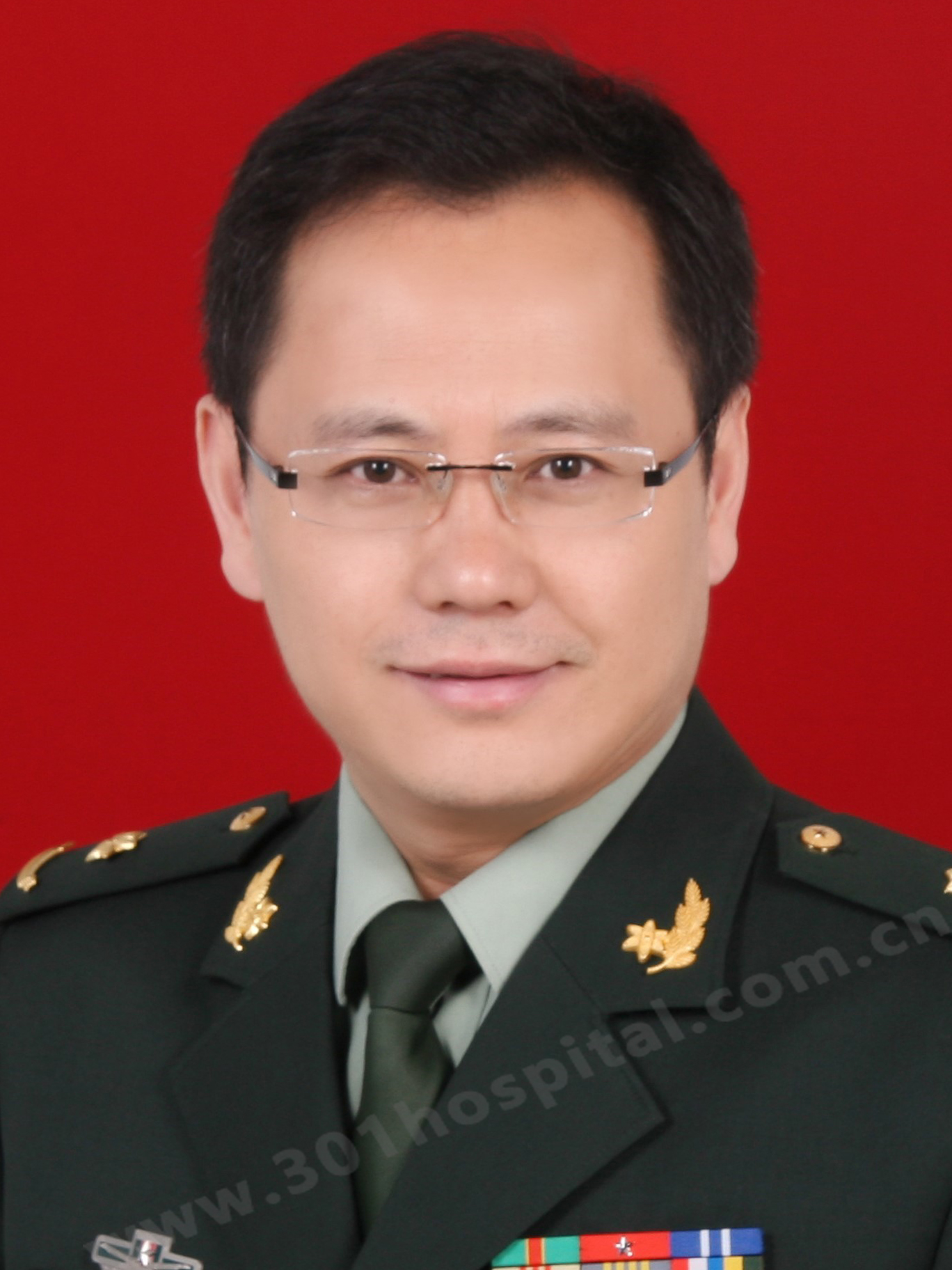 Xuezhang Duan (段学章)合作论文数Chinese PLA General Hospital2Jing Sun (孙静)合作论文数北京大学生命科学学院2Wu-Yuan Zhou合作论文数2




