A mouse vaccination model and molecular dynamics studies reveal characteristic conformations of active QS-21 variants.
Louis V. Gerstner, Jr. Graduate School of Bio York, NY 10065, USA Chemical Biology Program, Memorial Slo Avenue, New York, NY 10065, USA Chemical & Physical Biology, Center for Madrid, Spain Melanoma & Immunotherapeutics Service, Kettering Cancer Center, 1275 York Avenue, Department of Chemistry, University of La Structural Biology, Center for Cooperative Bizkaia, Spain Ikerbasque, Basque Foundation for Science Tri-Institutional Research Program, Memor York Avenue, New York, NY 10065, USA. E-m † Electronic supplementary informa 10.1039/c5sc02978c ‡ Deceased March 22, 2011. Cite this: Chem. Sci., 2016, 7, 2371
Adjuvants are materials added to vaccines to enhance the immunological response to an antigen. QS-21 is a natural product adjuvant under investigation in numerous vaccine clinical trials, but its use is constrained by scarcity, toxicity, instability and an enigmatic molecular mechanism of action. Herein we describe the development of a minimal QS-21 analogue that decouples adjuvant activity from toxicity and provides a powerful platform for mechanistic investigations. We found that the entire branched trisaccharide domain of QS-21 is dispensable for adjuvant activity and that the C4-aldehyde substituent, previously proposed to bind covalently to an unknown cellular target, is also not required. Biodistribution studies revealed that active adjuvants were retained preferentially at the injection site and the nearest draining lymph nodes compared with the attenuated variants. Overall, these studies have yielded critical insights into saponin structure-function relationships, provided practical synthetic access to non-toxic adjuvants, and established a platform for detailed mechanistic studies.
Immunoadjuvants are used to potentiate the activity of modern subunit vaccines that are based on molecular antigens. An emerging approach involves the combination of multiple adjuvants in a single formulation to achieve optimal vaccine efficacy. Herein, to investigate such potential synergies, we synthesized novel adjuvant conjugates based on the saponin natural product QS-21 and the aldehyde tucaresol via chemoselective acylation of an amine at the terminus of the acyl chain domain in QS saponin variants. In a preclinical mouse vaccination model, these QS saponin–tucaresol conjugates induced antibody responses similar to or slightly higher than those generated with related QS saponin variants lacking the tucaresol motif. The conjugates retained potent adjuvant activity, low toxicity, and improved activity–toxicity profiles relative to QS-21 itself and induced IgG subclass profiles similar to those of QS-21, indicative of both Th1 cellular and Th2 humoral immune responses. This study opens the door to installation of other substituents at the terminus of the acyl chain domain to develop additional QS saponin conjugates with desirable immunologic properties.
Polysialic acid (polySA) is a polymer side chain bound to the neural cell adhesion molecule that is extensively expressed on the surface of small cell lung cancer (SCLC) cells. In our previous study, a robust antibody response was noted in patients with SCLC after vaccination with 30 μg of keyhole limpet hemocyanin (KLH)-conjugated N-propionylated (NP-) polySA, but peripheral neuropathy and ataxia were detected in several vaccinated patients. The objectives of the current trial were to establish the lowest optimal dose and to confirm the safety of the induction of antibodies against polySA with the NP-polySA vaccine.
The saponin fraction QS-21 from Quillaja saponaria has been demonstrated to be a potent immunological adjuvant when mixed with keyhole limpet hemocyanin conjugate vaccines, as well as with other classes of subunit antigen vaccines. QS-21 adjuvant is composed of two isomers that include the apiose and xylose forms in a ratio of 65:35, respectively. The chemical syntheses of these two isomers in pure form have recently been disclosed. Herein we describe detailed in vivo immunological evaluations of these synthetic QS-21 isomeric constituents, employing the GD3-KLH melanoma antigen. With this vaccine construct, high antibody titers against GD3 ganglioside and KLH were elicited when GD3-KLH was co-administered with adjuvant, either as the individual separate synthetic QS-21 isomers (SQS-21-Api or SQS-21-Xyl), or as its reconstituted 65:35 isomeric mixture (SQS-21). These antibody titer levels were comparable to that elicited by vaccinations employing naturally derived QS-21 (PQS-21). Moreover, toxicities of the synthetic saponin adjuvants were also found to be comparable to that of naturally derived PQS-21. These findings demonstrate unequivocally that the adjuvant activity of QS-21 resides in these two principal isomeric forms, and not in trace contaminants within the natural extracts. This lays the foundation for future exploration of structure-function correlations to enable the discovery of novel saponins with increased potency, enhanced stability, and attenuated toxicity.
The 95 % ethanol extract of Astragalus has been demonstrated to have potent activity as an immunological adjuvant when administered with vaccines of various types. We endeavor here to identify the components of this extract that are responsible for this adjuvant activity. Mice were immunized with KLH conjugated to cancer carbohydrate antigens globo H and GD3 and cancer peptide antigen MUC1 combined with different Astragalus fractions or with commercially available Astragalus saponins and flavonoids. The antibody responses against cancer antigens and KLH were quantitated in ELISA assays, and toxicity was calculated by weight loss. Astragalosides II and IV were the most active components, but the toxicity of these two differed dramatically. Astragaloside II was the most toxic Astragalus component with 5-10 % weight loss at a dose of 500 µg while astragaloside IV showed no weight loss at all at this dose, suggesting that astragaloside IV might be utilized as an immunological adjuvant in future studies. Several flavonoids also had significant adjuvant activity. However, when the activities of these known immunologically active components of Astragalus (and of endotoxin) are calculated based on the extent of their presence in the 95 % ethanol extract, they provide only a small proportion of the immunological activity. This raises the possibility that additional uniquely active components of Astragalus may contribute to adjuvant activity, or that the adjuvant activity of Astragalus is greater than the activity of the sum of its parts.
Carbohydrate and peptide-based antitumor vaccine constructs featuring clusters of both tumor associated carbohydrate antigens and mucin-like peptide epitopes have been designed, synthesized, and studied. The mucin-based epitopes are included to act, potentially, as T-cell epitopes in order to provoke a strong immune response. Hopefully the vaccine will simulate cell surface architecture, thereby provoking levels of immunity against cancer cell types displaying such characteristics. With this central idea in mind, we designed a new vaccine type against ovarian cancer. Following advances in glycohistology, our design is based on clusters of Gb(3) antigen and also incorporates a MUC5AC peptide epitope. The vaccine is among the most complex targeted constructs to be assembled by chemical synthesis to date. The strategy for the synthesis employed a Gb(3)-MUC5AC thioester cassette as a key building block. Syntheses of both nonconjugate and KLH-conjugated vaccines constructs have been accomplished.
Sodium-selective amiloride-sensitive epithelial channel (ENaC) located in the apical membrane is involved in the reabsorption of sodium in tight epithelia. The soluble N-ethylmaleimide-sensitive attachment receptors (SNAREs) mediate vesicle trafficking in a variety of cell systems. Syntaxin (a t-SNARE) has been shown to interact with and functionally regulate a number of ion channels including ENaC. In this study, we investigated the role of SNAP-23, another SNARE protein, on ENaC activity in the HT-29 colonic epithelial cell system and Xenopus oocytes. Recording of amiloride-sensitive currents in both systems suggest that SNAP-23 modulates channel function, though a much higher concentration is required to inhibit ENaC in Xenopus oocytes. The introduction of Botulinum toxin A (a neurotoxin which cleaves SNAP-23), but not Botulinum toxin B or heat-inactivated Botulinum toxin A, reversed the inhibitory effect of SNAP-23 on amiloride-sensitive currents. However, syntaxin 1A and SNAP-23 combined portray a complex scenario that suggests that this channel interacts within a quaternary complex. Synaptotagmin expression neither interacts with, nor showed any effect on amiloride-sensitive currents when co-expressed with ENaC. Pull down assays suggest mild interaction between ENaC and SNAP-23, which gets stronger in the presence of syntaxin 1A. Data further suggest that SNAP-23 possibly interacts with the N-terminal αENaC. These functional and biochemical approaches provide evidence for a complex relationship between ENaC and the exocytotic machinery. Our data suggest that SNARE protein interplay defines the fine regulation of sodium channel function.
The amiloride-sensitive epithelial sodium channel (ENaC), a plasma membrane protein mediates sodium reabsorption in epithelial tissues, including the distal nephron and colon. Syntaxin1A, a trafficking protein of the t-SNARE family has been reported to inhibit ENaC in the Xenopus oocyte expression and artificial lipid bilayer systems. The present report describes the regulation of the epithelial sodium channel by syntaxin1A in a human cell line that is physiologically relevant as it expresses both components and also responds to aldosterone stimulation. In order to evaluate the physiological significance of syntaxin1A interaction with natively expressed ENaC, we over-expressed HT-29 with syntaxin1A constructs comprising various motifs. Unexpectedly, we observed the augmentation of amiloride-sensitive currents with wild-type syntaxin1A full-length construct (1-288) in this cell line. Both γENaC and neutralizing syntaxin1A antibodies blocked native expression as amiloride-sensitive sodium currents were inhibited while munc18-1 antibody reversed this effect. The coiled-coiled domain H3 (194-266) of syntaxin1A inhibited, however the inclusion of the transmembrane domain to this motif (194-288) augmented amiloride sensitive currents. More so, data suggest that ENaC interacts with multiple syntaxin1A domains, which differentially regulate channel function. This functional modulation is the consequence of the physical enhancement of ENaC at the cell surface in cells over-expressed with syntaxin(s). Our data further suggest that syntaxin1A up-regulates ENaC function by multiple mechanisms that include PKA, PLC, PI3 and MAP Kinase (p42/44) signaling systems. We propose that syntaxin1A possesses distinct inhibitory and stimulatory domains that interact with ENaC subunits, which critically determines the overall ENaC functionality/regulation under distinct physiological conditions.
Cystic fibrosis (CF), an autosomal recessive disorder, is caused by the disruption of biosynthesis or the function of a membrane cAMP-activated chloride channel, CFTR. CFTR regulatory mechanisms include recruitment of channel proteins to the cell surface from intracellular pools and by protein–protein interactions. Rab proteins are small GTPases involved in regulated trafficking controlling vesicle docking and fusion. Rab4 controls recycling events from endosome to the plasma membrane, fusion, and degradation. The colorectal cell line HT-29 natively expresses CFTR and responds to cAMP stimulation with an increase in CFTR-mediated currents. Rab4 over-expression in HT-29 cells inhibits both basal and cAMP-stimulated CFTR-mediated currents. GTPase-deficient Rab4Q67L and GDP locked Rab4S22N both inhibit channel activity, which appears characteristically different. Active status of Rab4 was confirmed by GTP overlay assay, while its expression was verified by Western blotting. The pull-down and immunoprecipitation experiments suggest that Rab4 physically interacts with CFTR through protein–protein interaction. Biotinylation with cell impermeant NHS-Sulfo-SS-Biotin implies that Rab4 impairs CFTR expression at cell surface. The enhanced cytosolic CFTR indicates that Rab4 expression restrains CFTR appearance at the cell membrane. The study suggests that Rab4 regulates the channel through multiple mechanisms that include protein-protein interaction, GTP/GDP exchange, and channel protein trafficking. We propose that Rab4 is a dynamic molecule with a significant role in CFTR function.
The sodium-selective amiloride-sensitive epithelial sodium channel (ENaC) mediates electrogenic sodium re-absorption in tight epithelia. ENaC expression at the plasma membrane requires regulated transport, processing, and macromolecular assembly of subunit proteins in a defined and highly compartmentalized manner. Ras-related Rab GTPases monitor these processes in a highly regulated sequence of events. In order to evaluate the role of Rab proteins in ENaC function, Rab4 wild-type (WT), the GTPase-deficient mutant Rab4Q67L, and the dominant negative GDP-locked mutant Rab4S22N were over-expressed in the colon cancer cell line, HT-29 and amiloride-sensitive currents were recorded. Rab4 over-expression inhibited amiloride-sensitive currents. The effect was reversed by introducing Rab4-neutralizing antibody and Rab4 specific SiRNA. The GDP-locked Rab4 mutant inhibited, while GTPase-deficient mutant moderately stimulated amiloride-sensitive currents. Active status of Rab4 was confirmed by GTP overlay assay, while its expression was verified by Western blotting. Immunoprecipitation and pull-down assay suggest protein–protein interaction between Rab4 and ENaC. In addition, the functional modulation coincides with concomitant changes in ENaC expression at the cell surface and in intracellular pool. We propose that Rab4 is a critical element that regulates ENaC function by mechanisms that include GTP-GDP status, recycling, and expression level. Our observations imply that channel expression in apical membranes of epithelial cell system incorporates RabGTPase as an essential determinant of channel function and adds an exciting paradigm to ENaC therapeutics.
 Govind Ragupathi合作论文数Melanoma & Immunotherapeutics Service, Department of Medicine, Memorial Sloan Kettering Cancer Center10
 Philip O. Livingston合作论文数Adjuvance Technologies, Inc.;MabVax Therapeutics Inc8Sunil K. Saxena合作论文数Dept Chem, Univ Pittsburgh6David Y. Gin合作论文数5
 Alberto Fernández-Tejada合作论文数Basque Fdn Sci, Ikerbasque4Simarna Kaur合作论文数4
 Derek Tan合作论文数Sloan Kettering Institute, Memorial Sloan Kettering Cancer Center;Weill Graduate School of Medical Sciences, Cornell University;The Rockefeller University4
 Eric Chea合作论文数Department of Chemistry, California State Polytechnic University3Madhurima Singh合作论文数2
 Jason S. Lewis合作论文数Department of Radiology, Memorial Sloan Kettering Cancer Center;Graduate School of Medical Sciences, Weill Cornell Medicine2
 Nagavara Kishore Pillarsetty合作论文数Department of Radiology, Memorial Sloan Kettering Cancer Center;Weill Cornell Medicine2Walkowicz William E合作论文数2Feng Hong合作论文数2Jeffrey F. Gardner合作论文数2Lee M. Krug合作论文数2Blake Mcconnell合作论文数2
 Francisco Corzana合作论文数U.A.-C.S.I.C., Universidad de La Rioja2
 Jesús Jiménez Barbero合作论文数CIC bioGUNE2Vadim Pinskiy合作论文数Center for Cell and Molecular Biology, Stevens Institute of Technology2Chandra Hood合作论文数1David Hansen合作论文数1
 Lukas Delasos合作论文数1K Simon Yeung合作论文数1
 Barrie R Cassileth合作论文数1
 Clara B.S. Lau (劉碧珊)合作论文数Department of Pharmacology and Pharmacy, LKS Faculty of Medicine, The Chinese University of Hong Kong1
 M. Catherine (Cathy) Pietanza合作论文数Merck1Kuntal K. Sevak合作论文数1
 Mark G. Kris合作论文数David H. Koch Center for Cancer Care, Memorial Sloan Kettering Cancer Center1Sawada Ritsuko合作论文数1Ramos Nicholas合作论文数1
 Anna M. Varghese合作论文数Memorial Sloan Kettering Cancer Center1
 Qian Wan (万谦)合作论文数School of Pharmacy, Tongji Medical College, Huazhong University of Science and Technology1
 Edward J. Kennelly合作论文数Lehman College, City University of New York1
 Samuel J. Danishefsky合作论文数Department of Chemistry, Columbia University;Memorial Sloan Kettering Cancer Center1
 Kai Deng合作论文数1
 Payal Damani合作论文数Laboratory of Tumor Vaccinology, Melanoma and Sarcoma Service, Memorial Sloan-Kettering Cancer Center1
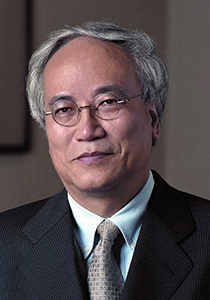 Ping Chung Leung合作论文数Centre for Clinical Trials on Chinese Medicine, Institute of Chinese Medicine, The Chinese University of Hong Kong;The Partner State Key Laboratory of Phytochemistry and Plant Resources in West China, Institute of Chinese Medicine, The Chinese University of Hong Kong1Jianglong Zhu合作论文数Laboratory for Bioorganic Chemistry, Sloan-Kettering Institute for Cancer Research1
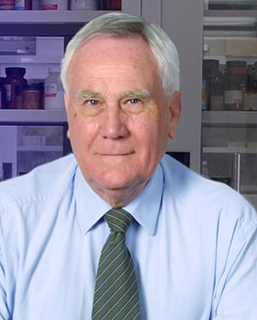 Harry Jennings合作论文数National Research Council Canada1Jianfeng Hang合作论文数Department of Chemistry, Brandeis University1Wolfgang W. Scholz合作论文数1Michelle M. Adams合作论文数1
 Ronglai Shen合作论文数Department of Epidemiology and Biostatistics, Sloan-Kettering Cancer Center1
 Weilie Xiao (肖伟烈)合作论文数Key Laboratory of Medicinal Chemistry for Natural Resource, Ministry of Education, Yunnan University;School of Chemical Science and Technology, Yunnan University1




