Cerebral autoregulation is routinely assessed through variations in intracranial pressure (ICP) and systemic hemodynamic parameters; however, its metabolic dimension remains underexplored in clinical settings. This study introduces the carbon dioxide reactivity index (CO2Rx), a novel metric derived from continuous ICP and end-tidal CO2 (ETCO2) monitoring aimed at capturing real-time cerebrovascular metabolic reactivity in patients with severe traumatic brain injury (TBI). We performed a retrospective observational analysis of patients with moderate and severe TBI admitted to a single adult and pediatric trauma center. CO2Rx was calculated as a moving Pearson correlation between ICP and ETCO2 across 60-min windows using low-frequency time-series data. Heatmaps and contour plots visualized median CO2Rx values across ICP and ETCO2 ranges. Analyses were stratified by age, decompressive craniectomy status, and 12-month outcomes. A graphical framework linked CO2Rx/ICP/ETCO2 combinations to outcome probabilities. A total of 218 patients (178 adults, 40 pediatric patients) were included. Higher CO2Rx values, indicative of preserved metabolic reactivity, were observed when ICP was ≤ 20 mm Hg, and ETCO2 ranged between 30 and 40 mm Hg (median: 0.27; interquartile range [IQR]: 0.20–0.37). In contrast, elevated ICP (> 20 mm Hg) and reduced ETCO2 (20–30 mm Hg) were associated with lower CO2Rx values (median: 0.09; IQR: − 0.02 to 0.15), suggesting impaired reactivity. A positive correlation emerged between CO2Rx and cerebral perfusion pressure, peaking at 60–75 mm Hg (r = 0.31; p < 0.001). Patients with favorable outcomes displayed higher CO2Rx values, especially within optimal ICP and ETCO2 ranges, whereas lower values were associated with poorer outcomes. CO2Rx is a promising marker of cerebrovascular metabolic reactivity in TBI, offering novel insights into the dynamic relationship between ICP and ETCO2. It may aid in detecting autoregulatory dysfunction and guide individualized strategies for ventilation, CO2 control, and surgical decisions. Prospective validation is warranted to confirm its clinical relevance. ClinicalTrials.gov identifier: NCT05043545.
BACKGROUND:Traumatic brain injury (TBI) often leads to neurobehavioral disorders (NBDs) that hinder functional recovery. Although demographic (gender, age, years of education) and clinical factors (post-traumatic amnesia duration [PTA], Glasgow Coma Scale severity) have been studied as potential predictors of NBDs, the impact of the levels of cognitive functioning (LCF) and traumatic axonal injury (TAI) has received less attention. AIM:This study investigates the relationship between the variables and the onset of NBDs following TBI. It also examines the correlation between NBDs and patients' functional outcome and community participation, as measured by the Glasgow Outcome Scale Extended (GOSE) and the Community Integration Questionnaire (CIQ). DESIGN:Observational, longitudinal study. SETTING:Inpatient rehabilitation setting. POPULATION:The study cohort comprised 54 TBI patients (12 females, 42 males; mean age 46.1 years). METHODS:Patients underwent comprehensive neuropsychological, neurobehavioral, and psychological assessments at 12 months. Clinical variables were collected during the acute/subacute phase, and functional outcomes were measured in the chronic phase (GOSE and CIQ). RESULTS:The most frequent NBDs observed by caregivers included anger, difficulty controlling temper, impulsivity, and irritability. The findings highlight years of education, PTA duration, LCF score at rehabilitation admission (LCFa) and TAI as the key drivers of long-lasting NBDs (R2≈0.4-0.5). There was a significant moderate negative correlation between NBDs and GOSE (r=-0.67, P<0.001) as well as CIQ (r=-0.71, P<0.001). CONCLUSIONS:The study highlights that lower education levels, prolonged PTA duration, lower LCFa, and presence of TAI are linked to a higher likelihood of developing persistent NBDs, which negatively impact functional outcomes and community participation. CLINICAL REHABILITATION IMPACT:Regular monitoring and early intervention for patients with these risk factors - lower education, prolonged PTA, lower LCFa and TAI - could help mitigate the long-term effects of NBDs, improving rehabilitation outcomes through timely and targeted therapeutic approaches.
The continuous monitoring of cerebral metabolic autoregulation in patients with severe traumatic brain injury (TBI) is poorly documented in the literature and largely absent from clinical practice. This study aimed to assess whether variations in intracranial pressure (ICP) and end-tidal carbon dioxide (ETCO2) can form the basis of an index for cerebrovascular autoregulation reactivity, and whether this index can improve the prediction of clinical outcomes in both adult and pediatric TBI patients. Data from adult and pediatric patients with severe TBI were retrospectively analyzed. The Carbon Dioxide Reactivity Index (CO2Rx) was introduced as a novel tool to assess cerebrovascular reactivity in response to variations in CO2 and ICP. CO2Rx was calculated by analyzing the relationship between ICP and ETCO2, sampled at approximately 5-minute intervals, using linear correlation within moving time windows ranging from 40 to 180 min in 10-minute increments. The discriminatory power of CO2Rx in predicting clinical outcomes was evaluated through Receiver Operating Characteristic (ROC) curve analysis. The primary outcome measures included in-hospital mortality and the 12-month Glasgow Outcome Scale-Extended (GOSE) score. The study included 218 TBI patients (40 pediatric and 178 adult). CO2Rx values showed a significant correlation with outcomes, with a CO2Rx threshold of 0.28 effectively distinguishing between favorable and unfavorable outcomes. For the fatal/non-fatal outcome, the CO2Rx crude model alone had an Area Under the Curve (AUC) of 0.737. When combined with other predictors (Impact Core + ICP + CO2Rx), this model achieved the highest AUC of 0.929. CO2Rx demonstrated significant predictive value for mortality and unfavorable outcomes in TBI patients, serving as a continuous index of cerebrovascular reactivity to CO2. It holds potential to improve severe TBI management by optimizing the interaction between ventilation and metabolic autoregulation. Trial registration: ClinicalTrials.gov Identifier: NCT NCT05043545.
BACKGROUND:One in four patients with moderate to severe traumatic brain injury (TBI) also has other body district injuries (OBD). The impact of OBD on mortality and disability is debated. This study compared outcomes of TBI patients with polytrauma (p-TBI) versus isolated TBI (alone-TBI) and identified outcome determinants, focusing on survival time and prognosis. METHODS:This single-center, retrospective cohort study analyzed 193 patients with moderate to severe TBI admitted to an ICU from 2011 to 2012. Patients were divided into p-TBI and alone-TBI groups. Clinical, demographic, and outcome data were extracted from medical records. Key outcomes included survival time and Glasgow Outcome Scale-Extended (GOSE) scores at 1-year. RESULTS:The alone-TBI group (N.=126) was older with more comorbidities and higher use of antiplatelet/anticoagulant medications. The p-TBI group (N.=67) had greater physiological dysfunction (hypotension, acidosis, anemia, coagulopathy). Trauma severity (Glasgow Coma Scale), in-hospital mortality, and GOSE were similar between groups, but p-TBI patients had a shorter median survival time (3.5 vs. 18 days, P=0.016). Key determinants of poor outcomes were age, coagulopathy, neurological impairment at admission, and intracranial hypertension. CONCLUSIONS:Polytrauma does not appear to be independently associated with the prognosis of moderate to severe TBI patients but is associated with earlier mortality. Coagulopathy and physiological instability are more critical factors in determining mortality and poor outcomes. Future research should explore whether polytrauma is a bystander in TBI or if it has a causal role in adverse outcomes.
An amendment to this paper has been published and can be accessed via the original article.
On January 2020, the WHO Director General declared that the outbreak constitutes a Public Health Emergency of International Concern. The world has faced a worldwide spread crisis and is still dealing with it. The present paper represents a white paper concerning the tough lessons we have learned from the COVID-19 pandemic. Thus, an international and heterogenous multidisciplinary panel of very differentiated people would like to share global experiences and lessons with all interested and especially those responsible for future healthcare decision making. With the present paper, international and heterogenous multidisciplinary panel of very differentiated people would like to share global experiences and lessons with all interested and especially those responsible for future healthcare decision making.
Background: The Coronavirus Disease 2019 (COVID-19) pandemic has necessitated the alteration of the organization of entire hospitals to try to prevent them from becoming epidemiological clusters. The adopted diagnostic tools lack sensitivity or specificity. Objectives: The aim of the study was to create an easy-to-get risk score (Ri.S.I.Co., risk score for infection with the new coronavirus) developed on the field to stratify patients admitted to hospitals according to their risk of COVID-19 infection. Methods: In this prospective study, we included all patients who were consecutively admitted to the suspected COVID-19 department of the Bufalini Hospital, Cesena (Italy). All clinical, radiological, and laboratory predictors were included in the multivariate logistic regression model to create a risk model. A simplified model was internally and externally validated, and two score thresholds for stratifying the probability of COVID-19 infection were introduced. Results: From 11th March to 5th April 2020, 200 patients were consecutively admitted. A Ri.S.I.Co lower than 2 showed a higher sensitivity than SARS-Cov-2 nucleic acid detection (96.2% vs. 65.4%; P < 0.001). The presence of ground-glass pattern on the lung-CT scan had a lower sensitivity than a Ri.S.I.Co lower than 2 (88.5% vs. 96.2%; P < 0.001) and a lower specificity than a Ri.S.I.Co higher than 6 (75.0% vs. 96.9%; P < 0.001). Conclusions: We believe that the Ri.S.I.Co could allow to stratify admitted patients according to their risk, preventing hospitals from becoming the main COVID-19 carriers themselves. Furthermore, it could guide clinicians in starting therapies early in severeonset cases with a high probability of COVID-19, before molecular SARS-CoV-2 infection is confirmed.
The evidence suggests that antiplatelet agents (APA) slightly increase the risk of death and disease progression in patients with traumatic brain injury or spontaneous intracranial hemorrhage (ICH). There is little evidence that APA reversal with platelet (PLT) transfusion may improve the outcome. In this systematic review and meta-analysis, our goal was to evaluate the differences in mortality, severe disability, and hematoma expansion related to PLT transfusion. We retrieved randomized or cohort studies comparing adult patients on APA with traumatic brain injury or ICH who were treated with PLT or not. We calculated the standardized risk difference and 95% confidence interval. A random-effects model was applied to analyze the data. The heterogeneity of the retrieved trials was evaluated through the I2 statistic. Our review included 16 clinical trials. We observed a significant difference between the 2 groups only for hematoma expansion: risk difference was -0.10 (10%; 95% confidence interval, -0.14 to -0.05; P < 0.0001; I2 = 0.90) in favor of PLT transfusion. Performing subgroups analyses according to the type of bleeding mechanism, we observed the same results. The use of PLT in patients on APA affected by ICH seemed to have no clear beneficial effect for the outcomes evaluated; conversely, PLT seemed to slightly increase the odds for adverse events of thromboembolic origin, even although not significantly.
Since December 2019, the world is potentially facing one of the most difficult infectious situations of the last decades. COVID-19 epidemic warrants consideration as a mass casualty incident (MCI) of the highest nature. An optimal MCI/disaster management should consider all four phases of the so-called disaster cycle: mitigation, planning, response, and recovery. COVID-19 outbreak has demonstrated the worldwide unpreparedness to face a global MCI. This present paper thus represents a call for action to solicitate governments and the Global Community to actively start effective plans to promote and improve MCI management preparedness in general, and with an obvious current focus on COVID-19.
The current COVID-19 pandemic underlines the importance of a mindful utilization of financial and human resources. Preserving resources and manpower is paramount in healthcare. It is important to ensure the ability of surgeons and specialized professionals to function through the pandemic. A conscious effort should be made to minimize infection in this sector. A high mortality rate within this group would be detrimental.This manuscript is the result of a collaboration between the major Italian surgical and anesthesiologic societies: ACOI, SIC, SICUT, SICO, SICG, SIFIPAC, SICE, and SIAARTI. We aim to describe recommended clinical pathways for COVID-19-positive patients requiring acute non-deferrable surgical care. All hospitals should organize dedicated protocols and workforce training as part of the effort to face the current pandemic.
Liver injuries represent one of the most frequent life-threatening injuries in trauma patients. In determining the optimal management strategy, the anatomic injury, the hemodynamic status, and the associated injuries should be taken into consideration. Liver trauma approach may require non-operative or operative management with the intent to restore the homeostasis and the normal physiology. The management of liver trauma should be multidisciplinary including trauma surgeons, interventional radiologists, and emergency and ICU physicians. The aim of this paper is to present the World Society of Emergency Surgery (WSES) liver trauma management guidelines.
Background: The pandemic of Coronavirus Disease 2019 asked to change the organization of entire hospitals to try to prevent them to become epidemiological clusters. The actually adopted diagnostic tools are lacking of sensibility or specificity. The aim of the study is to create an easy-to-get risk score (Ri.S.I.Co., RIsk Score for Infection from new COronavirus), developed on the field, to stratify patients admitted to the hospital according to their risk of Covid-19 infection. Methods: This prospective study included all patients who were consecutively admitted in the “suspected COVID-19 department” of the Bufalini Hospital, Cesena (Italy). All clinical, radiological and laboratory predictors were included in a multivariable logistic regression model to create a risk model. A simplified model was internally ed externally validated. Two score thresholds for stratifying the probability of COVID-19 infection were introduced. Results: From 11th March to 5th April 2020, 200 patients were consecutively admitted. A Ri.S.I.Co lower than 2 had an higher sensibility than SARS-Cov-2 nucleic acid detection (96,2% vs 65,4%, p<0,001). The presence of ground glass pattern at lung-CT scan had a lower sensibility than a Ri.S.I.Co lower than 2 (88,5% vs 96,2%, p<0,001) and a lower specificity than a Ri.S.I.Co higher than 6 (75,0% vs 96,9%, p<0,001). Conclusions: We believe that the Ri.S.I.Co could allow to stratify admitted patients according to their risk, avoiding hospitals becoming themselves the main Covid-19 carriers. Furthermore, it could guide clinicians in starting therapies early in severe-onset cases with a high probability of COVID-19, before molecular SARS-CoV-2 infection is confirmed. Strengths and limitations of this study: Ri.S.I.Co., (RIsk Score for Infection from new COronavirus) is an easy-to-get risk-score developed on the field, to stratify patients admitted to the hospital according to their risk of Covid-19 infection.We believe that the Ri.S.I.Co could allow to stratify admitted patients according to their risk, before molecular SARS-CoV-2 infection is confirmed, avoiding hospitals becoming themselves the main Covid-19 carriers.Ri.S.I.Co had an higher sensibility than SARS-Cov-2 nucleic acid detection and an higher sensibility and specificity of the presence of ground glass pattern at lung-CT scan.Ri.S.I.Co was developed and validated on hospitalized patients, further studies would be necessary to understand if it is generalizable to non-hospitalized patients or on the population of other countries with different mean age, different prevalence of comorbidities and different health policies.
Background Trauma-induced coagulopathy is one of the most difficult issues to manage in severely injured patients. The plasma efficacy in treating haemorrhagic-shocked patients is well known. The debated issue is the timing at which it should be administered. Few evidences exist regarding the effects on mortality consequent to the use of plasma alone given in pre-hospital setting. Recently, two randomized trials reported interesting and discordant results. The present paper aims to analyse data from those two randomized trials in order to obtain more univocal results. Methods A systematic review with meta-analysis of randomized controlled trials (RCTs) of pre-hospital plasma vs. usual care in patients with haemorrhagic shock. Results Two high-quality RCTs have been included with 626 patients (295 in plasma and 331 in usual care arm). Twenty-four-hour mortality seems to be reduced in pre-hospital plasma group (RR = 0.69; 95% CI = 0.48–0.99). Pre-hospital plasma has no significant effect on 1-month mortality (RR = 0.86; 95% CI = 0.68–1.11) as on acute lung injury and on multi-organ failure rates (OR = 1.03; 95% CI = 0.71–1.50, and OR = 1.30; 95% CI = 0.92–1.86, respectively). Conclusions Pre-hospital plasma infusion seems to reduce 24-h mortality in haemorrhagic shock patients. It does not seem to influence 1-month mortality, acute lung injury and multi-organ failure rates. Level of evidence: Level I Study type: Systematic review with Meta-analysis
 Federico Coccolini合作论文数20
 Luca Ansaloni合作论文数19
 Fausto Catena合作论文数15
 Massimo Sartelli合作论文数Department of Surgery, Macerata Hospital15
 Di Saverio Salomone合作论文数11
 Boris Sakakushev合作论文数10Leppaniemi Ari合作论文数10Gaetano Iapichino合作论文数10Vladimir Khokha合作论文数9
 Yoram Kluger合作论文数Division of General Surgery, Department of General Surgery, Israeli Hospitals;Department of Surgery, Ruth & Bruce Rappaport Faculty of Medicine, Technion-Israel Institute of Technology8
 Massimo Chiarugi合作论文数Santa Chia Hospital, University of Pisa8
 Gustavo Fraga合作论文数Departamento de Cirurgia8
 Raul Coimbra合作论文数Department of Surgery, University of California San Diego7
 Agnoletti Vanni合作论文数Department of Emergency, Anesthesia and Intensive Care Unit, Morgagni-Pierantoni Hospital6
 Carlos Alberto Ordoñez合作论文数Fundación Valle del Lili Hospital6Brambillasca Pietro合作论文数6
 Ernest E Moore合作论文数Denver Health Medical Center;Trauma Research Center, Department of Surgery, School of Medicine, University of Colorado Denver;Denver General Hospital6
 Walter Biffl合作论文数Department of Surgery, School of Medicine, University of Colorado;Boulder Community Hospital;Denver Health Medical Center;Scripps Memorial Hospital La Jolla6
 Paola Fugazzola合作论文数Gen Surg, IRCCS Policlin San Matteo Fdn5
 Zaza Demetrashvili合作论文数5
 Goran Augustin合作论文数Sch Med, Univ Zagreb5Mirco Nacoti合作论文数Department of Anesthesia and Intensive Care, Riuniti Hospital5
 Gian Luca Baiocchi合作论文数Dipartimento di Scienze Cliniche e Sperimentali, Università degli Studi di Brescia;ASST di Cremona5Ron Maier合作论文数4Enrico Cicuttin合作论文数4
 Andrew B. Peitzman合作论文数Department of Surgery, University of Pittsburgh;Schools of the Health Sciences, University of Pittsburgh4
 Damien Massalou合作论文数University Hospital of Nice, University of Nice Sophia-Antipolis4
 Antonio Artigas合作论文数Department of Medicine, Autonomous University of Barcelona4
 Ceresoli Marco合作论文数Unit of General Surgery I, Papa Giovanni XXIII Hospital4
 Weber Dieter Georg合作论文数John Hunter Hospital, University of Newcastle4
 Kuo-Ching Yuan合作论文数4
 Kenji Inaba合作论文数Department of Surgery, Keck School of Medicine, University of Southern California;Division of Trauma and Surgical Critical Care, Keck School of Medicine, University of Southern California4
 Charles L. Sprung合作论文数Department of Anesthesiology and Critical Care Medicine, Hadassah Hebrew University Medical Center4
 George Velmahos合作论文数Harvard Medical School;Division of Trauma, Emergency Surgery, and Surgical Critical Care, Massachusetts General Hospital4Francesco Forfori合作论文数4Miklosh Bala合作论文数4
 Luca Lorini合作论文数Istituto Elettrotecnico Nazionale4Mircea Chirica合作论文数Department of Endocrine and Digestive Surgery, Hôpital Saint-Louis4Giovanni Mistraletti合作论文数Health Centre, McGill University4
 Dimitrios Damaskos合作论文数4
 Giulia Montori合作论文数Emergency and Transplant Surgery Dept., Sant'Orsola-Malpighi University Hospital4
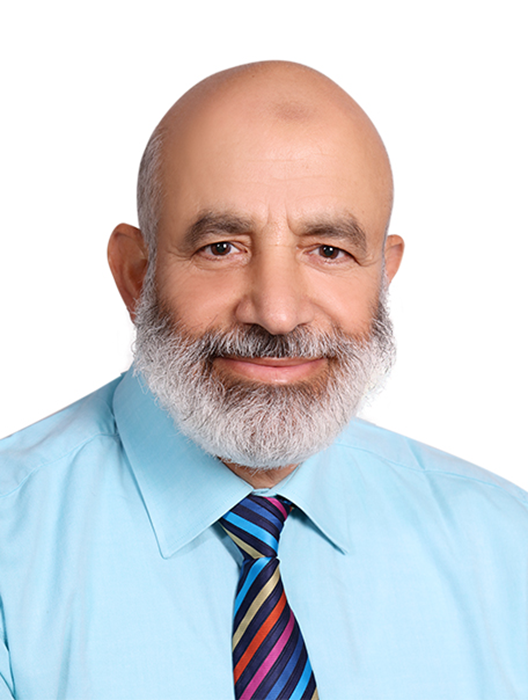 Fikri Abu-Zidan合作论文数College of Medicine, United Arab Emirates University4
 Cui Yunfeng合作论文数4
 Wagih Ghnnam合作论文数4Elia Poiasina合作论文数4Angelo Pezzi合作论文数3Cristian Tranà合作论文数3
 Alberto Benigni合作论文数3Vassil Manchev合作论文数3




