Excessive N deposition leads to the conversion of previously N limited to N saturated forest ecosystems. The input of N can result in severe N/P imbalance and N-induced P deficiency. The present study investigates whether N addition induces P deficiency in beech saplings or if this can be counteracted by enhanced internal P (re)cycling. Furthermore, it was tested whether addition of P can mitigate N induced P deficiency. In addition, higher need of P due to enhanced growth may be realized either by enhanced P uptake or by improved internal P (re)cycling. This assumption was tested with beech saplings growing at higher light intensity. Therefore, a mesocosm approach with beech saplings and soil (O and A horizon) originating from a P-poor forest was conducted. Mesocosms were cultivated for two growing seasons in a garden. Addition of N, P, or combined addition of N and P took place during the first year and another group of saplings was exposed to higher light intensity to enhance CO2 assimilation and growth. Soil horizons and beech saplings were harvested during the second year of growth in spring, summer, autumn, and winter. The results show that internal (re)cycling of N and P is different and mostly determined by the season. The seasonal (re)cycling of P was driven by the metabolic P demand of tissues/organs characterized by shifting P between the perennial tissues bark and wood of branches and coarse roots and deciduous leaves, fine roots and long-distance transport paths without using major storage resources. In contrast, seasonal (re)cycling of N is characterized by N storage in perennial tissues during dormancy and by N mobilization from the entire trunk, i.e. branch, stem and coarse roots, in spring. Furthermore, these seasonal dynamics were found to be independent of the treatment.
Beech ( Fagus sylvatica ) and silver fir ( Abies alba ) are often cultivated in mixed stands and, hence, compete for water and nutrients. Besides nitrogen (N), also phosphorus (P) is an important nutrient for growth and development. Beech trees in Central Europe grow on both P-poor and P-rich soils, thereby showing similar growth and low variation in foliar P. The central aim of the present study was to test the hypothesis that variations in foliar P contents of beech are driven by seasonal changes rather than by the competition with silver fir. It was further hypothesized that P contents in silver fir needles depend on needle age and forest site. To test these hypotheses, P contents and P fractions, i.e. organic-bound P (P org ) and inorganic phosphate P (P i ), were measured in the foliage of beech trees from pure beech and mixed beech/silver fir plots as well as in needles of silver fir of the mixed plots. The forest sites investigated are located in Central Europe in the Black Forest, Germany, and in Croatia near the south-eastern distribution limit of beech and are all poor in plant-available soil P. The analyses showed that the main driver of P contents and P fractions in beech leaves at all forest sites is the season and that competition with silver fir had no effect. Hence, the present results demonstrate the high plasticity of beech trees to adapt to both poor plant-available soil P and competition with silver fir. Total P contents of silver fir needles were higher at the Croatian site compared to the Black Forest sites and originated from higher foliar P i contents. One third of the P present in current-year needles in late summer was remobilized and exported until the needles reached the age of 1 year. The difference in P contents between current-year and 1-year-old needles can be seen as the amount of P resorbed from 1-year-old needles in summer during the generation of new needles to support the P demand of current-year needles for growth and development.
Natural ecosystems are exposed to increasing atmospheric nitrogen (N) deposition since many decades but the input of other nutrients including phosphorus (P) is negligible. Consequences could be nutritional imbalances that may impair growth of the individual tree. High N input into forests, however, has been observed to stimulate tree growth, but was also accompanied by increasing foliar N/P ratios that imply the beginning of P deficiency. At the long-term perspective, N induced P deficiency will affect the P nutrition of the whole tree, especially P reserves of the bark and wood with the consequence of reduced tree growth. To test this assumption, young poplar plants, which were established in pots with approximately 1 L sand at low N and medium P supply, were subjected to high N load via fertilization. Improved N supply resulted in depleted P pools of older stem sections where mature and senescent leaves were present. Simultaneously, mature leaves showed enhanced rate of CO2 fixation that enables enhanced growth. Obviously, poplars grown at low N were N but not P limited despite N:P ratios indicating P deficiency for mature leaves. To show limitation of P remobilization, poplars which were established at high N and medium P supply were subsequently withhold from continuous phosphate (P-1) fertilization. These poplars showed decreased growth increment and diminished photosynthesis of mature leaves. At the whole plant level, this was accompanied by restricted P remobilization from older stem sections. Nevertheless, P contents of fine roots remained mostly unaffected. In conclusion, if P reserves are present, P compounds can be mobilized from stem bark and wood and can compensate for an enhanced P demand at high N load. However, this compensation is limited upon prolonged excess N load and might lead to P limitation that restricts growth in the long run.
Phosphorus (P) nutrition of beech ecosystems depends on soil processes, plant internal P cycling and P acquisition. P uptake of trees in the field is currently not validated due to the lack of an experimental approach applicable in natural forests. Application of radiolabelled tracers such as 33 P and 32 P is limited to special research sites and not allowed in natural environments. Moreover, only one stable isotope of P, namely 31 P, exists. One alternative tool to measure P acquisition in the field could be the use of 18 O-labelled 31 P-phosphate (31 P18 O4 3- ). Phosphate (Pi ) uptake rates calculated from the 18 O enrichment of dried root material after application of 31 Pi 18 O4 3- via nutrient solution was always lower compared to 33 P incorporation, did not show increasing rates of Pi uptake at P deficiency under controlled conditions, and did not reveal seasonal fluctuations in the field. Consequently, a clear correlation between 33 P-based and 18 O-based Pi uptake by roots could not be established. Comparison of Pi uptake rates achieved from 33 P-Pi and 18 O-Pi application led to the conclusion of high Pi metabolism in roots after Pi uptake. The replacement of 18 O by 16 O from water in 18 O-Pi during root influx, but most probably after Pi uptake into roots, due to metabolic activities, indicates high and fast turnover of Pi . Hence, the use of 18 O-Pi as an alternative tool to estimate Pi acquisition of trees in the field must consider the increase of 18 O abundance in root water that was disregarded in dried root material.
The present study elucidated whether roots of temperate forest trees can take up organic phosphorus in the form of ATP. Detached non-mycorrhizal roots of beech (Fagus sylvatica) and gray poplar (Populus x canescens) were exposed under controlled conditions to 33P-ATP and/or 13C/15N labeled ATP in the presence and absence of the acid phosphatase inhibitor MoO42-. Accumulation of the respective label in the roots was used to calculate 33P, 13C and 15N uptake rates in ATP equivalents for comparison reason. The present data shown that a significant part of ATP was cleaved outside the roots before phosphate (Pi) was taken up. Furthermore, nucleotide uptake seems more reasonable after cleavage of at least one Pi unit as ADP, AMP and/or as the nucleoside adenosine. Similar results were obtained when still attached mycorrhizal roots of adult beech trees and their natural regeneration of two forest stands were exposed to ATP in the presence or absence of MoO42-. Cleavage of Pi from ATP by enzymes commonly present in the rhizosphere, such as extracellular acid phosphatases, ecto-apyrase and/or nucleotidases, prior ADP/AMP/adenosine uptake is highly probable but depended on the soil type and the pH of the soil solution. Although uptake of ATP/ADP/AMP cannot be excluded, uptake of the nucleoside adenosine without breakdown into its constituents ribose and adenine is highly evident. Based on the 33P, 13C, and 15N uptake rates calculated as equivalents of ATP the 'pro and contra' for the uptake of nucleotides and nucleosides is discussed. Short Summary Roots take up phosphorus from ATP as Pi after cleavage but might also take up ADP and/or AMP by yet unknown nucleotide transporter(s) because at least the nucleoside adenosine as N source is taken up without cleavage into its constituents ribose and adenine.
We sought to elucidate if the perennial lifestyle per se, or lifeform, enhances independence of soil nutrient availability. We measured parameters of CO2 fixation and electron transport, stomatal conductance, P and N nutrition, as well as integrative water relations (delta C-13 abundance) of an overstory tree (Snow Gum; Eucalyptus pauciflora, Sieber ex Spreng.) and a perennial understory shrub (Alpine Shaggy-pea; Podolobium alpestre F. Muell.) at two Australian field sites with different soil nutrient availability, but otherwise similar environmental conditions. Snow Gums are renowned for their longevity, including the ability to re-sprout profusely after fire, while Alpine Shaggy-pea has a relatively short lifespan, and regenerates from seed after fire. Photosynthesis parameters of P. alpestre were more sensitive to soil properties than for E. pauciflora P and N status of leaves and roots of E. paucifiora were comparable at both sites, whereas P and N status of P. alpestre reflected their availability in the soil. Differences in delta C-13 abundance of the two species studied indicated the use of different water sources at both field sites. These results suggest that long-lived plants with the capability to recycle nutrients from woody tissues, can grow largely independent of soil P and N availability.
Plants close stomata when root water availability becomes limiting. Recent studies have demonstrated that soil-drying induces root-to-shoot sulfate transport via the xylem and that sulfate closes stomata. Here we provide evidence for a physiologically relevant signaling pathway that underlies sulfate-induced stomatal closure in Arabidopsis (Arabidopsis thaliana). We uncovered that, in the guard cells, sulfate activates NADPH oxidases to produce reactive oxygen species (ROS) and that this ROS induction is essential for sulfate-induced stomata closure. In line with the function of ROS as the second-messenger of abscisic acid (ABA) signaling, sulfate does not induce ROS in the ABA-synthesis mutant, aba3-1, and sulfate-induced ROS were ineffective at closing stomata in the ABA-insensitive mutant abi2-1 and a SLOW ANION CHANNEL1 loss-of-function mutant. We provided direct evidence for sulfate-induced accumulation of ABA in the cytosol of guard cells by application of the ABAleon2.1 ABA sensor, the ABA signaling reporter ProRAB18:GFP, and quantification of endogenous ABA marker genes. In concordance with previous studies, showing that ABA DEFICIENT3 uses Cys as the substrate for activation of the ABSCISIC ALDEHYDE OXIDASE3 (AAO3) enzyme catalyzing the last step of ABA production, we demonstrated that assimilation of sulfate into Cys is necessary for sulfate-induced stomatal closure and that sulfate-feeding or Cys-feeding induces transcription of NINE-CIS-EPOXYCAROTENOID DIOXYGENASE3, limiting the synthesis of the AAO3 substrate. Consequently, Cys synthesis-depleted mutants are sensitive to soil-drying due to enhanced water loss. Our data demonstrate that sulfate is incorporated into Cys and tunes ABA biosynthesis in leaves, promoting stomatal closure, and that this mechanism contributes to the physiological water limitation response.
The temperate climax tree species Fagus sylvatica and the floodplain tree species Populus × canescens possess contrasting phosphorus (P) nutrition strategies. While F. sylvatica has been documented to display P storage and mobilization (Netzer et al., 2017), this was not observed for Populus × canescens (Netzer et al., 2018b). Nevertheless, changes in the abundance of organic bound P in gray poplar trees indicated adaptation of the P nutrition to different needs during annual growth. The present study aimed at characterizing seasonal changes in metabolite and lipid abundances in gray poplar and uncovering differences in metabolite requirement due to specific needs depending on the season. Seasonal variations in the abundance of (i) sugar-Ps and phospholipids, (ii) amino acids, (iii) sulfur compounds, and (iv) carbon metabolites were expected. It was hypothesized that seasonal changes in metabolite levels relate to N, S, and C storage and mobilization. Changes in organic metabolites binding Pi (Porg) are supposed to support these processes. Variation in triacylglycerols, in sugar-phosphates, in metabolites of the TCA cycle and in the amino acid abundance of poplar twig buds, leaves, bark, and wood were found to be linked to changes in metabolite abundances as well as to C, N, and S storage and mobilization processes. The observed changes support the view of a lack of any P storage in poplar. Yet, during dormancy, contents of phospholipids in twig bark and wood were highest probably due to frost-hardening and to its function in extra-plastidic membranes such as amyloplasts, oleosomes, and protein bodies. Consistent with this assumption, in spring sugar-Ps increased when phospholipids declined and poplar plants entering the vegetative growth period and, hence, metabolic activity increases. These results indicate that poplar trees adopt a policy of P nutrition without P storage and mobilization that is different from their N- and S-nutrition strategies.
Phosphorus (P) is one of the most important macronutrients limiting plant growth and development, particularly in forest ecosystems such as temperate beech (Fagus sylvatica) forests in Central Europe. Efficient tree internal P cycling during annual growth is an important strategy of beech trees to adapt to low soil-P. Organic P (Porg) is thought to play a decisive role in P cycling, but the significance of individual compounds and processes has not been elucidated. To identify processes and metabolites involved in P cycling of beech trees, polar-metabolome and lipidome profiling was performed during annual growth with twig tissues from a sufficient (Conventwald, Con) and a low-soil-P (Tuttlingen, Tut) forest. Autumnal phospholipid degradation in leaves and P export from senescent leaves, accumulation of phospholipids and glucosamine-6-phosphate (GlcN6P) in the bark, storage of N-acetyl-D-glucosamine-6-phosphate (GlcNAc6P) in the wood, and establishing of a phospholipid “start-up capital” in buds constitute main processes involved in P cycling that were enhanced in beech trees on low-P soil of the Tut forest. In spring, mobilization of P from storage pools in the bark contributed to an effective P cycling. Due to the higher phospholipid “start-up capital” in buds of Tut beeches, the P metabolite profile in developing leaves in spring was similar in beech trees of both forests. During summer, leaves of Tut beeches meet their phosphate (Pi) needs by replacing phospholipids by galacto- and sulfolipids. Thus, several processes contribute to adequate Pi supply on P impoverished soil thereby mediating similar growth of beech at low and sufficient soil-P availability.
Phosphorus (P) constitutes one of five macronutrients essential for plant growth and development due to the central function of phosphate in energy metabolism, inheritance and metabolic control. In many ecosystems, plant available soil-P gets limited by soil aging. Hence, plants have developed adaptation strategies to cope with such limitation by an efficient plant and ecosystem internal P-cycling during annual growth. The natural floodplain habitat of fast-growing Populus × canescens is characterized by high soil-P availability. It was thus expected that the P-nutrition of P. × canescens had adapted to this conditions. Therefore, different P-fractions in different twig tissues were investigated during two annual growth cycles. The P-nutrition of P. × canescens markedly differs from that of European beech grown at low soil-P availability (Netzer F, Schmid C, Herschbach C, Rennenberg H (2017) Phosphorus-nutrition of European beech (Fagus sylvatica L.) during annual growth depends on tree age and P-availability in the soil. Environ Exp Bot 137:194-207). This was mainly due to a lack of tree internal P-cycling during annual growth indicated by the absence of P-storage and remobilization in twig bark and wood. Hence, strategies to economize P-nutrition and to prevent P-losses had not developed. This fits with the fast-growth strategy of P. × canescens at unrestricted P-availability. Hence, the P-nutrition strategy of P. × canescens can be seen as an evolutionary adaptation to its natural growth habitat.
While there is evidence that foliar P concentration controls foliar P resorption efficiency, this is not found for N. Likewise, the foliar N:P ratio affects P, but not N resorption.
Reduced unloading and enhanced loading of sulfate increased xylem sap sulfate during early drought, which affects the opening of the ALMT12 channel and induces guard cell expression of the key step in ABA synthesis, NCED3. Water limitation of plants causes stomatal closure to prevent water loss by transpiration. For this purpose, progressing soil water deficit is communicated from roots to shoots. Abscisic acid (ABA) is the key signal in stress-induced stomatal closure, but ABA as an early xylem-delivered signal is still a matter of debate. In this study, poplar plants (Populus × canescens) were exposed to water stress to investigate xylem sap sulfate and ABA, stomatal conductance, and sulfate transporter (SULTR) expression. In addition, stomatal behavior and expression of ABA receptors, drought-responsive genes, transcription factors, and NCED3 were studied after feeding sulfate and ABA to detached poplar leaves and epidermal peels of Arabidopsis (Arabidopsis thaliana). The results show that increased xylem sap sulfate is achieved upon drought by reduced xylem unloading by PtaSULTR3;3a and PtaSULTR1;1, and by enhanced loading from parenchyma cells into the xylem via PtaALMT3b. Sulfate application caused stomatal closure in excised leaves and peeled epidermis. In the loss of sulfate-channel function mutant, Atalmt12, sulfate-triggered stomatal closure was impaired. The QUAC1/ALMT12 anion channel heterologous expressed in oocytes was gated open by extracellular sulfate. Sulfate up-regulated the expression of NCED3, a key step of ABA synthesis, in guard cells. In conclusion, xylem-derived sulfate seems to be a chemical signal of drought that induces stomatal closure via QUAC1/ALMT12 and/or guard cell ABA synthesis.
Forest ecosystems have often developed on phosphorus (P) -limited soils and, thus, are thought to require an efficient P-nutrition strategy during annual growth to sustain sufficient P-supply for growth and development. The present study was aimed at characterizing seasonal changes in P-composition and concentrations in different organs and transport tissues of mature and young European beech (Fagus sylvatica L.) trees growing at different soil-P availability. From these changes, a model of tree internal P cycling strategy as dependent on tree age and P-availability was developed. For this purpose, leaves, stem tissues and roots, as well as xylem sap and phloem exudate were collected from adult trees and their progeny at two field sites in southern Germany, one with low but sufficient (Conventwald field site), and one with extremely low (Tuttlingen field site) P-availability in the soil. P-cycling during annual growth with bark and wood as the main P-storage tissues in winter is strongly indicated and was much more pronounced in adult beeches compared to its progeny, and of higher significance at extremely low soil-P. The re-use of stored organic phosphorus containing compounds (P-org) from bark and wood during spring and the resorption of P-org from senescing leaves can be seen as a strategy to enhance tree internal P cycling efficiency, especially in adult trees growing at extremely low P-availability. The consequences of tree internal P-cycling for ecosystem P-losses and its dependency on tree age and soil P-availability are discussed. (C) 2017 Elsevier B.V. All rights reserved.
Water limitation of plants causes stomatal closure to prevent water loss by transpiration. For this purpose, progressing soil water deficit is communicated from roots to shoots. Abscisic acid (ABA) is the key signal in stress-induced stomatal closure, but ABA as an early xylem-delivered signal is still a matter of debate. In this study, poplar plants (Populus × canescens) were exposed to water stress to investigate xylem sap sulfate and ABA, stomatal conductance, and sulfate transporter (SULTR) expression. In addition, stomatal behavior and expression of ABA receptors, drought-responsive genes, transcription factors, and NCED3 were studied after feeding sulfate and ABA to detached poplar leaves and epidermal peels of Arabidopsis (Arabidopsis thaliana). The results show that increased xylem sap sulfate is achieved upon drought by reduced xylem unloading by PtaSULTR3;3a and PtaSULTR1;1, and by enhanced loading from parenchyma cells into the xylem via PtaALMT3b. Sulfate application caused stomatal closure in excised leaves and peeled epidermis. In the loss of sulfate-channel function mutant, Atalmt12, sulfate-triggered stomatal closure was impaired. The QUAC1/ALMT12 anion channel heterologous expressed in oocytes was gated open by extracellular sulfate. Sulfate up-regulated the expression of NCED3, a key step of ABA synthesis, in guard cells. In conclusion, xylem-derived sulfate seems to be a chemical signal of drought that induces stomatal closure via QUAC1/ALMT12 and/or guard cell ABA synthesis.
In future, prolonged summer drought and heat will constitute a major risk for the cultivation of shallow-rooting beech in Central Europe and will negatively affect the productivity of beech forests. In a pot experiment under controlled conditions, the influence of long-term (28 d) water deprivation on nitrogen (N), carbon (C), phosphate (P-i), and ascorbate (ASC) concentrations was examined in leaves and fine roots of beech seedlings (Fagus sylvatica L.) from six provenances originating from Central Europe (Germany: Neidenstein and Illertissen, intermediate habitats), the Balkan peninsula (Croatia: Zagreb and Gospic, wet habitats), and Southeast Europe (Bulgaria: Kotel, Greece: Paikos; dry habitats). The goal of the study was to identify beech provenances well adapted to water limitation during summer drought events. Our results suggest that N might be involved in the alleviation of water scarcity, whereas P-i might become a limiting factor for forest growth during drought periods. Drought stress resulted in significant changes of ASC pools in leaves and fine roots and the ASC redox state. Under well-watered and under drought conditions, ASC in leaves was the most important factor causing differences between the provenances examined. Finally, a link between P nutrition and the capacity of antioxidative stress defense by ascorbate could be highlighted. Based on observations from this study, beech seedlings from three origins (Paikos, Zagreb, and Neidenstein) might constitute beech provenances well adapted to water shortage in summer. This conclusion is drawn from the high potential of these provenances to alleviate oxidative stress during water shortage.
Plants face many different stress factors in their natural environment and life span. Among numerous abiotic stresses are sulfur containing volcanic gases which are highly hazardous and can enter plants via the stomata. As final consequence, toxic sulfite is formed inside the leaves which has to be detoxified. Controlled laboratory experiments have been performed in the past to identify the detoxification mechanisms of sulfur containing gases using model organisms. However, actual studies which investigate detoxification mechanism of H2S/SO2 in natural environments and include non-model organisms are missing. For this purpose plant material of eight species was sampled on the Aeolian Islands Vulcano and Lipari, at locations with harmful volcanic gases and at control sites. The collected material was analyzed to study the detoxification pathway of sulfur surplus due to exposure to H2S/SO2. Different reaction strategies of plants can be hypothesized: tight control of gas uptake by regulating stomata, increased synthesis of metabolites by sulfur assimilation via reduction of sulfite and back oxidation of sulfite to sulfate via the plant molybdoenzyme sulfite oxidase followed by storage in the vacuole. The sampled plants reacted differently towards the exposure of H2S/SO2 with respect to closure of the stomata and overall accumulation of thiols, sulfate and/or total sulfur. Correlation analysis deciphered three different strategies of detoxification within the investigated plants: (i) Channelling of the sulfur surplus by formation of S-metabolites like thiols (reductive detoxification) and the use of mainly (ii) oxidative detoxification into sulfate with increased sulfite oxidase activity or (iii) oxidative detoxification without increased sulfite oxidase activity. One plant species did not react to sulfur surplus at all. Grouping of all tested species is consistent with their phylogenetic classification which must be strengthened in future studies. (C) 2016 Elsevier B.V. All rights reserved.
Sulfite oxidase is of vital importance for sulfite homeostasis in plants. Sulfite homeostasis is required, since high amounts of sulfite are toxic for all living organism and, therefore, sessile organisms such as plants have had to develop mechanisms to protect themselves from exogenous sulfite. Sources of SO2 in the present time largely originate from fossil fuel combustion and manufacturing industries especially in developing countries. Plant sulfite oxidase (pSO) is a molybdenum-containing enzyme that is localized in peroxisomes, uses oxygen as an electron acceptor, and produces hydrogen peroxide. Sulfite oxidase plays an essential role in the detoxification of SO2 in plants. Overexpression of pSO promotes survival upon high levels of SO2 fumigation. Furthermore, the activity of pSO is increased in two out of four species grown in Rapolano Terme (Italy) under permanent SO2 exposure in the range of 10-100 ppb. Experiments conducted with plant extracts taken at different time points over the day as well as at different time points in the lifecycle of Nicotiana tabacum plants suggest a hitherto unknown regulation via induction/inhibition of pSO. Screening with various inhibitors of phosphorylation did not reveal regulation of pSO via phosphorylation unlike its sister enzyme nitrate reductase yet the experiments did show vanadate to be an effective inhibitor for pSO. Western blotting of plant extracts from different tissues pointed to a potential SUMOylation of pSO, but in vitro analyses of SUMOylation of pSO were negative. Using in vivo protein-protein interaction assays, however, an interaction between pSO and SUMO1 as well as SUMO3 was demonstrated. These results were confirmed by both the bimolecular fluorescence complementation (BiFC) as well as the floated-leaf luciferase complementation imaging (FLuCI), which are both split reporter protein assays.
Sulfur cycling in plants is essential, not only to distribute this nutrient to the sites of its demand in growth and development, but also to signal the sulfur status of the plant and to control whole plant sulfur nutrition. Under most environmental conditions, uptake of sulfur compounds from the soil and their transport in the xylem to the shoot ensures adequate sulfur supply. However, metabolism of sulfur compounds in roots as well as in the shoot can result in both a surplus and a deficiency of individual sulfur compounds. Sinks and sources for individual sulfur compounds may change during the annual growth cycle, plant developmental stage and in response to environmental changes. In addition to the xylem, a second long-distance transport path, i.e. the phloem, plays an important role in whole plant sulfur cycling because it connects source and sink organs. However, a particular organ can change from source to sink and vice versa depending on environmental conditions as well as plant growth and developmental stage. Signaling of the sulfur demand is not only systemically, but also locally controlled. Still 'the systemic signal' does not appear to exist. Sulfate as a potential systemic signal communicating environmental stress from the roots to the shoot will be discussed.
We combined transcriptomic and biochemical approaches to study rhizobial and plant sulfur (S) metabolismin nitrogen (N) fixing nodules (Fix(+)) of Lotus japonicus, as well as the link of S-metabolism to symbiotic nitrogen fixation and the effect of nodules on whole-plant S-partitioning and metabolism. Our data reveal that N-fixing nodules are thiol-rich organs. Their high adenosine 5'-phosphosulfate reductase activity and strong S-35-flux into cysteine and its metabolites, in combination with the transcriptional upregulation of several rhizobial and plant genes involved in S-assimilation, highlight the function of nodules as an important site of S-assimilation. The higher thiol content observed in nonsymbiotic organs of N-fixing plants in comparison to uninoculated plants could not be attributed to local biosynthesis, indicating that nodules are an important source of reduced S for the plant, which triggers whole-plant reprogramming of S-metabolism. Enhanced thiol biosynthesis in nodules and their impact on the whole-plant S-economy are dampened in plants nodulated by Fix(-) mutant rhizobia, which in most respects metabolically resemble uninoculated plants, indicating a strong interdependency between N-fixation and S-assimilation.
 Heinz Rennenberg合作论文数College of Resources and Environment, Southwest University54
 Florian Netzer合作论文数9
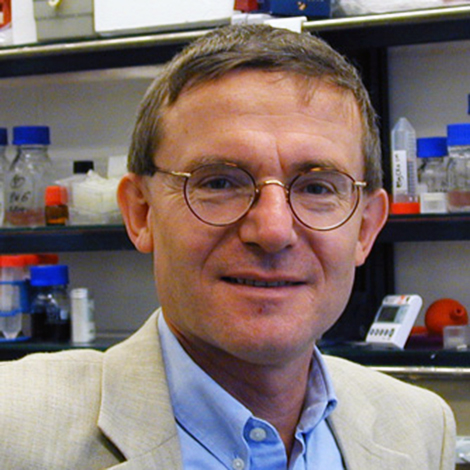 Ralf-Rainer Mendel合作论文数Department of Molecular and Cell Biology of Plants, Faculty of Life Sciences, Braunschweig University of Technology;Institute of Plant Biology, Braunschweig University of Technology9
 Robert Haensch合作论文数8
 Jurgen Kreuzwieser合作论文数8
 Stanislav Kopriva合作论文数Institute for Plant Sciences, Cologne Biocenter, University of Cologne7
 Rüdiger Hell合作论文数Centre for Organismal Studies, Department of Molecular Biology of Plants, Heidelberger Institut fur Pflanzenwissenschaften, Universitat Heidelberg5Ursula Scheerer合作论文数5Sundas Batool合作论文数4
 Markus Wirtz合作论文数Heidelberg Univ, Ctr Organismal Studies, D-69120 Heidelberg, Germany4Randewig Dörte合作论文数4Monika Eiblmeier合作论文数4M. SCHULTE合作论文数3David Dubbert合作论文数3Mladen Ivanković合作论文数3Hamisch Domenica合作论文数3Pilch Birgit合作论文数3Lise Jouanin合作论文数3
 Dietmar Geiger合作论文数Universitat Erlangen-Nurnberg;Julius-von-Sachs-Institut fur Biowissenschaften;Molekulare Pflanzenphysiologie und Biophysik;Julius-von-Sachs-Institut fur Biowissenschaften, Universitat Erlangen-Nurnberg3
 Rainer Hedrich合作论文数Faculty of Synthetic Biology, Shenzhen University of Advanced Technology3
 Saleh Abdulaziz Mohammed Alfarraj合作论文数Department of Zoology, College of Science, King Saud University;Training and Community Service Center, King Saud University3
 Henning Wildhagen合作论文数Institute of Forest Botany and Tree Physiology, Albert-Ludwigs-University Freiburg3Susanne Mult合作论文数3
 Luit J. De Kok合作论文数Laboratory of Plant Physiology;University of Groningen;Laboratory of Plant Physiology, University of Groningen3
 Peter Ache合作论文数University of Strathclyde Department of Environmental Planning3Michael Tausz合作论文数3Dieter Grill合作论文数3Andrea Schneider合作论文数2Hala Rajab合作论文数Peshawar Med Coll, Riphah Int Univ2Christin-Kirsty Baillie合作论文数2
 Franck Anicet Ditengou合作论文数Faculty of Biology, University of Freiburg;Institute for Disease Modeling and Targeted Medicine, Uniklinik Freiburg2
 David Kaufholdt合作论文数2
 Uslu Veli Vural合作论文数Developmental Biology Unit, European Molecular Biology Laboratory (EMBL), Heidelberg, Germany.2
 Christina Lang合作论文数2Malcheska F合作论文数2Nevenka Celepirovic合作论文数2
 Aikaterini Dounavi合作论文数Department of Forest Ecology, Forest Research Institute of Baden-Württemberg2Esther Van Der Zalm合作论文数2
 Altaf Ahmad合作论文数Faculty of Science, Hamdard University2
 Ralf Reski合作论文数Plant Biotechnology Lab, Faculty of Biology, Albert-Ludwigs-Universität Freiburg;Freiburg Institute for Advanced Studies, Albert-Ludwigs-Universität Freiburg2
 Anna Koprivova合作论文数2
 Andrea Polle合作论文数Göttingen Graduate Center for Neurosciences, Biophysics, and Molecular Biosciences, Georg-August-Universität Göttingen2
 Judy Simon合作论文数School of Botany, The University of Melbourne2
 Peter Von Ballmoos合作论文数University of Bern;Institute of Plant Sciences;Altenbergrain;Institute of Plant Sciences, University of Bern2R Hansch合作论文数1Ewald Schnug合作论文数1L. Blaschke合作论文数1Carmen Schraml合作论文数1Da Gage合作论文数1




