The most common form of familial hyposphatemic rickets (FHR), a group of disorders with similar clinical and biochemical features [hypophosphatemia, hyperphosphaturia, normal levels of 1,25(OH)2D3 and PTH, skeletal deformities, short stature, osteomalacia, dental abscesses bone pain], is represented by the dominant X-linked hyposphatemic rickets (XLH). Individuals with FHR phenotype and a negative familial history in 60-80% of cases are carriers of mutations in PHEX gene, on chromosome Xp22.2-p22.1. The mice phenotypical analogue of the human XLH is represented by Hyp strand, in which a 3’ deletion of Phex removes its COOH-terminal domain. The clinical consequences of PHEX inactivating mutations indicate that its encoded product, an endopeptidase member M13Zn-metallopeptidases family, expressed at the skeletal level by osteoblasts, osteocytes, and odontoblasts, is involved in phosphate regulation and mineral homeostasis. PHEX inactivating mutations widespread along the gene, cause XLH: exons 3-411-12-14-15-17-20-22 represent the regions with the higher rate of mutation; such mutations could enable the accumulation of phosphaturic factors and/or mineralization inhibitors. A 26 years old male patient (height 176cm, weight 65 kg) referred to our Centre exhibiting a clear hyperphosphaturia (>2000 mg/24h), hypophosphatemia, hypercalciuria (>600 mg/24h), hypocalcemia (• 8,1 mg/die), PTH circulating levels at the upper values of the normal range and normal values of 25(OH)D; other symptoms were: deep asthenia, muscle pain and spasms, abundant diuresis (• 2,5 lt/die). After obtaining the signed informed consent we performed a blood sampling from which genomic DNA has been prepared to analysed PHEX gene. The 22 exons and the intron-exon boundaries of PHEX gene have been investigated by a PCR/Sequencing protocol (ABI-Prism 3100). It has been determined the presence of a hemizygous missense mutation of PHEX gene in codon 401 (CCT/CTT) causing a Pro/Leu substitution in the extracellular domain closely a cysteine residue highly conserved in exon 11. Nearly future functional studies will be helpful to characterize the molecular mechanisms underlying this mutation.
Nephrology School, University of Florence, Florence; a N e p h r o logy Unit and Renal Stone Centre, Mauriziano Umberto I Hospital, Turin; b Unit of Endocrinology and Diabetology, Hospital L. Sacco, Milan; c Department of Medical Clinic, Nephrology and Prevention Sciences, University of Parma, Parma; d D e p a r t m e n t of Clinical Medicine and Applied Biotechnology “D. Campanacci”, University of Bologna, Bologna; e Department of Internal Medicine, University of Florence, Florence; f Division of Nephrology, Department of Medical and Surgical Sciences, University of Padua, Padua; g Urology Unit, Hospital A. Manzoni, Lecco; and h Division of Nephrology, Dialysis and Hypertension, San Raffaele Scientific Institute, Milan, Italy.
The acute effects of nitrendipine on hemodynamics, glomerular filtration rate (GFR), and tubular transport mechanisms were studied by clearance methods in patients with essential hypertension at normal water intake, water diuresis, and antidiuresis. Intravenous infusion of nitrendipine led to a significant mean decrease in blood pressure. Effective renal plasma flow (ERPF) and GFR showed a trend to increase (normal water intake) or a definite mean increase, without change in filtration fraction. Observed changes in calculated total renal vascular resistance were similar to those of ERPF. A two- to threefold increase in urine volume as well as in osmolal clearance and natriuresis occurred in all three experimental conditions. Results obtained in water diuresis suggested both proximal and distal tubular effects of the calcium channel blocker. At normal water intake, absolute and fractional excretion of calcium, phosphates, and uric acid significantly increased. No change in kaliuria was observed.
Ambulatory monitoring of blood pressure (BP) and heart rate in a multicentric Italian study is used to investigate effects of smoking and of a family history of high blood pressure and cardiovascular disease in clinically healthy adults of both genders between 40 and 59 years of age. A higher 24-h rhythm-adjusted mean of systolic blood pressure is found in smokers having a positive family history of high blood pressure. The results of this chronobiologic investigation are reviewed in the context of relations between smoking and cardiovascular morbidity. It appears that the effect of smoking depends in part on interacting factors. The major factor in this context may well be the family history of BP insofar as the results of the study based on a considerable number of observations are considered
A family history of hypertension is considered a risk factor for developing hypertension. We studied two groups of normotensive children (aged 14 years): one comprising 14 subjects with family history of hypertension, the other comprising 15 subjects without family history of hypertension. Children were comparable with respect to age, weight, height, body surface area, heart rate, and arterial blood pressure. M-mode echocardiography demonstrated higher interventricular septum/posterior wall ratio in progeny of hypertensive subjects. Interestingly, all the parameters evaluated were within the normal limits. Our data suggest that a certain degree of cardiac changes is present in children with positive family history of hypertension, though further studies are needed before considering these findings predictive of future essential hypertension.
Bladder washout (BWO) and antibody-coated bacteria (ACB) tests were performed on 25 patients with radiological and/or clinical evidence of chronic upper urinary tract infection (UTI) and 12 patients with asymptomatic bacteriuria. Using a traditional single-washout procedure, the BWO test gave equivocal results in many cases of chronic pyelonephritis; this seemed mainly due to the lack of complete bladder sterilization. A modified procedure, including double sterilization and irrigation, biochemical typing of isolated bacteria, and evaluation of temporal pattern of bacteriuria recurrence, was then introduced. Although preliminary results of the modified BWO test demonstrated a general improvement in the diagnosis of the infection site, it seemed rather difficult, at least in chronic UTI, to establish localizing criteria based on definite numeric changes in bacterial counts after washout.
A new experimental model is presented for determining the optimum dose of 3 different doses (13 mg, 25 mg, 37 mg per day) of hydrochlorothiazide employed to enhance hypotensive effect of 200 mg/day of metoprolol in human hypertension. The model takes into account the circadian variability of blood pressure as sinusoidal function and wash-out effect as a linear trend so as to compensate for bias due to normal temporal variability.
No mention is made of any aspect of BP bioperiodicity, among current clinical criteria for diagnosing pregnancy-related hypertension. The abnormal BP, based on a single unqualified measurement, is accepted and utilized as a clinical feature to identify pregnancy at risk. Systolic, diastolic and mean arterial blood pressure were measured every 15 min for 24 h in 5 women (2 non pregnant clinically healthy subjects, 1 clinically healthy subject in her third trimester of pregnancy, 1 presenting mild and 1 severe toxiemia, also in their third trimester of pregnancy) by an automated BP recording apparatus (Dynamap). All variables, analyzed by the single cosinor method, exhibited statistically significant circadian rhythms. A high amplitude could nullify the time-unqualified usual range. The change in circadian amplitude precedes an overt mesor hypertension and constitutes a tool for earlier detection of fetal distress.
 Luca Scarpelli合作论文数7P T Scarpelli合作论文数7Riccardo Livi合作论文数5C Corti合作论文数4F Bigioli合作论文数4
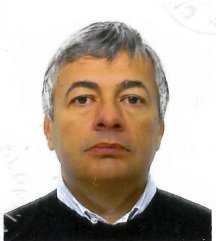 Alberto Falchetti合作论文数Department of Internal Medicine, University of Florence3Pieri A合作论文数2
 Maria Luisa Brandi合作论文数Unità Operativa di Clinica Medica IV, Azienda Ospedaliero-Universitaria Careggi Firenze;Centro di Riferimento Tumori Endocrini Ereditari, Azienda Ospedaliero-Universitaria Careggi Firenze;Dipartimento di Scienze Biomediche, Università degli Studi di Firenze;Dipartimento di Medicina Interna, Università degli Studi di Firenze;Centro Medico Visconti di Modrone2
 Alberto Trinchieri合作论文数Department of Urology, Ospedale A. Manzoni2A. Tanini合作论文数1D Strigoli合作论文数1G. Leoncini合作论文数1T Sorbi合作论文数1m borsotti合作论文数1L Masi合作论文数1B. Jovanovic合作论文数1M Descalzi合作论文数1F Franceschelli合作论文数1P Cinelli合作论文数1V Deleonardis合作论文数1J Halberg合作论文数1S Romano合作论文数1M Cagnoni合作论文数1
 Andrea Gallioli合作论文数Department of Urology, Autonomous University of Barcelona1Emanuele Montanari合作论文数1B Tarquini合作论文数1Romano S合作论文数1R Livi合作论文数1Giovanni Gambaro合作论文数1
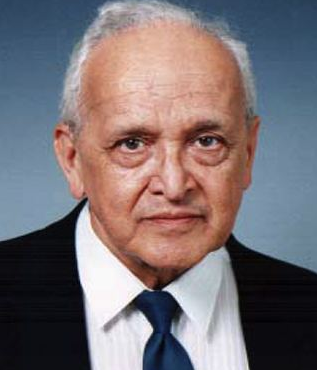 Franz Halberg合作论文数Halberg Chronobiology Center, University of Minnesota1M. De Scalzi合作论文数1
 Martino Marangella合作论文数1
 Stefano Cagnoni合作论文数Department of Engineering and Architecture, University of Parma1
 Giuseppe Vezzoli合作论文数Division of Nephrology;Laboratory of Pediatric Endocrinology;Istituto di Ricovero e Cura a Carattere Scientifico;San Raffaele Hospital;Laboratory of Pediatric Endocrinology, San Raffaele Hospital1Alberto Baroni合作论文数1Maurizio Borsotti合作论文数1
 S. Carbonell Sala合作论文数Department of Internal Medicina, University of Florence1
 Corrado Vitale合作论文数1R. Caudarella合作论文数1Loris Borghi合作论文数1Antonella Gozzini合作论文数1




