Covering: 2000 to 2022Secondary metabolites are assembled by drawing off and committing some of the flux of primary metabolic building blocks to sets of enzymes that tailor the maturing scaffold to increase architectural and framework complexity, often balancing hydrophilic and hydrophobic surfaces. In this review we examine the small number of chemical strategies that tailoring enzymes employ in maturation of scaffolds. These strategies depend both on the organic functional groups present at each metabolic stage and one of two tailoring enzyme strategies. Nonoxidative tailoring enzymes typically transfer electrophilic fragments, acyl, alkyl and glycosyl groups, from a small set of thermodynamically activated but kinetically stable core metabolites. Oxidative tailoring enzymes can be oxygen-independent or oxygen-dependent. The oxygen independent oxidoreductases are often reversible nicotinamide-utilizing redox catalysts, flipping the nucleophilicity and electrophilicity of functional groups in pathway intermediates. O2-dependent oxygenases, both mono- and dioxygenases, act by orthogonal, one electron strategies, generating carbon radical species. At sp3 substrate carbons, product alcohols may then behave as nucleophiles for subsequent waves of enzymatic tailoring. At sp2 carbons in olefins, electrophilic epoxides have opposite reactivity and often function as "disappearing groups", opened by intramolecular nucleophiles during metabolite maturation. "Thwarted" oxygenases generate radical intermediates that rearrange internally and are not captured oxygenatively.
This year's Lasker Clinical Research Award goes to James Baird Glen for the discovery and development of the anesthetic propofol. Patients benefit from its fast onset and rapid systemic clearance, eliminating the prolonged sedation effects experienced with earlier agents. In just 30 years, propofol has been adopted around the world for safe and controlled induction of anesthesia.
The tripartite structures of the four 5 '-nucleotide monophosphate (NMP) building blocks in all RNAs enable enzyme-catalyzed chemical modifications to three types of sites: the heterocyclic bases via N-and C-methylations and other alkylations, conversion of the N-glycoside linkages of the uridine moiety to the C-C glycoside link in pseudouridines, and the phosphodiester-mediated processes of 5 '-capping, splicing, and 3 '-tailing of premRNAs. We examine known cases for enzymatic covalent catalytic strategies that entail transient formation and breakdown of covalent enzyme-RNA adducts in each catalytic cycle. One case involves generation of the required carbon nucleophile during C5 methylation of cytosine residues in RNAs. A second examines the mechanism proposed for pseudouridine synthases and for replacement of a guanine residue in tRNAs by queuosine. The third category involves phosphoric anhydride and phosphodiester chemistry by which viral RNAs encode enzymes for making their own mRNA 5 '-caps. This strategy includes the recent finding that the SARS-CoV2 proteins assemble a canonical 5 ',5 '-GTP cap on their 28 900 nucleotide genomic RNA to enable its translation as an mRNA by host translational machinery by way of a covalent RNA-viral enzyme intermediate.
From DNA and RNA to proteins and vitamins the role of nitrogen is central in organismal metabolism. The Chemical Biology of Nitrogen comprehensively examines how the chemistry available to both inorganic and organic nitrogen compounds both enable and conditions the vast array of nitrogen biologies. This book provides a chemocentric approach to both the inorganic and organic chemical biology of nitrogen. Following an introduction to nitrogen trivalency the book progresses through the logic of inorganic nitrogen metabolism and organic nitrogen metabolites to nitrogen proteomics with an integrative approach to understanding the role of nitrogen in its many biologic roles. Authored by a renowned scientist and educator, this book is ideal for researchers in chemical biology and nitrogen metabolism and will be of particular interest to advanced students and postgraduates in biochemistry and chemical biology.
Alexander Todd, the 1957 Nobel laureate in chemistry is credited with the statement: “where there is life, there is phosphorus”. Phosphorus chemical biology underlies most of life’s reactions and processes, from the covalent bonds that hold RNA and DNA together, to the making and spending 75 kg of ATP every day, required to run almost all metabolic and mechanical events in cells. Authored by a renowned biochemist, The Chemical Biology of Phosphorus provides an in-depth, unifying chemical approach to the logic and reactivity of inorganic phosphate and its three major derivatives (anhydrides, mono- and diesters) throughout biology to examine why life depends on phosphorus. Covering the breadth of phosphorus chemistry in biology, this book is ideal for biochemistry students, postgraduates and researchers interested in the chemical logic of phosphate metabolites, energy generation, biopolymer accumulation and phosphoproteomics.
This volume aims to provide an in-depth view of the complete biochemistry of sulfur with an emphasis on aspects not covered elsewhere. Given its role in the formation of proteins and presence in the amino acids methionine and cysteine, sulfur is essential to life. Current literature on the biochemistry of sulfur is vast and widely dispersed, as such this volume is intended as a single-source for everything concerning sulfur biochemistry from metabolic roles of inorganic sulfur, to thiol and thioether chemical biology, to the university of cysteine chemistry in proteomes. Authored by a renowned biochemist and experienced writer and educator, this book is ideal for students and researchers in biochemistry, biology and the life sciences with an interest in sulfur and its role in life.
 Neil Kelleher合作论文数Department of Chemistry, Weinberg College of Arts and Sciences, Northwestern University;Chemistry of Life Processes Institute, Northwestern University;Department of Molecular Biosciences, Weinberg College of Arts & Sciences, Northwestern University24
 Bruce Furie合作论文数Division of Hemostasis and Thrombosis, Department of Medicine, Beth Israel Deaconess Medical Center, Harvard Medical School19
 Dan Kahne合作论文数Department of Chemistry and Chemical Biology, Faculty of Arts and Sciences, Harvard University17
 Melissa J. Moore合作论文数Waterfall Scientific;Via Scientific, Inc.;Tessera Therapeutics;Comanche Biopharma;Biochemistry and Molecular Biotechnology Department, University of Massachusetts Amherst Chan Medical School;RNA Therapeutics Institute, University of Massachusetts Amherst Chan Medical School16
 WH Orme-Johnson合作论文数15
 Anthony J. Sinskey合作论文数Department of Biology, Massachusetts Institute of Technology;Center for Biomedical Innovation, Massachusetts Institute of Technology14Amy M. Gehring合作论文数14
 Markus Oberthur合作论文数13
 Mark Distefano合作论文数Distefano Research Group, Department of Chemistry, University of Minnesota;Biotechnology Institute, University of Minnesota;Cancer Center, University of Minnesota12
 Chaitan Khosla合作论文数Department of Chemical Engineering, Stanford University;Department of Chemistry, School of Humanities and Sciences, Stanford University12Heather C. Losey合作论文数12Watson J. Lees合作论文数12
 Vincent Massey合作论文数Department of Biological Chemistry, Medical School, University of Michigan11Kenji Soda (左右田健次)合作论文数Kansai University11S. MASAMUNE合作论文数10Da Miller合作论文数10
 Rahul M. Kohli合作论文数Department of Biochemistry and Biophysics, Perelman School of Medicine, University of Pennsylvania10
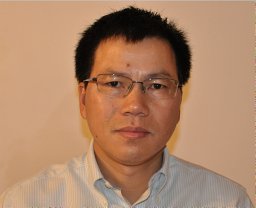 Chen Huawei合作论文数10Timothy E. Benson合作论文数Pfizer Global Research and Development10TA Keating合作论文数9Op Peoples合作论文数9Brian K Hubbard合作论文数9Wei Lu合作论文数Department of Biological Chemistry and Molecular Biology, Harvard Medical School, Boston, Massachusetts 021159
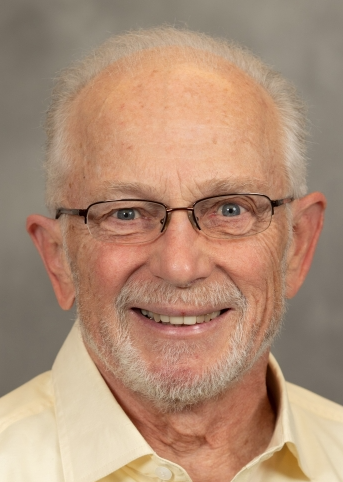 David Ballou合作论文数Department of Biological Chemistry, University of Michigan Medical School9
 Mohamed A. Marahiel合作论文数Chemistry Department, Philipps-University Marburg9Patrick Marcotte合作论文数9L. D. Zydowsky合作论文数9
 Barry Lee Wanner (Barry L. Wanner)合作论文数Department of Genetics, Harvard Medical School9Ds Kwon合作论文数8
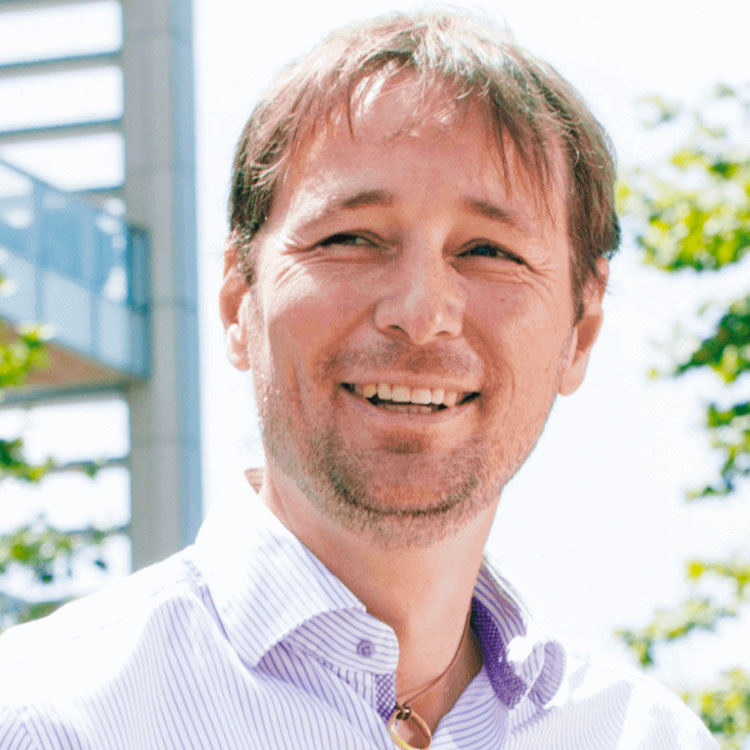 Pieter C Dorrestein合作论文数Departments of Pharmacology and Pediatrics, Skaggs School of Pharmacy and Pharmaceutical Sciences, University of California, San Diego;Collaborative Mass Spectrometry Innovation Center, University of California, San Diego;Institute for Metabolomics Medicine, University of California, San Diego8
 Burkart, Michael合作论文数Department of Chemistry and Biochemistry, Division of Physical Sciences, University of California, San Diego8Gregory J. Kaczorowski合作论文数8
 Gerard Wright合作论文数Department of Biochemistry & Biomedical Sciences, Faculty of Health Sciences, McMaster University;Global Nexus School for Pandemic Prevention & Response, McMaster University;Michael G. DeGroote Institute for Infectious Disease Research, McMaster University;David Braley Centre for Antibiotic Discovery, McMaster University8
 Kari C Nadeau合作论文数Department of Environmental Health, Harvard T.H. Chan School of Public Health, Harvard University;Allergy, Extreme Weather, and Exposomics Lab, Harvard T.H. Chan School of Public Health, Harvard University8
 Athan Kuliopulos合作论文数Oncology Research Institute;Tufts-New England Medical Center8Rob Spencer合作论文数8
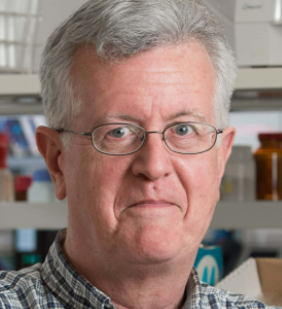 Jed F. Fisher合作论文数Department of Chemistry & Biochemistry, University of Notre Dame8
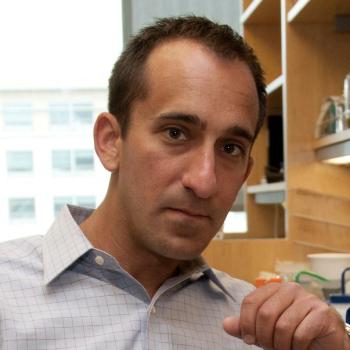 Michael Fischbach合作论文数Department of Bioengineering, School of Medicine, Stanford University8Fa Etzkorn合作论文数7Ranabir Sinha Roy合作论文数7C. Gary Marshall合作论文数7Clf Meyers合作论文数7SL SHAMES合作论文数7Da Roth合作论文数7
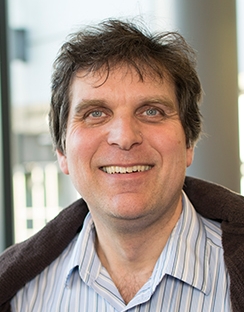 Mark Bradley合作论文数Queen Mary University of London7
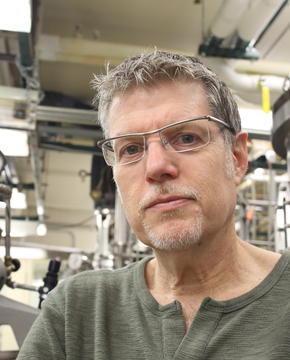 Larry Wackett合作论文数College of Biological Sciences, University of Minnesota;Biotechnology Institute, University of Minnesota7
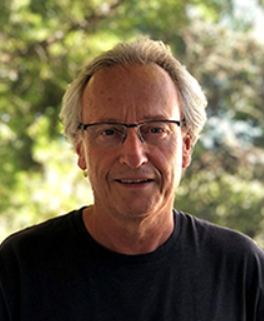 Roberto Kolter合作论文数Harvard Medical School7
 Eric Brown合作论文数Department of Biochemistry and Biomedical Sciences, McMaster University;M.G. DeGroote Institute for Infectious Disease Research, McMaster University;Kapoose Creek7Yin Jun合作论文数7




