European green crab (Carcinus maenas) are a highly successful invasive species of intertidal crustacean. The northern most limit of their invasive range on the east coast of North America is the island of Newfoundland (NL), Canada, where they can experience water temperatures as low as-1 degrees C during the winter. Green crabs' ability to tolerate a large temperate range is one of the most important characteristics responsible for their invasive success. We investigated the behavioural responses of the green crab to a temperature reduction regime, and long-term acclimation to winter (2 degrees C) and summer (12 degrees C) water temperatures in NL. Locomotor activity declined as temperature decreased with a concomitant increase in time spent buried, showing a marked change in these parameters at approximately 4 degrees C. There was also a marked reduction in activity after long-term exposure to cold temperatures (2 degrees C) compared to controls (12 degrees C). However, locomotor activity did not cease completely, even after long-term exposure to 2 degrees C, indicating that crabs remained responsive to their environment. Crabs took longer to respond to food items and consumed less food after long-term acclimation to 2 degrees C, compared to 12 degrees C; however feeding did not cease completely. Collectively, these responses suggest that the green crab enters a dormant state below 5 degrees C, rather than true torpor, in which they continue to move and feed, albeit more slowly and at lower rates. The green crab population in NL is a genetically hybridized population with both southern and cold-resistant northern haplotypes, however, they react in a similar way to most other populations across their native and invasive range and so the observed behavior may be an inherent reaction to cold.
Mass mortality events (MMEs) are defined as the death of large numbers of fish over a short period of time. These events can result in catastrophic losses to the Atlantic salmon aquaculture industry and the local economy. However, they are challenging to understand because of their relative infrequency and the high number of potential factors involved. As a result, the causes and consequences of MMEs in Atlantic salmon aquaculture are not well understood. In this study, we developed a structural network of causal risk factors for MMEs for aquaculture and the communities that depend on Atlantic salmon aquaculture. Using the Interpretive Structural Modeling (ISM) technique, we analysed the causes of Atlantic salmon mass mortalities due to environmental (abiotic), biological (biotic) and nutritional risk factors. The consequences of MMEs were also assessed for the occupational health and safety of aquaculture workers and their implications for the livelihoods of local communities. This structural network deepens our understanding of MMEs and points to management actions and interventions that can help mitigate mass mortalities. MMEs are typically not the result of a single risk factor but are caused by the systematic interaction of risk factors related to the environment, fish diseases, feeding/nutrition and cage-site management. Results also indicate that considerations of health and safety risk, through pre- and post-event risk assessments, may help to minimize workplace injuries and eliminate potential risks of human fatalities. Company and government-assisted socio-economic measures could help mitigate post-mass mortality impacts. Appropriate and timely management actions may help reduce MMEs at Atlantic salmon cage sites and minimize the physical and social vulnerabilities of workers and local communities.
The green shore crab (Carcinus maenas) is native to Western Europe but has spread around the globe and is described as one of the top 100 worst invasive species. On the east coast of North America, their northern-most limit is the island of Newfoundland, Canada, where they can experience water temperatures as low as −1 °C. We investigated the physiological responses of C. maenas to a temperature reduction regime as well as to long-term acclimation to temperatures representative of winter (2 °C) and summer (12 °C) in Newfoundland. Heart rate, oxygen consumption and estimated energy expenditure declined steadily with decreasing temperature, but a marked change was observed between 6 and 4 °C, with lowest levels recorded in 2 °C. After long-term acclimation to 2 °C there was a sustained reduction in physiological parameters. Even though these physiological parameters were very low in 2 °C, the crabs still exhibited intermittent activity. This supports the presence of a dormancy, rather than true torpor/hibernation below 5 °C, in which crabs will continue to actively move and feed, albeit much more slowly. The population in Newfoundland contains haplotypes from both the invasive northern and southern lineages, and they appear to retain a similar low temperature response compared with most other populations of green crab from both their native and expanded range.
Producing prioritised lists of current and prospective non-indigenous species with the potential to cause significant harm is essential for several reasons but these need to be transparent both in the methods used and their justifications. Despite their varied applications, the criteria and components used to generate priority lists for non- indigenous species are often not indicated and there are no universal guidelines for their development. As such, we conducted a literature review identifying the common elements of existing priority lists to develop a framework, including considerations, to guide the creation of future priority lists for non-indigenous species. This framework is organised around five elements: (1) Scoping, (2) Compilation of a Master List, (3) Primary Assessment, (4) Secondary Assessment, and (5) Listing. Using the framework and associated flowchart, end users identify the considerations most relevant to their objectives so as to ascertain the specific criteria and parameters required to develop priority lists that are defensible and fit-for-purpose. This framework is designed to be applicable for a variety of purposes, is taxa and ecosystem-independent, and when implemented in a transparent way, will improve clarity for interpretation of, and comparisons across, priority lists, resulting in more widespread acceptance of lists among end users and stakeholders.
Sub-Arctic seafloor communities rely on seasonal phytoplankton blooms for food, revealing a tight benthic-pelagic coupling. To maximize resource availability for offspring, organisms such as snow crabs, sea stars, and sea cucumbers synchronize their reproductive and feeding behaviours with spring blooms. Due to climate change, spring blooms are occurring earlier in sub-Arctic regions, leading to a possible mismatch between timing of resource availability and important life-history behaviours. Here, we utilize high-frequency time-series observations from the Holyrood Subsea Observatory, a new cabled seafloor observatory deployed in Conception Bay, Newfoundland. We use hourly data collected from environmental sensors (Conductivity-Temperature-Depth, Acoustic Doppler Current Profiler, fluorometer), a near-surface mooring (fluorometer), and a video camera to identify and quantify abundance and diversity of benthic megafauna, and to determine how community composition changed from pre-bloom to full bloom conditions. Data analysis revealed striking temporal changes in benthic activity, with the notable emergence of Psolus cf. phantapus sea cucumbers (up to 289.9 indiv./m2) coinciding with increased chlorophyll-a concentration and seawater temperature. At least three dense schools of forage fish, two Atlantic herring (79 and 144 indiv. frame 1) and one capelin (91 indiv. frame 1), were observed during the main bloom between May 5 and June 16. This study provides the first high-frequency in situ observations of benthic community response to seasonal food input in the region. The high temporal resolution made it possible to record the precise timing of the of Psolus cf. phantapus emergence in relation to the timing of food input to the seafloor, which will provide a baseline to monitor phenology as climate change progresses. Changes to the timing of spring blooms have implications for sub-Arctic fisheries productivity and ecosystem functioning, making continuous long-term monitoring of seafloor communities essential.
Characterising interspecific interaction strengths, combined with population abundances of prey and their novel predators, is critical to develop predictive invasion ecology. This is especially true of aquatic invasive species, which can pose a significant threat to the structure and stability of the ecosystems to which they are introduced. Here, we investigated consumer-resource dynamics of two globally-established aquatic invasive species, European green crab (Carcinus maenas) and brown trout (Salmo trutta). We explored the mediating effect of prey density on predatory impact in these invaders relative to functionally analogous native rock crab (Cancer irroratus) and Atlantic salmon (Salmo salar), respectively, feeding on shared prey (Mytilus sp. and Tenebrio molitor, respectively). We subsequently combined feeding rates with each predator’s regional abundance to forecast relative ecological impacts. All predators demonstrated potentially destabilising Type II functional responses towards prey, with native rock crab and invasive brown trout exhibiting greater per capita impacts relative to their trophic analogues. Functional Response Ratios (attack rates divided by handling times) were higher for both invasive species, reflecting greater overall per capita effects compared to natives. Impact projections that incorporated predator abundances with per capita effects predicted severe impacts by European green crabs. However, brown trout, despite possessing higher per capita effects than Atlantic salmon, are projected to have low impact owing to currently low abundances in the sampled watershed. Should brown trout density increase sixfold, we predict it would exert higher impact than Atlantic salmon. Such impact-forecasting metrics and methods are thus vital tools to assist in the determination of current and future adverse impacts associated with aquatic invasive species.
Early naturalists suggested that predation intensity increases toward the tropics, affecting fundamental ecological and evolutionary processes by latitude, but empirical support is still limited. Several studies have measured consumption rates across latitude at large scales, with variable results. Moreover, how predation affects prey community composition at such geographic scales remains unknown. Using standardized experiments that spanned 115° of latitude, at 36 nearshore sites along both coasts of the Americas, we found that marine predators have both higher consumption rates and consistently stronger impacts on biomass and species composition of marine invertebrate communities in warmer tropical waters, likely owing to fish predators. Our results provide robust support for a temperature-dependent gradient in interaction strength and have potential implications for how marine ecosystems will respond to ocean warming.
Ships and boats may transport whole communities of non-indigenous species (NIS) through hull biofouling, some members of which may become invasive. Several studies have evaluated the diversity of these communities, but very few have analyzed the survival of organisms after their voyages into different and potentially inhospitable conditions. This factor is important to consider because the last port of call approach for risk assessments assumes that if the conditions observed in the last port of call are different from those observed in a receiving port, risks are diminished or null. Using an innovative experimental system, we tested the survival and recovery of the marine blue mussel ( Mytilus edulis ) and the freshwater zebra mussel ( Dreissena polymorpha ) by exposing them to adverse salinity conditions at varying temperatures to simulate ships and boats transiting to ports or marinas with contrasting environmental conditions. Both mussel species, which are well-known for their adaptability to new environments as aquatic NIS, survived better at colder temperatures, with blue mussels surviving up to 14 days in freshwater, and zebra mussels up to 8 days in marine water. This highlights the importance of considering the resistance of fouling organisms to adverse conditions in vector and species risk assessments.
Global trends in the occurrence, toxicity and risk posed by harmful algal blooms to natural systems, human health and coastal economies are poorly constrained, but are widely thought to be increasing due to climate change and nutrient pollution. Here, we conduct a statistical analysis on a global dataset extracted from the Harmful Algae Event Database and Ocean Biodiversity Information System for the period 1985-2018 to investigate temporal trends in the frequency and distribution of marine harmful algal blooms. We find no uniform global trend in the number of harmful algal events and their distribution over time, once data were adjusted for regional variations in monitoring effort. Varying and contrasting regional trends were driven by differences in bloom species, type and emergent impacts. Our findings suggest that intensified monitoring efforts associated with increased aquaculture production are responsible for the perceived increase in harmful algae events and that there is no empirical support for broad statements regarding increasing global trends. Instead, trends need to be considered regionally and at the species level.
The threat posed by invasive non-native species worldwide requires a global approach to identify which introduced species are likely to pose an elevated risk of impact to native species and ecosystems. To inform policy, stakeholders and management decisions on global threats to aquatic ecosystems, 195 assessors representing 120 risk assessment areas across all six inhabited continents screened 819 non-native species from 15 groups of aquatic organisms (freshwater, brackish, marine plants and animals) using the Aquatic Species Invasiveness Screening Kit. This multi-lingual decision-support tool for the risk screening of aquatic organisms provides assessors with risk scores for a species under current and future climate change conditions that, following a statistically based calibration, permits the accurate classification of species into high-, medium- and low-risk categories under current and predicted climate conditions. The 1730 screenings undertaken encompassed wide geographical areas (regions, political entities, parts thereof, water bodies, river basins, lake drainage basins, and marine regions), which permitted thresholds to be identified for almost all aquatic organismal groups screened as well as for tropical, temperate and continental climate classes, and for tropical and temperate marine ecoregions. In total, 33 species were identified as posing a 'very high risk' of being or becoming invasive, and the scores of several of these species under current climate increased under future climate conditions, primarily due to their wide thermal tolerances. The risk thresholds determined for taxonomic groups and climate zones provide a basis against which area-specific or climate-based calibrated thresholds may be interpreted. In turn, the risk rankings help decision-makers identify which species require an immediate 'rapid' management action (e.g. eradication, control) to avoid or mitigate adverse impacts, which require a full risk assessment, and which are to be restricted or banned with regard to importation and/or sale as ornamental or aquarium/fishery enhancement.
Aim:The introduction of aquatic non-indigenous species (ANS) has become a major driver for global changes in species biogeography. We examined spatial patterns and temporal trends of ANS detections since 1965 to inform conservation policy and management. Location:Global. Methods:We assembled an extensive dataset of first records of detection of ANS (1965-2015) across 49 aquatic ecosystems, including the (a) year of first collection, (b) population status and (c) potential pathway(s) of introduction. Data were analysed at global and regional levels to assess patterns of detection rate, richness and transport pathways. Results:An annual mean of 43 (±16 SD) primary detections of ANS occurred-one new detection every 8.4 days for 50 years. The global rate of detections was relatively stable during 1965-1995, but increased rapidly after this time, peaking at roughly 66 primary detections per year during 2005-2010 and then declining marginally. Detection rates were variable within and across regions through time. Arthropods, molluscs and fishes were the most frequently reported ANS. Most ANS were likely introduced as stowaways in ships' ballast water or biofouling, although direct evidence is typically absent. Main conclusions:This synthesis highlights the magnitude of recent ANS detections, yet almost certainly represents an underestimate as many ANS go unreported due to limited search effort and diminishing taxonomic expertise. Temporal rates of detection are also confounded by reporting lags, likely contributing to the lower detection rate observed in recent years. There is a critical need to implement standardized, repeated methods across regions and taxa to improve the quality of global-scale comparisons and sustain core measures over longer time-scales. It will be fundamental to fill in knowledge gaps given that invasion data representing broad regions of the world's oceans are not yet readily available and to maintain knowledge pipelines for adaptive management.
Invasive species can introduce parasites to, and/or acquire new parasites from, novel regions, thereby greatly influencing community interactions, including symbiotic relationships involving parasites. Host-switching of native and non-native parasites could enhance or dilute parasite transmission and spread among hosts. We investigated the effect of host invasion on trematode parasitism in 2 Newfoundland (Canada) bays: one invaded by European green crabs Carcinus maenas and the other not yet invaded. To determine the influence of C. maenas on host-parasite relationships, we assessed trematode prevalence in 3 native hosts: 2 Littorina spp. snails and Atlantic rock crabs Cancer irroratus (first- and second-intermediate hosts for microphallid trematodes, respectively). We found no difference in trematode prevalence between the bays among the 4 host species. However, cyst abundance was significantly higher in C. maenas versus C. irroratus in the bay where the crab distributions overlap, while it was lower in C. irroratus in the invaded versus uninvaded bay, suggesting a dilution of infection in the native host. Sequencing data of microphallid trematodes detected 4 genetically divergent lineages: a cosmopolitan lineage found in all host species; 2 lineages dominant in C. irroratus, suggesting a native origin for the trematodes that now use C. maenas as an additional host; and 1 lineage represented just in C. maenas in Europe. This is the first study to demonstrate the magnitude of trematode infection in crab hosts in Newfoundland, including the commercially valuable native C. irroratus. Our results demonstrate the influence that species introductions can have on parasite life cycles in native systems under recent host invasion.
Marine species invasions pose a global threat to native biodiversity and commercial fisheries. The European green crab (Carcinus maenas) is one of the most successful marine invaders worldwide and has, in the last decade, invaded the southern and western coastal waters of the island of Newfoundland, Newfoundland and Labrador (NL), Canada. Impacts of green crab on the American lobster (Homarus americanus), which are native to Newfoundland, are not well understood, particularly for interactions around deployed fishing gear. Declines in lobster catch rates in invaded systems (i.e., Placentia Bay, NL), have prompted concerns among lobster fishers that green crab are interfering with lobster catch. Here, we conducted a field experiment in a recently-invaded bay (2013) in which we deployed lobster traps pre-stocked with green crab, native rock crab (Cancer irroratus) (a procedural control), or empty (control). We compared catch per unit effort across each category, and used underwater cameras to directly observe trap performance in situ. In addition, we used SCUBA surveys to determine the correlation between ambient density of lobster and green crab in the ecosystem and the catch processes of lobster in traps. We found: (1) Regardless of the species of crab stocked, crab presence reduced the total number of lobster that attempted to enter the trap, and also reduced entry success rate, (2) lobster consumed green crab, rock crab and other lobster inside traps and (3) there was a positive association between lobster catch and ambient lobster density. Our results suggest that while there was a relationship between in-trap crab density and trap catch rates, it was not linked to the non-native/native status of the crab species.
Spatial and temporal trends of marine harmful algal events in Canada over the last three decades were examined using data from the Harmful Algal Event Database (HAEDAT). This database contains the most complete record of algal blooms, phycotoxins and shellfish harvesting area closures in Canada since 1987. This 30-year review of 593 Canadian HAEDAT records from 1988 to 2017, together with other Canadian data and publications, shows that recurring harmful algal events have been widespread throughout both the Atlantic and Pacific coastal regions. The 367 paralytic shellfish toxin (PST) reports revealed annual and frequent recurrence throughout both the Atlantic and Pacific regions, including multi-year PST events in the Bay of Fundy, the Estuary and Gulf of St. Lawrence and the Strait of Georgia. The 70 amnesic shellfish toxin (AST) records revealed no recognizable trend, as these events were usually area specific and did not recur annually. The increasing frequency of diarrhetic shellfish toxin (DST) events over the period of this review, in total 59 records, can be at least partially explained by increased sampling effort. Marine species mortalities caused by harmful algae (including diatoms, dictyochophytes, dinoflagellates, and raphidophytes), were a common occurrence in the Pacific region (87 reports), but have been reported much less frequently in the Atlantic region (10 reports). Notable Canadian records contained in HAEDAT include the first detection worldwide of amnesic shellfish poisoning (ASP), attributed to the production of domoic acid (an AST) by a diatom (Pseudo-nitzschia multiseries) in Prince Edward Island in 1987. The first proven case of diarrhetic shellfish poisoning (DSP) in Canada and North America was recorded in 1990, and the first closures of shellfish harvesting due to DST (associated with the presence of Dinophysis norvegica) occurred in Nova Scotia in 1992, followed by closures in Newfoundland and Labrador in 1993. In 2008, mass mortalities of fishes, birds and mammals in the St. Lawrence Estuary were caused by Alexandrium catenella and high levels of PST. During 2015, the Pacific coast experienced a large algal bloom that extended from California to Alaska. It resulted in the closure of several shellfish harvesting areas in British Columbia due to AST, produced by Pseudo-nitzschia australis. Data from the Canadian Arctic coast is not included in HAEDAT. However, because of the emerging importance of climate change and increased vessel traffic in the Arctic, information on the occurrence of harmful algal species (pelagic and sympagic = sea ice-associated) in that region was compiled from relevant literature and data. The results suggest that these taxa may be more widespread than previously thought in the Canadian Arctic. Information in HAEDAT was not always robust or complete enough to provide conclusions about temporal trends. Compilation of spatial and temporal information from HAEDAT and other records is
The European green crab (Carcinus maenas) is a crustacean species native to European and North African coastlines that has become one of the world’s most successful marine invasive species. Targeted fishing programs aimed at removing green crabs from invaded ecosystems commonly use Fukui multi-species marine traps. Improving the efficiency of these traps would improve the ability to respond to green crab invasions. In this study, we developed four distinct trap modifications that were designed to facilitate the successful capture of green crabs, with the goal of improving the performance of the Fukui trap. We tested these modifications in situ during the summer of 2016 at two locations in Placentia Bay, Newfoundland. We discovered that three of our modified Fukui trap designs caught significantly more green crabs than the standard Fukui trap, increasing catch-per-unit-effort (CPUE) by as much as 81%. We conclude that our top-performing modifications have great potential for widespread use with existing Fukui traps that are being used for green crab removal efforts.
We developed a new predictive approach to evaluate the relative invasion hazard posed by recreational boats as vectors for non-indigenous species (NIS) in marine ecoregions on the Atlantic coast of Canada. It combines data from behavioral boater questionnaires, surveys of boat macrofouling, and an extensive NIS monitoring program in marinas. The relative invasion hazard posed by boats in nine marine ecoregions was estimated by combining information on NIS infestation levels in source ecoregions, the probability that boats will be fouled, boat movements and environmental similarity between source and receiving marinas, and estimates of annual recreational traffic within and between ecoregions. A total of 52.1% of surveyed boats had macrofouling on hull or niche areas, suggesting a high potential for NIS transport. High-risk boats were those that had spent extended periods in water, traveled extensively from invaded locations, and received little maintenance. Further, the high degree of connectivity between and within ecoregions, and high survival probabilities of NIS, highlight the threat of NIS introduction and spread via recreational boating in Atlantic Canadian waters. Of all Atlantic Canadian ecoregions, the Scotian Shelf ecoregion was classified as having the Highest Final Hazard score. However, boats with Intermediate to Highest scores travel to most ecoregions, underlining the importance of this vector to the introduction and spread of NIS in Atlantic Canadian coast. A simulated out-of-water cleaning after 3months reduced the hazard in ecoregions with greater scores.
Colonization of eelgrass (Zostera marina L.) by tunicates can lead to reduced plant growth and survival. Several of the tunicate species that are found on eelgrass in the northwest Atlantic are highly aggressive colonizers, and range expansions are predicted in association with climate-change induced increases in seawater temperature. In 2017, we surveyed tunicates within eelgrass meadows at 33 sites from New Jersey to Newfoundland. Eight tunicate species were identified colonizing eelgrass, of which four were non-native and one was cryptogenic. The most common species (Botrylloides violaceus and Botryllus schlosseri) occurred from New York to Atlantic Canada. Tunicate faunas attached to eelgrass were less diverse north of Cape Cod, Massachusetts. Artificial substrates in the vicinity of the eelgrass meadows generally supported more tunicate species than did the eelgrass, but fewer species co-occurred in northern sites than southern sites. The latitudinal gradient in tunicate diversity corresponded to gradients of summertime sea surface temperature and traditional biogeographical zones in the northwest Atlantic, where Cape Cod represents a transition between cold-water and warm-water invertebrate faunas. Tunicate density in the eelgrass meadows was low, ranging generally from 1-25% cover of eelgrass shoots, suggesting that space availability does not currently limit tunicate colonization of eelgrass. This survey, along with our 2013 survey, provide a baseline for identifying future changes in tunicate distribution and abundance in northwest Atlantic eelgrass meadows.
 Don Deibel合作论文数15k matheson合作论文数13Terri Wells合作论文数8Claudio DiBacco合作论文数8
 Anna Occhipinti-Ambrogi合作论文数University of Pavia8
 Dan Minchin合作论文数Marine Research Institute, Klaipeda University7
 Henn Ojaveer合作论文数University of Tartu Estonian Marine Institute7Thomas W. Therriault合作论文数7
 Sergej Olenin合作论文数Coastal Research and Planning Institute, Klaipeda University6R. J. Thompson合作论文数6
 Cyr Couturier合作论文数Fisheries and Marine Institute, Memorial University of Newfoundland6
 Bella Galil合作论文数6
 James Carlton合作论文数Williams College5
 Stephan Gollasch合作论文数Division of Bioinvasions, Ballast Water and Biofouling, GoConsult5
 Gregory M. Ruiz (Gregory Ruiz)合作论文数Smithsonian Environmental Research Center5
 Anders Jelmert合作论文数5
 Kimberly Matheson合作论文数Department of Psychology, Carleton University5
 Chris Parrish合作论文数Department of Ocean Sciences, Faculty of Science, Memorial University of Newfoundland5
 Chad L Hewitt合作论文数Australian Maritime College5
 Agnese Marchini合作论文数DET-Dipartimento di Ecologia del Territorio, University of Pavia5
 Philip Stephen Sargent合作论文数5
 Marnie L. Campbell合作论文数National Centre for Marine Conservation & Resource Sustainability Locked Bag, Australian Maritime College5Stephen Schott合作论文数4Judith Pederson合作论文数4Kiley Best合作论文数4
 Ian Bradbury合作论文数Fisheries & Oceans Canada, St John, NF, Canada4Nathalie Simard合作论文数4
 Kevin C. K. Ma合作论文数4
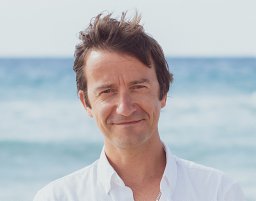 Joao Canning-Clode合作论文数MARE – Marine and Environmental Sciences Centre, Quinta do Lorde Marina, Sítio da Piedade, 9200-044, Caniçal, Madeira Island, Portugal4
 Andrea Locke合作论文数4David Grunden合作论文数4David Drolet合作论文数Department of Biology, University of New Brunswick4
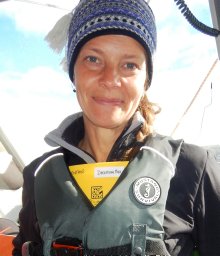 Kimberly L. Howland合作论文数4
 Christopher W. McKindsey合作论文数Institut des Sciences de la Mer, Université du Québec à Rimouski4
 Mary Carman合作论文数4
 Melisa C. Wong合作论文数Department of Biology, University of New Brunswick4
 Hilary A. Neckles合作论文数US Geological Survey, Patuxent Wildlife Research Center4J. Ben Lowen合作论文数3
 Vanessa Nichole Reid合作论文数3Gregor Reid合作论文数3
 Amelia Curd合作论文数Centre de Bretagne, DYNECO LEBCO3
 Nicholas W. Jeffery合作论文数3
 Ryan R.E. Stanley合作论文数Ocean Sciences Centre and Biology Department, Memorial University of Newfoundland3B.A. Macdonald合作论文数3
 Brett Favaro合作论文数3
 Jennifer Dijkstra合作论文数University of New Hampshire;Zoology Department;Zoology Department, University of New Hampshire3
 Maiju Lehtiniemi合作论文数Finnish Institute of Marine Research3
 Elizabeth J Cottier-Cook合作论文数School of Life Sciences, Arizona State University3
 Paula Chainho合作论文数Faculty of Sciences, University of Lisbon3




