PURPOSE:In breast radiotherapy, delivery of manually-calculated electron boosts limits retrospective dose-response analyses as dose distribution is unavailable. This work evaluates the feasibility of reconstructing dose distributions from manually planned electron boosts in breast-conserving radiotherapy. METHODS:Only 72 out of 198 breast cancer patients had complete stored dose distributions from sequential electron boosts in the REQUITE study. Arbitrary data from 70/72 patients were used to develop and validate dose reconstruction method. Twenty patients were used to determine optimal parameters for Monte-Carlo-based (MC) electron dose reconstruction on RayStation (v.11B-R), considering CT-calibration curve, MC-history number, andcalculation grid resolution. Remaining 50 patients were used to quantify dose reconstruction accuracy. The similarity between reconstructed and stored dose was evaluated using 3D-gamma index and dosimetric parameters extracted from breast and tumour bed contours. Dose difference location was evaluated using dose-location histogram. RESULTS:Calculation grid resolution significantly impacted electron dose distribution (p < 0.01), where the finest grid (0.15 cm) showed highest similarity to stored doses. CT-calibration curve and MC-history number had a negligible influence on dose reconstruction. Dosimetric difference between reconstructed and stored doses was < 1 Gy for breast and tumour bed. Reconstructed dose was achieved > 90% gamma passing rate in the validation set. However, around 2.5 Gy dose differences were observed at the skin and tissue interface regions. CONCLUSIONS:Retrospective electron boost dose reconstruction is feasible with acceptable accuracy, and could increase data completeness in large cohort studies. Caution is advised when assessing dose near tissue interface and further validation is needed outside the REQUITE dataset.
BACKGROUND:Body composition is emerging as a prognostic biomarker in cancer and may be associated with treatment tolerance, side-effects, and health-related quality of life (HRQoL). It can be measured from imaging routinely acquired during patient care. We evaluated whether body composition metrics were associated with radiotherapy-related side-effects and HRQoL in patients with prostate or lung cancer using a prospective multicentre dataset. METHODS:Radiotherapy planning computed tomography (CT) scans, patient and disease characteristics, and clinician- and patient-reported side-effects up to 24 months post-treatment were obtained from the REQUITE study. Skeletal muscle and intramuscular adipose tissue were segmented at the L3 and T12 vertebrae for prostate and lung patients respectively using in-house software. Standardised total average toxicity scores captured composite acute and late clinician- and patient-reported side-effects and HRQoL. Gradient boosted machine models were developed for all endpoints with and without body composition variables. Predictor importance rankings and model performance (root mean squared error (RMSE)) were assessed. RESULTS:279 lung and 848 prostate patients were available for analysis. Body composition variables were ranked in the top five most important variables for 9 of 12 endpoints. Body composition variables were ranked higher than body mass index for 9 of 12 endpoints. Adding body composition variables was associated with statistically significant (p < 0.01) but small reductions in apparent/in-sample RMSE across endpoints. CONCLUSIONS:Body composition variables were frequently ranked among important predictors of radiotherapy-related side-effects and HRQoL, but their incremental improvement in apparent model fit was small. These findings suggest that CT-derived body composition may warrant further investigation as an exploratory imaging biomarker, but external validation and demonstration of clinically meaningful incremental value are required before clinical implementation.
Approximately 50% of cancer patients receive radiotherapy (RT), yet clinicians lack reliable tools to predict treatment-related toxicity prior to therapy. Consequently, 5 to 10% of breast cancer patients develop late radiation-induced fibrosis, highlighting interindividual variability radiosensitivity. The Radiation-Induced Lymphocyte Apoptosis (RILA) test has been clinically validated as a predictive biomarker of intrinsic radiosensitivity to support adaptation of treatment according to individual radiosensitivity. Although the test only relies on peripheral blood sampling and a short analytical turnaround from venipuncture to results, its reliance on irradiation facilities has remained a major barrier to deployment. Here, we report the development and analytical validation of an irradiation-free and automated RILA workflow designed for routine use. Using blood samples from healthy donors and cancer patients, we demonstrate analytical equivalence between bleomycin- and irradiation-based RILA assays, robust RILA scores after pre-analytical delays of up to 72 h, and excellent agreement between automated and expert manual cytometry analysis. Transfer of the complete workflow to an independent biomedical laboratory further confirmed inter-laboratory reproducibility and clinical concordance. By removing technical barriers while preserving the clinical interpretability of RILA scores, this optimized workflow enables broad implementation of individual radiosensitivity testing and supports the integration of personalized treatment into clinical practice.
OBJECTIVES:To compare the ability of different machine learning models to predict the risk of side effects in patients with breast cancer undergoing radiation therapy. METHODS:Data from the multicentre REQUITE cohort (n=2067) was analysed retrospectively. Side effects (8 endpoints) were assessed 24 months post radiation therapy. Clinical, treatment and genetic data were available. Predictive performance of 12 machine learning models was assessed using Area Under the Receiver Operating Characteristic Curve (AUC-ROC) and Area Under the Precision-Recall Curve (AUC-PR), with n-repeated k-fold Cross Validation (CV). RESULTS:Random Forest achieved the best performance using clinical data alone (mean AUC-ROC=0.84, 5 × repeated 10-fold CV). Combining clinical and Single Nucleotide Polymorphism (SNP) data yielded the highest overall performance with Logistic Regression (mean AUC-ROC = 0.92, 5 × repeated 10-fold CV), as the highest followed by ensemble tree classifiers (mean AUC-ROC = 0.91, 5 × repeated 10-fold CV). The best prediction was obtained for arm lymphedema, followed by breast oedema and nipple retraction. CONCLUSION:In this large multicentre cohort, radiation therapy side effect prediction was highly endpoint-dependent, with lymphedema emerging as a particularly robust outcome. When combining clinical and SNP data, Logistic Regression performed comparably to more complex approaches, while offering greater transparency. External validation and cost-benefit evaluation are required, but our findings provide a comparative benchmark and support the feasibility of targeted prediction of breast radiation therapy side effects.
BACKGROUND AND PURPOSE:The RE-IORT prospective, multicenter, single-arm phase II trial (NCT02386371) evaluated the feasibility and safety of repeat breast-conserving surgery (BCS) combined with focal reirradiation using intraoperative radiotherapy (IOReIrr) in patients with locally recurrent breast carcinoma. PATIENTS AND METHODS:Eligible patients had in-breast recurrence ≥5 years after whole-breast radiotherapy, with low-risk features (unifocal T1N0, non-lobular histology, grade 1-2, estrogen receptor-positive, HER2-negative). The primary endpoint was the absence of grade ≥2 breast fibrosis at month 12 post-BCS + IOReIrr, reported using the Common Terminology Criteria for Adverse Events, version 4.0. Secondary endpoints were cumulative incidence of local relapse, local relapse-free/distant metastasis-free/disease-free/overall/mastectomy-free survival, quality of life, definitive cosmetic results and satisfaction. RESULTS:Fifty-three of the sixty-six patients enrolled from January 2015 to April 2018 were retained for the analysis (median follow-up of 59 months). At month 12 post-IOReIrr, 48 patients had not developed breast fibrosis (90.6% [95% CI: 79.3-96.9]). During the follow-up, three patients presented a new local relapse after the second BCS + IOReIrr. The 36-month and 60-month local recurrence-free survival rates were 96.8% [95% CI: 85.2-99.0] and 81.2% [95% CI: 65.2-90.3], respectively. The 36-month and 60-month mastectomy-free rates were 94.2% [95% CI: 83.1-98.1] and 92.3% [95% CI: 80.7-97.0], respectively. CONCLUSIONS:Intraoperative reirradiation as part of a second BCS (one-day treatment) is feasible, safe, and well-tolerated in selected patients with late local breast cancer recurrence (i.e. <2 cm. estrogen receptor-positive and node-negative). These findings suggests that shared decision-making between 'one-day treatment' and salvage mastectomy is a safe and viable option. TRIAL REGISTRATION:NCT02386371 (https://clinicaltrials.gov/study/ NCT02386371).
Objective Breast comprises different tissues with potentially different dose responses to radiation Therapy (RT). This study investigates the correlation between RT dose, breast composition, and side effects from breast RT. Material/Methods Data from 922 early-stage breast cancer patients who underwent breast-conserving surgery and RT from the REQUITE study were included. Breast pain, oedema, atrophy, and induration were assessed immediately post-RT, one-year, and two-years post-RT. Maximum severity scores for each toxicity were used for analysis. Breast tissue was divided into “fat” and “fibroglandular” substructures from computed tomography (CT) using a Gaussian Mixture Model. The correlation between breast characteristics, toxicity, dosimetric parameters, and patient and clinical variables was investigated using ordinal regression. The model's fit was evaluated using the Akaike Information Criterion in SPSS v.29. Results Breast volume and breast density were associated with increased risk of breast oedema, atrophy, and induration in multivariable analysis (p<0.05). Higher mean dose and dose uniformity were observed for fibroglandular compared to fatty tissue at all severity levels, while there was no significant difference in the maximum dose to either substructure. Higher dose deposit to fat was associated with breast pain and oedema, while breast atrophy and induration were associated with dose to fibroglandular tissue. All best-performing toxicity models included dosimetric parameters derived from breast composition. Conclusion Breast characterisation offers new insight into the link between dose and toxicity. Breast density and dose parameters from different substructures were associated with different breast toxicity. These findings further support the importance of dose homogeneity of breast RT planning.
Purpose/objectivesThis study proposes and clinically evaluates synthetic CT (sCT) images generated from multi-center CBCT scans using artificial intelligence, with the aim of fully leveraging CBCT for adaptive radiotherapy in patients with pelvic, head-and-neck, lung, and breast cancer.Materials and methodsIn collaboration with TheraPanacea (Paris, France), AI-based sCT models were developed for multiple anatomical sites using a cycleGAN architecture. The study included 51 patients from two European institutions diagnosed with head-and-neck, lung, pelvic or breast cancer and treated with CBCT-based position verification. CBCT scans were acquired using two linear accelerator systems (Varian and Elekta). Image accuracy was assessed using MAE, SSIM, and PSNR. For dosimetric evaluation, planning CTs (pCTs) were non-rigidly registered to CBCTs. Treatment plans were created on the pCT using a clinical TPS to meet standard clinical criteria, then recalculated on both the warped CT (wCT) and sCT. Dose distributions were compared using global gamma passing rates and dose-volume metrics.ResultsThe proposed model substantially improved image quality compared with CBCT. MAE decreased from 122.95 ± 50.07 to 23.65 ± 10.09, while SSIM increased from 0.78 ± 0.12 to 0.97 ± 0.03 and PSNR from 35.01 ± 7.24 to 44.35 ± 7.07. Dose-metric comparisons showed strong agreement between the pCT and wCT, with median relative differences within 0.5% for both targets and organs at risk. Median gamma passing rates for 2%/2 mm and 3%/3 mm criteria (10% threshold) reached 100% across all anatomical sites. No performance differences were observed between Elekta- and Varian-sCTs.ConclusionThis multi-center study demonstrates the feasibility of generating clinically acceptable AI-based sCTs from CBCT for multiple anatomical sites, yielding consistent image quality improvements and reliable dosimetric accuracy.
BACKGROUND:For patients with high-risk prostate cancer, the role of dose-escalated radiotherapy in combination with long-term androgen deprivation treatment (ADT) is controversial, without any demonstrated benefit on cancer-specific or overall survival. We aimed to evaluate the effect of a 10 Gy dose increase, from 70 Gy to 80 Gy, on progression-free survival in men with high-risk prostate cancer. METHODS:In this multicentre, open-label, randomised, phase 3 trial, we enrolled patients with high-risk prostate cancer, defined as prostate-specific antigen of 20 ng/mL or more, Gleason score of at least 8, or clinical stage T3-T4, from 25 centres in France. Participants were randomly assigned (1:1) by minimisation, stratified by centre and previous pelvic lymph node dissection, to receive prostate-targeted dose-escalated external beam radiotherapy (80 Gy; 2 Gy per fraction for 8 weeks) or standard-dose external beam radiotherapy (70 Gy; 2 Gy per fraction for 7 weeks), combined with long-term ADT. Neither the participants nor the investigators were masked to the allocated treatment. The primary endpoint was 5-year progression-free survival defined as the time from randomisation to first biochemical (defined as prostate-specific antigen >nadir plus 2 ng/mL) or clinical (ie, local, regional, or metastatic) disease progression, analysed in the intention-to-treat population, with 197 events required. 5-year progression-free survival was the prespecified endpoint, and 10-year progression-free survival was additionally reported (post hoc) in view of the low number of events at 5 years. The trial is registered at ClinicalTrials.gov, NCT00967863, and is complete. FINDINGS:Between April 6, 2009, and Jan 24, 2013, 505 patients with high-risk prostate cancer were enrolled; 250 were assigned to receive dose-escalated radiotherapy (80 Gy) and 255 to receive standard dose radiotherapy (70 Gy). All participants were male and ethnicity data were not collected. At a median follow-up of 9·5 years (IQR 8·5-10·3), 5-year progression-free survival was 91·4% (95% CI 87·0-94·4) in the dose-escalation group versus 88·1% (83·2-91·6) in the control group, and 10-year progression-free survival was 83·6% (77·8-88·0) versus 72·2% (65·3-78·0; stratified HR 0·56, 95% CI 0·40-0·78, p<0·0001). Grade 3 or worse adverse events assessed at 6 months (acute toxicity) were observed in 60 (24%) of patients in the dose-escalation group and 62 (25%) in the control group. The most frequent grade 3 or worse adverse events were sexual disorders (28 [11%] in the dose-escalation group vs 20 [8%] in the control group) and bladder or urethra disorders (12 [5%] vs 19 [8%]). Adverse events assessed at 5 years (late toxicity) occurred in 118 (70%) of 168 in the dose-escalation group and 122 (73%) of 168 in the control group; grade 3 or worse late toxicities occurred in 19 (8%) participants in the dose-escalated radiotherapy group versus 17 (7%) participants in the control group. The most common late grade 3 adverse event was bladder or urethra disorders (seven [4%] vs three [2%], respectively). Serious adverse events occurred in nine (4%) patients in the dose escalation group and nine (4%) in the control group; none were considered to be treatment related. There were no treatment-related deaths. INTERPRETATION:For patients with high-risk prostate cancer, radiotherapy at a total dose of 80 Gy, in combination with long-term ADT, improved progression-free survival and could be a potential option in this situation. However, given the low number of events, further research is needed to consolidate and confirm the benefit in dose-escalation in prostate cancer-specific survival and overall survival. FUNDING:French National Cancer Institute and AstraZeneca.
INTRODUCTION:Trimodal therapy (TMT) is a viable option for muscle-invasive bladder cancer (MIBC), but the optimal chemotherapy regimen remains unclear. This phase II randomized trial (NCT01495676) compared cisplatin (CDDP) with twice-weekly gemcitabine (GEM) and radiation therapy (RT) with CDDP plus RT. METHODS:Patients with pT2-pT3N0M0 MIBC, after macroscopically complete transurethral resection (TURBT), received RT (63 Gy to the bladder, 45 Gy to the pelvis, 1,8 Gy/ fraction) with chemotherapy (CDDP 20 mg/m2/day for 4 days every 21 days alone or plus GEM 25 mg/m2 twice weekly). The primary endpoint was 2-year disease-free survival (DFS); secondary endpoints included overall survival (OS) and toxicities. A 1:2 randomization was planned to include 36 patients in the control arm and 73 patients in the experimental arm. RESULTS:Sixty-nine patients were included: 24 in the RT/CDDP arm and 45 in the RT/CDDP/GEM arm. The median follow-up was 63 months. Two-year DFS was similar between groups (58.3% CI95% [36.6-77.9] vs. 60.0% CI95% [44.3-74.3]), with median DFS of 29.8 (RT/CDDP) vs. 37.4 (RT/CDDP/GEM) months. OS at 24 and 60 months was 91.3% [IC 95% 69.5-97.8] and 66.8% [IC 95% 39.6-83.9] (RT/CDDP) vs. 66.7% % [IC 95% 50.2 - 78.8] and 53.7% [IC 95% 37.2 - 67.6] (RT/CDDP/GEM). Toxicity profiles were comparable except for increased cytopenias in the GEM arm. CONCLUSIONS:Adding GEM to CDDP did not improve 2-year DFS in MIBC patients treated with TMT. Results should be interpreted cautiously due to early study termination and insufficient accrual.
Background/Objectives: This study evaluated the daily delivered dose in prostate cancer patients using the automated artificial intelligence (AI)-based software Adaptbox (v2.3.2, Therapanacea). The aim was to assess target coverage and organ-at-risk (OAR) exposure. Methods: Twenty patients were included. All received 80 Gy in 40 fractions to the prostate and 56 Gy simultaneously to the seminal vesicles using two-arc VMAT on a TrueBeam STx, with daily CBCT for setup. For each fraction, CBCT images were imported into Adaptbox. A synthetic CT (sCT) was generated using a deep learning algorithm. OARs were automatically segmented, while targets were propagated from the planning CT (pCT) using rigid registration. Dose calculation was performed using Adaptbox’s collapse-cone algorithm. Dose parameters were extracted for each session and compared with planned values. Results: All 800 fractions were analyzed. The planning target volume (PTV) remained consistent with planning, with a maximum deviation of 0.1% for both PTVs. For the rectum, 78.38%, 77.75%, and 78.13% of fractions exceeded planned doses for V70Gy, V76Gy and V80Gy, respectively. One patient had five consecutive fractions with >5% deviation across all rectal metrics. For the bladder, 52.34% of fractions exceeded the planned V80Gy, and two patients had ≥5 consecutive fractions with >5% deviation; however, this was attributed to contouring inaccuracies. Conclusions: This AI-based workflow enables reliable daily dose reconstruction and can identify clinically relevant OAR dose deviations that may support adaptive interventions, although accurate contouring remains essential.
Abstract Fatigue is a common symptom of cancer patients, which can impair quality of life even years after treatment. Little is known about genetic determinants of fatigue, especially in prostate cancer (PCa). This study aims to identify SNPs associated with long-term fatigue in a prospective cohort of PCa patients. A genome-wide association study was conducted in non-metastatic PCa patients treated with radiotherapy in 7 European countries and the USA. A total of 1,381 men recorded fatigue using the EORTC QLQ-C30 and 877 men additionally completed the Multidimensional Fatigue Inventory (MFI) up to two years post-radiotherapy. Clinically important fatigue is defined for the EORTC QLQ-C30 based on the proposed threshold as scores ≥39 and for the MFI as scores ≥75th percentile in the general German male population aged ≥60 years. Regression models adjusted for demographic, disease- and treatment-specific characteristics examine SNPs associated with clinically important fatigue. Differential gene expressions are explored using expression quantitative trait analysis. rs142212041 located in the ACTR3/CBWD2 gene region is significantly associated (P = 3×10⁻⁸) with long-term physical fatigue in 643 men without physical fatigue pre-radiotherapy. Several potential risk loci (P < 5×10⁻⁶) are identified for distinct fatigue phenotypes. Gene expression differences are observed for ACTR3 and CBWD2, although not significant after correction for multiple testing. The results emphasise the multidimensionality of fatigue and suggest a plausible biological mechanism in fatigue pathophysiology, previously discussed for myalgic encephalomyelitis/chronic fatigue syndrome, which might be a potential intervention target.
Background:Long-term prospective data on lung cancer patients treated with radiotherapy are limited, restricting understanding of outcomes and sex-specific characteristics. The multicentre REQUITE study provides standardized follow-up data from an international cohort. Methods:We analysed longitudinal data from 530 lung cancer patients treated with radical radiotherapy (sequential or concurrent chemoradiotherapy, or stereotactic body radiation therapy [SBRT]) between 2014 and 2017 at 16 centres in Europe and the USA. Healthcare professionals prospectively recorded 21 pulmonary, oesophageal, neurological, cardiac, and skin adverse events using CTCAE v4.0. Patient-reported outcomes assessed symptoms, quality-of-life, fatigue, and physical activity. Adverse event incidence was stratified by sex, radiotherapy technique, chemotherapy administration, smoking status, and other clinical factors. Results:At 12 months, 309 patients were evaluable, with 151 having follow-up beyond one year. Pulmonary adverse events were most frequent (40% grade ≥ 2), mainly dyspnoea and cough. Women had higher rates of oesophagitis, and more frequently reported dysphagia, and chest wall pain, while men experienced a higher frequency of cardiac adverse events. Exploratory subgroup analyses identified significant sex-related differences in grade ≥ 3 pulmonary adverse events following SBRT and in overall grade ≥ 2 oesophageal adverse events among patients with clinical stage I-II and those aged >70 years. Patient-reported outcomes showed persistent fatigue and reduced physical activity, particularly in females. Symptom prevalence and severity varied by sex, age, treatment modality, smoking status, and clinical stage. Conclusion:The REQUITE-Lung cohort provides prospectively collected real-world data on radiotherapy-related adverse events in lung cancer patients. This study describes patterns of adverse events and patient-reported outcomes according to sex, age, and treatment characteristics. These findings are hypothesis-generating and may support future validation in independent and pooled datasets.
Background:Prospectively collected long-term adverse event data with pre-radiotherapy assessment and regular follow-up reflecting 'real world settings' are still limited. Here, we present the available data on early and long-term outcomes up to eight years after radiotherapy in men with prostate cancer who participated in the international REQUITE cohort study, stratified by treatment modalities and patient characteristics. Methods:Longitudinal data on pre-radiotherapy, acute and late symptoms up to eight years after radiotherapy were available from 1760 non-metastatic prostate cancer patients recruited in seven European countries and the USA. External beam radiotherapy (EBRT) and/or brachytherapy were given with curative intent between 2014 and 2016 according to local regimens. Gastrointestinal (GI) and genitourinary (GU) symptoms including sexual dysfunction were prospectively assessed by healthcare professionals according to CTCAE v4.0. Patient-reported outcomes were collected. Results:The highest incidence of clinician-reported grade ≥ 2 long-term GI and GU symptoms were for proctitis (12.1%) and haematuria (12.9%) among the EBRT-only treated patients, and proctitis (6.4%) and urinary incontinence (32.4%) among the post-prostatectomy/EBRT patients. Incidence of grade 3 adverse events was below 1.5%, with the only exception of late urinary incontinence in post-prostatectomy patients (10.2%). Conclusion:The frequency and distribution of GI and GU symptoms in a real-world multicentre cohort of patients following prostate radiotherapy were comparable to those reported in large interventional trials. Our finding highlights the value of standardised data farming approaches like the REQUITE project. Most patients consented to provide their data for future cancer research which is available on request.
Online adaptive radiotherapy (oART) represents a major evolution in radiation oncology, enabling daily plan adaptation to account for anatomical variations during treatment. This review synthesizes current evidence on its clinical utility, implementation challenges, and future directions. A comprehensive PubMed search (2014-June 2025) identified studies reporting dosimetric and clinical outcomes for oART across tumor sites. Delivered via magnetic resonance- or computed tomography-guided systems, oART consistently improved target coverage while reducing exposure to organs at risk across multiple cancer types. Emerging clinical evidence demonstrates tangible benefits, including enhanced gastrointestinal tolerance in pancreatic stereotactic radiotherapy, improved genitourinary outcomes in prostate cancer, and encouraging early results in head and neck or thoracic tumors. However, widespread adoption remains constrained by prolonged treatment times, workflow complexity, and higher resource demands. Artificial intelligence-based tools for autosegmentation and plan optimization have the potential to enhance efficiency, though clinical oversight remains essential. Training of radiation therapists is essential to streamline workflows. Ongoing phase II-III trials aim to validate the clinical utility and cost-effectiveness of oART. Integration of radiomics, multi-omics, and other biological predictors may further refine patient selection and personalize adaptive strategies. In conclusion, oART enables precision radiotherapy tailored to daily anatomy. While dosimetric advantages are well established, large-scale prospective trials are urgently needed to confirm survival and toxicity benefits and guide optimal clinical integration.
PURPOSE:Genome-wide association studies are the gold standard for identifying SNP associated with rectal toxicity after prostate cancer radiotherapy. However, they often neglect the radiotherapy dose distribution, which is a key contributor to toxicity risk. Here, we combined rectal dose surface maps with genetic data to identify rectal regions in which variants influence dose-toxicity relationships. EXPERIMENTAL DESIGN:Data were analyzed from 1,293 patients with prostate cancer from the REQUITE study. Deep learning rectum contouring ensured consistent segmentation, and rectum lengths were standardized to generate two-dimensional dose surface maps. Patients were categorized based on the presence of risk alleles for three candidate SNP (rs1801516, rs17055178, and rs17630638). Propensity score matching accounted for age, rectal volume, prostate volume, and hormone therapy. Voxel-wise Cox proportional hazards models with permutation testing assessed dose-toxicity associations. RESULTS:Voxel-wise Cox proportional hazards models revealed significant (P < 0.05) dose-toxicity associations in risk allele carriers for all SNP for bowel urgency. Risk regions were consistently in the lower posterior rectum. Higher risk of acute bowel control was identified among carriers of the risk allele for rs17630638. For this SNP, carriers of the risk allele showed a higher risk for late rectal bleeding but a reduced risk for acute rectal bleeding. CONCLUSIONS:This study identified genotype-driven toxicity patterns using spatial dose mapping. By revealing consistent high-risk rectal regions, this approach strengthens the link between genomics and radiotherapy planning. Importantly, modern radiotherapy planning makes it feasible to reduce dose in genetically sensitive patients and move toward more personalized treatment.
BACKGROUND AND OBJECTIVE:Few studies have compared short-term androgen deprivation (STADT) combined with high-dose radiotherapy (STADT-RT) versus high-dose radiotherapy (RT) alone in localized prostate cancer. METHODS:The GETUG 14 study randomized 376 patients to RT (n = 191) or STADT-RT (n = 179). The RT dose was 80 Gy in both arms. STADT consisted of monthly triptorelin and daily flutamide for a total duration of 4 mo, starting 2 mo before RT. Disease-free survival (DFS) was the primary endpoint. Secondary endpoints were overall survival (OS), biochemical failure (BF), metastasis failure (MF), toxicity, and quality of life. KEY FINDINGS AND LIMITATIONS:Among the 370 patients in the modified intention-to-treat population, 241 (65%) had intermediate-risk and 107 (28%) high-risk prostate cancer. At median follow-up among surviving patients of 84 mo (interquartile range 62-99 mo), the 5-yr DFS rate was 76% in RT arm versus 84% in STADT-RT arm (hazard ratio [HR] 0.64, 95% confidence interval [CI] 0.43-0.94]). ADT addition decreased BF (HR 0.45, 95% CI 0.28-0.72) and MF (HR 0.5, 95% CI 0.23-1.11) but not OS (HR 1.22, 95% CI 0.65-2.29). There were no significant differences for RT versus STADT-RT in the incidence rates for grade ≥2 toxicity in terms of acute gastrointestinal (GI) toxicity (26%, 95% CI 20-32 vs 26%, 95% CI 20-33), acute genitourinary (GU) toxicity (39%, 95% CI 32-46% vs 42%, 95% CI 35-50%), late GI toxicity (21%, 95% CI 16-28% vs 23%, 95% CI 18-30%), or late GU toxicity (30%, 95% CI 24-38% vs 27%, 95% CI 21-34%). CONCLUSIONS AND CLINICAL IMPLICATIONS:STADT is a well-tolerated and effective strategy that can enhance oncological outcomes when combined with high-dose RT, particularly for patients with intermediate- or high-risk prostate cancer.
The purpose of this article is to describe the external irradiation process and updated recommendations of the Société française de radiothérapie oncologique for patient follow-up.
 Pascal Fenoglietto合作论文数CRLC Val d'Aurelle240
 n ailleres合作论文数112
 Mahmut Ozsahin合作论文数Centre Hospitalier Universitaire Vaudois112Céline Bourgier合作论文数105Sophie Gourgou合作论文数95
 Barry S. Rosenstein合作论文数Friedman Brain Institute, Icahn School of Medicine at Mount Sinai;Waldman Department of Dermatology, Icahn School of Medicine at Mount Sinai94
 Jenny Chang-Claude合作论文数Division of Cancer Epidemiology, German Cancer Research Center90O. Riou合作论文数86
 Dirk De Ruysscher合作论文数School for Oncology & Reproduction, Faculty of Health, Medicine and Life Sciences, Maastricht University;Maastricht University Medical Center;Maastro Clinic85
 Christopher J. Talbot合作论文数University of Leicester82J.-B. Dubois合作论文数82
 Tiziana Rancati合作论文数Fondazione IRCCS Istituto Nazionale dei Tumori81Petra Seibold合作论文数81
 Catharine West合作论文数Cancer Research UK Manchester Centre, The University of Manchester79
 Adam John Webb合作论文数77
 Elena Sperk合作论文数73C. Llacer Moscardo合作论文数64
 Andre Pelegrin合作论文数French Institute of Health and Medical Research58Ana Vega合作论文数57
 Yazid Belkacemi合作论文数56Liv Veldeman合作论文数51
 Ananya Choudhury合作论文数Cancer Research UK Clinical Centre, Leeds Institute of Molecular Medicine51
 Tim Rattay合作论文数Department of Cancer Studies and Molecular Medicine, University of Leicester50
 Marc Ychou合作论文数Faculté de Médecine, Universités-Praticien Hospitalier;Unicancer, le Réseau national des Centres de Lutte Contre le Cancer;Institut du Cancer de Montpellier45M. Charissoux合作论文数43C Hennequin合作论文数42
 Alison Dunning合作论文数Centre for Cancer Genetic Epidemiology, Department of Oncology, University of Cambridge42Abderrahim Zouhair合作论文数40Maarten Lambrecht合作论文数39Bedos Ludovic合作论文数39Christel Larbouret合作论文数38
 Joseph Gligorov合作论文数37Gilles Romieu合作论文数37Castan Florence合作论文数36Claire Lemanski合作论文数36
 Olivier Riou合作论文数Radiation Oncology Department, Montpellier Cancer Institute-Val d'Aurelle;French Society of Young Radiation Oncologists (SFjRO),, Centre Antoine-Béclère;Centre Antoine-Béclère, Montpellier Cancer Institute-Val d'Aurelle34Norbert Ailleres合作论文数34
 Morgan Michalet合作论文数University Federation of Radiation Oncology of Mediterranean Occitanie, University Montpellier33
 Igor Latorzeff合作论文数33A. Vega合作论文数32
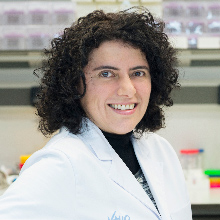 Sara Gutiérrez合作论文数Vall d’Hebron Institute of Oncology32J. Molinier合作论文数31L. Veldeman合作论文数30
 Jean Bernard Dubois合作论文数Faculté de Médecine, l’Université Montpellier I30
 Sarah L Kerns合作论文数29Paul Symonds合作论文数27
 Olivier Chapet合作论文数Centre Hospitalier Universitaire de Lyon27
 Riccardo Valdagni合作论文数Department of Oncology and Onco-Hematology, Università degli Studi di Milano Milan;Dipartimento Diagnostica Per Immagini E Radioterapia, Dipartimenti Di Area Clinica, Istituto Nazionale dei Tumori27




