Quantification of neutrophil counts is the most relevant assessment of cellular immunity in clinical practice. Patients with neutropenia are considered at risk and are categorized according to its severity. The incidence of febrile neutropenia varies, but patients with acute myeloid leukemia are traditionally considered at high risk, especially following myelotoxic treatments. To provide additional functional parameters, we investigated the ex vivo migration properties and morphology of neutrophils in 10 patients with acute myeloid leukemia using single-cell video-microscopy and discovered, in addition to neutropenia, highly pathological neutrophil migration patterns and polarization defects in patients with untreated acute myeloid leukemia. Neutrophil speed was the most sensitive parameter and significantly lower at leukemia diagnosis (9.067 vs 15.810 µm/min, P = 0.0025) compared to healthy controls (n = 46). Hematological remission was associated with improved neutrophil migration profiles, but these ultimately normalized only after hematopoietic cell transplantation. Five patients were followed up for long-term effects of hematopoietic cell transplantation for up to 24 mo. This is the first longitudinal ex vivo neutrophil migration study in patients with acute myeloid leukemia, followed by allogeneic hematopoietic cell transplantation. It identified functional neutrophil impairments beyond routine quantitative assessments, adding to the well-known quantitative impairment of neutropenia. HCT can reestablish functional neutrophils with healthy migration profiles in these patients.
SIGNIFICANCE:Patients aged ≥50 years with r/r MCL had superior OS and lower nonrelapse mortality 1 year after receiving brexu-cel compared with alloHCT. However, the long-term PFS and OS are similar for both treatments. Individual risk-benefit evaluation is essential to guide optimal treatment decisions.
Platelet reconstitution after allogeneic hematopoietic cell transplantation (allo-HCT) is heterogeneous and influenced by various patient- and transplantation-related factors, associated with poor prognoses for poor graft function (PGF) and isolated thrombocytopenia. Tailored interventions could improve the outcome of patients with PGF and post-HCT thrombocytopenia. To provide individual predictions of 180-day platelet counts from early phase data, we developed a model of long-term platelet reconstitution after allo-HCT. A large cohort (n = 1949) of adult patients undergoing their first allo-HCT was included. Real-world data from 1,048 retrospective patients were used for non-linear mixed-effects model development. Bayesian forecasting was used to predict platelet-time profiles for 518 retrospective and 383 prospective patients during internal and external model validation, respectively. Thrombocytopenia was defined as mean platelet count < 75 × 109/L, derived from the last 12 platelet measurements within the first 180 days post-HCT. Thrombocytopenia affected 37% of all patients and was associated with significantly reduced overall survival (P-value < 0.0001). On days +7, +14, +21, and +28, the developed model achieved areas under the receiver-operating characteristic of ≥ 0.68, ≥ 0.75, ≥ 0.78, and 0.81 for the prediction of post-HCT thrombocytopenia, respectively, with anti-thymocyte globulin, donor relation, and total protein measurements representing prognostic markers for post-HCT platelet kinetics. A publicly accessible web-based demonstrator of the model was established (https://hsct.precisiondosing.de). In summary, the developed model predicts individual platelet counts from day +28 post-HCT adequately, utilizing internal and external datasets. The web-based demonstrator provides a basis to implement model-based predictions in clinical practice and to confirm these findings in future clinical studies.
BACKGROUND:Information about follow-up care in blood cancer survivors is limited. The questionnaire-based "Aftercare in Blood Cancer Survivors" (ABC) study aimed to identify patterns of follow-up care in Germany and compare different types of follow-up institutions. METHODS:The study's 18-month prospective part compared the follow-up institutions identified in the preceding retrospective part (academic oncologists, community oncologists, primary care physicians). The questionnaires were completed by the follow-up physicians. RESULTS:Of 1070 physicians named by 1479 blood-cancer survivors, 478 (44.7%) consented to participate. For provision of care, most oncologists relied on published guidelines, while most primary care physicians depended on information from other physicians. Survivors with a history of allogeneic transplantation or indolent lymphoma were mainly seen by academic oncologists, whereas survivors with monoclonal gammopathy, multiple myeloma, or myeloproliferative disorders were often seen by community oncologists, and survivors with a history of aggressive lymphoma or acute leukemia by primary care physicians. Detection of relapse and secondary diseases was consistently viewed as the most important follow-up goal. Follow-up visits were most extensively documented by academic oncologists (574 of 1045 survivors cared for, 54.9%), followed by community oncologists (90/231, 39.0%) and primary care physicians (51/203, 25.1%). Relapse and secondary disease detection rates and the patients' quality of life were similar at the three institutions. Laboratory tests were most often ordered by academic oncologists, and imaging by primary care physicians. Psychosocial issues and preventive care were more often addressed by primary care physicians than by oncologists. CONCLUSIONS:Patients at high risk of relapse or late complications were preferentially treated by academic oncologists, while patients in stable condition requiring continuous monitoring were also seen by community oncologists, and patients with curable diseases in long-term remission by primary care physicians. For the latter, transfer of follow-up care from oncologists to well-informed primary care providers appears feasible.
A randomized study (acronym: MC-FludT.14/L Trial II) demonstrated that fludarabine plus treosulfan (30 g/m²) was an effective and well tolerated conditioning regimen for allogeneic hematopoietic cell transplantation (allo-HCT) in older patients with acute myeloid leukemia (AML) and myelodysplastic syndrome (MDS). To further evaluate this regimen, all 252 study patients aged 50 to 70 years were compared with similar patients, who underwent allo-HCT after fludarabine/melphalan (140 mg/m²) (FluMel) or busulfan (12.8 mg/kg)/cyclophosphamide (120 mg/kg) (BuCy) regimens and whose data was provided by the European Society for Blood and Marrow Transplantation registry. In 1:1 propensity-score matched-paired analysis (PSA) of AML patients, there was no difference in 2-year-relapse-incidence after FluTreo compared with either FluMel (n = 110, p = 0.28) or BuCy (n = 78, p = 0.98). However, 2-year-non-relapse-mortality (NRM) was lower compared with FluMel (p = 0.019) and BuCy (p < 0.001). Consequently, 2-year-overall-survival (OS) after FluTreo was higher compared with FluMel (p = 0.04) and BuCy (p < 0.001). For MDS patients, no endpoint differences between FluTreo and FluMel (n = 30) were evident, whereas 2-year-OS after FluTreo was higher compared with BuCy (n = 25, p = 0.01) due to lower 2-year-NRM. Multivariate sensitivity analysis confirmed all significant results of PSA. Consequently, FluTreo (30 g/m²) seems to retain efficacy compared with FluMel and BuCy, but is better tolerated by older patients.
Introduction Brexucabtagene autoleucel (brexu-cel), an autologous anti-CD19 CAR T-cell therapy, is approved in the US for the treatment of relapsed/refractory (r/r) mantle cell lymphoma (MCL) and in Europe for r/r MCL after ≥2 prior lines of therapies, including Bruton's tyrosine kinase inhibitor (BTKi). The pivotal ZUMA-2 trial demonstrated very good efficacy of brexu-cel in r/r MCL and tolerable safety including cytokine release syndrome and immune effector cell-associated neurotoxicity syndrome (Wang et al. J Clin Oncol. 2022). Allogeneic stem cell transplantation (alloSCT) is potentially curative but is associated with high treatment related mortality (TRM) and clinically significant graft-versus-host disease (GvHD). The optimal choice of treatment between brexu-cel and alloHCTs is unclear. We conducted a propensity score matched (PSM) analysis of brexu-cel and alloSCT in patients (pts) with r/r MCL. Methods Pts from ZUMA-2 were matched with alloSCT pts from the EBMT database. Selection criteria to identify pts in the EBMT registry were: r/r MCL diagnosis and receipt of alloSCT from 2010 to 2020, age ≥18 years, prior treatment with anti-CD20, prior anthracycline- or bendamustine containing regimens, and prior BTKi. We performed a 1:1 nearest neighbor matching without replacement, balanced for 5 baseline parameters: age, sex, number of prior treatment lines, time from diagnosis to cellular immunotherapy, and prior autologous stem cell transplantation (autoSCT). The primary endpoint was overall survival (OS) from cellular immunotherapy. The following secondary endpoints were analyzed: progression-free survival (PFS), TRM, defined as incidence of deaths which are related to the treatment and occurred in absence of disease progression, and rate of GvHD. Competing risks were defined as relapse, progression or treatment-unrelated death for TRM, and death for GvHD. The EBMT registry includes pts who actually underwent alloSCT. To characterize the dropout rate prior to cellular therapy, we conducted a multicenter intent-to-treat (ITT) analysis and identified 77 pts with r/r MCL for whom an unrelated donor search was initiated and an alloSCT was intended. Results Sixty-four of 68 pts from the ZUMA-2 cohort were included in the study; 4 pts were excluded because of inability to anonymize. A total of 270 pts who had undergone alloSCT and met eligibility criteria were identified in the EBMT registry. Patient characteristics between the brexu-cel and the alloSCT cohorts were imbalanced. Brexu-cel pts were older (p<0.001), had more prior lines of treatment (median 3 vs 2, p<0.001), had less prior autoSCT (41% vs 71%, p<0.001), and had longer time between diagnosis and treatment (53 vs 40 months, p=0.01). After 1:1 PSM matching, criteria were well balanced between cohorts. Median follow-up time was 36.5 and 46.4 months for the brexu-cel and the matched alloSCT cohort, respectively. PFS and long-term OS were similar between both cohorts (Fig. 1A). However, the risk of death within the first 12 months was significantly lower in the brexu-cel cohort vs the alloSCT cohort (logistic regression with inverse probability of censoring weighting, risk ratio=0.5, 95% confidence interval [CI] 0.3-0.9, p=0.02). This was mainly attributable to the significantly higher TRM rate in the alloSCT cohort (alloSCT vs brexu-cel: cause specific hazard ratio=7.7, 95% CI 1.9-31.6, p=0.005, Fig. 1B). The cumulative incidence of acute GvHD grade ≥3 at 3 months and chronic GvHD at 24 months was 17.9% (95% CI 9.1-29.0%) and 44.3% (95% CI 30.6-57.2%), respectively. In our ITT analysis, the dropout rate was significantly higher in the cohort intended to receive alloHCT (23%, [18/77]) vs the cohort intended to receive brexu-cel (8% [6/74]; Fisher test, p=0.01). For alloSCT, failure to proceed to cellular therapy was related to progression in 13%, change of patient's preference in 5% and ineligibility in 4%; in the brexu-cel cohort this was due to manufacturing failures in 4% and progression in 3%. Conclusion Brexu-cel is an effective treatment in pts with r/r MCL post-BTKi with a superior safety profile compared with alloSCT, as indicated by lower 12-month mortality, lower TRM, and absence of chronic GVHD-related morbidity. Despite efforts to match pts between the cohorts, the inherent limitations of this study, such as incongruent data sources and case selection bias, have to be considered. Additional analyses will be presented.
INTRODUCTION:Blood cancer survivors are at increased risk for medical complications. METHODS:Our questionnaire-based study involved 1,551 blood cancer survivors with a ≥3-year interval since the last intense treatment. Its goal was to quantify health-related complications during follow-up and assess their impact on the patients' lives. RESULTS:A total of 20.4% of the responding survivors reported a disease relapse, most often in indolent lymphomas. Second primary malignancies occurred in 14.1%, primarily in lymphoma and allogeneic transplantation survivors. The most frequent malignancy was basal cell carcinoma of the skin, but myeloid malignancies, melanoma, bladder, head-and-neck, and thyroid cancer also appeared disproportionately frequent. An increased infection rate was reported by 43.7%, most often after allogeneic transplantation. New cardiovascular diseases were reported by 30.2%, with a high rate of thromboembolic events in multiple myeloma (MM) and myeloproliferative diseases. Polyneuropathies were reported by 39.1%, most often by survivors with a history of MM or aggressive lymphoma. Disease relapse was perceived as the highest burden, followed by second primary malignancy, increased infection frequency, and polyneuropathy. In each area investigated, the range of perceived severities was wide. CONCLUSIONS:Health-related complications are frequent during blood cancer follow-up, with significant repercussions on the patients' lives.
Abstract Background Acute graft‐versus‐host disease (aGvHD) is a major cause of death for patients following allogeneic hematopoietic stem cell transplantation (HSCT). Effective management of moderate to severe aGvHD remains challenging despite recent advances in HSCT, emphasizing the importance of prophylaxis and risk factor identification. Methods In this study, we analyzed data from 1479 adults who underwent HSCT between 2005 and 2017 to investigate the effects of aGvHD prophylaxis and time‐dependent risk factors on the development of grades II–IV aGvHD within 100 days post‐HSCT. Results Using a dynamic longitudinal time‐to‐event model, we observed a non‐monotonic baseline hazard overtime with a low hazard during the first few days and a maximum hazard at day 17, described by Bateman function with a mean transit time of approximately 11 days. Multivariable analysis revealed significant time‐dependent effects of white blood cell counts and cyclosporine A exposure as well as static effects of female donors for male recipients, patients with matched related donors, conditioning regimen consisting of fludarabine plus total body irradiation, and patient age in recipients of grafts from related donors on the risk to develop grades II–IV aGvHD. Additionally, we found that higher cumulative hazard on day 7 after allo‐HSCT are associated with an increased incidence of grades II–IV aGvHD within 100 days indicating that an individual assessment of the cumulative hazard on day 7 could potentially serve as valuable predictor for later grades II–IV aGvHD development. Using the final model, stochastic simulations were performed to explore covariate effects on the cumulative incidence over time and to estimate risk ratios. Conclusion Overall, the presented model showed good descriptive and predictive performance and provides valuable insights into the interplay of multiple static and time‐dependent risk factors for the prediction of aGvHD.
) is associated with a poor prognosis. The therapeutic use of donor lymphocyte infusion (DLI) upon clinical relapse is established, but its efficacy is limited. Preemptive (based on MRD positivity or mixed chimerism after SCT) and prophylactic (in MRD-negative pts with complete donor chimerism but high-risk of relapse) DLI may be more effective. However, comparative data on effectiveness and toxicity are lacking
Despite advances in allogeneic hematopoietic cell transplantation, acute graft-versus-host disease (aGVHD) remains its leading complication, yet with heterogeneous outcomes. Here, we analyzed aGVHD phenotypes and clinical classifications in depth in large, multicenter cohorts involving 3019 patients and addressed prevailing gaps by developing data-driven models. We compared, tested and verified these along with all conventional classifications in independent cohorts and found that data-driven grading outperformed conventional grading in Akaike information criterion and concordance index metrics. Data-driven classifications refined aGVHD assessment with up to 12 severity grades, which were associated with distinct nonrelapse mortality (NRM) and confirmed the key role of intestinal aGVHD. We developed an online calculator for physicians to implement principal component-derived grading (PC1). These results provide substantial insight into the evaluation of aGVHD phenotypes and multiorgan involvement, which relegates the exclusive reporting of overall aGVHD severity grades in transplant registries and clinical trials. Data-driven aGVHD grading provides an expandable platform to refine classification and transplant risk assessment.
Little is known about changes in the personal living conditions of long-term blood cancer survivors in Germany. To gather information about social relationships, work life, overall well-being, and religion, we performed a questionnaire-based retrospective study on 1551 survivors who had been on follow-up for ≥ 3 years (median, 9 years). Most survivors reported that marital status and relationships with relatives and friends remained constant before and after blood cancer. Vocational activities were temporarily impaired for 47.5%, with a median time of 11 months to return to work. More than a third of the patients (35.6%) discontinued work permanently, with disability and retirement pension rates of 7.9% and 38.1%, respectively, at the time of the survey. Financial problems due to reduced income were reported by 26.2%, in particular after relapse or allogeneic transplantation. Patient reports addressing their quality of life showed large variations. It was best in acute leukemia survivors without a history of allogeneic transplantation and worst in patients with myeloproliferative disorders. Religion tended to become more important after blood cancer. In conclusion, vocational impairment and financial problems are frequent among German blood cancer survivors. Efforts should be made at an early stage to reestablish the patients’ ability to work.
IntroductionAnti-T-lymphocyte globulin (ATG) or post-transplant cyclophosphamide (PTCy) prevent graft-versus-host disease (GVHD) after hematopoietic cell transplantation (HCT), yet individual patients benefit differentially.MethodsGiven the sparse comparative data on the impact of cellular immune reconstitution in this setting, we studied flow cytometry and clinical outcomes in 339 recipients of 10/10 matched-unrelated donor (MUD) HCT using either ATG (n=304) or PTCy (n=35) for in vivo T cell manipulation along with a haploidentical PTCy control cohort (n=45). Longitudinal cellular immune reconstitution data were analyzed conventionally and with a data science approach using clustering with dynamic time warping to determine the similarity between time-series of T cell subsets.ResultsConsistent with published studies, no significant differences in clinical outcomes were observed at the cohort level between MUD-ATG and MUD-PTCy. However, cellular reconstitution revealed preferences for distinct T cell subpopulations associating with GVHD protection in each setting. Starting early after HCT, MUD-PTCy patients had higher regulatory T cell levels after HCT (p <0.0001), while MUD-ATG patients presented with higher levels of γδ T- or NKT cells (both p <0.0001). Time-series clustering further dissected the patient population’s heterogeneity revealing distinct immune reconstitution clusters. Importantly, it identified phenotypes that reproducibly associated with impaired clinical outcomes within the same in vivo T cell manipulation platform. Exemplarily, patients with lower activated- and αβ T cell counts had significantly higher NRM (p=0.032) and relapse rates (p =0.01).DiscussionThe improved understanding of the heterogeneity of cellular reconstitution in MUD patients with T cell manipulation both at the cohort and individual level may support clinicians in managing HCT complications.
Importance The ideal postremission strategy in intermediate-risk acute myeloid leukemia (AML) in first complete remission (CR) has been a matter of debate. Objective To explore the optimal therapy for patients with intermediate-risk AML after first complete remission. Design, Settings, and Participants This investigator-initiated, open-label, 2-armed, phase 3 randomized clinical trial assessed patients at 16 hospitals in Germany from February 2, 2011, until July 1, 2018. Key eligibility criteria included cytogenetically defined intermediate-risk AML according to Medical Research Council classification, first CR or CR with incomplete blood cell count recovery after conventional induction therapy, age of 18 to 60 years, and availability of a human leukocyte antigen (HLA)-matched sibling or unrelated donor. A detailed statistical analysis plan was written and finalized on July 7, 2020. Data were exported for analysis on April 13, 2021. Interventions Patients were randomized 1:1 to receive allogeneic hematopoietic cell transplantation (HCT) or high-dose cytarabine for consolidation and salvage HCT only in case of relapse. Strata for randomization included age (18-40 vs 41-60 years), NPM1 and CEBPA variation status, and donor type (unrelated vs related). Main Outcomes and Measures End points included overall-survival as the primary outcome and disease-free survival, cumulative incidence of relapse, treatment-related mortality, and quality of life measured according to the Medical Outcomes Study 36-Item Short-Form Health Survey as secondary outcomes. Results A total of 143 patients (mean [SD] age, 48.2 [9.8] years; 81 [57%] male) with AML who fulfilled the eligibility criteria were randomized. In the intention-to-treat analysis, the probability of survival at 2 years was 74% (95% CI, 62%-83%) after primary allogeneic HCT and 84% (95% CI, 73%-92%) after consolidation chemotherapy (P = .22). Disease-free survival after HCT at 2 years was 69% (95% CI, 57%-80%) compared with 40% (95% CI, 28%-53%) after consolidation chemotherapy (P = .001). Allogeneic HCT during the first CR was associated with a cumulative incidence of relapse at 2 years of 20% (95% CI, 13%-31%) compared with 58% (95% CI, 47%-71%; P < .001). Nonrelapse mortality at 2 years after primary allogeneic HCT was 9% (95% CI, 5%-19%) and 2% (95% CI, 0%-11%) after consolidation chemotherapy (P = .005). Similar outcomes were observed when analyses were confined to the 96 patients at intermediate risk according to the European Leukemia Network classification. Most importantly, all 41 patients relapsing after consolidation chemotherapy (36 hematologic, 4 molecular, and 1 extramedullary) proceeded to allogeneic HCT. No significant differences in health-related quality of life measures were observed between groups. Conclusions and Relevance Primary allogeneic HCT during first CR was not associated with superior overall survival compared with consolidation chemotherapy in patients 60 years or younger with intermediate-risk AML during the first CR and an available donor. Trial Registration ClinicalTrials.gov Identifier: NCT01246752.
Background Follow-up care provides long-term support for cancer survivors. Little is known about follow-up care in hematologic malignancies. Methods Our questionnaire-based study included blood cancer survivors diagnosed at the University Hospital of Essen before 2010, with a ≥ 3-year interval since the last intense treatment. The primary goal of the retrospective study was the identification and characterization of follow-up institutions. Results Of 2386 survivors meeting the inclusion criteria, 1551 (65.0%) consented to participate, with a follow-up duration > 10 years in 731. The university hospital provided care for 1045 participants (67.4%), non-university oncologists for 231 (14.9%), and non-oncological internists or general practitioners for 203 (13.1%). Seventy-two participants (4.6%) abstained from follow-up care. The disease spectrum differed among follow-up institutions ( p < 0.0001). While allogeneic transplant recipients clustered at the university hospital, survivors with monoclonal gammopathy, multiple myeloma, myeloproliferative disorders, or indolent lymphomas were often seen by non-university oncologists, and survivors with a history of aggressive lymphoma or acute leukemia by non-oncological internists or general practitioners. Follow-up intervals mirrored published recommendations. Follow-up visits were dominated by conversations, physical examination, and blood tests. Imaging was more often performed outside than inside the university hospital. Satisfaction with follow-up care was high, and quality of life was similar in all follow-up institutions. A need for improvement was reported in psychosocial support and information about late effects. Conclusions The naturally evolved patterns identified in the study resemble published care models: Follow-up clinics for complex needs, specialist-led care for unstable disease states, and general practitioner-led care for stable conditions.
Intravenously infused treosulfan was evaluated in adult and pediatric patients for conditioning regimen prior to allogeneic hematopoietic stem cell transplantation. A population pharmacokinetic (PK) model was initially developed on 116 adult and pediatric PK profiles from historical trials, to support treosulfan dose recommendations for children in 2 prospective trials. The aim was to assess and update the initial population PK model by inclusion of additional 83 pediatric PK profiles from these 2 trials. The final population PK model was 2-compartmental with dosing in the central compartment, linear elimination, and inter-compartmental clearance. Inter-individual variability was included on clearance (CL), central volume (V1), peripheral volume (V2), and inter-compartmental clearance (Q). The final model described an effect of the body surface area (BSA) on CL, V1, V2, and Q. The final model resulted in a modified dose recommendation for children and advises treosulfan doses of 10 g/m2, 12 g/m2, and 14 g/m2 for BSAs of <0.4 m2, & GE;0.4 to <0.9 m2, and & GE;0.9 m2, respectively. This simplified BSA-dependent dose recom-mendation was developed for children, ensuring a well comparable treosulfan exposure as a dose of 14 g/ m2 in adults -irrespective of their age and without applying individual therapeutic drug monitoring. & COPY; 2023 The Japanese Society for the Study of Xenobiotics. Published by Elsevier Ltd. This is an open access article under the CC BY license (http://creativecommons.org/licenses/by/4.0/).
Blood cancer survivors are at increased risk for second primary malignancies, cardiovascular diseases, and infections. Little is known about preventive care in blood cancer survivors. Our questionnaire-based study included blood cancer patients diagnosed at the University Hospital of Essen before 2010, with a ≥ 3-year interval from the last intense treatment. One section of the retrospective study covered preventive care (cancer screening, cardiovascular screening, vaccination). Preventive care was delivered by a general practitioner for 1100 of 1504 responding survivors (73.1
Blastic plasmacytoid dendritic cell neoplasia (BPDCN) is a rare myeloid malignancy with a generally poor prognosis. Although preliminary evidence suggests that hematopoietic cell transplantation (HCT) could improve outcome in patients with BPDCN, the individual contributions of conditioning and graft-versus-tumor (GVT) effects to HCT success are undefined. We present a retrospective study of 162 adult patients who underwent a first HCT (allogeneic 146, autologous 16) between 2009 and 2017, and were registered with the EBMT. Median age was 57 (range 20–73) years, and disease status at HCT was first complete remission (CR1) in 78%. Among patients receiving allogeneic HCT (alloHCT), myeloablative conditioning (MAC), reduced intensity conditioning (RIC) and in-vivo T-cell depletion (TCD) were used in 54%, 46%, and 59% respectively. Total body irradiation (TBI) was the conditioning backbone in 61% of MAC and 26% of RIC transplants. One-year overall survival (OS) and progression-free survival (PFS) rates were comparable after alloHCT and autologous HCT (autoHCT). Among alloHCT recipients, MAC with TBI significantly improved OS and PFS, independently of CR1, age, Karnofsky index and TCD. Accordingly, MAC (ideally based on TBI) should be preferred for alloHCT recipients with BPDCN. In patients who are not elegible for MAC alloHCT, autoHCT could be considered.
Abstract Nucleophosmin‐1 (NPM1) mutations in acute myeloid leukemia (AML) confer a survival advantage in the absence of FLT3‐internal tandem duplication (FLT3‐ITD). Here, we investigated the main predictors of outcome after allogeneic hematopoietic stem cell transplantation (allo‐HCT). We identified 1572 adult (age ≥ 18 year) patients with NPM1‐mutated AML in first complete remission (CR1:78%) or second complete remission (CR2:22%) who were transplanted from matched sibling donors (30.8%) or unrelated donors (57.4%) between 2007 and 2019 at EBMT participating centers. Median follow‐up for survivors was 23.7 months. FLT3‐ITD was present in 69.3% of patients and 39.2% had detectable minimal/measurable residual disease (MRD) at transplant. In multivariate analysis, relapse incidence (RI) and leukemia‐free survival (LFS) were negatively affected by concomitant FLT3‐ITD mutation (HR 1.66 p = 0.0001, and HR 1.53, p < 0.0001, respectively), MRD positivity at transplant (HR 2.18, p < 10−5 and HR 1.71, p < 10−5, respectively), and transplant in CR2 (HR 1.36, p = 0.026, and HR 1.26, p = 0.033, respectively), but positively affected by Karnofsky score ≥90 (HR 0.74, p = 0.012, and HR 0.7, p = 0.0002, respectively). Overall survival (OS) was also negatively influenced by concomitant FLT3‐ITD (HR 1.6, p = 0.0001), MRD positivity at transplant (HR 1.61, p < 10−5), and older age (HR 1.22 per 10 years, p < 0.0001), but positively affected by matched sibling donor (unrelated donor: HR 1.35, p = 0.012; haploidentical donor: HR 1.45, p = 0.037) and Karnofsky score ≥90 (HR 0.73, p = 0.004). These results highlight the independent and significant role of FLT3‐ITD, MRD status, and disease status on posttransplant outcomes in patients with NPM1‐mutated AML allowing physicians to identify patients at risk of relapse who may benefit from posttransplant prophylactic interventions.
 Ahmet H. Elmaagacli合作论文数Department of Bone Marrow Transplantation, University Hospital of Essen203
 Nicolaus Kröger合作论文数Department of Stem Cell Transplantation, University Medical Center Hamburg-Eppendorf;Center for Oncolog, University Medical Center Hamburg-Eppendorf;University of Hamburg199Jurgen Finke合作论文数168Michael Koldehoff合作论文数164R Trenschel合作论文数122Nina K. Steckel合作论文数Department of Bone Marrow Transplantation, University Hospital of Essen120
 Arnon Nagler合作论文数Hemato-Oncology Center, Sheba Tel Hashomer City of Health;EBMT;Tel Aviv University;Israeli Bone Marrow Association118
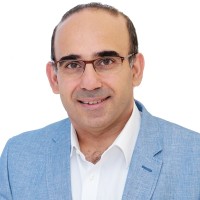 Mohamad Mohty合作论文数Clinical Hematology and Cellular Therapy Department, Saint-Antoine Hospital, Sorbonne University;Saint-Antoine Research Centre104UW Schaefer合作论文数103
 Matthias Stelljes合作论文数Knochenmark-Transplantations-Zentrum, Universitätsklinikum Münster103Peter Dreger合作论文数93
 Gerard Socie合作论文数AP-HP Hospital Saint Louis;University of Paris89M Ditschkowski合作论文数85Myriam Labopin合作论文数Hospital Saint-Antoine;University Paris685Liisa Volin合作论文数84Hellmut D Ottinger合作论文数79Rainer Schwerdtfeger合作论文数78Martin Bornhauser合作论文数76
 Didier Blaise合作论文数Institut Paoli-Calmettes;Université Aix Marseille73
 Lambros Kordelas合作论文数University of Duisburg-Essen70
 Arnold Ganser合作论文数Hannover Medical School63
 Wolfgang Bethge合作论文数Universitätsklinikum und Medizinische Fakultät Tübingen;Medizinische Universitätsklinik Tübingen61Renate Arnold合作论文数60
 Guido Kobbe合作论文数58
 Jakob Passweg合作论文数University of Basel;Basel University Hospital55
 Ibrahim yakoub-agha合作论文数52Rudolf Peceny合作论文数52
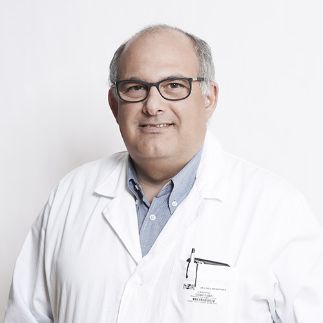 Ciceri Fabio合作论文数Universita Vita-Salute San Raffaele52Gerhard Ehninger合作论文数51
 Donald Bunjes合作论文数Universitätsklinikum Ulm51
 Peter Horn合作论文数Center of Medical Biotechnology, University of Duisburg-Essen;Institute for Transfusion Medicine, Universitätsmedizin Essen51
 Dietger Niederwieser合作论文数Universität Leipzig50Anja Van Biezen合作论文数Chron Leukemia Working Party, European Grp Blood & Marrow Transplantat50
 Johannes Schetelig合作论文数Department of Bone Marrow Transplantation, University Hospital Carl Gustav Carus in Dresden50Johanna Tischer合作论文数49Christof Scheid合作论文数48Marie Robin合作论文数47Rudolf Trenschel合作论文数47Christoph Schmid合作论文数46H. Grosse-Wilde合作论文数46Klaus Quabeck合作论文数45Theo de Witte合作论文数Radboud University Nijmegen44Ditschkowski Markus合作论文数44
 de Wreede Liesbeth C合作论文数Department of Medical Statistics, German Bone Marrow Donor Center44Ghulam J. Mufti合作论文数42Katharina Fleischhauer合作论文数40
 Johan Maertens合作论文数Department of Hematology, Universitair Ziekenhuis Leuven;Laboratory of Clinical Microbiology, Departement Microbiologie, Immunologie en Transplantatie, KU Leuven39Gromke Tanja合作论文数36
 Martin Bornhäuser合作论文数Department of Haematology, Faculty of Life Sciences & Medicine, School of Cancer & Pharmaceutical Sciences, King’s College London;National Centre for Tumor Diseases Dresden;University Hospital Carl Gustav Carus, Technische Universität Dresden36




