Effective crop pollination hinges on the alignment of agricultural and apicultural practices with ecological knowledge. This study explores the dynamics between Croatian beekeepers and farmers, revealing overlapping but often uncoordinated approaches to pollination. Survey data indicate that 83.8% of beekeepers work part-time, aligning with broader trends observed across Europe. While honey production remains the primary source of income, pollination services contribute minimally, partly due to logistical barriers, weak institutional frameworks, and limited market incentives. Apiary placement is strongly influenced by seasonal floral resources, with a preference for grasslands, and selective avoidance of certain crops due to pesticide risks or low nectar flow. Farmers have reported a significant dependence on animal pollination (median 42.5%) and a strong reliance on managed honeybee colonies, however, wild insect pollinators and habitat enhancements remain underutilized. Despite widespread awareness, constraints, including technical gaps and financial limitations, hinder further engagement. The research emphasizes the urgent need to incorporate ecological knowledge into policy and practice. Promoting cooperative relationships, ecosystem service-based incentives, and regionally adapted training could enhance pollination outcomes. Part-time beekeepers could be a vital resource for expanding insect pollination services if they received better support. To strengthen partnerships between beekeepers and farmers in Croatia, it is necessary to coordinate efforts across policy, education, and land-use planning to fully unlock the ecological and economic potential of pollination.
The first comprehensive investigation of Montpellier maple (Acer monspessulanum L.) honeydew (HD)-to-honeydew honey (HDH) transformation pathway was performed. A leafhopper Acericerus heydenii excreting honeydew on A. monspessulanum is reported for the first time. FTIR-ATR revealed predominating sucrose and glucose in HD unlike melezitose-rich honeydews from aphids and scale insects. Octanal and nonanal were found among the major compounds of HD and HDH by HS-SPME/GC-MS. USE and HDLLE/GC-MS in HDH determined variety of present higher aliphatic compounds and minor phenylpropanes abundance. HD contained (determined by UHPLC-DAD-QqTOF-MS) flavonoid glycosides and flavonoid galloyl glycosides quercetin and isorhamnetin derivatives that along with ellagic and protocatechuic acids are common for Acer leaves. HDH was dominated by the corresponding flavonoid aglycons of quercetin and isorhamnetin indicating the glycosides hydrolysis pathway. HD and HDH both contained protocatechuic acid, ellagic acid, lumichrome and abscisic acid, and traces of apigenin.
Strawberry tree (Arbutus unedo L.) honey (STH) has been used since ancient times as a folk medicine remedy, especially in certain Mediterranean countries. This honey, rich in phenolic content, is well recognized for its antioxidant, anti-inflammatory, and antimicrobial activities, and is used for the treatment of skin lesions as well as gastrointestinal and respiratory disorders. This study investigated whether STH alleviates genome damage in human peripheral blood lymphocytes produced by the cytotoxic drug irinotecan. The phenolic profile of STH was previously estimated by ultra-high-performance liquid chromatography coupled to a linear ion trap–Orbitrap hybrid mass spectrometer. The effects of STH were evaluated at three concentrations (1×, 5×, and 10×), based on the daily consumption of the honey by an adult person. After 2 h of in vitro exposure, standard lymphocyte cultures for the analysis of chromosome aberrations and the cytokinesis-block micronucleus cytome assay were established. Our results demonstrate that STH offered remarkable geno- and cytoprotection when administered with irinotecan. These findings are relevant for drawing preliminary conclusions regarding the in vitro safety of the tested honey. However, further studies are needed with the application of more complex experimental models.
This is the first reported study aimed at nectar secretion of Satsuma mandarin cultivars from Croatia. The study was conducted in 2014-2016 on four cultivars: Kawano Wase, Okitsu, Chahara and Zorica. Nectar was collected at six measurements per day at two-hour intervals (8:00-18:00) for a total of 12 days. The mean values of nectar quantity per flower were higher in Okitsu (23.41 μL) and Kawano Wase (22.79 μL) cultivars and were not statistically different (P > 0.05) from the other cultivars, while a significant difference (P < 0.05) was found in Chahara (21.60 μL) cultivar compared to Zorica (20.01 μL). Secreted nectar ranged from a minimum of 5.00 μL to a maximum of 75.00 μL among the studied cultivars. When comparing sugar concentration by cultivars, the lowest concentration was found in the cultivar Zorica (18.43%) and differed significantly (P < 0.05) from the others, while the mean values of the studied parameter in the cultivars Okitsu (20.35%), Kawano Wase (20.66%) and Chahara (20.17%) did not differ significantly (P > 0.05). The average sugar content in flowers of all Satsuma mandarin cultivars ranged from 4.13 mg to 4.96 mg. Sugar yield ranged from 240.8 kg/ha to 289.2 kg/ha and honey yield ranged from 301 kg/ha to 361.5 kg/ha. The present study shows that the studied cultivars of Satsuma mandarin are very attractive to honey bees due to the large number of flowers producing a large amount of nectar and that the Neretva Valley is a very good area for the production of this rare unifloral type of honey.
The aim of this study was to evaluate the influence of botanical origin on the fatty acids composition of bee pollen and its nutritional value. The seven monofloral bee pollen samples from different locations of Croatia were analysed. A total of 26 fatty acids (from C12 to C24) were identified with a significant difference in their shares in the samples, and nine of them were common to all samples. Assessing bee pollen fatty acids composition through the nutritional quality indicators (high unsaturated fatty acids/saturated fatty acids ratios, high n-3/n-6 and α-linolenic acid/linoleic acid ratios, very low atherogenic and thrombogenic indexes) it is evident that all analysed bee pollen samples are valuable products, which included in the diet can improve the fatty acids balance and could have a positive impact on human health.
Background. Bee pollen, a source of nutrients for adult honey bees and larvae, is produced from plant flower pollen which bees collect and mix with nectar or secretions from their salivary glands. Bee pollen contains nutritionally essential substances like proteins, lipids, amino acids, mineral substances, and vitamins but also carotenoids, flavonoids, and polyphenols. The amount of each substance contained in bee pollen depends on the botanical origin and the source region. Recently, many investigations have been concerned with the antioxidant properties of different food products. The aim of this research was to examine the antioxidant capacity of bee pollen and investigate its relationship with total phenolic and flavonoid contents. Materials and methods. Samples were collected from three locations in Croatia from April to June 2019. Sixteen bee pollen pooled samples were classified according to color and, after melissopalynological analysis, total phenolic (Folin-Ciocalteu method) and total flavonoid contents and antioxidant capacity (FRAP assay) were determined in fourteen monofloral bee pollen samples. Results. The monofloral bee pollen samples had 82-100% of their pollen originating from one botanical species. The highest total phenolic content (TPC) was measured in Prunus spp. and Salix spp. monofloral bee pollens (15.80 and 13.75 mg GAE/g, respectively), which also had the highest ferric reducing-antioxidant power (FRAP) values (124.44 and 147.61 mu mol Fe2+/g, respectively). The samples with the lowest TPC (Crepis biennis L. and Taraxacum officinale F.H. Wigg. ; 4.00 and 5.34 mg GAE/g, respectively) also had the lowest FRAP values (25.24 and 34.74 mu mol Fe2+/g, respectively). The values for total flavonoid content (TFC) did not vary a lot between the analyzed samples (5.05-9.71 mg QE/g). Conclusion. In comparison to some other food products, bee pollen, like most bee products, appears to be a good source of antioxidants. The botanical family or botanical species of bee pollen affects the antioxidant properties of the bee pollen. Due to a lack of research on monofloral bee pollen in comparison to pooled samples, knowledge about specific parameters of different monofloral bee pollen samples should be broadened.
Himalayan balsam (Impatiens glandulifera Royle) is an invasive garden ornamental plant species originating from Asia, which produces significant amounts of nectar. In Croatia, it is widely distributed along the banks of the Mura River. Although this plant species is widespread in Europe, there are still no available scientific data about this unifloral honey type. The results showed that Himalayan balsam honey is characterized by the high presence of pollen grains in the pollen spectrum (59–85%), natural higher diastase activity (39.1 ± 7.98 DN), negative specific rotation (−21.2° ± 6.89) and an extra light amber color (48.5 ± 12.69 mm Pfund). The carbohydrate profile is characterized by monosaccharides fructose (39.34 ± 0.65 g/100 g) and glucose (31.91 ± 1.42 g/100 g) with a ratio >1.23, while the most commonly represented disaccharide was maltose (3.04 ± 0.79 g/100 g). The average total phenolic content was 130.97 ± 11.17 mg gallic acid/kg honey, and the average antioxidant capacity value was 225.38 ± 29.58 µM Fe(II). The major mineral element was K, with an average of 533.92 ± 139.70 mg/kg. The sensory profile was characteristic with a light orange color and medium-intensity odor and aroma. The crystallization rate was moderate and characterized by the appearance of opalescence and gelatinous forms of crystals. The results of this study provide the first insight into the melissopalynological, physico-chemical and sensory profile of Himalayan balsam honey.
Abstract Strawberry tree (Arbutus unedo L.) honey (STH), also known as “bitter honey”, is a traditional medicine widely used in the Mediterranean area. Regardless of geographical origin, it usually has a very high content of phenolic compounds and strong antioxidant capacity. Yet, little is still known about the effects of STH, its phenolic extract (STHE), and its main bioactive compound – homogentisic acid (HGA) – at the cell level. The aim of this study was to estimate total phenolic content, DPPH radical scavenging activity, and ferric reducing antioxidant power of STH made in Croatia and investigate cytotoxic and pro-oxidative effects of STH, STHE and HGA on three human cell lines: tongue squamous cell carcinoma (CAL 27), hepatocellular carcinoma (HepG2), and epithelial colorectal adenocarcinoma cells (Caco-2) cells. These substances were tested at four concentrations (0.5–5× average human daily intake of STH) and over 30 min and 1 and 2 h. Croatian STH had a total phenolic content of 1.67 g gallic acid equivalents (GAE) per kg of honey, DPPH radical scavenging activity of 2.96 mmol Trolox equivalents (TE) per kg of honey, and ferric reducing antioxidant power (FRAP) of 13.5 mmol Fe2+ per kg of honey. Our results show no clear and consistent time- or concentration-dependent cytotoxicity in any of the cell lines. ROS levels in all the three cell types at almost all exposure times were not significantly higher than control. The most important observation is that the tested substances have low cytotoxicity and high biocompatibility, regardless of concentration, which is a good starting point for further research of their biological effects in other models.
The confirmation of honey authenticity is an ongoing challenge. We investigated new authenticity markers (13 macro and trace elements, total phenolic (TP) content, antioxidant capacity) in 62 unifloral and multifloral honeys from Croatia as loadings for principal component analysis (PCA), taking into account the spatial, temporal and production practice variation and combining them with traditional tools for authentication of the botanical origin (melissopalynological, sensory and physicochemical analyses). PCA as a chemometric tool was compliant with basic statistical testing results (Mann–Whitney U test) figuring Ba and Mn, and also pointed to TP, antioxidant capacity parameters, Ca, K and Mg (PC1) as useful markers for discriminating chestnut honey from other unifloral and multifloral honeys. The first PC discerned deciduous honeydew honey sample fairly from nectar honey samples. Although some elements showed regional, seasonal and production practice differences, PCA was not able to discriminate between all groups clearly. Our nutritional assessment based on a calculation of the contribution to the Dietary Reference Value pinpointed deciduous honeydew honey, savory and chestnut honey with the highest daily mineral intake relevance among seven honey types.
Experimental varroacidal treatments of honey bee colonies were conducted on five apiaries (EA1–EA5) situated at five different geographical and climatic locations across Croatia. The aim of this study was to assess the comparative efficacy of CheckMite+ (Bayer, Germany), Apiguard (Vita Europe Ltd.; England), Bayvarol, C, (Bayer, Germany), Thymovar, (Andrma BioVet GmbH, Germany), and ApiLife Var, (Chemicals Laif SPA; Vigonza, Italy) for controlling the honey bee obligatory parasitic mite Varroa destructor in different conditions in the field during summer treatment. The relative varroa mite mortality after treatments with applied veterinary medicinal products were EA1 (59.24%), EA2 (47.31%), EA3 (36.75%), EA4 (48.33%), and EA5 (16.78%). Comparing the relative efficacy of applied varroacides, the best effect was achieved with CheckMite+, and the lowest for honey bee colonies treated with Apiguard (statistically significant difference was confirmed; p < 0.05). Considering the lower efficacy of thymol-based veterinary medicinal products observed on all EA in these study conditions, it may be concluded that their use is limited under different treatment regimes. Despite unfavourable weather and environmental conditions, with exceptions of EA5/EA5′ and EA1, the relative varroacidal efficacy of authorized veterinary medicinal product treatments in moderately infested honey bee colonies ensured normal overwintering and colony development during next spring.
Quality and safety of food, including honey, is one of the leading priorities regarding residues of anthropogenic chemicals with proven adverse health effects. In total, 61 honey samples of known botanical origin were collected in period 2018-2019 from Croatian registered organic and conventional beekeepers (N = 16 organic and N = 45 conventional honey samples). Eleven trace metal(loid)s (Al, As, Cd, Co, Cr, Cu, Fe, Mn, Ni, Pb and Zn; quantitated by ICP-MS), 24 antibiotics (LC-MS/MS, ELISA, microbiological inhibition test), six indicator PCBs (GC-MS/MS) and 121 pesticides (LC-MS/MS, GC-MS/MS) originating from environment and/or beekeeping practice were measured to assess possible differences in contaminant residues between organic and conventional honeys. All honey samples had contaminant residues below the legal maximum levels and are considered safe for consumers. However, 2/16 organic and 34/45 conventional honeys contained one or two synthetic acaricides (most frequently coumaphos), while other pesticides, antibiotics and PCBs were not quantified. Also, organic honey contained lower levels of coumaphos, amitraz and amitraz metabolite N-(2,4-dimethylphenyl) formamide than conventional honeys, on average. Higher levels of Cr (p = 0.006) were detected in organic compared to conventional chestnut honeys. This study pinpointed beehive disease control treatment as prominent pesticide residue source, which was to some extent reduced in organic honeys. Quantified pesticide and metal(loid) levels were within range or lower than reported in recent literature regarding honey of the same botanical origin.
The honey bee forage resources in the Neretva Valley enable production of unifloral Satsuma mandarin (Citrus unshiu Marc.) honey. Given the insufficient knowledge about this type of honey, the aim of this study was to establish its botanical origin (pollen spectrum), as well as physico-chemical and sensory properties. In total nine samples of Satsuma mandarin unifloral honey collected from Neretva Valley in the period from 2014 to 2015 were analysed. Floristic observations have recorded 78 plant species and the results of qualitative melissopalynological analysis revealed pollen originating from 50 plant species in analysed honey samples. The number of determined types of pollen in individual honey samples varied from 8 to 19 with an average of 13 pollen types. Proportion of Satsuma mandarin pollen ranged from 3 to 35% with average of 10.88%. The average water content in honey samples range from 17.1% to 17.3%, electrical conductivity from 0.22 mS/cm to 0.27 mS/cm, pH value from 3.82 to 4.02 and diastase activity from 7.78 to 9.36. The main sensory attributes of Satsuma mandarin were determined by sensory analysis: colour ranging from light to dark yellow, orange blossom odour with medium intensity, weak to medium taste persistence characterised by medium sweetness and poorly expressed acidity, and floral and fruity aroma. Due to almost monocultural orchards of Satsuma mandarin in the Neretva Valley, the possibility of producing this rare type of honey in this region should certainly be utilized.
The paper examines the antiproliferative, antimicrobial and antioxidative effects of fir (Abies alba Mill.) honeydew honey from mountain region of Croatia (Gorski kotar) as a potential replacement for standard antibiotics and chemotherapeutic agents. Cell viability, annexin V assay and flow cytometry analysis served to analyse the antiproliferative effect on, apoptosis induction in and cell death of cancer cell lines: HeLa, MCF-7, SW620, CFPAC-1, MIA PaCa-2 and normal diploid human fibroblasts (BJ). Antimicrobial activity was tested against Staphylococcus and Acinetobacter strains by agar well diffusion and microdilution assays. The DPPH˙ assay determined the radical scavenging activity, while mathematical models helped to evaluate the kinetic data of DPPH˙ inhibition. Antiproliferative effect on all tested cell lines and the prominent effect on normal diploid human fibroblasts (BJ), colorectal adenocarcinoma (SW620, metastatic) and breast epithelial adenocarcinoma (MCF-7, metastatic) was observable. The mechanisms of antiproliferative effect included accumulation of cells in the sub-G1 phase in all tested cells and induction of apoptosis in SW620 and MCF-7 cells predominantly. The antibacterial assays showed that antibiotic resistant strains of both bacteria, including multi-resistant strain A. baumannii ATCC® BAA-1605™, were sensitive to all tested honey samples. Radical scavenging assay suggests that antioxidants present in the honey possess different radical suppressing abilities and that they react at different rates with radicals, thereby causing two steps of reaction. The results of the study indicate that Croatian fir honeydew honey has a therapeutic potential due to the strong biological activity and can serve to protect human health.
Elemental composition was analysed to determine the effect of the botanical and geographical origin on the mineral content in black locust (Robinia pseudoacacia L.), chestnut (Castanea sativa Mill.), and lime (Tilia spp.) honey. Th e study included 174 samples from three different geographical and climatic regions in Croatia. A total of 15 elements were analysed using inductively coupled plasma mass spectrometry (ICP-MS). Th e highest total mineral content was determined in chestnut honey samples, followed by the lime and black locust honey samples, in descending order of presence: K, Ca, Na, Mg, Mn and Fe. A good potential of marking the botanical origin was confirmed on the basis of increased contents of Mn and Sr in chestnut honey. Increased concentrations of Pb and Zn determined in honey samples from the Pannonian Region showed to be a good basis for demarcation of the geographical origin. The content of some heavy metals in honey were low (Median: Cd 0.005 mg/kg ; Pb 0.015 mg/kg ; Ni 0.083 mg/kg ; Zn 1.362 mg/kg ; with no harmful health eff ects).
Samples of Satsuma mandarin (Citrus unshiu Marc.) nectar, honey sac content and honey were analyzed by FTIR-ATR spectroscopy and reference methods. The spectral analysis allowed detection of the major chemical constituents in C. unshiu nectar-to-honey transformation pathway thus providing information on the intensity and location of the compositional changes occurring during this process. The preliminary results showed that in average more than one-third of sugar-related nectar-to-honey conversion takes place directly in the honey sac; the average sugar content (w/w) was 17.93% (nectar), 47.03% (honey sac) and 79.63% (honey). FTIR-ATR results showed great spectral similarity of analyzed honey samples and small degree variations in both sugar and water content in nectar samples. The spectral data revealed distinctive differences in the chemical composition of individual honey sac contents with the most intensive and complex absorption envelope in the spectral region between 1175 and 950cm-1 (glucose, fructose and sucrose absorption bands).
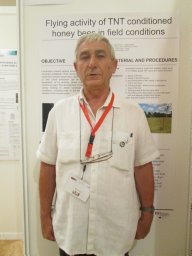 Nikola Kezic合作论文数Fac Agr, Univ Zagreb37
 Marica Maja Dražić合作论文数Croatian Minist Agr30
 Sasa Prđun合作论文数Faculty of Agriculture, University of Zagreb24
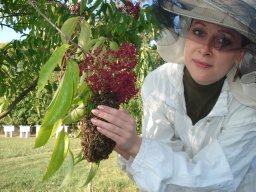 Lidija Svecnjak合作论文数Dept Fisheries Apiculture Wildlife Management & S, Univ Zagreb23
 Ljiljana Primorac合作论文数Faculty, Food Technology University15
 Daniela Cacic Kenjeric合作论文数Faculty, Food Technology University13Janja Filipi合作论文数Department of Ecology, Agronomy and Aquaculture, University of Zadar11
 Ivana Flanjak合作论文数Josip;University of Osijek;Faculty of Food;Faculty of Food, University of Osijek11
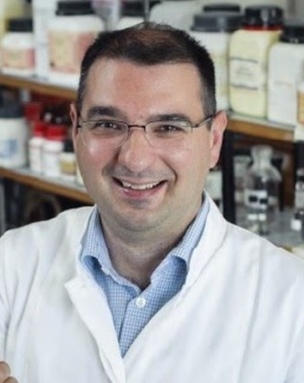 Igor Jerković合作论文数Department of Organic Chemistry, Division of Chemistry, Faculty of Chemistry and Technology, University of Split7
 Gordana Hegic合作论文数6
 Ivana Tlak Gajger合作论文数6Milena L. Mandić合作论文数6Zvonimir Marijanovic合作论文数Department of Food Technology, Marko Marulić Polytechnic in Knin5Hermann Pechhacker合作论文数5
 Goran Baranovic合作论文数Rudjer Bošković Institute5
 Branka Šakić Bobić合作论文数Dept Management & Rural Entrepreneurship, Univ Zagreb4
 Vesna Očić合作论文数Fac Agr, Univ Zagreb4
 Andreja Jurič合作论文数Institute for Medical Research and Occupational Health4
 Mateja Janeš合作论文数Faculty of Agriculture, University of Zagreb4Zoran Grgić合作论文数4
 Carlo Ignazio Giovanni Tuberoso合作论文数Dipartimento di Scienze della vita e dell’ambiente, University of Cagliari4Janja Kezić合作论文数3Josip Rogina合作论文数3
 Blanka Bilić Rajs合作论文数Fac Food Technol Osijek, Josip Juraj Strossmayer Univ Osijek3
 Maja Lazarus合作论文数Institute for Medical Research and Occupational Health3Tatjana Orct合作论文数Institute for Medical Research and Occupational Health3
 Marko Vincekovic合作论文数3Corn Ivan合作论文数3
 Dalibor Kekez合作论文数3hrvoje novosel合作论文数2Dubravko Kezic合作论文数2j brajkovic合作论文数2
 Marija Denzic Lugomer合作论文数2
 Marina Popijac合作论文数Publ Inst Nat Pk Medvedn2Denis Cvitković合作论文数2
 marija spehar合作论文数Croatian Agcy Agr & Food2Blanka Tariba Lovaković合作论文数2
 Daniela Laurino合作论文数Dept Agr Forest & Food Sci, Univ Turin2
 Brcić Karaconji Irena合作论文数2Sekovanić Ankica合作论文数2
 Buchler Ralph合作论文数2Antonija Perl Pirički合作论文数2Ivana Novak合作论文数2
 Frane Cacic Kenjeric合作论文数2Delko Barisic合作论文数2Maria Bouga合作论文数1H Pechhacker合作论文数1winfried dyrba合作论文数1Borka Kušić合作论文数1




