Alagille syndrome (ALGS) is a multisystem disease with high variability in clinical features. ALGS is predominantly caused by pathogenic variants in the Notch ligand JAG1. An iPSC line, NCHi011-A, was generated from a ALGS patient with complex cardiac phenotypes consisting of pulmonic valve and branch pulmonary artery stenosis. NCHi011-A is heterozygous for a single base duplication causing a frameshift in the JAG1 gene. This iPSC line demonstrates normal cellular morphology, expression of pluripotency markers, trilineage differentiation potential, and identity to the source patient. NCHi011-A provides a resource for modeling ALGS and investigating the role of Notch signaling in the disease.
Alagille syndrome (ALGS) is an autosomal dominant disease affecting the liver, heart and other organs with high variability. About 95% of ALGS cases are associated with pathogenic variants in JAG1, encoding the Jagged1 ligand that binds to Notch receptors. The iPSC line NCHi012-A was derived from an ALGS patient with cholestatic liver disease and mild pulmonary stenosis, who is heterozygous for a 2 bp deletion in the JAG1 coding sequence. We report here an initial characterization of NCHi012-A to evaluate its morphology, pluripotency, differentiation potential, genotype, karyotype and identity to the source patient.
Congenital heart disease (CHD) is a common group of birth defects with a strong genetic contribution to their etiology, but historically the diagnostic yield from exome studies of isolated CHD has been low. Pleiotropy, variable expressivity, and the difficulty of accurately phenotyping newborns contribute to this problem. We hypothesized that performing exome sequencing on selected individuals in families with multiple members affected by left-sided CHD, then filtering variants by population frequency, in silico predictive algorithms, and phenotypic annotations from publicly available databases would increase this yield and generate a list of candidate disease-causing variants that would show a high validation rate. In eight of the nineteen families in our study (42%), we established a well-known gene/phenotype link for a candidate variant or performed confirmation of a candidate variant’s effect on protein function, including variants in genes not previously described or firmly established as disease genes in the body of CHD literature: BMP10, CASZ1, ROCK1 and SMYD1. Two plausible variants in different genes were found to segregate in the same family in two instances suggesting oligogenic inheritance. These results highlight the need for functional validation and demonstrate that in the era of next-generation sequencing, multiplex families with isolated CHD can still bring high yield to the discovery of novel disease genes.
Spinal muscular atrophy (SMA) is a debilitating neurodegenerative pediatric disease characterized by low levels of the survival motor protein (SMN). Humans have two SMN genes that produce identical SMN proteins, but they differ at a key nucleotide in exon 7 that induces differential mRNA splicing. SMN1 primarily produces full-length SMN protein, but due to the spliceosome’s inability to efficiently recognize exon 7, SMN2 transcripts are often truncated. SMA occurs primarily through mutations or deletions in the SMN1 gene; therefore, current therapies use antisense oligonucleotides (ASOs) to target exon 7 inclusion in SMN2 mRNA and promote full-length SMN protein production. Here, we explore additional methods that can target SMN splicing and therapeutically increase full-length SMN protein. We demonstrate that in vitro heat treatment of cells increases exon 7 inclusion and relative abundance of full-length SMN2 mRNA and protein, a response that is modulated through the upregulation of the positive splicing factor TRA2 beta. We also observe that HSP90, but not HSP40 or HSP70, in the heat shock response is essential for SMN2 exon 7 splicing under hyperthermic conditions. Finally, we show that pulsatile heat treatments for one hour in vitro and in vivo are effective in increasing full-length SMN2 levels. These findings suggest that timed interval treatments could be a therapeutic alternative for SMA patients who do not respond to current ASO-based therapies or require a unique combination regimen.
NSDHL is a 3β-hydroxysterol dehydrogenase that is involved in the removal of two C-4 methyl groups in one of the later steps of cholesterol biosynthesis. Mutations in the gene encoding the enzyme are responsible for the X-linked, male lethal mouse mutations bare patches and striated, as well as most cases of human CHILD syndrome. Rare, hypomorphic NSDHL mutations are also associated with X-linked intellectual disability in males with CK syndrome. Since hemizygous male mice with Nsdhl mutations die by midgestation, we generated a conditional targeted Nsdhl mutation (Nsdhl(tm1.1Hrm)) to investigate the essential role of cholesterol in the early postnatal CNS. Ablation of Nsdhl in radial glia using GFAP-cre resulted in live-born, normal appearing affected male pups. However, the pups develop overt ataxia by postnatal day 8-10 and die shortly thereafter. Histological abnormalities include progressive loss of cortical and hippocampal neurons, as well as deficits in the proliferation and migration of cerebellar granule precursors and subsequent massive apoptosis of the cerebellar cortex. We replicated the granule cell precursor proliferation defect in vitro and demonstrate that it results from defective signaling by SHH. Furthermore, this defect is almost completely rescued by supplementation of the culture media with exogenous cholesterol, while methylsterol accumulation above the enzymatic block appears to be associated with increased cell death. These data support the absolute requirement for cholesterol synthesis in situ once the blood-brain-barrier forms and cholesterol transport to the fetus is abolished. They further emphasize the complex ramifications of cholesterogenic enzyme deficiency on cellular metabolism.
Meiosis-activating sterols (MAS) are substrates of SC4MOL and NSDHL in the cholesterol pathway and are important for normal organismal development. Oncogenic transformation by epidermal growth factor receptor (EGFR) or RAS increases the demand for cholesterol, suggesting a possibility for metabolic interference. To test this idea in vivo, we ablated Nsdhl in adult keratinocytes expressing KRASG12D. Strikingly, Nsdhl inactivation antagonized the growth of skin tumors while having little effect on normal skin. Loss of Nsdhl induced the expression of ATP-binding cassette (ABC) transporters ABCA1 and ABCG1, reduced the expression of low-density lipoprotein receptor (LDLR), decreased intracellular cholesterol, and was dependent on the liver X receptor (LXR) α. Importantly, EGFR signaling opposed LXRα effects on cholesterol homeostasis, whereas an EGFR inhibitor synergized with LXRα agonists in killing cancer cells. Inhibition of SC4MOL or NSDHL, or activation of LXRα by sterol metabolites, can be an effective strategy against carcinomas with activated EGFR-KRAS signaling.
Proceedings: AACR Annual Meeting 2014; April 5-9, 2014; San Diego, CA Sterols are structural components of lipid membranes which can exert potent biological activities by regulating cell surface receptor trafficking and stability. Arrest of the sterol pathway at the level of SC4MOL (sterol C4-methyl oxydase-like) or NSDHL (NADPH-dependent steroid dehydrogenase-like) specifically antagonizes signaling and trafficking of the epidermal growth factor receptor (EGFR) (Sukhanova, 2013). SC4MOL and NSDHL catalyze two sequential steps of oxidative decarboxylation of the C4-methyl groups of meiosis activating sterols (MAS). The protein binding MAS has not been identified. We investigated whether the anti-EGFR activities of MAS metabolites are mediated via their interaction with the Liver X Receptor (LXR) so that LXR and its transcriptional targets induce subsequent deregulation of intracellular cholesterol homeostasis. In EGFR-positive carcinoma cell, inhibition of SC4MOL or NSDHL induces upregulation of two canonical LXR targets: the ATP-binding cassette transporter A1 and G1 (ABCA1 and ABCG1). In keeping with the LXR activation, expression of low density lipoprotein receptor (LDLR) is markedly reduced in SC4MOL or NSDHL-deficient cells. These effects were completely reversible with inactivation of LXR alpha, or via inactivation of an upstream enzyme, CYP51A1, which eliminated MAS. Inactivation of SC4MOL and NSDHL sterol pathway enzymes and upregulation of cholesterol efflux via ABCA1 depleted cholesterol from cellular membranes as evidenced by marked increase of nuclear form of SREBP2. Direct manipulation of SREBP, LXR or LDLR produced concordant synergistic effects with anti-EGFR drugs in carcinoma cell lines suggesting novel combinatorial strategies to treat EGFR-positive carcinomas. In in vivo experiments, SC4MOL or NSDHL-depleted A431 carcinoma xenografts showed exquisite sensitivity to cetuximab. This phenotype was associated with upregulation of LXR target ABCA1 and loss of LDLR. Conditional inactivation of a “floxed” Nsdhl allele via K14-Cre transgene triggered ABCA1 expression in the skin, arrested keratinocytes proliferation and caused lethality in newborn male pups. The anti-proliferative effect of NSDHL deficiency was tested in vivo against KRAS-driven tumors. Skin tumors induced by KRAS in transgenic LSL-KRasG12D mice are EGFR-dependent. Tamoxifen-inducible Tg(K5-CreERTam) mice were crossed with LSL-KRasG12D;NsdhlloxP/loxP and tumors induced by oral tamoxifen administration. Both, NsdhlloxP/Y (NSDHL-null) males carrying only the “floxed” allele and NsdhlloxP/+ heterozygous mosaic females formed skin tumors at similar rate. However, the growth of tumors in NSDHL-null males was completely abrogated. In sum, specific sterol metabolites play a fundamental role in regulating activity of oncogenic EGFR. Inhibition of SC4MOL or NSDHL is a highly effective strategy to counteract oncogenic signaling in carcinomas with activated EGFR-KRAS axis. Citation Format: Linara Gabitova, Andrey Gorin, Diana Restifo, Dong-Hua Yang, David Cunningham, Gail E. Herman, Igor A. Astsaturov. Meiosis activating sterols counteract KRas-driven epithelial carcinogenesis via an LXR-dependent mechanism. [abstract]. In: Proceedings of the 105th Annual Meeting of the American Association for Cancer Research; 2014 Apr 5-9; San Diego, CA. Philadelphia (PA): AACR; Cancer Res 2014;74(19 Suppl):Abstract nr 2448. doi:10.1158/1538-7445.AM2014-2448
Basan syndrome is an extremely rare ectodermal dysplasia with autosomal dominant inheritance and variable expressivity. The etiology of Basan syndrome remains unknown. To identify the Basan syndrome gene, we sequenced keratin 14 ( KRT14 ) and SMARCAD1 in a previously unreported kindred with the disease. Sequencing of the coding regions and splice junctions of KRT14 and SMARCAD1 was performed using PCR‐amplified genomic DNA isolated from blood or saliva and standard PCR protocols. In vitro functional studies were performed for a variant identified in SMARCAD1 . While direct sequencing of KRT14 failed to reveal any likely pathogenic sequence alterations or splice site variants, a heterozygous splicing variant (c.378+3A>T) that segregated with the disease was identified in the skin‐specific isoform of SMARCAD1 . In vitro studies failed to demonstrate a splicing defect in SMARCAD1 . We screened two candidate genes for Basan syndrome in a 3‐generation pedigree. The skin‐specific isoform of SMARCAD1 remains a good candidate for this disease. © 2014 Wiley Periodicals, Inc.
AbstractPersistent signaling by the oncogenic EGF receptor (EGFR) is a major source of cancer resistance to EGFR targeting. We established that inactivation of 2 sterol biosynthesis pathway genes, SC4MOL (sterol C4-methyl oxidase–like) and its partner, NSDHL (NADP-dependent steroid dehydrogenase–like), sensitized tumor cells to EGFR inhibitors. Bioinformatics modeling of interactions for the sterol pathway genes in eukaryotes allowed us to hypothesize and then extensively validate an unexpected role for SC4MOL and NSDHL in controlling the signaling, vesicular trafficking, and degradation of EGFR and its dimerization partners, ERBB2 and ERBB3. Metabolic block upstream of SC4MOL with ketoconazole or CYP51A1 siRNA rescued cancer cell viability and EGFR degradation. Inactivation of SC4MOL markedly sensitized A431 xenografts to cetuximab, a therapeutic anti-EGFR antibody. Analysis of Nsdhl-deficient Bpa1H/+ mice confirmed dramatic and selective loss of internalized platelet-derived growth factor receptor in fibroblasts, and reduced activation of EGFR and its effectors in regions of skin lacking NSDHL.Significance: This work identifies a critical role for SC4MOL and NSDHL in the regulation of EGFR signaling and endocytic trafficking and suggests novel strategies to increase the potency of EGFR antagonists in tumors. Cancer Discov; 3(1); 96–111. ©2012 AACR.This article is highlighted in the In This Issue feature, p. 1
Structural and sequence variation have been described in several members of the contactin (CNTN) and contactin-associated protein (CNTNAP) gene families in association with neurodevelopmental disorders, including autism. Using array comparative genome hybridization (CGH), we identified a maternally inherited ∼535 kb deletion at 3p26.3 encompassing the 5' end of the contactin 4 gene (CNTN4) in a patient with autism. Based on this finding and previous reports implicating genomic rearrangements of CNTN4 in autism spectrum disorders (ASDs) and 3p- microdeletion syndrome, we undertook sequencing of the coding regions of the gene in a local ASD cohort in comparison with a set of controls. Unique missense variants were identified in 4 of 75 unrelated individuals with ASD, as well as in 1 of 107 controls. All of the amino acid substitutions were nonsynonomous, occurred at evolutionarily conserved positions, and were, thus, felt likely to be deleterious. However, these data did not reach statistical significance, nor did the variants segregate with disease within all of the ASD families. Finally, there was no detectable difference in binding of two of the variants to the interacting protein PTPRG in vitro. Thus, additional larger studies will be necessary to determine whether CNTN4 functions as an autism susceptibility locus in combination with other genetic and/or environmental factors.
CK syndrome (CKS) is an X-linked recessive intellectual disability syndrome characterized by dysmorphism, cortical brain malformations, and an asthenic build. Through an X chromosome single-nucleotide variant scan in the first reported family, we identified linkage to a 5 Mb region on Xq28. Sequencing of this region detected a segregating 3 bp deletion (c.696_698del [p.Lys232del]) in exon 7 of NAD (P) dependent steroid dehydrogenase-like (NSDHL), a gene that encodes an enzyme in the cholesterol biosynthesis pathway. We also found that males with intellectual disability in another reported family with an NSDHL mutation (c.1098 dup [p.Arg367SerfsX33]) have CKS. These two mutations, which alter protein folding, show temperature-sensitive protein stability and complementation in Erg26-deficient yeast. As described for the allelic disorder CHILD syndrome, cells and cerebrospinal fluid from CKS patients have increased methyl sterol levels. We hypothesize that methyl sterol accumulation, not only cholesterol deficiency, causes CKS, given that cerebrospinal fluid cholesterol, plasma cholesterol, and plasma 24S-hydroxycholesterol levels are normal in males with CKS. In summary, CKS expands the spectrum of cholesterol-related disorders and insight into the role of cholesterol in human development.
Mutations in the gene encoding the cholesterol biosynthetic enzyme NSDHL are associated with the X-linked male-lethal bare patches (Bpa) mouse. Mutant male embryos for several Nsdhl alleles die in midgestation with placental insufficiency. We examined here a possible role of the maternal genotype in such placental pathology. Pre-pregnancy plasma cholesterol levels were similar between wild-type (WT) and Bpa(1H)/+ dams fed a standard, cholesterol-free diet. However, there was a marked decrease in cholesterol levels between embryonic day (E)8.5 and E10.5 for both genotypes. Further, there was a significant lag between E11.5 and E13.5 (P = 0.0011) in the recovery of levels in Bpa(1H)/+ dams to their pre-pregnancy values. To investigate possible effects of the maternal genotype on fetal placentation, we generated transgenic mice that expressed human NSDHL and rescued the male lethality of the Bpa(1H) null allele. We then compared placenta area at E10.5 in WT and Bpa(1H)/+ female embryos where the mutant X chromosome was transmitted from a heterozygous mother or a rescued mutant father. In mutant conceptuses, placental areas were approximately 50% less than WT. Surprisingly, expression of Nsdhl in trophoblast lineages of the placenta and yolk sac endoderm, which occurs only from the maternally inherited allele in a female embryo, had the largest effect on placental area (-0.681 mm(2); P < 0.0001). The maternal genotype had a smaller effect, independent of the fetal genotype (-0.283 mm(2); P = 0.024). These data demonstrate significant effects of the mother and fetal membranes on pregnancy outcome, with possible implications for cholesterol homeostasis during human pregnancy.
NSDHL (NAD(P)H sterol dehydrogenase-like), is a 3β-hydroxysterol dehydrogenase thought to function in the demethylation of sterol precursors in one of the later steps of cholesterol biosynthesis. Mutations in the X-linked NSDHL gene cause CHILD syndrome in humans, and the male-lethal bare patches (Bpa) phenotype in mice. The relative level of NSDHL expression among different mouse tissues at several stages of embryogenesis and postnatal development was analyzed by immunohistochemistry. In wild type (WT) embryos, the highest levels of expression were seen in the liver, dorsal root ganglia, central nervous system, retina, adrenal gland and testis. Heterozygous Bpa1H females are mosaic for NSDHL expression due to normal random X-inactivation. NSDHL-deficient cells were detected in the developing cerebral cortex and retina of Bpa1H female embryos. In postnatal WT and Bpa1H animals, we compared the expression pattern of NSDHL in skin, an affected tissue; liver, a main site of cholesterol synthesis; and brain, a tissue dependent on endogenous synthesis of cholesterol due to lack of transport across the blood–brain barrier. Clonal populations of mutant cells were visible in the brain, skin and liver of Bpa1H pups. In the liver, the proportion of NSDHL negative cells dropped from ∼50% at postnatal day 6 to ∼20% at one year of age. In the brain, which showed the highest expression in cerebral cortical and hippocampal neurons, the proportion of NSDHL negative cells also dropped dramatically over the first year of life. Our results suggest that while NSDHL-deficient cells in the mosaic Bpa1H female are able to survive and differentiate during embryonic development, they are subject to negative selection over the life of the animal.
Seven human disorders of postsqualene cholesterol biosynthesis have been described. One of these, congenital hemidysplasia with ichthyosiform nevus and limb defects (CHILD) syndrome, results from mutations in the X-linked gene NADH sterol dehydrogenase-like (NSDHL) encoding a sterol dehydrogenase. A series of mutant alleles of the murine Nsdhl gene are carried by bare patches (Bpa) mice, with Bpa(1H) representing a null allele. Heterozygous Bpa(1H) females display skin and skeletal abnormalities in a distribution reflecting random X inactivation, whereas hemizygous male embryos die before embryonic day 10.5. To investigate the molecular basis of defects associated with perturbations in cholesterol biosynthesis, microarray analysis was performed comparing gene expression in embryonic fibroblasts expressing the Bpa(1H) allele versus wild-type (wt) cells. Labeled cDNAs from cells grown in normal serum or lipid-depleted serum (LDS) were hybridized to microarrays containing 22,000 mouse genes. Among 44 genes that showed higher expression in the Bpa(1H) versus wt cells grown in LDS, 11 function in cholesterol biosynthesis, 7 are involved in fatty acid synthesis, 3 (Srebp2, Insig1, and Orf11) encode sterol-regulatory proteins, and 2 (Ldlr and StarD4) are lipid transporters. Of the 21 remaining genes, 16 are known genes, some of which have been implicated previously in cholesterol homeostasis or lipid-mediated signaling, and 5 are uncharacterized cDNA clones.
NSDHL is a 3β-hydroxysterol dehydrogenase that is involved in the removal of C-4 methyl groups in one of the later steps of cholesterol biosynthesis. Mutations in the Nsdhl gene are associated with the X-linked male lethal mouse mutations bare patches (Bpa) and striated (Str), as well as with most cases of human CHILD syndrome. To begin to examine the pathogenesis of these disorders, we have determined that affected male embryos for several Nsdhl alleles die in midgestation, between E10.5 and 13.5, while the majority of affected male embryos for the most severe allele, NsdhlBpa1H, die prior to E9.5. Although no consistent anomalies were identified in affected male embryos themselves, the labyrinth layer of the fetal placenta was always thinner, with fewer fetal vessels and decreased proliferation of labyrinth trophoblast cells. X-inactivation is non-random in females in most lineages of the rodent placenta with preferential inactivation of the paternal X chromosome. For primary defects involving these extraembryonic lineages, heterozygous females with a mutant maternal X chromosome would be expected to have an identical placental phenotype to that found in affected male embryos. We hypothesize that abnormalities in cells of the allantoic mesoderm that undergo random X-inactivation and form the endothelial lining of the fetal vessels of the labyrinth are associated with the male lethality, perhaps through disruption of an as yet unidentified signaling pathway.
Nsdhl is a 3β-hydroxysterol dehydrogenase that is involved in the removal of C-4 methyl groups in the cholesterol biosynthetic pathway. Mutations in this gene are associated with the X-linked male lethal mouse mutations bare patches (Bpa) and striated (Str) and human CHILD syndrome. We have now detected the missense mutations V53D and A94T in conserved amino acids in two additional Bpa alleles. The latter alters the same amino acid as a missense mutation found in two unrelated CHILD patients, strongly suggesting that differences in the phenotype between Bpa mice and females with CHILD syndrome are unlikely to be explained by different types or sites of mutations. We have also demonstrated that the mouse NSDHL protein can rescue the lethality of erg26 deficient cells of Saccharomyces cerevisiae that lack the yeast ortholog, substantiating the role of NSDHL as a C-3 sterol dehydrogenase. Using this in vivo assay, we have demonstrated that two Str alleles function as hypomorphs, while three Bpa and one Str allele provide no complementation or rescue.
Congenital hemidysplasia with ichthyosiform nevus and limb defects (CHILD) syndrome is a rare X‐linked dominant malformation syndrome characterized by unilaterally distributed ichthyosiform nevi, often sharply delimited at the midline, and ipsilateral limb defects. At least two‐thirds of cases demonstrate involvement of the right side. Mutations in an essential enzyme of cholesterol biosynthesis, NAD(P)H steroid dehydrogenase‐like [NSDHL], have been reported in five unrelated patients with right‐sided CHILD syndrome and in a sixth patient with bilaterally, symmetric nevi and mild skeletal anomalies, but not with CHILD syndrome as originally defined. Although all of the molecularly diagnosed cases with the CHILD phenotype to date have had right‐sided disease, we report here a novel nonsense mutation ( E151X ) of NSDHL in an infant with left‐sided CHILD syndrome. This result demonstrates that both right‐ and left‐sided CHILD syndrome can be caused by mutations in the same gene. © 2003 Wiley‐Liss, Inc.
. Formation of the neural tube plays a primary role in establishing the body plan of the vertebrate embryo. Here we describe the phenotype and physical mapping of a highly penetrant X-linked male-lethal murine mutation, exma ( ex encephaly, m icrophthalmia/ a nophthalmia), that specifically disrupts development of the rostral neural tube and eye. The mutation arose from the random insertion of a transgene into the mouse X Chromosome (Chr). Eighty-three percent of transgenic male embryos display an open, disorganized forebrain and lack optic vesicles. No transgenic males survive beyond birth. Hemizygous females show a variable phenotype, including reduced viability and occasional exencephaly and/or microphthalmia. Altered or reduced expression patterns of Otx2, Pax6, Six3, and Mrx, known markers of early forebrain and eye development, confirmed the highly disorganized structure of the forebrain and lack of eye development in affected exma male embryos. Physical mapping of the transgene by FISH localized a single insertion site to the interval between Dmd and Zfx on the X Chr. A 1-Mb contig of BAC clones was assembled by using sequences flanking the transgene and revealed that the insertion lies close to Pola1 and Arx, a gene encoding a highly conserved homeobox protein known to be expressed in the developing forebrain of the mouse. Data from Southern blots of normal and transgenic DNA demonstrated that a large segment of DNA encompassing Arx and including part of Pola1 was duplicated as a result of the transgene insertion. From the physical mapping results, we propose a model of the gross rearrangements that accompanied transgene integration and discuss its implications for evaluating candidate genes for exma.
 Gail Herman合作论文数Nationwide Children's Research Institute, Nationwide Children's Hospital;Department of Pediatrics, Nationwide Children's Hospital12
 Natalie Bir合作论文数4
 Igor Astsaturov合作论文数4Ge Herman合作论文数4Gabitova Linara合作论文数Program in Developmental Therapeutics, Fox Chase Cancer Center;Kazan Federal University4Restifo Diana合作论文数4Lisa E. Kratz合作论文数Kennedy Krieger Institute Baltimore4Dong-Hua Yang合作论文数Faculty of Medicine, Kagoshima University4
 Andrey A Gorin合作论文数4
 Vidu Garg合作论文数Ctr Cardiovasc Res, Nationwide Childrens Hosp3
 Robert Steiner合作论文数Department of Obstetrics and Gynecology, University of Washington;Department of Neurobiology & Biophysics, University of Washington3
 Erica Golemis合作论文数Department of Cancer and Cellular Biology, Lewis Katz School of Medicine, Temple University;Fox Chase Cancer Center3Richard I. Kelley合作论文数3
 Kim L. Mcbride合作论文数Integrated Biomedical Science Graduate Program, The Ohio State University3Kathy Q. Cai合作论文数3
 Andres J.P. Klein-Szanto合作论文数Fox Chase Cancer Center, Temple University Health System3Louise S. Merkens合作论文数3Keith W. McLarren合作论文数2Laura Binkley合作论文数2Isaac Stanberry合作论文数2
 Matthew Alonzo合作论文数Nationwide Childrens Hosp, Abigail Wexner Res Inst2Hui Zheng合作论文数Wuhan University of Technology(Wuhan University of Technology),Wuhan,China2
 Brenda Lilly合作论文数Univ Utah, Huntsman Canc Inst, Salt Lake City, UT 84112 USA2
 Cornelius F. Boerkoel合作论文数Department of Medical Genetics, Faculty of Medicine, The University of British Columbia2
 Barbara Burtness合作论文数Department of Internal Medicine,Yale School of Medicine, Yale University;Yale Cancer Center, Yale School of Medicine, Yale University2
 Anna S. Nikonova合作论文数Program in Developmental Therapeutics, Fox Chase Cancer Center2
 Gregory P Adams合作论文数Elucida Oncology, Inc.;Integral Molecular2
 Mingtao Zhao合作论文数2Shi Qiao Ye合作论文数2
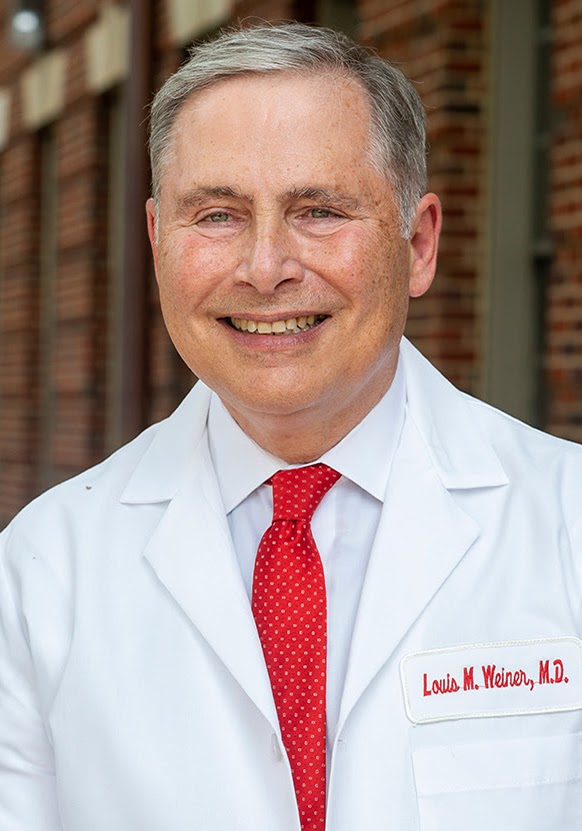 Louis M. Weiner合作论文数Lombardi Comprehensive Cancer Center, Georgetown University;Department of Oncology, Georgetown University Medical Center2Zhou Yan合作论文数2
 Hanqing Liu (刘晗青)合作论文数School of Pharmacy, Jiangsu University2
 Ilya Serebriiskii合作论文数Fox Chase Cancer Center2Andrea E. Debarber合作论文数2
 Brian L. Egleston合作论文数Fox Chase Cancer Center2
 Ranee Mehra合作论文数School of Medicine, University of Maryland;Marlene and Stewart Greenebaum Cancer Center, University of Maryland2Benjamin J. Kelly合作论文数1The Ohio State University College of Medicine合作论文数1Diana Juriloff合作论文数1Gloria Zender合作论文数1Jane Hurlburt合作论文数1Wesley Banks合作论文数1Debbie Shears合作论文数1Jessica E. Paul合作论文数1Donald J Corsmeier合作论文数1Patricia M Witman合作论文数1Jeffrey B S Gaither合作论文数1Harkness C Kuck合作论文数1Katherine Marks合作论文数1




