Soft tissue head and neck sarcomas are a heterogeneous and uncommon group of malignancies that arises from the connective tissue. Due to the proximity of vital structures in this region, its surgical resection represents a challenge for the surgeon. Our objetive was to describe surgical management and outcome of a series of six adult patients with head and neck sarcomas. We reviewed clinical records and pathological reports. The mean age was 47.5 years (range 18 - 78), and 5 were male. Locations of the primary lesions were: posterior neck in 2 cases, scalp in one, superior maxilla in one, pterigo maxillar space in one, lateral neck in one. All the cases were high grade tumors. The pathologic types were: high grade mixofibrosarcoma, 2; indifferentiated sarcoma, 1; high grade pleomorphic sarcoma, 1; high grade leiomyosarcoma, 1; and extraskeletal Ewing sarcoma (PNET), 1.
Background: Sympthomatic adult arteriovenous malformation (AVM) in the head and neck is an unfrequent and potential life threatening disorder. Objetive: To describe surgical management and outcome of two cases of surgically treated advanced cheek AVM. Setting: Third level universitary hospital. Design: Retrospective observational. Population: Two adult male patients with symptomatic AVM of the cheek. Method: Review of clinical records and pathological reports. Results: Both patients presented with great masses and had been previously treated with unsuccessful embolizations. They were Schobinger III stage. It was undertaken wide surgical resection and reconstruction with free flaps: antero lateral thigh flap in one case and fibular and anterolateral thigh flap in the other. Evolution was uneventful with acceptable cosmetic result. They are lesion free at 50 and 30 months of follow-up. Conclusions: Surgical treatment requires an experience and multidisciplinary team for extensive resection, aggressive blood and fluid reposition, and complex reconstruction with free flaps.
Peripherally infused interleukin-1 reduces food intake. Its temporal and selective effects on meal number and meal size were investigated in seven rats continuously infused for 3 days with recombinant human interleukin- 1α (rHu IL-1α; 3μgday−1, i.v.). Food intake decreased significantly during the first two infusion days, and was brought about by first the early reduction of meal number, followed by meal size with a 1 day delay. The primary effect of rHu IL-1α was seen during the dark cycle. After the infusion was stopped, meal number recovered most quickly, followed by a lag in recovery of meal size. We conclude that rHu IL-1α influenced food intake primarily via an effect on meal number, which responds more rapidly than a decrease in meal size, thereby inducing an immediate decrease in food intake.
To investigate whether there is a synergistic effect of recombinant human tumor necrosis factor-alpha (rhTNF-alpha) and recombinant human interleukin-1 alpha (rhIL-1 alpha) in inducing anorexia, 32 rats with jugular catheters were studied (8 rats/group): controls received normal saline; the IL-1 group received rhIL-1 alpha (10 micrograms/kg); the TNF group received rhTNF-alpha (30 micrograms/kg); and the IL-1 + TNF group received the same concentration of both rhIL-1 alpha+rhTNF-alpha for 3 days; solutions were then switched to normal saline. No significant decrease in light- and dark-phase food intake occurred during infusion of subeffective rhTNF-alpha. Food intake was decreased on the first rhIL-1 alpha infusion day because of a decreased meal number during the dark phase. A significant decrease in food intake occurred with combined infusion of rhIL-1 alpha+rhTNF-alpha because of a reduction in meal number during dark phase and meal size during light phase. Our results show that rhIL-1 alpha and rhTNF-alpha, when administered concurrently, had a synergistic effect in inducing anorexia, suggesting that low concentrations of these cytokines as produced endogenously may have potential effects on other biological functions in vivo.
 Manuel R Montesinos合作论文数19Falco Jorge合作论文数13H. Pablo Curutchet合作论文数13
 Norberto Mezzadri合作论文数13Sinagra Diego Luis合作论文数6Jose J. Terz合作论文数5
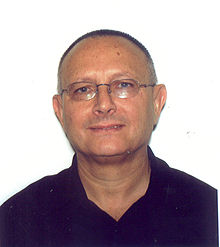 Michael M. Meguid合作论文数Surgical Metabolism and Nutrition Laboratory, Department of Surgery, University Hospital, SUNY Health Science Center, Syracuse, NY 13210 USA5Boris Elsner合作论文数4Lr Hill合作论文数4V MEGUID合作论文数4Marta Bellotti合作论文数3MM MEGUID合作论文数2julio c moreno合作论文数2Z J Yang合作论文数2
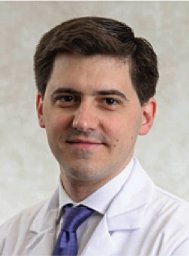 Patricio B Lynn合作论文数2Dorr Julio合作论文数2John R. Gleason合作论文数2ACL CAMPOS合作论文数1H P Curutchet合作论文数1teresa castiglioni合作论文数1Mm Mughal合作论文数1Iotti Alejandro合作论文数1Iotti Roberto合作论文数1Curutchet H Pablo合作论文数1
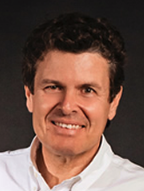 Alessandro Laviano合作论文数Dipartimento di Medicina Traslazionale e di Precisione, Sapienza Università di Roma1Alberto Woscoff合作论文数1Aurora M. Landel合作论文数1
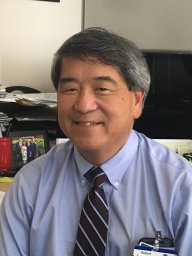 Robert James Hayashi合作论文数Laboratory of Developmental Neurochemistry, Stanford University School of Medicine1Samuel Eldar合作论文数1isidoro e montoreano合作论文数1William G. Hammond合作论文数1Alejandra Avagnina合作论文数1Masato Koseki合作论文数1Alvaro Munoz合作论文数Houston1




