Sexual minorities face an increased risk of being exposed to trauma and developing Post-Traumatic Stress Disorder (PTSD). PTSD symptoms can be exacerbated by 'Thinking a Lot' (TAL). The purpose of this study was to explore TAL and its associations with childhood trauma exposure and PTSD among young men who have sex with men (MSM) in Hanoi, Vietnam. Between June and October 2018, 198 participants completed the TAL Questionnaire, Childhood Trauma Questionnaire, and PTSD Symptom Scale. The network of associations among TAL, childhood trauma, and PTSD symptoms was estimated using the Ising model with l1 regularization, and a clustering algorithm was applied. Results indicated that childhood emotional abuse was connected to adult hyperarousal symptoms, but not to TAL-induced distress or other PTSD symptom clusters. PTSD symptom clusters were highly interconnected, and hyperarousal and avoidance symptom clusters specifically linked childhood trauma exposure to TAL-induced insomnia, irritability, and somatic distress. These findings underscored the complex local understanding of TAL and its role in the connection between childhood trauma and PTSD among MSM.
Clinical Impact Statement A Syrian version of CA-CBT was effective (large effect sizes for the HTQ), feasible, and potentially scalable (easy application, conducted with trained facilitators, short-term therapy, group format), and acceptable (as evidenced by very low drop out and no adverse events). Thus, the Syrian version of CA-CBT appears to be a valuable psychological intervention for traumatized Syrian refugees, particularly given the lack of effective treatments for this group. Objective: This study aims to determine for Syrian refugee women in Turkey the effectiveness, feasibility, and acceptability of culturally adapted cognitive behavioral therapy (CA-CBT). Method: Participants were randomly allocated to receive either CA-CBT (n = 12) or treatment-as-usual (TAU; n = 11). We used the Harvard Trauma Questionnaire (HTQ) and the Hopkins Symptom Checklist-25 (HSCL) to assess posttraumatic stress symptoms and anxious-depressive distress. CA-CBT was delivered through seven weekly group sessions. Results: CA-CBT had a large effect on PTSD (HTQ d = 1.17) and nearly medium effect sizes for anxious-depressive distress (HSCL d = .40). There were also low drop-out rates and an absence of adverse events. Conclusions: Because CA-CBT greatly reduced PTSD symptoms as compared with TAU and had a low drop-out rate, no adverse events, and was deliverable in a short treatment frame (seven sessions) and in a group format, we conclude that the treatment is effective, acceptable, and feasible and has the potential for scalability.
Among the cultural conceptualizations of distress, susto is defined in the DSM-5 as "a cultural explanation of distress and misfortune in Latin America that refers to an illness attributed to a terrifying event that causes the soul to leave the body and leads to unhappiness and illness, as well as difficulties in performing key social functions" (American Psychiatric Association (APA) (2013). Diagnostic and Statistical Manual of Mental Disorders, 5th edition. Washington, DC: APA, p. 836). Thus, susto represents a cultural explanation that encompasses the symptoms of various mental disorders and physical diseases. We analyzed the descriptions of susto from different scientific fields and related them to definitions of DSM-5 syndromes. Three syndromic subtypes of susto show a symptomatic overlap with depression, post-traumatic stress disorder (PTSD) and somatic disorder. However, linguistic metaphors describing symptoms and perceived causes that are specific for Latin American culture support the concept of susto as a specific idiom of distress (e.g., loss of soul, shadow or ajayu; sunken, closed or white eyes; jumping and screaming in the night; being thrown to the ground). In addition, if diagnostic criteria are met for mental disorders, then susto describes a perceived cause of psychopathological states (e.g., depressive disorder, PTSD, somatic disorder, panic disorder, generalized anxiety disorder). Future research with people who have experienced susto is needed to clarify whether susto precedes the onset of other mental disorders (perceived cause) or whether it is a way of designating distress (idiom of distress).
The death of a loved one - bereavement - is a universal experience that marks the human mental health condition. Grief - the cognitive, emotional, and behavioral responses to bereavement - is thus experienced by virtually everyone at some point in life, while mourning is a process through which grievers come to terms with the loss envisioning life without the deceased. Although distress subsides over time among most bereaved individuals, a minority will develop a condition recently identified as prolonged grief disorder (PGD). The present review provides a global perspective on bereavement, grief reactions, and PGD. Although the loss of a loved one and grief reactions are in general experienced consistently across different cultures, differences and variations in their expression may exist across cultures. Especially within specific populations that may be more at risk for PGD, possibly due to risk factors associated with the mechanisms of loss (e.g., refugees, migrants, and conflict survivors). The diagnostic criteria for PGD are mostly based on Western grieving populations, and cultural adaptations of PGD treatments are limited. Therefore, cross-cultural development and validation of PGD screening/assessment is critical to support future research on grief reactions and PGD, especially in non-Western contexts, and concerning the potential future global changes and challenges that appear to have a major impact on PGD. More transcultural research on PGD is needed to contextualize and will lead to culture-bound symptom identification of PGD, and the adaptation of current treatment protocols, which may ultimately improve health at the individual level, and health-care systems.
The purpose of this study was to characterize trauma exposure and mental health burden among men who have sex with men (MSM) in Hanoi, Vietnam. Participants comprise 100 HIV-positive and 98 high-risk, HIV-negative MSM, ranging from 18 to 29 years of age. Data were collected using the Childhood Trauma Questionnaire, Traumatic Events Inventory, Patient Health Questionnaire-9, Generalized Anxiety Disorder-7, and PTSD Symptom Scale. A subset of participants (n = 12) were also interviewed to evaluate community perception of the prevalence, causation, and available treatment options for mental health issues within the MSM community in Vietnam. In our sample, 23.2% reported having experienced moderate-to-severe childhood physical abuse; 18.7% physical neglect; 13.6% emotional abuse; 11.1% emotional neglect; and 26.8% sexual abuse. Such trauma exposure continued into adulthood and manifested most commonly in the form of interpersonal violence. Approximately 37.4% of the sample met the criteria for probable PTSD; 26.8% for moderate-to-severe depression; and 20.2% for moderate-to-severe anxiety. Neither exposure nor mental health burden differed by serostatus. Linear regression revealed that childhood emotional abuse was the only sub-type of trauma significantly associated with depression, anxiety, and PTSD symptoms. The majority of interviewees believed that mental health burden was higher among MSM relative to the general population and attributed this to their vulnerability to interpersonal violence and lack of available coping resources. However, few believed that these mental health issues warranted clinical attention, and only one participant was able to identify a mental health service provider. Our findings suggest that trauma exposure and mental health burden are prevalent among MSM, irrespective of serostatus, and much higher than what has been previously reported among the general population in Vietnam.
In this session, the patient is queried about issues of anger management, and is taught emotion regulation skills. This session presents the anger toolbox: a set of tools to use when angry.
Clinical variation in the expression of panic disorder, depression and anxiety, and posttraumatic stress disorder (PTSD) has have been documented across cultures. However, local (emic) cultural models that explain how people make sense of their illness experiences remain relatively understudied in India among trauma-exposed populations. Further, the integration of emic findings into clinical care is limited, underscoring the need for emic perspectives following trauma to improve the development or adaptation of trauma-focused treatments in India. This study describes an emic explanatory model of distress, which includes idioms of distress, perceived causes of distress, and coping/help-seeking behaviors among Indian women from slums reporting gender-based violence. This explanatory model can be used as a culturally grounded way to develop clinical case conceptualizations to adapt and deliver psychological treatments for this under-served population.
Interoceptive exposure is introduced, focusing on dizziness sensations that are induced by head rolling. We use head rolling to educate about dizziness, to modify catastrophic cognitions about dizziness, to create positive reassociations to dizziness, to address trauma associations to dizziness (and other induced symptoms), and to act as interoceptive exposure that creates new nonthreatening associations to dizziness (and other induced symptoms). Interoceptive exposure also acts as behavioral activation and as a way to create an attitude of playfulness, a sort of flexibility. In the session there is also further training in emotion regulation (emotion flexibility) by practicing certain emotions.
Although there is much research on the treatment of posttraumatic psychological reactions in survivors of civilian trauma, there is much less empirical evidence to drive interventions with survivors of other kinds of trauma, including persecution, torture, and sexual abuse, particularly in other cultural groups. This chapter illustrates some of the factors that should be taken into consideration when treating such populations. The chapter is divided into sections that address key issues relevant to special populations of trauma survivors: type of trauma, current stressors, comorbidity, anger, cultural issues such as culturally specific interpretations of trauma-related symptoms, and bereavement. The implications of these issues for the treatment of refugees and asylum seekers are examined. As this chapter indicates, the treatment of traumatic distress in special populations warrants more research to ensure that the optimal psychological interventions are available to such highly traumatized groups.
The present study examined explanations of sleep paralysis (SP) in Turkey. The participants were 59 college students recruited in İstanbul, Turkey, who had experienced SP at least once in their lifetime. Participants were administered the Sleep Paralysis Experiences and Phenomenology Questionnaire (SP-EPQ) in an interview. When asked whether they had heard of a name for SP, the vast majority (88%) mentioned the “ Karabasan ”—a spirit-like creature rooted in Turkish folk tradition. Seventeen percent of the participants believed that their SP might have been caused by this supernatural creature. Thirty-seven percent of participants applied various supernatural and religious methods to prevent future SP attacks such as dua (supplicating to God), reciting the Quran, and wearing a musqa (a type of talisman inscribed with Quranic verses). Case studies are presented to illustrate these findings. The Karabasan constitutes a culturally specific, supernatural interpretation of the phenomenology of SP in Turkey. Keywords cultural beliefs , sleep paralysis , Turkey
The Anxiety Sensitivity Index (ASI) measures fears of anxiety-related symptoms based on respondent beliefs about their harmfulness. This is the first network analysis of anxiety sensitivity and PTSD, and the first to explore an addendum of culturally salient fears in such an analysis. The purpose of our study was to test whether relations among PTSD symptoms and facets of anxiety sensitivity, observed clinically, can be visualized by this approach. Using network analysis, we examined in a Cambodian population the relationship of PTSD symptoms to the standard Anxiety Sensitivity Index (ASI) and to an ASI Cambodian Addendum (ASICA) that taps culturally salient fears of somatic symptoms among Cambodians not assessed in the standard ASI. Computing relative importance networks, we found that the ASI subscales, ASICA, and PTSD subscales were strongly interconnected, with the ASICA having the strongest outstrength centrality. In the network analysis of the ASI subscales, disaggregated ASICA, and PTSD subscales, several of the ASICA items had very high outstrength. The results show that fear of mental and physical symptoms of anxiety should be a key part of the evaluation of trauma-related disorder, and that those fears should be targeted. It also suggests the need for ASI addenda to assess concerns about anxiety symptoms salient for certain cultures that are not assessed by the standard ASI: among Cambodian populations, fear of cold hands and feet, "out of energy in the arms and legs," neck soreness, tinnitus, and dizziness on standing.
This article introduces Walking Corpse Syndrome, a common idiom of distress in Tamil Sri Lanka that is characterized by a variety of cognitive difficulties, feelings that an individual is functioning reflexively or impulsively, and acute attacks of dissociation that are accompanied with the sensation of empty-headedness. Walking Corpse Syndrome demonstrates some overlap with Western nosology, although it appears to be its own unique illness category, most likely of Ayurvedic provenance. The article comprises two studies. One is a secondary interview analysis of community members that aimed to identify the key symptoms of Walking Corpse Syndrome, allowing us to determine the local ethnopsychology of the syndrome and to elicit illustrative vignettes. The other study is a survey of Sri Lankan Tamil psychiatrists that aimed to investigate their understanding and experience of the disorder. This article outlines how, in certain cultural contexts, such syndromes emphasise the loss of attentional capacity and forgetfulness; it highlights the importance of “thinking a lot” as an idiom across cultures; and it details the many ways that Walking Corpse Syndrome is a key idiom of distress to assess in order to give adequate mental healthcare to Sri Lankan Tamil populations.
At a psychiatric refugee clinic for survivors of the Khmer Rouge genocide, a survey revealed that 42% (38/90) had auditory hallucinations (AHs) in the last month. Of those with AHs, 87% (33/38) had PTSD, whereas of those without AHs, 31% (16/52) had PTSD, giving a chi square of 27.8, p < .001, odds ratio 14.8 (4.8–45). Most AHs were of a “ghost summoning” (khmaoch hao), considered an exhortation to go with a ghost (e.g., hearing “Please come with me, younger sister”), experienced by 73% percent of patients with AHs. The voices were always exterior and usually loud and clear. AHs were heard most often during hypnagogia (i.e., upon falling asleep or awakening), experienced by 72% of patients with AHs, whereas 42% of patients with AHs experienced AHs when fully awake. AHs were almost always attributed to a ghost, giving rise to great fear: of having the “soul” called away or of being frightened to death. AH episodes almost always triggered trauma recall. AHs caused patients to undertake certain actions to address acute episodes and to prevent further ones. To illustrate these processes, cases are provided. AH appears to be a key part of the Cambodian bioculturally shaped trauma subjectivity.
Culture and Panic Disorder examines panic disorder across cultures, and throughout history, with contributions from leading scholars in anthropology, psychiatry, sociology, psychology, and the history of science.
Sleep paralysis (SP) is a psychobiological phenomenon caused by temporary desynchrony in the architecture of rapid eye movement (REM) sleep. It affects approximately 7.6% of the general population during their lifetime. The aim of this study was to assess (1) the prevalence of SP among Polish students in Lublin (n = 439) using self-reported online surveys, (2) the frequency of SP-related somatic and psychopathologic symptoms, and (3) the factors potentially affecting the occurrence of symptoms among people experiencing SP. We found that the incidence of SP in the Polish student population was slightly higher (32%) than the average prevalence found in other student populations (28.3%). The SP clinical picture was dominated by somatic symptomatology: 94% of respondents reported somatic symptoms (most commonly tachycardia, 76%), 93% reported fear (most commonly fear of death, 46%), and 66% reported hallucinations (most commonly visual hallucinations, 37%). The number of SP episodes was related to sleep duration and supine position during sleep. The severity of somatic symptoms correlated with lifestyle variables and anxiety symptomatology. Our study shows that a significant proportion of students experience recurrent SP and that this phenomenon is associated with fear and physical discomfort. The scale of the phenomenon requires a deeper analysis.
Across contexts, the roles and responsibilities for children are shaped by a range of sociocultural factors; thus, a contextually specific exploration of adaptive functioning norms is important in optimizing the acceptability, effectiveness, and sustainability of mental health intervention and community programming. The current study aimed to examine child adaptive functioning behaviors for children in Cambodia, a country faced with continuing recovery efforts from war and genocide, intergenerational trauma transmission, poverty, and minimal access to health and mental health services. Qualitative interviews were conducted with 30 children (ages 10–13, 16 girls) and 30 caregivers (ages 30–62, 24 females) in the Battambang province of Cambodia receiving mental health services related to caregiver intimate partner violence. Results reveal trauma-affected children in Cambodia engage in a range of familial, occupational, social, religious, and academic functioning domains. Children in this sample reported behaviors that reflect policy and community level priorities of development of children as a societal and economic resource, distress management strategies of self and others informed by mental health therapy and local healing strategies, and engagement in religio-cultural Khmer Buddhist practices and ceremonies. Findings highlight the importance of contextually specific conceptualizations of functional impairment in guiding assessment and community program design and identifying areas for monitoring intervention effectiveness.
With an increasing number of Muslims living in the West, and studies suggesting that mental illness may be more prevalent and chronic amongst Muslim cultural groups, there is a pressing need for appropriate treatment options. This book provides mental health professionals with a practical guide to delivering culturally adapted therapy to Muslim immigrants, refugees, and those with a Muslim religious or cultural background. It takes into account the religious, spiritual, social and cultural dimensions of individuals, framing elements such as mindfulness, emotion regulation and sleep problems within well-known Islamic terms and concepts. The book covers issues such as prominent somatic symptoms, multiple comorbidities, low education, ongoing life difficulties and mental health stigma. As Multiplex Therapy is transdiagnostic, targeting anxiety and mood disorders, the treatment is applicable to a large proportion of patients. Each chapter guides the reader through therapy sessions, giving clinicians an invaluable everyday manual for delivering treatment.
 Baland Jalal合作论文数Center for Brain &amp;Cognition, University of California;Center for Brain &amp; Cognition, University of California44
 Mark Pollack合作论文数Reunion Neuroscience;Biopharmaceutical Consulting;Argus Cognitive34
 Stefan G. Hofmann合作论文数Department of Psychology, Philipps University of Marburg24
 Vuth Pich合作论文数16
 Michael Otto合作论文数Department of Psychological & Brain Sciences, Boston University;Institute for Health System Innovation and Policy, Boston University;Center for Anxiety & Related Disorders, Boston University9
 Roger Pitman合作论文数Mass General Research Institute, Massachusetts General Hospital;Harvard Medical School, Harvard University9Roberto Lewis-Fernández合作论文数9Dara Chhean合作论文数9
 Eric Bui合作论文数University of Caen Normandy8
 Richard J. McNally合作论文数McNally Laboratory, Department of Psychology, Harvard University8
 Angela Marissa Nickerson合作论文数School of Psychology, Faculty of Science, The University of New South Wales8
 David Barlow合作论文数Center for Anxiety and Related Disorders, Boston University;Department of Psychological & Brain Sciences, College of Arts & Sciences, Boston University7Bamo Jalal合作论文数6Tran Minh合作论文数6
 Steven A. Safren合作论文数College of Arts and Sciences, University of Miami;Sylvester Comprehensive Cancer Center, University of Miami6
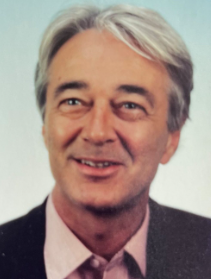 Joop de Jong合作论文数Amsterdam UMC6Susan Hinton合作论文数5
 Andrea Romanelli合作论文数5M. N. Simon合作论文数5
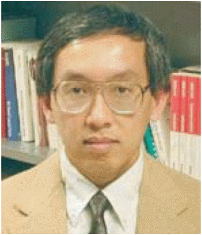 Lim Nguyen合作论文数Department of Computer and Electronics Engineering, University of Nebraska-Lincoln5Ladson Hinton合作论文数5
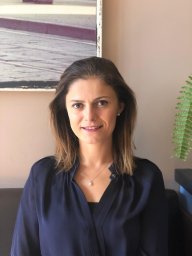 Ceren Acarturk合作论文数Dept. Clinical Psychology, Vrije Universiteit Amsterdam5
 Laurence J. Kirmayer合作论文数Division of Social and Transcultural Psychiatry, Department of Psychiatry, Faculty of Medicine and Health Sciences, McGill University;Department of Psychiatry, Jewish General Hospital;Institute of Community and Family Psychiatry, Jewish General Hospital;Lady Davis Institute5
 Ria Reis合作论文数Medical Anthropology & Sociology Unit, University of Amsterdam5
 Kathy Trang合作论文数4Giang Le Minh合作论文数Hanoi Medical University4Ba Phalnarith合作论文数4
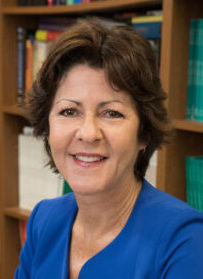 Michelle Craske合作论文数Anxiety and Depression Research Center, University of California, Los Angeles;Brain Research Institute, University of California, Los Angeles4
 Carol Worthman合作论文数Department of Anthropology, College of Arts and Sciences, Emory University4
 Lawrence Park合作论文数Inpatient Psychiatric Services, Massachusetts General Hospital4Khin Um合作论文数4
 Richard Bryant合作论文数School of Psychology, University of New South Wales4
 Tanja Jovanovic合作论文数Institute of Microbiology and Immunology, School of Medicine, Belgrade, Yugoslavia4Bruce Bird合作论文数3Sopheap Taing合作论文数3
 Caleb J Figge合作论文数Johns Hopkins Bloomberg Sch Publ Hlth3Kredlow M Alexandra合作论文数3
 Patrick Sullivan合作论文数Rollins School of Public Health, Emory University3Cetinkaya Mustafa合作论文数3
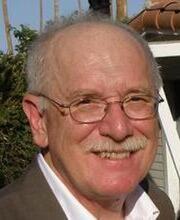 Byron Good合作论文数Department of Anthropology, Harvard University;Department of Global Health and Social Medicine, Harvard Medical School3
 Joseph Simons-Rudolph合作论文数3
 Sotheara Chhim合作论文数3
 Luana Marques合作论文数Department of Psychiatry, Massachusetts General Hospital and Harvard Medical School3
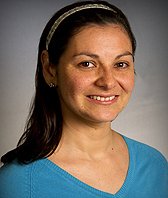 Cecilia Martinez-Torteya合作论文数Michigan State University3
 Ulrich Stangier合作论文数Department of Psychology, University of Frankfurt3
 Anu Asnaani合作论文数Department of Psychology, Boston University3
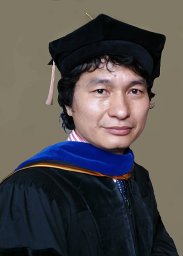 Thang Pham合作论文数NIH, National Institute of Diabetes and Kidney and Digestive Diseases3Alexander L. Hinton合作论文数2Chi K. Nguyen合作论文数2




