Reductions in right ventricular (RV) longitudinal parameters, particularly tricuspid annular plane systolic excursion (TAPSE), are frequently observed after cardiac surgery. However, postoperative changes in longitudinal RV motion may not occur in parallel with other conventional echocardiographic indices of RV function. This study aimed to evaluate early postoperative changes in longitudinal and area-based RV functional parameters after elective aortic surgery. This single-center retrospective study included 102 patients undergoing elective aortic surgery. Preoperative and early postoperative transthoracic echocardiography was used to assess RV function, including TAPSE, fractional area change (FAC), and tissue Doppler-derived S′ velocity. Absolute and relative percentage changes in RV echocardiographic parameters were calculated. To summarize the relative behavior of longitudinal and area-based RV indices, the Right Ventricular Functional Dissociation Index (RV-FDI) was calculated as the ratio of postoperative-to-preoperative FAC to postoperative-to-preoperative TAPSE. RV-FDI was considered an exploratory descriptive ratio and not a validated diagnostic or prognostic marker. TAPSE decreased significantly from 22.0 ± 4.9 mm to 18.3 ± 5.9 mm (p < 0.001). FAC also decreased significantly from 41.9 ± 6.9
Background:Aortic root thrombosis (ART) in left ventricular assist device (LVAD) patients has gained attention due to potential clinical consequences. This study aims to assess the clinical outcomes associated with ART in LVAD patients. Methods:We retrospectively evaluated adult patients who received LVAD implants at our center between January 2020 and March 2022. Pre-operative data, including demographics, laboratory values, and echocardiographic assessments, were similar between the ART and non-ART groups. Composite outcomes such as cerebrovascular events, pump thrombosis, myocardial infarction, embolic events, bleeding, right ventricular (RV) failure, and mortality post-discharge were examined. Results:The study included 44 outpatients (36 HeartMate 3, 8 HeartWare). ART was identified in 20 patients (45%) post-discharge. The "no ART" group had a mean age of 47±10 years (23 of 24 patients were male, 95.8%), while the "ART" group had a mean age of 48±12 years (15 of 20 patients were male, 75%), with no significant age difference (p>0.05). Thrombosis occurred at a median of 59 days post-implantation, primarily affecting the non-coronary cusp in 50% of the ART group. The median follow-up period was 416 days. No significant differences were found in composite outcomes (p=0.276), mortality (p=0.814), bleeding (p=0.808), or RV failure (p=0.197). Conclusion:ART may be under-recognized in LVAD patients, potentially leading to cardiac and end-organ damage. While ART does not significantly impact mortality, it emphasizes the need for careful management of LVAD patients.
BackgroundThe optimal management of the left subclavian artery (LSA) during hemi-arch replacement with unilateral antegrade cerebral perfusion (ACP) remains controversial. Routine LSA clamping has been proposed to improve cerebral perfusion by preventing potential steal phenomena; however, its clinical benefit remains uncertain. This study aimed to evaluate the association between LSA clamping and intraoperative cerebral oxygenation as well as early clinical outcomes.MethodsThis was a retrospective single-center cohort study of 145 patients undergoing hemi-arch procedures between 2016 and 2022. Patients were divided into LSA clamping (n = 56) and nonclamping (n = 89) groups. The primary outcome was the percentage decrease in regional cerebral oxygen saturation (rSO2) measured by near-infrared spectroscopy during ACP. Secondary outcomes included neurological events, postoperative complications, and early mortality.ResultsBaseline demographic and operative characteristics appeared comparable between groups. The magnitude of rSO2 decrease during ACP was similar between LSA clamping and nonclamping groups for both the right (12.0% vs. 10.6%, p = 0.42) and left hemispheres (6.8% vs. 8.8%, p = 0.56). Clinically relevant cerebral desaturation (>= 20% decrease) occurred at similar rates between groups. Permanent cerebrovascular events were observed in 7.1% and 6.7% of patients, respectively (p = 0.92). Early mortality occurred in 12.5% of the LSA clamping group and 11.2% of the nonclamping group (p = 0.81). Mortality was markedly higher in emergent and salvage procedures compared with elective and urgent operations.ConclusionIn this single-center retrospective cohort, routine LSA clamping was not associated with improved cerebral oxygenation or early clinical outcomes during hemi-arch replacement performed with short-duration unilateral ACP. These findings suggest that routine LSA clamping may not provide additional benefit in selected patients; however, results should be interpreted cautiously given the observational design and potential era-related confounding.
Background The optimal management of the left subclavian artery (LSA) during hemi-arch replacement with unilateral antegrade cerebral perfusion (ACP) remains controversial. Routine LSA clamping has been proposed to improve cerebral perfusion by preventing potential steal phenomena; however, its clinical benefit remains uncertain. This study aimed to evaluate the association between LSA clamping and intraoperative cerebral oxygenation as well as early clinical outcomes. Methods This retrospective single-center cohort study included 145 consecutive adult patients undergoing hemi-arch replacement with unilateral ACP between 2016 and 2022. Patients were divided into LSA clamping (n=56) and non-clamping (n=89) groups. The primary outcome was the percentage decrease in regional cerebral oxygen saturation (rSO₂) measured by near-infrared spectroscopy during ACP. Secondary outcomes included neurological events, postoperative complications, and early mortality. Results Baseline demographic and operative characteristics appeared comparable between groups. The magnitude of rSO₂ decrease during ACP was similar between LSA clamping and non-clamping groups for both right (12.0% vs 10.6%, p=0.42) and left hemispheres (6.8% vs 8.8%, p=0.56). Clinically relevant cerebral desaturation (≥20% decrease) occurred at similar rates between groups. Permanent cerebrovascular events were observed in 7.1% and 6.7% of patients, respectively (p=0.92). Early mortality occurred in 12.5% of the LSA clamping group and 11.2% of the non-clamping group (p=0.81). Mortality was markedly higher in emergent and salvage procedures compared with elective and urgent operations. Conclusion In this single-center retrospective cohort, routine LSA clamping was not associated with improved cerebral oxygenation or early clinical outcomes during hemi-arch replacement performed with short-duration unilateral ACP. These findings suggest that routine LSA clamping may not provide additional benefit in selected patients; however, results should be interpreted cautiously given the observational design and potential era-related confounding.
BACKGROUND:The advantages of direct oral anticoagulants (apixaban, rivaroxaban, edoxaban, dabigatran) over warfarin and low molecular weight heparin have been demonstrated in many studies in the treatment of patients with acute venous thromboembolism (VTE). However, a single-centre study comparing the effectiveness and safety of oral anticoagulants against each other has not yet been conducted. AIM:The study aimed to compare the results of the efficacy and safety profiles of direct oral anticoagulants (DOACs). The purpose of this study was to compare the effectiveness and safety profiles of DOACs. METHODS:The study included 192 patients diagnosed with VTE in Ankara City Hospital between 2019 and 2022. Patients diagnosed with deep vein thrombosis by venous doppler ultrasonography and those diagnosed with pulmonary embolism by pulmonary computed tomography angiography (CTA) were included in the study. The patients who received regular treatment for six months and came to their controls regularly were analysed. During the six months, control venous doppler ultrasonography or pulmonary CTA was performed in all patients with symptoms or examination findings suspicious of VTE. Relevant blood values of patients with hepatic or renal dysfunction were observed at the beginning of the treatment. The primary endpoints were recurrent VTE, mortality, and major bleeding events. RESULTS:The 192 patients included in the study were divided into four groups, with at least 45 patients in each drug group. There was no significant difference between the groups regarding gender, age, weight, comorbidity, rate of provoked VTE, and kidney and liver function tests. 90.6% of the patients had isolated deep venous thrombosis. There was a provoking reason in 49.5%. Obesity and immobilisation were the most frequent provoking causes. During the six-month treatment period, recurrent VTE was observed in three patients, major bleeding in two patients, and death in four patients. Non-major bleeding was seen in 40 patients. There was no significant difference between the four drug groups regarding efficacy and safety. CONCLUSION:Our study is essential in comparing the efficacy and safety of four direct oral anticoagulant drugs. Our findings supported that dabigatran, apixaban, edoxaban, and rivaroxaban treatments can be used safely and effectively in the treatment of acute VTE. While high efficacy was achieved with all drugs, a low rate of side effects was observed.
PURPOSE:The conventional triple immunosuppressive regimen administered following heart transplantation typically comprises a calcineurin inhibitor, an antiproliferative agent, and corticosteroids. Everolimus has emerged as a viable alternative to calcineurin inhibitors. This study aims to evaluate the immunosuppressive efficacy and adverse effect profile of everolimus when introduced after the first post-transplant year, in comparison to continued calcineurin inhibitor therapy. METHODS:A retrospective analysis was conducted on 90 heart transplant recipients under regular follow up. Patients were categorized into two groups: those who maintained calcineurin inhibitor therapy beyond the first year post-transplant (n = 45), and those who transitioned to everolimus after the first year (n = 45). The groups were compared in terms of rejection incidence and side effects. RESULTS:Following the treatment modification, the everolimus group showed a significant improvement in serum urea and creatinine levels (p < 0.05). Rejection rates after the first year were found to be similar between the two groups. CONCLUSION:Everolimus provides effective immunosuppression with a lower rate of side effects.It demonstrates a favorable impact on renal function without increasing the risk of rejection.The first year may be recommended as the optimal timing, considering both safe wound healing and the risk of rejection.
Amaç: Bu çalışmada beyin ölümü gerçekleşen hastalarda organ bağışının seyrini araştırmak, organ bağışından organ nakline kadar olan aşamaları incelemek, kullanılmayan veya reddedilen vericilerin nedenlerini ortaya çıkarmak ve çözüm önerileri ortaya konması amaçlandı. Gereç ve Yöntemler: Ocak 2015-Aralık 2016 tarihleri arasında, aile izinleri olan tüm kadavra bağışçılarının Sağlık Bakanlığı Ulusal Koordinasyon Merkezi Başkanlığı arşivlerindeki donör kayıt verilerini inceledik. Donör adaylarının demografik verileri, yoğun bakım kalış süresindeki verileri ve donör olarak kullanılmama nedenleri incelendi. Sonuçlar: 985 donör incelendi; %65'i erkek, ortalama yaş 47.5 (0-96) idi ve donörlerin %65'inde nörolojik nedenlerle beyin ölümü gerçekleşmişti. Ortalama beyin ölümü rapor süresi 5.4 ± 9.3 (1-169) gündü. Donörlerin 169’unda (%17.1) enfeksiyon tespit edildi. Ortalama yoğun bakımda kalış süresi 8,55 ± 4,42 (2-38) gündü. Donörlerin sadece 159’undan (%16,2) kalp grefti alındı. 495 (%50,2) donör tıbbi nedenlerle reddedildi, 64 (%6,5) donör, alıcı merkezler tarafından reddedildiği için kalp nakli için uygun değildi. Potansiyel bağışçıların %20'sinde kalp bağışı için aile onayı alınmadı. Aile onayı olmayan bağışçıların %70'i 65 yaşın altındaydı ve %67'sinin greft olarak kalp kullanımından kaçınmak için herhangi bir tıbbi sorunu yoktu. Kalp onayı olmayan donörlerde greft olarak karaciğer kullanım oranı %71, böbrek için kullanım oranı %70 idi. Sonuç: Beyin ölümü tanısından donörlerin bakımına kadar olan süreci yürütecek ve yönlendirecek organ nakli ekiplerine ihtiyacımız vardır.
Purpose: Implantation of left ventricular assist device (LVAD) pumps in smaller patients with BSA <1.2 m2 is potentially problematic for several theoretical reasons. Blood flow in small patients is slower than in patients with target BSA, and this may cause thrombus formation in the VAD system. In this study, the effect of the Heartmate 3 (HM3) pump on hemolysis and thrombosis at different rotation speeds was evaluated under its intended clinical operating condition using fresh human blood in a small volume circulating flow loop
Purpose: A triple regimen commonly used as immunosuppression for heart transplantation includes a calcineurin inhibitor, an antiproliferative agent, and a corticosteroid. After the first year of this regimen, everolimus is provided as an alternative to calcineurin inhibitors. This study aimed to show everolimus treatment provides effective immunosuppression with a lower side effect profile after the first year of transplant
Background: The aim of this study was to compare our experience of left ventricular assist device implantation via minimally invasive left thoracotomy with off-pump versus on-pump technique. Methods: Between June 2013 and April 2020, nine patients (8 males, 1 female; mean age: 47±11.9 years; range, 30 to 61 years) who underwent off-pump left ventricular assist device implantation and nine patients (8 males, 1 female; mean age: 47±11.4 years; range, 29 to 60 years) who underwent on-pump minimally invasive left thoracotomy were retrospectively analyzed. Postoperative outcomes and mid-term results of both groups were evaluated. Results: Outflow graft was anastomosed to the ascending aorta with J-sternotomy in all patients. The median duration of intubation and intensive care unit stay were one (IQR: 1.5) day and eight (IQR: 6.5) days in the off-pump group, respectively and one (IQR: 0) day and seven (IQR: 7) days in the on-pump group, respectively. Intra-aortic balloon pump was needed during the weaning of cardiopulmonary bypass in one (11%) of the patients in both groups. Postoperative right ventricular failure was observed in two (22%) patients in the offpump group who were treated medically and recovered. There was no need for revision due to bleeding or postoperative extracorporeal membrane oxygenator implantation in either group. In the off-pump group, three patients underwent heart transplantation after median 854 (IQR: 960) days. Three patients died one month, two and four years after implantation. Three patients were still alive with left ventricular assist device and were being uneventfully followed for 365, 400, and 700 days after implantation. Conclusion: Off-pump technique is safe and feasible option for implantation of left ventricular assist device via minimally invasive left thoracotomy.
Purpose: The aim of this study is to investigate the efficacy of adaptation of right ventricular (RV) risk scores used in adult patients to pediatric age group undergoing LVAD implantation. Methods: Twenty-two pediatric patients who underwent LVAD implantation were retrospectively reviewed from January 2014 to September 2018. Preoperative patient characteristics, hemodynamic parameters, and echocardiographic data were collected. Adult RV risk scores were calculated for all patients. Effects of all the parameters on RV function were also investigated. Study endpoints were RVF and in-hospital mortality. Results: Eleven (50%) of 22 patients were male. The mean age of the patients was 13.4 ± 3.8 years. The mean body surface area of the patients was 1.4 ± 0.4 m2. In five patients BiVAD implantation was performed. Of these five BiVAD patients two underwent successful heart transplant; two weaned from temporary RVAD and last patient died due to multi-organ failure. Four patients showed signs of early RVF; one patient was transplanted successfully while on medical support. Three patients developing RVF did not respond medical therapy necessitating ECMO and died in the early postoperative period. All risk scores and potential predictive factors were evaluated individually and in combination of several parameters. No significant predictor for RVF in pediatric patients that underwent LVAD implantation was found (p > 0.05). Conclusion: Neither an adult risk score nor a predictive factor was successful in predicting RVF, alone or in combination due to limited number of patients and events. Large further investigations are needed to identify the predictors or scoring system in pediatric population.
BACKGROUND:The aim of the study is to compare the results of patients who had moderate or severe tricuspid insufficiency (TI) at the time of left ventricular assist device (LVAD) implantation that did not undergo intervention.METHODS:Between October 2013 and December 2019, 144 patients who did not undergo tricuspid valve repair (TVR) during LVAD implantation in our department were included in the study. The patients were divided into two groups according to the TI grade; Group 1: 106 patients (73.6%) with moderate TI and Group 2: 38 patients (26.4%) with severe TI. All patients were evaluated for mortality, need of inotrope, blood product transfusion, intensive care unit (ICU) stay, duration of mechanical ventilation, and early and late right ventricular failure (RVF). Minimally invasive technique was favored in patients with worse right ventricular (RV) function to prevent the need for postoperative RV support and bleeding.RESULTS:The mean ages of the patients in the Group 1 and Group 2 were 46 ± 15 years (82% male), and 45 ± 11.2 years (81.5% males), respectively. Post-operative duration of mechanical ventilation, ICU stay, blood loss, and reoperations were similar (p > 0.05). There was no significant difference in early RVF, pump thrombosis, stroke, bleeding, and 30-day mortality between groups (p > 0.05). Incidence of late RVF was higher in Group 2 (p < 0.05).CONCLUSION:Although the risk of late RVF may increase in patients with preoperative severe TI, not intervening in TI during LVAD implantation does not cause adverse clinical outcomes in the early period.
PurposePrevious studies have suggested that there is a close relationship between having a small preoperative left ventricle (LV) and mortality after left ventricular assist devices (LVAD) implantation. Those studies were used LV end-diastolic diameter (LVEDD) in adult patients. However, there are no universally accepted ECHO measurement parameter, that show whether the LV cavity is large enough in pediatric patients to be implanted with an LVAD. We analyzed our single-center data on LVAD implantation to determine whether having a lower left ventricular end-systolic dimension (LVESD) preoperatively was associated with inferior outcomes.MethodsFrom June 2013 to September 2022, 43 patients under 19 years of age who underwent third-generation continuous flow centrifugal pump (Heartware and Heartmate3) implantation were included in this retrospective single-center study. We compared the preoperative LVESD and associated survival outcomes of these patients to determine the LVESD cutoff for worse overall survival.ResultsWe enrolled forty-three patients with LVAD. Mean age was 14 ± 4.4 (5-19) years and 28 (65.1%) were male. The mean body surface area was 1.4 ± 0.4 m2 (0.6-2.1). EF was 20% ± 5,5 (10-29), FAC was 21.2 ± 6.7 (10-32), TAPSE was 13±3.6(7-22), LVEDD was 6.6±1(4.7-10), LVESD was 5.9±0.8(4.4-7.2). A Cox multivariate regression model showed that low LVESD was an independent predictor of mortality (hazard ratio, 0,291; P:0.043). ROC Curve analysis method showed that overall survival postimplantation was decreased in patients with a LVESD less than 5.5 cm (AUC 0.808, Cut off: 5.5, sensitivity(%):83.3, specificity (%):15.4, p=0.035).ConclusionBeyond standard measurements of LVEDD, the consideration of LVESD may be useful to improve risk stratification in pediatric patients before isolated LVAD implantation. Previous studies have suggested that there is a close relationship between having a small preoperative left ventricle (LV) and mortality after left ventricular assist devices (LVAD) implantation. Those studies were used LV end-diastolic diameter (LVEDD) in adult patients. However, there are no universally accepted ECHO measurement parameter, that show whether the LV cavity is large enough in pediatric patients to be implanted with an LVAD. We analyzed our single-center data on LVAD implantation to determine whether having a lower left ventricular end-systolic dimension (LVESD) preoperatively was associated with inferior outcomes. From June 2013 to September 2022, 43 patients under 19 years of age who underwent third-generation continuous flow centrifugal pump (Heartware and Heartmate3) implantation were included in this retrospective single-center study. We compared the preoperative LVESD and associated survival outcomes of these patients to determine the LVESD cutoff for worse overall survival. We enrolled forty-three patients with LVAD. Mean age was 14 ± 4.4 (5-19) years and 28 (65.1%) were male. The mean body surface area was 1.4 ± 0.4 m2 (0.6-2.1). EF was 20% ± 5,5 (10-29), FAC was 21.2 ± 6.7 (10-32), TAPSE was 13±3.6(7-22), LVEDD was 6.6±1(4.7-10), LVESD was 5.9±0.8(4.4-7.2). A Cox multivariate regression model showed that low LVESD was an independent predictor of mortality (hazard ratio, 0,291; P:0.043). ROC Curve analysis method showed that overall survival postimplantation was decreased in patients with a LVESD less than 5.5 cm (AUC 0.808, Cut off: 5.5, sensitivity(%):83.3, specificity (%):15.4, p=0.035). Beyond standard measurements of LVEDD, the consideration of LVESD may be useful to improve risk stratification in pediatric patients before isolated LVAD implantation.
Purpose The Heartware (HVAD) and Heartmate 3 (HM3) are centrifugal continuous flow ventricular assist devices (VAD), used in adults for treatment of advanced heart failure with favorable survival outcomes to transplant. The HVAD pump has been used in many pediatric patients until last year and the results have been published. However, The company of HVAD stoped selling and distributing the this pump in last year. On the other hand little is known about the outcomes of HM3 (The Full MagLev Technology) in pediatrics. We analyzed our experience HVAD and HM3 VAD implantation in pediatric patients. Methods From June 2013 to September 2022, 43 patients under 19 years of age who underwent third-generation continuous flow centrifugal pumps implantation were included in this retrospective single-center study. Study cohort was divided into two groups according to pump. Group 1 (n = 27) HVAD Pump, Group 2 (n= 16) consisted of patients who has HM3 Pump. To compare outcomes of these pumps, measures were the length of entubation, blood loss and transfusion, intensive care unit and hospital stay, right ventricular (RV) failure and requirement support with devices, stroke, pump thrombosis, and bleending in hospital, mortality. Results There was no difference in ICU length of stay, post-operative blood transfusion, total time on mechanical ventilation, RVF, gastrointestinal bleeding, and pump thrombosis (p >0.05). Patients in the group 1 were younger, lower BMI, BSA, LVEDD, LVESD, and duration of cardiopulmonary bypass (p<0.05). There was no difference 30-days mortality. However, all mortality rate was higher in HVAD group 1 (p<0.05). The incidence of stroke was higher in the group 1 but were not statistically significant (p> 0.05). Conclusion HM3 assist system(The Full MagLev Technology) can be successfully implanted with a low incidence of mortality and adverse events in pediatric patients. Patients as small as BSA 0.7 m2 were successfully implanted and supported, indicating that this device may be appropriate for pediatric cases
Postoperative 3D thorax computed tomographic scan image of the patient.
BACKGROUND:The aim of this study is to investigate the relationship of preoperative NT-proBNP values with postoperative adverse events in patient left ventricular assist device (LVAD) implantation.METHOD:Forty-six patients (35 males; mean age 49.4 ± 12.9 years) who underwent LVAD implantation between 2016 and 2018 were evaluated in this study. The analysis was made on the relationship between preoperative NT-proBNP and mortality, postoperative right ventricular failure (RVF), postoperative drainage, duration of intubation, and intensive care unit stay, was examined. The optimal NT-proBNP cut-off values for predicting mortality were determined using Receiver Operator Characteristic (ROC) curve analysis and the patients were divided into two groups according to the specified cut-off point.RESULT:Median NT-proBNP was higher in patients who died, had postoperative extracorporeal membrane oxygenation, and early RVF. The median NT-proBNP was 11,103 pg/ml in patients with IABP, and 2943 pg/ml in patients without IABP, and the difference was statistically significant (p = 0.002). The cut-off point for NT-proBNP was found to be 1725.5 pg/ml (Sensitivity:0.929, Specificity:0.688). Accordingly, when the patients were divided into two groups and analyzed, no statistically significant difference was found between preoperative NT-proBNP below or above 1725.5 and postoperative adverse events. There was no statistically significant correlation between preoperative NT-proBNP and postoperative drainage, duration of intubation time, and duration of ICU stay (p > 0.05).CONCLUSION:Routine monitoring of preoperative NT-proBNP and comparison with postoperative values are important in terms of patient selection, the timing of surgery, follow-up of postoperative adverse events, and improving outcomes in VAD patients.
Heart transplant is in high demand, but the wait list exceeds 6 months in Turkey. Until a donor heart can be procured, venoarterial extracorporeal membrane oxygenation is an important support option to bridge patients on the wait list or as a rescue therapy for patients with right ventricular failure after implant of left ventricular assist device; it is less expensive than other options, provides benefits such as simple percutaneous insertion, and requires neither sternotomy nor biventricular and respiratory support. We present a case of a patient bridged to transplant with 5 months of extracorporeal membrane oxygenation support.
Abstract Background/Aims: In this study, the results of patients who had orthotopic heart transplantation (OHT) in acute rejection who admitted to our clinic with decompensated heart failure and who could not undergo endomyocardial biopsy (EMB) were evaluated. Methods: The study included 27 patients who underwent OHT in our clinic between December 1998 and November 2021, who admitted with acute rejection causing decompensated heart failure during follow-up, and who could not undergo EMB and administered IV pulse steroid plus plasmapheresis. Demographics of patients, peri-treatment left ventricular functions, survival rates and causes of mortality were analyzed. Results: 19 (70.4%) were male and mean age was 28.7 ± 14.7 (range: 3-54). After OHT, overall survival rates were 92.6%, 77.6%, and 69.4% at 1st, 3rd and 5th year respectively. During the follow-up, the survival rates of patients who presented with decompensated heart failure and given pulse steroid plus plasmapheresis were 70.4%, 58.8%, and 53.4% at 1st, 3rd and 5th year respectively after plasmapheresis. Median rejection time after transplant was 19 months (range 0-113 months). Pre-, and post-treatment left ventricle ejection fractions were 25.11% ± 11.1%, and 52.14% ± 13.4% respectively (p
 Umit Kervan合作论文数Department of Cardiovascular Surgery, Yuksek Ihtisas Hospital of Turkey62
 Sinan Sabit Kocabeyoglu合作论文数50
 Mustafa Pac合作论文数Department of Cardiovascular Surgery, Türkiye Yüksek İhtisas Hospital39
 Karahan Mehmet合作论文数Department of Cardiovascular Surgery, Turkiye Yuksek Ihtisas Heart Education and Research Hospital38Burcu Demirkan合作论文数21
 Zeki Catav合作论文数Department of Thoracic and Cardiovascular Surgery;Bayindir Hospital;Department of Thoracic and Cardiovascular Surgery, Bayindir Hospital20
 Ertekin Utku Unal合作论文数Ufuk Üniversitesi15Abdülkadir Yılmaz合作论文数14
 Irfan Tasoglu合作论文数Department of Cardiovascular Surgery, Ankara City Hospital13Emre Aygun合作论文数10
 Seref Alp Kucuker合作论文数Dept Cirurgia Cardiovasc, Hosp Cidade Ancara10
 Demir Aslı合作论文数Anesthesiology Department, Türkiye Yüksek İhtisas Education and Research Hospital10Mustafa Akdi合作论文数9Feyza Aysenur Pac合作论文数Department of Pediatric Cardiology Kizilay S, Turkiye Yuksek Ihtisas Education and Research Hospital9Mehmet Ali Ozatik合作论文数Cardiovascular Surgery Clinic;Psychology Department;Hacettepe University;Psychology Department, Hacettepe University9
 Aysegul Ozgok合作论文数Department of Anesthesiology, Yuksek Ihtisas Educational and Research Hospital6A. Temizhan合作论文数5
 Osman Fehmi Beyazal合作论文数5E. Aygun合作论文数5Temizhan Ahmet合作论文数5Koca Serhat合作论文数Department of Pediatric Cardiology, Yuksek Ihtisas Heart-Education and Research Hospital5
 Kemal Kavasoglu合作论文数5Perihan Kemerci合作论文数4O. Beyazal合作论文数4Lafci Gokhan合作论文数Department of Cardiovascular Surgery, Turkiye Yuksek Ihtisas Hospital4Yesim Guray合作论文数Cardiology Clinic, Yuksek Ihtisas Education and Research Hospital4Sabit Kocabeyoglu合作论文数4
 Yesim Akin合作论文数3Deniz Eriş合作论文数3Ahmet Vedat Kavurt合作论文数Dept Pediat Cardiol, Ankara City Hosp3
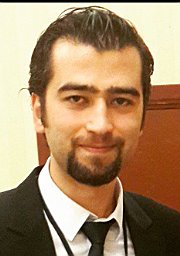 Ersin Kadirogullari合作论文数Department of Cardiovascular Surgery, Istanbul Mehmet Akif Ersoy Thoracic and Cardiovascular Surgery Training and Research Hospital3Rabia Koçulu合作论文数3Tola Muharrem合作论文数3Karadeniz Umit合作论文数3
 Necmettin Colak合作论文数3
 Semra Ozturk Mungan合作论文数3Turak Osman合作论文数3
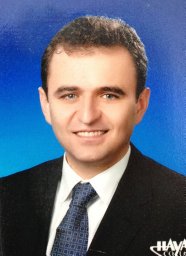 Songür Murat合作论文数Faculty of Medicine, Bülent Ecevit University;Traumatology, Esenköy-Kozlu;Faculty of Medicine, Bülent Ecevit University3
 Ata Niyazi Ecevit合作论文数3Nazli Yunus合作论文数3Muharrem Tola合作论文数3
 Kanat Ozisik合作论文数Department of Thoracic and Cardiovascular Surgery;Faculty of Medicine;Hacettepe University;Faculty of Medicine, Hacettepe University3
 Fırat Özcan合作论文数Sağlık Bilimleri Üniversitesi;Ankara Şehir Hastanesi3
 Alper Uzun合作论文数Department of Biology;Northeastern University;Department of Biology, Northeastern University3Erol Sener合作论文数3
 Ahmet Tulga Ulus合作论文数2Can Koçak合作论文数2Mine Altınkaya Çavuş合作论文数2
 Serhat Bahadir Genc合作论文数Dept Pediat Cardiac Surg, Univ Hlth Sci Istanbul2




