This chapter discusses the identification of carcinogens and tumour promoters in tobacco smoke, changes in cigarette smoke composition with various design changes, and observations on cigarette smokers. Major modifications in the make-up of the commercial cigarette were introduced between 1950 and 1975, but since that time there have been few substantive changes toward a further reduction of the toxic and carcinogenic potential of cigarette smoke. A variety of changes in cigarette design and filtration have resulted in chemical changes in cigarette smoke, some of which have demonstrated decreased toxicity in animal assays. Changes in the agricultural, curing, and manufacturing processes of cigarettes have increased the amounts of tobacco-specific nitrosamines in cigarette smoke. These changes are considered to have contributed to the increase in adenocarcinoma of the lung observed over the past several decades.
BACKGROUND Different compositions of smokeless tobacco (ST) are widely thought to cause oral carcinoma at different rates but there is little direct evidence for this hypothesis. METHODS We used a rat lip canal model to examine the mucosal changes induced by chronic daily exposure to four different brands of ST: Skoal, Copenhagen, Ettan Swedish Snus, and Stonewall, differing in measured levels of: tobacco specific nitrosamines (TSNAs), unprotonated nicotine, moisture, and pH. RESULTS Exposure to the lip canal for 12 months produced changes in the mucosa marked by increases in S phase and M phase cells for the Skoal and Copenhagen exposed rats. This correlated with the high level of TSNAs and nicotine in these products. All the tobacco products, to different degrees, induced sites of moderate to severe dysplasia some with extensive rete peg outgrowth from the oral mucosa not seen in the controls. Many of these sites showed a loss of p16 expression. CONCLUSIONS While all ST products caused dysplasia, the products with lower levels of TSNAs and unprotonated nicotine caused less, consistent with the model that tobacco with low levels of nitrosamines might potentially induce fewer carcinomas in human users.
Recently, tobacco companies have been marketing moist smokeless tobacco products that are 'spitless'. These products have lower concentrations of tobacco-specific nitrosamines and of other harmful chemicals than other tobacco products, but can deliver relatively high doses of nicotine. They are packaged in small sachets, similar to tea bags that are placed between cheek and gum. Global promotion of smokeless tobacco products is hotly debated among tobacco control and public health experts. Proponents point to the Swedish experience where snus (Swedish moist snuff) is widely used as an alternative to cigarette smoking among men. Meanwhile, Sweden has low rates of smoking and a lower rate of respiratory diseases and lung cancers by comparison to other developed countries. The opponents argue that snus has its own risks, that no form of tobacco should ever be promoted; and that 'snus is culture-bound and not transferable to other settings'. Critics also suspect that the tobacco industry will use snus marketing as a 'gateway' to promote cigarettes among young people. Research on the effects of marketing snus to smokers is too limited to support using snus as a harm-reduction tool, and the epidemiological data are not conclusive.
Cigarette smoking increases the risk of cancer of the pancreas. The tobacco-specific nitrosamine 4-(methylnitrosamino)-1-(3-pyridyl)-1-butanone (NNK) is the only known environmental compound that induces pancreatic cancer in laboratory animals. Concentrations of NNK are significantly higher in the pancreatic juice of smokers than in that of nonsmokers. The chiral NNK metabolite, (R,S)-4-(methylnitrosamino)-1-(3-pyridyl)-1-butanol (NNAL) is itself a potent pancreatic carcinogen in rats. The carcinogenicity of NNAL is related to its stereochemistry; (S)-NNAL is a more potent lung tumorigen in the A/J mouse than is (R)-NNAL. In this study, we determined the potential of the human pancreas to convert NNK into NNAL.
It was the goal of this study to assay the potential of inhaled cigarette smoke for endogenous W-nitrosation of amines in smok ers by means of measuring urinary excretion of A/-nitrosoproline (NPRO). For 12 days, nonsmoking and smoking men were placed on a controlled diet which was relatively low in proline and in ascorbic acid. On Days 1 through 3, the volunteers received the controlled diet alone (Group 1); on Days 4 through 6, the diet was supplemented by a single daily dose of 300 mg of proline (Group 2); on Days 7 through 9, the diet was supplemented by a single daily dose of 1 g of ascorbic acid followed by 300 mg of proline (Group 3); and for the last 3 days, a single daily dose of 1 g ascorbic acid was given (Group 4). Collections of 24-hr urine were made on Days 3, 6, 9, and 12 of the study. The urine was analyzed for NPRO and creatinine and for cotinine, the major metabolite of nicotine. The mean 24-hr NPRO excretion for 13 nonsmokers in Group 1 was 3.6 u.g. The NPRO excretion in 13 smokers in Group 1 was found to be 5.9 ng/24 hr, which is significantly higher than that of the nonsmokers (p < 0.05). Urinary NPRO in 14 nonsmokers of Group 2 was significantly lower than that of the 14 smoking volunteers (p < 0.05). Data for Group 3 indicated that those smokers who had shown elevated NPRO excretion in Group 2 had reduced urinary levels of NPRO as a consequence of ascorbic acid intake. Differences in NPRO excretion by smokers and nonsmokers on controlled diet with ascorbic acid but without proline supplements (Group 4) were also insignificant. These findings suggest that the doc umented endogenous A/-nitrosation of proline which occurs as a result of cigarette smoke inhalation may also apply to other Nnitrosatable amines including nicotine and thus lead to in vivo formation of carcinogenic /V-nitrosamines.
The tobacco-specific A'-nitrosamines 4-(methylnitrosamino)-l-(3-pyridyl)-l-butanone (NNK) and 4-(methylnitrosamino)-l-(3-pyridyl)-l-butanol (NNAL), as well as the /4reca-derived A'-nitrosoguvacoline (NG) were assayed for carcinogenicity in male F344 rats by lifetime adminis tration in the drinking water. Groups of 30 to 80 rats were treated with 0.5 ppm, 1.0 ppm, or 5.0 ppm of NNK; 5.0 npm of NNAL, 20 ppm of NG, a mixture of 20 ppm of NG and 1 ppm of NNK, and water only in the control group. The approximate total doses of the nitrosamines (mmol/kg of body weight) in these groups were: NNK, 0.073, 0.17, and 0.68; NNAL, 0.69; NG, 4.1; NG and NNK, 4.1 and 0.17. As in previous assays in which NNK was tested by s.c. injection, the lung was its principle target organ. Lung tumor incidences in the 0.5-, 1.0-, and 5.0ppni groups were nine of 80, 20 of 80, and 27 of 30 compared to six of 80 in the control rats. This trend was significant, /' < 0.005. Significant incidences of nasal cavity and liver tumors were observed only in the rats treated with 5.0 ppm of NNK. In contrast to the results of the s.c. bioassays of NNK, tumors of the exocrine pancreas were observed in five of 80 and nine of 80 rats treated with 0.5 and 1.0 ppm. This trend was significant, /' < 0.025. This is the first example of pancreatic tumor induction by a constituent of tobacco smoke. It is also the first finding of duct-like carcinomas in the rat pancreas, including one tumor containing epidermoid, keratin-generating tissue. NNAL, the major metabolite of NNK, induced lung tumors in 26 of 30 rats and pancreatic tumors in eight of 30 rats. It appears to be the proximate pancreatic carcinogen of NNK. NG induced pancreatic tumors in four of 30 rats, /' < 0.05. This finding requires confirmation. The mixture of NG and NNK induced lung tumors in eleven of 30 rats. There were no apparent synergistic interac tions of NG and NNK. The observation of benign and malignant tumors of the lung and pancreas of rats treated with the tobacco-specific ni trosamines NNK and NNAL is discussed in respect to the causal asso ciation between cigarette smoking and cancer of the lung and pancreas.
Abstract In 1953 the first successful induction of cancer in a laboratory animal with a tobacco product was reported, with the application of cigarette tar to mouse skin (Wynder et al. 1953). (Throughout this chapter, the term ‘tar’ is used as a descriptive noun only.) The particulate matter of cigarette smoke generated by an automatic smoking machine was suspended in acetone (1:1) and painted on to the shaven backs of mice three times weekly for up to 24 months. A clear dose response was observed between the amount of tar applied to the skin of mice and the percentage of animals in the test group bearing skin papillomas and carcinomas (Wynder et al. 1957). Since then, mouse skin has been widely used as the primary bioassay method for estimating the carcinogenic potency of tobacco tar and its fractions, as well as for particulate matters of other combustion products (Wynder and Hoffmann 1962, 1967; Hoffmann and Wynder 1977; National Cancer Institute 1977a, b, c, 1980; International Agency for Research on Cancer 1986a).
Cancer of the pancreas is the fourth leading cause of cancer mortality in the USA with an estimated 28 900 deaths in 2001. Several factors have been implicated in the etiology of this disease. However, at present, only cigarette smoking has been positively associated with pancreatic cancer. It is our working hypothesis that tobacco-derived compounds can be delivered to the pancreas where, upon metabolic activation, they can initiate carcinogenesis. Our current investigation was conducted to determine whether cotinine and tobacco-specific nitrosamines (TSNA) are present in human pancreatic juice. Smoking status was assessed by the determination of levels of urinary cotinine and was further supported by quantifying nicotine in hair. The TSNA were extracted from the pancreatic juice of 18 smokers and 9 nonsmokers by supercritical carbon dioxide that contained 10% methanol. The extracts were analyzed for TSNA, namely, 4-(methylnitrosamino)-1-(3-pyridyl)-1-butanone (NNK) and N'-nitrosonornicotine (NNN), by gas chromatography with mass spectrometric detection using a selected ion monitoring technique (GC-SIM-MS). Twenty-three extracts of human pancreatic juice were also analyzed for the presence of the NNK metabolite 4-(methylnitrosamino)-1-(3-pyridyl)-1-butanol (NNAL) by GC-SIM-MS and by gas chromatography interfaced wit a thermal energy analyzer (GC-TEA; TEA, a nitrosamine-specific detector). Cotinine was detected in all analyzed samples of pancreatic juice from smokers (129 +/- 150 ng/mL juice; mean +/- standard deviation) and was present in only two of the nine samples of pancreatic juice from nonsmokers. Its levels in these two samples were 7 and 9 ng/mL juice. NNK was detected in 15 of 18 samples (83%) from smokers at levels from 1.37 to 604 ng/mL pancreatic juice. In nine samples of pancreatic juice from nonsmokers, NNK ranged from not detected (in three samples) to 96.8 ng/mL juice. In pancreatic juice from smokers the mean level of NNK (88.7 +/- 161 ng/mL juice) was significantly higher (p < 0.04) than in that from nonsmokers (12.4 +/- 31.7 ng/mL juice). In addition to NNK, NNN was found in two samples of pancreatic juice of smokers at levels of 68.1 and 242 ng/mL juice; NNN was not detected in any other sample. NNAL was present in 8 of 14 pancreatic juice samples (57%) from smokers and in three of nine samples (33%) from nonsmokers. This research presents preliminary data that supports the hypothesis that pancreatic tissue is exposed to TSNA and that they may be important contributors to pancreatic carcinogenesis in humans.
The dose-response relationship between number of cigarettes smoked and risk for lung cancer was established in 1950 by epidemiological studies. Laboratory assays with tobacco tar on mouse skin and smoke inhalation experiments with hamsters provided further evidence for this relationship. In cigarette smoke, among 4800 identified compounds, 69 are carcinogens, and several are tumor promoters or cocarcinogens. The major toxic agents are nicotine, carbon monoxide, hydrogen cyanide, nitrogen oxides, some volatile aldehydes, some alkenes, and some aromatic hydrocarbons. Public health information and education have led to a reduction of cigarette smokers among U.S. adults from 40 to 25%. However, in high school students, smoking increased to 35% and in adults with less than a high school education it remains high at 33.3%. Intervention studies were augmented with attempts of risk reduction by changing the tobacco composition and makeup of cigarettes. This led to cigarettes that, according to the FTC, reduced the tar and nicotine yields from an average of 37 and 2.7 mg to 12 and 0.85 mg. The anticipated reduction of mortality rates from chronic diseases among cigarette smokers did not occur, primarily, because of a major adjustment in smoking intensity and depth of inhalation by the habitual smokers. It is, therefore, imperative that smoking control efforts are intensified and that, short of banning cigarette sales, cigarettes delivering smoke with the lowest potential for toxicity, addiction, and carcinogenicity are declared a matter of public health policy.
Background. From 1973 to 1991, the incidence of kidney cancer in the United StMethods. A multicenter, hospital-based case-control study was conducted from 1977 to 1993 through an interview of 788 patients with renal cell carcinoma and 779 control subjects.Results. Compared with those who never smoked, the odds ratio (OR) for renal cell carcinoma among current cigarette smokers was 1.4 (95% confidence interval [CI] 1.02-2.0) for men and 1.1 (95% CI 0.7-1.6) for women. Among men, there was a rising trend in the odds ratios with increasing pack-years of smoking (P < 0.01) but not with the number of cigarettes smoked per day. The OR among those currently smoking nonfilter cigarettes exclusively was 2.4 (95% CI 1.2-4.9) for men and 2.0 (95% CI 0.4-11.1) for women. No increased risk was observed among current smokers of filter cigarettes. Among men, the OR associated with chewing tobacco was 3.2 [95% CI 1.1-8.7). Total alcohol consumption was unrelated to the risk of renal cell carcinoma. A joint effect was observed among subjects with a high body mass index who reported a history of hypertension (OR = 1.9, 95% CI 1.01-3.5) for men and 3.2 (95% CI 1.3-7.7) for women.Conclusion. High body weight and hypertension were related jointly to renal cell carcinoma. Smoking nonfilter cigarettes and long term cigarette smoking (greater than or equal to 30 years) was a predictor for renal cell carcinoma risk in men. No significant association was found between smoking and renal cell carcinoma in women.
This article summarizes principal findings from a conference convened by the American Cancer Society in June 1998 to examine the health risks of cigar smoking. State-of-the-science reports were presented and 120 attendees (representing government and private agencies, academia, health educators, and tobacco control experts) participated in panels and summary development discussions. The following conclusions were reached by consensus: (1) rates of cigar smoking are rising among both adults and adolescents; (2) smoking cigars instead of cigarettes does not reduce the risk of nicotine addiction; (3) as the number of cigars smoked and the amount of smoke inhaled increases, the risk of death related to cigar smoking approaches that of cigarette smoking; (4) cigar smoke contains higher concentrations of toxic and carcinogenic compounds than cigarettes and is a major source of fine-particle and carbon monoxide indoor air pollution; and (5) cigar smoking is known to cause cancers of the lung and upper aerodigestive tract. JAMA. 2000;284:735-740
This chapter reveals that the epidemiologic studies have clearly documented that cigarette smoking causes cancer of the lung, trachea, larynx, oral cavity, esophagus, kidneys, and bladder. Smokers of cigars and pipes also face an increased risk for these cancers, although except for cancer of the oral cavity, larynx, and esophagus, this risk is lower than that for the cigarette smoker. In addition, smokers are more prone to develop chronic bronchitis and emphysema than are nonsmokers. By far, the greatest number of tobacco-related deaths is attributable to myocardial infarction. Inhalation experiments with cigarette smoke lead to benign and malignant tumors of the respiratory airways and especially in the larynx in the Syrian golden hamster. Because the gas phase of cigarette smoke does not induce tumors in this animal model, most of the carcinogenic potential of tobacco smoke is attributed to its particulate phase, the tar. Biochemical studies have delineated that most of the tobacco carcinogens are procarcinogens.
In Thailand, smoking of commercial cigarettes and of handmade cigarettes has drastically increased in recent decades. Cancer of the lung and of the upper aero-digestive tract have also increased in Thailand as they have in many other countries. It is our working hypothesis that the increase of primary cancer of the liver, especially of cholangiocarcinoma in the north-eastern provinces of Thailand is associated with the use of tobacco in men infested with the liver fluke Opisthorchis viverrini (OV). Bioassays have shown that volatile nitrosamines and tobacco-specific nitrosamines induce cholangiocarcinoma in laboratory animals and that the hepatocarcinogenic action of nitrosodimethylamine in hamsters is significantly increased by infestation with the liver fluke OV. The endogenous formation of nitrosamines is significantly increased by OV infestation. This report presents analytical data on the concentration of volatile nitrosamines and tobacco-specific nitrosamines in mainstream smoke of nine leading brands of commercially produced Thai cigarettes which represent approximately 85% of the market share in Thailand. Observed ranges (ng/cigarette) were 8.5-31.9 for nitrosodimethylamine, 8.8-49.6 for nitrosopyrrolidine and 4.2-18.9 for nitrosodi-n-butylamine. These values are exceptionally high compared with the smoke of light and blended cigarettes from North America and Western Europe. Among the tobacco-specific nitrosamines, the range was 28-730 for nitrosonornicotine and 16-370 for 4-(methylnitrosamino)-1-(3-pyridyl)-1-butanone. There was a correlation between volatile and tobacco-specific nitrosamines, and tar and nicotine deliveries in the mainstream smoke. The analytical data are in line with the rate for lung cancer and support our working hypothesis that nitrosamines, and especially the tobacco-specific nitrosamines, are associated with the increased risk for primary liver cancer among those Thai people who smoke cigarettes and also carry OV infestation.
Aberrant or excessive expression of cyclooxygenase (COX)-2 has been implicated in the pathogenesis of many disease processes, including carcinogenesis. COX-2 expression was immunohistochemically examined in archival samples (D. Hoffmann et al., Cancer Res., 53: 2758-2761, 1993) of lung neoplasms (adenomas, adenocarcinomas, and adenosquamous carcinomas) induced by 4-(methylnitrosamino)-1-(3-pyridyl)-1-butanone (NNK) in male F344 rats that had been fed either a semipurified AIN-76A diet with high-fat (HF; 23.5% corn oil) or low-fat (LF; 5% corn oil) content. The intensity and extent of COX-2 positivity was graded from 0 (undetectable or negligible expression) to grades 1 (<30% expression), 2 (30-60% expression), 3 (60-90% expression), and 4 (>90% expression). The scoring criteria were similar to those used with specimens from human lung cancers (T. Hida et al., Cancer Res., 58: 3761-3764, 1998). In group 1 (NNK plus HF diet), adenomas, adenocarcinomas, and adenosquamous carcinomas were of mean grades 2, 3, and 4, respectively; in group 2 (NNK plus LF diet), the corresponding mean grades were 1, 1, and 3. Although control rats, given HF (group 3) or LF (group 4) diets but no NNK, developed spontaneous lung tumors, the expression of COX-2 was either negligible (one adenoma of grade 0 in group 3) or of a very low grade (one adenocarcinoma of grade 1 in group 4). In addition, the latency of the tumors in the peripheral lung in assays with NNK is significantly shorter in rats maintained on the HF diet than in those on LF diet. COX-2 expression was not evident in normal lung tissues. We report here for the first time that NNK induces increasingly higher levels of COX-2 expression with progressive stages of lung tumorigenesis when rats are fed the HF diet. The increase in COX-2 expression may be associated with the development of lung tumors induced by NNK. This well-defined animal model is valuable for studying modulation of COX-2 expression in lung carcinogenesis by various factors, including dietary components.
 Stephen Hecht合作论文数Masonic Cancer Center, University of Minnesota;Department of Laboratory Medicine and Pathology, Medical School, University of Minnesota77
 Klaus Brunnemann合作论文数45LaVoie Edmond J合作论文数38Abraham Rivenson合作论文数37El Wynder合作论文数23
 Shantu Amin合作论文数Department of Pharmacology, Penn State Cancer Institute;Pennsylvania State University23John Adams合作论文数22Ernest L. Wynder合作论文数20Bogdan Prokopczyk合作论文数20Mirjana V. Djordjevic合作论文数19Klaus D. Brunnemann合作论文数17Irwin Schmeltz合作论文数16
 Karam El-Bayoumy合作论文数Department of Biochemistry and Molecular Biology, Penn State Cancer Institute;College of Medicine, Biochemistry and Molecular Biology, The Pennsylvania State University13
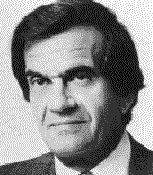 Ernst L. Wynder合作论文数Sloan-Kettering Institute for Cancer Research13V Bedenko合作论文数12N J Haley合作论文数9R M Ornaf合作论文数8Ilse Hoffmann合作论文数8Aa Melikian合作论文数7Robert Mazzarese合作论文数7D Desai合作论文数6Wenke, G.合作论文数6Chi-Hong B. Chen合作论文数6Chb Chen合作论文数5Cb Chen合作论文数5JD ADAMS合作论文数4Eugenia Jacobs合作论文数4Sepkovic D W合作论文数4
 Ronald Gilbert Harvey合作论文数4Jeff Tosk合作论文数4
 Ali M. Idris合作论文数Department of Plant Sciences, The University of Arizona4
 Gregory N Connolly合作论文数4Lorraine Tulley-Freiler合作论文数4Steven G. Carmella合作论文数4P Bertinato合作论文数3T C Tso合作论文数3TC TSO合作论文数3J HILFRICH合作论文数3Fl Chung合作论文数3Rd Safaev合作论文数3Steven G Carmella合作论文数3J Pataki合作论文数3C. A. Bache合作论文数3R Maronpot合作论文数3M Loy合作论文数3M DONG合作论文数3
 Steven D. Stellman合作论文数Department of Clinical Epidemiology, Columbia University Mailman School of Public Health3
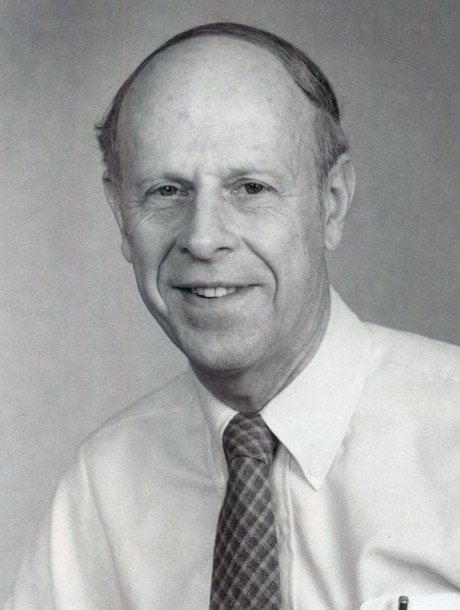 Donald Lisk合作论文数Department of Fruit and Vegetable Science, Cornell University3




