As educators, we are continually designing new methods and procedures to enhance learning. During this process, good ideas are frequently generated and tested, but the extent of such activities may not be adequate for a full manuscript. Nonetheless, the ideas may be quite beneficial in improving the teaching and learning of physiology. Illuminations is a column designed to facilitate the sharing of these ideas (illuminations). The format of submissions is quite simple: a succinct description of about one or two double-spaced pages (less title and authorship) of something you have used for the classroom, teaching, lab, conference room, etc. You may include one or two simple figures or references. Submit ideas for inclusion in Illuminations directly to the Associate Editor in charge, Stephen DiCarlo (sdicarlo@med.wayne.edu).
Breathlessness is a common complaint among patients with lung and heart diseases. It is a complex, multidimensional symptom with descriptive and quantitative aspects. The aim of this study is to constitute a set of questionnaires and scales for adequate assessment of dyspnea and their combination in diagnostic algorithm with various ranges. In order to achieve this goal, we developed a software product DISKO with the following characteristics: Includes the basic instruments for assessing dyspnea in all dimensions--verbal (descriptive) characteristic, everyday activities and exercise dyspnea, as well as its impact on the patients' quality of life. Proposes minimal, optimal and comprehensive algorithm for assessment and follow up of dyspnea. Presents a convenient interface and an ability to configure a flexible data base easy for browsing and handling. Proposed tests and algorithm for dyspnea assessment make it easier for the physician to diagnose and follow up chronically ill patients whose major complaint is dyspnea. The software product DISKO is compliant with the modern requirements for medical software and can be utilized in the process of diagnostic, education and scientific research.
OBJECTIVE:1. compare a large set of functional parameters in patients with bullous emphysema and patients with nonbullous emphysema. 2. To compare a chest radiographs (CHR) and a high resolution computed tomography (HRCT) in the clinical assessment of bullous emphysema.MATERIAL AND METHODS:The study population included 43 stable COPD patients (age = 59 +/- 9 years; pack/year (P/Y) = 39 +/- 19; ATS dyspnea score = 2.3 +/- 0.9; FEV1%pred. = 30 +/- = 10%; KCO%pred. = 49 +/- 16%; 6MWD (six minute walk distance) = 395 +/- 103 m; mean +/- SD). The patients were divided into two groups (patients with and without bullae) by a HRCT. In most of the cases the size of the bullae, measured by CT scan, was less than 15 mm. Twenty two CHRs were read independently by three experienced chest radiologists who had no knowledge of the CT scan data.RESULTS:Statistically significant differences were found between the groups with bullous (n = 19) and nonbullous (n = 24) emphysema in FEV1 (p < 0.001); VC (p = 0.001); BMI (p = 0.018); Borg after exercise (p = 0.021); FEV1/VC% (p = 0.025) and P/Y (p = 0.034). The sensitivity of chest radiographs compared with CT scan regarding the small bullae was very low: 27.7% in radiologist I, 12.3% in radiologist II, and 21.5% in radiologist III.CONCLUSIONS:1. The patients with bullous emphysema have statistically significant lower lung function indices (FEV1, VC, FEV1/VC%) and BMI than those with nonbullous emphysema. 2. Patients with bullous emphysema have higher level of dyspnea score after 6MWD and higher pack-year smoking status than those with nonbullous emphysema. 3. For the clinical evaluation of emphysema the information derived from a standardised reading of the CXR is not as valuable as that derived from the CT scan.
According to data reported in literature tidal breathing parameters and especially tidal expiratory flow pattern parameters can be useful in distinguishing airflow obstruction. The purpose of the present study was to investigate the parameters of the tidal breathing in healthy people and patients with chronic obstructive pulmonary disease. The study sample included 158 patients with COPD in clinically stable condition and different degree of functional disturbances (FEV1% pred. = 42% +/- 15%; ATS dyspnea scale = 2.5 +/- 0.9; mean +/- SD). The control group of healthy subjects consisted of 43 men and 37 women. The obtained results show that TPTEF/TE (the time necessary to reach the peak expiratory flow in tidal breathing over the total expiratory time) and VPTEF/VE (the volume necessary to reach the peak expiratory flow in tidal breathing over the total expiratory volume) are an independent aspect of tidal breathing. In healthy people these parameters show weak negative correlation with age and high variability. In COPD they are statistically significantly lower than those of healthy people but, since they are highly variable, they cannot be used for an individual assessment. The increase of the mean inspiratory flow (TV/Tin) and the shortening of VPTEF/VE, TPTEF/TE and Tin/Ttot, are indicative of the lung mechanics changes which have a bearing on dyspnea, too. According to factor analysis the parameters of tidal breathing are four separate dimensions: 1. Breathing frequency and respiratory times; 2. Relationship between the respiratory times; 3. Minute ventilation, mean expiratory flow, mean inspiratory flow and tidal volume; 4. Parameters of the expiratory flow VPTEF/VE and TPTEF/TE. The parameters of forced expiration and those of tidal breathing are separate dimensions of the functional profile of patients with COPD.
To achieve accurate interpretation of blood gas analysis data in intensive care units, the oxygen, acid-base and electrolyte-metabolite profile of arterial blood should be comprehensively and adequately monitored and assessed. A number of diagnostic software programmes have been developed to assist clinicians in this and to help improve instruction in this field. In the present study we describe an algorithm and a programme for assessment of the oxygen, acid-base and electrolyte status of the arterial blood. The algorithm, as well as the software programme, is named ALBOA BEACH, which is an acronym of the programme's full name--ALgorithm for Blood Oxygen, Acid-Base, Electrolyte And respective CHarts. The algorithm takes account of the latest achievements in blood-gas analysis; it can be used both in on-line and off-line modes and is useful in the laboratory and pathophysiological assessment of blood-gas disorders. The algorithm is based on a rigorous pathophysiological analysis and the interpretation achieved as a result is much more accurate than usual. Thus it provides a most reliable basis for taking the right clinical decision and making the proper prognosis of the possible critical conditions. The algorithm also provides additional bases for interpretations of data in the borderline zones, with due warnings in cases of absence of physiological coherence between the various parameters and modules. The programme is designed to be used with the modern multifunctional blood-gas analysers; it can be of assistance in making diagnoses, in the training and research activity in the intensive care units and specialised blood gas laboratories.
We studied the local changes of blood gas indices of arterialised capillary blood taken simultaneously from the fractured and the uninjured arm of 30 patients with diaphyseal fractures of the forearm. Blood gases were measured with a Stat Profile 5 analyser (Nova Biomedical). The results indicate a slight but statistically significant decrease of the acid-base indices without any changes in the oxygen indices. These slight changes do not affect considerably the diagnosis of the profile.
A new index, termed 'useful ratio' of the blood oxygen binding curve, was derived on the basis of the characteristic features of hemoglobin oxygen (transported, reserve and practically non-usable hemoglobin oxygen). The index gives the ratio of the useful to the predicted total hemoglobin oxygen of patients. It is functionally related to the fraction of the measured transpulmonary shunt (FShunt), shows high correlation with the blood gases (pO2 and pCO2), correlates moderately with the hydrogen exponent, poorly with the oxygen affinity (P50) and the metabolic acid-base parameters (cHCO3), and does not show to be essentially related to the total oxygen concentration (cO2) and PO2(x), the new index proposed in the Oxygen Status Algorithm. Diagnostically, this index has much the same value as that of the calculated shunt (FShunt); it can be used only in diagnosing the conditions of hyperoxia, normoxia, and hypoxia and excludes detecting those of hyperoxemia, normoxemia, and hypoxemia. Simultaneous assessment of this index together with pO2(x) enhances further the diagnostics of respiratory insufficiency providing the necessary information about the mechanism of respiratory decompensation that is of importance for an efficacious treatment.
The priority of direct monitoring of blood gases in Paediatric Intensive Care Units (PICU) increased substantially after introduction of the Deep Picture method and Oxygen Status Algorithm (OSA) (1) into medical practice. We used the advantages of these methods as a prerequisite for a more detailed and deeper analysis of the blood oxygen profile (2, 3). The aims of the present paper were: 1. To illustrate the applicability of the capacity coefficients beta 1.0, beta 2.3, beta 5-4 of the transported oxygen and the Useful Ratio (UR) index of the haemoglobin oxygen, previously described by us, and the benefit derived from differentiation of the states of hyperoxia, normoxia and hypoxia; hyperoxaemia, normoxaemia and hypoxaemia on the Blood Oxygen Binding Curve (BOBC) in critically ill newborns, infants and children. 2. To expand the diagnostic capacity of the Blood Gas Map (BGM) used with the OSA in children and to supplement the arterial oxygen diagnostics with new indices that reflect the relationship between oxygen uptake and oxygen transported in the body. 3. To share our experience in PICU related to the acid-base-electrolytes relationship and to the possibility of assessing the reno-hepatic regulation according to the changes of the acid-base status in critically ill children.
Three new parameters were applied to evaluate oxygen transport using the dissociation curve of human blood. They are derived from the following equation: [formula: see text] The first parameter, beta 1,0, reflects the oxygen capacity of the curve within the range of 1.0 kPa at its "arterial section". The second parameter, beta 2,3, reflects the oxygen transport from the "arterial" point to the point of extraction of 2.3 mmol/l-1 of oxygen which is assumed as normal. The third parameter, beta 5-4 kPa, characterises the oxygen transport at the "venous" section of the curve. The parameters were studied on a cohort of 12 healthy people and 141 patients with chronic obstructive pulmonary disease at different stages of respiratory failure. A significant correlation was found between the oxygen capacity parameters, beta 1,0 and beta 2,3, and pO2(a), sO2 and the calculated transpulmonary shunt. They were not influenced by ctHb and ctO2(a). beta 5-4 showed marked correlation with the hemoglobin and total O2 concentration and the parameters that indicate a risk of tissue hypoxia-px and Qx. Standardisation of the new parameters with ctO2(a) correlates it functionally with the parameters of oxygen affinity.
The present study aimed at testing clinically the computerized pneumotachograph ETOS, a joint Bulgarian-Russian manufacture. It was evaluated by comparing its performance with that of a similar pneumotachographic system made by JAEGER, Germany. 20 patients with chronic obstructive pulmonary disease and 21 healthy subjects were enrolled in the study. Each of the pneumotachographs was used first to generate separately enveloped maximal expiratory flow-volume curves. Then, with the machines in series, they were used for the analyses of single forced expirations. The results for linearity, systematic and random errors showed the ETOS pneumotachograph to be reliable for the values of the major forced expiration parameters--FVC, FEV1.0, PEF and MEF50%.
Plasma cholesterol and triacylglycerols were measured in rats with modelled chronic two-stage (mild and moderate) intermittent nitrite methemoglobinemia for 15 and 30 days. It was found that at the moment of methemoglobinemic peak (60 +/- 10 min) the experimental animals had mixed (hemtoxic, anemic and hypoxic) hypoxemia. The every day "pulse" decrease of the total oxygen concentration during the 30-day methemoglobinemia was accompanied with a significant rise (p < 0.05) of cholesterol concentrations in the high-density lipoproteins and the total cholesterol, as well as a decrease in the amount of triacylglycerols. These changes are considered to represent the side effects of adaptation for whose elucidation further research is needed.
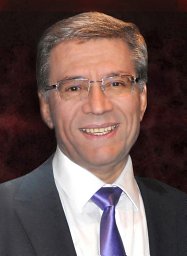 Stefan Kostianev合作论文数Pulmonary Laboratory and Division9
 I Kirin合作论文数7M Ovanesian合作论文数4Hristova A合作论文数3Yanev I合作论文数3A Karova合作论文数2I Iliev合作论文数1P Mandulova合作论文数1Z Batalov合作论文数1M Pisanetz合作论文数1D Mitkov合作论文数1K Chifligarov合作论文数1A Chifligarov合作论文数1Anavy B合作论文数1Hodgev V合作论文数1Stavrev V合作论文数1Anavi B合作论文数1Kostyanev S合作论文数1S. Lazarov合作论文数1
 Blagoi Marinov合作论文数Department of Pathophysiology;Department of Hygiene;Medical University of Plovdiv;Department of Hygiene, Medical University of Plovdiv1Atanas Ivanov Atanassov合作论文数1




