Introduction: The REDS-IV-P Epidemiology, Surveillance and Preparedness of the Novel SARS-CoV-2 Epidemic (RESPONSE) seroprevalence study conducted monthly cross-sectional testing for SARS-CoV-2 antibodies on blood donors in six U.S. metropolitan regions to estimate the extent of SARS-COV-2 infections over time. Study Design/Methods During March-August 2020, approximately [≥]1,000 serum specimens were collected monthly from each region and tested for SARS-CoV-2 antibodies using a well-validated algorithm. Regional seroprevalence estimates were weighted based on demographic differences with the general population. Seroprevalence was compared with reported COVID-19 case rates over time. Results/Findings: For all regions, seroprevalence was <1.0% in March 2020. New York experienced the biggest increase (peak seroprevalence, 15.8 % in May). All other regions experienced modest increases in seroprevalence(1-2% in May-June to 2-4% in July-August). Seroprevalence was higher in younger, non-Hispanic Black, and Hispanic donors. Temporal increases in donor seroprevalence correlated with reported case rates in each region. In August, 1.3-5.6 estimated cumulative infections (based on seroprevalence data) per COVID-19 case reported to CDC. Conclusion: Increases in seroprevalence were found in all regions, with the largest increase in New York. Seroprevalence was higher in non-Hispanic Black and Hispanic blood donors than in non-Hispanic White blood donors. SARS-CoV-2 antibody testing of blood donor samples can be used to estimate the seroprevalence in the general population by region and demographic group. The methods derived from the RESPONSE seroprevalence study served as the basis for expanding SARS-CoV-2 seroprevalence surveillance to all 50 states and Puerto Rico.
BACKGROUND: Repeated blood donation alters the iron balance of blood donors. We quantified these effects by analyzing changes in body iron as well as calculating iron absorbed per day for donors enrolled in a prospective study.STUDY DESIGN AND METHODS: For 1308 donors who completed a final study visit, we calculated total body iron at the enrollment and final visits and the change in total body iron over the course of the study. Taking into account iron lost from blood donations during the study and obligate losses, we also calculated the average amount of iron absorbed per day.RESULTS: First-time/reactivated donors at enrollment had iron stores comparable to previous general population estimates. Repeat donors had greater donation intensity and greater mean iron losses than first-time/reactivated donors, yet they had little change in total body iron over the study period, whereas first-time/reactivated donors had an average 35% drop. There was higher estimated iron absorption in the repeat donors (men: 4.49 mg/day [95% confidence interval [CI], 4.41-4.58 mg/day]; women: 3.75 mg/day [95% CI, 3.67-3.84 mg/day]) compared with estimated iron absorption in first-time/reactivated donors (men: 2.89 mg/day [95% CI, 2.75-3.04 mg/day]; women: 2.76 mg/day [95% CI, 2.64-2.87 mg/day]). The threshold for negative estimated iron stores (below "0" mg/kg stores) was correlated with the development of anemia at a plasma ferritin value of 10 ng/mL.CONCLUSIONS: These analyses provide quantitative data on changes in estimated total body iron for a broad spectrum of blood donors. In contrast to using ferritin alone, this model allows assessment of the iron content of red blood cells and the degree of both iron surplus and depletion over time.
Background and Objectives Repeated blood donation produces iron deficiency. Changes in dietary iron intake do not prevent donation‐induced iron deficiency. Prolonging the interdonation interval or using oral iron supplements can mitigate donation‐induced iron deficiency. The most effective operational methods for reducing iron deficiency in donors are unknown. Materials and Methods ‘Strategies To Reduce Iron Deficiency’ ( STRIDE ) was a two‐year, randomized, placebo‐controlled study in blood donors. 692 donors were randomized into one of two educational groups or one of three interventional groups. Donors randomized to educational groups either received letters thanking them for donating, or, suggesting iron supplements or delayed donation if they had low ferritin. Donors randomized to interventional groups either received placebo, 19‐mg or 38‐mg iron pills. Results Iron deficient erythropoiesis was present in 52·7% of males and 74·6% of females at enrolment. Adverse events within 60 days of enrolment were primarily mild gastrointestinal symptoms (64%). The incidence of de‐enrolment within 60 days was more common in the interventional groups than in the educational groups ( P = 0·002), but not more common in those receiving iron than placebo ( P = 0·68). Conclusion The prevalence of iron deficient erythropoiesis in donors enrolled in the STRIDE study is comparable to previously described cohorts of regular blood donors. De‐enrolment within 60 days was higher for donors receiving tablets, although no more common in donors receiving iron than placebo.
BACKGROUND:Although risk factors for HIV infection are known, it is important for blood centres to understand local epidemiology and disease transmission patterns. Current risk factors for HIV infection in blood donors in Brazil were assessed.METHODS:A case-control study was conducted at large public blood centres located in four major cities between April 2009 and March 2011. Cases were persons whose donations were confirmed positive by enzyme immunoassays followed by Western blot confirmation. Audio computer-assisted structured interviews (ACASI) were completed by all cases and controls. Multivariable logistic regression was used to estimate adjusted odds ratios (AORs) and associated 95% confidence intervals (CIs).RESULTS:There were 341 cases, including 47 with recently acquired infection, and 791 controls. Disclosed risk factors for both females and males were sex with an HIV-positive person AOR 11.3, 95% CI (4.1, 31.7) and being an IVDU or sexual partner of an IVDU [AOR 4.65 (1.8, 11.7)]. For female blood donors, additional risk factors were having male sex partners who also are MSM [AOR 13.5 (3.1, 59.8)] and having unprotected sex with multiple sexual partners [AOR 5.19 (2.1, 12.9)]. The primary risk factor for male blood donors was MSM activity [AOR 21.6 (8.8, 52.9)]. Behaviours associated with recently acquired HIV were being a MSM or sex partner of MSM [13.82, (4.7, 40.3)] and IVDU [11.47, (3.0, 43.2)].CONCLUSION:Risk factors in blood donors parallel those in the general population in Brazil. Identified risk factors suggest that donor compliance with selection procedures at the participating blood centres is inadequate.
BACKGROUND:Reducing risk of HIV window period transmission requires understanding of donor knowledge and attitudes related to HIV and risk factors. STUDY DESIGN AND METHODS:We conducted a survey of 7635 presenting blood donors at three Brazilian blood centres from 15 October through 20 November 2009. Participants completed a questionnaire on HIV knowledge and attitudes about blood donation. Six questions about blood testing and HIV were evaluated using maximum likelihood chi-square and logistic regression. Test seeking was classified in non-overlapping categories according to answers to one direct and two indirect questions. RESULTS:Overall, respondents were male (64%) repeat donors (67%) between 18 and 49 years old (91%). Nearly 60% believed blood centres use better HIV tests than other places; however, 42% were unaware of the HIV window period. Approximately 50% believed it was appropriate to donate to be tested for HIV, but 67% said it was not acceptable to donate with risk factors even if blood is tested. Logistic regression found that less education, Hemope-Recife blood centre, replacement, potential and self-disclosed test-seeking were associated with less HIV knowledge. CONCLUSION:HIV knowledge related to blood safety remains low among Brazilian blood donors. A subset finds it appropriate to be tested at blood centres and may be unaware of the HIV window period. These donations may impose a significant risk to the safety of the blood supply. Decreasing test-seeking and changing beliefs about the appropriateness of individuals with behavioural risk factors donating blood could reduce the risk of transfusing an infectious unit.
Background On 12 May 2008, a severe earthquake struck Sichuan in China. Many people donated blood for the first time, leading us to question whether these donors might become repeat donors in the future. The return pattern of post‐earthquake first‐time donors (PEFTD) was compared with that of first‐time donors (FTD) in a comparable period.
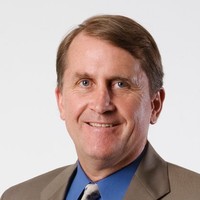 Michael P. Busch合作论文数School of Medicine, University of California, San Francisco;Vitalant Research Institute;Blood Systems32
 Murphy Edward L合作论文数21
 Kleinman, Steven合作论文数Department of Pathology and Laboratory Medicine, Faculty of Medicine, The University of British Columbia;Kleinman Biomedical Research21SA Glynn合作论文数19George B Schreiber合作论文数17Cable Ritchard G合作论文数American Red Cross15
 Whitney R. Steele合作论文数Sci Affairs, Amer Red Cross14
 Brian Custer合作论文数Department of Laboratory Medicine, The University of California, San Francisco;Blood Systems Research Institute;Vitalant Research Institute13JE KISS合作论文数12A. E. Mast合作论文数12K. S. Schlumpf合作论文数9E. C. Sabino合作论文数8
 Simone Glynn合作论文数Blood Epidemiology and Clinical Therapeutic Branch, Division of Blood Diseases and Resources, National Heart, Lung, and Blood Institute, National Institutes of Health8CC Nass合作论文数7Jerome Gottschall合作论文数7Susan Stramer合作论文数American Red Cross7Simon Toby L合作论文数7
 Bryan Ross Spencer合作论文数7S L Wilkinson合作论文数6RA SACHER合作论文数6Thelma T. Goncalez合作论文数Fundação Pro-Sangue/Hemocentro de São Paulo6D. Sampaio合作论文数5Gj Nemo合作论文数5JW Smith合作论文数5HE OWNBY合作论文数5
 de Almeida-Neto Cesar合作论文数Blood Center of São Paulo, Fundação Pró-Sangue5
 Danielle M Carrick合作论文数5P. M. Carey合作论文数4D Kessler合作论文数4P. C. Rocha合作论文数4ME Laycock合作论文数4
 Richard Benjamin合作论文数Brigham and Women's Hospital, Harvard Medical School4Yongling Tu合作论文数4A. C. Proietti合作论文数3C Miranda合作论文数3MJ Higgins合作论文数3AE Williams合作论文数3Y. Tu合作论文数3J Fridey合作论文数3G. Simone合作论文数3J. Fang合作论文数3R O Endres合作论文数3
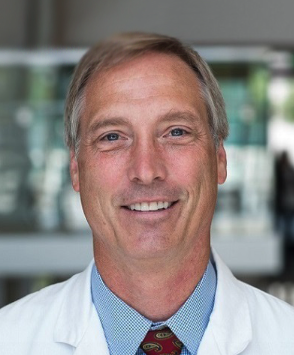 Philip Norris合作论文数Department of Medicine, University of California, San Francisco;Vitalant Research Institute, University of California, San Francisco;Center for AIDS Research, University of California, San Francisco3Leslie H Tobler合作论文数3BL Pappalardo合作论文数3R. Kakaiya合作论文数2R Gilcher合作论文数2E. P. Notari合作论文数2S. C. Leao合作论文数2




